back to top
  • AI & Machine Learning, Biology, Computing, Data & AI, Life Sciences
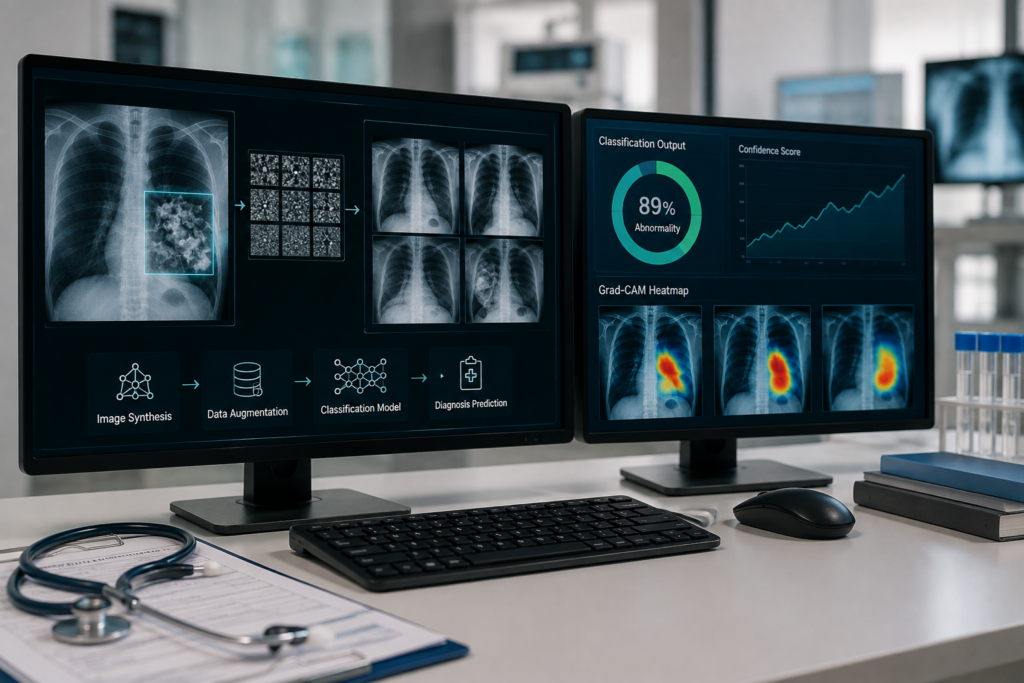
    Abstract Medical trainees depend on diverse visual reference material to develop diagnostic pattern-recognition skills, yet such material is often limited in diversity and accessibility. This paper presents a classifier-in-the-loop generative framework for synthesising realistic histopathology images: a Stable Diffusion v1.5 model is fine-tuned using Low-Rank Adaptation (LoRA) on the PathMNIST dataset, consisting of nine colorectal […]
  • Biology, Chemistry, Life Sciences, Physical Sciences
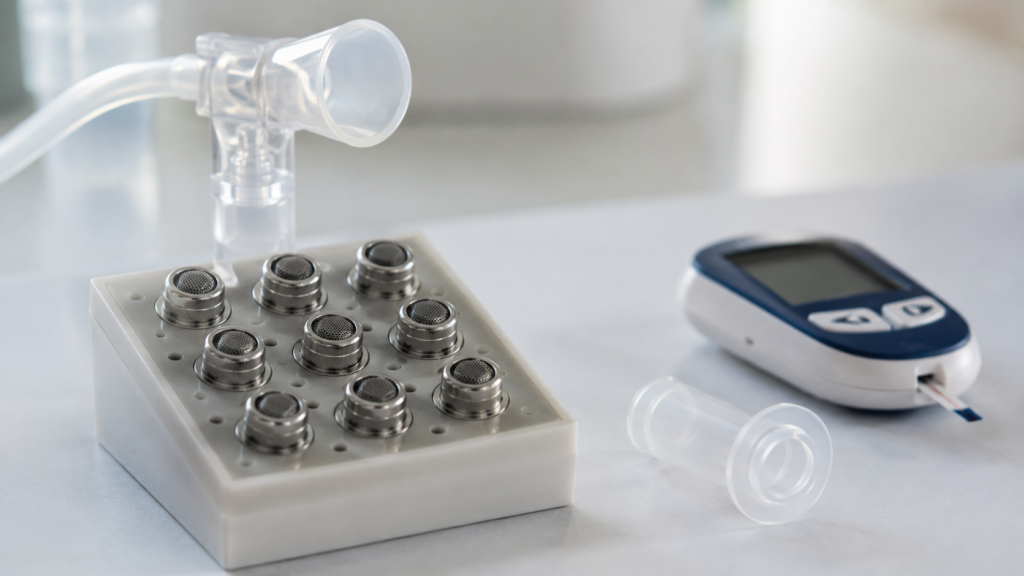
    Abstract The number of diabetes patients is increasing worldwide, but many cases stay undiagnosed in low-resource regions. The A1C blood test is invasive and costly, therefore it is often not available in these regions. In this research, DiaBreath is proposed as a low-cost noninvasive screening system based on exhaled breath analysis. Volatile organic compounds (VOCs) […]
  • Computing, Data & AI, Data Science, Economics, Social Sciences, Humanities & Policy
    Abstract Digital commerce platforms compete with local vendors under frictions of time, price, and visibility. We test whether an interpretable choice model with reinforcement and social influence can yield substantial changes in aggregate market share as control parameters vary. We simulate repeated customer choice among vendors using a utility function that combines vendor attributes (price, […]
  • AI & Machine Learning, Computing, Data & AI
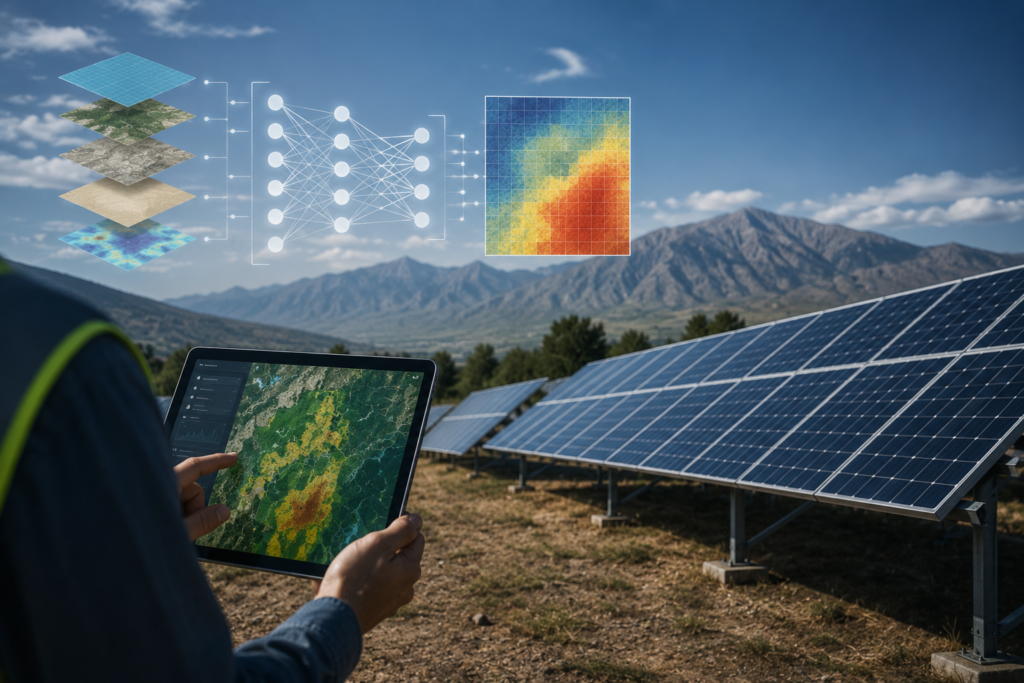
    Abstract Local businesses are important to neighborhood service access, but access to these services is limited in some areas. This study uses GIS and machine learning to identify possible limited service zones for restaurants and supermarkets across Dublin, Pleasanton, and Livermore in Alameda County, California. The model dataset included 1,134 Alameda County census block groups, […]
  • Arts, Social Sciences, Humanities & Policy
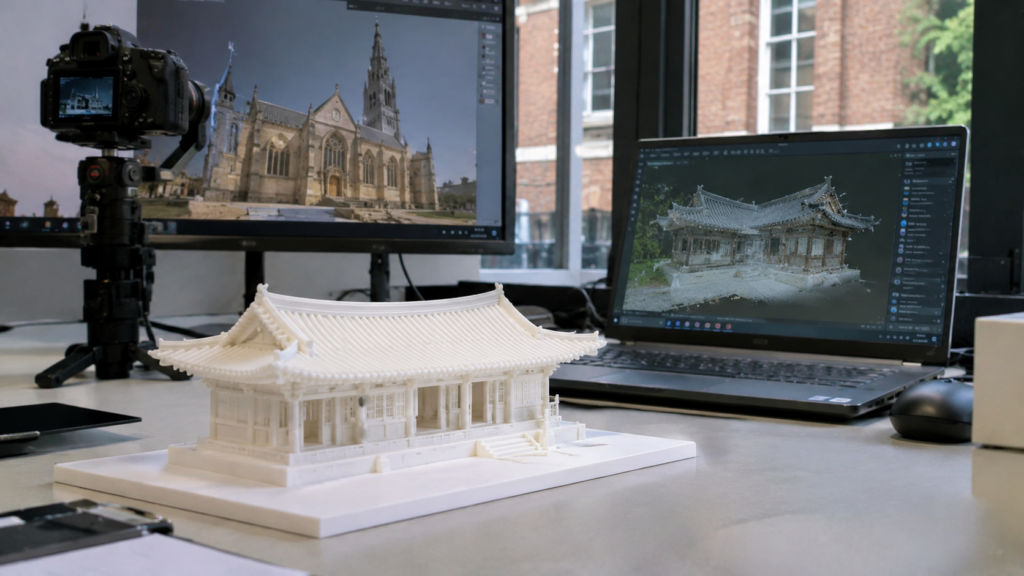
    Abstract This research studies the use of 3D printing and digital modeling as engineering tools for the preservation of architecture in both historical and modern contexts. It specifically considers the way in which 3D printing can be used to show historical buildings, thus enabling architects, historians, researchers, teachers, and the general public to learn about […]
  • Life Sciences, Neuroscience
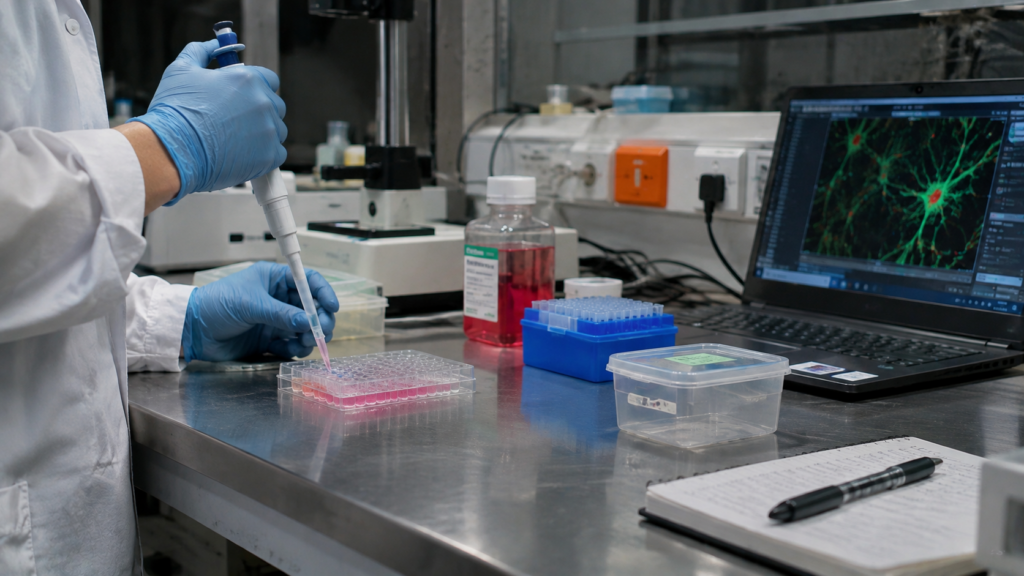
    Abstract Affecting over eight million people, Parkinson’s disease is a neurodegenerative disease characterized by neural death of dopamine-producing neurons. While the pharmaceutical treatment of Levodopa alleviates the symptoms of the disease, no therapy that addresses the root cause of the disease currently exists. In this circumstance, dopaminergic cell transplantation has been proposed as a restorative […]
  • AI & Machine Learning, Computing, Data & AI, Finance, Social Sciences, Humanities & Policy
    Abstract Background/Objective: Currently, quantitative stock screening systems often involve a graphical user interface or complex understanding of financial variables, which can be difficult for students and non-investors to use. This research introduces and tests Stratoscan, a complete web-based system for converting natural language stock screening descriptions into a quantitative screening system using a fine-tuned NLP […]
  • Computing, Data & AI, Robotics
    Abstract Japan is currently having trouble with population decline which is causing labor shortages. In the manufacturing industry, labor input decline is one of the challenges that Japan is currently facing. So, in this research, I examine how industrial robot adoption is associated with manufacturing labor productivity and declining labor input. I use observations from […]
  • Health Sciences, Sports Science
    Abstract Background/Objective: Vitamin D, a secosteroid hormone, contributes to skeletal muscle function through its binding to vitamin D receptors (VDRs). Despite this, the literature on vitamin D supplementation’s effect on muscle strength and recovery remains inconsistent. This review investigates whether baseline 25-hydroxyvitamin D (25(OH)D) status is the primary determinant of supplementation effect and identifies methodological […]
  • Life Sciences, Neuroscience
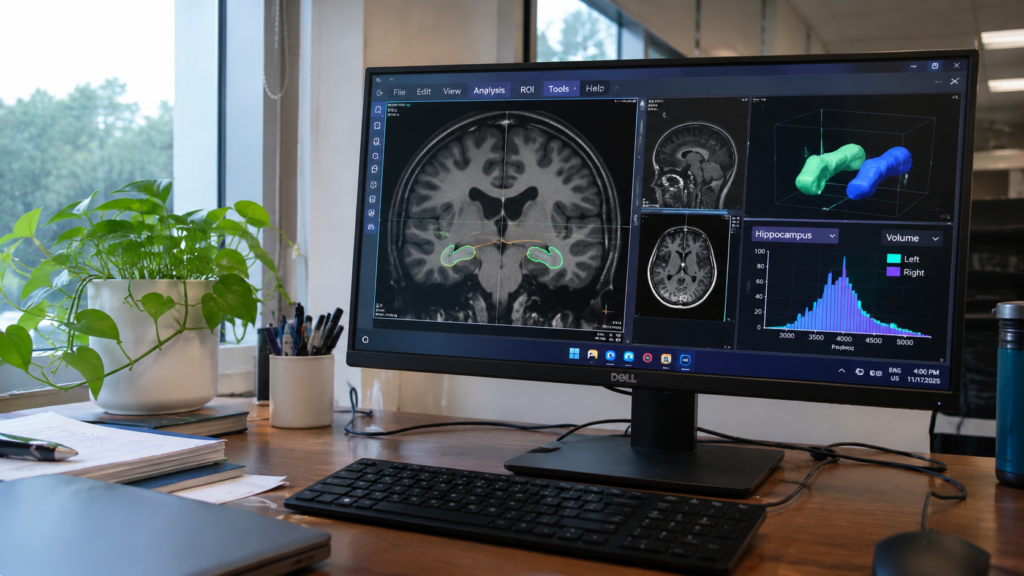
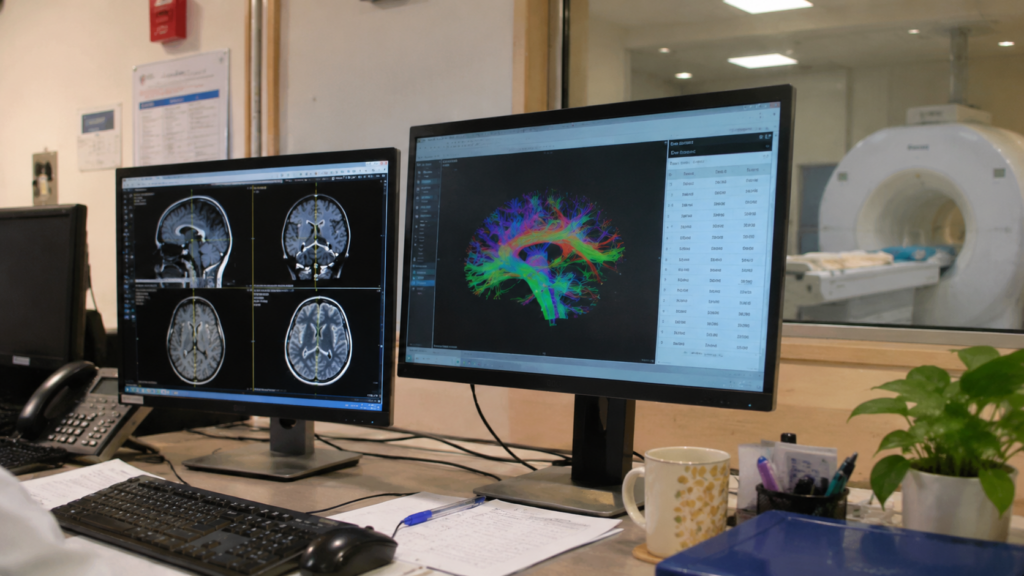
    Abstract Schizophrenia (SZ) and Schizoaffective disorder (SZA) are closely related psychotic disorders that share common clinical features but differ in neurobiological mechanisms. Structural neuroimaging evidence suggests that white matter and cortical alterations play a crucial role in the pathophysiology of psychotic disorders. This study investigated structural neuroimaging differences across psychotic disorder subtypes and their associations […]
  • Civil Engineering, Engineering, Materials Science, Physical Sciences
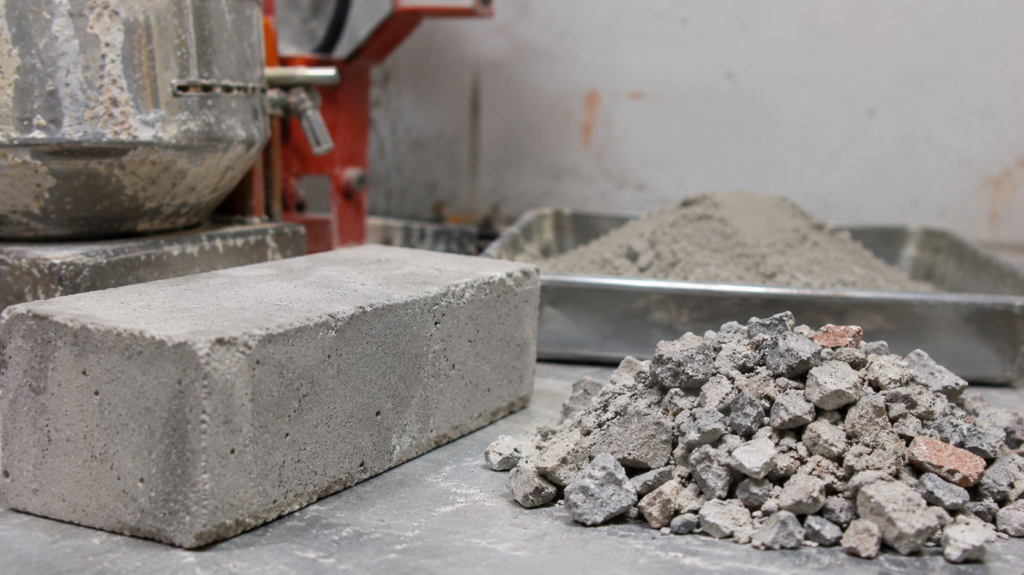
    Abstract Carbonation curing can store CO₂ within concrete while accelerating early-age strength development. This study examined carbonation curing of a freshly cast, dry-cast concrete mixture containing recycled concrete aggregate (RCA) as the sole aggregate, with a maximum size of 7 mm. Twenty-four specimens were cast in two batches of 12, one day apart. In each […]
  • AI & Machine Learning, Biomedical Engineering, Computing, Data & AI, Engineering
    Abstract Alzheimer’s disease (AD) is an irreversible cause of cognitive decline, so noninvasive quantification of a patient’s status is important. Especially, quantification of diagnosing AD in a non-invasive way is crucial. However, the current guideline to diagnose AD primarily relies on the fixed and written examination (i.e., MMSE) which lacks in quantifying the characteristics of […]
  • Earth & Environment, Environmental Science
    Abstract Predicting cotton yield is important in agriculture because of its wide use in clothing production. Cotton is a commodity that is extremely climate sensitive and requires specific locations to grow. Traditionally, non-spatial models have been used with climate, infield, and geographic data to predict cotton yield. Spatial models use spatial data patterns in their […]

Share Your Research

NHSJS publishes original research by high school students across all scientific disciplines. Our peer-review process provides valuable feedback and mentorship from experts in the field.

Submit a Manuscript