Abstract
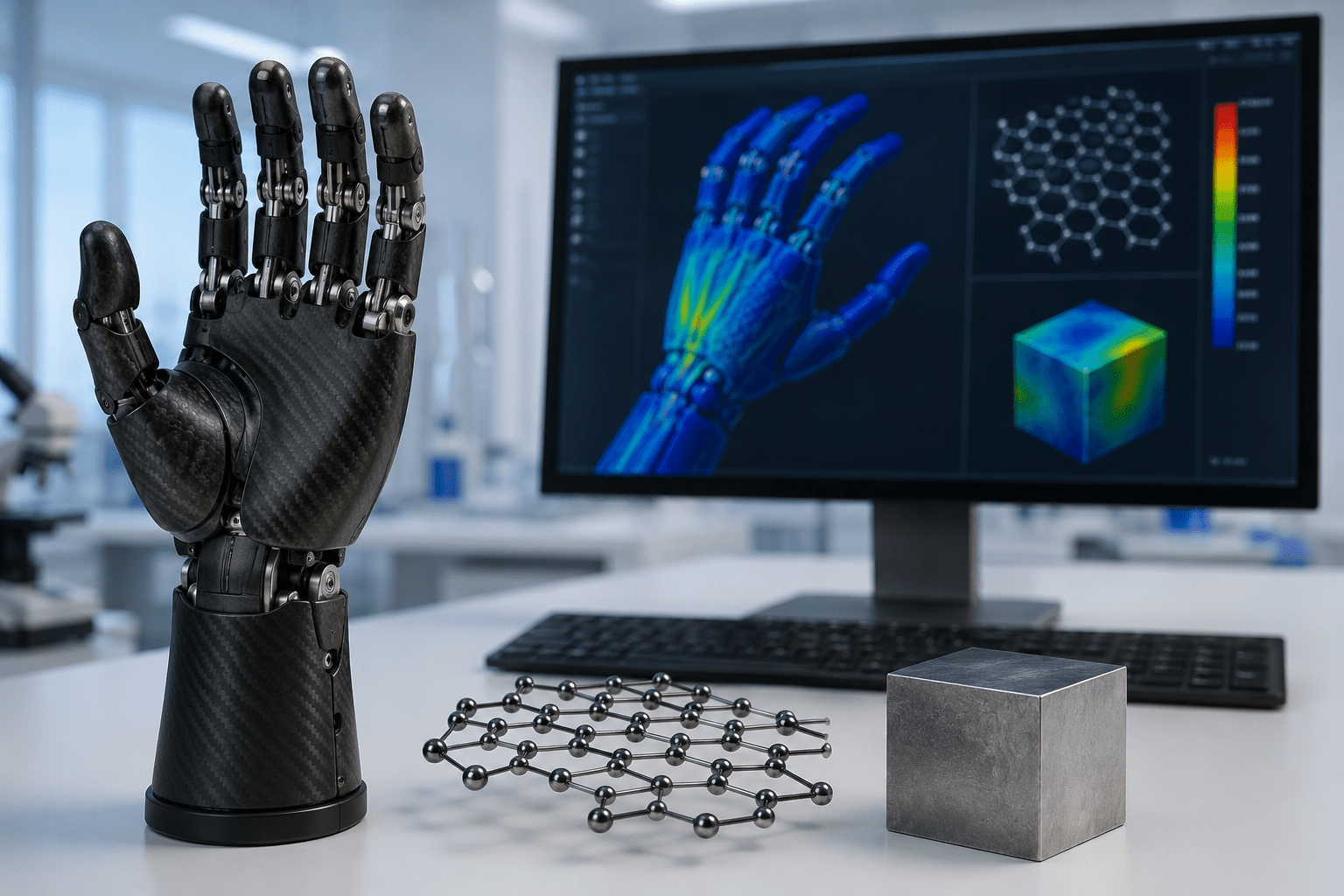
Paper discusses different models of hand prosthetics, their strength and lifting capabilities, and their damage resistance alongside their weight, as well as new and old materials that can be implemented in different models in order to improve their mechanical strength and other mechanical characteristics. Hand prostheses got a long history of their materials, and the first part of the paper discusses material selection of first prostheses, their gradual evolution over time, as well as their current mass-market models and their specifications.In the modern day, there are a few materials that are being overlooked: Graphene and a metallic alloy of Chromium, cobalt, and nickel(CrCoNi).The second part of the paper discusses specifications and capabilities of those materials and further compares proposed materials between materials commonly used in prosthetics hands via simulation data.The end discusses how graphene and CrCoNi could potentially benefit mechanical strength of modern prosthetics models with or without design change, underlining future directions in the field. Both of these materials succeeded at improving the mechanical strength of prostheses even without design change, but future directions might improve performance even more. Using either of those materials will benefit user by strengthening his prosthetic limb, which will improve lifespan and mechanical strength of a prosthetic.
Keywords: prosthetic, prosthetic hand, materials, graphene, CrCoNi, mechanical strength, weight, artificial limb, hardness, scratch-resistance
Introduction
Since World War II and the invention of the CATCAM socket, the prosthetic industry continued to evolve. Advancements in prosthetic control, increased degrees of freedom (DOF), and enhanced physical strength have been made possible through powerful micro-motors and sensitive actuators. Additionally, researchers continue to explore fundamentally new ways to operate prosthetic devices1. However with the introduction of motion-capable designs arose a necessity to protect the internal components from heat, humidity, and shock, which can easily cause damage internal components. Every year more than 186,000 limb amputations occur in the United States2. In China, national statistics report over 2 million upper and lower limb amputations3.
Although no academic background was to be found on this topic, many prosthetic companies and related health organizations claim that the average lifespan of a prosthetic hand is 3-5 years, with the reasoning being sockets and actuators wear off, as well as degradation of polymers like ABS-plastic that is being commonly used in prosthetic industry4. Besides that 3-5% of prostheses may break beyond repairs, causing stress and injury for a patient.
Therefore it is important to improve mechanical strength of the prostetic. Mechanical strength refers to a material’s ability to withstand applied forces without deformation or failure. This refers to tensile strength or resistance to stretching; hardness, determined by Rockwell scale, or resistance to permanent indentation; compressive strength, or resistance to crushing forces – compression; and yield strength, ability after certain amount of stress to behave like a liquid. Improving mechanical strength could increase durability, increase lifespan, and provide greater safety margin for high-stress elements.
How can the weight and mechanical strength of hand prosthetics be improved? One of the simplest approaches is to change the materials used. The materials selected should be durable, lightweight and resistant to different types of damage(scratches, dents, heat and shock). The materials were tested applying force ,determined by formula F = 10t, where t is time in s, in CAD simulation software(Simscale) dynamic setup template.
Background
Prostheses history and their capabilities
The use of prosthetic devices dates back over 2000 years, with archaeological findings from ancient Egypt and Rome. However, poor to the 18th century, prostheses were exclusively passive, meaning they provided no active movement and were not controlled by the wearer.
In the 18th century, Peter Balliff developed a palm prosthetic with the capability of moving fingers in unison with the movement of the remaining elbow joint6. This was the first recorded successful attempt at independent hand movement. Then, in the latter part of the 19th century, the Van Petersen hand achieved function by using the remaining joints to move straps and cables that all joined together at a vest. In 1882, J. Condell invented an artificial arm with a similar cable system for flexing and extending the forearm, making a significantly better design than the Bailiff’s hand. In 1958, the Army Prosthetics Research Laboratory developed a reflex hand that allowed a single motion of a control cable to both open and close the fingers on an object.
Today, modern prosthetic hand companies offer a wide variety of biomimetic hand prostheses, devices designed to replicate the anthropomorphic functions of a human hand with increasingly impressive load-bearing capabilities. For instance, the Otto Bock 8E72, can lift 1,5kg weight and sustain forces of 30-40 N applied to the fingers without damage5. The i-Limb access can lift up to 90 kg on the palm6, while the COVVI hand can lift approximately 30kg7.
Materials currently used in prostheses
The first artificial limbs were commonly developed for combat purposes, with strong and heavy materials, lacking comfort and functionality in exchange for sturdiness and being easy to repair. Early designs often used materials such as iron, with some prosthetic hands designed to perform a single task, like holding a sword. However, the considerable weight of these materials made them impractical for prolonged use. Over time wood became more commonly used than metal; in 1696, a Dutch surgeon invented a prosthetic that used a wooden elements in combination with a copper and leather piece. In 1800, James Potts patented an artificial leg made of two hollow wooden cones, and his design made the leg prosthetic much lighter than ever before. Prosthetics became even lighter with the introduction of aluminum parts to replace steel in 1865. Also in the 1860s, a hard rubber replaced the wood8. In the 1940s, John Northrop developed plastic laminate, a sturdy, lightweight material for use in the construction of prosthetics. The same plastic laminate used then is still in use today, alongside nylon and acrylics9. By now the most used materials in common hand prostheses are polypropylene and other high-temperature plastics, due to their strength and ability to form complex figures, necessary to create anthropomorphic designs.
Despite their performance advantages, high-end prosthetic hands (as discussed in Section 3.1) often rely on titanium for their structural framework. However, titanium presents significant manufacturing challenges due to its high hardness and toughness. These properties complicate machining processes, increase production costs, and limit the geometric complexity of prosthetic components9.
Experimental materials
Materials that are being tested
New materials are being tested in order to improve the performance, functionality and durability of prosthetic devices. These include Lexan, Plexiglass, Duraluminium, and many others.
Lexan is a block polycarbonate-dimethylsiloxane copolymer, which has great low-temperature ductility and resistance to hydrolysis. This means it can withstand high and low temperatures, electrical current, alongside water exposure without decomposing. Moreover, weatherable polycarbonate compositions of lexan have been developed and commercialized, which can retain both mechanical and esthetic properties after long-term outdoor aging, better than polypropylene and ABS-plastic10.
Lexan SLX, a block polycarbonate-resorcinol polyacrylate, was designed for weatherable applications, utilizing a UV-light induced photo-fries rearrangement to form a polymeric UV-absorbant coating, in a self-protecting system, being more effective than UV-reinforcement of ABS-plastic11.
Plexiglass is a glass fiber that shares glass properties. It is a strong silicate structure in the direction of the fiber formation, also heat resistant and easy to shape. However, unlike glass, it is difficult to shatter12.
Duraluminium is a group of metallic alloys of aluminum with additions of copper, magnesium, and manganese. Different grades of duraluminium share variable tensile strength and durability due to different metal proportions and heat treatment. It is relatively lightweight compared to other metals and has decent tensile strength13.
However, by now materials introduced above mostly find use in either prototypes or personalized models, lacking sufficient mass-market implementation. There are two materials yet to be implemented in the prosthetic industry: graphene and a metallic alloy of chromium cobalt and nickel(CrCoNi).
Potentially useful materials in the prosthetic industry
Graphene is a purely artificial structure of carbon. The 2D structure of graphene was discovered in 2004, but 3d structure of it was made only recently. In aerogel form, graphene is extremely lightweight, with a density of 160g/m3. It can support 6000 times its own weight. It is also relatively cheap, with the simplest forms costing 0.5 to 1 USD per gram, and being 3D-printable as well14.
Another promising material for prosthetic applications is the chromium-cobalt-nickel (CrCoNi) alloy. This material is even less expensive than graphene, with prices around 125 USD per kilogram. Being 100 times stronger than graphene, and can to support around 600,000 times its own weight. However, CrCoNi also presents significant manufacturing challenges. It has a high melting point, extreme resistance to deformation, and high density ranging from 8500 to 8800 kg/m3, which makes it uneasy to shape and manufacture parts out of it just like titanium15.
Methods
The research paper will consist of a review of the different specifications of prosthetic hands, as well as the materials that are utilized in order to make prostheses durable. Besides that research on new materials was conducted in order to find room for improvement in current models. Online research was focused on obtaining data about the mechanical properties of different materials.
In addition to focusing on improving the durability of prostheses, consideration of weight and pressure applied to internal mechanisms of prostheses was taken into account. Weight applied to the wearer will also be considered, so that prostheses would still be functional and comfortable to use by the patient after modification. Therefore, it was necessary to learn about the weight, physical strength and ergonomics of different prosthesis models as well.
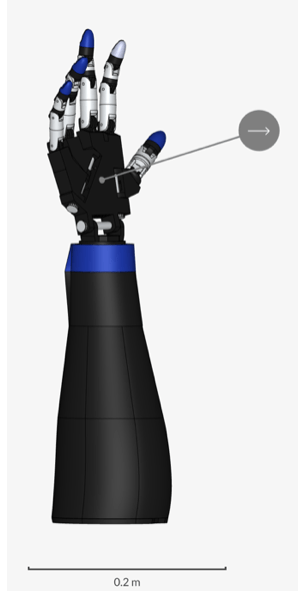
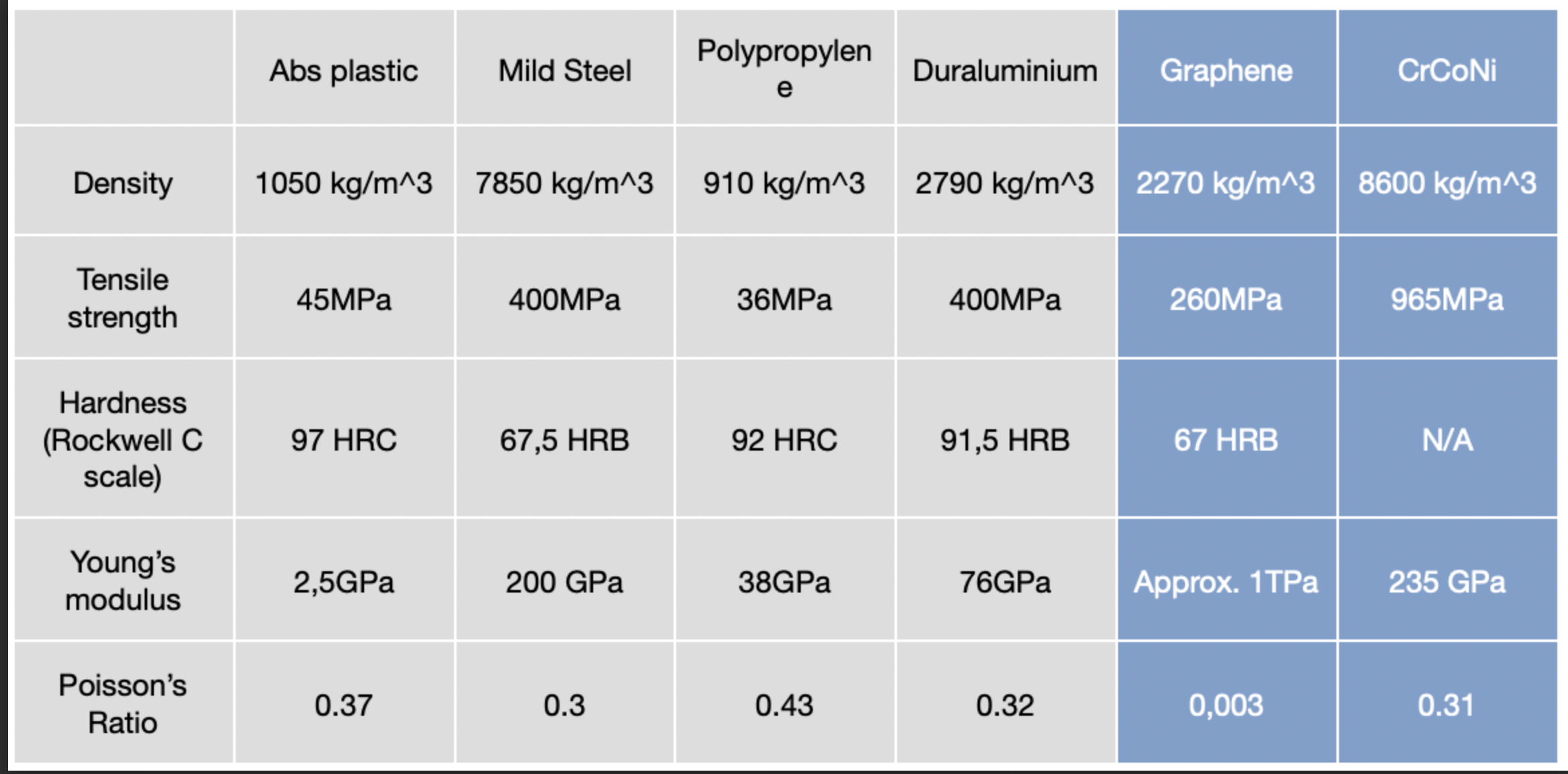
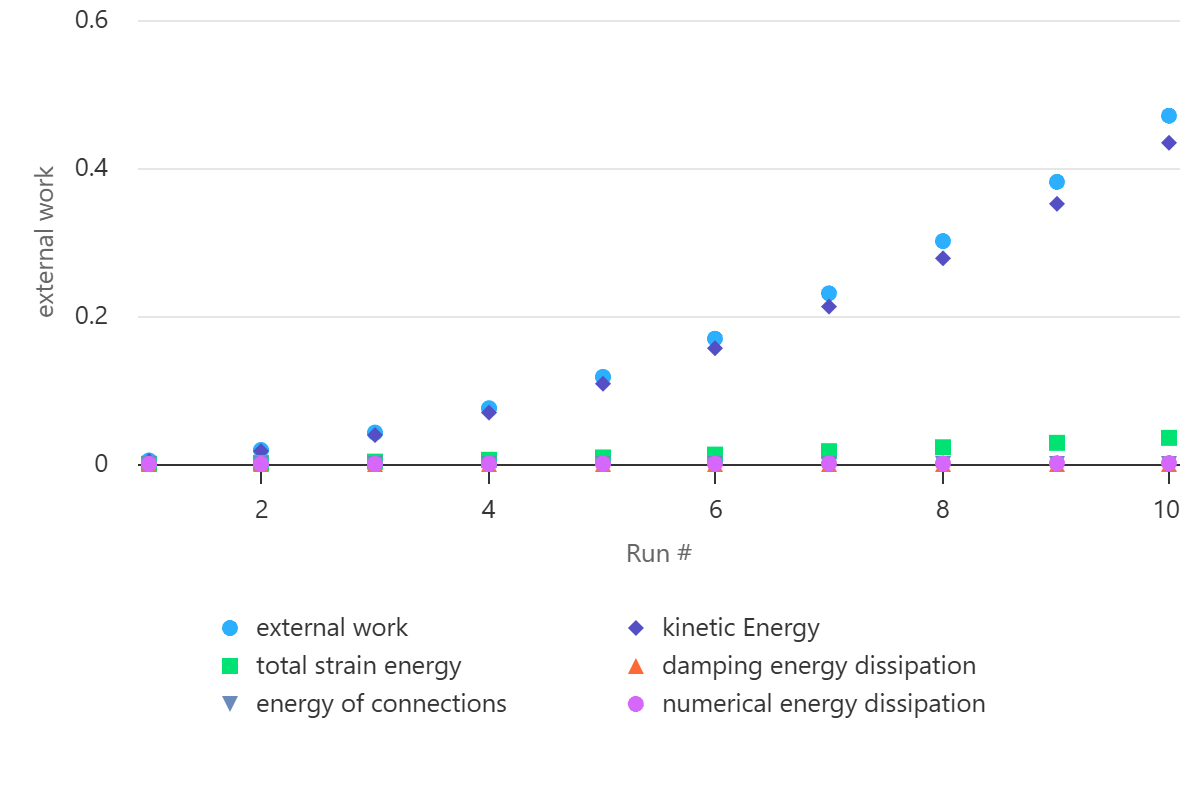
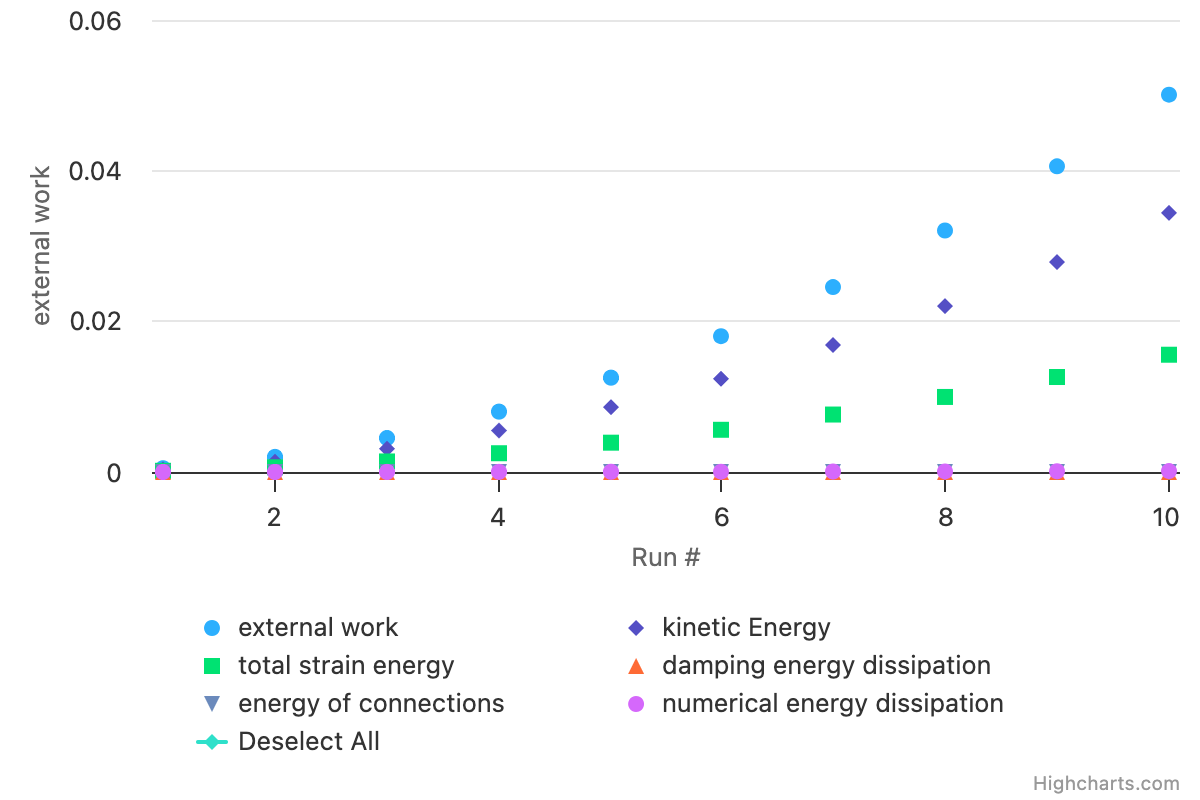
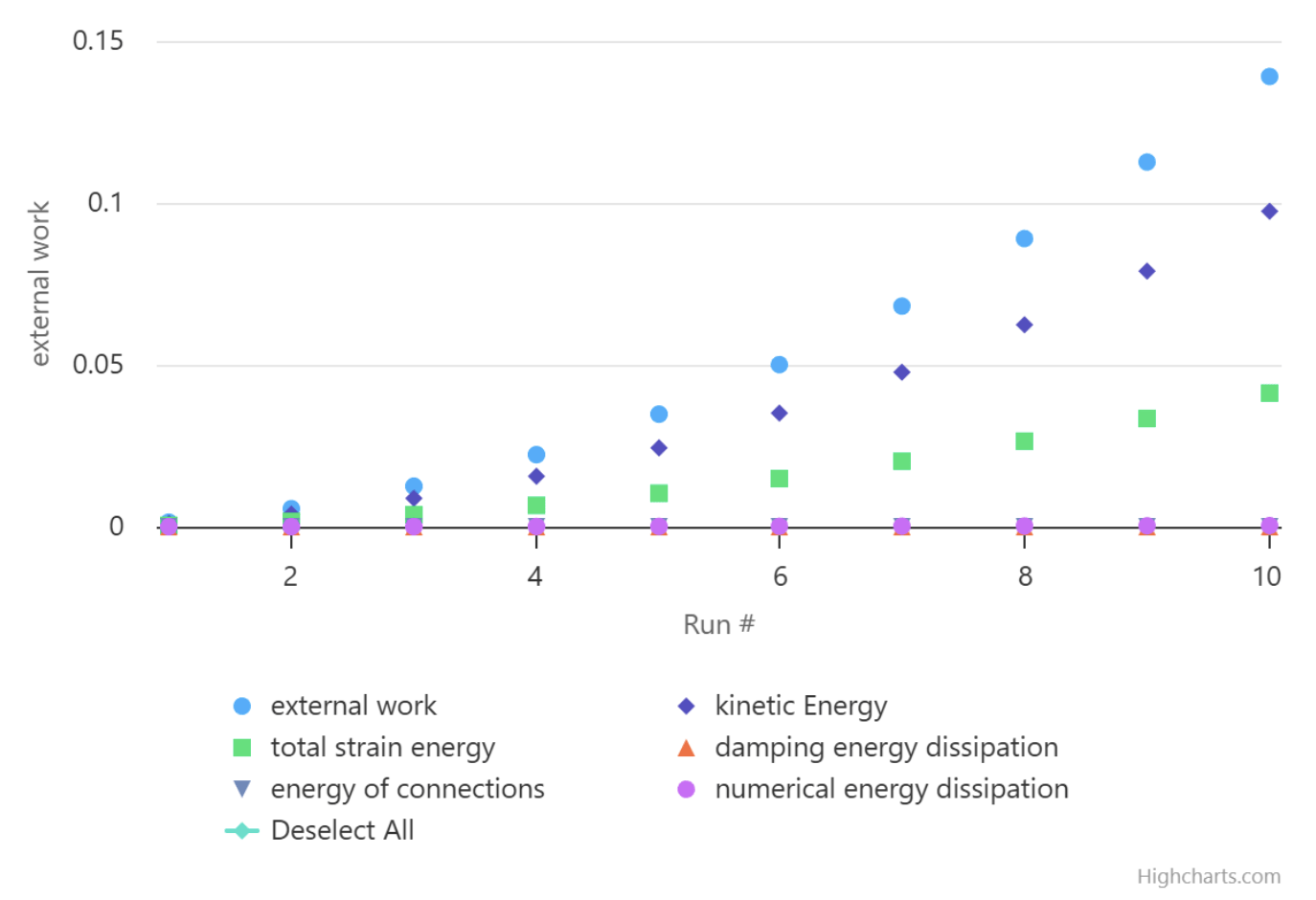
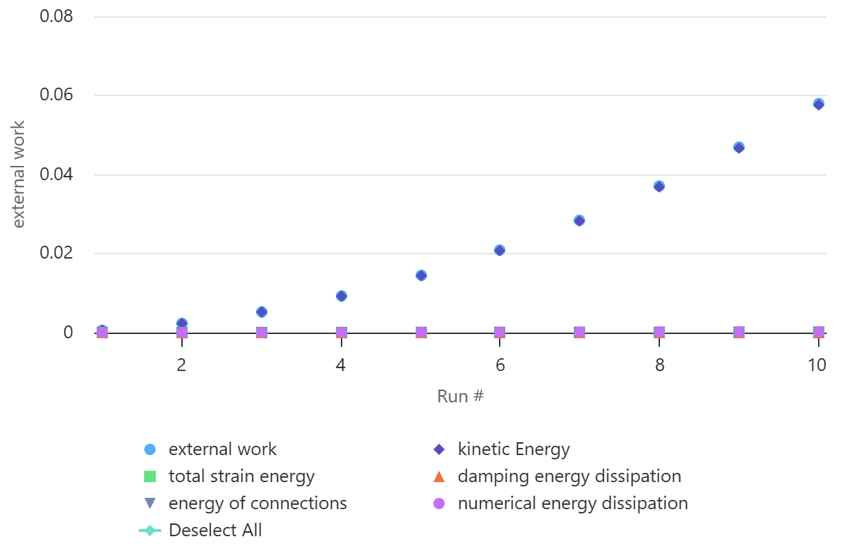
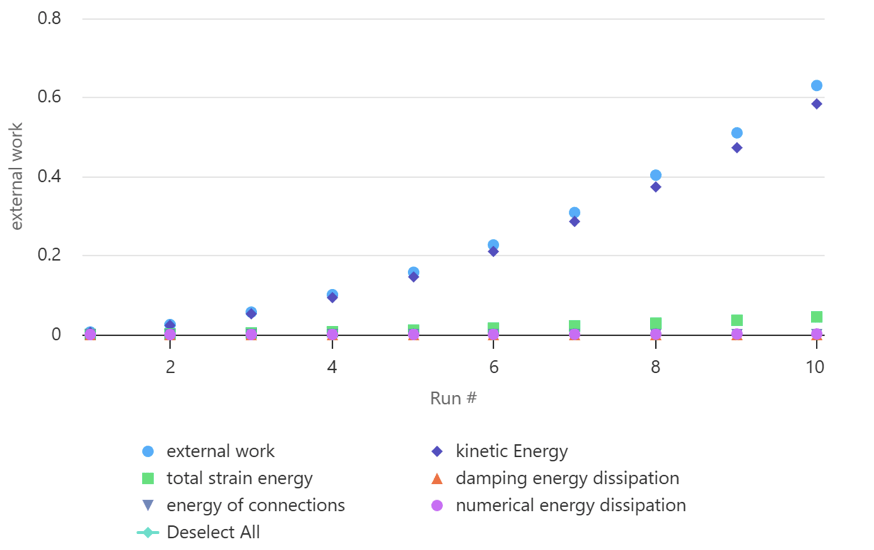
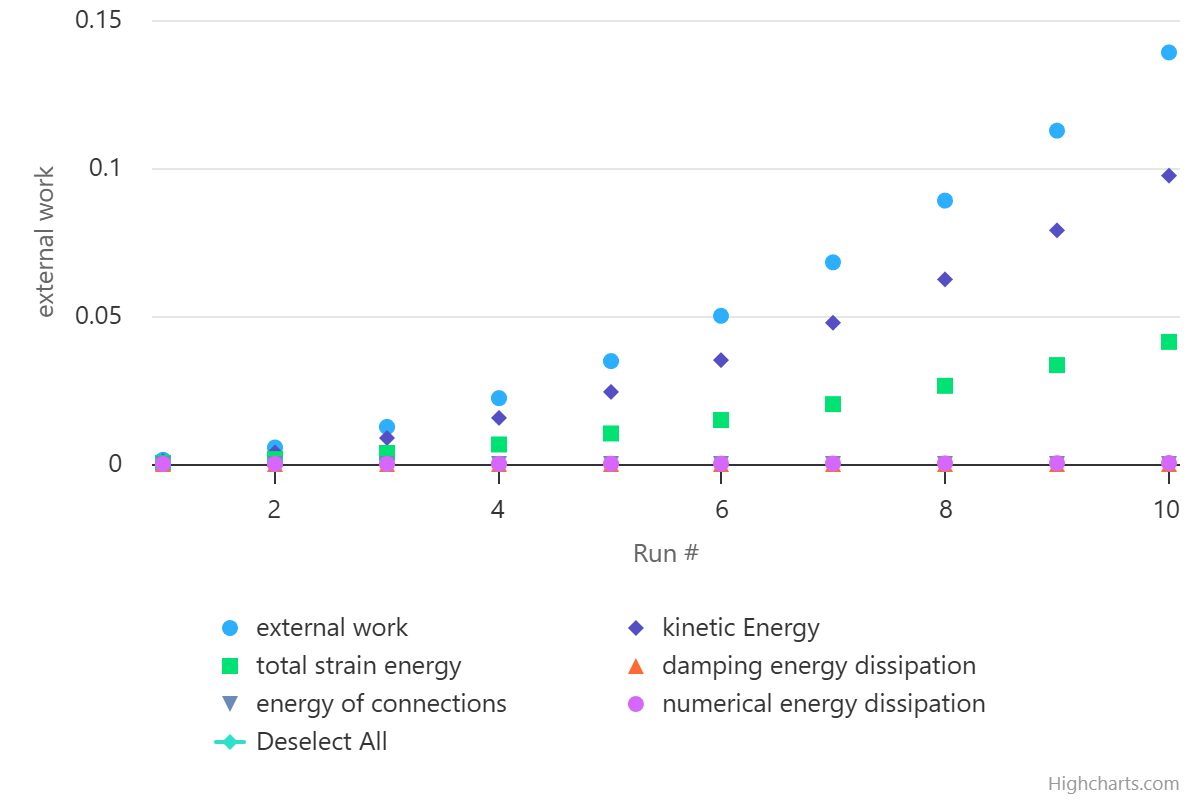
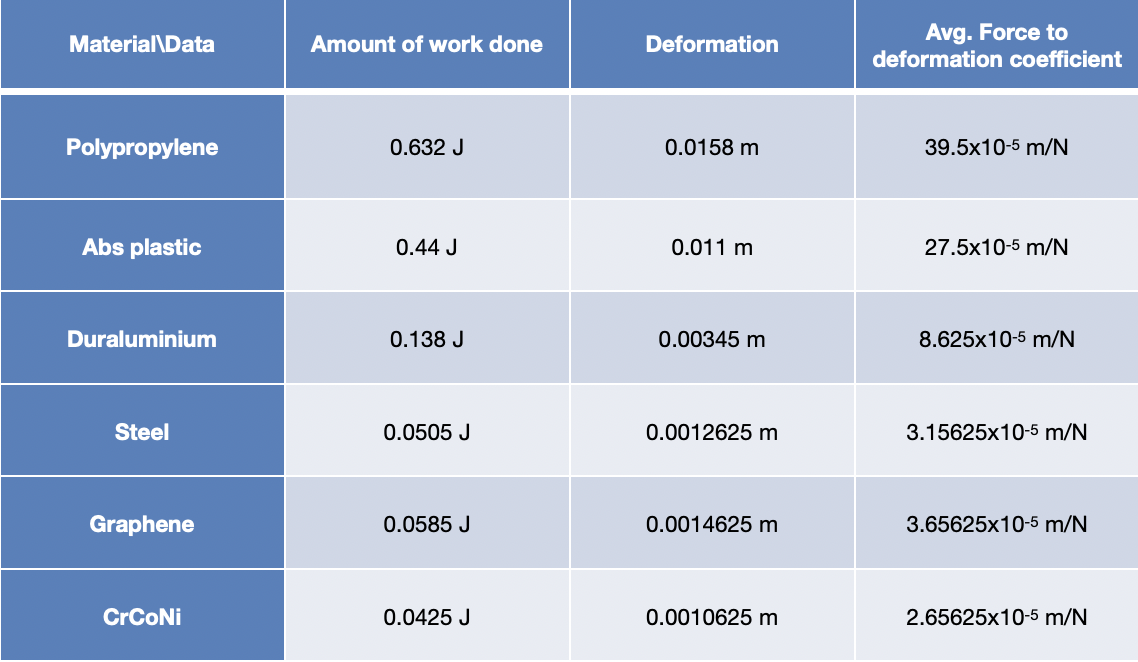
After collecting the data about average materials used in prostheses shown in Table 1 (marked gray), comparison will be done between them and potentially useful materials in the table field(marked blue on Table 1). Then data of experimental materials mentioned in 3.4. will be compared to data from new materials in order to determine which material performs best overall. After a few simulation runs with a computer model, resembling a prosthetic hand of different materials holding a 40 N weight, average material deformation was recorded with the process displayed and explained in Table 2. Recorded material behavior is shown in Figs. 2-7. Comparison of this information allowed justification of the conclusions in sections 5 and 8.
Results
Graphs in Figs. 2-7 show how energy was transmitted to type of material. The way each material reacted to it was recorded, and the table 2 shows the results conducted from those graphs. Among all tested materials, CrCoNi demonstrated the highest mechanical strength, exhibiting the least amount of deformation under stress. Graphene is runner up, and is better than polymers and duraluminium, although losing to steel by a small margin. However, the fact that the model presented is not unleashing the full potential of graphene’s extreme young modulus, which was done for fair testing must be taken into account. It is also 3,45 times lighter on average than steel, which makes it better in terms of everyday carry weight compared to steel carcass.
Future Directions
This section outlines several recommendations for future prosthetic design, with the goal of enhancing mechanical strength and efficiency without requiring full structural redesigns.
While the current study focused on the prosthetic carcass alone, future designers must also consider the limits of pistons, motors, and rotors, as well as their placement on a carcass, which might need a model redesign, and therefore recalculations.
A potential improvement of this research would be to use composite materials and mix the materials in one build, for example, use lighter but less mechanically strong materials in areas that do not experience high pressure and overall less force is applied, but using heavier and mechanically stronger material in areas that experience most pressure and applied force. Additionally, attention should be paid to the directional mechanical properties of materials such as graphene. Graphene demonstrates significantly greater resistance to forces applied parallel to its molecular plane than to those applied perpendicularly. Optimizing the orientation of graphene-based components to align with the direction of primary mechanical loads could enhance durability and performance
Limitations
Cost
Although polypropylene performs poorly in comparison to most of the materials analyzed in terms of mechanical strength, stiffness, and durability, it remains the dominant material in hand prostheses due to its low cost and ease of manufacturing. Tools for shaping polypropylene into complex, anthropomorphic forms are widely accessible and inexpensive, which makes it particularly suitable for mass-market prosthetic production. New methods of bulk production, reduction in energy consumption, implementation of sustainable manufacturing practices will likely reduce future cost of these materials. Until a more affordable and easily processed alternative is identified, polypropylene will likely continue to be widely used.
However this argument is only valid against metal materials, such as CrCoNi or steel. Graphene is already quite cheap and can be reprocessed easily with a 3D printer11.
Complexity of Processing and Weight
CrCoNi alloy offers exceptional mechanical properties but presents significant manufacturing challenges. Shaping this material into detailed anthropomorphic designs requires highly controlled processing techniques. Improper reprocessing can result in cracking and embrittlement, significantly reducing its mechanical performance and structural integrity. The alloy is really heavy as well. A forearm prosthetic carcass made solely of CrCoNi will weigh around 1.5 kg, which is extremely heavy for everyday use. The ideal weight for hand prosthetic is 300g for females and 400g for males.
This argument is also only valid against metals, however. And it could be solved by using metals in high-stress areas and lightweight less strong materials in areas that don’t experience that much stress. And graphene is safe from this problem because it is already extremely lightweight and easy to reprocess
Structural Orientation
Graphene is way more resistant to forces parallel to graphene molecular structure than perpendicular force, so if the tangent surface is placed the wrong way material potential will be wasted. This could be solved by accounting young modulus when printing parts for a prosthetic. And this problem is exclusively with graphene, monolithic structure of metals like duraluminium or CrCoNi is free of this limitation.
Conclusions
The proposed solution is relatively expensive compared to existing solutions at the moment.However it will definitely provide an increase in prosthetic utility, making them more robust and powerful, increasing their lifespan, and improving user’s independence, making them more physiologically comfortable. And all of that without the need to change the prosthetic construction and/or design.
This study proposes a composite approach: utilizing graphene for the primary carcass due to its light weight and favorable strength-to-weight ratio, and incorporating CrCoNi alloy in regions subjected to high mechanical stress. This configuration has the potential to create robust, high-performance prostheses that remain within a manageable weight range.
Further research, including physical prototyping and fatigue testing, will be necessary to validate the long-term feasibility and manufacturability of this material combination in real-world prosthetic designs.
Acknowledgments
The CAD Model was done by PedroCL and uploaded from the GRABCAD library
References
- Ivan A. Normal Shape-Normal Alignment (NSNA) Above-Knee Prosthesis, Long, CP. Clinical Prosthetics & Orthotics. 9 (4): 9–14 “Normal Shape-Normal Alignment (NSNA) Above-Knee Prosthesis”. [↩]
- Uustal H, G. Cooper,
Prosthetics and Orthotics, in Essential Physical Medicine and Rehabilitation, Ed. Humana Press, 101–118 2006. [↩]
- China Disabled Persons Development Statistics Bulletin, Chinese Disabled Persons’ Federation, Beijing, China https://www.stats.gov.cn/english/PressRelease/202402/t20240228_1947918.html(2024). [↩]
- Hoellwarth JS, Tetsworth K, Kendrew J, et al. Periprosthetic osseointegration fractures are infrequent and management is familiar. Bone Joint J. (2020):162-169 [↩]
- 8E72 Instructions for use 647G1392-0=ALL=INT, Otto Bock (2022) https://www.ottobock.com/en-ex/product/8E72##modal=media-gallery&nr=0#modal=media-gallery&nr=0 [↩]
- i-Limb Hand instructions for use, Ossur (2018) https://media.ossur.com/ossur-dam/image/upload/pi-documents-global/iLimb_Ultra.pdf [↩]
- COVVI hand technical manual, COVVI (2024) Download [↩]
- LL Smith. Prosthetic Limb Development: A Historical Review, Discussions 12 (2006). [↩]
- E.O. Ezugwu, Z.M. Wang Titanium alloys and their machinability a review Journal of Materials Processing Technology 262-274, (1997). [↩] [↩]
- A. Boldizar, K Möller. Degradation of ABS during repeated processing and accelerated aging Polymer Degradation and Stability 359-366 (2003). [↩]
- Daniel J. Brunelle Advances in Polycarbonates: An Overview ACS Publications 1-4 (2005). [↩]
- R. Brack, Emeka H. Amalu A review of technology, materials and R&D challenges of upper limb prosthesis for improved user suitability PubMed Central (2020) https://pmc.ncbi.nlm.nih.gov/articles/PMC7787923/ [↩]
- J. Dwight. Aluminum Design and Construction Routledge, (1999). [↩]
- Anghel, E.; Adiaconita, B.; Demetrescu, I.; Avram, A. A Review of Vertical Graphene and Its Biomedical Applications MDPI, 761, (2023). [↩]
- G. Laplanche, A. Kostka, C. Reinhart, J. Hunfeld, G. Eggeler, E.P. George, Reasons for the superior mechanical properties of medium-entropy CrCoNi compared to high-entropy CrMnFeCoNi, Acta Materialia 292-303 (2017). [↩]