

Abstract
Noise pollution generated from aircraft not only harms the health of humans but also the surrounding ecosystems. Finding ways to reduce airplane noise is beneficial for both the aviation industry and the environment. Previous research has demonstrated that an aircraft’s noise mainly originates from its engines. The objective of this study is to investigate whether nanomaterials can cool jet exhaust, and subsequently reduce the noise produced by the engines. Method: Three nanomaterials, aluminum oxide, boron nitride, and titanium dioxide, were mixed with water or glue and applied to the inside of a ceramic rod with one or two layers. A ceramic rod without coating was the control. The rods were blown by a heat gun to 538°C, and an infrared camera and decibel (dB) tracker app were utilized to detect temperature and noise at the other end. The effect of nanomaterial coating on the temperature and noise reduction of the ceramic rod was analyzed. Results: Nanoparticles reduced the temperature of the ceramic rod; however, no significant correlation was identified between temperature and noise level. Conclusion: Although the nanomaterials did not appear to suppress noise production in this highly simplified aircraft engine model, future large-scale simulations will reveal whether they are beneficial for thermodynamic operation and noise reduction within the aviation industry.
Keywords: Aerospace engineering, Aeronautical engineering, Aircraft, Engine, Simulation, Nanomaterials, Coating, Noise reduction, temperature, Smart coating
Introduction
Reducing aircraft noise remains a widely recognized and actively researched topic today. Rooted in Lighthill’s acoustic analogy and subsequently refined by Curle and Ffowcs Williams-Hawkings, engine noise is primarily produced by the interaction between turbulent flow and solid structures1, 2,3. In general, aircraft noise originates from three main sources: the engines, the airframe (such as wings and landing gear), and the interaction between these components and the airflow. In engines, the hot jet exhaust mixes with surrounding ambient air, creating turbulent shear layers and intense pressure waves that our ears perceive as noise4. Wing noise is produced when the wings, together with their associated flaps and spoilers, interact with the air and generate turbulence. The landing gear, as stated by Xu5, is another source of noise, especially during landing. The deployment of the landing gear increases the contact area between the aircraft and the air, resulting in increased air vortices and turbulence, contributing to additional noise. Overall, aircraft engines generate most of the noise during the cruise phase.
In the early days, aircraft engines had to operate at high altitudes and faster speeds to ensure safety and efficiency. The operation of high-performing engines resulted in greater noise production6. However, even today, despite advances in engine design and technology, the roar of a jet’s engines in the sky remains very disruptive. The loud noise has been shown to have detrimental effects on both humans and nearby ecosystems7. As a result, various noise-reducing mechanisms have been implemented into engines, such as ultra-high bypass ratio engines, chevron nozzles, and active noise control systems. Ultra-high bypass ratio engines can help significantly reduce aircraft engine noise8. This is because in this type of design, a significant portion of the air passing through the engine bypasses the combustion chamber, flowing around the core instead of through it. This larger mass of slower-moving air reduces the velocity of the exhaust, which lowers the engine noise5. Furthermore, chevron nozzles have played a crucial role in engine noise reduction as well. The nozzles have serrated or sawtooth edges, which help smooth the mixing of the jet exhaust with the ambient air5. Also, active noise control (ANC) systems have been implemented in various industries to cancel out unwanted noise. For aircraft engines, ANC involves using microphones and speakers to detect and generate sound waves that are out of phase with the engine noise. The opposing sound waves cancel out the unwanted noise, thus making the engine quieter5.
Although the dominant noise mechanisms in jet engines (turbulent mixing noise and shock-associated noise) are primarily functions of exhaust velocity and shear layer characteristics, the contribution of engine exhaust temperature to overall noise levels cannot be neglected. Several studies have investigated the relationship between these two factors; however, the results remain inconsistent. An early study found that jet sound power is a nonlinear function of temperature and that, at high exhaust temperatures, significant reductions in jet noise could be achieved due to changes in acoustic duct mode cut-on frequencies and noise refraction9. Similar observations have been reported by other groups, showing that high exhaust temperatures can lead to reductions in jet noise due to decreased jet density and emitted acoustic power, particularly at high jet velocities10,11,12,13,14,15,16. In contrast, other studies indicate that reducing exhaust temperature may decrease engine noise, primarily by altering acoustic impedance and reducing the sound pressure of acoustic waves. A 100°C reduction in exhaust gas temperature has been reported to correlate with an approximately 2 dB decrease in overall engine noise level17. Water injection has also been used for noise suppression, with reductions of up to 10 dB attributed to decreased jet temperature through partial vaporization18. In marine gas turbine air exhaust systems, which are architecturally similar to aircraft engines, external far-field jet noise has been reported to be positively correlated with exhaust temperature and flow rate19. Overall, these studies suggest that under most high-power operating conditions, higher aircraft exhaust temperatures are associated with increased acoustic pressure fluctuations and may correlate positively with elevated engine noise levels20,21,22,23. Clearly, this is a complex topic that warrants further investigation, as the relationship between exhaust temperature and engine noise is influenced by multiple variables, including aircraft thrust, exit velocity, and Mach number.
Due to the high temperature environment of aircraft engines, identifying novel materials with favorable thermoacoustic properties is critical for operational safety, with the added benefit of noise suppression. These materials must be durable enough to withstand the extreme thermal and mechanical stresses characteristic of aero-engine environments. According to Paun et al.24, the materials must be able to bear mechanical loads and sustain thermal shocks and vibrations. The team concluded that metallic materials based on nickel alloys suffice. Even so, there is another requirement that must be met to achieve good acoustic absorption capacities: open porosity. Only two classes of materials meet these requirements: cellular materials and metallic fiber materials.
Another type of material that may contribute to aircraft engine noise reduction is nanomaterials. Nanomaterials are strong, durable, and exhibit impressive thermal insulation characteristics25. To date, however, few studies have investigated the applicability of nanoparticles in reducing aircraft engine noise. The objective of the current study was to investigate the potential thermal reduction and noise suppression by nanomaterials in a simplified simulated aircraft engine operation system. Three nanoparticles: aluminum oxide, titanium dioxide, and boron nitride, were tested. Aluminum oxide is widely recognized as a versatile material for thermal insulation in high-temperature environments, such as industrial furnaces, automobiles, and aerospace applications26,27,28. Titanium dioxide is commonly used as an additive in heat-reflective coatings to improve insulation performance and prevent structural collapse in buildings and industrial tanks 29, 30,31. Boron nitride is frequently utilized as a superior high-temperature insulator in deep-space satellites and high-enthalpy environments due to its effective thermal insulating properties and its ability to maintain structural integrity in such harsh conditions32,33.
It was hypothesized that the nanomaterials would cool the exhaust, thereby reducing the intensity of mixing between the ambient air and the exhaust; this, in turn, was expected to suppress acoustic pressure fluctuations and reduce aircraft engine noise in a simplified simulation environment.
Materials and Methods
Regarding the physical properties and sources of the nanomaterials: the aluminum oxide used was spherical with a particle size of 10–50 nm (Sigma-Aldrich, 544833); the titanium dioxide was spherical with a particle size of 20–30 nm (Sigma-Aldrich, 718467); and the boron nitride was flake shaped with a particle size of 50–100 nm (Sigma-Aldrich, 775312).
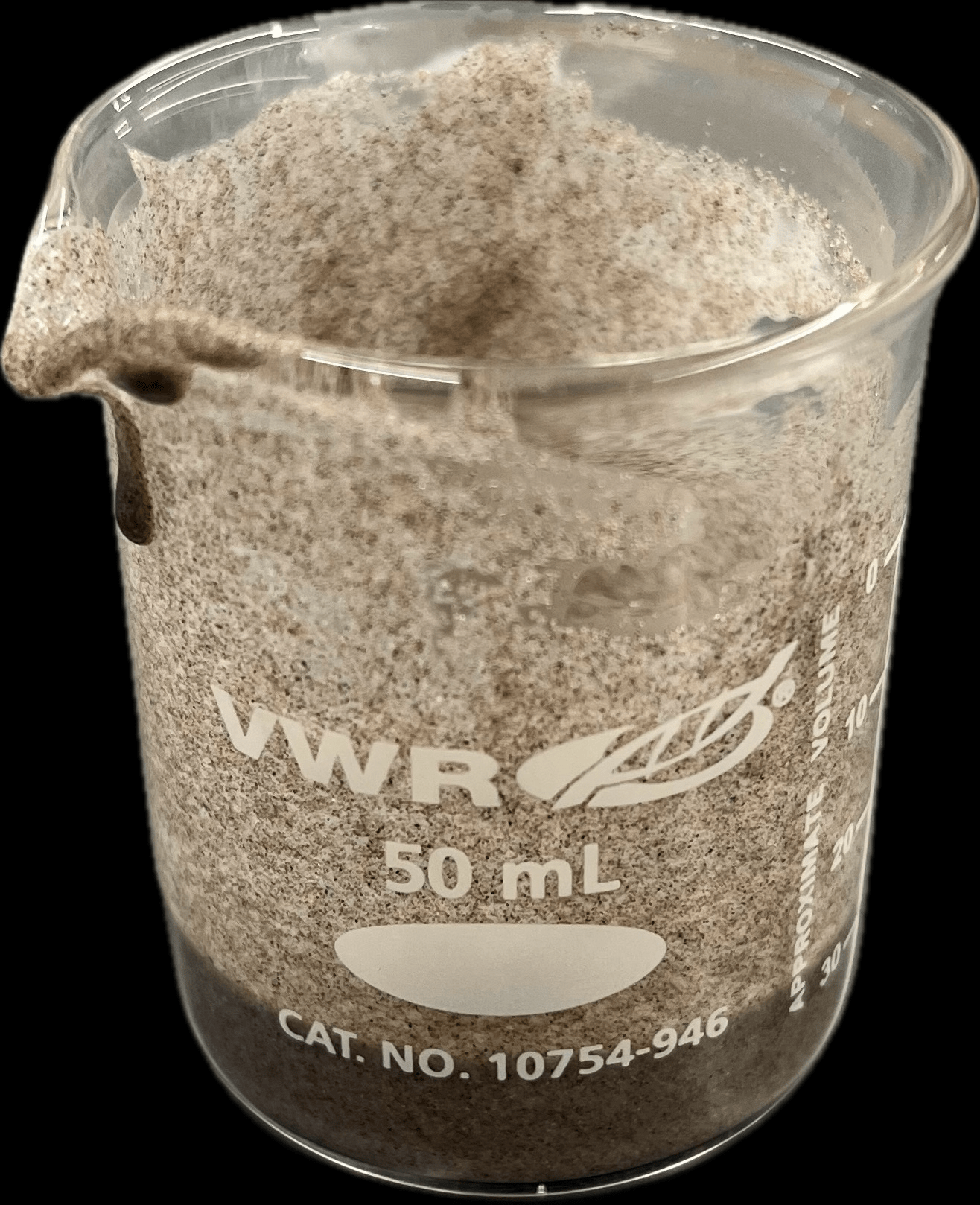
The experiment was initiated by mixing the nanomaterial with water or glue (or both) under a fume hood, depending on whether the chemical compound was a paste or powder (Figure 1). For example, aluminum oxide was in powder form and titanium dioxide in paste form. To make the coating for the ceramic rods, one coat of the aluminum oxide solution consisted of 5mL of water, 5mL of glue, and 5mL of aluminum oxide powder. However, one coat of the titanium dioxide mix was composed of 5mL of glue and 5mL of titanium dioxide paste. As a result, the titanium dioxide coating was more concentrated than the aluminum oxide. The discrepancy in the baseline status influenced the final coating concentrations and may further complicate data interpretation.
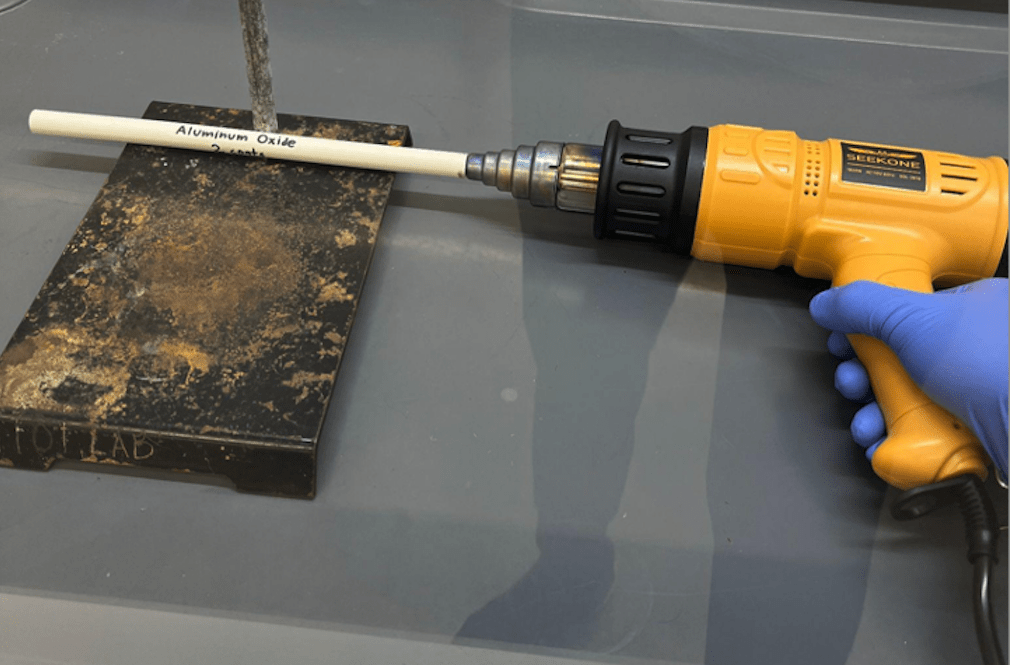
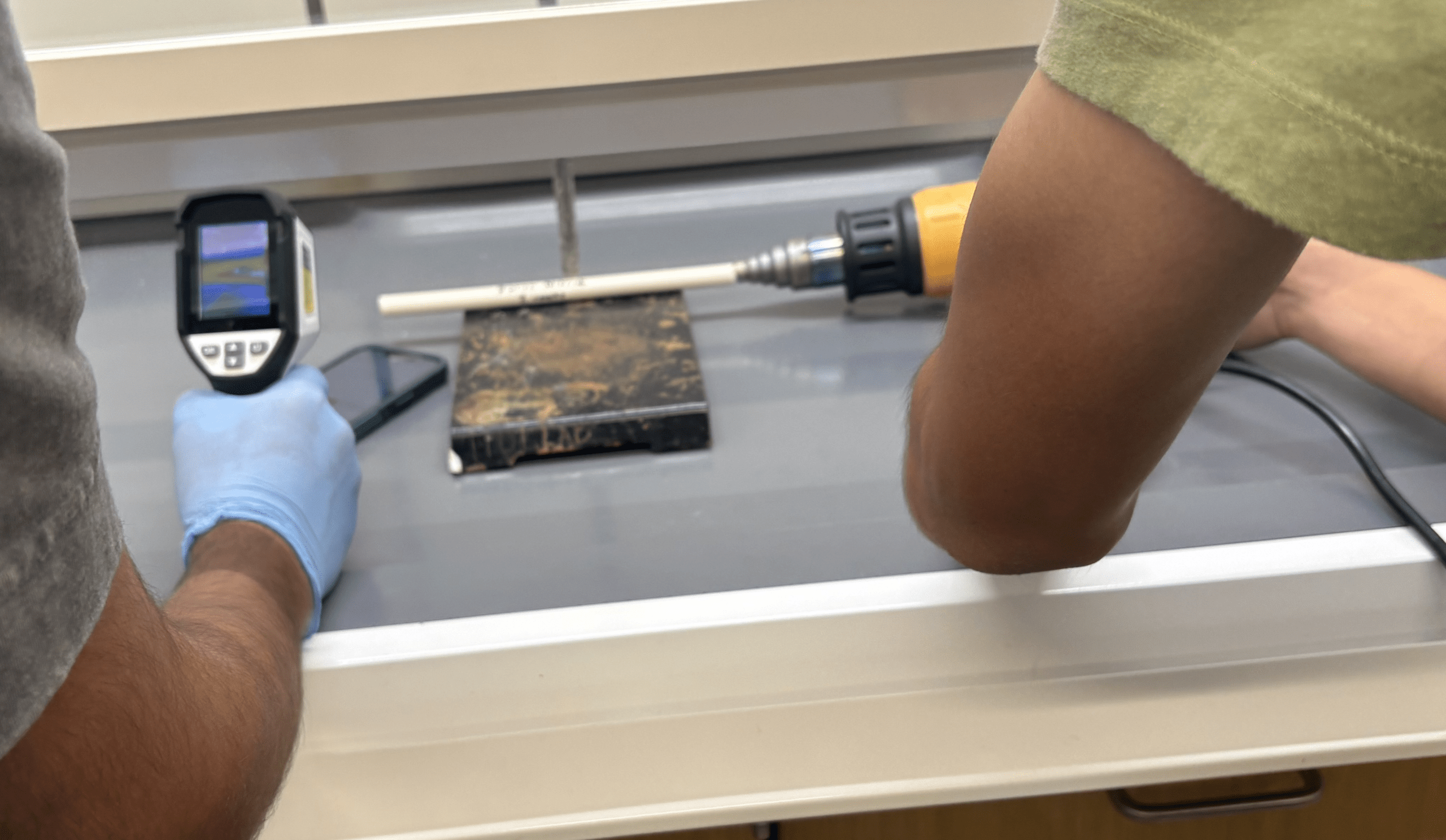
Next, the mixture was poured into the interior of the ceramic rod. The rod was left to dry, and the heat gun was warmed up at the same time. If two coats were required, the first must dry completely before applying the second layer. Once the heat gun reached a temperature of 538°C (1,000°F) and the coating in the rod was dry, the ceramic rod was put onto the retort stand, with the heat gun placed at one end of the rod (Figure 2). A two-minute timer was started, and a decibel tracker app was used to record the decibels throughout the experiment. An infrared camera was held up to the opposite end of the rod, and temperature changes were recorded every 30 seconds (Figure 3). The experiment was conducted in a consistent, controlled acoustic environment (a quiet room) throughout the duration of the study.
When the two-minute timer was over, the decibel tracker app was paused, and the data was collected. The final temperature, as measured by the infrared camera, was also recorded. This process was repeated for all different nanomaterial and coating combinations for three times.
Differences in end temperatures and decibel levels among the groups were analyzed using ANOVA, followed by Tukey’s HSD post-hoc test. The correlation between end temperature and decibel level was evaluated using Pearson correlation analysis. Data are presented as mean ± standard deviation, and a p value < 0.05 was considered statistically significant.
Results
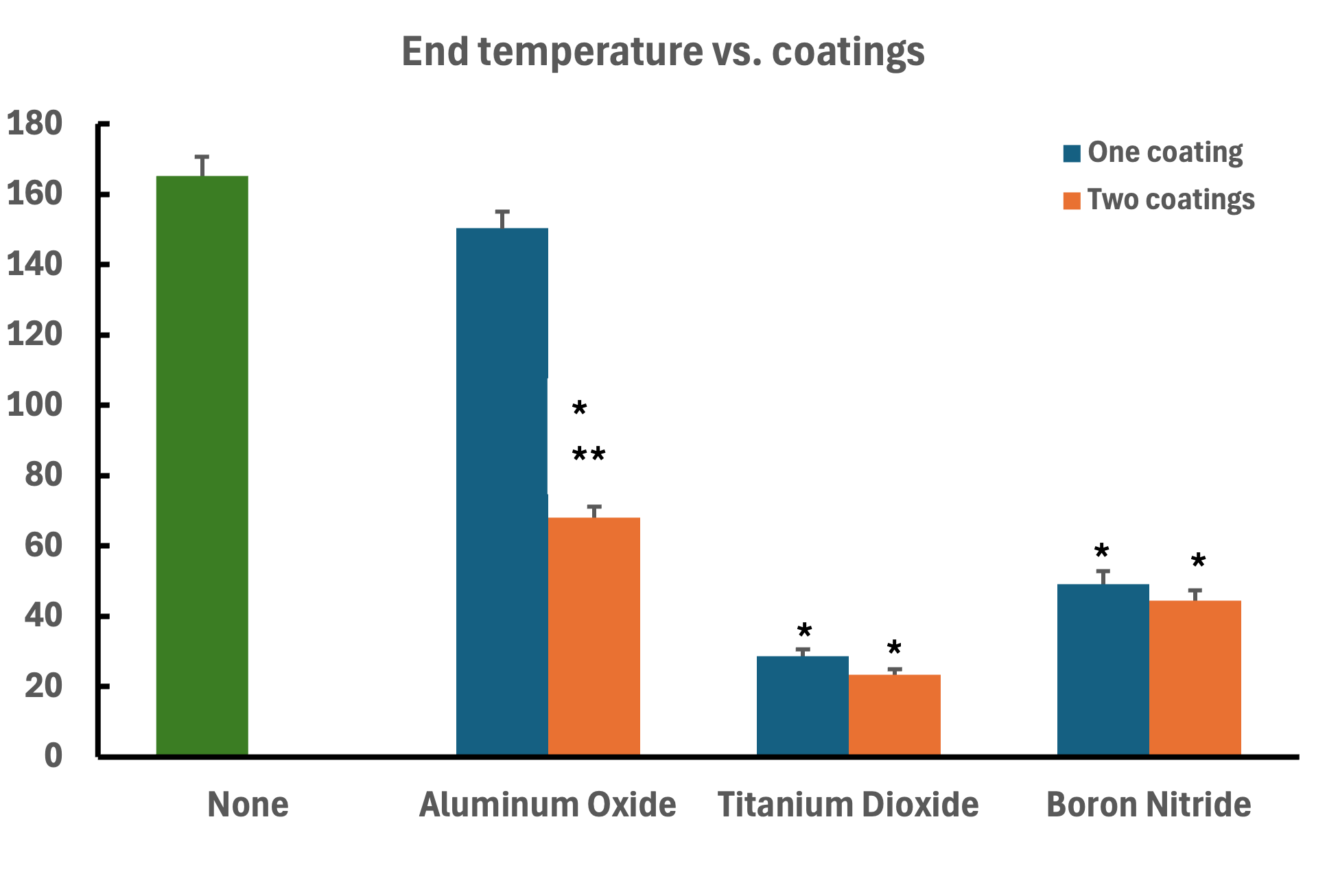
It was found that nanomaterials reduced the end temperature of the ceramic rods compared to the uncoated control, and that double coatings were more effective than single coatings. For example, two coatings of titanium dioxide decreased the temperature by approximately 1.5°C more than a single coating (Figure 4). When the three nanoparticles were compared, titanium dioxide was the most effective at reducing the end temperature. A single coat of titanium dioxide resulted in a significantly lower end temperature of 28.6 °C, compared to the next lowest temperature of 44.4 °C observed with two coats of boron nitride (Figure 5). Although the results supported the superior thermal reduction properties of titanium dioxide, its more condensed nature in the coating relative to the other two materials must be interpreted cautiously. Comparisons between materials remain tentative due to the confounding factor that final coating concentrations were inconsistent across the groups.
Between the coatings, adding one extra layer of aluminum oxide substantially decreased the end temperature from 150.3°C to 68.0°C, an 82.3°C difference between the first and second coats. In contrast, both boron nitride and titanium dioxide exhibited only a modest temperature reduction of approximately 5°C between one and two coats (Figure 5).
As for the noise levels, the decibel values at the opposite end of the ceramic rods remained relatively consistent across different nanomaterials and numbers of coatings. The majority of the decibels varied from high 70 to 80 (Figure 6), with no significant difference in the mean decibel levels among all the testing conditions (Figure 7). These results indicated that the application of nanomaterials did not have a major impact on the noise reduction of the ceramic rods.
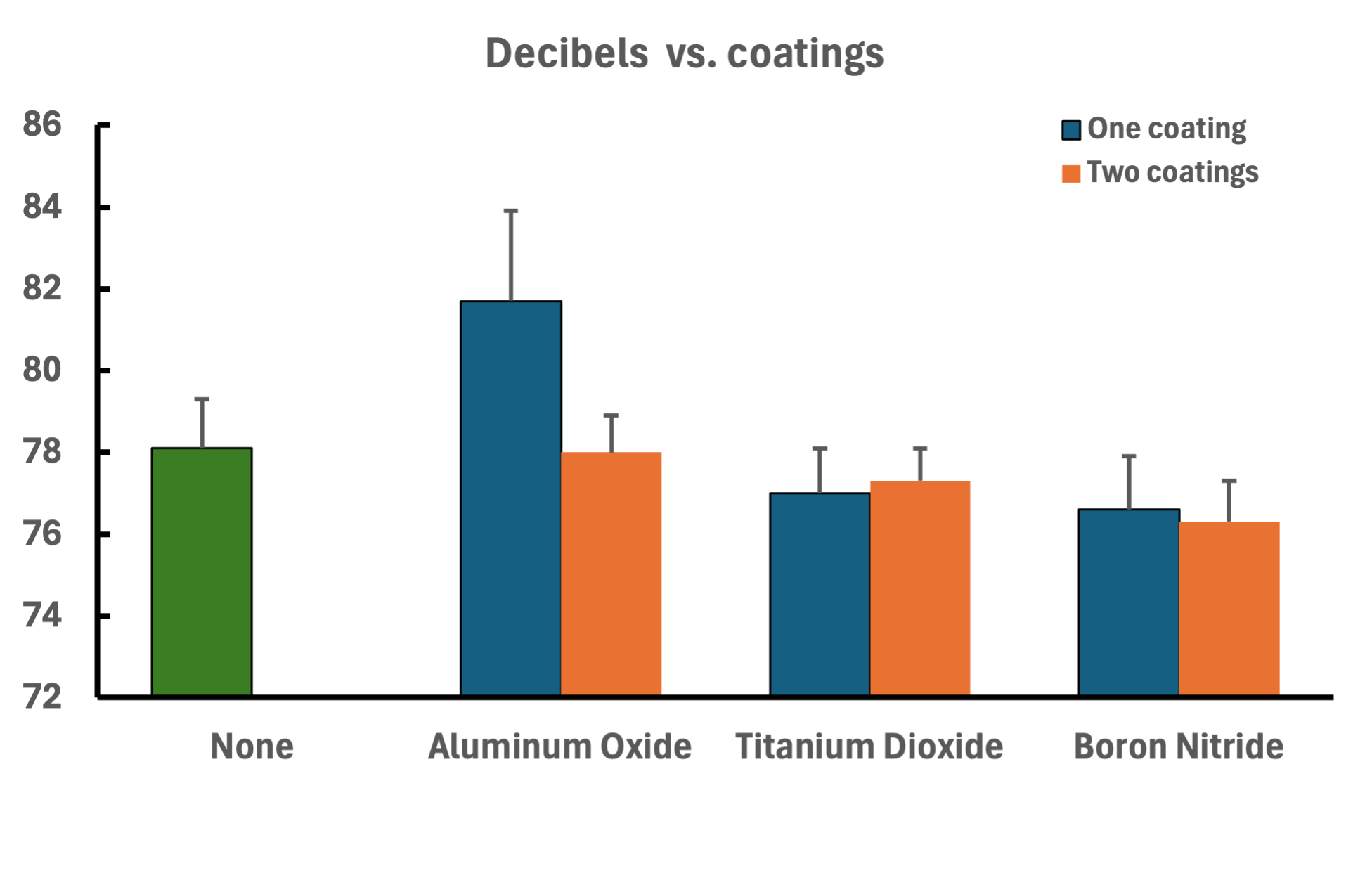
To illustrate the full spectrum of study outcomes, Table 1 presents the type of nanomaterial used, the number of coatings applied, the minimum, maximum, and average decibel levels, as well as the end temperature after the two-minute duration. The data show a clear correlation between nanomaterial coatings and end temperature, with nanoparticles significantly reducing temperatures compared to the control. However, no significant correlation was found between end temperature and decibel levels, as the decibel values remained relatively constant across all seven tests, regardless of the final temperature.
| Nanomaterial | # of coatings | Minimum dB | Maximum dB | Average dB | End temperature ºC |
| None | 0 | 75.7 | 82.4 | 78.1±1.2 | 165.2±5.4 |
| Aluminum Oxide | 1 | 77.9 | 86.2 | 81.7±1.5 | 150.3±4.8 |
| Aluminum Oxide | 2 | 76.1 | 81.3 | 78.0±0.9 | 68.0±3.2 *,** |
| Titanium Dioxide | 1 | 74.2 | 83.2 | 77.0±1.1 | 28.6±2.1* |
| Titanium Dioxide | 2 | 75.2 | 80.0 | 77.3±0.8 | 23.4±1.5* |
| Boron Nitride | 1 | 75.1 | 81.9 | 76.6±1.3 | 49.1±3.8* |
| Boron Nitride | 2 | 73.6 | 78.2 | 76.3±1.0 | 44.4±2.9* |
dB: decibel. *Significantly lower temperature compared to the control; **Significantly lower temperature compared to one coating.
Discussion
This study identified a correlation between the application of nanomaterials and the reduction of end temperature, but no correlation between end temperature and decibel levels at the ends of ceramic rods in the simplified system designed to mimic aircraft engine noise production.
The association between nanomaterials and reduced end temperature is thought to be due to the insulating properties of the chemical compounds. Aluminum oxide, titanium dioxide, and boron nitride are all proven heat insulators widely used in various applications, such as furnaces, intumescent paints, and electronic substrates 8, 34. As a result, when these particles are applied to a ceramic rod and exposed to high temperatures, they can withstand the conditions and effectively reduce heat transfer.
In contrast, end temperatures had no impact on decibel levels measured at the end of the ceramic rods. The most likely reason for this observation is the highly scaled-down engine exhaust system—a heat gun— that was used in the study. In an aircraft engine, the extremely hot and fast exhaust air that exits the engine mixes with the surrounding ambient air, creating turbulent shear layers and intense pressure waves that are perceived by our ears as noise. However, if the point of exhaust is not powerful enough, as tested in our system, there may not be a noticeable change in noise levels. For instance, a heat gun usually generates noise less than 90 dB, while a plane engine can generate up to 140+ dB noise. Also, heat guns produce airflow at approximately 10 meters per second, whereas aircraft engines generate exhaust velocities reaching up to 500 meters per second. This highlights a dramatic difference in the power and scale between the two systems; therefore, the result from the current study is preliminary. The highly scaled-down system represented a fundamental limitation of the experimental design, specifically, the cooled exhaust may not have been able to sufficiently modify the thermal boundary layer or acoustic impedance at the surface of the ceramic rod, consequently, the results showed no noise reduction relative to the basic noise floor. A future larger-scale study, such as Computational Aeroacoustics (CAA) simulations, will unravel whether nanomaterials can effectively facilitate engine noise reduction.
The study was restricted by the types of materials and coating layers applied. Only three types of nanoparticles and up to two layers have been tested, and experimenting with more materials and layers will give us a clearer picture of how the insulation would affect end temperatures and decibel levels in a simulated aircraft engine system. Additionally, there was some inconsistency in the final concentrations of the nanomaterials due to the varying states of the original materials provided, which may introduce some ambiguity into the data interpretation. Future studies using nanoparticles with the same final concentration should avoid this confounding factor. This improvement will ensure that any differences observed are due to the nanomaterials themselves rather than inconsistencies in mixture composition. Furthermore, adding another control with a ceramic rod coated only with the matrix itself (a mixture of glue and water) may further dissect the contribution of the nanomaterials versus the matrix, facilitating a more precise data interpretation.
Another limitation of the study was the use of an infrared camera for final temperature measurements. Because emissivity differences among the nanomaterials were not directly calibrated, the measured temperatures may have been influenced by variations in material emissivity. Future work will include emissivity calibration and/or the use of contact thermocouples to validate the temperature measurements. Additionally, because a smartphone decibel tracker app was used for noise measurement, the accuracy of the results could be affected by the frequency-dependent response of the microphone. Nevertheless, the experiment maintained a consistent baseline and environment, and the data remains valid for identifying relative trends in noise reduction between different nanomaterial coatings under identical experimental conditions. Future iterations of this experiment should utilize a calibrated Sound Level Meter (SLM) in an anechoic or semi-anechoic environment to mitigate environmental interference and ensure high precision Sound Pressure Level (SPL) measurements.
Although applying multiple layers of nanomaterials may help lower engine exhaust temperatures, certain drawbacks can occur. For example, the added weight of the aircraft could lead to reduced fuel efficiency. Incorporating other advanced components, such as smart nanocoatings, carbon nanotube, graphene, or aerogel-based nanocomposites35, into aircraft engines may serve as a valuable alternative to achieve greater efficiency and reliability in vibration damping and sound absorption and while simultaneously keeping the material lightweight and structurally sound. This would address the problem of excess aircraft weight caused by multiple coatings of conventional nanomaterials.
Overall, this preliminary investigation partially supported the original hypothesis that nanomaterials demonstrate thermal suppression but not noise reduction in a highly simplified aircraft engine system. A large-scale study that closely mimics real-world airplane engine operation will elucidate the applicability and efficacy of nanomaterials for engine noise reduction.
Conclusion
The data from this study demonstrate the thermal-suppressive properties of nanomaterials with minimal noise reduction in a simulated aircraft engine system, providing a foundation for future in-depth investigations into the thermal and acoustic effects of nanomaterials in aircraft engines.
Acknowledgements
The authors would like to thank the Summer Ventures in Science and Mathematics Program and the Nanoscale Science Department at the University of North Carolina at Charlotte for their support of this study and manuscript preparation.
References
- M.J. Lighthill. On sound generated aerodynamically I. General theory. Proceedings of the Royal Society of London A Mathematical and Physical Sciences. Vol. 211, pg. 564-87, 1952, https://doi.org/10.1098/rspa.1952.0060. [↩]
- N. Curle. The influence of solid boundaries upon aerodynamic sound. Proceedings of the Royal Society of London A Mathematical and Physical Sciences. Vol. 231, pg. 505-14, 1955, https://doi.org/10.1098/rspa.1955.0191. [↩]
- J.E. Ffowcs Williams and D.L. Hawkings. Sound generation by turbulence and surfaces in arbitrary motion. Philosophical Transactions of the Royal Society of London, Series A: Mathematical and Physical Sciences. Vol. 264, pg. 321-42, 1969, https://doi.org/10.1098/rsta.1969.0031. [↩]
- M. Gorji-Bandpy and M. Azimi. Technologies for jet noise reduction in turbofan engines. Aviation. Vol. 16, pg. 25-32, 2012, https://doi.org/10.3846/16487788.2012.679313. [↩]
- Y. Xu. Reviewing of research on aircraft noise reduction technology. Applied and Computational Engineering. Vol. 130, pg. 152-8, 2025, https://doi.org/10.54097/ace.v130i1.1. [↩] [↩] [↩] [↩]
- D.L. Huff. Nasa glenn’s contributions to aircraft engine noise research. Journal of Aerospace Engineering. Vol. 26, pg. 218-50, 2013, https://doi.org/10.1061/(ASCE)AS.1943-5525.0000281. [↩]
- X. Liu, D. Zhao, D. Guan, S. Becker, D. Sun, and X. Sun. Development and progress in aeroacoustic noise reduction on turbofan aeroengines. Progress in Aerospace Sciences. Vol. 130, pg. 100796, 2022, https://doi.org/10.1016/j.paerosci.2022.100796. [↩]
- W. Neise and L. Enghardt. Technology approach to aero engine noise reduction. Aerospace Science and Technology. Vol. 7, pg. 352-63, 2003, https://doi.org/10.1016/S1270-9638(03)00032-1. [↩] [↩]
- H.E. Plumblee, G.A. Wynne, and B.T. Zinn. Effect of jet temperature on jet and pure tone noise radiation. Nasa Contractor Report. pg. 1-120, 1969. [↩]
- H.E. Plumblee, Jr. The effect of exhaust temperature on jet noise generation. The Journal of the Acoustical Society of America. Vol. 42, pg. 1214, 1967, https://doi.org/10.1121/1.1910708 [↩]
- K.K. Ahuja. Correlation and prediction on jet noise. Journal of Sound and Vibration. Vol. 29, pg. 155-68, 1973, https://doi.org/10.1016/S0022-460X(73)80112-6. [↩]
- R.G. Hoch, J.P. Duponchel, B.J. Cocking, and W.D. Bryce. Studies of the influence of density on jet noise. Journal of Sound and Vibration. Vol. 28, pg. 649-68, 1973, https://doi.org/10.1016/S0022-460X(73)80234-X. [↩]
- R. Mani. The influence of jet flow on jet noise. Part 2. the noise of heated jets. Journal of Fluid Mechanics. Vol. 73, pg. 779-93, 1976, https://doi.org/10.1017/S002211207600159X. [↩]
- H.K. Tanna. An experimental study of jet noise part I: turbulent mixing noise. Journal of Sound and Vibration. Vol. 50, pg. 405-28, 1977, https://doi.org/10.1016/0022-460X(77)90494-1. [↩]
- K. Viswanathan. Aeroacoustics of hot jets. Journal of Fluid Mechanics. Vol. 516, pg. 39-82, 2004, https://doi.org/10.1017/S002211200400037X. [↩]
- C. Bailly and C. Bogey. Effects of inflow conditions and forcing on subsonic jet flows and noise. AIAA Journal. Vol. 43, pg. 1000-7, 2005, https://doi.org/10.2514/1.10394. [↩]
- C.P. Emanuele Milani, M. Ambrosino, and P. Pagliano. Reduction of exhaust noise by means of thermal acoustics. Sae International. pg. 2012-01-1555, 2012, https://doi.org/10.4271/2012-01-1555. [↩]
- 18. M. Kandula. Prediction of turbulent jet mixing noise reduction by water injection. AIAA Journal. Vol. 46, pg. 2714-22, 2008, https://doi.org/10.2514/1.31959. [↩]
- Y. Luan, L. Yan, T. Sun, and P. Zunino. Aerodynamic noise and its reduction of the marine gas turbine air exhaust system. J Acoust Soc Am. Vol. 155, pg. 2728-40, 2024, https://doi.org/10.1121/10.0025686. [↩]
- B.J. Cocking. The effect of temperature on subsonic jet noise. National Gas Turbine Establishment. pg. 1-45, 1974. [↩]
- J.E. Bridges and M.P. Wernet. Effect of temperature on jet velocity spectra. 13th AIAA/CEAS Aeroacoustics Conference. pg. 3589, 2007, https://doi.org/10.2514/6.2007-3589 [↩]
- P. Guan and Y. Ai. Study on thermal-acoustic-structural performance of aeroengine combustor based on coupled-field technology. Chinese Journal of Aeronautics. Vol. 32, pg. 1-12, 2019, https://doi.org/10.1016/j.cja.2019.03.031. [↩]
- S. Ullah, S. Li, K. Khan, S. Khan, I. Khan, and S.M. Eldin. An investigation of exhaust gas temperature of aircraft engine using lstm. IEEE Access. Vol. 11, pg. 5168-77, 2023, https://doi.org/10.1109/ACCESS.2023.3235654. [↩]
- F. Paun, S. Gasser, and L. Leylekian. Design of materials for noise reduction in aircraft engines. Aerospace Science and Technology. Vol. 7, pg. 63-72, 2003, https://doi.org/10.1016/S1270-9638(02)00004-7. [↩]
- A. Musa, A. Bello, S. Adams, A. Onwualu, V. Anye, K. Bello, and I. Obianyo. Nano-enhanced polymer composite materials: a review of current advancements and challenges. Polymers. Vol. 17, pg. 893, 2025, https://doi.org/10.3390/polym17070893. [↩]
- N.Y. Dudareva, P.V. Ivashin, and A.B. Kruglov. Investigation of the thermophysical properties of the oxide layer formed by microarc oxidation on Al-Si alloy. MATEC Web Conf. Vol. 129, pg. 02015, 2017, https://doi.org/10.1051/matecconf/201712902015. [↩]
- Y. Wu, X. Wang, L. Liu, Z. Zhang, and J. Shen. Alumina-doped silica aerogels for high-temperature thermal insulation. Gels. Vol. 7, pg. 122, 2021, https://doi.org/10.3390/gels7030122. [↩]
- Y. Sun, S. Li, Q. Zhao, Z. Cong, Y. Xia, and X. Jiao. Recent advancements in alumina-based high-temperature insulating materials: properties, applications, and future perspectives. High-Temperature Materials. Vol. 2, pg. 10001, 2025, https://doi.org/10.1016/j.hightemp.2024.10001. [↩]
- L.W. Shen, Y.M. Zhang, P.G. Zhang, J.J. Shi, and Z.M. Sun. Effect of TiO2 pigment gradation on the properties of thermal insulation coatings. International Journal of Minerals, Metallurgy, and Materials. Vol. 23, pg. 1466-74, 2016, https://doi.org/10.1007/s12613-016-1371-3. [↩]
- C. Fan, J. Lu, C. Duan, C. Wu, J. Lin, R. Qiu, Z. Zhang, J. Yang, B. Zhou, and A. Du. Effect of titanium dioxide particles on the thermal stability of silica aerogels. Nanomaterials (Basel). Vol. 14, pg. 1245, 2024, https://doi.org/10.3390/nano14151245. [↩]
- I. Mashkoor, J.M. Yousif, and M. Yousif. The impact of additives on the insulation properties of the epoxy resin building substance. Archives of Materials Science and Engineering. Vol. 125, pg. 49-57, 2024, https://doi.org/10.5604/01.3001.0054.4182. [↩]
- F.O. Arthur. Ablative and insulating properties of outgassed boron nitride and boron nitride composite. Nasa Technical Reports Server (NTRS). pg. 1-30, 1966. [↩]
- NASA. Engineered hexagonal boron nitride: titanium dioxide composites for high voltage insulation. NASA Technical Reports Server (NTRS). pg. 1-15, 2024. [↩]
- T. Mariappan, A. Agarwal, and S. Ray. Influence of titanium dioxide on the thermal insulation of waterborne intumescent fire protective paints to structural steel. Progress in Organic Coatings. Vol. 111, pg. 67-74, 2017, https://doi.org/10.1016/j.porgcoat.2017.05.008. [↩]
- H. Beyrami, M. Golshan, A. Zardehi-Tabriz, and M. Salami-Kalajahi. Smart coatings: fundamentals, preparation approaches, and applications. Advanced Materials Technologies. Vol. 10, pg. e00574, 2025, https://doi.org/10.1002/admt.202400574. [↩]