
Abstract
Music is a ubiquitous part of life, from forms of expression to the enhancement of well-being and function. Building on a large body of existing research, the goal of this narrative review is to address the complex relationships between music and our cognitive function and emotional processing. By examining prior work in this space, this review underscores how music has these wide-ranging behavioral effects by engaging complex regions, including the amygdala, the limbic system, and reward pathways. Additionally, this review explores how music can be used to improve academic performance and as a therapeutic tool by lessening anxiety, improving memory, and slowing down the cognitive impact of neurodegenerative diseases. The paper demonstrates how music dependably engages emotion- and memory-related neural systems, which can support both cognitive and therapeutic performance and outcomes. Finally, it examines individual and cultural differences in music perception, showing how idiosyncratic factors can contribute to differing emotional and cognitive responses.
Keywords: music and the brain, emotional processing, memory function, dementia and Alzheimer’s disease, neural pathways of emotion
Introduction
The interdependence between music and the brain is a compelling subject that has caught the attention of researchers across disciplines, including neuroscientists and psychologists. Besides being a form of expression, music plays an outstanding role in engaging both cognitive and emotional functions1,2. Specifically, music is able to change an individual’s emotional state and has key bidirectional roles in both forming new memories and resurrecting past memories2,3,4. For instance, think of when you hear your favorite song and can’t help but smile. There have already been multiple works and large bodies of research establishing deep connections between music, emotional processing, and memory across behavioral, clinical, and neuroimaging studies3, 5.
However, results across these bodies of literature are spread over many areas and methodologies, making it difficult to connect neural activity to real-world cognitive and therapeutic effects. This narrative review aims to collect and synthesize various pieces of information on music and the multitude of effects on emotion and memory. Accordingly, this paper seeks to explore the primary question: how does music affect emotional processing and memory function in the human brain? By examining how neural systems involved in emotion and memory management engage when hearing or playing music, this paper aims to highlight the cognitive and psychological impacts. To do so, this review will explore the critical brain structures involved and use empirical and case studies, as well as real-world examples, to discuss the relationships between music and core cognitive and affective functions. The final part of the paper highlights limitations and open questions, such as the role of cultural and individual differences in music perception, contradictions in research, and areas for future study. By consolidating information from various sources, this review highlights the contemporary neurological and psychological processes of music-related emotion and memory.
How the Brain Processes Music
There are multiple regions that support music processing, including both low-level sensory regions (i.e., auditory cortex) and higher-level multimodal processing regions related to emotion, memory, and attention1,6. The brain processes music hierarchically, meaning that it goes through multiple stages of processing involving both bottom-up and top-down processing until the meaning of the music comes to be understood. Bottom-up processing relates to the flow of sensory information from lower to higher brain regions, while top-down does the opposite7. Bottom-up processing is communicated using raw sensory data, while top-down processing uses prior knowledge, goals, or expectations to shape the interpretation of incoming sensory input7.
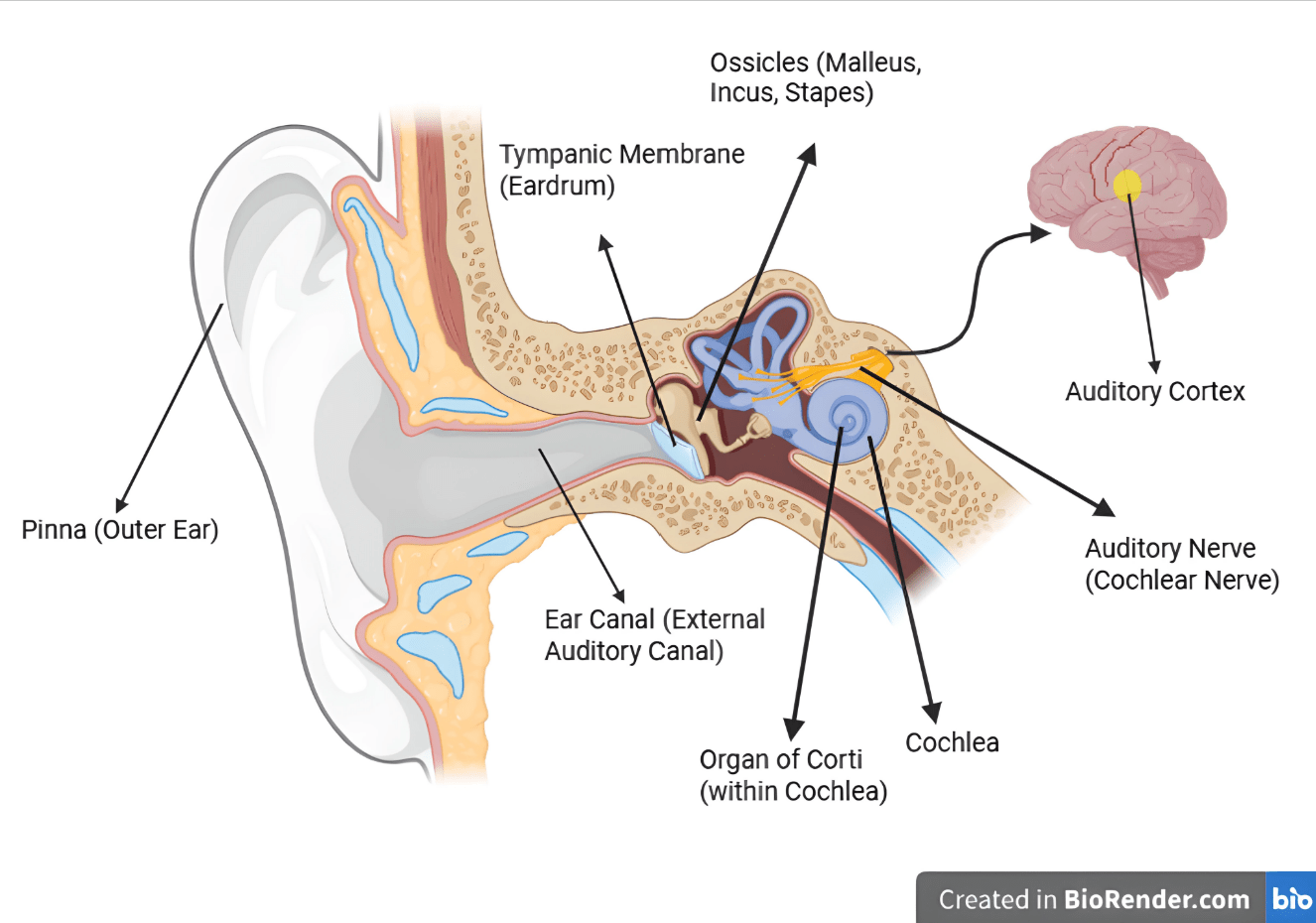
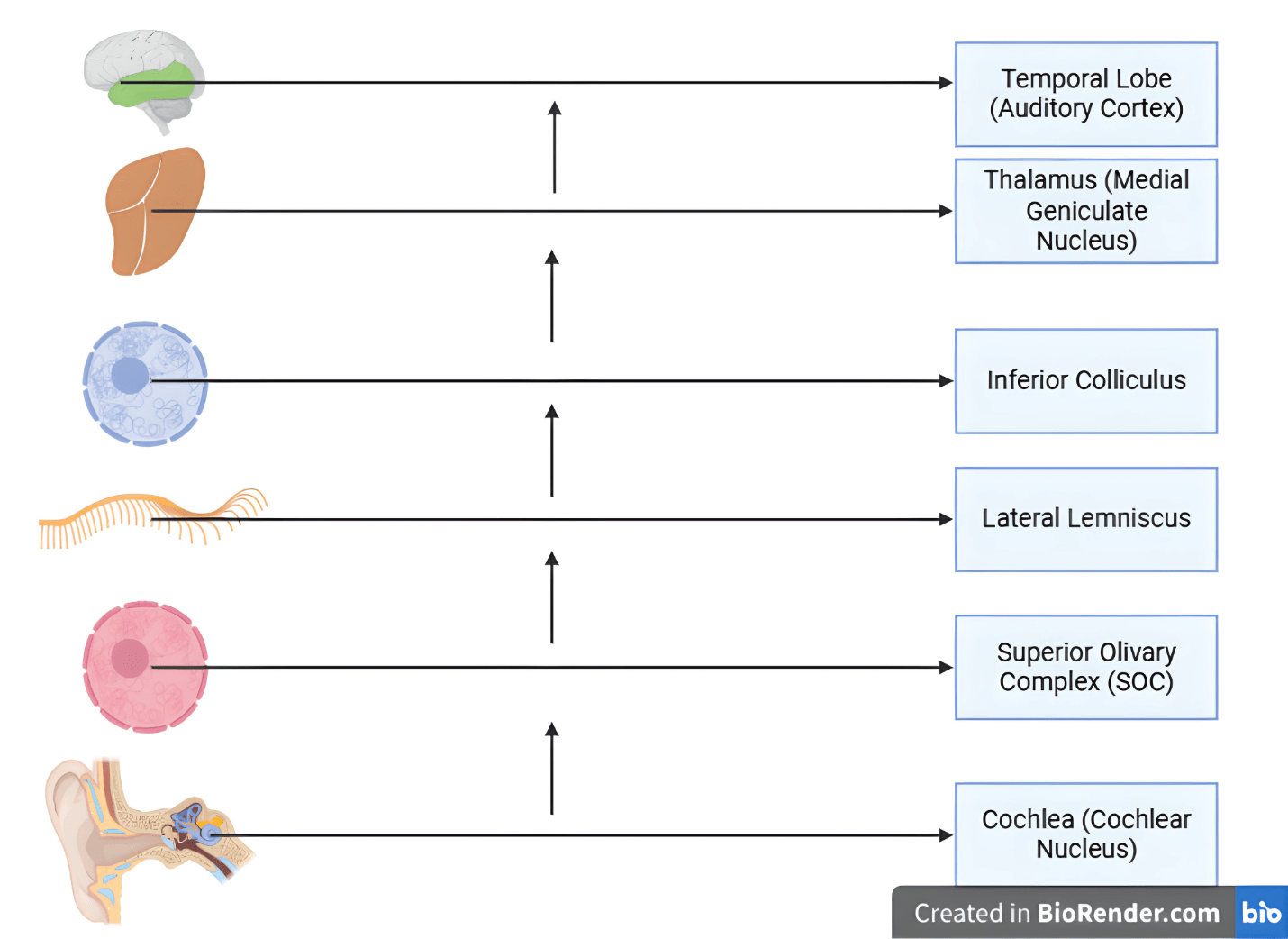
To be specific, bottom-up music processing starts with sound signals that are caught by the ear and are sent to the cochlea, which converts the sounds into neural signals (see Fig. 1 for a schematic of the ear)6. The auditory nerves then carry the neural signals to the brainstem and thalamus for processing6. After processing, the thalamus relays the information to the auditory cortex, where continued cortical processing supports the analysis and recognition of complex sounds6. To provide more detail, following the auditory cortex’s basic processing, the secondary auditory areas, such as the belt regions and Wernicke’s area, incorporate many other complex musical patterns like harmony and rhythm8.
Music processing in higher-order regions supports more intricate experiences, including preferences, memory, and reward. For instance, the basal ganglia, a group of small structures that control voluntary movements and reward-related processing, are engaged in interpreting rhythm, which in turn helps the brain in pattern recognition, interpreting regularities in information9. Other related regions canonically referred to as the “reward pathway,” specifically the ventral tegmental area, are engaged when we listen to gratifying music10. Furthermore, regions of the limbic system, like the amygdala and hippocampus, contribute largely to our emotional experience when listening to music2,11.
The next sections will provide further detail on the role of neurotransmitters (chemical messengers) in supporting reward function before discussing the broader relationships between music, emotion, and memory and their neural correlates.
The Role of Neurotransmitters in Invoking Reward Responses to Music
All of the activity in these large brain regions is mediated by chemical messengers (“neurotransmitters”) that allow neurons to communicate with each other and with other cells throughout the body12. Neurotransmitters hold a key role in sending signals across synapses, binding to specific receptors, and generating both inhibitory and excitatory effects throughout the nervous system12. They allow for both basic functions needed for survival, such as digestion and sleep, as well as more complex functions, like movement, emotion, and cognition12.
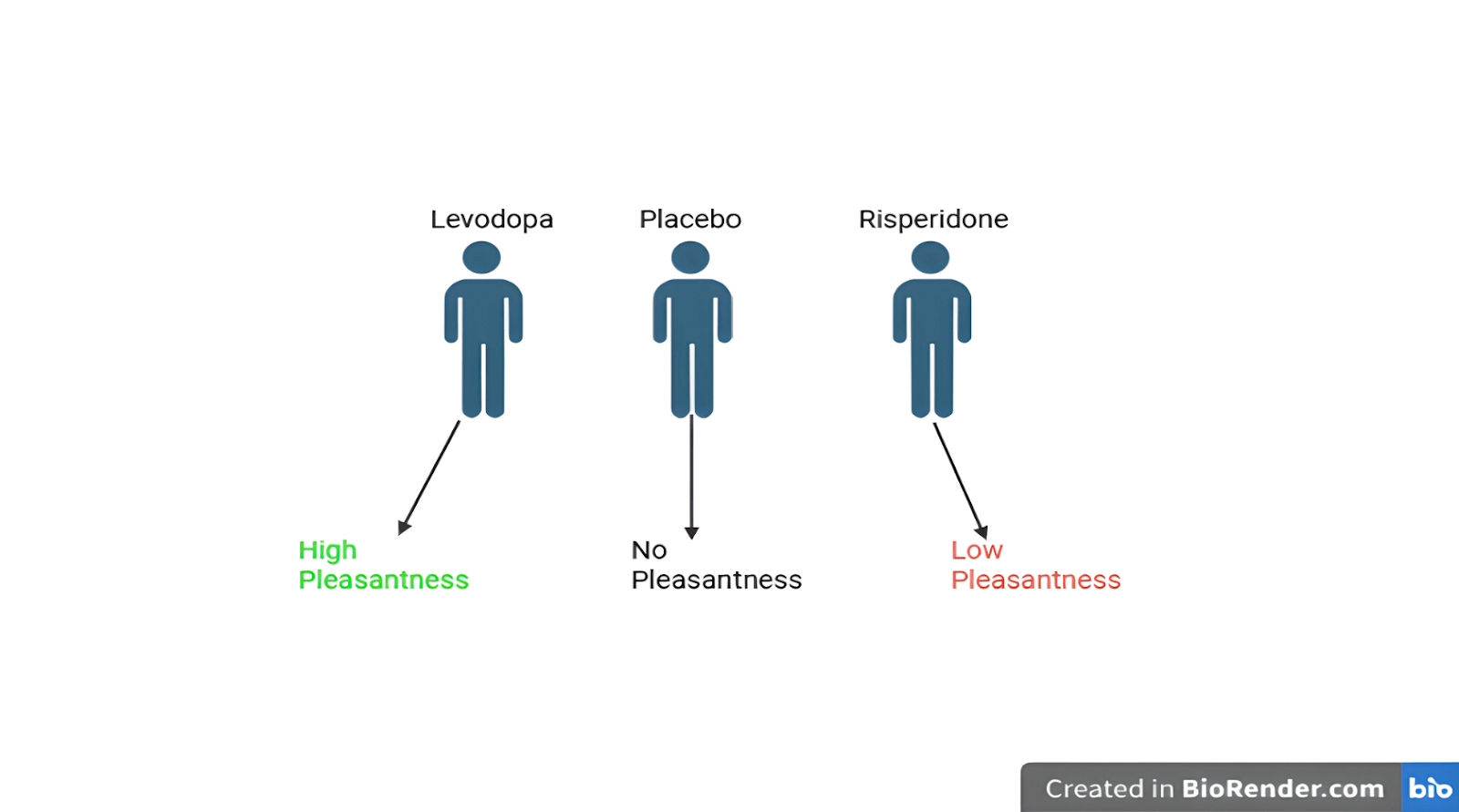
This paper focuses primarily on the role of a particular neurotransmitter in generating feelings of anticipation in reward, pleasure, and satisfaction when listening to music13. These feelings are mediated by dopamine’s release in reward pathways: music listening engages the mesocorticolimbic pathway, which originates in the ventral tegmental area and includes the basal ganglia10. This is where the ventral tegmental area projects dopamine to key structures, including the nucleus accumbens10. The interaction between these regions is the neural basis for both reward processing and the generation of positive emotions in relation to music. Generally, the release of dopamine correlates with the emotional arousal, anticipation of joy, and happiness one feels in the moment10. This extends to music; dopamine is the principal contributor to the noticeable change in feelings experienced while listening to music14. Key evidence comes from a study in which participants were given a dopamine precursor (levodopa), which increased dopamine levels, or a dopamine antagonist (risperidone), which decreased dopamine levels; as seen in Fig. 3, levodopa, compared to a placebo, increased the pleasurable experience associated with music, while risperidone had the opposite effect13.
The role of dopamine in “feeling music” is further highlighted in clinical settings. Notably, those with Parkinson’s disease (a deteriorating movement disorder, primarily caused by the loss of dopamine neurons in the substantia nigra pars and other regions) possess less of this dopaminergic response, therefore reducing their response to music15. Music therapy, a type of therapy that uses music to improve quality of life, reduce stress, and help accomplish goals, is thought to increase the dopaminergic reaction through external rhythmic cues, modulating dopamine activity, and compensating for the lack of stimulation, improving outcomes for those with diseases like Parkinson’s as well as dementia, or Alzheimer’s16,17.
Music’s pleasurable effects stem not only from the release of dopamine in these reward pathways, but also from broader whole-brain changes. For instance, whole-brain oscillations show synchrony between our predictions of the music we are listening to and the motor responses it evokes9. The next section will focus on emotional responses to music more broadly.
Basic Science of Music, Emotion, and Memory
As noted, music possesses the great ability to spark and regulate human emotions, engaging many complex neural structures and psychological processes. Many people across the world have emotional reactions to music; however, these reactions are often associated with individual connections and personal experiences18,19. Evidence comes from the case study of patient Harry S. Following a brain aneurysm and the passing of his wife, Harry S. had lost much of his emotional and intellectual capabilities20. However, when he performed his songs, he strongly reacted in an emotional manner, demonstrating music’s ability to evoke emotions, even when other functions were impaired20. The neural structures engaged in music effluence include the amygdala, prefrontal cortex, and dopaminergic reward system discussed previously21.
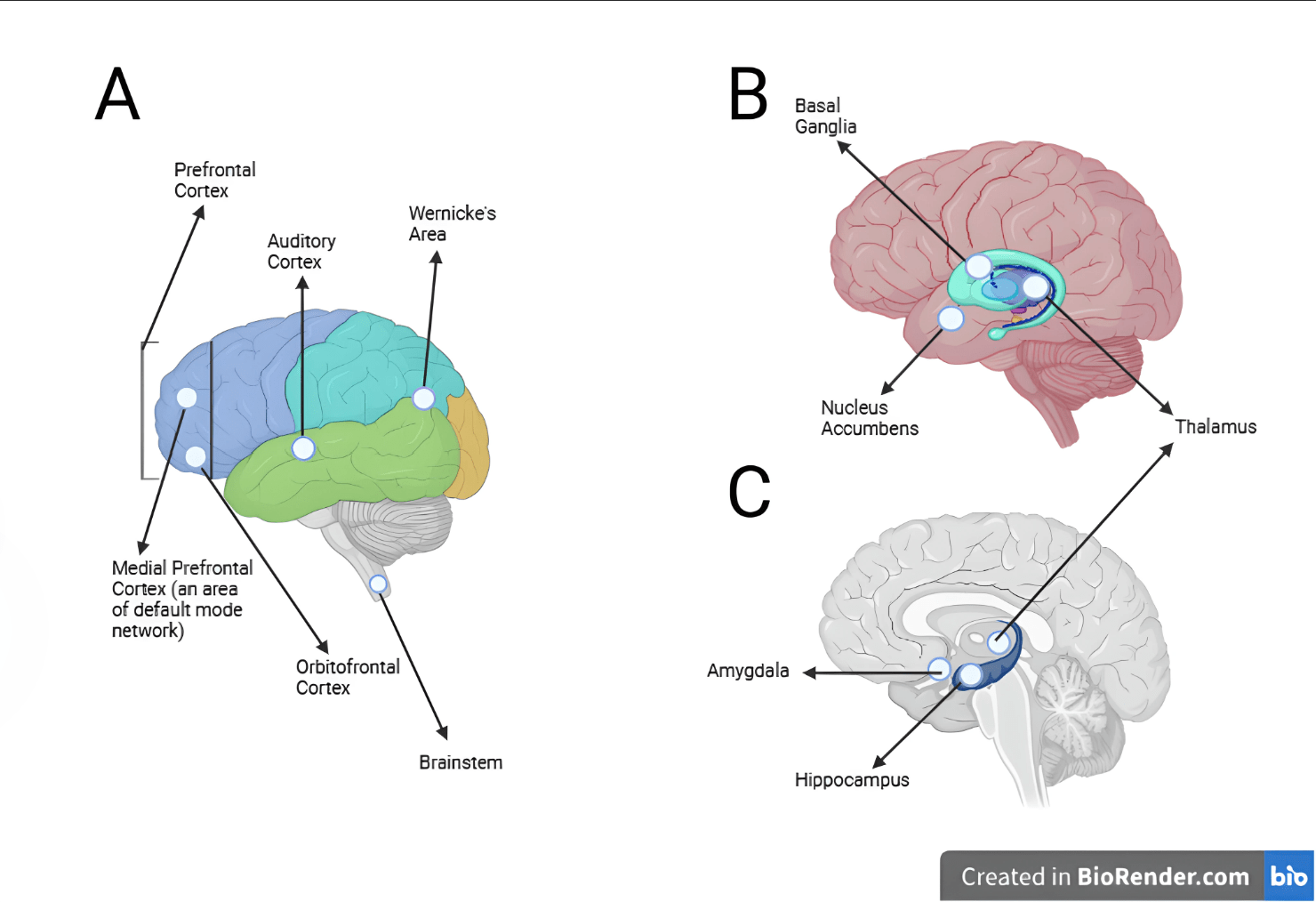
Research has shown that intensely pleasurable experiences to music, such as chills, named ‘musical chills’, are related to increased activity in the reward and emotion-related regions, namely the ventral striatum, amygdala, and prefrontal cortex (see Fig. 4 for the location of these regions)14,21. Interestingly, these areas similarly respond to other pleasurable experiences like eating or social bonding, exemplifying that music taps into neural processes related to rapture or motivation2,14.
However, there are some atypicalities where individuals seemingly have normal reward systems but do not respond to music in the way others do22. One example of this is called ‘music anhedonia’. People who experience music anhedonia can still decipher the harmonic pattern of music; however, there is no emotional response elicited23. On the other end of the scale is musicophilia, where people experience an extreme sense of pleasure or other emotions when listening to music24. These differences might be due to a mix of genetic, environmental, or cultural factors19. For instance, some proposed causes include that individuals with such atypicalities may have less neural sensitivity to the reward signals induced by music or that, due to cultural or environmental differences, they do not develop a rewarding connection with music24,25. There also seems to be some evidence that these unique conditions–musicophilia and music anhedonia–may also be induced by brain damage: Fletcher found that those with dementia that had more degeneration of their left posterior hippocampus but less degeneration of certain prefrontal and orbitofrontal regions had higher changes of musicophilia, while Martinez-Molina identified that those with musical anhedonia had reduced responses in their reward pathways22,24. This provides further evidence for the role of these reward regions in normative musical processing.
Nevertheless, this connection between music and the brain’s reward pathways helps to explain why music generally induces idiosyncratic emotional responses across people18. We know that different musical genres and tempos, types of music, and how fast the beat of the music is can elicit different emotional states26,27. For example, faster, more upbeat music typically induces feelings of arousal and happiness, while more melodic passages of the piece, such as the vibrato of a cello, evoke feelings of sadness, calmness, or nostalgia26,28. However, music can be quite idiosyncratic, resulting from individual or cultural factors18. The psychological state of the listener, such as their mood, as well as episodic memories, may modulate the emotions and effects of music on the brain, leading to individual differences3,29.
The multitude of effects that music has on an individual is often related to the memories that the music evokes4,30. Music has a unique ability to trigger autobiographical memories: memories of specific personal experiences or events3. Studies show that recognizable music elicits more vivid memories than other sensory cues, such as words or sounds4. This is because repeated patterns such as words or melodies act as mnemonic devices, allowing the brain to link these memorable parts of the song to stored memories for retrieval31.
However, the effects of memory are much more specific than just recognizable music. In an experimental setting, music that evoked a positive connection rather than a negative one was recognized better, indicating that the emotional valence of the music directly correlates with an individual’s memory retention31. Further, this sensory and emotional engagement has been shown to strengthen the recall and encoding of memories, especially when the music holds emotional meaning, evoking vivid mental imagery in an individual’s mind, but more research and work are needed to fully understand it3,4.
When it comes to memory itself, regions like the amygdala, prefrontal cortex, and hippocampus are all highly involved (see Fig. 4 for a schematic)32,33. Located deep inside the temporal lobe, the hippocampus is necessary to form and recall episodic memories32. For instance, neuroimaging studies done by Janata show that listening to familiar (as opposed to unfamiliar) music activates the medial prefrontal cortex (mPFC), an area associated with a larger network of regions (“default mode network”) thought to engage the storage and retrieval of autobiographical memories3. This is thought to occur because familiar music creates mental imagery in our minds4. Adding to these neural findings, Belfi conducted a study where participants listened to 30 songs and viewed 30 faces, and noted their evoked memories. The researchers discovered that ‘music-evoked autobiographical memories’ (MEAM) were much more graphic than the memories evoked from the faces, demonstrating that MEAMs are a stronger cue than others4. Moreover, music also evokes feelings of nostalgia, allowing individuals to remember and reconnect with positive or sorrowful episodic events34.
Music and Brain Network Interactions
Although the paper focuses on the individual brain regions and their sole relationship to music responsiveness, it is also important to highlight the nature of interconnected brain networks in musical processing and coordinated neural activity2. For one, music perception starts in the auditory cortex after being passed through ear mechanisms, processing several acoustic elements such as timbre, pitch, and rhythm10. However, the experience of music goes beyond exclusively auditory perception, engaging different brain regions responsible for emotion, memory, and reward processing. These regions communicate through fundamental neural networks that allow sensory interpretation to be tied to emotional interpretation and memory retrieval2.
One pivotal interaction involves communication between the auditory cortex and a few key regions of the limbic system, specifically the amygdala. The amygdala gauges the emotionality of the incoming stimuli, allowing music to generate different responses such as excitement, nostalgia, or happiness2. This interaction between the amygdala and the auditory cortex, as well as the interaction between the amygdala and the hippocampus, allows for the formation and retrieval of memories in relation to musical experiences3. Communication between networks helps explain why some pieces of music are capable of provoking stronger memories than others3.
These interactions illustrate how emotional and memory-related processes interact during listening. In addition, the brain’s reward network, including the nucleus accumbens and the ventral tegmental area, contributes to the pleasurable aspects of musical experience through the release of dopamine10. Together, these structures demonstrate how auditory perception, emotional understanding, memory retrieval, and reward processing function as coordinated neural networks rather than isolated regions2. This interconnected activity also explains why music can evoke strong mental reactions while also strengthening memory formation2,10. Because music engages multiple neural systems involved in emotion, memory, and reward processing, understanding these network interactions is important for seeing how music may be applied in clinical and therapeutic settings35
| Study | Design/Method | Sample/Population | Key Findings | Notes/Context |
| Brain correlates of music-evoked emotions Koelsch (2014) | Review of neuroimaging studies examining music-evoked emotions | Adults (from multiple neuroimaging studies) | Music activates auditory, emotional, memory, and reward networks; interactions between such networks demonstrate the emotional and cognitive responses to music. | Basic Neuroscience/review of multiple neuroimaging and lesion studies |
| The neural architecture of music-evoked autobiographical memories Janata (2009) | fMRI study examining music-evoked autobiographical memories | 13 adults | Familiar music triggers activation in the hippocampus and medial prefrontal cortex supporting autobiographical memory retrieval | Basic Neuroscience, Memory/Emotion Interaction |
| Emotional responses to music: The need to consider underlying mechanisms Juslin and Västfjäll (2008) | Theoretical review proposing a multi-mechanism framework for how music affects emotion | N/A (review of psychological mechanisms and empirical evidence across several studies) | Musical emotions come from the automatic usage of several underlying mechanisms (brain stem reflexes, emotional contagion, episodic memory, etc.). Emotion induction depends on deep underlying processes. | Important theoretical framework for understanding mechanisms of emotional responses to music |
| Anatomically distinct dopamine release during anticipation and experience of peak emotion to music Salimpoor et al., (2011) | fMRI and PET scan study measuring dopamine release during music listening | 10 adults | Specific dopamine release in the caudate during anticipation and nucleus accumbens during peak emotional pleasure; links reward system with music-evoked emotional responses | Brain-reward circuitry, music-evoked pleasure |
| Music evokes vivid autobiographical memories Belfi et al., (2016) | Behavioral study / survey examining music-evoked autobiographical memory recall | Adults (exact number not reported) | Music-evoked autobiographical memories (MEAMs) were more vivid than face-evoked autobiographical memories. MEAMs contained more internal and perceptual details; women retrieved more vivid memories than men | Clinical and cognitive memory application. Links music, emotion, and memory recall. |
| Dopamine modulates the reward experiences elicited by music Ferreri et al., (2019) | Double-blind, within-subject pharmacological manipulation with levodopa (dopamine precursor), risperidone (dopamine antagonist), and placebo while participants listened to music, measuring music-evoked pleasure and motivation | 27 healthy adults who participated in all three pharmacological conditions (levodopa vs. risperidone vs. placebo) while listening to music | Increasing dopaminergic transmission with levodopa increased musical pleasure and motivation. Reducing dopamine with risperidone reduced both pleasure and motivation. Provides causal evidence that dopamine modulates reward experiences evoked by music. | Shows dopamine’s causal role in emotional response to music |
Clinical Impact of Music
Music’s capability to activate autobiographical memories and regulate emotional states validates its usage in clinical settings4,30. It has been shown to help individuals cope with mental pain and improve their overall well-being, as well as in helping anxiety-related conditions like stress5. One way that music is used to help people combat anxiety is through music therapy.
As noted previously, music therapy is used to manage conditions and improve the quality of life16. There are two main types of music therapy. The first one, active interventions, is when an individual takes on the role of making music with their therapist, exemplified by singing or playing an instrument17,36. The second one–receptive interventions– is when an individual listens to music and discusses it with their therapist17,36. These two types of music therapy demonstrate that music is a powerful tool that many people use to alleviate symptoms of anxiety-related conditions.
Case studies and clinical research also consistently demonstrate the effects of music on memory and well-being in those who have dementia, a disease that causes memory loss and cognitive disability, as well as Alzheimer’s disease, a form of dementia16,37. People with dementia experience a multitude of symptoms, including sleep loss, stress, and poor quality of life38,39. To investigate the consistency between music and memory improvement, an experiment was conducted to determine the effects of this correlation on an individual with dementia. This was a woman who was given an ‘8-week music-with-movement intervention’40. The treatment appeared to be a success as the woman noted that it improved sleep quality, reduced depressive symptoms, and increased communication between her and her husband40.
Broader analysis and case studies confirm that specific music-based interventions are associated with improvements in episodic memory recall, well-being, and anxiety in patients with Alzheimer’s disease16,37. Self-selected or emotionally meaningful music most effectively supplements recall in individuals with Alzheimer’s, making their memories more vivid and emotionally charged than other memory cues like words or sounds37. These results arise from studies with different methodologies, like verbal fluency assessments (measures how quickly and accurately a person can produce words based on categories), episodic memory tests (evaluating the ability to remember specific personal events), and more, indicating their generalizability16,38. The musical memory appears to not only support cognition, but also enhance social interactions and improve well-being for people living with Alzheimer’s or dementia, providing further support to the previous study16.
Academics
Music not only brings back prior memories, but it also has an active role in how we form memories. An example of a widely discussed real-world application dealing with the correlation between music and memory occurs in academics. Research surrounding the topic focuses on how music impacts learning, concentration, and information retention, especially in contexts like studying or classroom environments41. From a research perspective, the connection between music and memory is complex and individualized42. The research is mixed in suggesting whether music elevates concentration or not, and it all depends on the type of music played and other factors43. One factor that determines music’s effectiveness on concentration is the presence (or lack) of lyrics44. Experimental studies suggest that lyrical background music can be seen as distracting44. This is thought to be because lyrical distractions may interfere with recall and comprehension, especially while learning through tasks that involve verbal information44. On the other hand, instrumental background music has the same or slightly better effects for individuals, promoting concentration and focus, with many stating that music is therapeutic and helpful for absorbing information43. It is also said that instrumental music has no lyrics and is therefore less distracting44. Further, individuals who listen to music report high grade-point averages (GPA), a greater happiness for learning, and improved memorization42. An empirical article done by Christopher and Shelton shows that general background music was found to be distracting; however, those with a better ‘working-memory capacity’ were less affected compared to others42. This shows that personal cognitive abilities also play a role in the correlation between music and academics42.
These findings highlight that while music is a powerful tool for memory about academic performance, it ultimately depends on the type of music, the type of task, and individualization.
Methodology
Literature concerning the review was identified using PubMed and general correspondence to information presented in the paper, mainly examining the effects of music on emotion and memory. Search terms included combinations of music, emotion, memory, cognition, and Alzheimer’s/Dementia. Only published peer-reviewed articles in English were used.
As previously stated, studies were considered based on their relevance to the topics mentioned in the review, with more focus on papers published in credible academic journals. Both review and empirical studies and articles involving human participants were included.
Important information concentrated from each study included authorship, general methodology, and significant findings related to music, emotion, and memory. The literature was consolidated using a narrative process, organized by cognitive focus and effects.
To be consistent with the narrativity of the review, no formal quality scoring system was applied to the studies used.
Limitations and Open Questions
While research further validates music’s association with emotion and cognition, it promotes important contradictions requiring closer analysis. Cultural differences contribute to the individuality of music perception, shaping how people from different regions around the world hear musical attributions, including pitch, rhythm, and emotionality or aesthetic45. A study comparing Western listeners from America with members of the Tsimane tribe in Bolivia found that both groups can similarly differentiate tones and notes, but differ in pitch relationships, which is a large part of Western music and holds little value in Tsimane music46. For example, the combination of the C and F# notes is often reported as irritating to Westerners, but enjoyable to the Tsimane46. The authors suggest that the difference is likely from the brain’s tuning to different phonetics and sounds during critical development periods, similar to how exposure to different languages can evoke different responses46. This tuning impacts how sounds are processed, influencing emotional responses and memory47. Furthermore, individuals from specific cultures may find it easier to recognize rhythms from their own upbringing, and synchronization to these elements of music stems from genetics and cultural factors, only increasing the listener’s individuality45. However, there are a few subconscious responses that are similar between every person, including facial expression or emotional reactions, demonstrating that instinctive psychological responses are integrated into culture48. The cultural aspect of music may also add to the individuality of a person, defining how the music is processed and how it is emotionally and cognitively outputted, providing a foundation for understanding individual differences that affect musical experience2,46.
Beyond cultural factors, there are numerous meaningful individual differences that impact these factors that have not always been accounted for in prior research. For instance, research on music perception has identified that emotional states play an important role2. Emotional states while listening to music vary widely from person to person, and can be differentiated based on a variety of factors, including the present psychological state of the listener, personality traits, music preference, and how and what the individual has learned in the past25. These individualized aspects of a person shape how they react to different types of music. Second, an individual’s cognitive style also plays a key role in their response to music25. Two dissimilar cognitive styles that hold notable differences between each other are the “empathizer”, an individual who focuses on music that is easier to grasp and possesses little physiological arousal, and the “systemizer”, an individual who leans towards complex music, including heavy metal, punk, or jazz25. Because music affects individuals personally, it becomes challenging to generalize findings, especially when studies must regulate the music used42.
The individual and physiological aspects of music make listening extremely personal, making it difficult to make general, population-level conclusions in research studies that will often need to standardize the music that they are exposing the individual to14. Future work should continue to take an individual differences perspective to answer these important questions. For instance, those in the field could investigate if individuals who share traits like personality type or musical preference share similar neural responses to the same piece of music in comparison to those with different traits. This experiment could involve measuring brain scans (fMRI, EEG) across various groups with alike or unlike traits while listening to the same songs, to see the similarities or differences in their responses. This would show us that individual differences change how music is processed in the brain.
Discussion
This review highlights the key relationships between music and the brain, specifically its relationship with emotional processing and memory function. Findings highlight that music engages crucial parts of the brain, including the auditory cortices, particular parts of the limbic system such as the amygdala and hippocampus, and reward systems2,49. This engagement facilitates psychological arousal, vivid episodic memory recollection, and reward processing3,10.
This work exemplifies how the broad effects of music can contribute to areas including mental health, therapy, and education16,41. Music’s effect on emotion and memory is not ubiquitous; however, it is extremely personalized and is differentiated based on cultural background, mood, and cognitive style18,25. It is critical to consider the unique traits of the listener in order to have real-world applications for this research. Future work should explore these questions further in order to fully understand these relationships, which have real-world implications. For instance, in clinical settings, music therapy can be used to lessen anxiety and improve recall in patients with Alzheimer’s disease or dementia, as well as general psychological well-being16,37,50. In addition, educators can strategically use music to improve focus and concentration in the learning environment41,42,44. Understanding the listener’s musical experience and how it affects them as an individual allows for more personalized ways to improve cognitive function and emotional advancement19,25.
Although there have been multiple advancements in music’s connection to emotion and memory, the effects differ due to individual and cultural differences18,45. Future work should examine personality and preference to better understand how individual differences shape neural responses. Investigating the associations between music and the brain can broaden our perspectives and help us progress to expand our understanding.
References
- C. Toader, C. P. Tataru, I.-A. Florian, R.-A. Covache-Busuioc, B.-G. Bratu, L. A. Glavan, A. Bordeianu, D.-I. Dumitrascu, A. V. Ciurea. Cognitive crescendo: how music shapes the brain’s structure and function. Brain Sciences. Vol. 13, pg. 1390, 2023 https://doi.org/10.3390/brainsci13101390 [↩] [↩]
- S. Koelsch. Brain correlates of music-evoked emotions. Nature Reviews. Neuroscience. Vol. 15, pg. 170–180, 2014 https://doi.org/10.1038/nrn3666 [↩] [↩] [↩] [↩] [↩] [↩] [↩] [↩] [↩] [↩] [↩] [↩]
- P. Janata. The neural architecture of music-evoked autobiographical memories. Cerebral Cortex (New York, N.Y.: 1991). Vol. 19, pg. 2579–2594, 2009 https://doi.org/10.1093/cercor/bhp008 [↩] [↩] [↩] [↩] [↩] [↩] [↩] [↩] [↩]
- A. M. Belfi, B. Karlan, D. Tranel. Music evokes vivid autobiographical memories. Memory (Hove, England). Vol. 24, pg. 979–989, 2016 https://doi.org/10.1080/09658211.2015.1061012 [↩] [↩] [↩] [↩] [↩] [↩] [↩]
- P. N. Juslin, D. Västfjäll. Emotional responses to music: the need to consider underlying mechanisms. The Behavioral and Brain Sciences. Vol. 31, pg. 559–575; discussion 575-621, 2008 https://doi.org/10.1017/S0140525X08005293 [↩] [↩]
- A. J. King, S. Teki, B. D. B. Willmore. Recent advances in understanding the auditory cortex. F1000Research. Vol. 7, pg. F1000 Faculty Rev-1555, 2018 https://doi.org/10.12688/f1000research.15580.1 [↩] [↩] [↩] [↩]
- K. Rauss, G. Pourtois. What is bottom-up and what is top-down in predictive coding? Frontiers in Psychology. Vol. 4, 2013 https://doi.org/10.3389/fpsyg.2013.00276 [↩] [↩]
- Y. Zhang, G. Chen, H. Wen, K.-H. Lu, Z. Liu. Musical imagery involves wernicke’s area in bilateral and anti-correlated network interactions in musicians. Scientific Reports. Vol. 7, pg. 17066, 2017 https://doi.org/10.1038/s41598-017-17178-4 [↩]
- J. J. Cannon, A. D. Patel. How beat perception co-opts motor neurophysiology. Trends in Cognitive Sciences. Vol. 25, pg. 137–150, 2021 https://doi.org/10.1016/j.tics.2020.11.002 [↩] [↩]
- V. N. Salimpoor, M. Benovoy, K. Larcher, A. Dagher, R. J. Zatorre. Anatomically distinct dopamine release during anticipation and experience of peak emotion to music. Nature Neuroscience. Vol. 14, pg. 257–262, 2011 https://doi.org/10.1038/nn.2726 [↩] [↩] [↩] [↩] [↩] [↩] [↩] [↩]
- L. Jäncke. Music, memory and emotion. Journal of Biology. Vol. 7, pg. 21, 2008 https://doi.org/10.1186/jbiol82 [↩]
- R. I. Teleanu, A.-G. Niculescu, E. Roza, O. Vladâcenco, A. M. Grumezescu, D. M. Teleanu. Neurotransmitters-key factors in neurological and neurodegenerative disorders of the central nervous system. International Journal of Molecular Sciences. Vol. 23, pg. 5954, 2022 https://doi.org/10.3390/ijms23115954 [↩] [↩] [↩]
- L. Ferreri, E. Mas-Herrero, R. J. Zatorre, P. Ripollés, A. Gomez-Andres, H. Alicart, G. Olivé, J. Marco-Pallarés, R. M. Antonijoan, M. Valle, J. Riba, A. Rodriguez-Fornells. Dopamine modulates the reward experiences elicited by music. Proceedings of the National Academy of Sciences of the United States of America. Vol. 116, pg. 3793–3798, 2019 https://doi.org/10.1073/pnas.1811878116 [↩] [↩]
- A. J. Blood, R. J. Zatorre. Intensely pleasurable responses to music correlate with activity in brain regions implicated in reward and emotion. Proceedings of the National Academy of Sciences of the United States of America. Vol. 98, pg. 11818–11823, 2001 https://doi.org/10.1073/pnas.191355898 [↩] [↩] [↩] [↩]
- V. Pando‐Naude, T. E. Matthews, A. Højlund, S. Jakobsen, K. Østergaard, E. Johnsen, E. A. Garza‐Villarreal, M. A. G. Witek, V. Penhune, P. Vuust. Dopamine dysregulation in parkinson’s disease flattens the pleasurable urge to move to musical rhythms. European Journal of Neuroscience. Vol. 59, pg. 101–118, 2024 https://doi.org/10.1111/ejn.16128 [↩]
- A. M. Matziorinis, S. Koelsch. The promise of music therapy for alzheimer’s disease: a review. Annals of the New York Academy of Sciences. Vol. 1516, pg. 11–17, 2022 https://doi.org/10.1111/nyas.14864 [↩] [↩] [↩] [↩] [↩] [↩] [↩] [↩]
- A. Raglio. Music therapy interventions in parkinson’s disease: the state-of-the-art. Frontiers in Neurology. Vol. 6, 2015 https://doi.org/10.3389/fneur.2015.00185 [↩] [↩] [↩]
- P. N. Juslin, L. S. Sakka, G. T. Barradas, O. Lartillot. Emotions, mechanisms, and individual differences in music listening. Music Perception. Vol. 40, pg. 55–86, 2022 https://doi.org/10.1525/mp.2022.40.1.55 [↩] [↩] [↩] [↩] [↩]
- B. Gingras, H. Honing, I. Peretz, L. J. Trainor, S. E. Fisher. Defining the biological bases of individual differences in musicality. Philosophical Transactions of the Royal Society of London. Series B, Biological Sciences. Vol. 370, pg. 20140092, 2015 https://doi.org/10.1098/rstb.2014.0092 [↩] [↩] [↩]
- O. Sacks. Musicophilia: Tales of the Music and the Brain. [↩] [↩]
- N. Fuentes-Sánchez, A. Espino-Payá, S. Prantner, D. Sabatinelli, M. C. Pastor, M. Junghöfer. On joy and sorrow: neuroimaging meta-analyses of music-induced emotion. Imaging Neuroscience. Vol. 3, pg. imag_a_00425, 2025 https://doi.org/10.1162/imag_a_00425 [↩] [↩]
- N. Martínez-Molina, E. Mas-Herrero, A. Rodríguez-Fornells, R. J. Zatorre, J. Marco-Pallarés. Neural correlates of specific musical anhedonia. Proceedings of the National Academy of Sciences of the United States of America. Vol. 113, pg. E7337–E7345, 2016 https://doi.org/10.1073/pnas.1611211113 [↩] [↩]
- M. Satoh, T. Nakase, K. Nagata, H. Tomimoto. Musical anhedonia: selective loss of emotional experience in listening to music. Neurocase. Vol. 17, pg. 410–417, 2011 https://doi.org/10.1080/13554794.2010.532139 [↩]
- P. D. Fletcher, L. E. Downey, P. Witoonpanich, J. D. Warren. The brain basis of musicophilia: evidence from frontotemporal lobar degeneration. Frontiers in Psychology. Vol. 4, 2013 https://doi.org/10.3389/fpsyg.2013.00347 [↩] [↩] [↩]
- D. M. Greenberg, S. Baron-Cohen, D. J. Stillwell, M. Kosinski, P. J. Rentfrow. Musical preferences are linked to cognitive styles. PloS One. Vol. 10, pg. e0131151, 2015 https://doi.org/10.1371/journal.pone.0131151 [↩] [↩] [↩] [↩] [↩] [↩]
- Y. Liu, G. Liu, D. Wei, Q. Li, G. Yuan, S. Wu, G. Wang, X. Zhao. Effects of musical tempo on musicians’ and non-musicians’ emotional experience when listening to music. Frontiers in Psychology. Vol. 9, pg. 2118, 2018 https://doi.org/10.3389/fpsyg.2018.02118 [↩] [↩]
- Z. Yang, Q. Su, J. Xie, H. Su, T. Huang, C. Han, S. Zhang, K. Zhang, G. Xu. Music tempo modulates emotional states as revealed through eeg insights. Scientific Reports. Vol. 15, pg. 8276, 2025 https://doi.org/10.1038/s41598-025-92679-1 [↩]
- E. Daws. The Effects of Tempo, Texture, and Instrument on Felt Emotions. https://musicscience.net/wp-content/uploads/2019/11/daws.pdf 2019 [↩]
- S. Hennessy, P. Janata, T. Ginsberg, J. Kaplan, A. Habibi. Music-evoked nostalgia activates default mode and reward networks across the lifespan. Human Brain Mapping. Vol. 46, pg. e70181, 2025 https://doi.org/10.1002/hbm.70181 [↩]
- P. Janata, S. T. Tomic, S. K. Rakowski. Characterization of music-evoked autobiographical memories. Memory (Hove, England). Vol. 15, pg. 845–860, 2007 https://doi.org/10.1080/09658210701734593 [↩] [↩]
- S. Eschrich, T. F. Münte, E. O. Altenmüller. Unforgettable film music: the role of emotion in episodic long-term memory for music. BMC Neuroscience. Vol. 9, pg. 48, 2008 https://doi.org/10.1186/1471-2202-9-48 [↩] [↩]
- H. Eichenbaum. A cortical-hippocampal system for declarative memory. Nature Reviews. Neuroscience. Vol. 1, pg. 41–50, 2000 https://doi.org/10.1038/35036213 [↩] [↩]
- J. L. McGaugh, L. Cahill, B. Roozendaal. Involvement of the amygdala in memory storage: interaction with other brain systems. Proceedings of the National Academy of Sciences. Vol. 93, pg. 13508–13514, 1996 https://doi.org/10.1073/pnas.93.24.13508 [↩]
- P. Janata, S. T. Tomic, S. K. Rakowski. Characterization of music-evoked autobiographical memories. Memory (Hove, England). Vol. 15, pg. 845–860, 2007 https://doi.org/10.1080/09658210701734593 [↩]
- S. H. Gardener, E. B. Mukaetova-Ladinska, N. A. Perera. The effect of music therapy on psychological outcomes for neurological conditions: a systematic review. Medicina (Kaunas, Lithuania). Vol. 61, pg. 1611, 2025 https://doi.org/10.3390/medicina61091611. [↩]
- A novel music-based therapeutic approach: the therapeutic music listening. Frontiers in Human Neuroscience. Vol. 17, pg. 1204593, 2023 https://doi.org/10.3389/fnhum.2023.1204593 [↩] [↩]
- E. Fraile, D. Bernon, I. Rouch, E. Pongan, B. Tillmann, Y. Lévêque. The effect of learning an individualized song on autobiographical memory recall in individuals with alzheimer’s disease: a pilot study. Journal of Clinical and Experimental Neuropsychology. Vol. 41, pg. 760–768, 2019 https://doi.org/10.1080/13803395.2019.1617837 [↩] [↩] [↩] [↩]
- S. Finkel. Introduction to behavioural and psychological symptoms of dementia (bpsd). International Journal of Geriatric Psychiatry. Vol. 15 Suppl 1, pg. S2-4, 2000 https://doi.org/10.1002/(sici)1099-1166(200004)15:1+%253Cs2::aid-gps159%253E3.0.co;2-3 [↩] [↩]
- C. Hurt, S. Bhattacharyya, A. Burns, V. Camus, R. Liperoti, A. Marriott, F. Nobili, P. Robert, M. Tsolaki, B. Vellas, F. Verhey, E. J. Byrne. Patient and caregiver perspectives of quality of life in dementia. an investigation of the relationship to behavioural and psychological symptoms in dementia. Dementia and Geriatric Cognitive Disorders. Vol. 26, pg. 138–146, 2008 https://doi.org/10.1159/000149584 [↩]
- D. L. Lai, C. K. Lai. A case study on a home-based caregiver-delivered music-with-movement intervention for people with early dementia. SAGE Open Medical Case Reports. Vol. 5, pg. 2050313X17730264, 2017 https://doi.org/10.1177/2050313X17730264 [↩] [↩]
- S. Hallam. The power of music: its impact on the intellectual, social and personal development of children and young people. International Journal of Music Education. Vol. 28, pg. 269–289, 2010 https://doi.org/10.1177/0255761410370658 [↩] [↩] [↩]
- E. A. Christopher, J. T. Shelton. Individual differences in working memory predict the effect of music on student performance. Journal of Applied Research in Memory and Cognition. Vol. 6, pg. 167–173, 2017 https://doi.org/10.1016/j.jarmac.2017.01.012 [↩] [↩] [↩] [↩] [↩] [↩]
- J. Kämpfe, P. Sedlmeier, F. Renkewitz. The impact of background music on adult listeners: a meta-analysis. Psychology of Music. Vol. 39, pg. 424–448, 2011 https://doi.org/10.1177/0305735610376261 [↩] [↩]
- A. S. Souza, L. C. Leal Barbosa. Should we turn off the music? music with lyrics interferes with cognitive tasks. Journal of Cognition. Vol. 6, pg. 24, 2023 https://doi.org/10.5334/joc.273 [↩] [↩] [↩] [↩] [↩]
- Snyder. Exploring music across cultures. Nature Reviews Psychology. Vol. 3, pg. 439–440, 2024 https://doi.org/10.1038/s44159-024-00337-6 [↩] [↩] [↩]
- N. Jacoby, E. A. Undurraga, M. J. McPherson, J. Valdés, T. Ossandón, J. H. McDermott. Universal and non-universal features of musical pitch perception revealed by singing. Current Biology. Vol. 29, pg. 3229-3243.e12, 2019 https://doi.org/10.1016/j.cub.2019.08.020 [↩] [↩] [↩] [↩]
- E. J. White, S. A. Hutka, L. J. Williams, S. Moreno. Learning, neural plasticity and sensitive periods: implications for language acquisition, music training and transfer across the lifespan. Frontiers in Systems Neuroscience. Vol. 7, pg. 90, 2013 https://doi.org/10.3389/fnsys.2013.00090 [↩]
- T. Fritz, S. Jentschke, N. Gosselin, D. Sammler, I. Peretz, R. Turner, A. D. Friederici, S. Koelsch. Universal recognition of three basic emotions in music. Current Biology: CB. Vol. 19, pg. 573–576, 2009 https://doi.org/10.1016/j.cub.2009.02.058 [↩]
- V. Rajmohan, E. Mohandas. The limbic system. Indian Journal of Psychiatry. Vol. 49, pg. 132–139, 2007 https://doi.org/10.4103/0019-5545.33264 [↩]
- S. H. Gardener, E. B. Mukaetova-Ladinska, N. A. Perera. The effect of music therapy on psychological outcomes for neurological conditions: a systematic review. Medicina (Kaunas, Lithuania). Vol. 61, pg. 1611, 2025 https://doi.org/10.3390/medicina61091611 [↩]