
Abstract
The dawn of the digital age has been accompanied by an emerging sedentary culture among American teens and increasing concerns about youth mental health. In the midst of inactivity, chores were examined as a potential alternative. Since the vast majority of research surrounding housework’s influence on physical and mental health has been restricted to children (ages 5-13) and adults (56 and older), this study focused on American high schoolers. Specifically, the researcher sought to determine whether completing household chores influenced northern New Jersey high schoolers’ sense of internal control. To evaluate the impact of chores on student well-being, a questionnaire quantifying students’ chore engagement was administered to two local high schools, where 52 students responded. Following this, an experiment was conducted where 12 student volunteers were randomly assigned to either a control group (no chores) or an experimental group (15 minutes of housework added to weekly schedule). Each week, their internal control was assessed by a digital Locus of Control test. The researcher hypothesized that students who completed 15 minutes of housework would indicate increased internal control compared to their peers who did not complete chores. It was found that teenagers in the experimental group demonstrated greater increases in internal control than those in the control group. These findings suggest that housework may serve as an effective strategy to boost mental resilience in the home. While programs and resources are important, educators can consider incorporating this complementary approach to support students.
Keywords: internal control, high school students, housework
Introduction
Chores have been a prevalent part of home life since the advent of human history. Across cultures and continents, men and women of all ages have worked side by side. However, research on their impact has been largely restricted to elderly populations. Studies have found that for older adults, frequent housework is linked with reduced cancer deaths in men, a lower risk of dementia, and even prolonged survival1,2,3. This study explores the impact of housework on a vastly untapped group: American teens.
Recently, the National Center for Education Statistics reported that 15.5 million students were enrolled in a public high school in 20224. Augmented with 1.4 million adolescents that attended a private high school, there are roughly 17 million teens in the American population. In an online survey conducted by YouGov, an international research and data analysis firm, 70% of parents across the United States conveyed that their children participated in chores5. That being said, teens represent a salient demographic, and chores are a prevalent part of their lives. Further research is warranted to clarify the mental impact of chores.
Previous researchers have also analyzed the ways housework relates to various psychological constructs. For instance, a study on 708 adolescents from rural and urban China observed that family obligation was positively affiliated with the value of education and certain school subjects6. In addition, kindergarteners who performed chores were found to score higher in math in third grade7. Lastly, serving the family through chores was related to greater executive functioning, which refers to one’s cognitive ability to self-regulate and set goals8.
Given the existing research on academic achievement and executive functioning, this study focuses on a different but related psychological construct: locus of control. The research question asks: To what extent are household chores linked to northern New Jersey high schoolers’ sense of internal control, quantified by scores on the Locus of Control test? First, “household chores” refer to “tasks such as cleaning, washing, and ironing that have to be done regularly at home”9. Next, the term “family obligation,” or the provision of assisting one’s family, will be used interchangeably with “chores”. Furthermore, locus of control describes “the degree to which individuals perceive they control events and outcomes in their lives”10. Individuals who view themselves as the masters of their own fate possess an internal locus of control, while “individuals [who] attribute future outcomes to causes outside themselves” have an external locus of control10. While similar to executive functioning, which involves skills such as self-control and goal-setting, an internal locus of control is the belief that one can influence their own life. Exercising an internal locus of control propels individuals to take responsibility for their life and happiness; it is also directly linked to well-being11. However, embracing an external locus of control provokes individuals to relinquish responsibility, convinced their fate is subject to outside forces. This research study investigates whether incorporating housework relates to a greater internal locus of control.
Literature Review
While many studies have explored how chores support development across life stages, their connection to internal control remains underexamined. The following review synthesizes research on academic drive, behavioral growth, and physical health to explore how housework may contribute positively to the psychological construct of internal control.
Chores and Academic Drive
Chores have been linked to greater academic drive and achievement across diverse populations. For instance, using a series of self-report surveys, Fuligni and Zhang discovered that assisting the family correlated with a stronger value of education among Chinese teens6. Similarly, in a longitudinal study involving 9,971 American kindergarteners, White, DeBoer, and Scharf reported that the frequency in which a kindergartner completed chores was favorably linked with confidence in their academic abilities and higher math scores in third grade7. Finally, Reich et al.12 studied the relationship between housework and Zambian teens’ scores on the Zambian Achievement Test (ZAT). Although teens who attended school were found to score higher overall, among the participants who did not go to school, performing a variety of chores was associated with improved mathematical abilities. These findings all suggest that housework may enhance a child’s value of education and academic achievement, even when formal schooling is limited.
Chores and Behavioral Growth
Chores have been positively associated with children’s behavioral growth as well, particularly in the area of executive functioning. Just three years ago, researchers at La Trobe University asked 207 parents from 15 different countries to report their children’s chore engagement and executive functioning. Following analysis, participating in housework was found to be positively associated with the children’s abilities to self-regulate and set goals8. Besides stimulating internal growth, chores may also capitalize on young children’s natural inclination to help and broaden their capacity to collaborate and make group decisions as they mature13. Moreover, housework has been connected to promoting fine and gross motor skills “including pattern recognition, manipulating visual representations, and working memory”—foundational skills for academic achievement13. Finally, Ograjšek and Laure gathered that involvement in household chores appears to foster children’s independence14. Taken together, these findings indicate that chores may encourage various behavioral competencies critical to future success.
Chores and Physical Health
Lastly, chores have been linked to improved health in both children and the elderly. Among children, Francavilla and Lyon investigated the connection between chores and two indicators of physical health (BMI and frequency of illness) in six countries. Their longitudinal study revealed that children who completed chores in Brazil and Guatemala had healthier BMIs and fewer reported illnesses than their peers who did not, though outcomes varied by country and may have been influenced by general sanitation and national living standards15.
Meanwhile, among elders, Adjei and Brandt found that men and women in the EU and US who devoted greater time to housework were more likely to report positive health16. Similarly, Callow et al. discovered that elders who performed chores during the pandemic reported reduced levels of depressive symptoms and scored lower on the Geriatric Depression Scale17. Ultimately, these findings suggest a diverse relationship between chore engagement and health.
Hypothesis and Justification
With the given research and understanding, it is predicted that high schoolers who begin completing chores will report an increased sense of internal control. It is also hypothesized that housework may function as an influential factor associated with internal control in teens. As mentioned earlier, kindergarteners who completed chores reported greater confidence in their capacity to socialize and succeed academically in third grade7. This study investigates whether similar results hold for teens. Also, researchers affirmed that engaging in chores was linked to improved self-regulation and goal-orientation in children ages five through thirteen8. Along the same lines, this research study uses the Locus of Control test to measure the impact of chores on student well-being. It is expected that students who incorporate 15 minutes of chores into their week will score lower on the Locus of Control test (lower scores represent a greater internal locus) than their peers who continue their habits of not doing chores.
Methods
To investigate the potential relationship between chore participation and internal control in high school students from northern New Jersey, a two-part mixed method, consisting of a survey and experiment, was applied. First, a survey was administered to the student body from two public high schools in the area. A survey was preferred over verbal interviews and phone calls because it enabled a large population to be reached with efficiency. A survey also facilitated the collection of general demographic and contact information. Next, an experiment was conducted on high school students who indicated their consent to participate in the initial survey. An experiment was chosen over an observational study to better isolate the potential influence of chores on internal control, while recognizing that causal conclusions could not be fully drawn. In total, this study spanned four weeks: students had two weeks to respond to the initial survey, followed by a two-week experiment.
Part One: Initial Survey
The questionnaire emailed to approximately 1,000 students from two high schools was created on Google Forms and modeled after Fuligni and colleagues’ self-report survey on chore participation18. Fuligni’s questionnaire was chosen because it investigated a population similar to the group the researcher studied (tenth and twelfth graders from northern California). It also achieved the purpose of acquiring rudimentary data on a teenage group’s housework habits. The researcher imitated the format of Fuligni’s survey but added an additional question for respondents to indicate whether they would be willing to take part in an experiment following the survey.
Specifically, the researcher’s questionnaire was titled “Chores and Teens” and amassed qualitative and quantitative data (see Appendix A). Beginning with a consent form and ending with a debrief page, all data collection proceeded under IRB approval. After the consent form, students were asked to choose “yes” or “no” to the question “Are you willing to participate in an experiment that will follow this research survey?” If a student did not wish to participate, no contact or identifying information was requested. If a student selected “yes,” the survey prompted them to type out their name, school email, and grade level. This information was needed to facilitate contact between the researcher and respondent for the later experiment. In this way, the researcher obtained a sample of volunteers for the experiment.
Next, all respondents (regardless of their willingness to engage in the experiment) were asked how often they completed chores during a typical week. Taken directly from Fuligni’s survey, the question employed a scale from 1-5 (1 representing “almost never” and 5 being “almost always”). The purpose of this question was to categorize the population into students who don’t do chores (score of 1-2) and students who do (score of 3-5). Among the students who did not complete chores and agreed to take part in the experiment, the researcher developed a control group and experimental group for the subsequent experiment. This was done to minimize bias and construct uniformity between the groups, allowing the researcher to track the isolated effect of household chores on internal control as closely as possible.
The final survey question instructed students to check off the chores they participated in among a list of five tasks (dusting or mopping, washing dishes, folding laundry, vacuuming, and mowing the lawn). This question identified chores the population actually participated in to prevent the researcher from making unreasonable requests during the experiment. The entire questionnaire was designed to be filled out within three minutes to incentivize greater participation from both high schools.
Survey Analysis
All survey results were exported to Google Sheets for organization. Since the primary purpose of the questionnaire was to gather volunteers for the secondary experiment, no mathematical analysis was necessary. The researcher sifted through the survey responses for participants who consented to take part in the experiment and did not already do regular chores (score of 1-2). These potential candidates were listed with their contact information and emailed about the next step of the process. All remaining responses were discarded securely. Responses to the question “Check off the chores you participate in, if applicable” were tallied in Google Sheets for the researcher’s reference.
Part 2: Experiment Procedures
Recruitment and Assignment: After the survey, the researcher proceeded to conduct an experiment to find whether chores were related to greater internal control in teenagers. Among all the high schoolers who indicated minimal housework engagement and consented to participate in the experiment, the researcher randomly assigned half of the volunteers to the control group using a random number generator. The remaining students constituted the experimental group. All student volunteers came from the two local high schools that had participated in the initial survey.
Baseline Testing: Next, the researcher administered the Locus of Control test to all experimental subjects via email (see Appendix B). The Locus of Control (LOC) test is a pre-validated method designed to measure an individual’s internal control10. Extensively researched and widely applied, it is reliable for personal assessment across school and work settings11. Each student’s numerical score was recorded in a Google spreadsheet for future comparison, designating the baseline before treatment was implemented.
Instructions and Testing: Afterwards, all participants were individually emailed with further instructions for the two-week trial period. The researcher applied single-blinding and did not disclose which group each student was assigned to. This was done to avoid bias and promote the transparency of experimental results. Every Wednesday, all participants (negligent of their group) were asked to retake the Locus of Control test and report their score through email.
Students in the control group were instructed not to make any behavioral changes. Their only task was to retake the Locus of Control test each week. In contrast, students in the experimental group were directed to incorporate 15 minutes of chores into their weekly schedule. Suggested examples of housework included washing the dishes, doing laundry, and vacuuming—the three most commonly performed chores among the student body, according to the initial survey. Every Wednesday, the researcher would release a Google Form “chore log” for these students to report their weekly housework engagement (see Appendix C). The “chore logs” consisted of two brief questions: “Did you complete 15 minutes of chores this week?” and “Specify which chores you engaged in”. The former was answered through a “yes/no” response; the latter called for a brief description of any household activities completed. The researcher followed up with all participants via email each week to stimulate accountability.
These “chore logs” were modeled after Tsai’s “diary checklists.” When Professor Tsai and colleagues examined how Mexican-American high school students’ cultural education impacted their value of household chores, the researchers distributed checklists to all teenage participants in an observational study, instructing them to record whether they completed any of the nine listed chores each day19. Along similar lines, the researcher of this study examined a comparable population. However, instead of using the “chore logs” to perform an observational study, the researcher adapted the logs to ensure treatments in this experiment were carried out, especially as the experiment could not realistically take place in a controlled laboratory setting.
Experiment Analysis
All data collected from the experiment was analyzed in Google Sheets. The researcher calculated the average percent change in LOC scores between the control group and experimental group. A one-sample t-test for mean difference was performed to determine whether the average percent change in LOC scores between the control group and experimental group was statistically significant at a threshold of 0.05. Due to the small sample size, formal tests for normality were not conducted. Although the variances between groups differed, this limitation was accepted given the exploratory nature of the study.
Results
Survey Results
A total of roughly 1,000 students from two local high schools were emailed the initial survey. Out of this, 52 students completed the questionnaire. All participants finished the full questionnaire. Specifically, 13.7% of respondents were in 9th grade, 27.5% were in 10th grade, 39.2% were in 11th grade, and 19.6% were in 12th grade.
Of these 52 high schoolers, 43 students were willing to participate in the follow-up experiment. Twenty-three students rated their housework involvement as minimal (1 or 2 on the Likert scale). However, three of these students declined to participate. Consequently, the researcher acquired a sample of 20 eligible students who were willing to participate in the experiment and rarely engaged in chores.
The final survey question revealed that the top three most common chores performed by students were folding laundry, washing dishes, and vacuuming. The researcher recommended these chores for the experimental group.
Experimental Results
Labeling the 20 experiment volunteers from 1-20, the researcher used a random number generator to select ten unique numbers. The students corresponding to these numbers became the control group, and the remaining ten students formed the experimental group. A total of 12 students ended up participating in the experiment, with eight students in the control group, and four in the experimental group. The control group consisted of one 9th grader, two 10th graders, four 11th graders, and one 12th grader. The experimental group included one 9th grader, one 10th grader, and two 12th graders. All 12 students completed the Locus of Control test at three time points over the two-week-long data collection period: once at the start of the experiment, and once again each Wednesday. In total, 36 tests were administered. The same version of the LOC test was reused each time to ensure consistency. It is worth clarifying that the locus of control scale used in this test is scored such that lower scores indicate a stronger tendency toward an internal locus of control, while higher scores indicate a tendency toward an external locus of control. As a result, a negative percent change in LOC score reflects a shift toward increased internal control, with larger negative values representing greater shifts.
Referencing Table 1 and Table 2, the mean initial LOC score among the eight control group participants was 53, and the mean initial LOC score for the four experimental group participants was 49. Each group of three bars in Tables 1 and 2 represents one student and their three recorded LOC scores over two weeks.
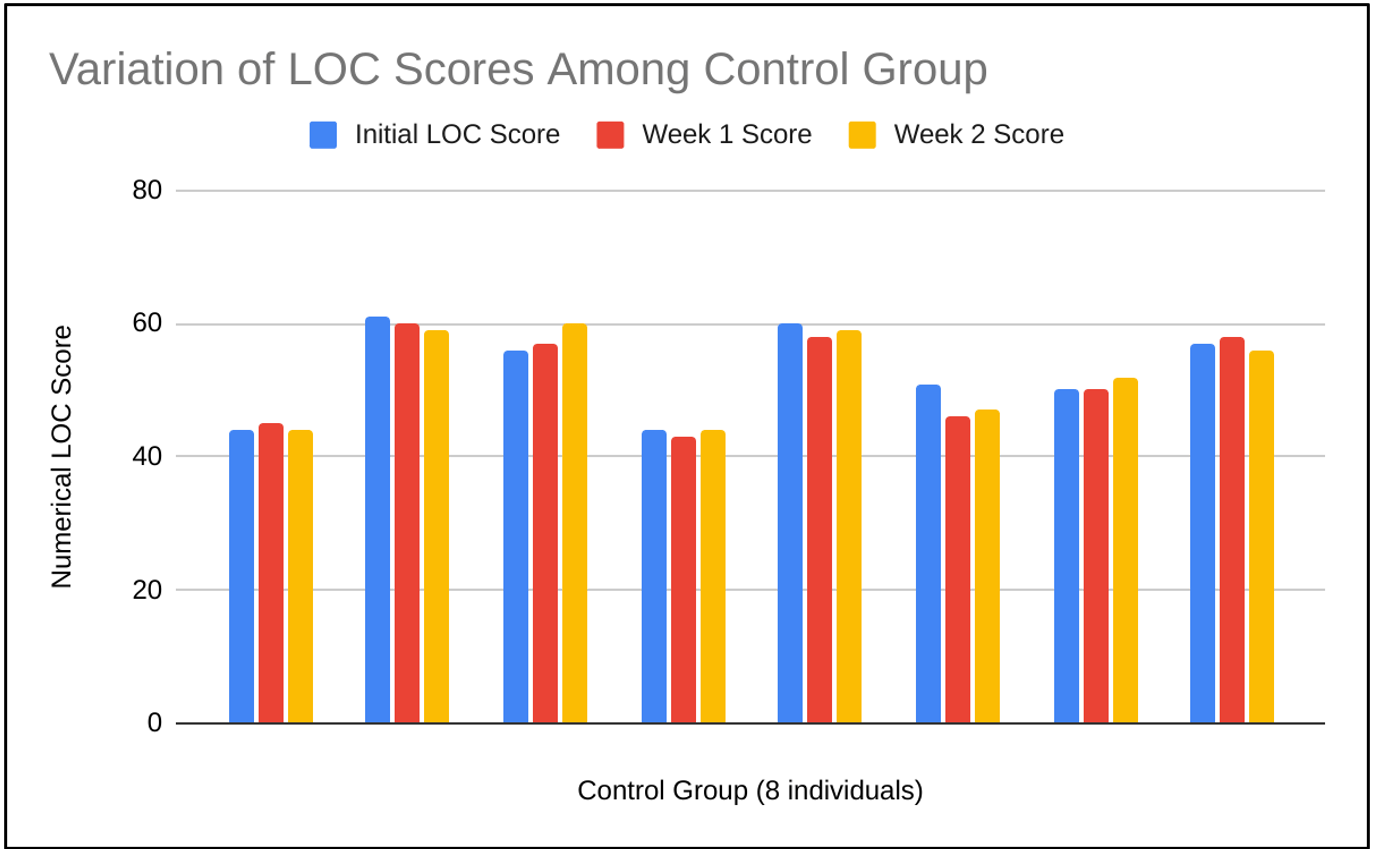
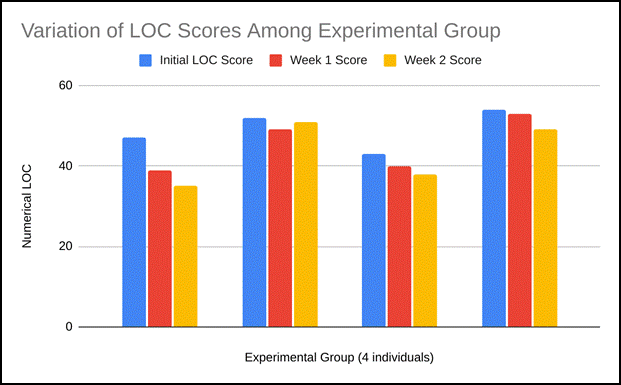
At the end of the trial period, the researcher calculated the overall average percent change in LOC scores for the control and experimental groups. To begin, as shown in Tables 3 and 4, each participant’s baseline score was compared to their Week 1 score, and their Week 1 score compared to their Week 2 score, yielding two weekly changes. Next, these differences were converted into percentages and averaged to produce an overall percent change for each student. Finally, the mean percent changes for both groups overall were found by averaging the eight control participants’ values and the four experimental participants’ values. Recorded in Table 5, the average percent change for the control group was -0.1896, while the average percent change for the experimental group was -6.2926.
| Individual | Initial LOC Test Score | Week 1 Score | Week 2 Score | Percent Change- Week 1 | Percent Change- Week 2 | Average % Change |
| 1 | 44 | 45 | 44 | 2.272 | -2.222 | 0.025 |
| 2 | 61 | 60 | 59 | -1.639 | -1.667 | -1.653 |
| 3 | 56 | 57 | 60 | 1.786 | 5.263 | 3.524 |
| 4 | 44 | 43 | 44 | -2.272 | 2.326 | 0.026 |
| 5 | 60 | 58 | 59 | -3.333 | 1.724 | -0.805 |
| 6 | 51 | 46 | 47 | -9.804 | 2.174 | -3.815 |
| 7 | 50 | 50 | 52 | 0.000 | 4.000 | 2.000 |
| 8 | 57 | 58 | 56 | 1.754 | -3.448 | -0.847 |
| Individual | Initial LOC Test Score | Week 1 Score | Week 2 Score | Percent Change- Week 1 | Percent Change- Week 2 | Average % Change |
| 1 | 47 | 39 | 35 | -0.170 | -0.103 | -13.639 |
| 2 | 52 | 49 | 51 | -0.058 | 0.041 | -0.844 |
| 3 | 43 | 40 | 38 | -0.069 | -0.05 | -5.988 |
| 4 | 54 | 53 | 49 | -0.019 | -0.075 | -4.699 |
| Average Percent Change- Control Group | Average Percent Change- Experimental Group |
| -0.1896 | -6.2926 |
Following this, the researcher conducted a one-sample t-test for mean difference to establish whether the contrast in average percent change between the control group and experimental group was statistically significant. The null hypothesis was that the average percent change in the LOC scores of the control group was equal to that of the experimental group. The alternative hypothesis was that the average percent change of the experimental group was greater than that of the control group. The threshold of statistical significance was set at 0.05. Employing statistical applications, the p-value was found to be 0.0417. Since the p-value was less than the significance level of 0.05, the null hypothesis can be rejected. There is convincing evidence that the average percent change of the experimental group is greater than that of the control group.
Discussion
Experimental Findings
The experimental results demonstrate a negative relationship between housework and locus of control scores. This supports the researcher’s hypothesis that students who incorporated chores into their week would report greater internal control than their peers who did not complete chores. In particular, the control group exhibited an average percent change in LOC of -0.1896, while the experimental group’s mean percent change was -6.2926. For clarity, lower LOC scores represent stronger internal control, with a larger negative percent change indicating a greater shift toward internal control. At face value, the control group presents a slight percentage decrease in LOC scores across the two week trial period. However, the experimental group’s average percentage decrease in LOC is far greater. A significance test conducted at the 0.05 threshold confirmed that this difference was statistically significant. These findings suggest a potential link between chore participation and increased internal control, providing foundational evidence of an association that warrants further investigation.
Alignment with Past Research
These findings build upon and extend prior research on the association between chore participation and well-being. To begin, they align with Tepper’s work on housework and children’s (ages 5-12) executive functioning. Tepper suggested that participating in chores was linked to a greater capacity to self-regulate and set goals, reinforcing various competencies crucial to later well-being and life satisfaction8. While Tepper’s research focused on early childhood, the current study explores whether similar benefits persist into adolescence. The observed shift toward greater internal control among the experimental group supports the possibility that chore involvement continues to play a role in behavioral development as children mature.
Similarly, these results intersect with White, DeBoer, and Scharf’s research on housework and academic drive. They found that kindergarteners who completed chores were more likely to report greater confidence in their academic abilities and achieve higher math scores in third grade7. Although their study did not evaluate locus of control, it contributes to a broader pattern in which housework appears linked to positive behavioral outcomes. The current research expands this understanding by assessing a different psychological construct: locus of control. Together, these two studies suggest that the association between chores and developmental benefits may extend beyond academic achievement and executive functioning.
One possible explanation for the relationship between chores and increased internal control is that housework offers structure and gives students a chance to take on responsibilities. Following through on even small household duties can build a sense of control and self-efficacy. Over time, this may help students see a clearer link between their actions and outcomes, encouraging a mindset that places more value on personal effort and responsibility.
Finally, the researcher’s findings bear some conceptual resemblance to Zhu’s and Callow’s observational studies on chores and elderly mental health. These experts reported that completing routine housework was associated with a reduced likelihood of developing dementia, depression, and other psychological disorders among men and women ages 65 and older2,17. While there are clear biological and contextual differences between elderly adults and adolescents, all three studies suggest a potential relationship between chores and improved well-being. This comparison should be viewed as tentative, given that the potential influence of chores impacts age groups differently. Nonetheless, drawing connections across these findings helps situate the current study in the wider discussion about how housework may contribute to well-being across the lifespan.
Conclusion
Limitations
This study faced several limitations that affect the interpretation and generalizability of its findings. First, the narrow scope of the study limited the researcher’s ability to extend conclusions beyond the two local high schools in northern New Jersey. If given the time and resources, the researcher could have contacted additional high schools to enhance the representativeness of the subsequent experiment. The researcher could have even grouped participating high schools by size before conducting comparable studies. This will be discussed further in the Future Directions section.
Next, the experimental sample size was very small, with only 12 students completing the two-week trial period despite initial interest from 20 volunteers. Such a small sample reduces statistical power and increases the possibility that findings may not accurately reflect broader trends. Regarding analysis, the use of t-tests may not have been the most appropriate choice, as non-parametric tests could better accommodate small sample sizes.
Another limitation was the reliance on self-reported LOC scores and chore logs collected via email and Google Forms. Without direct observation or verification, the accuracy of participants’ reports on chore completion and other behaviors cannot be guaranteed. Moreover, the short duration of the experiment (two weeks) may be insufficient to capture meaningful or lasting changes in locus of control, which is more likely to be influenced by longer-term experiences and development.
Furthermore, the researcher was unable to ensure complete uniformity between the control and experimental groups. While an ideal experiment isolates the effect of treatment on otherwise identical samples, the experiment in this study was carried out virtually; implementing a two-week long experiment in a controlled lab environment would have been unfeasible and costly. As a result, the study design could not control for potential confounding variables such as grade level, school workload, extracurriculars, and control-boosting experiences (teacher’s praise, therapy, etc.), all of which might influence locus of control independently of chore participation.
Additionally, the researcher was unable to account for other important background factors, including the experimental subjects’ socioeconomic status, family structure, prior experience with chores, and baseline academic performance. These uncontrolled factors limit the study’s ability to determine whether any observed differences in internal control were meaningfully associated with chores.
Finally, all experimental participants were volunteers. This may have introduced self-selection bias, since those who chose to participate may possess different baseline levels of responsibility and control than the general high school population of northern New Jersey.
Implications
In this research study, it was hypothesized that students who incorporated housework into their weekly schedule would report greater internal control than their peers who did not participate in chores. The researcher did find a statistically significant decrease in LOC scores among the high schoolers assigned to 15 minutes of housework per week. While the control group experienced mild fluctuations in their internal locus, the experimental group demonstrated a more pronounced shift toward internal control. These findings suggest that chore participation may be associated with increased internal control, though several limitations exist.
As concerns about mental well-being grow increasingly prevalent in today’s fast-paced life, parents and teachers seek practical strategies to reinforce their students’ resilience. While formal mental health programs remain essential, incorporating chores could represent an accessible and complementary approach to fostering well-being right in the home.
Future Directions
To improve the generalizability of these findings to the broader northern New Jersey high school population, future research should include a wider scope of schools. With a substantial sample size, students can be stratified by grade level prior to receiving assigned treatment. Since stress and workload vary across high school years, they may act as confounding variables that skew the accuracy of data. To further limit bias, research should proceed in a controlled setting to promote greater uniformity between the experimental and control groups.
Future studies can also examine whether different types of chores are associated with varying changes in locus of control so that students maximize the efforts they put into housework. In this study, the researcher recommended three chores (folding laundry, washing dishes, and vacuuming) to the experimental group based on a population poll from the initial survey. Students were allowed to choose which chores they completed each week, provided they reported them in the Google Form chore log. To better identify which chores demonstrate the strongest associations with internal control, subsequent studies could require participants to complete specific tasks.
In addition, conducting interventions beyond a duration of two weeks may provide valuable information on how locus of control evolves over time. A testable hypothesis might focus on whether longer periods of chore participation correspond to greater increases in internal control compared to shorter interventions. Measuring locus of control at regular intervals, ideally in person, could help clarify these patterns. Also, to reduce the potential for self-selection bias, all experimental participants should be randomly selected instead of relying on volunteers.
Lastly, internal control is only one aspect of overall well-being. Future studies can explore whether associations exist between locus of control and various mental health disorders. Ultimately, by broadening the scope, expanding the duration, and fine-tuning the study design, researchers will continue to gain deeper insight into the factors that influence behavioral development and perceptions of control.
Acknowledgements
I would like to thank my teachers Mrs. Ianco and Ms. McCauley for their unwavering support and encouragement throughout the research process.
Appendix A- “Chores and Teens” Initial Survey
The following survey was emailed to all students from two local high schools to collect initial data and obtain a sample for the later experiment.
- Are you willing to participate in an experiment that will follow this research survey?
- Yes
- If you responded “yes”, please type out your full name, school email, and grade level.
- No
- Yes
- How often do you complete chores during a typical week?
- Likert Scale (1=almost never, 5=almost always)
- Check off the chores you participate in, if applicable.
- Dusting/mopping
- Washing dishes
- Laundry
- Vacuuming
- Mowing the lawn
- Other
- If you responded “other”, please elaborate on what chores you do.
Appendix B- Locus of Control Test
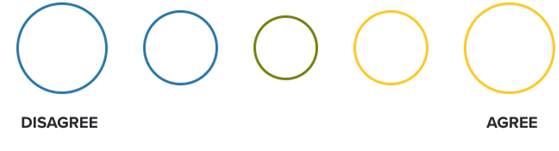
The following Locus of Control questionnaire was sent to all experimental participants. Students answered the prompts using the Likert Scale below.

- If I can’t do something right the first time, I just keep trying until I can.
- Heredity is the major factor in determining someone’s personality.
- You can overcome a bad first impression and end up getting along with someone.
- I don’t like to plan too far ahead because you never know what’s going to happen.
- I make sure that I get all recommended medical tests for someone my age.
- Sometimes when you face a tough decision, you might as well flip a coin.
- Recovery from illness depends mostly on luck.
- People can overcome a rough childhood if they work hard.
- A successful career depends mostly on being in the right place at the right time
- Intelligence is innate.
- Most of the time, in most areas of my life, I feel like I’m in control.
- Someone who is generally happy and positive has probably had an easy life.
- Any committed citizen can have an influence on their government.
- You can’t avoid your fate.
- You can change your personality if you work at it.
- There’s nothing you can do to avoid getting sick.
- People who have miserable lives can usually blame their parents.
- If I see something unfair, I try to change it.
- There is no such thing as luck.
- When people struggle, it’s usually because of their own mistakes.
Appendix C- Weekly Chore Log
The following questions represent the chore log filled out by the experimental group.
- Student Name
- Open-ended
- Did you complete 15 minutes of chores this week?
- Yes
- No
- Specify which chores you completed.
- Open-ended
References
- R. Yu, J. Leung, and J. Woo, Housework reduces all-cause and cancer mortality in Chinese men, PLoS ONE, 8, e61529 (2013). https://doi.org/10.1371/journal.pone.0061529 [↩]
- J. Zhu, F. Ge, Y. Zheng, Y. Qu, W. Chen, H. Yang, L. Yang, F. Fang, and H. Song, Physical and mental activity, disease susceptibility, and risk of dementia, Neurology,99, 10.1212/WNL.0000000000200701 (2022). https://doi.org/10.1212/WNL.0000000000200701 [↩] [↩]
- L. Chu, X. Gong, J. C. Lay, F. Zhang, H. H. Fung, and T. Kwok, The perks of doing housework: Longitudinal associations with survival and underlying mechanisms, BMC Geriatrics,23, 1 (2023). https://doi.org/10.1186/s12877-023-04039-1 [↩]
- National Center for Education Statistics, The NCES Fast Facts Tool provides quick answers to many education questions (National Center for Education Statistics), https://nces.ed.gov/fastfacts/display.asp?id=372#fn2 (2024). [↩]
- W. Corporation, Want kids to thrive as adults? Give them chores today, Whirlpool research reveals, www.prnewswire.com, https://www.prnewswire.com/news-releases/want-kids-to-thrive-as-adults-give-them-chores-today-whirlpool-research-reveals-301098390.html (2020). [↩]
- A. J. Fuligni and W. Zhang, Attitudes toward family obligation among adolescents in contemporary urban and rural China, Child Development, 75, 180–192 (2004). http://www.jstor.org/stable/3696574 [↩] [↩]
- E. M. White, M. D. DeBoer, and R. J. Scharf, Associations between household chores and childhood self-competency, Journal of Developmental & Behavioral Pediatrics, 40, 1 (2018). https://doi.org/10.1097/dbp.0000000000000637 [↩] [↩] [↩] [↩]
- D. L. Tepper, T. J. Howell, and P. C. Bennett, Executive functions and household chores: Does engagement in chores predict children’s cognition?, Australian Occupational Therapy Journal, 69, 537–547 (2022). https://doi.org/10.1111/1440-1630.12822 [↩] [↩] [↩] [↩]
- Household Chores definition in American English | Collins English Dictionary, Collinsdictionary.com, https://www.collinsdictionary.com/us/dictionary/english/household-chores (2020). [↩]
- B. M. Galvin, A. E. Randel, B. J. Collins, and R. E. Johnson, Changing the focus of locus (of control): A targeted review of the locus of control literature and agenda for future research, Journal of Organizational Behavior, 39, 820–833 (2018). https://www.jstor.org/stable/26610762 [↩] [↩] [↩]
- T. W. H. Ng, K. L. Sorensen, and L. T. Eby, Locus of control at work: A meta-analysis, Journal of Organizational Behavior, 27, 1057–1087 (2006). https://www.jstor.org/stable/4093903 [↩] [↩]
- J. Reich, S. Hein, S. Krivulskaya, L. Hart, N. Gumkowski, and E. L. Grigorenko, Associations between household responsibilities and academic competencies in the context of education accessibility in Zambia, Learning and Individual Differences, 27, 250–257 (2013). https://doi.org/10.1016/j.lindif.2013.02.005 [↩]
- R. Rende, Chores: Why they still matter and how to engage youth, Brown University Child & Adolescent Behavior Letter, 37, 1–4 (2021). https://doi.org/10.1002/cbl.30545 [↩] [↩]
- S. Ograjšek and M. Laure, Parents’ perceptions on early childhood independence in self-care and doing chores, Acta Universitatis Agriculturae et Silviculturae Mendelianae Brunensis, Series: Pedagogica, 2, 125–136 (2023). https://doi.org/10.18690/um.pef.2.2023.10 [↩]
- F. Francavilla and S. Lyon, Household chores and child health: Preliminary evidence from six countries, World Bank (2003). http://www-wds.worldbank.org/external/default/WDSContentServer/WDSP/IB/2008/05/27/000333037_20080527 [↩]
- N. K. Adjei and T. Brand, Investigating the associations between productive housework activities, sleep hours and self-reported health among elderly men and women in western industrialised countries, BMC Public Health, 18, Article 110 (2018). https://doi.org/10.1186/s12889-017-4979-z [↩]
- D. D. Callow, N. A. Arnold-Nedimala, L. S. Jordan, G. S. Pena, J. Won, J. L. Woodard, and J. C. Smith, The mental health benefits of physical activity in older adults survive the COVID-19 pandemic, The American Journal of Geriatric Psychiatry, 28, 1030–1040 (2020). https://doi.org/10.1016/j.jagp.2020.06.024 [↩] [↩]
- A. J. Fuligni, V. Tseng, and M. Lam, Attitudes toward family obligations among American adolescents with Asian, Latin American, and European backgrounds, Child Development, 70, 1030–1044 (1999). http://www.jstor.org/stable/1132260 [↩]
- K. M. Tsai, N. A. Gonzales, E. H. Telzer, and A. J. Fuligni, Parental cultural socialization of Mexican-American adolescents’ family obligation values and behaviors, Child Development, 86, 1241–1252 (2015). http://www.jstor.org/stable/24696098 [↩]