
Abstract
The purpose of this research paper was to analyze the various factors that create systemic inequality of the Hispanic community in Chicago. This paper was also set to answer the question of what role do policymakers have in addressing the historical and systemic inequalities faced by communities in Chicago. To achieve this and answer the question I conducted a literature review of policy and historical root causes of inequality in the stated region for Hispanic communities. To restate the findings, education is what seemingly has the most correlation directly with socioeconomic status for Hispanic communities in the area1. Another prominent issue discussed is the paths towards voting for both natural and non-naturalized citizens because voting is what gives Hispanic communities the most power to control what future policy can and will look like. Therefore, the most pressing issue for policymakers when addressing historical inequality is pathways towards better education for pre-established Hispanic communities. Although education was the most important factor, my research revealed that a variety of factors play a role in the development and success of Hispanic communities such as legalization and job opportunities.
Introduction
In the modern day, Hispanic individuals have become a major talking point in political conversation, being a center point in political discourse for major elections or policy reform regarding immigration to general Hispanic communities and their impoverishment. Hispanic individuals in the United States represent a culturally diverse and rich body. Hispanics’ role in the United States is important as, following white citizens, they are the second largest ethnic group in the United States according to the 2020 Census2. Despite making up a significant portion of the population in the United States, the average poverty rate for Hispanic communities is 15.7 percent, an overrepresentation when compared to the 10.5 percent national poverty rate average2. This means Hispanic individuals account for the second largest ethnic population in the country while still on average being in higher amounts of poverty. From this research, it is shown that Hispanic communities are currently suffering from insufficient resources and aid to help alleviate their poverty.
The purpose of this research paper is to first analyze historical causes for poverty in Hispanic communities in Chicago before analyzing the moral obligations policymakers have in addressing the historical and systemic inequalities faced by communities in Chicago. The paper focuses on the 1990s to the present day in order to establish an easier to follow and clear timeline of modern issues. The purpose of this discussion on immigration is to address its prominence in current United States politics, where it is often framed in ways that portray immigrants as a negative or problematic group. In discussing the importance of supporting Hispanic communities, it is also the duty of the author to discuss a specific subgroup of Hispanics (immigrants) who have faced severe political targeting for recent decades. A key example of this saturation in modern political discourse is Donald Trump’s three previous campaigns. This discussion of immigration has transformed the political landscape as seen through the new Trump administration and their efforts in mass deportation of undocumented immigrants3. Undocumented immigrants account for only around 7 million Hispanic individuals in the United States4 but, as stated above, are a central point of conversation for policymakers and political candidates. This paper seeks to answer questions regarding their status in the Hispanic community and possible aid they may necessitate. To reiterate, while undocumented immigrants are not the sole focus of this research paper, there exists importance in prioritizing historically oppressed Hispanic groups who have been exploited politically. Overall, it is important to analyze historical inequalities to better adapt and create future policies to alleviate the pressures that exist on minority groups today.
Many involved in the political sphere agree the topic of Hispanic immigration has been saturated in current political media. Such saturation leads to beliefs that immigrants serve as a political talking point, but the reality is that many Hispanic immigrants and Hispanic Americans are not discussed enough in politics. Through a contemporary lens, it is easy to focus on the current influx of immigration, but a commonly forgotten reality is that immigration has long existed for the entire history of the United States. Immigration from Latin America is not a relatively new concept. In relative years however, we have seen mass immigration. According to Philip Martin, Chair of the UC Comparative Immigration and Integration Program at the Population Research Bureau: “Between 2000 and 2009 over three-fourths of the 10 million immigrants admitted were from Latin America and Asia”5. This influx of immigration led to the beginning of contemporary debates concerning the safety and US interest in immigration5. Discussion of immigration in the media often overlooks the fact that it has been a highly contentious issue for the past three decades. As media attention has centered on the newest waves of immigration in this country and as it has become a large policy issue for many political candidates, it seems many law-makers today have forgotten to acknowledge those who have immigrated to this country from the 1990s to early 2000s. A detailed analysis of policy failure in large areas of the Hispanic population is necessary to acknowledge not only the struggles these groups have faced but also possible solutions to these inequalities.
Establishing the structure
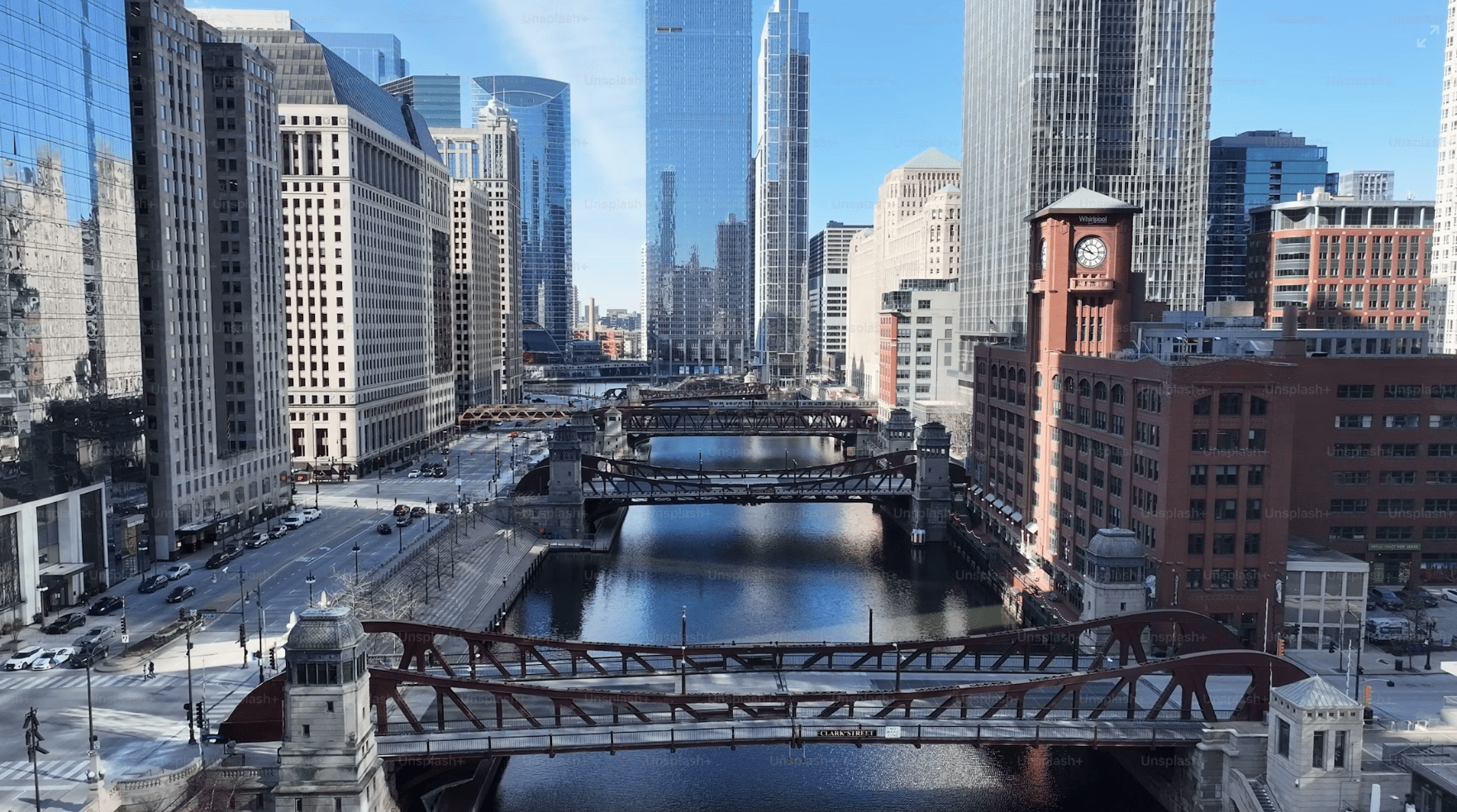
Before analyzing policy failures, I must first define the scope of this research paper. While this paper could have focused on various hubs of immigration in the United States, the likes of which include Los Angeles and New York, for this paper, I selected Chicago for a variety of reasons. First, the interest in this subject matter stems from my personal experience as a first-generation Hispanic American from the Chicago area. Experiencing the hardships that many Hispanic individuals face in Chicago has motivated me to research this paper. My personal connection with this topic is also beneficial as it provides an insider knowledge on and a better understanding of the issues being discussed. Second, Hispanic immigration to Chicago has been particularly important to the creation of the city’s fabric. As Rob Paral, political scientist, points out: “More than other cities, Chicago in the recent past has relied on immigration and especially Mexican immigration to replace its declining native-born population”6. Specifically, Paral mentions that from the 1990s to around 2006, an increase in immigration accounted for roughly 142 percent of Chicago’s growth, meaning immigration offset natural population decline. In fact, as immigration to Chicago has slowed, population decline in Illinois closely followed, leaving Chicago as one of only two cities to have a major population decline including immigration and native population6. The decrease in immigration, however, does not lead to the conclusion that Hispanic populations have become less important. In fact, the decrease of general populations serves to highlight the importance of existing Hispanic communities. There exist communities in the Chicagoland area that are still predominantly Hispanic, such as South Lawndale.
In spite of their importance to Chicago’s demographic and economic makeup, Hispanic immigrants have faced a plethora of housing discrimination, work inequality, racism, and general wealth inequality for many generations, dating back to the beginning of their immigration7. However, due to time and space constraints, I focus on the ‘immigration’ issue within the time frame of the 1990s and further. The 1990s was an important era to the modern political discourse of immigration today as stated by Martin5 and, therefore, should serve as the starting point for this research.
This paper takes the form of a literature review, a culmination of various readings on the topic, time, and area covered. The general methodology is discussed further, but the core of this paper relies on pre-existing writings to uncover some of the reasons for historical inequality in the United States. It is important to discuss the progress the state of Illinois has achieved in the matter of immigration. According to Rob Paral: The State of Illinois has passed over 19 pieces of legislation over the past decade that enhance the rights of immigrants6. These range from smaller initiatives to large scale funding to provide state-funded healthcare to undocumented immigrants. In 2023, Human service programs reached over 166 thousand immigrants in the state of Illinois. Illinois and the city of Chicago have had positive initiatives to help alleviate the struggles of many Hispanics including undocumented citizens. Paral gave another example of Chicago’s protection of immigrant communities is the fact that: Mayor Rahm Emanuel opened an Office of New Americans during his tenure, and sued the Justice Department over its threats to withhold funds because of the city’s immigration-related policies6. This paper serves to demonstrate which areas should be the main concern moving forward in Illinois politics. A list of a few priorities is reform in immigration policies and a shift in our educational systems. Before beginning the literature review, a few resources provided in this paper will refer to Latinos, while there is a difference between Latinos and Hispanics, for the purpose of this paper both terms generally refer to mainly Spanish speaking individuals from Central or South American roots.
Literature Review
This review examines the literature available on the core causes of inequality in the time period and location set. The review further discusses the possible solutions that have been explored to solve those issues. Currently, the long-lasting effects of systematic inequality have continued to affect Chicago and immigrant communities who have arrived at the tail of the 20th to the beginning of the 21st century. Modern research (21st century) tends to focus on the population of natural citizens and the more systemic roots to their communities, while immigration, particularly undocumented immigration, is the primary emphasis of this research. It is important when analyzing possible solutions that immigrants in the United States cannot fully succeed if the communities they primarily immigrate to (for the most part, other Hispanic communities) are already set up for failure. Therefore the first step in the path of greater equality for undocumented immigrants is creating a system that addresses many of those root problems. This review has two parts. First, I discuss the historical context of general inequality between all Hispanics in the Chicago area. Second, I explain the effects specific to undocumented immigrants and potential solutions to those problems.
Inequality
Inequality has been a persistent issue for Hispanic communities in Chicago, as Chris Coffey (2024)8 finds that the Hispanic poverty rate is 16.1 percent. Meanwhile, Chicago is performing worse than the country where the average poverty rate is 11.5 percent. Therefore, it is important to analyze the factors that have contributed to the historical issue of inequality for Hispanics in Chicago.
The first issue will revolve around job inequality. Betancur (1996)7 explains the long history of inequality with immigration to Chicago following heightened immigration in the twentieth century. One of the main causes that has contributed to inequality of Hispanics is the long-lasting job inequality and lack of mobility in the workforce7. Historical job inequality was initially fueled by the nativism of the early twentieth century, considerably affecting the capabilities of immigrant communities to grow economic and political power7. While there are differences in occupations between Hispanics born in the US and first-generation immigrants, research points out that both groups work in a blue-collar dominated world9. Both blue-collar groups have faced degraded economic conditions over time, creating more disparity and labor loss9. Specifically looking at undocumented immigrants however, Tsao (2014) finds:
Roughly one-fifth of Illinois’ undocumented immigrants work in manufacturing, while another one-fifth work in accommodations and food services. Approximately 11% work in administrative and support services (including waste management), and another 10% work in construction10.
What the above discussion suggests is that undocumented immigrants face many challenges barring them from higher levels of social mobility. Tsao points out “while the undocumented have strong rates of labor force participation, nearly two-thirds have incomes below 200% of the federal poverty level”. Although the Hispanic individuals who work are largely living under poverty, many Hispanic individuals continue to lack access to jobs: unemployment for Hispanic individuals over the age of 16 stands at 6.8 percent, higher than any other ethnic category in Chicago besides African Americans8.
Education
Education is another significant limiting factor for Hispanics. Hispanic individuals have striking disparities compared to the general US population, referring to their education specifically, with the lowest educational attainment factors of all major racial groups, low-test scores, and severely limited access to higher education9. The problem of education inequality seemingly should not be as large of a factor to current inequality. For instance, in recent years, there has been accelerating suburbanization. While suburbanization typically expects better results in schooling and quality of education9 It may well be that education reform has not yet succeeded in the elimination of educational gaps11. Due to a variety of factors, including English Language Learners (ELL) class failures and general low-funding of schools have been major contributors to the current system that keeps Chicago school systems entrapped in a cycle of failure11. In fact, language mastery is incredibly important for school and job success, but 27 percent of Hispanic children have grown up in households where no family members spoke English well12. Outside of the students’ at-home life, the Chicago Public School system has failed to support its Hispanic contingent: Allensworth and Easton13 found, for instance, that only 54 percent of students entered in CPS schools in the 2000s graduated in 2004, far below the 67 percent to meet state requirements11. There are a few broad recommendations given by The Chicago Council on Global Affairs in A Shared Future: The Economic Engagement of Greater Chicago and its Mexican Community (2006). First, schools need to better understand the needs of the Hispanic community to better increase the assets available for education. Second, schools must expand the pool of teachers who are qualified and trained to teach bicultural curricula, especially in early education. Third, educational authorities must increase expectations for the capabilities of high academic achievement in Hispanic communities. Lastly, parent involvement in school life must be strengthened. Here, it is important to create a connection with the parents so they can better influence and suggest curriculum and suggestions to the school that benefit their child while providing the school with necessary information on individual learning.
It cannot be ignored however the strides in policy that Illinois is taking in terms of K-12 education funding reform, indeed, in 2017 the Illinois General Assembly passed the Evidence-Based Funding for School Success Act. This act aimed to restructure the allocation of funding to lower-income school districts and redefine the wealth gap between districts. Reports say that in six years since the formula began, underfunded districts dropped by 7% and Black and Latino communities have gained more funding per pupil14, demonstrating a positive policy enactment that has limited the wealth and racial disparities of minorities, especially for Hispanic students. Although these are positive steps, they come at a time of severe inequality and need more time for the policy to linger to show actual effects, but as shown before inequality in education runs rampant in Illinois: districts serving the most students of color received 18% less per student than the districts serving the fewest students of color15.
Political influence
Turning from the topic of education, an important issue many researchers discuss as a potential solution to inequality is the voting process. Current electoral participation for the Hispanic community is on the rise, in 2008 only 7.4 percent of voters were Latino9, in comparison to the 2024 election, where over 14.7 percent of registered voters were of Hispanic origin16. Although overall Hispanic voter participation is on the rise, a few factors still offset the group. There exist two main factors in the prevention of further political influence, socioeconomic status and mobilizing factors9. Studies find that age, income levels, and education all negatively affect Hispanic voter participation. These root factors for lower political turnout create a cycle with pre-existing inequalities. The most effective approach for Hispanic voters to have a direct influence in their local and state communities is through voting. The influence of inequality, however, is detrimental to the average Hispanic voter, as it discourages them from using their political power. A solution in breaking this cycle is to prioritize advocacy and voter turnout regardless of socioeconomic status and mobilizing factors. One of the most important factors that leads to voter turnout is time in the United States, highlighting the importance of integration in communities9.
In summary, many researchers deem the path of better improvement on Majority-Minority (or a community where the majority of residents are minorities) communities as the “Success Sequence”17. The Success Sequence relies first on educational success which leads to further job mobility, followed by marriage, and ultimately having children. The Success Sequence has been proven to be an effective method to remove barriers to poverty; only two percent of Americans who follow this sequence live in poverty compared to 11.5 percent national average18. This is especially true when considering nationally 97 percent of Hispanic millennials who follow this sequence are not poor in their mid-30s8. Analyzing the Chicago area, it may be theorized that the first step is better education, as it sets the foundation for the Success Sequence. Education for Chicago public schools is struggling to keep the students proficient and has extreme rates of Chronic absenteeism:
“Only 21.2% of Hispanic CPS students were proficient in English and language arts, while only 13.6% were proficient in math. Chronic absenteeism among Hispanic students jumped to 40.3%, up 88% since 2019. Nevertheless, the Hispanic graduation rate was 83.8%”.8.
Overall, the success sequence aims to address many of the systemic issues that plague minority groups, but it is still important to try to address the issues in that sequence itself. Such as all pieces of policy the Success Sequence may rely on both cultural biases and structural barriers in policymaking. Education should be a priority for minority groups but the attainability of this education is the pressing issue that must be confronted. A mixture of cultural factors (for example, it could be possible that many Hispanic cultures have different ideas on education and its necessity) mixed with the natural barriers to education are the root of the issues that we must address. Without adequate and efficient policymaking techniques it may be very well easy to claim very little change will ever occur. As will be discussed later, policymaking should be a priority and be the target in order to provide adequate circumstances for such educational policy reform.
Addressing specifically how education policy can vary around the nation without a strong national structure. Hispanics across the entire US suffer from educational gaps, specifically examining graduate 4-year degrees (which in this represents the success of Hispanics to not only make it past high school but also go through higher education and its barriers as well) there is a 16-point gap between Hispanics in Miami (city with the highest educational attainment) and the white population19. If national policy were to ever be formed in cooperation with uplifting educational barriers, it would require a deep examination of the policy effects of the more ‘successful’ cities/states with higher levels of Hispanic educational levels. The varies in educational outcome for Hispanic individuals would require more research on the city by city level to examine specifically the successes and failures of the systems.
Finally, before going further it is important to address the limitations of current research and need for future studies. More in depth research and study has to go into the study of Chicago specific education and immigration policy. Currently, while many studies exist that demonstrate various factors of systemic racism and theories on immigration integration, social capital, and assimilation, it would be unwise to compare those generally broad studies specific to a region such as Chicago which exists at a cross roads of many sectors and factors of American life. General studies on these factors would need to be tailored specifically to the Chicago region to be representative of the points I am making. For the sake of condensation, I cannot explicitly explain the multi-faceted issues of the Hispanic experience and policy analysis enough to do it justice in this paper alone. Further readings and research needs to be done in the appropriate fields to advance the knowledge and understanding of such issues.
Discussion
The contents of this section will rely more on the thought of the author; while evidence will be stated and information provided, the purpose of this section is to have a conversation on the issues raised before in the paper in a more conversational way.
The Importance of Voting
It is important to recognize the democratic process and the role of voters in electing community leaders who represent their interests. The importance of political engagement is a solution that should be prioritized first and foremost which directs the power of policymakers back to the communities they serve. Policymakers elected from Hispanic communities have to acknowledge those communities and therefore prioritize them. While Hispanics populations have existed in the United States prior to the 20th century, it is in the 20th and 21st century in which they began to organize a civil and unified political voice20. This is effective because Hispanic organization through politics amplifies the voice of Hispanic communities and increases participation:
“Approximately 30 percent of Latino immigrants have engaged in the civic and political worlds of their communities and countries of origin, whether through membership in transnational organizations in the U.S. or through direct participation in the civic or political worlds of the country of origin”20.
Although DeSipio (2020)20 points out the political power and influence that have existed in Hispanic communities, as of late, there still exist many problems preventing total effectiveness. One of the biggest concerns is the issue of naturalization: the process by which US citizenship is granted to a permanent resident. There are around five million Hispanic legal immigrants in the United States eligible for naturalization but have not currently naturalized and an additional 1.4 million will gain the ability for naturalization over the next 5 years. These numbers refer to legal residents, the scope is even larger when we account for the 8.9 million undocumented Hispanic residents. Currently, the path for legalization has been met with polarization from Congress restricting any fast path towards it.
The second step follows the duty Hispanic Americans have in the democratic process. This solution not only addresses inequality in the Chicago area but also serves as a solution to the inequality faced by Hispanics across the United States. Hispanic organization through politics is effective and Hispanics tend to engage in civil participation. There exists evidence that suggests Hispanics have the voting power to influence change, in the 2024 election alone, Trump won by over 2.2 million votes21. Now while in recent years Latinos have been voting more in favor of the Republican party, 57 percent of all Latinos still voted for Kamala Harris in this election cycle22. There is also no significant evidence to definitively say how Hispanics will vote in the next election cycle without Trump. The influence of the Hispanic community in voting is major as they are a large group of voters, over 14.7 percent of registered voters for the 2024 election were Hispanic16. Hispanics have the power to influence their representatives, DeSipio gave an example of:
“In 2006, in response to legislation passed in the U.S. The House of Representatives making unauthorized immigrant status a crime, as many as five million people, most of whom were Latino, peacefully protested nationwide. The marchers included immigrant and native Latinos. The legacy of these marches included policy outcomes – criminalization was rejected by the Senate – and political gains”20.
While many Hispanics are marginalized individuals, Hispanics can hold major force in political advocacy because of their large population in the US. It’s evident from the previous example that political change can occur if Hispanics can self-actualize their power as a major political group demanding representation.
The Duty of Policymakers
The first priority policymakers should have is making the voting process easier for Hispanic groups, for the reasons outlined above. In this section, I discuss the importance of voting for undocumented immigrants. Undocumented individuals should also be allowed the same opportunities through legalization to partake in the system in which they live. The most important step in making the voting process easier for Hispanic individuals is an easier path of legalization towards undocumented immigrants. Although most immigrants want to become US citizens, the United States has one of the lowest naturalization rates in the world23. One of the major concerns for many immigrants looking to apply for naturalization is the high-cost of entry; a naturalization application worth 725$ acts as a deterrent for already impoverished immigrants to apply for. In fact, Hainmueller et al (2019) find Offering the fee voucher increased naturalization application rates by about 41%. A person seeking naturalization can face significant costs, including fees for English classes and immigration lawyers, which can total thousands of dollars24. It is important however to acknowledge that the federal government does provide fee waivers for those making under 150 percent of the poverty line, although this fee waiver excludes any person looking to naturalize above this threshold24. In a study from a private New York Immigration group, it found vouchers doubled application rates to 78 percent from 37 percent24. The financial strain is just one of other potential roadblocks for immigrants considering immigration: many find the process too difficult and time consuming to the extent where slightnudges from private immigration groups do little to motivate the naturalization process24.
Another main barrier for naturalization for Hispanic communities is the lack of English proficiency, and intimidation and discrimination tactics that come with the process9. Therefore, if policymakers want to make the process of naturalization easier, a first step would be to remove the stigma and barriers to those processes. A large roadblock for potential legalization pathways is the cost associated, time-consumption, and stigma from the process deters many immigrants from the naturalization process. Research shows that naturalized immigrants have the same likelihood to vote as their native-born counterparts9. However, it is important to recognize that more factors lead to voting than solely naturalization. What affects the likelihood of voting even more Hispanic communities is the time spent in the United States.9. The likelihood to vote increases for those who have been registered for more than four years. The naturalization process by itself is not the reason for former undocumented immigrants to vote but is the first step to overcome the issues presented. The sooner the naturalization process is streamlined to allow more immigrants to become legal residents the sooner that can lead to citizenship and gaining a voice in the American political process.
When discussing policy it is also important to acknowledge that most immigration legislation is based on the state-wide level in the United State despite immigration status being determined at the federal level25. For this reason, the discussion of federal immigration policy is limited and overall immigration policy varies from state to state. In this same sense, there exists little federal reform policies on Hispanic communities, once again this discretion is left for states. This naturally creates gaps between states with no strong overall federal government policy we can examine, only statewide policies. However, we can see legalization reform on the federal level in a few legislatures. Overall more research would need to be conducted on more policy for the validity of such claims to be supported. Next, the paper will examine the effect of legalization pathway reform.
Legalization pathways not only have an immediate noticeable effect in the ability to vote but are also strongly involved with further economic development for immigrants. Research analyzing the 1980s Immigration Reform and Control Act, which created easier paths of legalization, indicates clear improvement in socioeconomic status26. Between the 1980s and 2006, educational retainment improved substantially, poverty rates fell, and home ownership improved dramatically. Another effect from this legalization was wage increases as many individuals were able to reach managerial positions and the majority no longer relied on public assistance26. Using historical precedent demonstrates that easier paths of legalization alone can lead to improved socioeconomic status for many undocumented immigrants. Even research dating to 1997 highlights the large gap between legal Mexican Immigrants, with males making 41.8% more and legalized females 40.8% 4 years after legalization alone27. This research even discusses that the difference in English proficiency and education provide a major reason for this gap, however the main finding concluded that the 1986 Immigration Reform Act could fill in the remaining gaps and why such a large disparity exists. This highlights that while education matters it is also effective Immigration reform strategies that aim to smooth the legalization pathway that can also be effective.
An important factor is analyzing the process of legalization to consider the capability of Illinois to provide legal services directly. An example of pre-existing Illinois frameworks for legalization is the Illinois Access to Justice program, which “helps undocumented immigrants apply for legal statuses and helps legal permanent residents with some immigration-related problems”10. Currently, Illinois has a substantially large legal service capacity to represent immigrants seeking benefits and legal proceedings but it can soon be challenged from the overworking and strain of caseloads currently accumulating on the administration. This workload on top of the previous Trump Administration’s anti-immigrant policies all have factored in slowing the administrative process and overall efficiency of state provided and private organizational assistance. Although the state of Illinois has made major funding initiatives, the capability of the service infrastructure may soon collapse10. Paral and associates provide a plethora of solutions the Illinois state government can provide to better improve the quality of service to handle the current and future caseloads. The areas Paral and Associates include in their recommendations are changing the structure of funding of these programs along with establishing easier pathways to develop DOJ Accredited Representatives who are the ones responsible for handling the immigration legalization work, please see Paral (2019)10 for more information.
The second step to overcome voting barriers for Hispanic communities is to remove/prevent voter restrictions. The US has a long history of voter suppression ever since the Jim Crow era, but a new wave of voter suppression has been activated in the United States. In 2021, 19 states passed 34 laws restricting access to voting28. If Illinois was to prioritize its commitment to protecting the voting rights of the Hispanic community it should not succumb to national coverage of voter restriction laws sweeping the nation:
In Texas, the new law would make it harder for Spanish speakers to get help casting their ballots, establish monthly citizenship checks that have consistently purged eligible voters from the rolls in error,
and ban 24-hour and drive-thru voting (both of which were pandemic-safe alternatives to in-person voting that voters of color relied upon more heavily than white voters in 2020)29.
In certain scenarios, making any point of the voting process more complicated can have an effect that deters many people, particularly those who might be on break from work or minorities who are not proficient in English. In my own experience as a former election judge, the voting process only works if it is easy and transparent as individuals can easily become frustrated from the process and might leave before voting or not go vote in the future. In an increasingly divisive nation, Illinois needs to prioritise voter rights to ensure they are not being restricted as in other states. Furthermore, Illinois needs to take full initiative in protecting the freedom to vote for Hispanic communities as it constitutes the first and most important way Hispanic communities can create change in their local communities and nationally. Analyzing specifically the Chicago area: Mexicans predominate two-thirds of undocumented immigrants10. The Hispanic voter bloc in Chicago from immigrant communities makes up a substantial voice in total immigrants. Once the millions of Hispanics who are legal residents and undocumented residents have an opportunity to become a US citizen and vote in elections, that is a voter bloc with even more power to sway representatives.
The next goal for policymakers is to create a better educational landscape for Hispanic communities in Chicago. Following the Success Sequence, the first step in bettering economic development of Hispanic individuals is through the education system. As the Literature Review above established the importance of education for Hispanic communities and the severity, this section is dedicated to providing possible initiatives in the bettering of the education system in Illinois. Gonzalez et al.30 recommend that city leaders create more academic resources, school counseling, and afterschool activities to bridge the academic gap between Hispanic students and their other counterparts. In conjunction with this, Gonzalez et al.30 also recommend expanded parental involvement in academic processes to further connect the at-home life of many Hispanic students and their academic life. Due to the unique nature of Hispanic students, at-home life school systems should build around that connection instead of what many have claimed as an attempt to break that connection from historical attempts at assimilation in schools9. The next milestone in the Success Sequence is opportunities in the labor market. Due to the nature of labor demand, the prerequisite for higher level jobs is through education. This does not mean however that Hispanic individuals will be given better jobs with better education, policymakers should prioritize inclusive steps in closing the labor gap and the significant disadvantage many Hispanic individuals receive in the labor market. The research demonstrates that education could be the pillar for Hispanic communities to thrive in the United States, therefore it should be a prioritized step in this process of bettering equality between individuals. The next two milestones in the Success Sequence deal more with the order of priorities that creates a timeline for Hispanic individuals to follow their goals. This process works outside of the role of government but once again acts as important dates in the timeline that can give Hispanic individuals a sense of priorities. Acknowledging some of the limitations of the success sequence, arguments arise around the idea of discrimination. While discrimination will always be an important factor when determining the success of Hispanics systemically, Wilcox and Wang argue Young adults who manage to follow the sequence—even in the face of disadvantages—are much more likely to forge a path to a better life.” While discrimination will always be a prominent factor, the success sequence turns out at large success rates even for minorities:The vast majority of black (96%) and Hispanic (97%) Millennials who followed this sequence are not poor in their mid-30s…”17. Rather than discrimination being a roadblock of the success sequence, the success sequence is the tool to face and fight that discrimination in the system, racism does not significantly weaken the strategy rather it is the strategy that weakens the force of systemic racism.
Methodology
This review examines the literature available on the core causes of inequality in the time period and location set. The review further discusses the possible solutions that have been explored to solve those issues. This study uses a qualitative approach to investigate the various factors that contribute to inequality in the Chicago area and the approach policymakers should have when considering solutions to such inequality. The main approach of this paper is through the literature review, analyzing what various researchers have said about historical inequality and summarizing it in a digestible way that discusses a select few historical roots that policymakers should prioritize to better help the diverse Hispanic communities they serve. Regarding how the research was conducted, it was largely used through databases such as JSTOR or Google Scholar using key words such as “Hispanic”, ”Chicago” and “Inequalities” and whatever other key words were necessary for the specific argument being articulated. For example, when it came to the job inequalities of Hispanics I included words such asEmployment” and “Job inequality” to further narrow the scope. Overall, the scope of the topic of inequality for Hispanics had a variety of different sources but when specifically looking at the region of Chicago the research was spread out. Regarding the non-journals, many of them were collected and researched due to their authors because of an expertise in the field, for example Rob Paral & Associates and others I found were some of the few that delved into such a narrow region and field of study specifically. When deciding which to include, it largely boiled down to whether the research was relative to the paper. For example many sources seemed adequate at first glance but looking at the abstract and skimming the paper proved that the research wasn’t related to the field of study. Thus, due to the narrow nature of the topic, much of the research was chosen due to the actual connection to the region and field of study first. Organizing the different sources was a matter of storing and summarizing each source as I reviewed them and began crystallizing my purpose and arguments for the paper.
A factor to consider while reading is the positionality of this paper. Bourke (2014) highlights the importance of acknowledging the researcher’s personal beliefs in their research work. On my positionality, it is important to discuss my personal connection with the research question and my inherent political views that stem from that personal experience as a lived Hispanic American from Chicago. I have selected this specific research topic as it relates to my lived experience, which may have resulted in natural bias when concluding my research. To mitigate this potential bias, I have centered the discussion around the authors I examined and will limit any personal opinions or assumptions. While there exists a discussion section where I provide more personal insight, I use well-established sources of information and other authors’ analysis to discuss issues that I may personally be vocal about. A large topic of discussion in this research paper is the issue of immigration, which has been marked as a large political issue as seen through recent elections.
It is also crucial to discuss the time period in which I have been writing this paper. At the time of writing, Trump was sworn in The Oval Office and has begun large scale deportation efforts starting in Chicago. Chicago’s importance for immigrant communities is clear as shown by the Trump administration’s effort to sue Chicago for being a Sanctuary City”3. My age, being a highschooler, while also living in a diverse community which exists next to a majority Hispanic community means I have received personal accounts of modern-day immigration politics from not only my fellow peers but also by local news sources. All my personal connections to these sensitive topics may have naturally influenced my political beliefs. To ensure objectivity, I minimized the inclusion of personal opinions by relying on pre-existing research and literature. While the topics discussed in this paper have become politically charged, I primarily examine current policies and anti-immigration rhetoric in modern media—particularly in the introduction—highlighting their negative portrayal. The reason for this intrusion of seemingly my personal opinion is because I believe it is not political to discuss these matters of systemic inequality and anti-immigration as harmful for the Hispanic community. When I discuss current anti-immigration policies I highlight it as negative because this paper seeks to analyze how to better those communities in the United States and not simply redirect the issue as a whole.The purpose of this paper is to highlight fixing inequality in Hispanic communities, specifically in the United States, and deportations redirect the communities we are discussing to elsewhere where there are less resources and capabilities for these individuals. It is important to acknowledge as stated above the key role Chicago has played in the protection of its immigrant community from the current Trump administration.The purpose of this paper is to highlight fixing inequality in Hispanic communities, specifically in the United States, and deportations redirect the communities we are discussing to elsewhere where there is less resources and capabilities for these individuals. Mass deportation for many Hispanic Americans is a frightening and traumatic event that can destabilize current livelihoods in the US In the discussion of what policymakers ought to analyze, it is key for the Illinois government to stay strong and for the city of Chicago to remain aSanctuary City”. To protect Chicago’s immigrant community from any threats of deportation should be prioritized since Chicago has been selected to be the first destination receiving the strength of the deportation threats of the Trump administration. In order to protect immigrant communities the city of Chicago and state of Illinois may need to resist the current Trump administration and any further involvement from future administrations to ensure Illinois continues to protect its diverse community.
One additional concern is raised in the methodology of simply using the term “Hispanic”, as it ignores the various distinctions of gender, class, and generation of a very diverse group of individuals. While this paper does not seek to diminish those very important distinctions, the paper, in order to remain compact and continue its more broad view of a very underrepresented topic, classifies Hispanics as those simply with Hispanic origin ranging from those various different classifications. Limitations on the research would naturally arise if all the different categories one could be was to be implemented in the paper, and it would dilute many of the central talking points; Hispanics, no matter the specific classifications, are united through not only blood and heritage but through many experiences of shared struggle and oppression. While the specific oppression may vary from identification to identification, the overall consensus of the Hispanic being was the main concern of the essay, a broad generalization of what many Hispanics around the nation face for simply being Hispanic, and not other categorizations as important as they are.
Finally, there should be an acknowledgment on the gaps currently unaddressed in the research. Due to the narrow category of the main question being asked in the paper, there are significant limitations on the research currently done. For example, more research needs to be done on the Chicago area and specifics on the Hispanics that live in the region, whether regarding the education or socioeconomic disparity, there needs to be more findings. As well, as stated above, it is also important to examine the different categories and groups inside of the general category of Hispanics, further research needs to be done on the various inequalities inside of these various groups as well. Overall, the Chicago region needs more adequate research and attention in the study of marginalized Hispanic communities that highlight and focus on the Chicago area specifically and in detail.
Final Thoughts
In this paper, it is important to acknowledge one of the groups I focused on throughout this paper is undocumented immigrants. Undocumented immigrants should be a priority for lawmakers due to their unique status to the United States and their importance in the population particularly in Chicago. Hispanic communities as a whole in Chicago are important to analyze but suffer from systemic inequalities similar to other minorities in this city such as African Americans and minorities across other major cities. The key difference with Hispanic immigrants however is their unique status as a marginalized group compared to other minorities and the capability to help them is seemingly the easiest to answer of all minorities but often ignored due to political reasons and the stigma of immigrants across the entire country especially due to Donald Trump’s political campaigns. Although this paper discusses the need for policymakers to support all Hispanic groups in Chicago, it is important to first focus on the group that can most easily benefit from such efforts and is often unfairly targeted by negative public perceptions. A vulnerable group such as undocumented immigrants should be given the utmost protection possible particularly in the political landscape of today. Overall, Chicago is one of the most progressive cities in relation to helping the Hispanic communities that live there, but much more progress can be made to further lend a hand to the city’s most vulnerable communities.
References
- D. Doetsch, C. Muñana, A. Silva. A shared future: The economic engagement of Greater Chicago and its Mexican community. https://www.csu.edu/cerc/documents/ASharedFutureEconomicEngagementGreaterChicagoMexicanCommunity.pdf (2006 [↩]
- U.S. Census Bureau. Census Bureau releases 2020 Census data for nearly 1,500 detailed race and ethnicity groups, tribes and villages. https://www.census.gov/newsroom/press-releases/2023/2020-census-detailed-dhc-file-a.html (2023 [↩] [↩]
- S. Tareen. Trump administration sues Chicago in latest crackdown on `sanctuary’ cities. https://apnews.com/article/trump-immigration-chicago-arrests-sanctuary-immigrants-enforcement-df278eba554406c6703bb362d9b09844 (2025 [↩] [↩]
- E. Millet, J. Pavilon. Demographic profile of undocumented Hispanic immigrants in the United States (2022 [↩]
- P. Martin. The fiscal and economic impact of immigration on the United States. Population Reference Bureau. https://prb.org/resources/trends-in-migration-to-the-u-s/ (2014 [↩] [↩] [↩]
- R. Paral. Chicago’s immigrants break the mold. American Immigration Council. https://globalaffairs.org/commentary-and-analysis/blogs/chicago-and-its-mexican-immigrants-need-no-other (2016 [↩] [↩] [↩] [↩]
- J. J. Betancur. The settlement experience of Latinos in Chicago: Segregation, speculation, and the ecology model. Social Forces, 74(4), 1299–1324 (1996 [↩] [↩] [↩] [↩]
- C. Coffey. Poverty hits Black, Hispanic Chicagoans hardest, but education, jobs fix that. https://www.illinoispolicy.org/poverty-hits-black-hispanic-chicagoans-hardest-but-education-jobs-fix-that/ (2024 [↩] [↩] [↩] [↩]
- L. Bennett, J. Koval, and C. Spirou. Latinos in Chicago: Reflections of an American landscape. University of Notre Dame: The Institute for Latino Studies (2010 [↩] [↩] [↩] [↩] [↩] [↩] [↩] [↩] [↩] [↩] [↩]
- R. Paral, Rob & Associates. Assessing capacity to provide legal services to undocumented immigrants in Illinois. https://drive.google.com/file/d/16dYO18pNgu3_BIMQ9w69wUjrKnpNFxgu/view (2019 [↩] [↩] [↩] [↩] [↩]
- S. Soltero and J. Soltero, E. Robbins. Latinos in Chicago. University of Notre Dame: The Institute for Latino Studies (2010 [↩] [↩] [↩]
- T. Ready, A. Brown-Gort. This is home now: The state of Latino Chicago (2005 [↩]
- E. Allensworth, J. Easton. The on-track indicator as a predictor of high school graduation. https://consortium.uchicago.edu/publications/track-indicator-predictor-high-school-graduation (2005 [↩]
- Smylie, Samantha. “Illinois K-12 school funding has increased since 2018, report says.” Chalkbeat, 9 March 2023, https://www.chalkbeat.org/chicago/2023/3/9/23633048/illinois-finances-state-budget-funding-gaps-students/. Accessed 30 8 2025 [↩]
- EdTrust. “The State of Funding Equity in Illinois.” EdTrust, ISBE, 2018, https://www.isbe.net/DocumentsPRP/State-Funding-Equity-Illinois-EdTrust-2018.pdf. Accessed 30 8 2025 [↩]
- C. Harrison, K. Robertson. Poll tracker: The Latino vote in the 2024 U.S. presidential election. https://www.as-coa.org/articles/poll-tracker-latino-vote-2024-us-presidential-election (2024 [↩] [↩]
- B. Wilcox, W. Wang. The power of the success sequence. American Enterprise Institute. https://www.aei.org/research-products/report/the-power-of-the-success-sequence/ (2022 [↩] [↩]
- J. Bandoch. Common-ground solutions to empower Chicago’s poor: A model for America’s cities. https://www.illinoispolicy.org/reports/common-ground-solutions-to-empower-chicagos-poor-a-model-for-americas-cities-2/#_edn195 (2024 [↩]
- J.Boschna. The Five U.S. Cities With the Most Educated Latinos, 2015 https://www.theatlantic.com/politics/archive/2015/10/the-five-us-cities-with-the-most-educated-latinos/433074/ [↩]
- L. DeSipio. American Latino theme study: Struggles for inclusion (U.S. National Park Service). https://www.nps.gov/articles/latinothemestruggles.htm (2020 [↩] [↩] [↩] [↩]
- Presidential election results map: Trump wins. The New York Times. https://www.nytimes.com/interactive/2024/11/05/us/elections/results-president.html (2024 [↩]
- G. Gerbaud, C. Harrison, K. Robertson. How Latinos voted the 2024 U.S. presidential election. https://www.as-coa.org/articles/how-latinos-voted-2024-us-presidential-election (2024 [↩]
- J. Hainmueller, D. Lawrence, J. Gest, D D. Laitin. A randomized controlled design reveals barriers to citizenship for low-income immigrants. Proceedings of the National Academy of Sciences, 115(5), 939–944 (2018 [↩]
- J. Hainmueller, D. Lawrence, J. Gest, R. Koslowski, D D. Laitin. Lifting barriers to citizenship – Immigration Policy Lab. https://immigrationlab.org/project/lifting-barriers-to-citizenship (2019 [↩] [↩] [↩] [↩]
- M. Philbin, M. Flake, M. Hatzenbuehler, J. Hirsch. State-level immigration and immigrant-focused policies as drivers of Latino health disparities in the United States, Social Science & Medicine, Volume 199, 2018, Pages 29-38, ISSN 0277-9536, https://doi.org/10.1016/j.socscimed.2017.04.007 [↩]
- R. Paral. Economic progress via legalization: Lessons from the last legalization program. American Immigration Council. https://exchange.americanimmigrationcouncil.org/research/economic-progress-legalization-lessons-last-legalization-program (2013 [↩] [↩]
- F. RIvera-Batiz. “Undocumented Workers in the Labor Market: An Analysis of the Earnings of Legal and Illegal Mexican Immigrants in the United States.” Journal of Population Economics, vol. 12, no. 1, 1999, pp. 91–116. JSTOR, http://www.jstor.org/stable/20007616 [↩]
- Brennan Center for Justice. Voting laws roundup: December 2021. https://www.brennancenter.org/our-work/research-reports/voting-laws-roundup-december-2021 (2021 [↩]
- M. Ortegon. Latino communities on the front lines of voter suppression. https://www.brennancenter.org/our-work/analysis-opinion/latino-communities-front-lines-voter-suppression (2022 [↩]
- J. González, M. Bautista, C. Diaz. Fuerza Mexicana: The past, present, and power of Mexicans in Chicagoland. https://e.issuu.com/embed.html?d=mexican_report_v14&u=latinosprogresando (2024 [↩] [↩]