Abstract
Teenage girls experience their menstrual cycles not just hormonally, but as daily realities that impact mood, energy, focus and self-image. Yet most digital tools treat them like smaller adults. Rigid cycle trackers are built on outdated assumptions, overlooking the hormonal fluctuations, cognitive development and emotional sensitivity specific to adolescence. This study aims to address this gap by combining literature in adolescent endocrinology and psychology with original data collection. It draws on high-frequency, self-reported symptom and mood data from 6 teen participants over 4 weeks. Analysis revealed distinct patterns of emotional variability and energy fluctuation across phases, emphasizing the need for adaptive, phase-sensitive design. In this paper, we outline design implications for adolescent-centric menstrual tracking tools, including phase-aware insights, gentle guidance, stress management and body literacy education tailored for adolescent girls. These findings demonstrate the importance of adolescent-centered menstrual health tools and provide a roadmap for integrating developmental science into digital health design. Given the small exploratory sample (n = 6), these findings should be interpreted as preliminary trends that warrant validation in larger, more diverse adolescent populations.
Keywords: Adolescent menstrual tracking, adolescent mental health, adolescent cycle irregularity, digital wellness tool, femtech, teenage hormonal health.
Introduction
Menstruation is a core aspect of adolescent health, yet adolescents often report unmet information needs and limited cycle-aware support. Unlike adults, teenage girls, especially athletes, experience unique physiological realities. These include frequent anovulatory cycles, short or absent luteal phases, imbalanced FSH/LH (FSH: Follicle-Stimulating Hormone, LH: Luteinizing Hormone) ratios, suppressed estradiol and progesterone levels, and variably elevated androgens1,2. Such hormonal instability contributes to widespread menstrual disorders such as dysmenorrhea, premenstrual syndrome (PMS) and heavy bleeding. These conditions affect up to 90% of teens compared with 48–60% of adults3. These challenges often lead to missed school, reduced academic performance and psychological distress. Within this context, femtech has emerged as a growing category of digital health tools focused on menstrual, reproductive, and hormonal health.
Globally, access to menstrual health education and digital tracking tools remains uneven. Systematic reviews show that in many low- and middle-income regions, only 35–55% of adolescent girls demonstrate adequate menstrual health knowledge or safe hygiene practices, compared with substantially higher literacy levels reported in high-income countries4,5. Cultural taboos, stigma, and limited digital infrastructure further restrict access to menstrual tracking technologies across parts of Asia, Africa, and the Middle East. Meanwhile, North America and Europe dominate the menstrual-health app market, reflecting regional inequities in both awareness and technological reach. These disparities underscore the need for culturally sensitive, accessible solutions that address diverse adolescent experiences.
Yet most digital tools are designed for adults and overlook the unique needs of adolescents. They tend to rely on a rigid 28-day “ideal” cycle and seldom include markers such as luteal phase adequacy or dynamic hormone tracking. These oversimplifications fail to reflect the variability and hormonal patterns characteristic of adolescent cycles.
Additionally, many apps lack menstrual health literacy features that could help teens understand their symptoms and cycle patterns. This gap is particularly critical for adolescents who seek professional advice but often rely on familial or social sources instead. Many remain unaware that common irregularities may indicate underlying health issues. The deficiencies in understanding and support represent a significant concern that requires prompt attention.
The Harvard Apple Women’s Health Study found minimal differences in exercise minutes across the follicular and luteal phases among over 110,000 participants, suggesting that overall physical activity levels may remain relatively stable throughout the cycle6. However, the study also highlighted considerable variability between individuals, indicating that hormonal effects on movement and energy can be highly personal. Complementary sports science research supports this, showing that while average activity may not shift dramatically, factors like pain tolerance, perceived exertion and recovery capacity can fluctuate across phases7. These nuances point to the need for more individualized interpretations of cycle–activity relationships. Current menstrual tracking apps, including Clue, Flo and Period Tracker by GP International, fail to account for such intra-individual variability. They rarely address the interplay between exercise, mood and stress in teens, and typically overlook educational and myth-busting content tailored for younger users.
This paper introduces an adolescent-centric menstrual health app designed to bridge this gap. Key innovations include gynecological age calibration, cycle phase–aware exercise analytics, and adaptive mood and energy tracking. Additional features include stress and activity monitoring, symptom mapping, and culturally relevant education. The proposed app moves beyond simple period tracking. It aims to empower adolescent girls with science-based insights, support their mental and physical health, and adapt to their unique developmental journey. The objectives of this study are threefold. First, to investigate physiological differences between adolescent and adult menstrual cycles. Second, to identify user needs specific to teenage populations. Third, to evaluate how these can be reflected in a personalized digital interface. The study focuses on adolescent girls aged 12–18 and excludes adult populations or individuals with medically diagnosed endocrine disorders to ensure targeted research design and avoid overgeneralization. A mixed-methods approach, combining literature review, teen user surveys and preliminary prototype testing, guides the development of the app.
Guided by these objectives, this study asks how adolescent menstrual cycles differ physiologically from adult cycles in ways that shape digital health design. It further explores the specific needs and expectations that teenage girls bring to menstrual health tracking tools. Finally, it considers how these needs can be translated into personalized digital features that strengthen health literacy, promote well-being, and encourage long-term engagement. Given the small, exploratory design of this research, the findings are intended to highlight patterns and inform future large-scale studies rather than serve as generalizable conclusions.
Literature Review
Emotional Effects
The menstrual cycle has been extensively studied for its impact on women’s physical, emotional, and cognitive well-being. While much of the research focuses on adult populations, it consistently shows that hormonal fluctuations, particularly during the luteal and menstrual phases, are linked to changes in mood, irritability, and sometimes even shifts in emotional processing and attention. A meta-analysis by Jang et al8. revealed that although many adults report cognitive shifts across the menstrual cycle, the effects do not always appear clearly in experimental tasks. The results were often inconsistent and seemed to vary depending on the context, suggesting that the magnitude of measurable effects may depend on the specific tasks or environments used. Overall, while there might be subtle shifts, adult cognitive performance tends to remain relatively stable throughout the menstrual cycle. However, other studies show that specific neural processes such as emotion recognition and amygdala reactivity are subtly influenced by hormonal shifts9,10, indicating that even if cognitive output does not drastically change, internal processing may still fluctuate.
Much of this research by Jang et al.8, however, overlooks a critical variable: developmental age. Adolescents differ from adults in neurodevelopmental maturation (the ongoing development of brain regions involved in emotion and decision-making), which can amplify perceived symptom variability.
Due to this, they may be more sensitive to both internal bodily changes and external environmental factors. For example, Dorn et al.11 conducted a three-year longitudinal study of girls aged 11-17 and found that those with depressive tendencies reported more severe menstrual symptoms, suggesting a feedback loop between hormonal change and emotional reactivity during adolescence. Similarly, a recent study in Scientific Reports12 examined mood changes during adolescence and found that girls in their mid-teens showed the highest levels of emotional ups and downs, often without any clear external trigger. Taken together, these findings suggest that while adults may experience more stable emotional patterns, the same hormonal fluctuations can trigger stronger and less predictable reactions in teens.
Research focusing directly on teens’ experiences of the menstrual cycle paints a clearer picture of their unique challenges. A 2022 study13 focusing on girls aged 13 to 16 discovered that they experienced noticeably more emotional discomfort during the premenstrual and menstrual phases than older age groups. What stood out even more was how unprepared many of them felt. Teenage girls often didn’t know what was “normal” or how to handle these changes. That lack of understanding made things like anxiety and helplessness feel even heavier, especially compared to adult women, who usually have more experience navigating their cycles.
In summary, existing research shows that adults generally experience stable emotional patterns, whereas adolescents face more intense and unpredictable mood fluctuations. Yet little is known about how these emotional differences translate into long-term developmental or health outcomes.
These insights informed the inclusion of phase-aligned self-care and meditation features in Synca. Empirical findings on adolescent emotional reactivity guided the design of brief, phase-specific relaxation prompts such as breathing exercises or mindfulness cues. Emotional tracking findings also shaped the journaling module, where prompts are tailored to phase-specific mood shifts, promoting reflection and emotional regulation.
Cognitive Effects
On the cognitive side, the evidence is still emerging but increasingly compelling. A 2024 pilot study14 examined cognitive performance on high-symptom menstrual days and found that teen participants performed worse on attention and inhibitory control tasks. This decline wasn’t permanent, but it was noticeable and coincided with increased reports of pain, fatigue and low motivation. This stands in contrast to many adult studies, which often find minimal or inconsistent cycle-related cognitive changes and may reflect differences in methodology, such as the reliance on broad phase comparisons rather than tracking short-term variability.
In exploring the psychological effects of the menstrual cycle, it’s important to distinguish between common syndromes such as PMS and premenstrual dysphoric disorder (PMDD), which further complicate emotional regulation during adolescence. PMS refers to a set of emotional and physical symptoms such as mood swings, fatigue, irritability and bloating, which typically occur during the luteal phase of the menstrual cycle. PMDD is a more severe form of PMS, involving intense emotional symptoms that can interfere with daily functioning.
Similarly, a study conducted at Ondokuz Mayıs University15 explored memory and attention in adolescents with PMS and PMDD and found that short-term memory scores were lower during the luteal phase, again suggesting a temporary dip in executive function.
Importantly, these findings are based primarily on self-reported symptoms, which, although valuable for capturing subjective experiences, can be influenced by recall bias and inconsistent symptom tracking. Few longitudinal studies on teenagers exist, meaning short-term symptom variability may be under-detected.
Taken together, the evidence suggests that while cognitive disruptions in teens may be temporary and subtle, they are still meaningful and may be underrepresented in current research due to methodological limitations. These findings directly influenced Synca’s Smart Calendar and Personalized Sleep Scheduler. The evidence on working-memory decline and fatigue led to adaptive scheduling that aligns rest and study times with hormonal patterns. Synca’s reminders prompt users to plan cognitively demanding tasks during higher-focus phases, applying cognitive-cycle research to daily time management.
Lifestyle Factors
A key observation across these studies is that teens not only feel more impacted by their cycles but are also less equipped to articulate, track, or respond to those changes16. The emotional and cognitive shifts may not always be evident on clinical tests, but they are felt in daily life through loss of motivation, emotional swings and disrupted focus. Many existing studies rely on one-time surveys or broad cycle comparisons, missing the short-term variability that teens experience. This study tries to help close that gap by gathering frequent self-reported data across a full cycle. By doing that, it makes it easier to notice the smaller yet significant shifts. It not only adds to existing research but also responds to a real and growing need for menstrual health tools that focus on teens.
Importantly, emerging research indicates that modulating daily habits such as caffeine intake, sleep routines and skincare according to menstrual cycle phases may support cognitive clarity and emotional well-being in teenage girls. One study found that caffeine affects girls differently depending on the phase of their menstrual cycle. After puberty, girls had a bigger drop in heart rate during the mid-luteal phase. In contrast, they had a bigger increase in blood pressure during the mid-follicular phase17. However, these findings come from small sample sizes and are not yet well replicated in adolescents. Other observational evidence links frequent caffeine consumption (more than three times/week) to significantly increased odds of PMS and PMDD symptoms in young adults (PR = 2.86)18. The direction of causality here is unclear, caffeine may exacerbate symptoms, but it is also possible that those experiencing more severe symptoms consume more caffeine for relief. Additionally, a U.S. NHANES analysis showed caffeine metabolites in adolescents were inversely associated with hormone-binding globulin and estrogen levels, suggesting caffeine may influence hormonal regulation during puberty and adolescence19.
In both adolescents and adults, sleep quality, the foundation of cognitive and emotional stability, often worsens in the luteal and premenstrual phases. Phase-aware adjustments like limiting evening screen time, maintaining consistent sleep schedules, or incorporating magnesium-rich snacks have been associated with improved sleep and reduced symptom severity20.
Hormonal fluctuations also affect skin physiology: increased sebum production in the ovulatory and luteal phases is linked to flare-ups of acne in both teenagers and adults. Phase-specific skincare, such as using non-comedogenic cleansers or avoiding heavy oils during the luteal phase can help mitigate skin sensitivity and inflammation21.
Different phases of the menstrual cycle are associated with varying nutritional needs, and certain dietary choices can help support hormonal balance and overall well-being. For example, iron-rich foods like spinach, lentils and red meat are often recommended during menstruation to replenish iron lost through bleeding. Adolescent girls between the ages of 14–18 are recommended to consume 15 mg of iron per day to support red blood cell production and compensate for menstrual losses22. In the follicular phase, foods high in vitamin B6, such as chickpeas and bananas, are recommended to support estrogen metabolism and mood regulation. The recommended daily intake of vitamin B6 for teen girls is 1.2 mg23. During the luteal phase, foods rich in tryptophan, like turkey, oats and pumpkin seeds, may help boost serotonin levels and ease premenstrual irritability. Although there’s no official recommended dietary allowance (RDA) for tryptophan, typical intake ranges between 250–425 mg/day, depending on protein consumption. Including tryptophan-rich foods regularly may help regulate mood through its role in serotonin synthesis24. Calcium-rich foods like tahini or sardines have also been linked to a reduction in PMS symptoms.
Finally, the practice of seed cycling, which alternates flaxseed and pumpkin seeds in the follicular phase and sesame and sunflower seeds in the luteal phase, is frequently promoted as a natural way to support hormone balance. While controlled clinical trials are scarce, a 2023 clinical study in women with PCOS reported improved hormone markers and menstrual regularity among seed-cycling participants compared to controls25. However, these results are specific to a clinical population and cannot yet be generalized to healthy adolescents. Expert reviews note the limited but promising early evidence and emphasize that seeds are nutritious sources of lignans, omega-3s, vitamin E, zinc and selenium, which are all nutrients known to support reproductive health25.
Research on adolescent nutrition, dermatology, and stimulant use informed Synca’s lifestyle-oriented tools. The Cycle-Aware Recipe Generator and Caffeine Intake Assistant translate evidence on micronutrient needs and phase-dependent caffeine sensitivity into actionable recommendations. Similarly, the Skincare Alerts by Phase feature converts hormonal dermatology findings into personalized skincare reminders. Together, these additions transform lifestyle data into concrete, user-facing tools that reflect the literature’s practical implications for adolescent health.
In summary, lifestyle modifications such as caffeine moderation, sleep hygiene, skincare routines, and nutrition offer promising avenues for improving adolescent menstrual health. However, most evidence is preliminary or derived from adult populations, underscoring the need for more adolescent-specific studies. Taken together, the literature suggests that while adults and teens share some cycle-related patterns, adolescents often experience more pronounced and disruptive symptoms, likely due to developmental sensitivity and less established coping strategies. The strongest evidence supports interventions that target emotional regulation, sleep quality and symptom awareness, while other strategies, such as caffeine moderation, skincare adjustments and seed cycling, remain promising but require more robust adolescent-specific research. This combination of established needs and emerging opportunities provides a strong scientific rationale for designing an app tailored to teens that delivers cycle-aware guidance in these areas, integrating well-supported recommendations with optional, exploratory features. These proposed features are described in more detail in the next section, Overview of the Proposed Digital Support Tool for Teenage Girls.
Overview of The Proposed Digital Support Tool for Teenage Girls
Adolescents face complex physiological and emotional challenges due to fluctuating hormones, developing brains and environmental stressors. Despite these dynamic factors, few digital resources directly address menstrual health from a developmental neuroscience and behavioral optimization perspective. Synca is developed as an evidence-informed tool that operationalizes existing research into practical, user-centered functions rather than offering generalized wellness guidance. Each feature is rooted in scientific literature, adolescent developmental research and cycle-informed health science.
Smart Calendar Integration
During adolescence, shifts in the circadian rhythm tend to push melatonin release to a later hour, making it harder to fall asleep early and wake up on time. Rising early, as necessitated by school start times, often results in a mismatch with adolescents’ natural sleep patterns, leading to ongoing sleep deprivation. The impact is especially noticeable during the luteal and menstrual phases when the body naturally needs more rest26. Adolescent sleep research shows that chronic circadian misalignment can heighten mood variability, impair working memory, and increase fatigue sensitivity, which are factors that intensify during hormonal fluctuations. Such findings indicate that fixed-schedule planners overlook the developmental sleep needs of teens. In response, the Smart Calendar integrates hormonal-phase data with scheduling logic, recommending adaptive bedtimes and recovery periods on low-energy days. This directly applies chronobiological evidence to improve attention and emotional regulation through better phase-aligned rest.
Cycle-Aware Recipe Generator + Seed Cycling
Teen girls have elevated requirements for micronutrients such as magnesium, zinc and B-vitamins, all of which support hormonal function and neurotransmitter synthesis. The recipe engine emphasizes overall micronutrient-dense foods (iron, calcium, omega-3s) throughout the month. The system also incorporates seed cycling, a practice involving the timed intake of flax, pumpkin, sesame and sunflower seeds during different phases of the cycle. Although evidence is limited, some preliminary studies have suggested benefits for hormonal regulation and menstrual regularity27. Nutritional research highlights that deficiencies in these micronutrients correlate with higher rates of PMS symptoms, fatigue and irritability in adolescents. By combining dietary data with cycle analytics, Synca translates nutritional science into tailored, developmentally appropriate dietary guidance. Seed cycling is included as an optional, research-informed component to promote awareness of hormonal-nutrient relationships rather than as a prescriptive intervention, aligning with the educational purpose of the tool.
Personalized Sleep Scheduler
Adolescents generally need between 8 and 10 hours of sleep each night, but fewer than one in five get that consistently28. On top of that, studies show that sleep requirements increase even more during the luteal phase, likely because of changes in body temperature and hormones29. These findings underscore the necessity for adaptive rest planning, as standard sleep trackers often ignore cyclical variations in fatigue. Synca’s scheduler applies this evidence by using self-reported energy levels and phase data to generate individualized rest and wake targets. The inclusion of relaxation recommendations such as dim-light prompts or wind-down activities derives directly from behavioral sleep research on adolescent insomnia.
Caffeine Intake & Timing Assistant
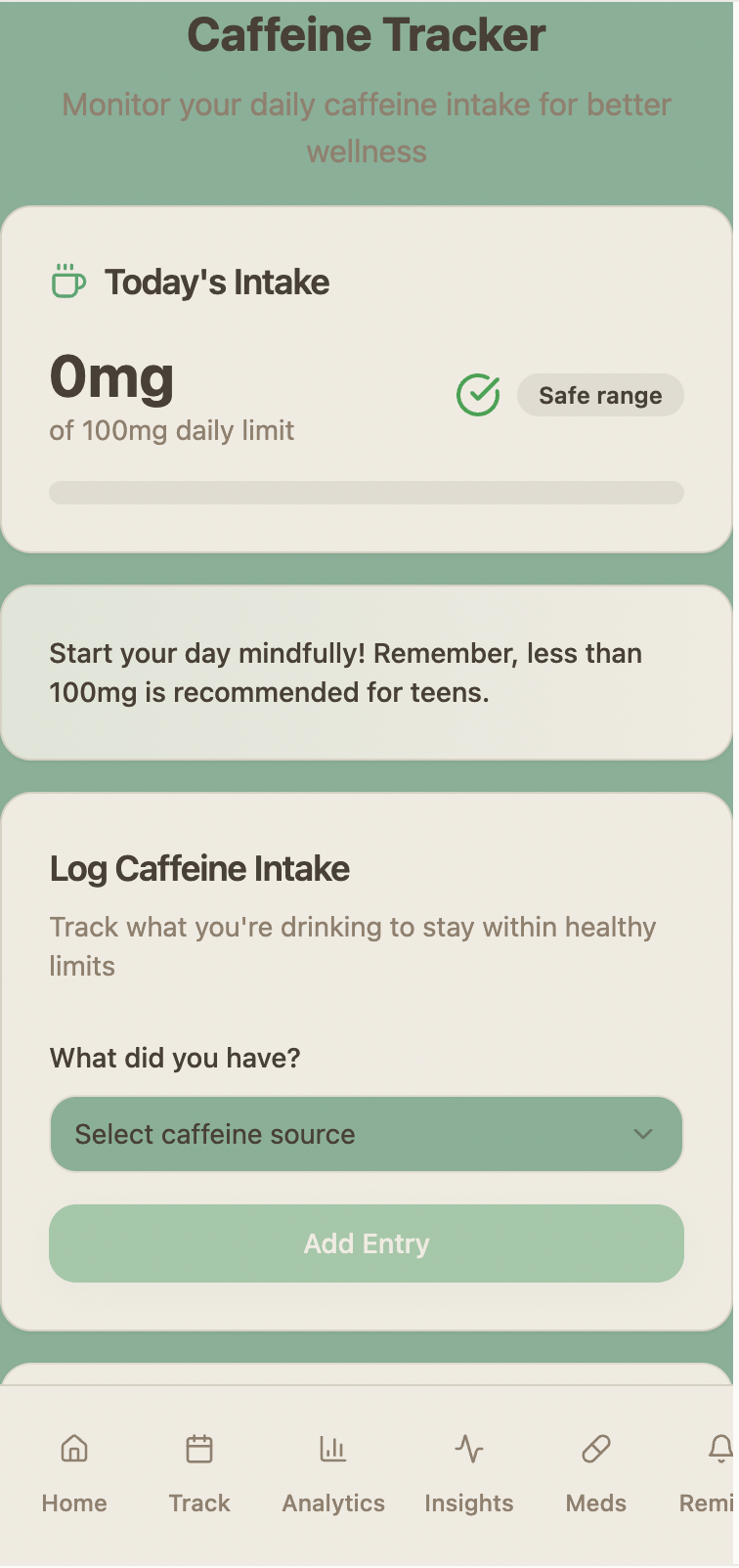
In post-pubertal girls, caffeine can raise blood pressure (BP) and lower heart rate (HR), with some differences observed across cycle phases (e.g., larger HR decreases mid-luteal and larger BP increases mid-follicular). Additionally, they show different cardiovascular and neurocognitive responses to caffeine across cycle phases, with some experiencing increased anxiety or premenstrual irritability30. Evidence from adolescent psychophysiology links phase-specific caffeine responses to mood dysregulation and attentional shifts, suggesting that caffeine habits should be analyzed contextually rather than generically. Based on this evidence, the Caffeine Intake Assistant provides phase-dependent guidance. Flagging sensitive periods, adjusting timing and suggesting non-caffeinated focus alternatives to operationalize physiological data into real-world habit recommendations.
First-Period Guide & Emergency Kit Builder
There’s growing evidence that not being prepared for menstruation can increase anxiety, especially for those experiencing their first period31. Psychological research on menarche education shows that preparedness improves self-efficacy and reduces long-term stigma. This literature informed the structure of Synca’s interactive guide, which combines medically accurate instruction with behavioral modeling to promote confidence and autonomy. Synca’ Emergency Kit Builder further integrates this evidence by offering customizable supply lists, supporting proactive coping behaviors identified as protective during early menstrual experiences.
Skincare Alerts by Phase
Research in dermatology points to a spike in sebum production during the luteal phase as one of the main reasons acne tends to flare up around this time32. Findings from hormonal dermatology suggest that sebaceous activity follows predictable endocrine rhythms, allowing phase-aware skincare timing to reduce inflammatory response. Accordingly, Synca’s skincare alerts convert this evidence into personalized notifications aligned with each phase and user skin profile, an applied example of using endocrinological data for preventive care rather than reactive treatment.
Cycle-Aligned Self-Care & Meditation
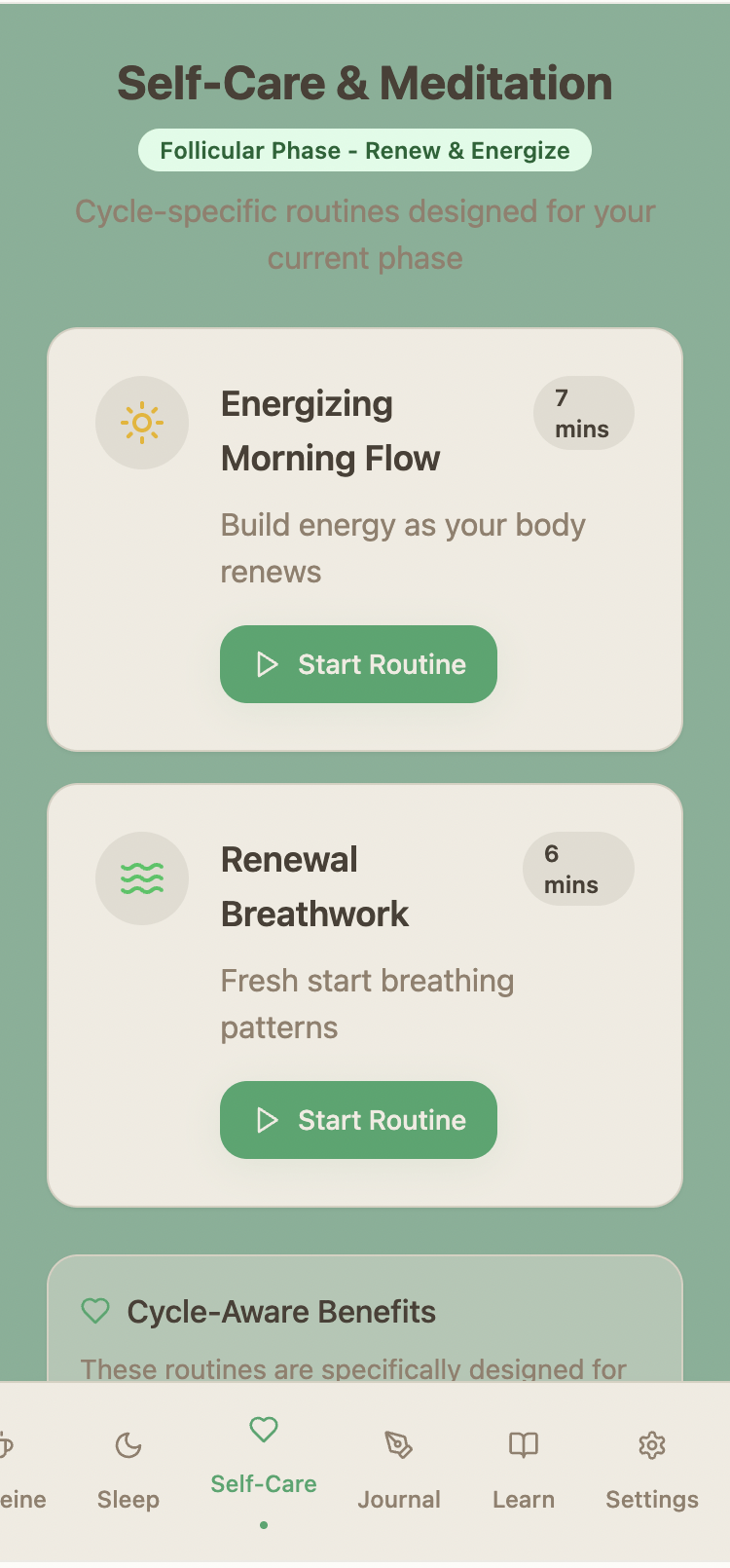
Hormonal shifts modulate GABAergic activity (a brain chemical system that helps calm neural activity) and limbic system responsiveness (the brain’s emotional reactivity), both of which affect mood and anxiety regulation33. Empirical studies connect these neurochemical fluctuations to increased stress sensitivity in teens. Informed by this, Synca’s self-care feature integrates brief, phase-specific relaxation and mindfulness practices to help stabilize mood variability through physiological alignment. This design choice reflects evidence from adolescent emotion regulation research, which supports frequent, low-intensity interventions over lengthy sessions.
Monthly Report and Habit Feedback
Frequent feedback loops promote self-awareness. Synca generates end-of-cycle reports that summarize mood patterns, energy trends and symptom variability. This element was developed based on behavioral self-monitoring studies showing that iterative feedback enhances adherence and early detection of abnormal symptom patterns. The report visualization applies those findings by presenting mood and energy data alongside contextual notes to support longitudinal self-assessment. Such design alignment demonstrates how continuous reflection tools can strengthen early recognition of conditions like PMDD or chronic fatigue.
Myth Buster Hub
Menstrual stigma remains prevalent, and misinformation contributes to shame and misunderstanding. Synca features a cycle-science hub grounded in current research and WHO guidance, aimed at dispelling myths and promoting evidence-based menstrual health literacy34. Existing literature on menstrual literacy highlights the impact of misinformation on health-seeking behavior. Informed by this, the Myth Buster Hub was constructed as an educational database organized by evidence level, distinguishing myths, emerging evidence, and consensus findings to improve critical menstrual health literacy.
Phase-Shift Journal Prompts
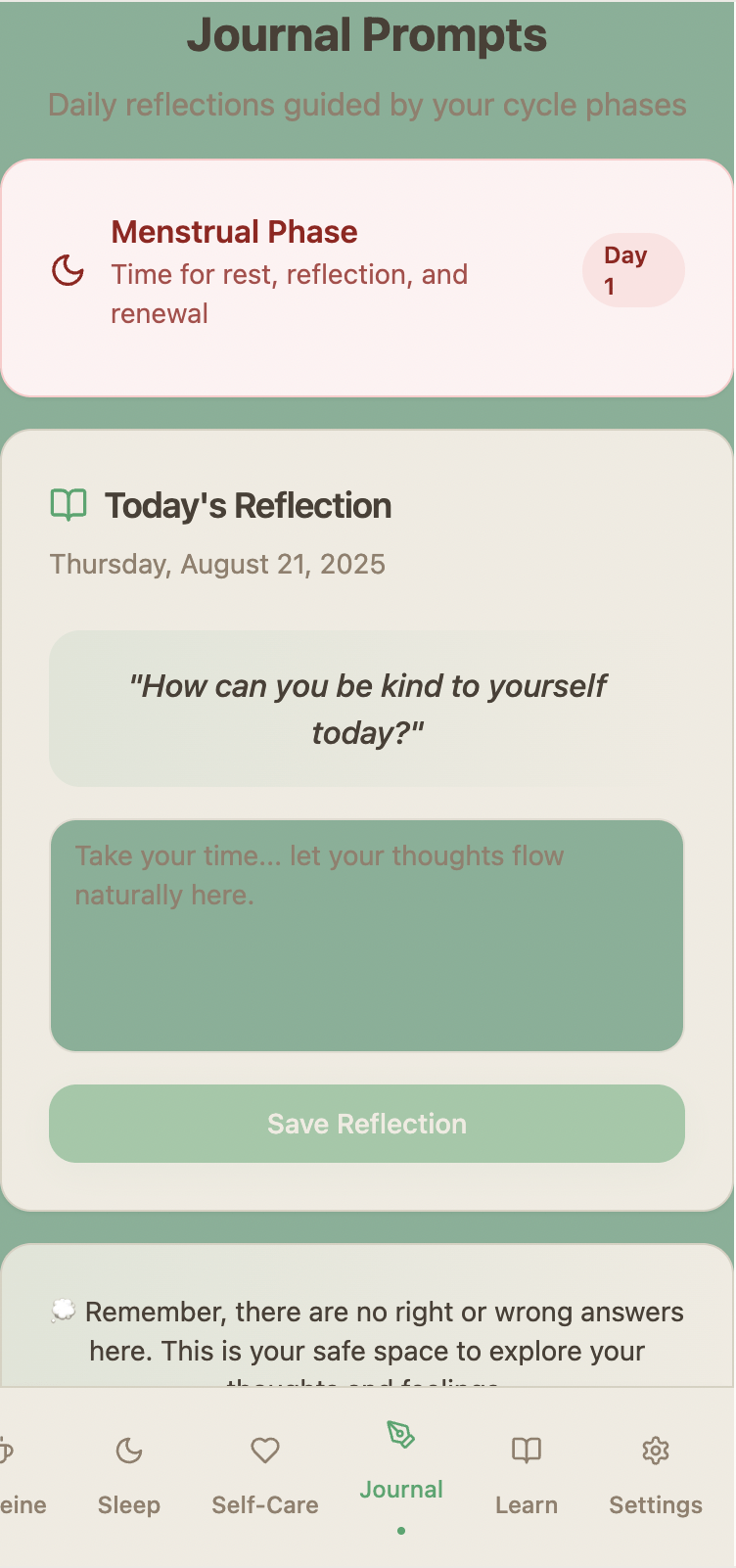
Reflective journaling can enhance emotional clarity and stress processing. Prompts are phase-adjusted (e.g., proactive goal setting in the follicular phase; self-compassion exercises in the luteal phase) and aim to support habit formation and cognitive reframing during emotionally volatile periods. This feature draws on psychological studies linking journaling with emotion regulation and self-awareness. Each prompt sequence was adapted from phase-specific affect trends observed in adolescent mood-tracking literature, translating correlational data into structured cognitive support exercises.
Methods
Research Design
This study used a longitudinal, observational approach to better understand how teenagers experience shifts in mood, energy and appetite over the course of their menstrual cycle. Instead of manipulating variables, it focuses on tracking natural changes as they happen. The study gathered self-reported data at regular intervals to spot patterns and changes that might happen during different phases of the menstrual cycle. Every four days, participants filled out surveys using JotForm35. This interval was selected after reviewing methodological practices in prior menstrual-cycle studies. Daily symptom tracking, while common in adult samples, often leads to lower adherence and higher participant fatigue in adolescents e.g., Stone et al. (2003)36; Runyan et al. (2013)37. Weekly reporting, by contrast, risks missing short-term emotional and physiological fluctuations identified in adolescent samples. The four-day rhythm represents a midpoint, frequent enough to capture intra-cycle variability without compromising participant engagement. Comparable adolescent studies employing 3–5 day reporting windows e.g., Garber, J. (2010)38 have achieved over 85% completion rates, supporting this balance between ecological validity and feasibility.
Participants
The participants were six teenage girls aged 13–17, all of whom had started menstruating and were willing to track their symptoms over the course of four weeks. While the sample size is small, it was intentionally designed this way due to the exploratory nature of the study. The aim was to gather meaningful insights rather than produce generalizable data. Participants were recruited through outreach initiatives at local educational institutions, and all individuals provided assent to participate. Since the study included minors, written informed consent forms from the parents or legal guardians were obtained before collecting any data. The group of participants came from a mix of backgrounds, both urban and suburban, which helped provide a well-rounded view of teenage experiences.
Data Collection
Participants filled out a digital survey every four days over the course of a full menstrual cycle, which typically lasted around 28 to 30 days. The survey was hosted on JotForm, making it easy for teens to access and complete on their own. It included questions about their mood, energy, sleep, appetite, motivation, overall well-being and any physical symptoms they had noticed that day. Each survey took about 5 to 7 minutes to complete.
Participants got automatic reminders through the app to complete their surveys, and they could fill them out whenever it was convenient for them. This helped make sure their answers were fresh and accurate, since they did not have to rely on memory days later. To keep things consistent, the same set of questions was used each time they checked in. Responses were securely stored within the app’s database and exported weekly for analysis. A summary of survey questions is provided in Appendix A.
Variables and Measurements
The primary variables under investigation were self-reported mood, energy level and appetite changes. These were measured using Likert scale items (e.g., “On a scale from 1 to 5, how would you rate your mood today?”) as well as short open-ended questions inviting qualitative input (e.g., “Have you noticed anything different about your energy today?”). Additional background questions such as sleep duration, menstrual symptoms and stress levels were included as secondary variables to provide context.
Procedure
The study began with an initial onboarding session, during which participants and their parents were informed about the study’s goals, ethical procedures and how to respond to the survey correctly. Every four days, they received a push notification reminding them to complete their survey. The surveys were brief and designed to feel casual and teen-friendly, with check-ins framed as self-care reflections rather than clinical assessments. After four weeks, the data was exported and cleaned for analysis. Open-ended responses were coded thematically, and numerical data were analyzed for trends across time points.
Data Analysis
A summary of symptom and mood reports is provided in Appendix B, showing how frequently emotional, cognitive, behavioral, and physical experiences were reported across 48 weekly check-ins. Table B1 consolidates self-reported data on mood, energy, motivation, appetite, and physical symptoms to illustrate overall reporting patterns over time.
Quantitative survey data were analyzed using descriptive statistics to observe average trends across different days in the menstrual cycle. Basic statistical tools were used (mean, mode, frequency) in Microsoft Excel to track changes in mood, energy and appetite. Each participant’s self-reports across different phases (menstrual, follicular, ovulation and luteal) were then compared to identify personal patterns.
To extend beyond descriptive summaries, simple inferential analyses were conducted to explore potential relationships among variables. Spearman’s rank correlation coefficients were calculated to examine associations between mood, energy, sleep duration and appetite scores across phases. In addition, a non-parametric Friedman test was used to assess within-subject changes in mood and energy between menstrual phases. Given the small exploratory sample (n = 6), these tests were interpreted as indicative trends rather than statistically conclusive results.
Qualitative responses were analyzed thematically. Common phrases or observations were grouped into broader emotional or behavioral categories (e.g., “feeling unmotivated,” “craving sweets,” “low energy”), which helped enrich the numeric findings.
To evaluate the usefulness of the app, a final feedback survey was added at the end of the 4 weeks. Questions were asked about how helpful participants found the app, whether it helped them become more aware of their cycle and whether they would continue using it. This allowed the app’s performance to be connected to the original research goals.
Figure 1 was created by the author using Canva. The underlying data, plotting parameters, analyses, and interpretations are solely the author’s.
Ethical Considerations
Everything was handled with extra care and responsibility. Consent was obtained from parents and assent from the teens themselves before beginning the study. Ethical guidelines for working with young people were followed, ensuring the protection of personal information and making it clear that participants could opt out at any time. Additionally, all survey questions were reviewed by a PhD-qualified researcher to ensure they were age-appropriate and addressed menstrual health topics with the appropriate level of care and sensitivity.
All surveys were distributed and collected via email using JotForm links. No identifying information was requested within the forms themselves and responses were stored securely within JotForm’s encrypted system. Only the researcher accessed the collected data. Email correspondence was kept separate from response data to protect participant privacy.
App Design and Feature Development
The process began by clearly outlining the app’s primary goal: to support teenage well-being by increasing awareness of the menstrual cycle. To inform the approach, insights from academic literature on adolescent health, along with casual conversations with teens about their digital habits and preferences, were used to guide the decision on which features to include. Using Lovable’s39 AI chat interface, the core functionality was described, and the platform generated a working structure for the app. The layout, logic and appearance were then refined through targeted prompts. The app’s key features included:
• Daily Mood Check-ins
• Cycle Phase Tracker
• Personalized Wellness Tips
• Reminder Notifications
• Journaling Space
These features were selected to create a supportive, non-clinical experience that encourages self-awareness and emotional tracking in a way that feels empowering rather than overwhelming.
The prompts were supplemented with visual references (e.g., screenshots of the desired layout) to refine the UI. After the initial generation, the features were iteratively refined by tweaking forms, color palette and backend logic.
Over the four-week development period:
1. Prototype Creation – Defined features then deployed a functional working prototype via Lovable’s cloud infrastructure.
2. Internal Refinement – Tested each component, fixed errors through AI-assisted debug cycles and synced updates to GitHub40 for version control.
3. User Testing – Informal sessions were conducted with five teens (not part of the main study) to evaluate usability, aesthetic appeal, clarity and tone. Their feedback guided adjustments to language (making it more supportive and non-clinical), color choices (pastel-led) and feature flow.
4. Final Tweaks & Deployment – Polished UI elements, ensured smooth Supabase41 authentication integration and published the app with shareable access links.
No predictive models or external machine learning libraries were used in the development.
Results: Empirical Study Findings
Over four weeks, six teenage girls (ages 15–16) completed a survey every four days, yielding 48 total entries (8 per participant). Participants represented a variety of body types, physical activity levels, and menstrual experiences. While responses showed some expected variation, preliminary patterns emerged within this small sample in how participants experienced their menstrual cycles across emotional, physical, and behavioral dimensions. These patterns should be interpreted as indicative trends rather than representative findings.
Correlation analysis indicated moderate positive associations between mood and energy (ρ = 0.58) and mild negative associations between sleep disturbance and concentration (ρ = -0.41), where ρ denotes Spearman’s rank correlation coefficient, a nonparametric measure of monotonic association. Friedman test results showed no statistically significant differences in mean scores across phases (p > .05), though rankings suggested lower energy and motivation during the luteal and menstrual phases. These exploratory findings reflect patterns commonly reported in adolescent menstrual-cycle research and support further testing with larger samples.
Participants in this exploratory sample appeared to show phase-related changes, though the intensity and timing of those shifts varied considerably by individual factors such as activity level, body type, and cycle regularity. While some reported steady moods and energy across the month, others experienced pronounced fluctuations in concentration, motivation and physical comfort. Figure 1 below illustrates the self-reported scores for concentration, exercise motivation, and confidence, grouped by menstrual cycle phases. Each bar represents an individual participant’s score across the following phases: Day 1–5 (Menstrual), Day 6–10 (Early Follicular), Day 11–14 (Ovulatory), Day 15–21 (Luteal 1), and Day 22–28 (Luteal 2).
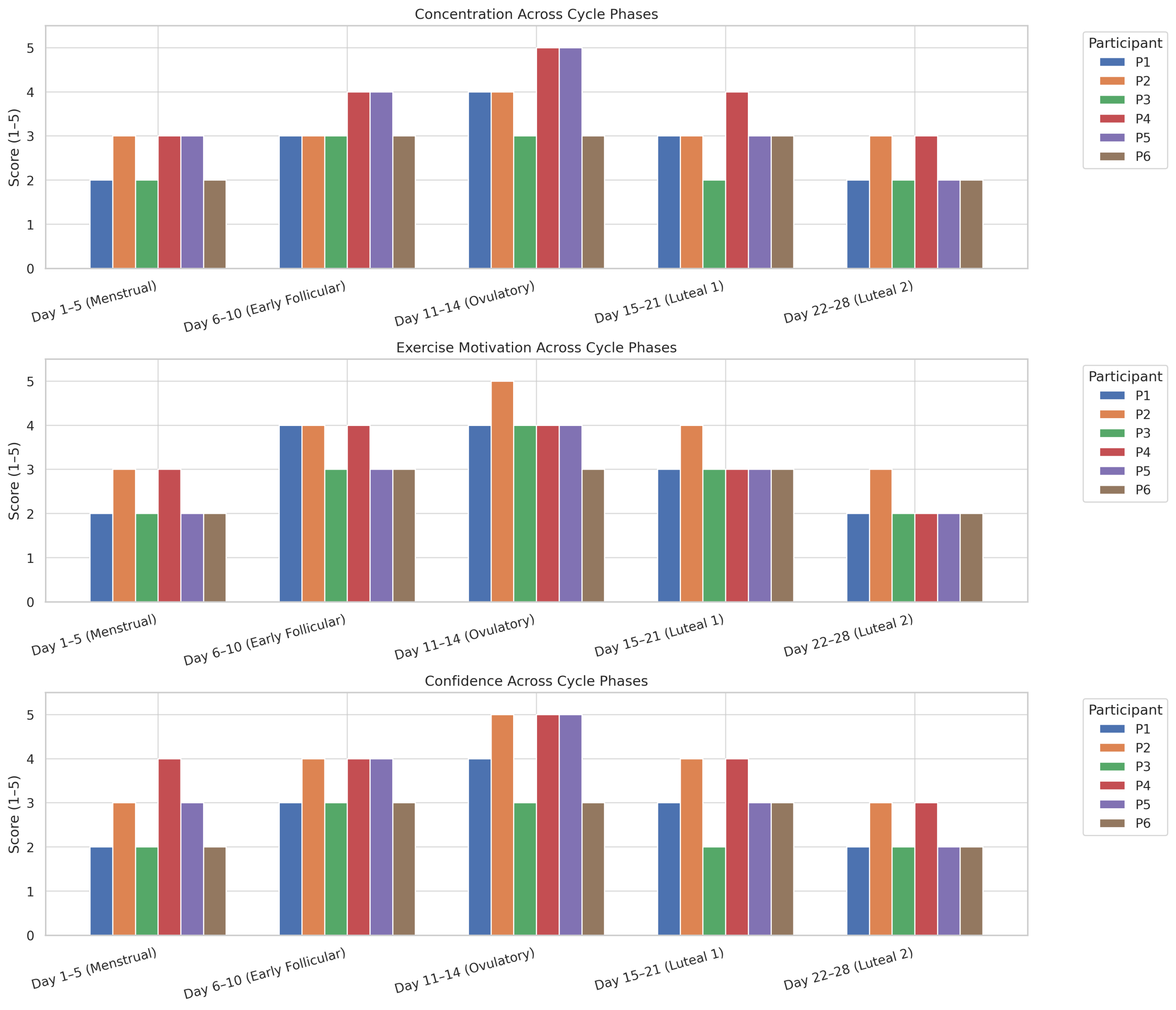
Cycle phases were estimated using a fixed-day model (Menstrual: Days 1–5; Early Follicular: Days 6–10; Ovulatory: Days 11–14; Luteal 1: Days 15–21; Luteal 2: Days 22–28). While this structure follows calendar-based conventions used in several adolescent menstrual studies e.g., Dorn et al., 200942; Richard J. Fehring, 200643, it does not confirm ovulation biologically. This is a limitation, as teens often experience anovulatory or irregular cycles, particularly within the first years post-menarche. The approach was chosen for feasibility and comparability with prior survey-based research, but future work could incorporate physiological validation through luteinizing hormone LH testing or basal body temperature tracking to improve phase accuracy.
Across all three graphs, clear mid-cycle peaks and end-phase declines suggest individual variability in cognitive and motivational regulation. Concentration scores tended to rise sharply during the ovulatory phase (Day 11–14), with four participants reaching their highest reported focus levels, before dropping again during the late luteal phase (Day 22–28). Exercise motivation followed a similar mid-cycle pattern but showed wider dispersion between participants, reflecting differences in physical activity habits. Confidence levels appeared steadier overall but showed small yet consistent declines in the final luteal segment, possibly linked to premenstrual mood symptoms. One participant (P4) maintained consistently higher ratings across all domains, which may indicate protective lifestyle or hormonal factors. In contrast, P6 showed flatter patterns, with minimal fluctuation across phases, suggesting reduced cycle sensitivity. Together, these trends highlight that while phase-related changes were visible at the group level, the magnitude and timing varied substantially between individuals, underscoring the heterogeneity typical of adolescent cycles.
Mood and Emotional Fluctuations
Most participants experienced increased emotional sensitivity leading up to and during menstruation. During the four-week duration, 5 out of 6 participants reported at least one episode of heightened irritability, sadness, or anxiety in the days before menstruation. One participant personally clarified that she regularly engages in fitness and training. This may explain why she consistently reported feeling ‘calm or chill’ even during menstruation, potentially reflecting the emotional regulation and higher fitness level gained from her frequent workouts. On average, mood ratings were described as “up and down” (a phrase used by participants) 63% of the time, with “mostly good” moods reported more frequently during the follicular and ovulatory phases.
Energy Levels and Physical Symptoms
Self-reported energy levels tended to fluctuate in ways that corresponded with menstrual phases, suggesting, but not confirming, a cycle-related variation in energy. Participants generally reported low to medium energy during menstruation and the luteal phase, while energy was higher during the mid-cycle window (days 8–15). However, the chart indicates outliers: one participant’s energy stayed high throughout, while another’s dropped sharply after ovulation, suggesting different sensitivities to hormonal shifts.
One athlete participant reported consistently high energy levels except on the first two days of her period, while the participants who do not exercise reported frequent low energy and physical sluggishness during both menstruation and premenstrual days.
Common physical symptoms included cramps (noted by 5 participants), bloating, breakouts and breast soreness. One participant, a 15-year-old with a fast metabolism and low body weight, reported minimal symptoms throughout the month. However, she occasionally had some trouble sleeping.
This variation supports the interpretation that adolescent cycle patterns are not yet hormonally stable, leading to different energy and symptom trajectories even within a small group.
Hunger, Cravings, and Body Awareness
Cravings and increased appetite were frequently reported during the luteal phase (especially days 22–28), with 4 out of 6 participants reporting feeling “more hungry than usual” during that time. Cravings ranged from salty snacks and chocolate to high-protein foods. One participant also mentioned feeling unusually tired and craving naps around the same time each month, even when sleep duration remained stable.
Participants who reported regular exercise also described greater awareness of bodily changes. Within this small dataset, physical activity may be associated with improved body awareness, a hypothesis that warrants testing in larger samples. In Figure 1, these participants also tended to show smoother transitions in motivation and confidence, further suggesting behavioral regulation effects linked to training routines.
Cognitive and Social Impacts
Survey items suggested potential cycle-related effects on concentration, motivation, sleep and social engagement, though these patterns varied widely across individuals. On a 1–5 scale (1 = no impact, 5 = strong impact):
•Ability to concentrate averaged around 3.1, peaking during menstruation and the two days before.
•Motivation to exercise dropped during menstruation (average rating = 3.8), especially among less active participants.
•Sleep quality showed moderate disruption (average rating = 3.2), mainly due to cramps or bloating.
•Sociability and confidence both declined during menstruation, with several participants noting they felt less like “putting in effort” socially or academically during that time.
Interestingly, one former athlete who no longer trains regularly reported feeling “off” socially and mentally around the same cycle days she used to train hardest, possibly suggesting a lingering memory of physical routine and body timing.
The bar chart reinforces these self-reports: dips in motivation and confidence toward the cycle’s end mirror the self-described low-energy and reduced social drive phases, suggesting an integrated physiological and behavioral pattern across measures.
Cycle Regularity and Tracking Habits
Only 2 of the 6 participants had highly regular cycles, while 3 reported noticeable variability. One participant had recently started menstruating and experienced irregular cycles with unpredictable symptoms. All participants tracked their cycles for the four-week duration of the study, logging their observations every three to four days, though most had not done so consistently before the study.
Across the board, participants expressed a desire for tools that were “less clinical” and more relevant to their lifestyle, with features like mood predictions, symptom patterns and gentle reminders tied to their activity or school schedules. This behavioral feedback aligns with the figure’s variability, emphasizing that design personalization should account for both phase trends and individual response patterns rather than relying on a uniform model.
App Usability and Feedback Results
In addition to the cycle-tracking survey, the same six participants evaluated a prototype version of the proposed app. This follow-up survey gathered feedback on usability, design, and overall perceived usefulness. Screenshots of the prototype are shown in Figure 2.
Overall Impressions
All six participants expressed interest in an app designed specifically for teens. On a 5-point usefulness scale (1 = not useful, 5 = very useful), the average rating was 4.3. Five participants (83%) rated the app as 4 or 5 (“helpful” or “very helpful”), while one participant (17%) rated it 3 (“neutral”), noting she would “probably forget to use it unless it had reminders.”
Design & Usability Feedback
Participants emphasized the importance of simplicity and avoiding visual clutter. Half of the group requested customization features such as notification styles and optional emojis in mood tracking. Two participants raised privacy concerns, suggesting the addition of a password or lock screen feature.
Most Appreciated Feature
As highlighted in Figure 2, the most valued features included the self-care and meditation section, long-term symptom pattern tracking, and lifestyle tie-ins, such as anticipating low energy before sports or school activities. Five of six participants (83%) listed the self-care and meditation tool as their favorite component, describing it as “relaxing” and “easy to use.”
Suggested Improvements
Participants recommended making the interface more teen-friendly with motivational elements or playful animations. They also suggested more flexible logging options, such as quick taps and sliders instead of lengthy entries, as well as the addition of a social or community space for anonymously sharing coping strategies. Two participants (33%) also suggested adding daily streaks or progress badges to sustain engagement.
Perceived Usefulness
Four participants indicated they would use the app regularly, while one said she would use it occasionally. Another participant was unsure and preferred her existing calendar app. The mean intention-to-use score was 4.0/5, suggesting strong potential for user retention with minor design adjustments.

Discussion
The findings of this study reflect both the complexity and the individuality of adolescent menstrual experiences. As expected in such a biologically and psychologically dynamic population, responses varied, yet distinct, phase-related patterns still emerged across the domains of mood, energy, concentration and social behavior. These patterns are consistent with existing physiological insights and may point to adolescent-specific needs that current digital tools often overlook. However, given the limited sample, these findings should be viewed as indicative rather than conclusive.
These findings also contribute to the broader femtech field, which has expanded rapidly in recent years but remains heavily adult-centered. Existing menstrual tracking tools, such as Clue and Flo, are primarily designed around adult regularity and hormonal patterns, leaving adolescent variability underrepresented. By focusing on teens’ emotional and cognitive fluctuations, this study extends femtech research into a younger, developmentally distinct population. It highlights the need for inclusive, age-sensitive design in digital health tools, an area still sparsely covered in current femtech literature.
In linking these results to prior literature, the observed mood, energy and attention fluctuations appear consistent with the adolescent hormonal sensitivity described by Dorn et al. (2009)42 and Jang et al. (2024)8. The data reinforce behavioral neuroscience models that attribute heightened emotional reactivity during adolescence to incomplete maturation of the prefrontal–limbic circuitry, particularly under hormonal modulation. Thus, rather than simply describing symptom patterns, these findings provide behavioral-level support for neurodevelopmental and hormonal mechanisms previously identified in adolescent menstrual research.
Menstrual Variability and Emotional Responsiveness
As highlighted in the literature, teenage girls tend to experience greater emotional variability during their cycles than adults, a trend that was clear in this study. These consistent reports of irritability, anxiety, and sadness during the premenstrual and menstrual phases suggest that adolescence may amplify the emotional reactivity already observed in menstrual research, underscoring the importance of supportive tools for managing mood fluctuations. While these effects were not identical in intensity or timing across individuals, the consistency of their occurrence supports the notion that emotional reactivity is both biologically and contextually amplified in adolescence. This aligns with previous findings that adolescents are more sensitive to hormonal shifts due to ongoing brain maturation, particularly in limbic and prefrontal regions (the emotion and control centers of the brain) responsible for mood regulation and self-monitoring44.
The emotional reactivity observed here directly supports the neuroendocrine interaction model proposed in the literature review, in which fluctuating progesterone and estrogen levels modulate limbic system activity and stress response. The data echo the emotional sensitivity profiles reported by Dorn et al. and suggest that adolescent users may require emotional regulation interventions aligned with phase-specific neurochemical shifts.
One particularly interesting nuance is that participants with consistent physical activity, such as the two teenage athletes in the study, reported less emotional disturbance and greater stability in confidence. This echoes prior sports science literature suggesting that regular exercise may buffer against some of the mood-related symptoms of menstruation, even in teens. Still, these participants were not symptom-free. What differentiated them seemed to be not the presence of symptoms, but their interpretation and management of them.
Cognitive and Physical Impacts: Subtle, Yet Significant
Reported declines in concentration and motivation may indicate that subtle cycle-related shifts influence academic and extracurricular engagement in some adolescents. Further research with larger samples is needed to verify this pattern. Though often considered “soft” or subjective effects by some researchers and clinicians, these changes have real implications in the lives of teenagers navigating school, extracurriculars, and social commitments. What’s notable is how consistent these cognitive and motivational drops were despite the participants’ differing levels of fitness, body composition and tracking habits. This suggests that phase-dependent cognitive shifts are not limited to those with overt menstrual distress but may be a baseline feature of the teen cycle experience.
These observations align with hormonal-phase models discussed in the literature, which associate fluctuating estrogen and progesterone levels with temporary changes in attention, motivation and working memory. They also correspond with findings from the Ondokuz Mayıs University study45, where adolescent participants showed luteal-phase declines in cognitive performance linked to PMS and PMDD. This reinforces the idea that such fluctuations reflect neuroendocrine sensitivity during adolescence rather than purely behavioral variation.
These findings offer a subtle but important counterpoint to adult-focused research that often fails to detect reliable changes in cognition across the cycle. While teens may not show clear differences on standardized tasks, the self-reported reality is one of fluctuating mental sharpness and focus. This supports the inclusion of phase-sensitive academic and cognitive support tools in menstrual health apps, not to pathologize these dips, but to normalize them and offer adaptive strategies.
Symptoms and Somatic Awareness
The prevalence of cramps, bloating, and other physical symptoms illustrates how somatic discomfort can shape teens’ day-to-day experiences. Importantly, recognizing these bodily changes offers an entry point for developing somatic literacy, helping adolescents interpret and manage their symptoms rather than feeling controlled by them. However, what stood out was how body awareness varied across individuals. Those who exercised regularly or had previously done so were more likely to recognize patterns in appetite, fatigue and energy levels. This speaks to the developmental value of somatic literacy, being able to notice, track and interpret bodily signals. Applications that support this process can help teens become not only symptom-aware but also symptom-resilient. They enable teens to understand how and why their bodies change and to respond accordingly rather than reactively.
These observations extend the behavioral frameworks discussed earlier, where physical symptom awareness was linked to adolescent self-regulation and emotional learning. They also align with prior findings on the interaction between physical activity and hormonal balance, which suggest that exercise may buffer some of the mood and somatic effects of menstruation through improved interoceptive awareness and stress regulation. This supports the idea that building body–mind connection tools into digital platforms could strengthen emotional and physiological adaptability during adolescence.
This observation hints at a deeper mind-body-memory connection, where previous physical routines may leave residual emotional imprints. Designing digital tools that capture not only current symptoms but also historical patterns could therefore provide teens with richer, context-aware insights. This could suggest a deeper mind-body-memory connection, where habitual routines or muscle memory cue specific emotional states, even when they were no longer engaged in those physical routines. Features that help teens correlate mood and behavior with past patterns, not just current symptoms, could therefore be valuable in long-term app design.
The Importance of Tone and Interface
The collective frustration with rigid, clinical-style tracking emphasizes a broader developmental need: tools must feel approachable and affirming rather than diagnostic. For teens, tone is not just a design choice but a determinant of sustained engagement and cycle literacy. This mirrors the earlier critique in the literature review that many mainstream apps are too medicalized or prescriptive for teens, especially those still learning to interpret their cycles. The findings here support a need for non-judgmental, flexible tools that feel like a companion rather than a diagnostic checklist. This is especially important when considering how symptom variability, inconsistent cycle lengths and emotional shifts can leave teens feeling “abnormal” or frustrated when using tools built around adult regularity.
The tone of a digital interface, whether encouraging, neutral, or stigmatizing, can influence whether teens stick with the app or abandon it altogether. The responses suggest that teens are looking for affirmation, not alarm, and insights, not instructions. They want help understanding their cycles, not just charting them.
Reflections on Data Variability
One of the most important aspects of this dataset is its realism. While trends were visible, no two participants had identical experiences, and even within individuals, not every cycle day brought noticeable changes. This inconsistency is not a limitation but a strength. It mirrors the lived reality of teens navigating hormonal, social and academic changes, sometimes all at once.
Limitations
That said, the study is not without challenges. While the study’s small, self-selected sample and short observation window limit generalizability, these constraints also reflect the practical challenges of adolescent research. Reliance on self-reports, though imperfect, captures the subjective realities that biological assays alone cannot provide. This highlights the value of pairing both approaches in future work. However, self-reported data introduce potential biases such as recall error, where participants may forget or misinterpret their symptoms, as well as self-selection bias, since volunteers who are already cycle-aware or health-conscious may differ from the general teen population. Additionally, minor inconsistencies in device use or internet access could have affected response timing or completeness, adding another layer of variability.
These methodological constraints may slightly reduce data reliability and limit how broadly the findings can be applied. Future iterations could address these issues by recruiting a larger and more diverse participant pool, extending the study duration to capture multiple cycles and incorporating objective measures such as wearable devices to track sleep, activity and physiological indicators. These improvements would allow for more robust, personalized models that adapt to each user’s evolving habits, cycles and symptoms over time.
Although this study provides valuable preliminary insights, its small and self-selected sample limits generalizability. The results should be interpreted as indicative trends requiring confirmation through larger, longitudinal studies across more diverse adolescent groups.
Positioning Within the Femtech Field
From a femtech perspective, this project positions Synca as part of a new wave of human-centered menstrual technologies that emphasize education, mental health and adaptive design over mere data logging. Unlike mainstream femtech platforms that focus on fertility prediction or symptom quantification, Synca integrates emotional literacy, behavioral reflection and lifestyle guidance to support teens’ developmental needs. By bridging hormonal research with digital design, this approach advances the femtech field toward more personalized and inclusive adolescent health innovation.
Implications for Practice
Despite its limitations, the findings offer meaningful guidance for adolescent health interventions. Synca, as a digital support tool, could be applied in real-world contexts such as schools, sports programs and primary care settings to help teens better understand and manage their cycles. By framing symptoms and emotional changes as normal and providing personalized strategies, Synca could promote self-awareness, resilience and healthier coping strategies among adolescents.
Conclusion
This study explored how teenage girls experience their menstrual cycles, not as clinical abstractions, but as daily realities that influence mood, motivation, cognition and self-perception. By collecting high-frequency, self-reported data from six participants over four weeks, we found significant emotional and cognitive variability. Especially during the menstrual and premenstrual phases. These changes, fluctuations in focus, dips in confidence and shifts in appetite or energy were not uniform across individuals, yet they were real, noticeable and impactful. Behavior also played a role: teens who exercised regularly reported more stable moods and greater awareness of patterns, though cycle-related changes remained inevitable.
These findings matter because they highlight the need for menstrual health tools that reflect how teens feel, not just what their bodies do. Synca was conceived to bridge this gap, integrating mood, focus, sleep, nutrition and emotional literacy into a teen-specific health companion. While our small, self-selected sample limits generalizability, the insights point toward broader applications: adaptive, emotionally intelligent tools that validate individual experiences and support teens in navigating their cycles.
Beyond individual app design, these results suggest future femtech should prioritize developmental sensitivity, emotional literacy, and inclusivity for younger users. Incorporating adolescent-centered data into larger datasets could improve predictive modeling for menstrual health and contribute to public health initiatives that normalize menstrual education in schools and youth programs.
In doing so, this work contributes to a larger conversation about menstrual health, one that moves beyond symptom tracking toward personalized, empowering care.
Appendix A. Summary of Survey Questions
A summary of survey items is presented in Appendix A, outlining emotional, cognitive, behavioral, and physical dimensions. Questions used Likert scales, multiple-choice, and short-text formats to capture week-to-week changes in mood, energy, concentration, and physical symptoms.
| Category | Example Question / Item | Response Type |
| Demographics & Background | • Please enter your age, weight (kg), and height (cm). • Are you currently taking any prescribed medications? | Short text |
| Cycle Tracking | • Did you have your period this week? • Do you usually track your period? • If yes, what day are you on? | Multiple choice / short text |
| Cycle Regularity | • Do you usually get your period regularly? | Multiple choice |
| Mood | • How was your mood this week overall? | • Did you feel any of these emotions more than usual? (e.g., irritable, sad, anxious, calm, confident, tired) | Multiple choice / checkboxes |
| Energy & Fatigue | • How much physical energy did you have this week? | Multiple choice |
| Physical Symptoms | • Did you notice anything in your body this week? (e.g., cramps, headaches, bloating, breakouts, trouble sleeping) | Checkboxes |
| Appetite & Cravings | • Did you feel more or less hungry than usual this week? • Any cravings this week? | Multiple choice / short text |
| Cognitive & Behavioral Impact | • Did your cycle affect your ability to concentrate in school or while studying? • Did it affect your motivation to move or exercise? • Did it affect your sleep, socializing, or confidence? | 1–5 Likert scale (1 = no, 5 = yes) |
| Open Reflection | • Anything else you noticed about how you felt this week? | Open text |
A summary of symptom and mood reports is provided in Appendix B, showing how frequently emotional, cognitive, behavioral, and physical experiences were reported across 48 weekly check-ins. Table B1 consolidates self-reported data on mood, energy, motivation, appetite, and physical symptoms to illustrate overall reporting patterns over time.
Appendix B
| Symptom / Mood Category | Count (out of 48 check-ins) |
| Low mood | 21 |
| Irritability | 18 |
| Anxiety | 15 |
| Low energy | 26 |
| Fatigue | 22 |
| Sleep disruption | 13 |
| Low motivation | 24 |
| Appetite increase | 17 |
| Appetite decrease | 6 |
| Cravings | 19 |
| Cramps | 23 |
| Headaches | 11 |
| Bloating | 20 |
| Breakouts | 14 |
| Concentration impact | 25 |
| Confidence decrease | 16 |
Note: Each row represents the number of completed check-ins (total N = 48) in which the symptom or impact was reported. Because participants could report multiple experiences in a single check-in, counts do not sum to 48.
References
- A. Bonen, et al. “Profiles of Selected Hormones during Menstrual Cycles of Teenage Athletes.” Journal of Applied Physiology, 50, 545–550 (1981). https://journals.physiology.org/doi/abs/10.1152/jappl.1981.50.3.545 [↩]
- Dan Apter, et al. “Hormonal Pattern of Adolescent Menstrual Cycles.” The Journal of Clinical Endocrinology & Metabolism, 47, 944–952 (1981). https://academic.oup.com/jcem/article-abstract/47/5/944/2678684 [↩]
- Sahiledengle B, Atlaw D, Kumie A, Tekalegn Y, Woldeyohannes D, Agho KE (2022) Menstrual hygiene practice among adolescent girls in Ethiopia: A systematic review and meta-analysis. PLoS ONE 17(1): e0262295. https://doi.org/10.1371/journal.pone.0262295 [↩]
- Evans RL, Harris B, Onuegbu C, et alSystematic review of educational interventions to improve the menstrual health of young adolescent girlsBMJ Open 2022;12:e057204. doi: 10.1136/bmjopen-2021-057204, Anbesu, E.W., Asgedom, D.K. Menstrual hygiene practice and associated factors among adolescent girls in sub-Saharan Africa: a systematic review and meta-analysis. BMC Public Health 23, 33 (2023). https://doi.org/10.1186/s12889-022-14942-8 [↩]
- E. Odongo, J. Byamugisha, J. Ajeani, & J. Mukisa. “Prevalence and effects of menstrual disorders on quality of life of female undergraduate students in Makerere University College of Health Sciences: A cross-sectional survey.” BMC Women’s Health, 23, Article 126 (2023). https://pmc.ncbi.nlm.nih.gov/articles/PMC10064702/ [↩]
- Harvard T.H. Chan School of Public Health. “Exploring exercise habits by menstrual cycle phase: Study updates.” Apple Women’s Health Study Reports, (2025). https://hsph.harvard.edu/research/apple-womens-health-study/study-updates/exploring-exercise-habits-by-menstrual-cycle-phase/ [↩]
- K. L. McNulty, K. J. Elliott-Sale, E. Dolan, P. A. Swinton, P. Ansdell, S. Goodall, K. Thomas, & K. M. Hicks. “The effects of menstrual cycle phase on exercise performance in eumenorrheic women: A systematic review and meta-analysis.” Sports Medicine, 50, 1813–1827 (2020). https://link.springer.com/article/10.1007/s40279-020-01319-3 [↩]
- D. Jang, J. Zhang, & H. A. Elfenbein. “Menstrual cycle effects on cognitive performance: A meta-analysis.” PLOS ONE, 19, e0318576 (2024). https://journals.plos.org/plosone/article?id=10.1371%2Fjournal.pone.0318576 [↩] [↩] [↩]
- I. Sundström Poromaa & M. Gingnell. “Menstrual cycle influence on cognitive function and emotion processing—from a reproductive perspective.” Frontiers in Neuroscience, 8, 380 (2014). https://doi.org/10.3389/fnins.2014.00380 [↩]
- J. Sacher, H. Okon-Singer, & A. Villringer. “Evidence from neuroimaging for the role of the menstrual cycle in the interplay of emotion and cognition.” Frontiers in Human Neuroscience, 7, 374 (2013). https://doi.org/10.3389/fnhum.2013.00374 [↩]
- S. J. Beal, L. D. Dorn, H. J. Sucharew, L. Sontag-Padilla, S. Pabst, & J. Hillman. “Characterizing the longitudinal relations between depressive and menstrual symptoms in adolescent girls.” Psychosomatic Medicine, 76, 547–554 (2014). https://doi.org/10.1097/PSY.0000000000000099 [↩]
- Y. J. Toenders, R. van der Cruijsen, J. Runze, et al. “Mood variability during adolescent development and its relation to sleep and brain development.” Scientific Reports, 14, 8537 (2024). https://doi.org/10.1038/s41598-024-59227-9 [↩]
- S. Kochhar & S. Ghosh. “Impact of menstruation on physical and mental health of young adolescent girls.” International Journal of Health Sciences, 6, 6627 (2022). https://sciencescholar.us/journal/index.php/ijhs/article/view/6627 [↩]
- J. Kluska, E. Malinowska, & J. Kowalski. “A pilot longitudinal study of decrease in cognitive functions during the most painful day of the period among women with primary dysmenorrhea.” Archives of Gynecology and Obstetrics, 310, 517–526 (2024). https://link.springer.com/article/10.1007/s00404-024-07617-9 [↩]
- C. Cobanoglu, K. Karabekiroglu, M. B. Usta, B. Sahin, M. A. Karakullukcu, A. Bozkurt, & T. Karaosman. “—.” Dusunen Adam: The Journal of Psychiatry and Neurological Sciences, 34, 243–252 (2021). https://dusunenadamdergisi.org/storage/upload/pdfs/1641479353-en.pdf [↩]
- R. G. Simmons, R. Burgeson, S. Carlton-Ford, & D. A. Blyth. “The impact of cumulative change in early adolescence.” Child Development, 58, 1220–1234 (1987). https://doi.org/10.2307/1130616 [↩]
- J. L. Temple, A. M. Ziegler, A. Graczyk, A. Bendlin, T. Sion, & K. Vattana. “Cardiovascular responses to caffeine by gender and age.” Pediatrics, 134, e112–e119 (2014). https://publications.aap.org/pediatrics/article/134/1/e112/62354 [↩]
- Asmaa Zki Bin Mahmoud, Alaa Naeem Makhdoom, Lujain Alaaldeen Mufti, Rasha Salem Alreheli, Rawan Ghazi Farghal, & Sarah Ehab Aljaouni. “Association between menstrual disturbances and habitual use of caffeine.” Journal of Taibah University Medical Sciences, 9, 341–344 (2014). https://doi.org/10.1016/j.jtumed.2014.03.012 [↩]
- S. Li, Z. Yuan, Y. Zhao, et al. “Associations of caffeine and caffeine metabolites with sex hormones among 6–19-year-old children and adolescents.” Scientific Reports, 15, 23052 (2025). https://doi.org/10.1038/s41598-025-06330-0 [↩]
- E. Mazza, S. Maurotti, Y. Ferro, A. Castagna, C. Pujia, A. Sciacqua, A. Pujia, & T. Montalcini. “Magnesium: Exploring gender differences in its health impact and dietary intake.” Nutrients, 17, 2226 (2025). https://doi.org/10.3390/nu17132226 [↩]
- Steven Stoll, Alan R. Shalita, Guy F. Webster, Richard Kaplan, Sid Danesh, Alyson Penstein, The effect of the menstrual cycle on acne, Journal of the American Academy of Dermatology, Volume 45, Issue 6, 2001, Pages 957-960, https://doi.org/10.1067/mjd.2001.117382. [↩]
- M. G. Munro, A. E. E. Mast, J. M. Powers, P. A. Kouides, S. H. O’Brien, T. Richards, M. Lavin, & B. S. Levy. “The relationship between heavy menstrual bleeding, iron deficiency, and iron deficiency anemia.” American Journal of Obstetrics and Gynecology, 228, 15–24 (2023). https://www.sciencedirect.com/science/article/pii/S0002937823000248 [↩]
- Ritchey, S. J., & Feeley 1, R. M. (n.d.). Https://www.sciencedirect.com/science/article/abs/pii/s1051200421000968 | request PDF. The Excretion Patterns of Vitamin B6 and B12 in Preadolescent Girls. https://www.researchgate.net/publication/351163114_httpswwwsciencedirectcomsciencearticleabspiiS1051200421000968 [↩]
- John D. Fernstrom. “Effects and side effects associated with the non-nutritional use of tryptophan by humans.” The Journal of Nutrition, 142, 2236–2244 (2012). https://www.sciencedirect.com/science/article/pii/S0022316622026001 [↩]
- Puja Dhamija, Akash More, Namrata Choudhary, Tejaswini Wadhe, Juhi Barai, & Devanshi Shah. “Seed cycling and hormonal balance: A case study of successful fertility intervention in polycystic ovarian syndrome.” Journal of Pharmacy and Bioallied Sciences, 17(Suppl 1), S1030–S1033 (2025). https://doi.org/10.4103/jpbs.jpbs_164_25 [↩] [↩]
- Deeptimayee Mahapatra, Jwngsar Baro, & Mamoni Das. “Advantages of seed cycling diet in menstrual dysfunctions: A review-based explanation.” The Pharma Innovation, 12, 931–939 (2023). https://doi.org/10.22271/tpi.2023.v12.i4k.19683 [↩]
- Center for the Developing Adolescent. “What the science tells us about adolescent sleep.” Adolescent Development Research Reports, (n.d.). https://developingadolescent.semel.ucla.edu/topics/item/science-of-adolescent-sleep [↩]
- E. R. Pedersen, E. J. D’Amico, J. W. LaBrie, D. J. Klein, C. Farris, & B. A. Griffin. “A randomized controlled trial of an online alcohol and sexual risk prevention program for college students studying abroad.” Journal of Substance Use and Addiction Treatment, 145, 208951 (2023). https://doi.org/10.1016/j.josat.2023.208951 [↩]
- A. R. Wolfson & M. A. Carskadon. “Sleep schedules and daytime functioning in adolescents.” Child Development, 69, 875–887 (1998). https://srcd.onlinelibrary.wiley.com/doi/10.1111/j.1467-8624.1998.tb06149.x [↩]
- M. A. Carskadon & L. Tarokh. “Developmental changes in sleep biology and potential effects on adolescent behavior and caffeine use.” Nutrition Reviews, 72(Suppl 1), 60–64 (2014). https://doi.org/10.1111/nure.12147 [↩]
- M. Monty. “Caffeine affects teen boys, girls differently.” 2 Minute Medicine Reports, (2014). https://www.2minutemedicine.com/gender-differences-in-response-to-caffeine/ [↩]
- J. L. Long, J. Haver, P. Mendoza, & S. M. V. Kotasek. “The more you know, the less you stress: Menstrual health literacy in schools reduces menstruation-related stress and increases self-efficacy for very young adolescent girls in Mexico.” Frontiers in Global Women’s Health, 3, 859797 (2025). http://www.frontiersin.org/journals/global-womens-health/articles/10.3389/fgwh.2022.859797/full [↩]
- D. Borzyszkowska, M. Niedzielska, M. Kozłowski, A. Brodowska, A. Przepiera, K. Malczyk-Matysiak, A. Cymbaluk-Płoska, & E. Sowińska-Przepiera. “Evaluation of hormonal factors in acne vulgaris and the course of acne vulgaris treatment with contraceptive-based therapies in young adult women.” Cells, 11, 4078 (2022). https://doi.org/10.3390/cells11244078 [↩]
- World Health Organization. “WHO statement on menstrual health and rights.” World Health Organization Reports, (2022). http://www.who.int/news/item/22-06-2022-who-statement-on-menstrual-health-and-rights [↩]
- Menstrual cycle survey. Menstrual Cycle Survey. (n.d.). https://www.jotform.com/build/251812652738966 [↩]
- Stone, A. A., Shiffman, S., Schwartz, J. E., Broderick, J. E., & Hufford, M. R. (2003). Patient compliance with paper and electronic diaries. Controlled clinical trials, 24(2), 182–199. https://doi.org/10.1016/s0197-2456(02)00320-3 [↩]
- Runyan, J. D., Steenbergh, T. A., Bainbridge, C., Daugherty, D. A., Oke, L., & Fry, B. N. (2013). A Smartphone Ecological Momentary Assessment/Intervention “App” for Collecting Real-Time Data and Promoting Self-Awareness. PLOS ONE, 8(8), e71325. https://doi.org/10.1371/journal.pone.0071325 [↩]
- Garber, J., & Cole, D. A. (2010). Intergenerational transmission of depression: a launch and grow model of change across adolescence. Development and psychopathology, 22(4), 819–830. https://doi.org/10.1017/S0954579410000489 [↩]
- Lovable. (2025). Lovable AI – Build software faster with AI. https://lovable.dev [↩]
- GitHub. (2025). Version Control for Developers. https://github.com [↩]
- Supabase. (2025). Open Source Firebase Alternative. https://supabase.com [↩]
- Lorah D. Dorn, Sonya Negriff, Bin Huang, Stephanie Pabst, Jennifer Hillman, Paula Braverman, & Elizabeth J. Susman. “Menstrual symptoms in adolescent girls: Association with smoking, depressive symptoms, and anxiety.” Journal of Adolescent Health, 44, 237–243 (2009). https://doi.org/10.1016/j.jadohealth.2008.07.018 [↩] [↩]
- Richard J. Fehring, Mary Schneider, Kathleen Raviele, Variability in the Phases of the Menstrual Cycle, Journal of Obstetric, Gynecologic & Neonatal Nursing, Volume 35, Issue 3, 2006, Pages 376-384, ISSN 0884-2175, https://doi.org/10.1111/j.1552-6909.2006.00051.x. [↩]
- I. S. Poromaa & M. Gingnell. “Menstrual cycle influence on cognitive function and emotion processing—from a reproductive perspective.” Frontiers in Neuroscience, 18, 380 (2025). https://www.frontiersin.org/journals/neuroscience/articles/10.3389/fnins.2014.00380/full [↩]
- C. Cobanoglu, K. Karabekiroglu, M. B. Usta, B. Sahin, M. A. Karakullukcu, A. Bozkurt, & T. Karaosman. “—.” Dusunen Adam: The Journal of Psychiatry and Neurological Sciences, 34, 243–252 (2021). https://dusunenadamdergisi.org/storage/upload/pdfs/1641479353-en.pdf [↩]