Abstract
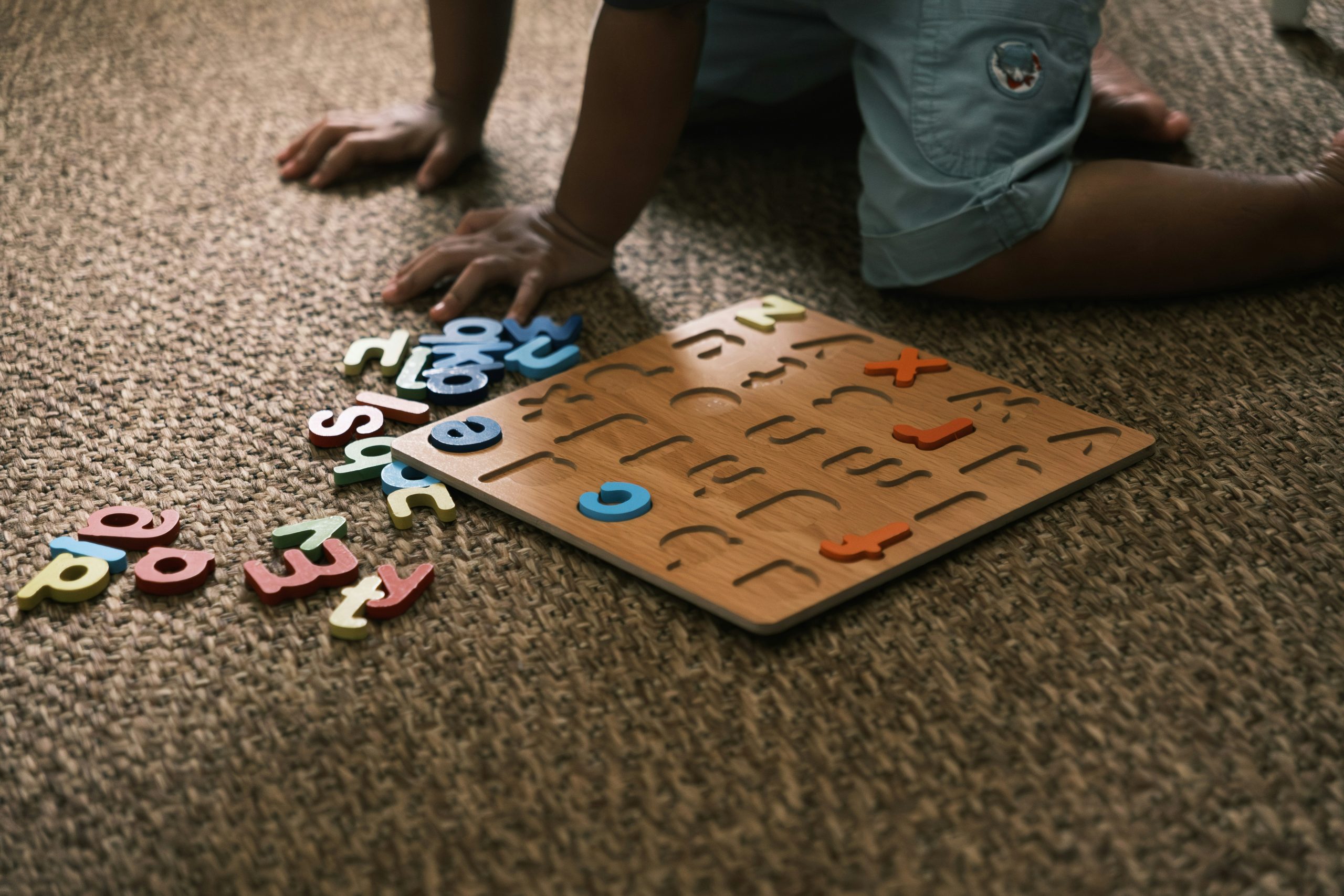
Early childhood puzzle play is associated with the development of spatial skills such as spatial perception, mental rotation, and spatial visualization. Children’s ability to spatially visualize, mentally rotate, and/or move objects around in a physical space is referred to as their spatial skill(s). The use of spatial skills allows children to view objects or ideas from multiple directions and perspectives, to interpret visual aids/diagrams, and to navigate through their physical environment by identifying paths/routes from point A to point B. Research has shown that early spatial skills are predictive of participation in STEM-related (Science, Technology, Engineering, and Math) career choices. Children’s spatial ability is malleable during early childhood development; therefore, early interventions can contribute towards improved spatial performance later in life. Researchers have explored various ways to develop spatial reasoning in young children through engaging activities, one of the main ways to do so is through puzzle play. Puzzle play can be described as a structured, creative type of play that requires children to identify relationships between parts and the whole. A puzzle can be defined as a closed-ended spatial manipulation task, where there is a specific goal and a set of rules. Model-based block constructions require children to translate two-dimensional representations into three-dimensional actions. This paper presents a narrative review of peer‑reviewed studies published between 2008 and 2024 that examine associations between early puzzle‑like spatial play (including jigsaw puzzles, tangrams, and model‑based block play) and children’s spatial skills in early and middle childhood.
Keywords: spatial skills, mental rotation, spatial visualization, puzzle play, block play, tangrams, early childhood development, spatial cognition, STEM readiness, guided play
Introduction
Spatial skills refer to the ability to visualize, rotate, reason, navigate environments, and things in space. The ability to see and think about an object from various points of view, to interpret pictures or diagrams, and to move through a world filled with physical obstacles all rely on the presence of spatial skills1. Research indicates that the quality of spatial skills is a good predictor of future success in STEM-related disciplines2. Spatial reasoning can be developed malleably in early childhood, and several long-term longitudinal studies have shown that early childhood performance in spatial reasoning can cultivate later career success in STEM-related careers1,3. One type of activity that has been found to be effective at enhancing the development of spatial reasoning in young children is puzzle play4,5.
Puzzle play can be described as a structured yet creative form of children’s play that allows children to learn to perceive relationships between individual parts and whole, while working toward achieving a pre-specified goal according to a pre-determined set of rules. Puzzle play can be defined as a closed-end spatial manipulation task that has a predetermined objective and a pre-defined set of rules. An example of a puzzle would be a jigsaw puzzle, a tangram puzzle, or a model-based block construction, and translating a two-dimensional representation into a three-dimensional action4,5,6. Such activities engage core spatial processes, including mental rotation, spatial visualization, and pattern recognition, and makes puzzle play a theoretically plausible context for reinforcing spatial skill development4,7.
The purpose of this literature review is to examine whether early childhood puzzle play can improve children’s spatial abilities and has been linked to later STEM-related career success. Rather than assuming a direct causal pathway from puzzle play to STEM careers, this review focuses on mapping how different forms of puzzle play relate to spatial skills and on evaluating the methodological strengths and limitations of the existing evidence that associate relationship of early spatial skills with the success of future STEM-related careers.
Classic cognitive development theories, such as Piagetian theory, can help explain how children develop spatial knowledge in the early years of life. Children construct spatial concepts based on physical object manipulation and develop mental images to coordinate those manipulations. As they work with objects like blocks, puzzles, and other materials, they gradually move from simple ideas to more sophisticated understandings of shape and perspective8. Vygotsky’s sociocultural theory adds that much of cognitive learning unfolds through social interaction. Guided interaction and scaffolding, such as adults’ spatial language and questioning during puzzle and block play can extend children’s spatial thinking. Although children remain in control of the activity, these prompts from advisors help them notice new alignments, rotations, and things they might not discover on their own9. This theoretically grounded perspective offers a rich conceptual lens for investigating how early spatial experiences relate to the development of spatial skills and can contribute to future STEM-related careers.
Methods
This paper follows a narrative literature review methodology focused on peer-reviewed research published between 2008 and 2024 to examine the link between early spatial play and future STEM-related careers. The primary databases searched were APA PsycINFO, ERIC, Web of Science, Scopus, and JSTOR; Google Scholar was used as a supplementary source to identify additional and in‑press articles. The selected databases were chosen because they offer broad coverage of developmental psychology, education, cognitive science, and related fields where spatial and STEM‑related research is typically published.
The search strings used were combined of three groups of terms using Boolean operators and quotation marks for all phrases: (1) spatial play terms: “puzzle play” OR “jigsaw puzzle” OR “tangram” OR “block play” OR “construction toy”; (2) spatial outcome terms: “spatial skills” OR “spatial ability” OR “mental rotation” OR “spatial visualization” OR “spatial scaling” OR “spatial reasoning”; and (3) population/education terms: “child reasoning” OR “preschool” OR “early childhood” OR “primary school” with STEM‑related terms (“mathematics,” “science,” “STEM readiness”). Duplicates were removed, and titles and abstracts were screened to exclude clearly irrelevant records (e.g., adult‑only samples, studies focusing solely on non‑spatial games, or non‑empirical reports).
Research studies were considered eligible for review if they examined the association between early childhood spatial play with puzzles, blocks, tangrams, or other similar manipulatives and either cognitive or academic results. The review included both observation and correlational studies, experimental or quasi‑experimental interventions as well as meta-analysis studies that explicitly examined spatial training in childhood and outcomes associated with education and cognitive abilities. Additionally, quantitative studies were preferred. For each included study, various factors like country, sample characteristics (size, age, setting), type of spatial play, study design, outcome measures (spatial and academic), and key covariates controlled (e.g., SES, parental education, baseline spatial/verbal ability) were recorded. Study quality was appraised with an adapted checklist assessing selection procedures, validity of play/outcome measures, and confound control, rated as low, unclear, or high risk. Finally, a thematic narrative synthesis was conducted by study design and play type, and highlighted consistent patterns and trends, possible mediators, and any gaps in causal and generalizable evidence.
Results
Following a database search and backward citation tracking, a total of 28 peer-reviewed articles met the inclusion criteria for this narrative review. Studies were eligible for inclusion if they (a) examined puzzle play, block play, or closely related spatial manipulatives; (b) reported at least one quantitative measure of spatial skills or a related cognitive/academic outcome; and (c) involved children (0-12) in an educational setting or developmental contexts. Articles were excluded from consideration if they (a) exclusively investigated older adolescents or adult populations; (b) focused on non-spatial games lacking a clear spatial component; or (c) lacked sufficient details regarding methodology to allow interpretation of results.
Among these, 10 employed experimental or quasi-experimental designs testing structured interventions like block building10,11, puzzle play4,12, or spatial training programs13,14,15, consistently reporting medium-to-large gains in spatial transformation, visualization, and math reasoning. 14 were correlational or longitudinal studies, which explored the frequency of free play with blocks/puzzles to stronger spatial and arithmetic performance from preschool through primary years5,6,16,17,18. Five meta-analyses or large-scale reviewsconfirmed spatial malleability via play-based training, with effects transferable to STEM domains across SES and gender1,3,19. Neuroimaging work highlighted parietal activation patterns supporting visuospatial integration during construction tasks20,21,22,23.
Study quality was informally assessed Study quality was informally assessed via sample size, control for confounders like baseline ability/SES24, and play specificity25,26.
Though not a full systematic review, the process followed the PRISMA protocol for transparency. The search, screen, and report components of this review were closely aligned with PRISMA guidelines (i.e., explicit inclusion/exclusion criteria and clear descriptions of study type).
A common theme emerged among all 28 studies: a consistent pattern held that structured spatial play positively enhances visuospatial skills and executive outcomes. Furthermore, spatial skills can be reliably trained across a variety of age groups and contexts.
| Reference | Sample (Age, N, Setting) | Type of Spatial Play / Training | Design | Main Spatial / Academic Outcomes | Key Covariates / Notes |
| 25 | 5–6 years, preschool, N≈60, Turkey | Block play program | Quasi‑experimental | Block play improved creativity (fluency, flexibility, originality) | Focus on creativity; limited direct spatial measures |
| ((Z. Alkouri. Developing spatial abilities in young children: Implications for early childhood education. Cogent Education, 9(1) (2022).)) | Conceptual paper, early childhood | Review of spatial activities (puzzles, blocks, maps, etc.) | Narrative review | Argues for integrating spatial experiences into early childhood education | Theoretical; no original data |
| 26 | Preschool children, N≈60–80, Turkey | 2D puzzles with varying design complexity | Quasi‑experimental | More complex designs linked to better motor and cognitive outcomes | Limited control for SES; focus on design features |
| 10 | Kindergarten children, US, N≈70–80 | Guided block‑building intervention | Experimental / quasi‑experimental | Improved spatial visualization and block construction skills vs comparison | Classroom‑based; short‑term follow‑up |
| 17 | Girls, Grade 1–5, N≈150, US | Spatial skills and arithmetic strategies (no specific play) | Longitudinal correlational | Grade‑1 spatial skills predicted Grade‑5 analytical math reasoning | Considered SES and baseline ability |
| 13 | 6–8 years, primary school, N≈60–80 | Computerized spatial training (rotations/transformations) | Experimental | Training improved number‑line estimation and proportional reasoning | Controlled pre‑test math and spatial scores |
| 20 | 5–11 years, N≈30–40 | Visual‑spatial construction task in scanner | Experimental neuroimaging | Bilateral parietal activation for complex visuospatial construction | Developmental comparison with adults |
| 16 | Primary school children, N≈150–200, UK | General spatial tasks (not specific play) | Longitudinal correlational | Bidirectional relations between spatial cognition and math achievement | Controlled age and verbal ability |
| ((Z. Alkouri. Developing spatial abilities in young children: Implications for early childhood education. Cogent Education, 9(1) (2022).)) | Children and adults (various ages), multiple datasets | Mental rotation, symbolic number, arithmetic tasks | fMRI meta‑analysis | Overlapping parietal activation for spatial and numerical tasks | Neural evidence for shared networks |
| 24 | Children across age, SES, and gender, N>300 | Battery of spatial and math tasks | Cross‑sectional correlational | Spatial–math association robust across age, SES, gender | Explicit SES and gender comparisons |
| 14 | 6–15 years, ~17,000 children | Digital spatial cognition training program | Large randomized controlled trial | Spatial training enhanced mathematics learning across diverse groups | Age, SES, and country examined as moderators |
| 6 | 3–7 years, large US sample, N>1,000 | Parent‑reported block and construction toy play | Correlational | More construction play associated with higher spatial visualization | Controlled verbal and math ability |
| 27 | Early childhood, MaGrid app users, N≈200 | Tablet‑based spatial games | Correlational / validation | Identified hierarchical structure of early visuospatial subskills | Focus on taxonomy, not STEM outcomes |
| 4 | 26–54 months, N=53, home observations | Naturalistic jigsaw puzzle play at home | Longitudinal correlational | Frequency/quality of puzzle play associated with later spatial transformation skills | Controlled SES, parental education, parental spatial language |
| 28 | Primary school children, N≈200 | Standardized spatial and math tasks | Correlational / decomposition analysis | Different spatial subskills (rotation, visualization, scaling) related differently to math outcomes | Highlights need to distinguish spatial components |
| 12 | 4–6 years, preschool, Indonesia, N≈30–40 | Structured puzzle‑playing method | Quasi‑experimental | Intervention group showed higher cognitive development scores than controls | Classroom setting; no long‑term follow‑up |
| 7 | Early childhood, developmental review | Spatial learning and education | Theoretical/review | Outlines why and how to teach spatial skills early; links to curricula | Synthesises multiple empirical findings |
| 29 | Infancy through childhood, handbook chapter | Spatial development broadly | Review | Summarises mechanisms, variability, and educational implications | Provides overarching developmental framework |
| 21 | 8‑year‑olds, N≈50–60 | Block‑building vs board‑game play (fMRI) | Experimental neuroimaging | Block play selectively activated parietal regions tied to spatial processing | Compared different play contexts |
| 15 | 4–5 years, under‑resourced preschoolers, N≈100 | Spatial apps vs concrete manipulatives with guidance | Experimental | Both formats improved spatial skills; concrete + adult spatial language gave deeper conceptual gains | Low‑SES sample; format comparison |
| 23 | Children and adults, N≈40–60 | Complex visuospatial functions (neuroimaging tasks) | Experimental neuroimaging | Bilateral parietal involvement in high‑level visuospatial functions | Focus on brain activation patterns |
| 11 | 38–69 months, N=59, preschool, US | Semi‑structured block‑play curriculum | Randomized controlled trial | Improved early mathematics and executive functioning, especially for lower‑education families | Tested parent‑education SES as moderator |
| 19 | School and college populations, various N | Spatial training in STEM‑relevant contexts | Narrative review | Spatial training can improve STEM performance, especially when aligned with curricular demands | Discusses transfer and boundary conditions |
| ((D. H. Uttal, N. G. Meadow, E. Tipton, L. L. Hand, A. R. Alden, C. Warren, & N. S. Newcombe. The malleability of spatial skills: A meta-analysis of training studies. Psychological Bulletin, 139(2), 352–402 (2013).)) | Multiple child/adult samples across studies | Various spatial training (including puzzles, blocks, software) | Meta‑analysis | Spatial skills are malleable; moderate‑to‑large training effects that generalise to some untrained tasks | Analysed moderators; discussed publication bias |
| ((B. N. Verdine, R. M. Golinkoff, K. Hirsh-Pasek, & N. S. Newcombe. Blocks, puzzles, and shapes: The effects of preschool spatial play on children’s spatial and early mathematics skills. Early Childhood Research Quarterly, 29(3), 341–351 (2014).)) | Preschoolers, N≈100–150, US | Blocks, puzzles, and shape toys | Correlational / short‑term longitudinal | Spatial play predicted spatial skills and early mathematics performance | Considered SES, language, executive function |
| ((J. Wai, D. Lubinski, & C. P. Benbow. Spatial ability for STEM domains: Aligning over 50 years of cumulative psychological knowledge solidifies its importance. Journal of Educational Psychology, 101(4), 817–835 (2009).)) | Longitudinal, large US cohorts | General spatial ability (standard tests) | Longitudinal correlational | Spatial ability predicted entry into and success in STEM fields | No direct puzzle measures; long‑term tracking |
| 30 | Preschoolers, N≈40–60 | Mental rotation task with fNIRS | Experimental | Higher working memory capacity linked to stronger spatial‑task activation | Examined working memory as a moderator |
| ((W. Yang, H. Liu, N. Chen, P. Xu, & X. Lin. Is early spatial skills training effective? A meta-analysis. Frontiers in Psychology, 11, 1938 (2020).)) | Children 0–8 years across many studies | Early spatial skills training (various tasks, incl. puzzles/blocks) | Meta‑analysis | Substantial overall training effect; age, training type, and setting not significant moderators | Calls for more diverse samples and better reporting |
| 18 | Preschoolers, N≈100, China | Free block building | Correlational | Stronger spatial skills associated with more complex block structures | Suggests reciprocal link between skill and construction complexity |
Discussion
Literature consistently highlights the link between structured play and children’s spatial skills. Levine and coworkers observed that preschoolers who frequently engaged in challenging rotation puzzle play at home performed better on later mental transformation tasks, even after accounting for socioeconomic factors such as parental income, language, and education level4. Casey and coworkers reported that block building intervention improved their kindergartners’ spatial visualization10. Schmitt and coworkers found that guided block play enhanced both early mathematics and executive functioning11. Meta-analytic work by Uttal and coworkers and Yang and coworkers confirmed that spatial training interventions often delivered through puzzles, blocks, or mental rotations tasks yield positive improvements emerging when activities involve guidance by adults who use spatial language1,3. Collectively, these findings suggest that early, intentional puzzle play uniquely supports the development of flexible spatial cognition and lays out the groundwork for later learning in STEM.
A study by Mulyana, Nurcahyani and coworkers observed a structured preschool setting, where a puzzle‑play method significantly improved cognitive development scores in 4–6‑year‑olds compared with regular classroom activities12. Alkouri argued, from a conceptual perspective, that such early rotation‑heavy tasks help children form mental representations of objects in space, which are foundational for later geometry and problem solving22. Verdine and coworkers further linked children’s engagement with puzzles and shape toys to improved spatial skills and early math readiness, which indicates that even simple flat puzzles in preschool can have a measurable academic impact5. This also suggests that spatial interventions may partly work by strengthening planning and cognitive flexibility. Moreover, Zhang and coworkers demonstrated that preschoolers with better spatial skills built more complex block structures, pointing to a reciprocal link between spatial ability and construction complexity18.
Aral and coworkers showed that puzzle design features (piece shape, fit demands) were linked to gains in fine‑motor and cognitive development, indicating that not all puzzles are equally beneficial and that rotation and shape‑matching demands matter26. Furthermore, Aral and coworkers reported that children working with more complex 2D puzzles demonstrated better overall cognitive and motor outcomes than peers using simpler designs, implying that the cognitive load of aligning and rotating pieces supports spatial growth26.
Yang and coworkers observed in a meta-analysis that early childhood interventions involving 2D spatial tasks, including tangram‑like activities, yielded especially strong gains that were particularly effective during the preschool years, when play was guided and when tasks required flexible matching of parts to wholes3.
Block play offers an additional pathway to puzzle play for the development of spatial reasoning. Schmitt and coworkers demonstrated that a structured block‑play curriculum improved preschool children’s mathematics and executive functioning, which suggests that block play can serve as a dual‑purpose tool for cognitive and academic growth11. Newman and coworkers utilized fMRI to compare the impact of block building versus board games and found that block play selectively activated parietal regions tied to spatial processing21. This supports the idea that construction toys uniquely exercise visuospatial networks. Moreover, Aksoy and Belgin Aksoy reported that block play also nurtures creativity, with children in a block‑play program showing higher divergent thinking scores25. This indicates that construction tasks encourage flexible idea generation alongside spatial skills.
Casey and coworkers discussed that first‑grade girls’ spatial skills and arithmetic strategies predict fifth‑grade analytical math reasoning, including complex word problems17. This underscores the importance of early spatial support for later higher‑order math. Jirout, Newcombe and coworkers reported that frequent engagement with block-building was associated with higher spatial visualization scores, even when accounting for verbal ability and mathematical ability6. The authors suggested that 3D models contribute uniquely and were helpful in internalizing the geometric concepts of symmetry, balance, and proportionality.
Johnson and coworkers examined spatial and math skills across age, SES, and gender, and found that while levels differed by demographic factors, the link between spatial and math performance was consistently positive, which shows spatial training as a potentially equitable support for STEM-related future careers24.
Stieff, Uttal, and coworkers summarized evidence that spatial training improves STEM performance, especially when training tasks share structure with target academic content, such as using spatial diagrams in science19. Wai and coworkers synthesized longitudinal data and showed that individuals with higher spatial ability in youth were more likely to enter and succeed in STEM fields, arguing that early spatial experiences may have long‑term educational and occupational consequences2. Judd, Klingberg and coworkers provided particularly strong causal evidence by training spatial skills in a sample of roughly 17,000 children and demonstrating reliable improvements in mathematics learning outcomes across diverse groups14. Möhring and coworkers decomposed spatial skills into components such as mental rotation, visualization, and scaling, and showed that these subskills relate differently to specific math outcomes, suggesting that some forms of spatial play may be especially well‑suited to certain mathematical concepts28.
Hawes and coworkers conducted an fMRI meta‑analysis showing overlapping activation in parietal regions during symbolic number tasks, arithmetic, and mental rotation, supporting the view that common neural systems underlie spatial and numerical processing31. Ferrara and coworkers and Santarnecchi and coworkers found that complex visuospatial construction tasks in children engage bilateral parietal regions involved in integrating spatial information, and that this bilateral pattern resembles that of adults, challenging earlier claims of strictly right‑hemisphere specialization20,23. Wu and coworkers used fNIRS with preschoolers and observed that children with higher working memory capacity showed stronger activation during mental rotation, indicating that executive resources and spatial processing interact from an early age30.
Comprehensive reviews by Newcombe, Frick and coworkers and Newcombe, Uttal, and Sauter summarized spatial development from infancy through childhood, arguing that spatial skills are built through cumulative experiences with objects, language, and symbolic tools, and that education should deliberately foster these experiences7,29. Alkouri emphasized that early childhood classrooms can play a central role by embedding spatially rich activities such as puzzles, block constructions, and map or drawing tasks into everyday routines, rather than treating them as optional extras22.
Some studies directly compared or combined digital and concrete spatial tools. Jung and coworkers used the MaGrid app to assess and train specific spatial subskills (e.g., mental rotation, perspective taking) in tablet‑based tasks, showing that digital activities can provide precise, game‑like practice with clear developmental progressions27. Polinsky, Haden, and Levin compared digital apps and physical materials in preschoolers from under‑resourced backgrounds and found that both formats improved spatial performance, but concrete manipulatives paired with adult spatial language often supported deeper conceptual understanding and transfer15. These findings suggest that digital tools can complement, but not fully replace, hands‑on block and puzzle play, especially for young children.
Practical Implications
The findings from this literature review suggest that structured puzzle play in early childhood, when used intentionally, can support the development of spatial skills that can contribute towards later success in STEM-related careers. The results of this work could therefore be utilized in several ways. First, because multiple studies and meta‑analyses show that spatial skills are malleable and can be strengthened through hands‑on tasks (e.g., puzzles, blocks, spatial apps), educators in early‑years settings can offer a variety of age‑appropriate spatial activities during classroom activities to support spatial thinking. Second, findings that guided play and spatial language often enhance training effects suggest that educators and caregivers might focus less on the specific brand or type of puzzle and more on how they interact with children during these activities. , Third, clinicians and early-intervention specialists, such as pediatric occupational therapists and educational or school psychologists, may also recommend puzzle play as an accessible tool within broader programs designed to support children who show early spatial weaknesses or who are at risk for later academic difficulties in math and science.
Although longitudinal studies link stronger early spatial skills to later math and STEM outcomes, the current evidence base mostly establishes associations and short‑ to medium‑term improvements, so any recommendations for using puzzles and blocks in curricula should be framed as promising supports for spatial development rather than as guaranteed pathways to STEM achievement.
Limitations
The findings of this review should be considered in the context of its several limitations. For instance, many included studies are correlational or short-term interventions rather than causal, making it difficult to determine whether puzzle play itself produces gains in spatial ability or whether an external confounding factor is more influential. Another limitation is that participant samples are often relatively small and are most commonly comprised of families with higher socioeconomic status or higher parental education, which limits how widely the findings can be generalized. Further, Sample sizes in individual studies are often skewed toward Western culture, which restricts how confidently the results can be generalized to more diverse cultural contexts. Furthermore, there is a risk of publication bias, as studies that find strong positive effects of puzzle or block play on spatial skills may be more likely to be published than studies reporting null or mixed results. In addition, studies use different measures of both “puzzle play” and “spatial ability,” and they rarely follow children long enough to directly connect early puzzle play to concrete STEM outcomes such as course choices or career paths.
Future Directions
Future research should use larger longitudinal and experimental randomized trials that assign children to various forms of puzzle-play based on intervention design and follow them into later childhood or adolescence. Such a randomized nature of such designs would help clarify whether specific forms of puzzle play cause an increase in both spatial skills and engagement in STEM fields.
In addition, researchers should consider including more diverse populations of children across economic, cultural, and linguistic lines to evaluate if there are some children who require modifications to puzzle-based interventions in order to produce similar levels of engagement and/or skills improvement. Further research could investigate the specific characteristics of puzzles (i.e., 2-D v. 3-D; Physical v. Digital; Free Play v. Structured Instruction), as well as the type of support provided by adults (i.e., spatial language; Growth-Mindset Feedback) that result in the greatest number of benefits for the greatest number of children.
In summary, future research should use more consistent, theory‑driven measures of spatial subskills and track their links to later academic outcomes in math and related subjects. Rather than treating early puzzle play as a simple predictor of STEM careers, this line of work can more carefully map how different spatial experiences feed into specific cognitive skills and learning processes over time.
Conclusion
In conclusion, the literature evaluated in this narrative review demonstrates consistent association between early puzzle play with stronger spatial abilities, specifically those involving mental rotation and spatial visualization that are foundational for STEM-related learning. Although there are certainly gaps within the current literature regarding puzzle play, it appears that puzzle play provides a means to provide young children with multiple spatial challenges prior to entering formal education at no greater cost than providing other forms of play. It is also essential to recognize that caution must be taken when evaluating the current body of research due to the fact that most of the research to date has been unable to control for potential confounds related to family background and educational experiences. Overall, the cumulative body of research related to puzzle play provides one additional viable approach (among many others) to promote the spatial development of young children and provide increased accessibility to later STEM-related opportunities, rather than as a guaranteed “route” into STEM pathways.
References
- D. H. Uttal, N. G. Meadow, E. Tipton, L. L. Hand, A. R. Alden, C. Warren, & N. S. Newcombe. The malleability of spatial skills: A meta-analysis of training studies. Psychological Bulletin, 139(2), 352–402 (2013). [↩] [↩] [↩] [↩]
- J. Wai, D. Lubinski, & C. P. Benbow. Spatial ability for STEM domains: Aligning over 50 years of cumulative psychological knowledge solidifies its importance. Journal of Educational Psychology, 101(4), 817–835 (2009). [↩] [↩]
- W. Yang, H. Liu, N. Chen, P. Xu, & X. Lin. Is early spatial skills training effective? A meta-analysis. Frontiers in Psychology, 11, 1938 (2020). [↩] [↩] [↩] [↩]
- S. C. Levine, K. R. Ratliff, J. Huttenlocher, & J. Cannon. Early puzzle play: A predictor of preschoolers’ spatial transformation skill. Developmental Psychology, 48(2), 530–542 (2012). [↩] [↩] [↩] [↩] [↩] [↩]
- B. N. Verdine, R. M. Golinkoff, K. Hirsh-Pasek, & N. S. Newcombe. Blocks, puzzles, and shapes: The effects of preschool spatial play on children’s spatial and early mathematics skills. Early Childhood Research Quarterly, 29(3), 341–351 (2014). [↩] [↩] [↩] [↩]
- J. Jirout, & N. S. Newcombe. Building blocks for developing spatial skills: Evidence from a large, representative U.S. sample. Psychological Science, 26(3), 302–310 (2015). [↩] [↩] [↩] [↩]
- N. S. Newcombe, & A. Frick. Early education for spatial intelligence: Why, what, and how. Mind, Brain, and Education, 4(3), 102–111 (2010). [↩] [↩] [↩]
- J. Piaget. The origins of intelligence in children. International Universities Press (1952). [↩]
- L. S. Vygotsky. Mind in society: The development of higher psychological processes. Harvard University Press (1978). [↩]
- B. M. Casey, N. Andrews, H. Schindler, J. E. Kersh, A. Samper, & J. Copley. The development of spatial skills through interventions involving block building activities. Cognition and Instruction, 26(3), 269–309 (2008). [↩] [↩] [↩]
- S. A. Schmitt, I. Korucu, A. R. Napoli, L. M. Bryant, & D. J. Purpura. Using block play to enhance preschool children’s mathematics and executive functioning: A randomized controlled trial. Early Childhood Research Quarterly, 44, 181–191 (2018). [↩] [↩] [↩] [↩]
- A. Mulyana, & N. Nurcahyani. The effect of the puzzle playing method on improving the cognitive development of children aged 4–6 years. KnE Life Sciences, 7(2) (2022). [↩] [↩] [↩]
- Y.-L. Cheng, & K. S. Mix. Spatial training improves children’s mathematics ability. Journal of Cognition and Development, 15(1), 2–11 (2012). [↩] [↩]
- N. Judd, & T. Klingberg. Training spatial cognition enhances mathematical learning in a randomized study of 17,000 children. Nature Human Behaviour, 5(11), 1548–1554 (2021). [↩] [↩] [↩]
- N. Polinsky, C. A. Haden, & S. C. Levine. Enhancing spatial skills of preschoolers from under-resourced backgrounds: A comparison of digital apps and concrete materials. Developmental Science, 25(2), e13148 (2022). [↩] [↩] [↩]
- K. A. Gilligan, A. Hodgkiss, M. S. C. Thomas, & E. K. Farran. The developmental relations between spatial cognition and mathematics achievement in primary school children. Developmental Science, 22(4), e12786 (2019). [↩] [↩]
- B. M. Casey, C. M. Lombardi, A. Pollock, B. Fineman, & E. Pezaris. Girls’ spatial skills and arithmetic strategies in first grade as predictors of fifth-grade analytical math reasoning. Journal of Cognition and Development, 18(5), 530–555 (2017). [↩] [↩] [↩]
- X. Zhang, C. Chen, T. Yang, & X. Xu. Spatial skills associated with block-building complexity in preschoolers. Frontiers in Psychology, 11, 563493 (2020). [↩] [↩] [↩]
- M. Stieff, & D. H. Uttal. How much can spatial training improve STEM achievement? Educational Psychology Review, 27(4), 633–647 (2015). [↩] [↩] [↩]
- K. Ferrara, A. Seydell-Greenwald, C. E. Chambers, E. L. Newport, & B. Landau. Development of bilateral parietal activation for complex visual-spatial function: Evidence from a visual-spatial construction task. Developmental Science, 24(5), e13067 (2021). [↩] [↩] [↩]
- S. D. Newman, M. T. Hansen, & A. Gutierrez. An fMRI study of the impact of block building and board games on spatial ability. Frontiers in Psychology, 7, 1278 (2016). [↩] [↩] [↩]
- Z. Alkouri. Developing spatial abilities in young children: Implications for early childhood education. Cogent Education, 9(1) (2022). [↩] [↩] [↩]
- E. Santarnecchi, et al. Development of bilateral parietal activation for complex visual–spatial functions. NeuroImage, 219, 117021 (2020). [↩] [↩] [↩]
- T. Johnson, A. P. Burgoyne, K. S. Mix, C. J. Young, & S. C. Levine. Spatial and mathematics skills: Similarities and differences related to age, SES, and gender. Cognition, 218, 104918 (2021). [↩] [↩] [↩]
- M. Aksoy, & A. Belgin Aksoy. An investigation on the effects of block play on the creativity of children. Early Child Development and Care, 193(1), 139–158 (2023). [↩] [↩] [↩]
- N. Aral, F. Gürsoy, & M. C. Yaşar. An investigation of the effect of puzzle design on children’s development areas. Procedia – Social and Behavioral Sciences, 51, 228–233 (2012). [↩] [↩] [↩] [↩]
- S. Jung, A. Meinhardt, D. Braeuning, S. Roesch, V. Cornu, T. Pazouki, C. Schiltz, J. Lonnemann, & K. Moeller. Hierarchical development of early visual-spatial abilities – A taxonomy based assessment using the MaGrid app. Frontiers in Psychology, 11, 519138 (2020). [↩] [↩]
- W. Möhring, L. Moll, & M. Szubielska. Unpacking associations among children’s spatial skills, mathematics, and arithmetic strategies: Decomposition matters. Psychological Research, 88(5), 1550 (2024). [↩] [↩]
- Newcombe, N. S., Uttal, D. H., & Sauter, M. Spatial development. In P. D. Zelazo (Ed.), *The Oxford handbook of developmental psychology: Vol. 1. Body and mind* (pp. 564–590). Oxford University Press (2013). [↩] [↩]
- R. Wu, J. Yang, C. Chen, D. Song, J. A. Deocampo, & J.-F. Hu. Neural correlates of mental rotation in preschoolers with high or low working memory capacity: An fNIRS study. Frontiers in Psychology, 11, 568382 (2020). [↩] [↩]
- Z. Hawes, H. M. Sokolowski, J. F. Moser, & D. Ansari. Neural underpinnings of numerical and spatial cognition: An fMRI meta-analysis of brain regions associated with symbolic number, arithmetic, and mental rotation. Neuroscience & Biobehavioral Reviews, 103, 316–337 (2019). [↩]