Abstract
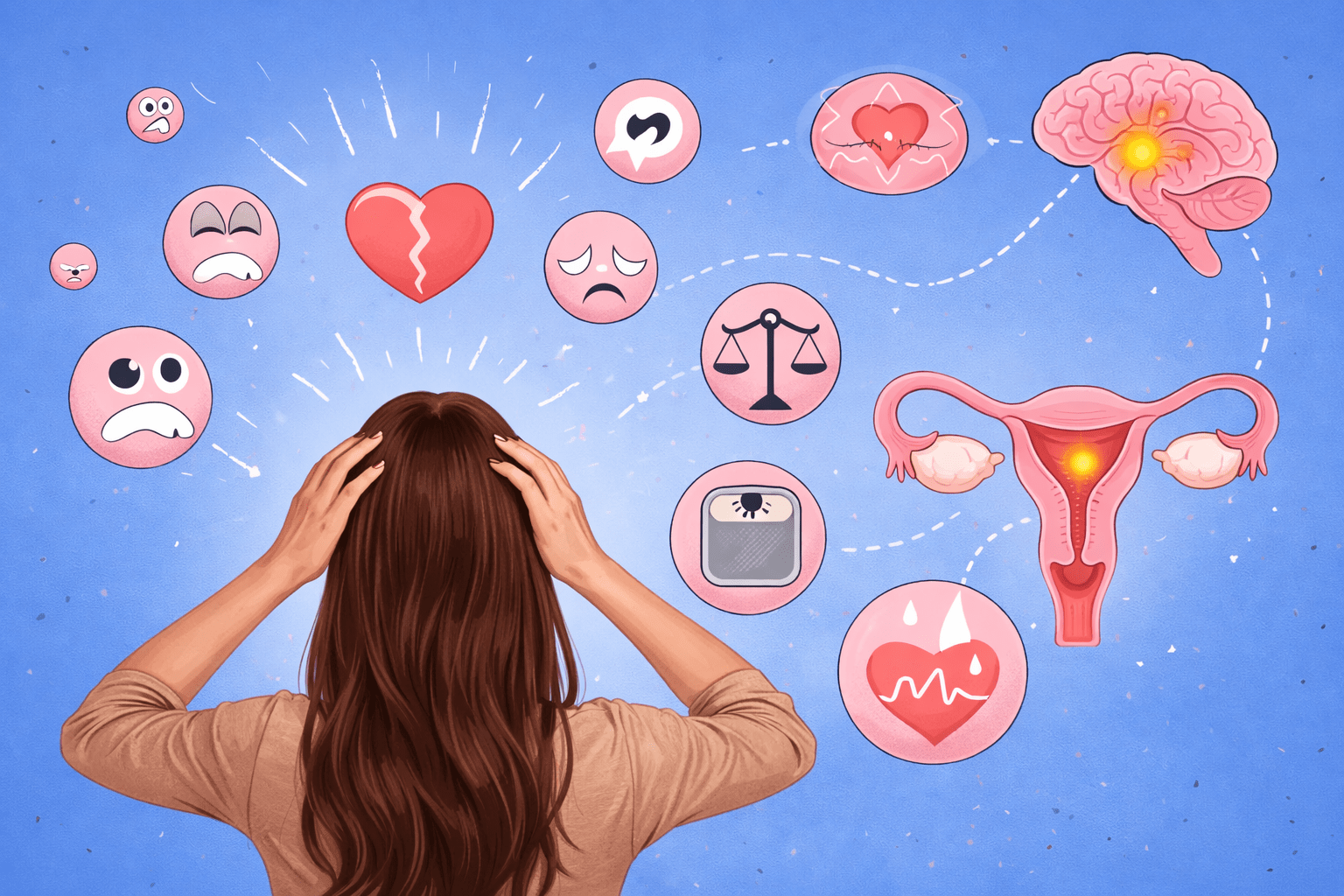
Functional hypothalamic amenorrhea (FHA) is a major cause of reversible menstrual disruption in adolescents and young women, yet its psychological causes are often overlooked. This narrative review summarizes primary studies published from 2000–2025 to examine how anxiety, depression, and disordered eating behaviors contribute to FHA in women aged 15–25. Relevant research was identified through PubMed, PsycINFO, and Google Scholar using terms related to FHA, psychological stress, and eating behavior. Eligible studies included observational and clinical research describing hormonal, metabolic, or psychological mechanisms linked to FHA. Across the literature, several consistent patterns appeared. Energy deficiency, cognitive traits such as perfectionism or body-image anxiety, and chronic activation of the stress response system were frequently associated with lower GnRH pulsatility, reduced LH/FSH levels, and menstrual suppression. Studies also show that young women with anxiety, depressive symptoms, or disordered eating habits have a much higher risk of cycle irregularities and FHA-related hormonal changes. Even with these findings, important gaps remain, especially in research on how multiple psychological conditions interact and in long-term studies tracking recovery. By bringing together current evidence, this review clarifies how psychological factors influence FHA and highlights the need for care models that combine medical and mental-health approaches. Understanding these pathways is essential for improving early detection, guiding treatment, and supporting long-term reproductive and emotional health in young women.
Keywords: functional hypothalamic amenorrhea; anxiety; depression; disordered eating; young women; menstrual irregularity
Introduction
Functional hypothalamic amenorrhea (FHA) is one of the most common causes of reversible menstrual disruption in adolescents and young women1. It is estimated that 20–35% of clinically diagnosed amenorrhea cases in this age group are attributed to FHA2.
FHA occurs when menstrual cycles stop after previously being regular, in the absence of an identifiable anatomical or organic cause. Disruptions in hypothalamic signaling lead to reduced release of gonadotropin-releasing hormone (GnRH), lowering luteinizing hormone (LH) and follicle-stimulating hormone (FSH) levels and impairing ovulation and menstruation3.
Research has long established that FHA can develop in response to physiological stressors such as malnutrition, excessive exercise, and low energy availability4,5.
However, despite strong evidence linking physiological pressures to FHA, far fewer studies have examined how psychological stressors interact with the hypothalamic pituitary gonadal (HPG) axis in young women6. Emerging research suggests that anxiety, depressive symptoms, and disordered eating behaviors may contribute to or intensify the hormonal disruptions seen in FHA, yet the combined effects of these psychological factors remain underexamined. This gap is concerning because psychological distress is highly prevalent among adolescents and young adults, a population already at increased risk for menstrual irregularities. Because the 15–25 age range spans both adolescents and fully mature young adults, physiological differences must be considered. Adolescents (ages 15–17) are still undergoing maturation of the hypothalamic pituitary gonadal axis, while women aged 18–25 have already reached hormonal stability. This review includes both groups but interprets findings with these developmental differences in mind.
This review synthesizes existing research on the psychological contributors to FHA in women aged 15–25, with emphasis on anxiety, depression, and disordered eating. The goal is to clarify how these factors influence FHA and to highlight the importance of integrating mental health awareness into clinical approaches. The scope of this review is limited to psychosocial influences on FHA; organic causes and treatment interventions are not addressed. A limitation of this work is its reliance on previously published research, which may introduce publication bias and restrict the range of available data.
This review is guided by the biopsychosocial framework, which views FHA as the outcome of interacting physiological, psychological, and social factors. The methodology follows a narrative review approach, using peer-reviewed research to evaluate associations between psychological variables and FHA. Because the studies synthesized here are primarily observational, all relationships described in this review should be interpreted as associations rather than definitive causal effects.
Methods
This study uses a narrative review approach to synthesize existing research on the psychological factors associated with functional hypothalamic amenorrhea (FHA) in young women. Searches were conducted across PubMed, PsycINFO, and Google Scholar using combinations of terms related to “functional hypothalamic amenorrhea,” “anxiety,” “depression,” “stress,” “eating disorders,” and “psychological factors”. As this review followed a narrative rather than systematic methodology, MeSH and database-specific controlled vocabulary were used only to refine searches, not to construct an exhaustive binary strategy. Supplemental MeSH terms used included “Amenorrhea,” “Hypothalamic Diseases,” “Eating Disorders,” “Stress, Psychological,” and “Anxiety Disorders.” Searches combined free-text terms with MeSH headings to identify relevant primary studies without applying systematic review constraints. Articles published between 2000 and 2025 were considered. Eligible sources included peer-reviewed primary studies such as observational research, clinical investigations, and endocrine studies that examined psychological or behavioral contributors to FHA. Narrative reviews are interpretive and conceptual in design rather than quantitative or exhaustive, and therefore do not require PRISMA flowcharts7.
Because the included age range spans mid-adolescence to early adulthood, studies involving participants aged 15–17 were interpreted with caution due to ongoing maturation of the hypothalamic pituitary gonadal axis. Findings from adolescent and young adult samples were not treated as physiologically equivalent unless explicitly supported by study data2.
Studies were included if they examined FHA or stress-related menstrual dysfunction, assessed psychological variables such as anxiety, depressive symptoms, or disordered eating and involved populations within or overlapping with the 15–25 age range. Studies focusing on organic or anatomical causes of amenorrhea, unrelated menstrual disorders, or menopause were excluded. The initial search identified approximately 265 records across all databases. After removing duplicates and screening titles/abstracts for relevance, 58 full-text articles were evaluated. Of these, 25 primary empirical studies met inclusion criteria and were included in the final synthesis. Review articles were used only for background understanding and were not included as evidence within the synthesis.
Information extracted from each eligible study included sample characteristics, psychological measures used, key hormonal outcomes, and reported associations between psychological factors and FHA. A narrative synthesis was used to identify recurring themes, shared mechanisms, and overlapping pathways across the literature, with special attention to comorbid psychological conditions and interactions between stress, emotion, and reproductive function. Because this review is narrative and not quantitative, no statistical pooling, effect-size aggregation, or forest plots were generated; the goal was conceptual synthesis of physiological and psychological mechanisms rather than meta-analytic comparison.
Psychological Mechanisms and Themes Associated with Functional Hypothalamic Amenorrhea (FHA)
| Theme / Mechanism | Description | Relevance to FHA |
| Low Energy Availability (LEA) | Energy intake is insufficient relative to physical activity demands. | Reduces GnRH pulsatility, lowers LH/FSH, and suppresses ovulation. Strongly linked to disordered eating and exercise behaviors. |
| HPA-Axis Activation / Chronic Stress | Psychological stress increases cortisol production. | High cortisol suppresses GnRH release and disrupts menstrual cycles. Seen in anxiety and depressive disorders. |
| Cognitive Traits (Perfectionism, Rumination, Body-Image Concern) | Maladaptive cognitive styles elevate baseline stress and emotional dysregulation. | Linked to stress-induced amenorrhea and elevated FHA risk in adolescents. |
| Emotional Dysregulation / Depressive Symptoms | Low mood, altered reward processing, and heightened emotional sensitivity. | Depression is associated with changes in LH pulsatility and menstrual irregularity. |
| Disordered Eating Behaviors | Restrictive dieting, binge–purge cycles, or fear of weight gain. | Directly contributes to LEA, endocrine dysfunction, and FHA development. |
| Altered Kisspeptin Signaling | Stress and energy deficits reduce kisspeptin expression. | Kisspeptin regulates GnRH; reduction leads to reproductive axis suppression. |
| Social Stressors (Academic, Family, Peer Pressure) | Environmental stress increases physiological arousal and coping strain. | Triggers stress-based amenorrhea, especially in adolescents and young adults. |
Mathematical Representation of Stress, Energy Balance, and Reproductive Signaling
To illustrate how psychological and physiological factors interact to influence menstrual function, four simplified mathematical expressions have been added. These equations model the relationships between energy availability, stress-related cortisol production, GnRH pulsatility, and downstream luteinizing hormone (LH) secretion. Together, they offer a conceptual framework linking psychological pressures and behavioral patterns to endocrine pathways involved in functional hypothalamic amenorrhea (FHA).
(1) Energy Availability (EA):
EA = Energy Intake – Exercise Energy Expenditure4
(2) Stress–Cortisol Relationship:
Increased Psychological Stress  Increased Cortisol8
(3) GnRH Pulsatility Model:
GnRH pulse frequency 
(4) LH Suppression Model:
 (GnRH pulse frequency)3
Together, these equations offer a clear visual shorthand that mirrors the physiological patterns described earlier, making the interaction between stress, energy status, and reproductive signaling easier to interpret. Ultimately, they function to highlight the central theme of this review: that psychological pressures and behavioral patterns can shape hormonal signaling in ways that contribute to FHA.
Results
Prevalence and Psychological Burden in Adolescents and Young Adults
Psychological disorders are highly prevalent among adolescents and young adults, with rates peaking during late adolescence and early adulthood10,11. A range of biological, emotional, and environmental factors contribute to this vulnerability, as ongoing developmental changes and heightened sensitivity to stress increase the likelihood of experiencing anxiety, depressive symptoms, or disordered eating behaviors. Environmental stressors such as academic pressure, performance expectations, and social comparison are especially common in individuals aged 15–2512,11. In addition, cultural pressures related to appearance and thinness disproportionately affect young women and are associated with elevated levels of psychological distress13,14.
Because hormonal regulation continues to stabilize throughout adolescence, psychological stress can interact with the developing reproductive axis, increasing susceptibility to menstrual disturbances3,2.
For example, evidence from observational studies indicates that traits including perfectionism, body-image concerns, and elevated anxiety are linked to higher rates of cycle irregularity and stress-related amenorrhea in adolescents and young adults15,14. Some observational studies have noted that higher drive-for-thinness scores are associated with greater likelihood of menstrual disturbances, suggesting that cognitions related to disordered eating may meaningfully elevate FHA risk16,17.
Taken together, epidemiological data identify FHA as one of the most common reversible reproductive disorders in young women10,7, yet awareness of its psychological contributors remains limited. These findings underscore the importance of examining how overlapping psychological pressures influence menstrual health in individuals aged 15–25, while also acknowledging developmental differences between adolescents and fully mature young adults.
Key Hormonal and Physiological Features of FHA
Functional hypothalamic amenorrhea (FHA) is characterized by the suppression of gonadotropin-releasing hormone (GnRH), which leads to reduced secretion of luteinizing hormone (LH) and follicle-stimulating hormone (FSH)3,9. This hormonal pattern results in impaired ovulation and menstrual disruption, particularly among adolescents and young women experiencing significant stress or engaging in disordered eating or excessive exercise behaviors. Clinical evaluation typically includes ruling out organic or anatomical causes of amenorrhea and assessing nutritional intake, weight changes, exercise patterns, and psychological stress, all of which are common contributors to FHA.
A substantial portion of the literature identifies activation of the hypothalamic–pituitary–adrenal (HPA) axis as a central pathway linking psychological stress to reproductive suppression16. Elevated cortisol levels have been shown to inhibit GnRH secretion, creating a physiological pathway through which anxiety, chronic stress, or emotional dysregulation may contribute to menstrual irregularities18,8. Additionally, low leptin levels associated with reduced body fat can alter thyroid hormones and further disrupt reproductive signaling, compounding the effects of stress and energy imbalance19,5.
Because adolescents are still undergoing maturation of the reproductive axis, stress-related inhibition of hypothalamic signaling may be especially pronounced in individuals aged 15–17, whereas young adults experience these disruptions against an already-stabilized endocrine baseline3,2.
Collectively, the reviewed literature highlights FHA as a functional condition driven by modifiable behavioral and psychological factors, underscoring the importance of evaluating anxiety, depressive symptoms, disordered eating, and psychosocial pressures when assessing menstrual dysfunction. FHA is widely understood as a functional, stress- and energy-imbalance-driven condition of hypothalamic origin20,7. Comprehensive psychosocial assessment is essential for identifying potential sources of hypothalamic suppression and guiding appropriate management strategies21.
Disordered Eating Behaviors and Energy Deficiency as Predictors of FHA
Eating disorders are characterized by disturbed eating patterns and maladaptive thoughts or behaviors that significantly impair emotional, cognitive, and physical functioning14,22. Conditions frequently linked to FHA include anorexia nervosa, involving intentional restriction and weight loss; bulimia nervosa, marked by cycles of binge eating followed by compensatory behaviors; and other specified feeding or eating disorders (OSFED), which involve clinically significant eating-related symptoms that do not meet full diagnostic criteria for the major disorders13,23. These conditions commonly reduce caloric intake and lower body fat percentage, leading to energy deficiency, a well-established trigger of FHA24.
A major physiological pathway connecting eating disorders to FHA involves leptin, a hormone secreted by adipose tissue in proportion to fat mass19,5. Low leptin levels signal the hypothalamus that energy stores are insufficient, reducing stimulatory input to GnRH neurons and decreasing GnRH pulsatility9. This, in turn, suppresses LH and FSH secretion, impairing ovulation and menstrual regularity3,7. Because individuals with anorexia nervosa, bulimia nervosa, or OSFED often struggle with fear of weight gain and body-image concerns, restoring adequate energy availability can be psychologically challenging.
Across observational studies, young women engaging in restrictive eating, purging behaviors, or chronic dieting show higher rates of menstrual irregularities and FHA-related endocrine patterns compared with those without disordered-eating symptoms. These findings highlight the importance of evaluating eating behaviors, emotional factors, and cognitive patterns as central contributors to hypothalamic suppression in adolescents and young adults13,23.
Depressive Symptoms and HPA-Axis Overactivation
Depressive symptoms are closely linked to chronic activation of the HPA axis. In individuals experiencing prolonged low mood, elevated CRH and ACTH increase cortisol production, which inhibits GnRH secretion and reduces LH/FSH release. High cortisol concentrations can inhibit gonadotropin-releasing hormone (GnRH) secretion, decreasing luteinizing hormone (LH) and follicle-stimulating hormone (FSH) release and contributing to menstrual disturbances associated with FHA25. Some individuals with depression are treated with SSRIs, which can indirectly affect hypothalamic function22,26. While this pathway is distinct from FHA, its overlap at the level of hypothalamic signaling illustrates how depressive symptoms and psychopharmacology may interact with reproductive function in young women.
Anxiety Disorders and Stress-Related Reproductive Suppression
Anxiety disorders are strongly associated with heightened HPA-axis activation, which may contribute to stress-related menstrual dysfunction. Persistent anxiety increases hypothalamic release of corticotropin-releasing hormone (CRH), promoting pituitary secretion of adrenocorticotropic hormone (ACTH) and elevating cortisol levels16. Adolescents may be especially sensitive to this pathway, as their reproductive axis is still maturing and may respond more strongly to stress-related hormonal changes3,5.
Comorbidity and Compounding Psychological Effects
Although depression, anxiety, and disordered eating behaviors each independently contribute to FHA, far fewer studies examine how these conditions interact when they occur simultaneously. Comorbidity is common among young women, and overlapping symptoms may amplify stress-related inhibition of the reproductive axis. Large-scale observational research on eating disorders shows that a majority of individuals with anorexia nervosa or bulimia nervosa also experience at least one anxiety disorder, suggesting meaningful overlap among emotional, cognitive, and behavioral stressors.
Despite this, very few FHA studies examine multiple psychological domains within the same patient, and existing research rarely quantifies how combined anxiety, depressive symptoms, and disordered eating patterns may jointly influence FHA onset or severity. This represents a significant gap in current knowledge, particularly given how common comorbidity is within the 15–25 age group.
Clinical case reports describing individual presentations of FHA across different psychological or environmental contexts provide helpful descriptive insight, but they were not included as evidence in this review, as they do not meet criteria for primary empirical research. To address the key limitations identified in the current FHA literature, several targeted solutions can be implemented. The lack of longitudinal evidence can be resolved through multi-year studies tracking both psychological symptoms and endocrine markers. The absence of research on comorbidity can be addressed by integrating anxiety, depression, and disordered-eating measures into unified study designs rather than examining them independently. Variability in diagnostic and psychological instruments can be reduced through standardized assessment tools across studies. Finally, clinical gaps can be improved through interdisciplinary treatment models that combine gynecologic, nutritional, and psychological care. These solutions provide a pathway for strengthening future FHA research and improving clinical outcomes.
Conclusion
Restatement of Key Findings
This narrative review found that functional hypothalamic amenorrhea (FHA) in women aged 15–25 is strongly associated with psychological factors, particularly disordered eating behaviors, anxiety, and depressive symptoms. Across observational studies, consistent patterns emerged indicating that energy deficiency, stress-related HPA-axis activation, and cognitive traits such as perfectionism and body-image concerns are frequently present in young women experiencing FHA. These psychological and behavioral stressors contribute to reduced GnRH pulsatility and downstream alterations in LH and FSH, reinforcing FHA’s multifactorial nature.
Implications and Significance
The reviewed evidence demonstrates that FHA is more than a reproductive condition, it reflects interconnected biological and psychological processes. Recognizing FHA through a biopsychosocial lens emphasizes the importance of coordinated care involving gynecologic evaluation, nutritional rehabilitation, and psychological support. Interdisciplinary approaches may improve recovery by addressing both hormonal imbalance and the emotional or behavioral drivers that sustain energy deficiency or chronic stress. At a broader level, these findings highlight the need for greater awareness of how mental health and menstrual health interact in adolescence and early adulthood.
Connection to Objectives
The objective of this review was to evaluate how anxiety, depression, and disordered eating contribute to FHA among women aged 15–25. The findings align with this aim by illustrating that psychological stressors meaningfully influence hypothalamic regulation and can perpetuate menstrual disruption when no organic cause is present. However, the review also identified gaps in understanding how these psychological domains interact, particularly when they co-occur in a single individual.
Recommendations
Future research should include longitudinal designs to track both psychological symptoms and hormonal changes over time, as current evidence is mostly cross-sectional. Studies should also examine comorbidity directly rather than treating each psychological factor independently, allowing researchers to better understand how combined anxiety, depressive symptoms, and disordered eating may jointly influence FHA severity or recovery. Evaluating integrated treatment models such as combining psychiatric, nutritional, and gynecologic care may offer valuable insight into best practices for restoring menstrual function and supporting long-term well-being.
Limitations
This review is limited by the nature of the available literature, which relies heavily on small, heterogeneous samples and cross-sectional methodologies. Differences in assessment tools, diagnostic criteria, and psychological measures reduce comparability across studies. Additionally, a lack of research directly examining multiple psychological factors simultaneously limits the ability to determine how these stressors interact to influence FHA.
Closing Thought
Taken together, these findings underscore the importance of recognizing FHA as both a reproductive and psychological condition. Early identification of menstrual irregularities, especially when paired with anxiety, depressive symptoms, or disordered eating, can support timely, comprehensive care. Promoting awareness, reducing stigma, and integrating mental and reproductive health evaluations may empower young women to seek support earlier and foster healthier long-term outcomes.
Acknowledgments
I would like to express my deepest gratitude to Dr. Linda Kuzhippala (MD) for her expertise in gynecology and for generously sharing her time, insights, and professional perspective, which greatly enriched the quality of this paper. I am equally thankful to practitioner, Dr. Thanuja Thachil for her thoughtful guidance, constructive feedback, and encouragement throughout this research process. This project was entirely self-led and received no external funding, and I am eternally grateful to both mentors for supporting my independent pursuit and helping me to foster a deeper understanding of this topic.
References
- Ackerman, S., Misra, C. Stress fractures and menstrual dysfunction in female adolescents. Acta Paediatr. 100, 1221–1227 (2011). https://doi.org/10.1111/j.1651-2227.2011.02263.x. [↩]
- Meczekalski, B., Katulski, K., Czyzyk, A., Podfigurna, A., Genazzani, A. R. Functional hypothalamic amenorrhea and its influence on women’s health. J Endocrinol Invest. 37, 1049–1056 (2014). https://doi.org/10.1007/s40618-014-0169-3. [↩] [↩] [↩] [↩]
- Gordon, C. M. Clinical practice. Functional hypothalamic amenorrhea. N Engl J Med. 363, 365–371 (2010). https://doi.org/10.1056/NEJMcp0912024. [↩] [↩] [↩] [↩] [↩] [↩] [↩] [↩]
- Loucks, T. L. Energy balance and reproductive function in women. J Endocrinol. 226, R1–R11 (2015). https://doi.org/10.1530/JOE-14-0667. [↩] [↩]
- Warren, E., Perlroth, R. The effects of intense exercise on the menstrual cycle. J Clin Endocrinol Metab. 86, 518–524 (2010). https://doi.org/10.1210/jcem.86.1.7049. [↩] [↩] [↩] [↩]
- Carvalho-Pedreira, C., Maya, J., Misra, M. Functional hypothalamic amenorrhea: Impact on bone and neuropsychiatric outcomes. Front Endocrinol. 13, 953180 (2022). https://doi.org/10.3389/fendo.2022.953180. [↩]
- Roberts, R. E., Nippita, T., Davies, M. C. Current understanding of hypothalamic amenorrhoea. Ther Adv Endocrinol Metab. 11, 2042018820945854 (2020). https://doi.org/10.1177/2042018820945854. [↩] [↩] [↩] [↩]
- Pauli, R., Berga, R. Neurobiology of stress and its reproductive consequences. Ann NY Acad Sci. 1092, 330–341 (2006). https://doi.org/10.1196/annals.1365.030. [↩] [↩]
- Patel, A. H., Tangalos, C., Wills, C., Dhillo, W. S., Jayasena, C. N. Kisspeptin in functional hypothalamic amenorrhea: Pathophysiology and therapeutic potential. Ann NY Acad Sci. 1540, 21–46 (2024). https://doi.org/10.1111/nyas.15220. [↩] [↩] [↩]
- Bonazza, F., Saccardi, C., Gizzo, S., Nardelli, G. B., et al. Psychological factors in functional hypothalamic amenorrhea: A systematic review and meta-analysis. Front Endocrinol. 14, 981491 (2023). https://doi.org/10.3389/fendo.2023.981491. [↩] [↩]
- Rivolta, L., Cella, M., Gatti, A., Somigliana, L. Stress and menstrual disorders among university students. Reprod Biol Endocrinol. 16, 137 (2018). https://doi.org/10.1186/s12958-018-0442-9. [↩] [↩]
- Kondoh, M., Kamijo, Y. Cognitive rigidity and perfectionism in women with stress-related amenorrhea. J Psychosom Res. 135, 110–119 (2020). https://doi.org/10.1016/j.jpsychores.2020.110135. [↩]
- Kaye, W. H., Bulik, C. M., Thornton, L., Barbarich, N., Masters, K. Comorbidity of anxiety disorders with anorexia and bulimia nervosa. Am J Psychiatry. 161, 2215–2221 (2004). https://doi.org/10.1176/appi.ajp.161.12.2215. [↩] [↩] [↩]
- Marcus, M. D., Loucks, T. L., Berga, S. L. Psychological correlates of functional hypothalamic amenorrhea. Fertil Steril. 76, 310–316 (2001). https://doi.org/10.1016/S0015-0282(01)01921-5. [↩] [↩] [↩]
- Bomba, M., Gambera, A., Bonini, L., Neri, F. Endocrine profiles and psychological factors in adolescent athletes with amenorrhea. Horm Res Paediatr. 73, 153–160 (2010). https://doi.org/10.1159/000284361. [↩]
- Li, D., Chen, X., Wang, Y. Emotional stress and luteinizing hormone pulsatility in young women. Endocr Connect. 9, 1080–1088 (2020). https://doi.org/10.1530/EC-20-0209. [↩] [↩] [↩]
- Lu, Y., Li, R., Zhao, Y., Liu, Y., Wang, Y., et al. Analysis of the effects of eating behavior and emotions on the reproductive axis in patients with functional hypothalamic amenorrhea. J Psychosom Obstet Gynaecol. 45, 2375718 (2024). https://doi.org/10.1080/0167482X.2024.2375718. [↩]
- Gordon, J. L., Castorino, M., Chen, S. Association between cortisol awakening response and menstrual irregularity. Psychoneuroendocrinology. 78, 57–66 (2017). https://doi.org/10.1016/j.psyneuen.2017.01.015. [↩]
- Laughlin, A., Dominguez, A., Yen, J. C. Nutritional and endocrine-metabolic aberrations in amenorrheic athletes. J Clin Endocrinol Metab. 77, 481–487 (2003). https://doi.org/10.1210/jcem.77.2.8345. [↩] [↩]
- Podfigurna, A., Meczekalski, B. Functional hypothalamic amenorrhea: A stress-based disease. Endocrines. 3, 20 (2022). https://doi.org/10.3390/endocrines2030020. [↩]
- Berga, S. L., Marcus, M. D., Loucks, T. L., Hlastala, J. H., Ringham, D., Krohn, R. Recovery of ovarian activity in women with functional hypothalamic amenorrhea who were treated with cognitive behavior therapy. Fertil Steril. 93, 46–53 (2010). https://doi.org/10.1016/j.fertnstert.2008.09.050. [↩]
- Misra, M., Katzman, A., Cord, E., Manning, N., Mickley, A., et al. J Clin Endocrinol Metab. 89, 493–499 (2004). https://doi.org/10.1210/jc.2003-030493. [↩] [↩]
- Terzi, B., Yildiz, H. Arch Gynecol Obstet. 295, 1245–1252 (2017). https://doi.org/10.1007/s00404-017-4350-2. [↩] [↩]
- Allaway, F., Southmayd, C., De Souza, T. The endocrine effects of energy deficiency in physically active women. Curr Opin Endocr Metab Res. 3, 56–65 (2018). https://doi.org/10.1016/j.coemr.2018.03.006. [↩]
- Williams, C. A., Berga, S. L. Neuroendocrine mechanisms of functional hypothalamic amenorrhea. Neuroendocrinology. 98, 21–32 (2013). [↩]
- Williams, C. A., Berga, S. L. Neuroendocrine mechanisms of functional hypothalamic amenorrhea. Neuroendocrinology. 98, 21–32 (2013). [↩]