Abstract
Urbanization is a primary driver of estuarine deterioration, changing water quality, biodiversity and habitat structure. One species that serves as an indicator of estuarine health is the Atlantic blue crab (Callinectes sapidus), an economically and ecologically important species. While much research on blue crabs has been conducted in the Chesapeake Bay area, there is limited research available about blue crabs near the Atlantic coast of Florida in general, or Northeast Florida in particular. To address this gap, the health and abundance of blue crabs were analyzed in seven natural estuarine and urbanized environments in Northeast Florida. Urban locations were selected near artificial structures, while natural sites were situated in more secluded habitats, with few man-made structures in the immediate vicinity. This exploratory pilot study was conducted over a three-month research period, including twelve days of field sampling. Standardized traps were deployed for 72 trap-days in total. Captured crabs were measured by carapace size and assessed for a variety of factors. Blue crabs were only found in one urban location, while several stone crabs were caught in the natural locations.
Keywords: blue crab, Callinectes sapidus, estuarine ecology, urbanization impacts, coastal development, Florida estuaries
Introduction
The Importance of Blue Crabs
Blue crabs are among the most valuable fisheries in the Chesapeake Bay as well as other areas in the United States, boosting local economies1. In 2024, the blue crab commercial fisheries in Florida generated $16.1 million, placing it in the top five for revenue generation2.
Blue crabs are a coastal Crustacean species native to the western Atlantic; introduced in parts of Europe, Africa, and Asia3. They are considered a keystone species because they are important bottom feeders who clean the seafloor as they consume, while also serving as prey for many other species4. These two characteristics are important reasons why many scientists classify blue crabs as a critical species. By tracking blue crab populations it is possible to understand the health of the broader ecosystem.
Blue crabs often burrow into the estuary floor which in turn helps other species. This process, known as bioturbation, positively impacts the ecosystem by mixing organic matter, oxygen and promotes biodiversity3. Blue crabs are therefore not only important commercially, supporting local fisheries, but also contribute significantly to the health of their ecosystems.
What Is Known from Other Regions (Chesapeake Bay)
Blue crabs have been studied extensively in the Chesapeake Bay estuary. Much of this research indicates that the abundance of blue crabs often correlates with critical elements of ecosystems such as seagrass landscape, water quality, and the health of other species3,4,5 . However, when urbanization encroaches, the robustness of these ecosystems can be jeopardized.
Chesapeake Bay has seen a decline in dissolved oxygen and in turn has also seen an 80% decline in blue crab populations within a decade3,4,5. Hypoxia can be lethal to blue crabs and to combat it, blue crabs travel to shallow water that is less anoxic. When they move to these shallow waters they are more susceptible to fishing gear, predation, and infighting due to close proximity3. They have also been shown to acclimate to hypoxia and gain resistance to it over time5,6 Hypoxia can occur when dissolved oxygen levels are below 4 mg/L. In Chesapeake Bay, 20% of developed watersheds had below 2mg/L, while 0% of forested watersheds went below this level3,7,8. Dissolved oxygen levels also drop rapidly at night and in deeper waters, explaining the migrations of blue crabs to shallower zones7.
Blue crabs in the Chesapeake Bay were in highest abundance when the water was above 16 ppt9. Urbanization can increase salinity through reduced freshwater inflow (e.g., dams, pumping) and dredging. However, higher salinity can also reduce dissolved oxygen solubility, especially when paired with warming7.
Why Northeast Florida Needs Study
Northeast Florida contains many estuaries with a great diversity of wildlife. Blue crabs thrive in this region due to the warm weather and abundance of food sources10. While much research on blue crabs has been conducted in the Chesapeake Bay area, there is limited research available on blue crabs near the Atlantic coast of Florida in general, or Northeast Florida in particular. More study of blue crab populations in this region could be helpful to understanding the health of the overall ecosystem in the region. In addition, such research could help blue crab fisheries maintain robust populations, which are an important part of the local economies.
In Northeast FL research comparing the health of blue crab estuary populations in urban versus natural settings is quite limited; this project seeks to bridge this gap. This is a short, exploratory effort, and should be seen as a pilot project that lays the groundwork for more detailed studies. This paper endeavors to provide a starting point for future investigations that may help in the regional management of blue crab populations.
The following section outlines the methodology used to assess blue crab populations across these contrasting estuarine environments.
Management Implications
The sources listed in this document clearly indicate that crabs are healthier and more abundant in natural environments free from eutrophication, urbanization, hypoxia and habitat loss3,7,9,10. The negative implications brought by urbanization are more significant than the supposed benefits3,10,11. As a keystone species, it is important to carefully track the health of blue crab populations in Northeast Florida9. Studies indicate that there is significant pressure on the species, and this study, while very limited in size, seems to support this conclusion3,12,13. To further validate these findings, a much larger research project should be conducted 3,12.
When other regions and states have experienced declines in blue crab populations, they have taken actions to attempt to stabilize the species9,12,13. Many states have instituted a minimum size of 12.7 cm for male blue crabs, (the shell, measured point to point), for harvesting blue crabs recreationally3,9,13. These states include Maryland, Massachusetts, Delaware, and North Carolina, among others14,15. Because Florida has no minimum size requirement, smaller blue crabs may be legally harvested than in states with size limits16,5. It would be welcome if the State of Florida, and/or other governing bodies would thoroughly examine the blue crab population in NE Florida and seriously consider implementing stricter regulations on the harvest of this important resource.
Methods
Literature review
The literature review engaged with two fundamental subjects regarding blue crabs: the health of blue crabs in both environments, as defined above, and the abundance of the blue crabs, which was compared with the data collected in field research. The literature review process primarily focused on finding scientific studies that related to the topic of blue crabs and their health. The main method for finding information was the use of Google Scholar. Searches were also conducted using PubMed and Scopus. Some of the search terms used were as follows: “Callinectes sapidus environmental stress”, “blue crab hypoxia Chesapeake Bay”, “urbanization effects estuarine crabs”, “salinity tolerance Callinectes”, “blue crab abundance estuary Florida”. Research was conducted using peer-reviewed articles as well as certain government agency websites that pertain to the subject matter. The focus of the works that were included in the research were as follows: blue crab physiology, habitat degradation, and estuarine ecosystem health. This paper does not include research of studies of unrelated crustaceans or aquaculture.
Field research
Study Location and Duration
The overall research project, including literature review, fieldwork, data analysis, and manuscript preparation, spanned approximately three months as part of the Lumiere Education program. Field sampling occurred on twelve non-consecutive days between July and August 2025. Four crab traps were used in total. Urban locations were chosen based on a series of factors including the presence of concrete structures, boat traffic, lack of nursing grounds, urban runoff, and an abundance of buildings along the shore. Natural locations were chosen based upon these factors: large amounts of seagrass, limited or no buildings nearby, absence of trash, limited numbers of docked or moored boats, and reduced boating activity. Trap locations and coordinates are provided in Table 1.
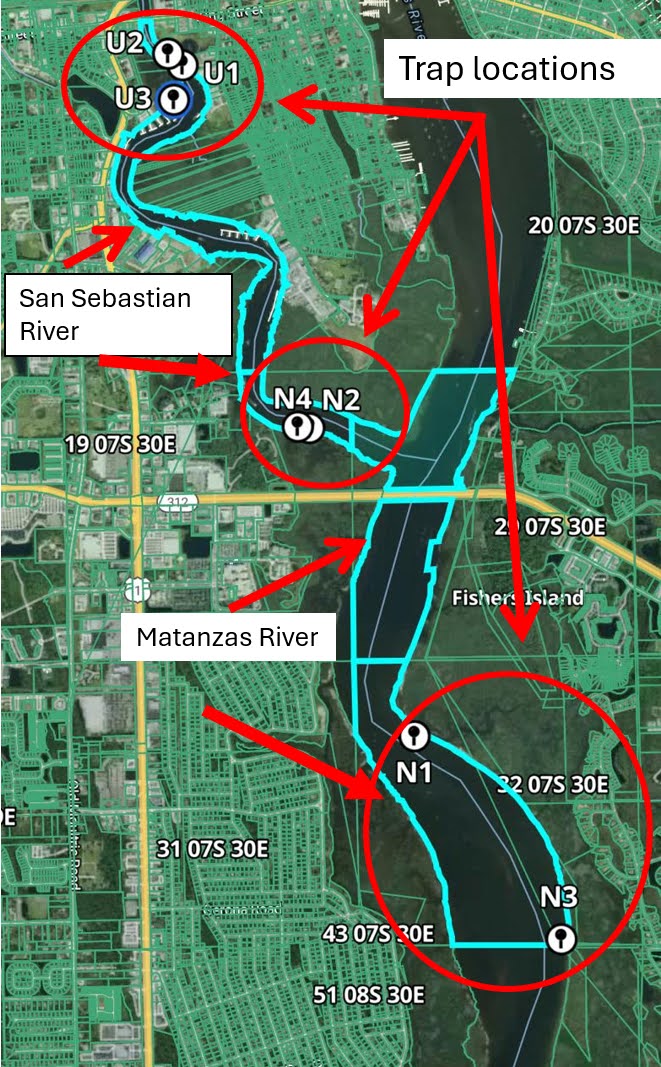
The two different environmental areas were located on two different intersecting rivers. The urban location was on the San Sebastian, and the natural location was on the Matanzas River. The San Sebastian is a tidal estuary and a tributary of the Matanzas. The locations on the Matanzas proved unproductive, so eventually all traps were moved to the San Sebastian, where they were more successful. A map of the study area is shown in Figure 2.
Trap Description
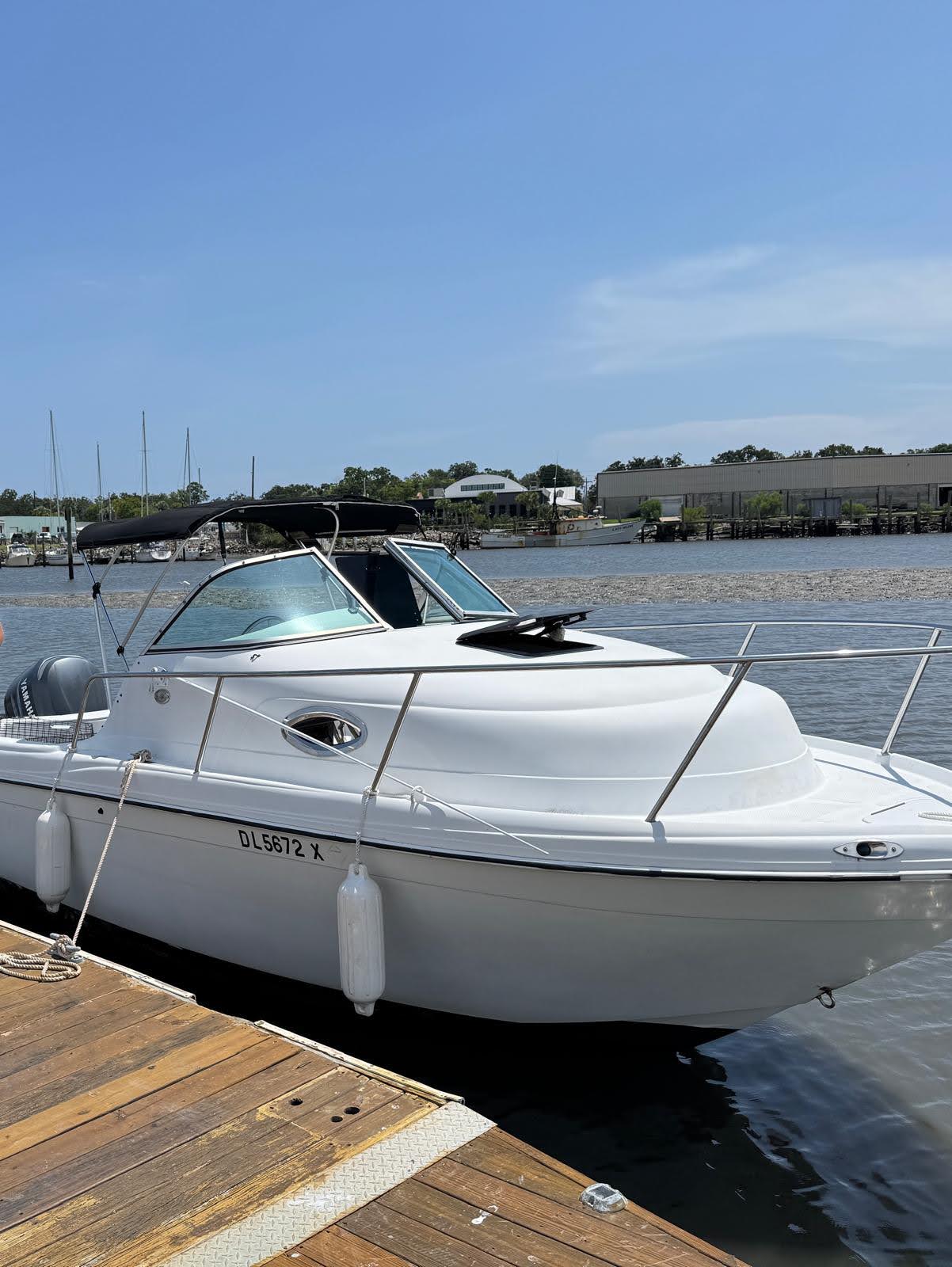
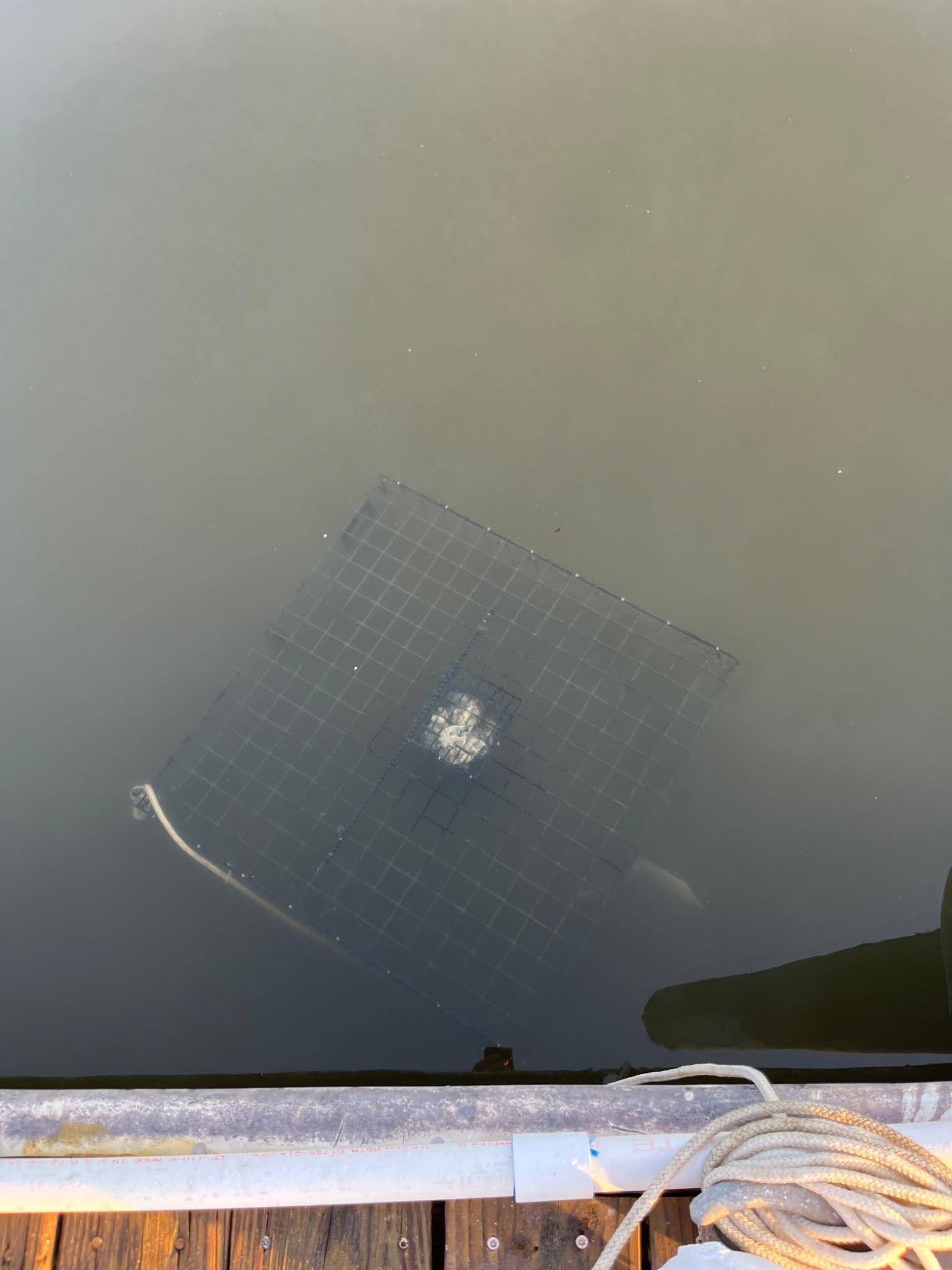
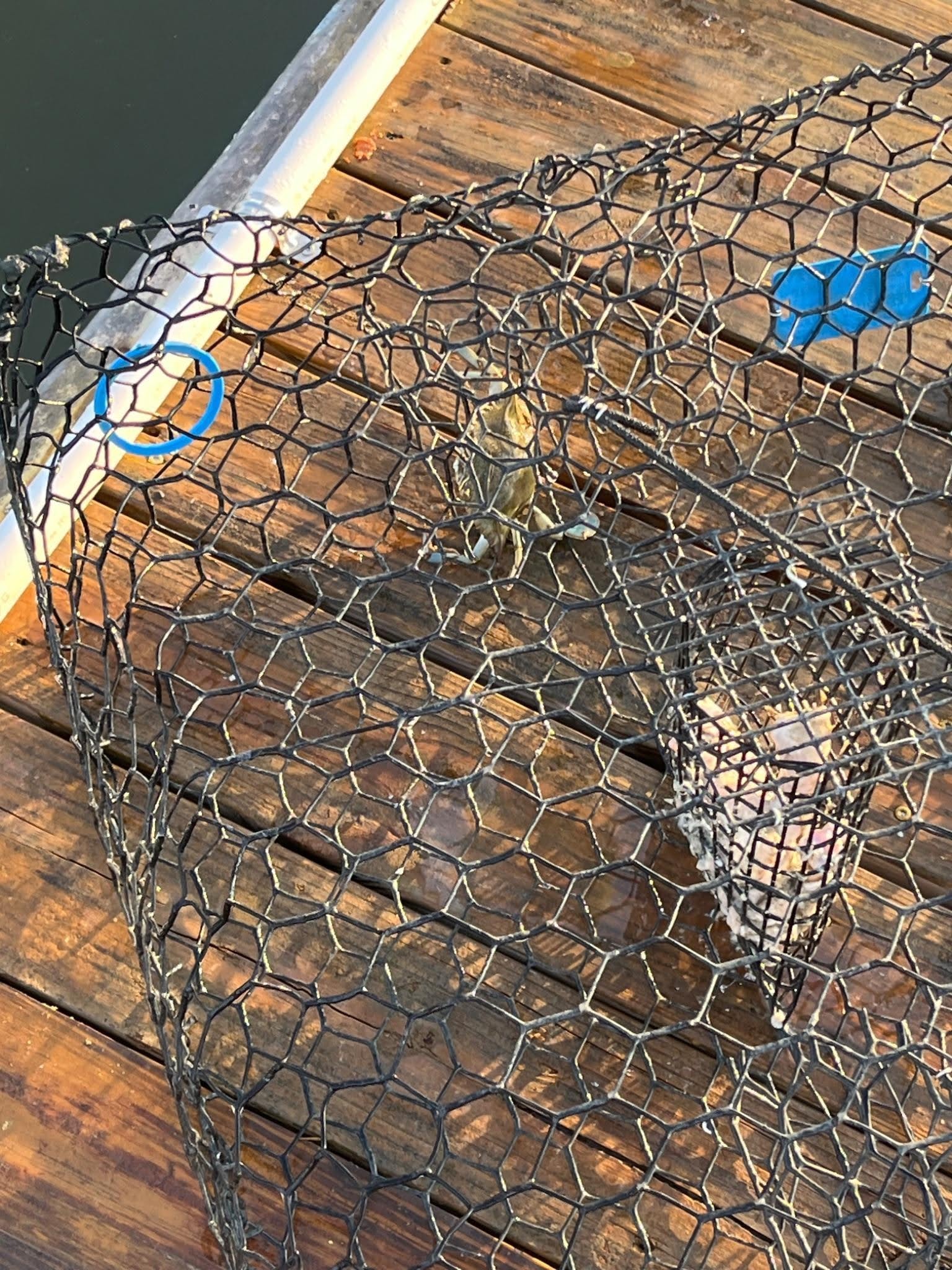
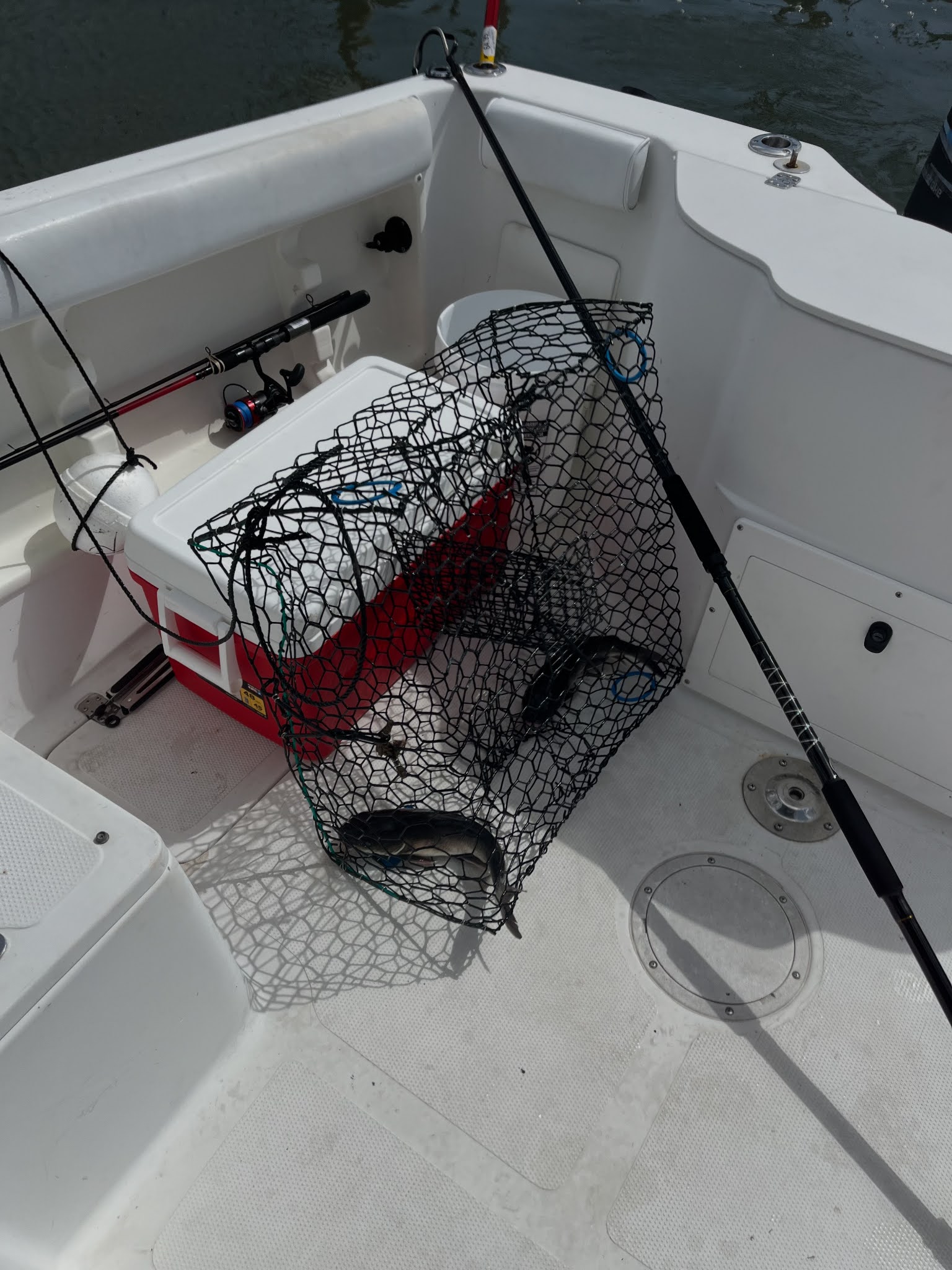
A boat was used in the placement and retrieval of the crab traps. An assistant on board aided with various tasks. Each blue crab trap was a cage with a bait tube in the middle. Traps were fitted with three legally mandated escape rings, (6.03 cm minimum inside diameter), as per Florida FWC regulations which allow juvenile crabs to enter or exit the traps17. A buoy was connected by 7.62 m of rope to the trap for visibility and retrieval.
The traps used were standard “half trap” size for the state of Florida. They were made of black vinyl coated wire with dimensions of 60.96 × 60.96 × 30.48 cm and 3.81 cm hex mesh. The crab entrance was 5.08 × 15.24 cm at its narrowest point.
All traps complied with the regulations of the Florida Fish and Wildlife Conservation Commission (FWC) for recreational trapping. The appropriate licenses were received and the traps were marked with the numbers provided by the FWC. Number tags were attached to both the buoys and the traps themselves.
Trap Deployment and Data Collection
Different types of bait were tried, including catfish, chicken, salmon, and pinfish. To set the traps, a boat was used to place them and then record the depth, temperature, weather, time, and tide. Water depth and temperature were visible on the Humminbird Helix 5 depth/fish finder installed on the boat. Observations and photographs were recorded digitally. After deploying the traps, they were checked every 1–3 days.
Traps were placed at depths of approximately 1.2-3.6 meters. The exact depth was dependent upon individual locations, the state of the tide, and the presence of obstacles such as docks or sandbars which inhibited boat movement. Traps were placed in such ways as to minimize the variability between the different locations.
Data Analysis
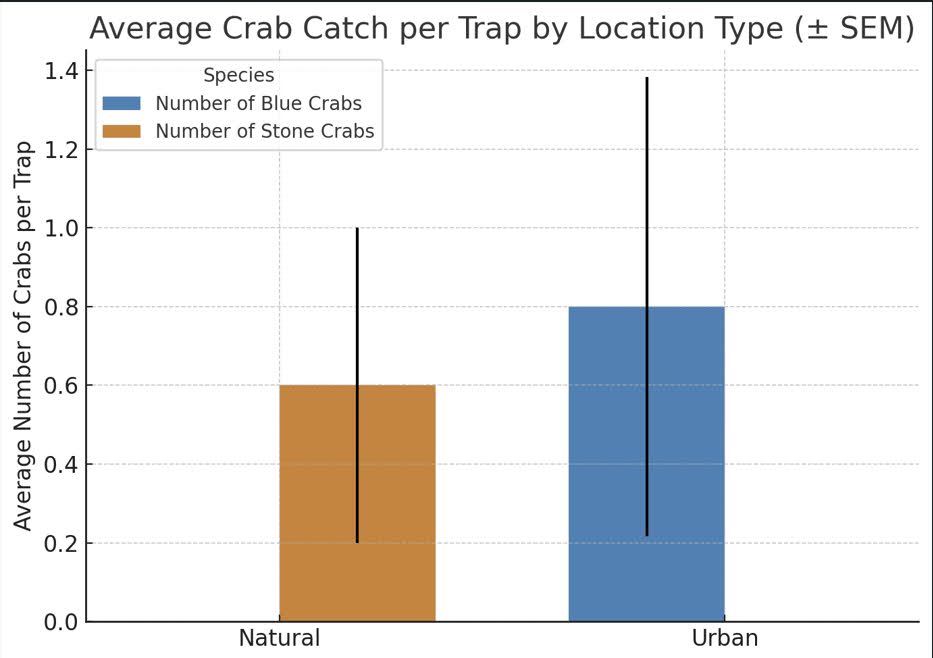
Crab catch rates were calculated by dividing the number of stone and blue crabs caught by the number of trap retrievals (see Figure 3 in Results).
Crab Handling and Measurements
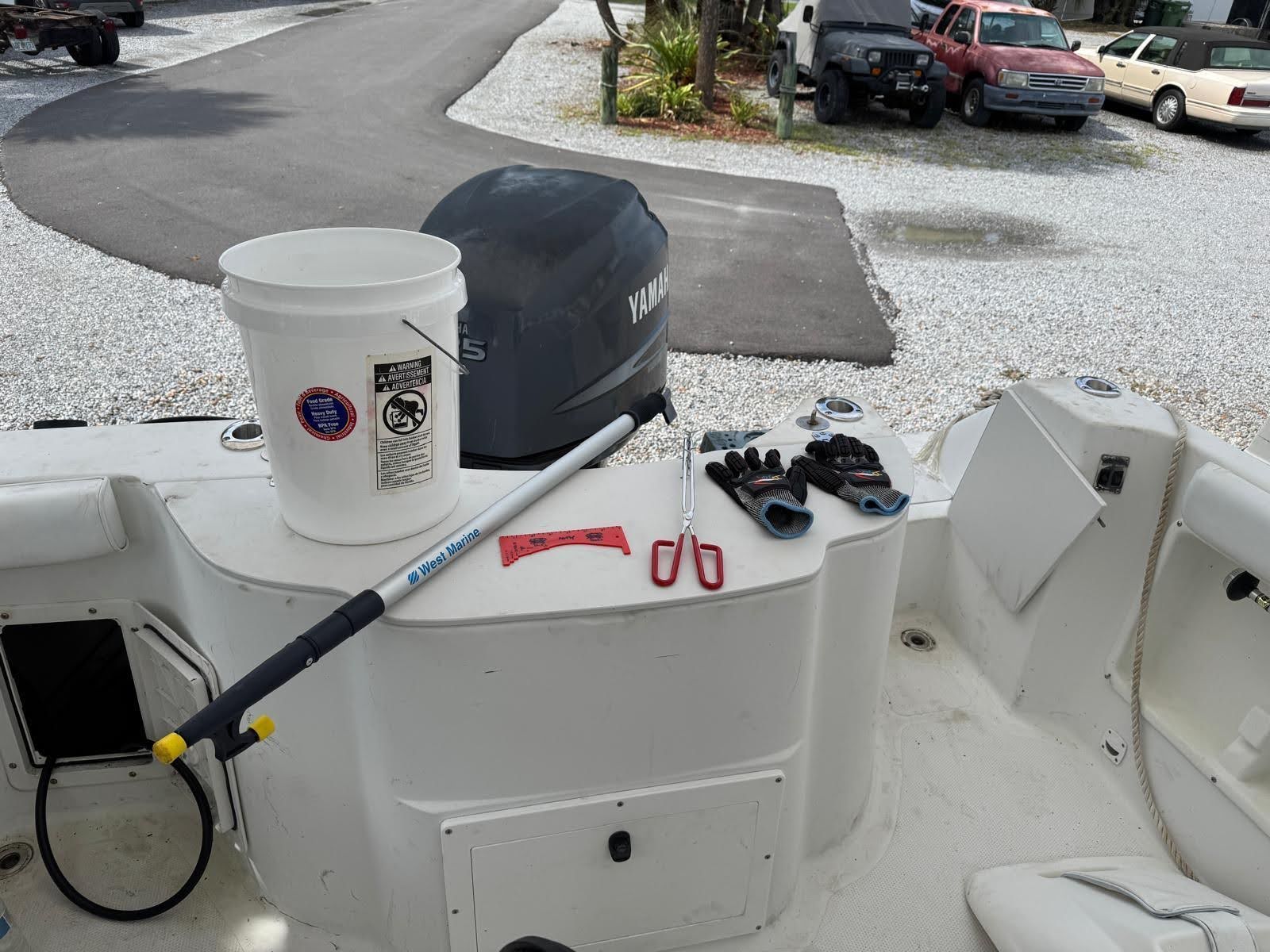
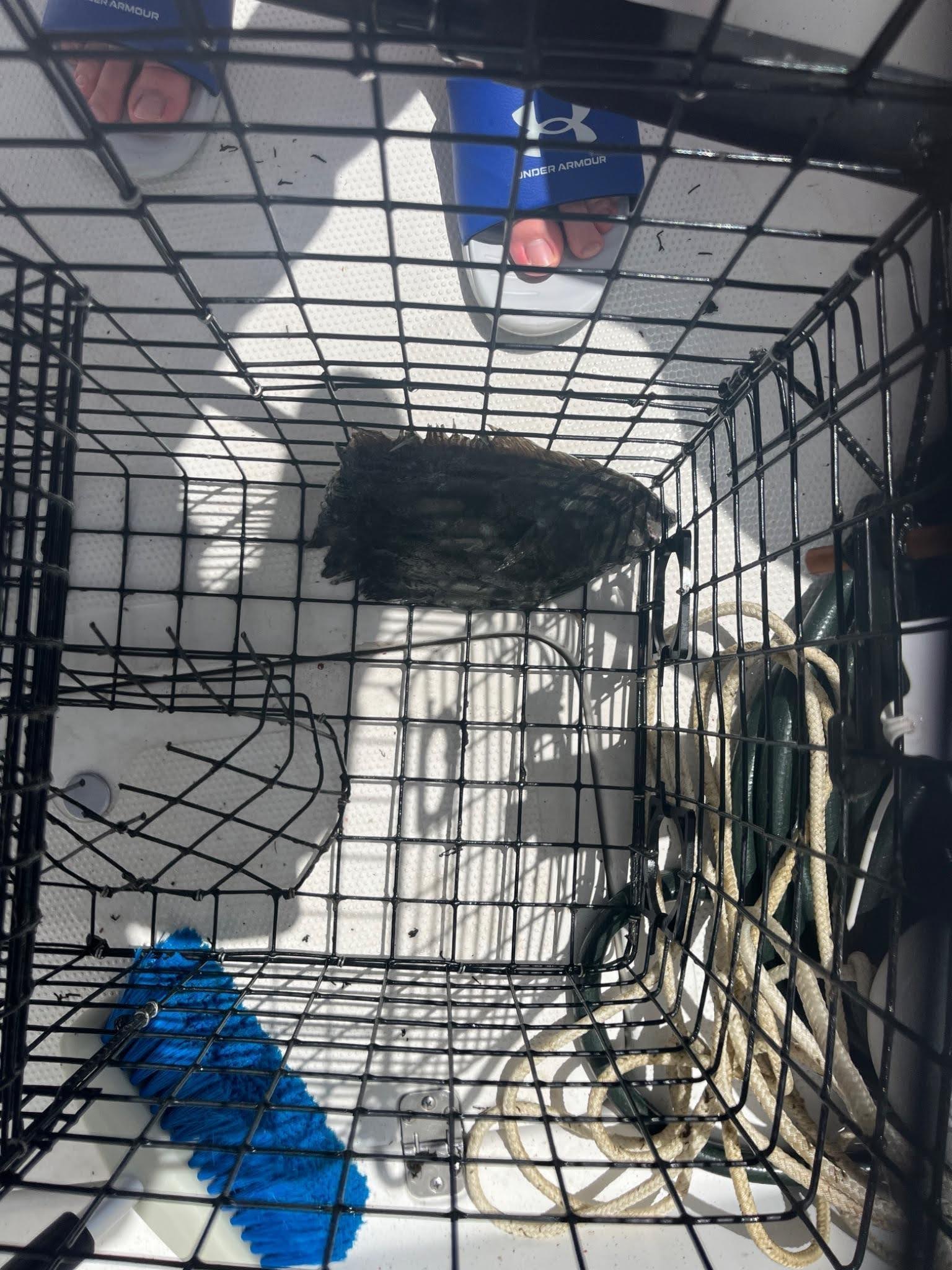
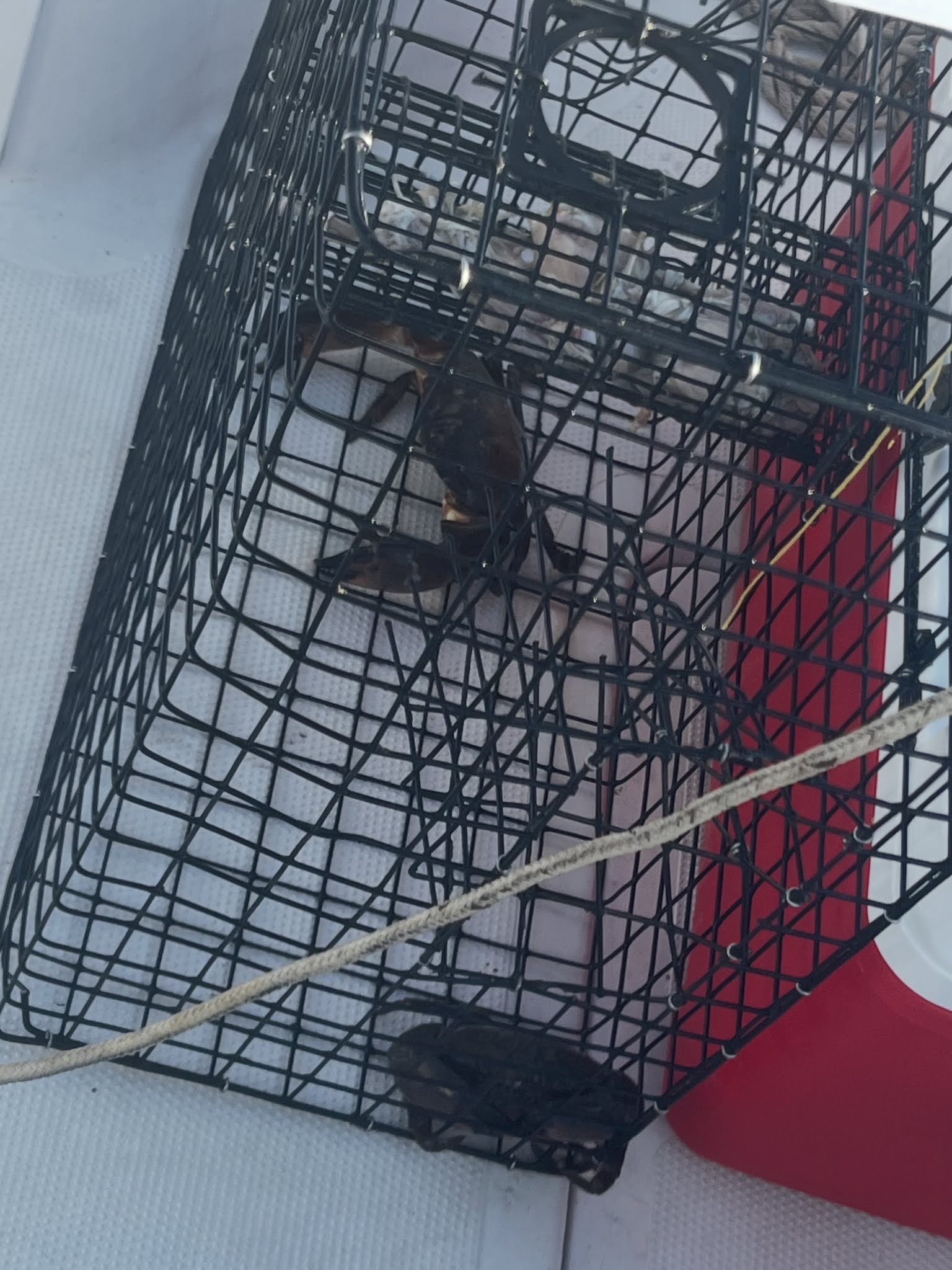
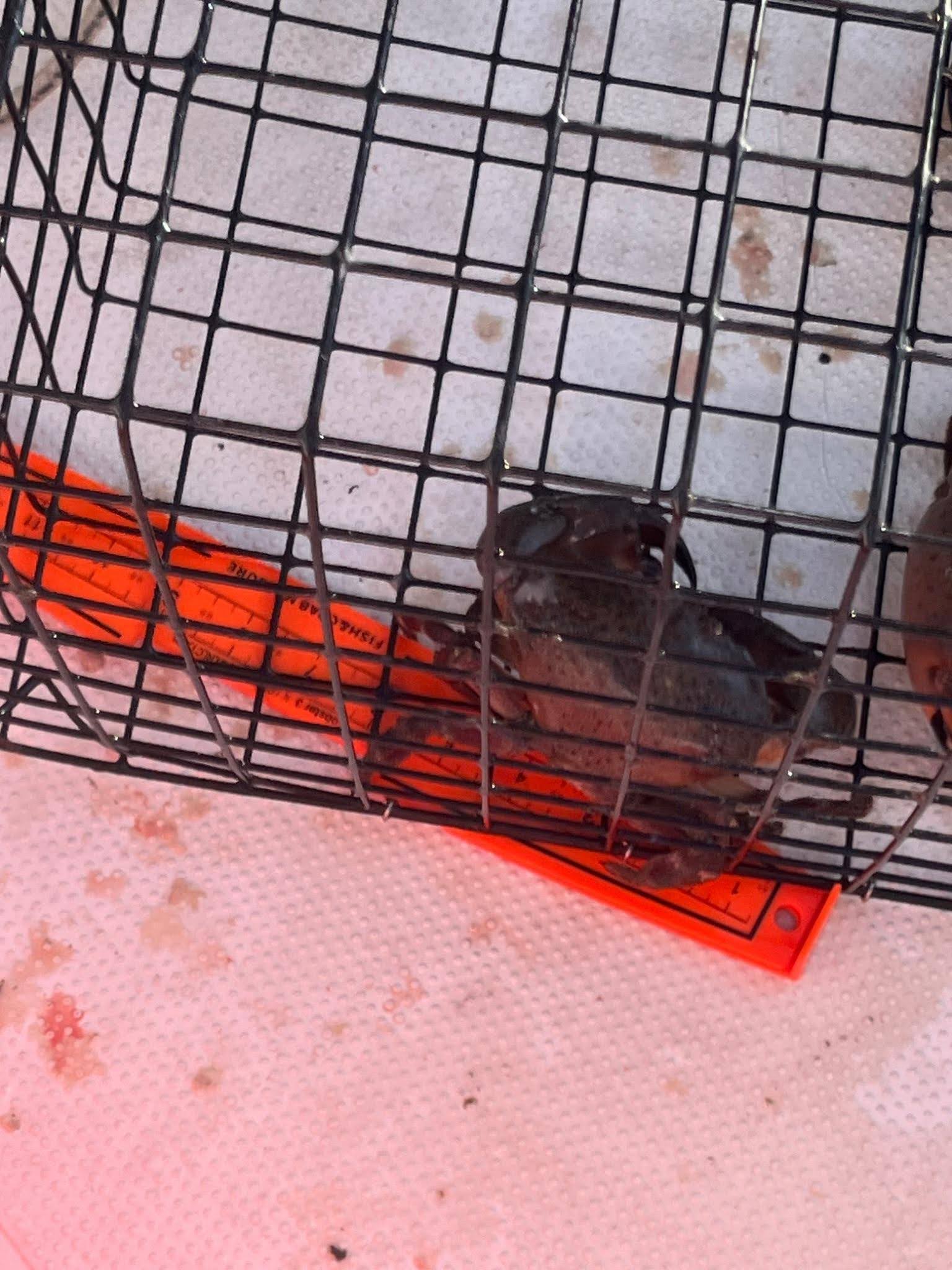
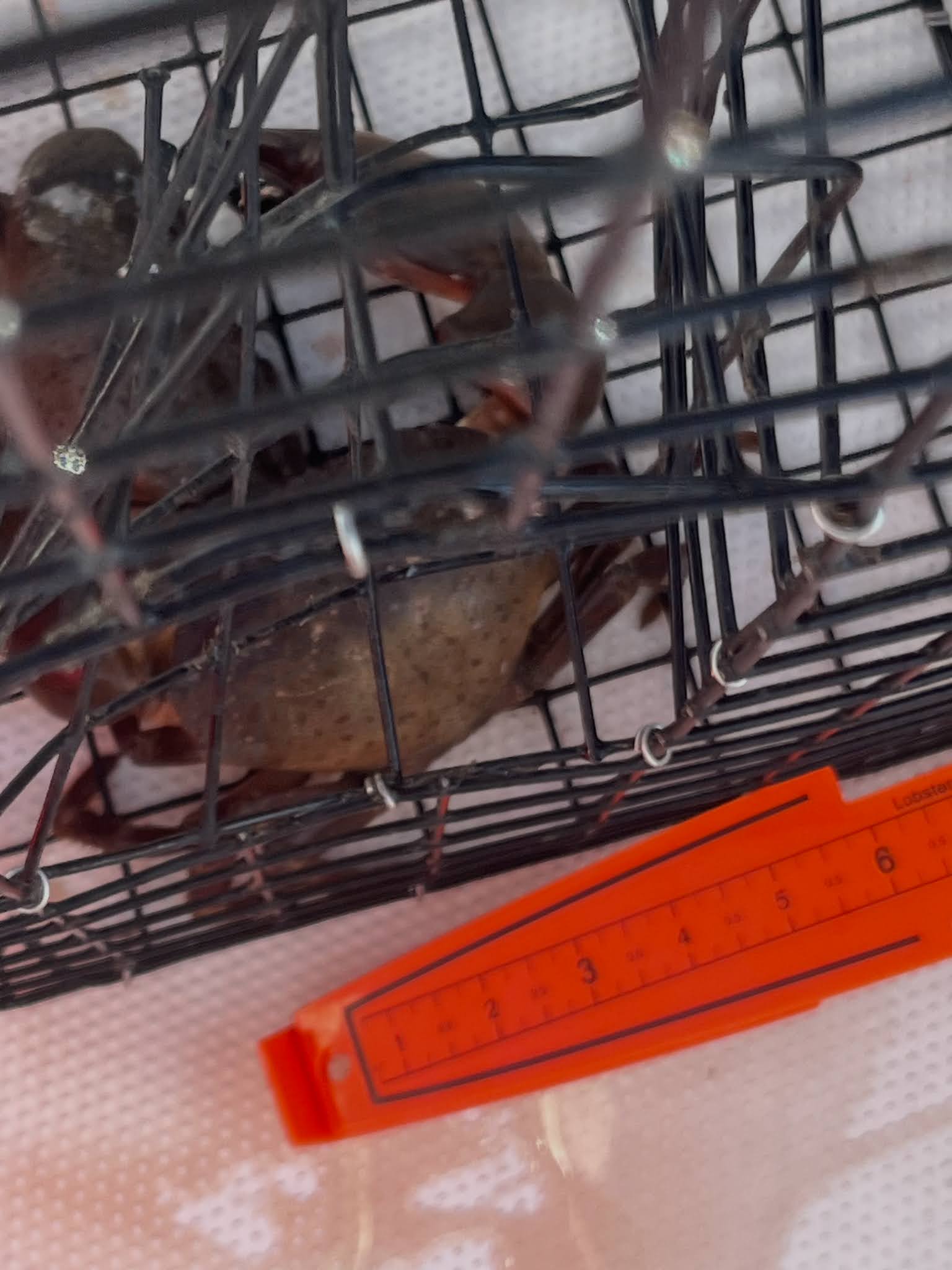
When handling a crab, gloves and tongs were used for safety. When a crab was caught, it was held next to a ruler and a picture was taken of it, measured in inches/feet and later converted to metric. A handheld scale was used to determine the weight of each crab.Each crab was weighed using a handheld scale with the bucket tared prior to measurement. To determine if the crab had a parasite or disease, shells were examined for signs of infection, (inspection of external sac, barnacles, discolored or rotting areas, etc.).
List of equipment
- Fish finder (to read water temperature and depth)
- Bucket – to place crabs in
- Ruler – to measure crabs
- Tongs – to handle crabs safely
- Boat hook – to grab the buoys from afar
- Gloves – extra safety equipment
- Ice box – to keep bait fresh
- Phone – to take pictures of each crab and record GPS coordinates and data
- Crab traps – the primary apparatus used to capture specimens for analysis
- Boat, Sailfish 246 WAC (7.62 m), with a 225-horsepower motor – this vessel was used to travel to trap locations
Technical skills required
The main technical skills required for this project involved knowing how to trap blue crabs, boating skills and trapping skills. Another skill needed was knowing how to handle blue crabs, as they were generally an aggressive species. To prevent injuries for everyone involved, gloves and tongs were used.
Methodical Limitations of Sampling
- Trap design escape rings prevented juvenile capture
- Trap-based sampling only captures feeding crabs
- Boat draft limited access to shallow sites
- Boat traffic occasionally forced repositioning of traps
Results
The field sampling component of the study was limited in size, having been conducted over a 12-day period. During this time only four blue crabs and three stone crabs were caught. Given the exploratory nature of this study, results should be viewed cautiously.
Trap Location and Site Classification
| Trap ID | Definition | Coordinates |
|---|---|---|
| U1 | Urban 1 | 29°53’19.8″N 81°19’13.9″W |
| U2 | Urban 2 | 29°53’22.3″N 81°19’16.7″W |
| U3 | Urban 3 | 29°53’12.9″N 81°19’17.6″W |
| N1 | Natural 1 | 29°51’17.7″N 81°18’22.8″W |
| N2 | Natural 2 | 29°52’14.2″N 81°18’46.8″W |
| N3 | Natural 3 | 29°50’45.8″N 81°17’54.2″W |
| N4 | Natural 4 | 29°52’14.9″N 81°18’51.7″W |
| Date | Trap ID | Location | Bait | Crab Type | Number of Blue Crabs | Number of Stone Crabs | Blue Crabs CPUE ± SD | Stone Crabs CPUE ± SD | Water Temp (°C) | Tide |
|---|---|---|---|---|---|---|---|---|---|---|
| 7/25/2025 | U1 | Urban | Salmon | 0 | 0 | 0 ± 0 | 0 ± 0 | 30 | High Outgoing | |
| 7/26/2025 | U1 | Urban | Chicken, catfish, pinhead | 0 | 0 | 0 ± 0 | 0 ± 0 | 31.9 | High Outgoing | |
| 7/28/2025 | U2 | Urban | Chicken | 0 | 0 | 0 ± 0 | 0 ± 0 | 32.8 | High Outgoing | |
| 7/30/2025 | U3 | Urban | Chicken | Blue (male no claws) | 1 | 0 | 0.5 ± 0.35 | 0 ± 0 | 31.8 | Low Incoming |
| 8/2/2025 | U3 | Urban | Chicken | Blue (1 male no claws, 2 pregnant females) | 3 | 0 | 1.0 ± 0.35 | 0 ± 0 | 31.7 | Low Outgoing |
| Date | Trap ID | Location | Bait | Crab Type | Number of Blue Crabs | Number of Stone Crabs | Blue Crabs CPUE ± SD | Stone Crabs CPUE ± SD | Water Temp (°C) | Tide |
|---|---|---|---|---|---|---|---|---|---|---|
| 7/25/2025 | N1 | Natural | Salmon | 0 | 0 | 0 ± 0 | 0 ± 0 | 30 | High Outgoing | |
| 7/26/2025 | N2 | Natural | Chicken, catfish, pinhead | 0 | 0 | 0 ± 0 | 0 ± 0 | 29.7 | High Outgoing | |
| 7/28/2025 | N3 | Natural | Chicken | 0 | 0 | 0 ± 0 | 0 ± 0 | 32.8 | High Outgoing | |
| 7/30/2025 | N4 | Natural | Chicken | Stone (male and female) | 0 | 2 | 0 ± 0 | 1.0 ± 0.47 | 31.9 | Low Incoming |
| 8/2/2025 | N4 | Natural | Chicken | Stone (female pregnant) | 0 | 1 | 0 ± 0 | 0.33 ± 0.47 | 31.9 | Low Outgoing |
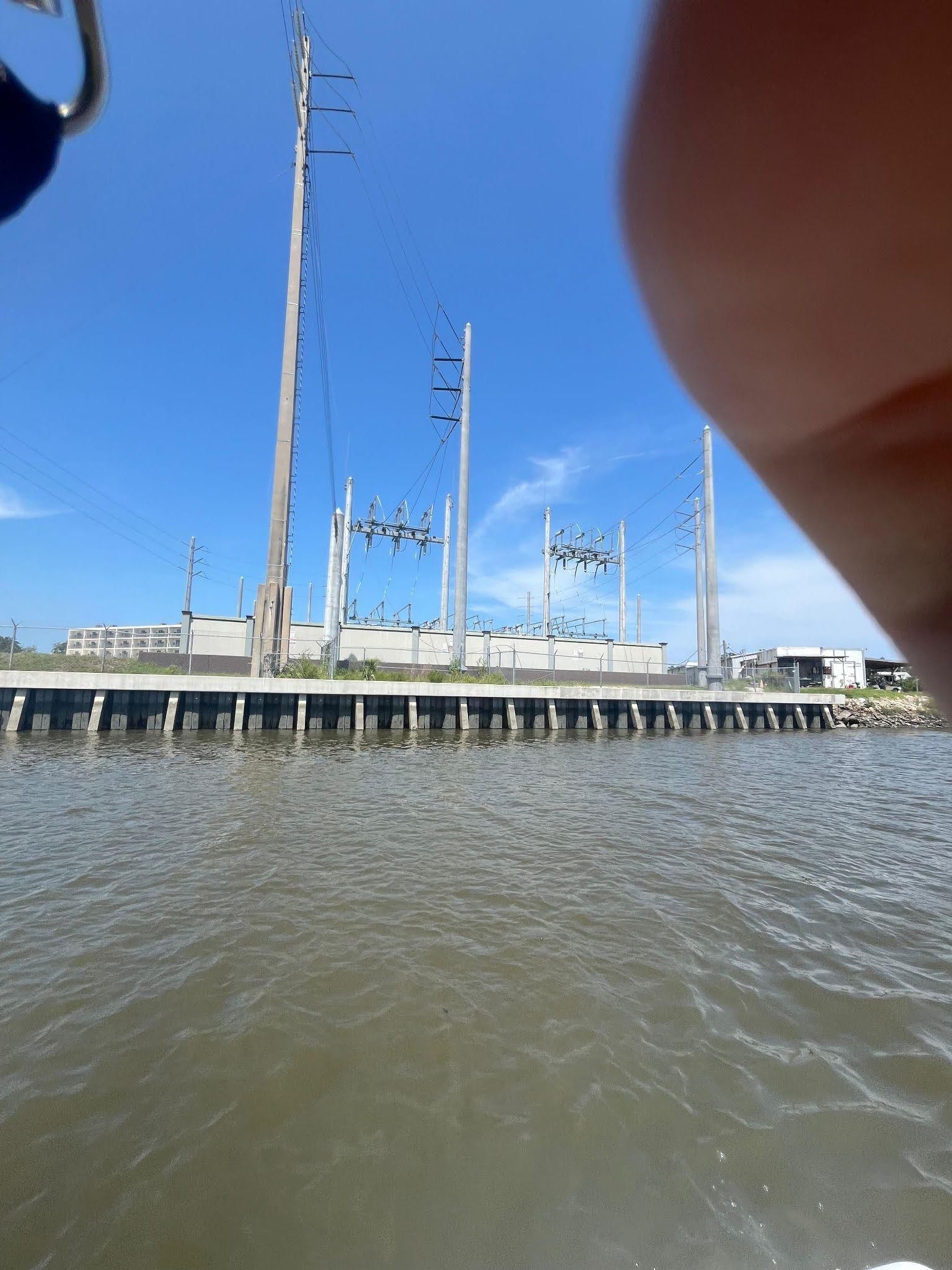
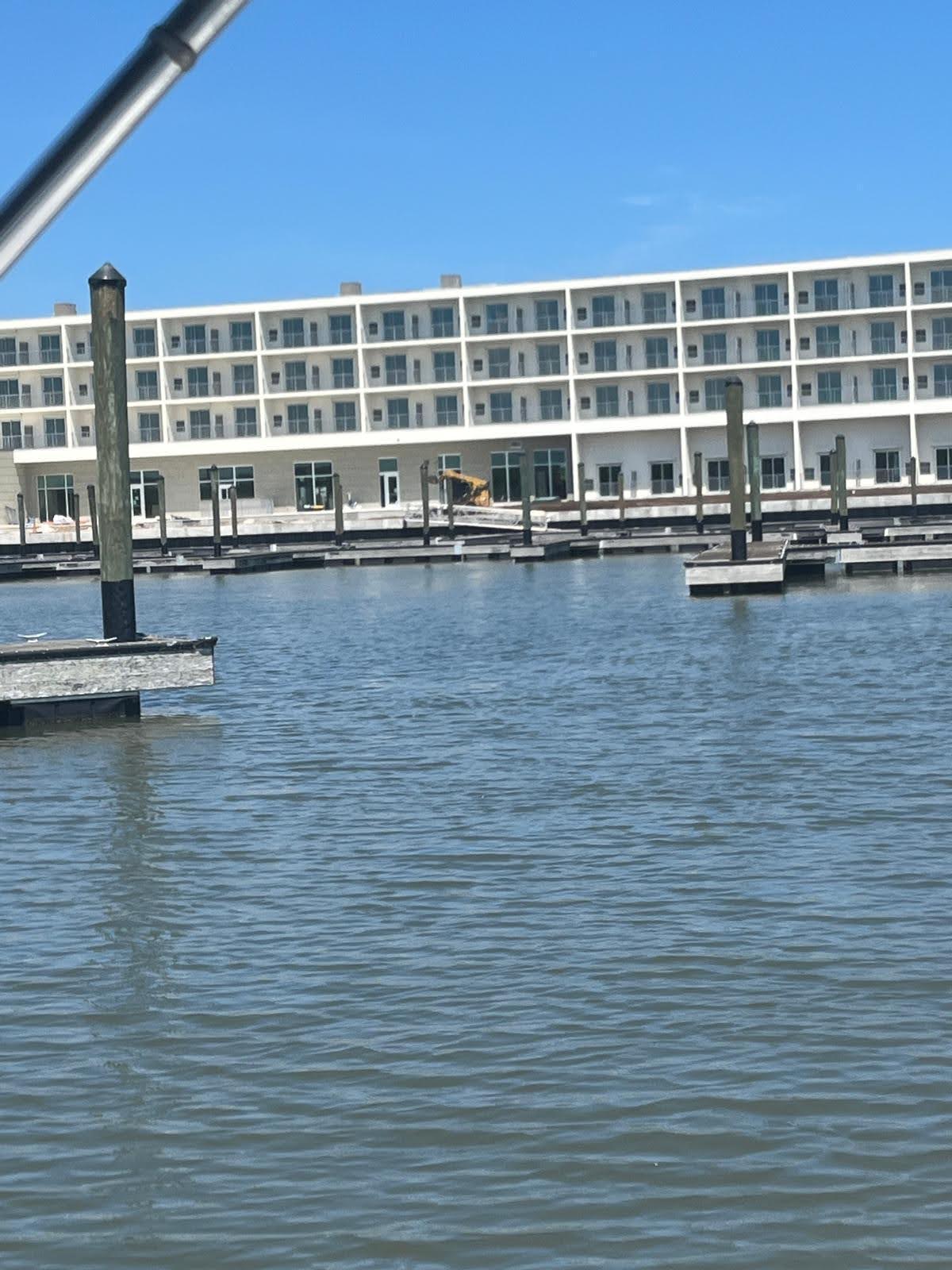
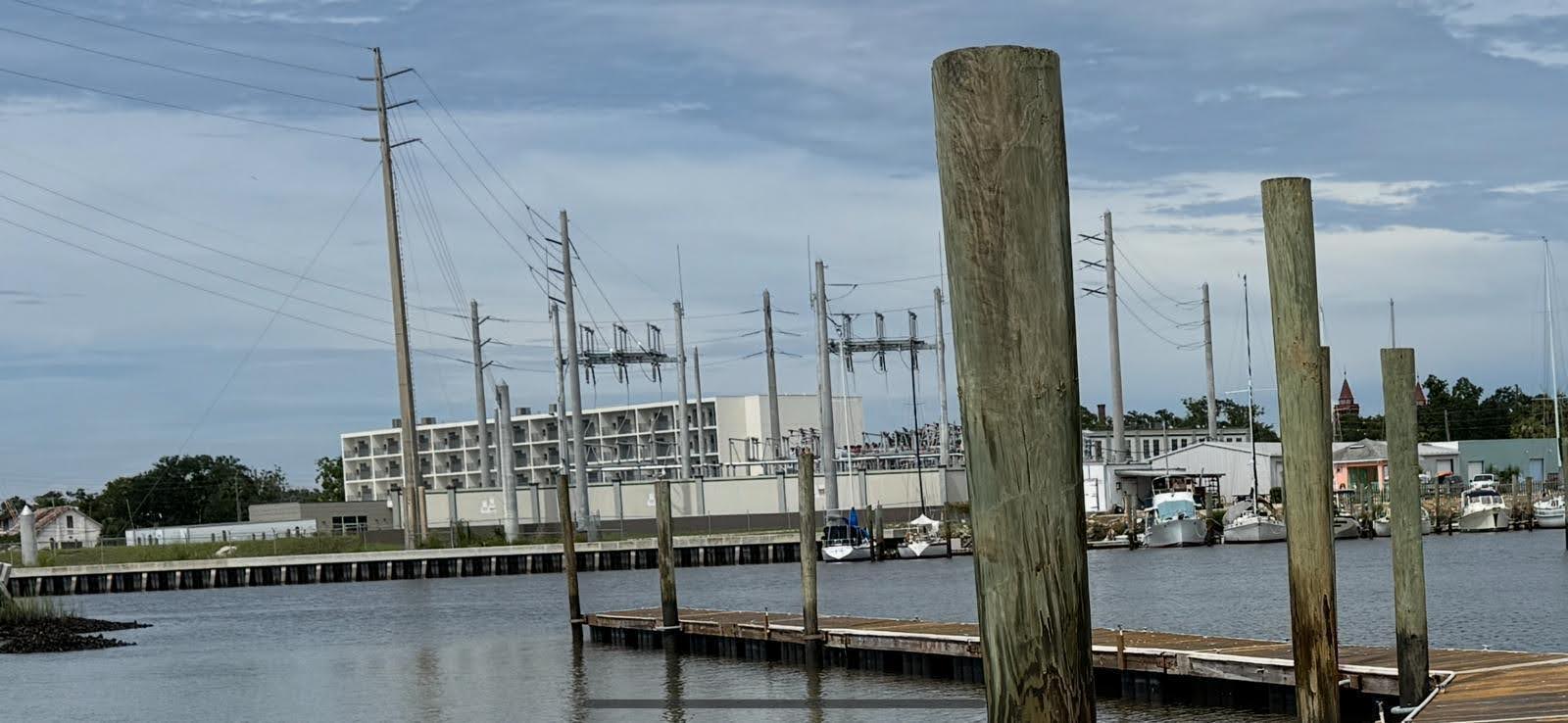
An “urban” location, U3 proved to be the best for blue crabs. The results of this study did differ from the findings of other studies, [3, 10], in that there were more crabs caught in urban areas as opposed to more natural environments. However, it should be noted that the sample size for this paper was exploratory, and the field sampling time frame was only 12-days. Yet the only blue crabs captured were in a marina near a Jacksonville Energy Agency plant, (JEA, the local electric company), which has been closed for several years.
Crab Capture Summary by Habitat Type
Urban Site U3 Capture Patterns
This unexpected finding may be partially explained by the small size of the study. However, despite its more urban location, there were several factors which may have made it attractive to blue crabs. It was located near a pronounced bend in the river, had more shallow water than the other sites, as well as being near several oyster beds. The combination of these factors may have led to a larger blue crab concentration in the U3 area as compared to all other trap sites.
This area had a multitude of artificial structures, likely pollutants from the boats in the marina, and somewhat shallow water. The combination of these factors seems to decrease the likelihood that this would be a productive blue crab location. The success of this area could possibly be due to hypoxia, although dissolved oxygen was not measured in this study, since deeper waters may have lower dissolved oxygen compared to shallow waters, although oxygen levels were not measured in this study. Previous assessments of the Lower St. Johns River Basin have documented nutrient enrichment and occasional hypoxic conditions in this5. Research indicates that crabs in some areas have been retreating to shallower water as crabs are trying to avoid hypoxia habitats, which are more common in deeper waters3,8.
| Date | Trap ID | Crab | Sex | Size (mm) | Weight (grams) | Health | Pregnant | Notes |
|---|---|---|---|---|---|---|---|---|
| 30-Jul | U3 | Crab 1 | Male | 127 | 91 | No Claws | — | |
| 2-Aug | U3 | Crab 2 | Male | 127 | 91 | No Claws | — | Likely the same male from 30-Jul |
| U3 | Crab 3 | Female | 76 | 26 | Good | Yes | — | |
| U3 | Crab 4 | Female | 152 | 147 | Good | Yes | — |
Individual Crab Condition and Observations
One blue crab caught had no claws at all. This could be due to normal crab activity or a possible result of hypoxic waters, since the crabs may have migrated from deeper waters and could now be concentrated more closely in the shallow waters3. Another possibility for this apparent abundance at the U3 location may be the result of habitat loss potentially leading to higher concentration in fewer areas. However, this area in particular had some positive traits for blue crabs such as oyster beds, an extensive fixed dock structure, and eel grass growth.
The dock itself, while an artificial structure may also be a draw to blue crabs. Evidence suggests that placing traps near structures like docks and bridges may lead to better yields3,9. The water at U3 was shallower, ranging 0.61–2.13 m, depending upon the tide. Because of the shallow water and docks, it was easier to survey the water. Many Juvenile blue crabs were spotted as well as some adults scavenging in the area. Yet despite the dozens of docked boats, with their potential pollutants, this was the most productive area for blue crabs in this limited experiment.
It is likely that the same male with no claws was caught twice, as it was the same size and weight. This specimen may have needed an easy food source due to his injuries and therefore was willing to engage with the trap to secure food.
While this study is small and limited, these results may provide an initial indication of estuarine conditions in the St. Augustine area. Other than Chesapeake Bay, Florida is known to be one of the best places to fish for blue crabs. The fact that no blue crabs were caught in this area during one of the best seasons for blue crabs may indicate that the local populations are under stress, but more research, and a much larger sample size, is required for validation.
Discussion
Many studies have documented and analyzed the crucial role blue crabs have in the ecosystem by maintaining their overall health. Several also clearly demonstrate the decline in blue crab populations through eutrophication and low dissolved oxygen caused in part by urban runoff polluting the waters with various chemicals7 . Researchers have also demonstrated how urbanization destroys habitats through the construction of artificial structures along coastal areas. The artificial structures replace natural forested seagrass areas and force blue crabs to be concentrated in shallower areas18 . As stated above, many of these studies were conducted in Chesapeake Bay and there is little information on blue crabs in the Northeast Florida area2,13.
While several site-specific factors may explain why more blue crabs were caught at U3, this data should be viewed cautiously. The evidence of more blue crabs at an urbanized location does not necessarily contradict the broader body of evidence that urbanization puts a great deal of pressure on estuary ecosystems. The difference could be due to chance, given the small sample size and limited scope of the study with only one productive urban site. Alternatively, the findings may indicate the effects of concentration; crabs may be forced into microenvironments as their more natural habitats are degraded. If these environments possess some of the resources that crabs need, they may gravitate to these areas despite some of the negative elements such as pollution, boat traffic, and human activity. The U3 site may therefore have experienced ecological compression rather than true adaptation to urbanization.
In terms of crab health, no parasites or signs of disease were found, after external inspection, between the crabs caught at the urban and natural sites. One specimen caught at U3 did not have any claws, but this is fairly common among blue crabs, and does not necessarily indicate environmental stress. Given the small sample size, no conclusions can be made regarding the health differences between the urban and natural sites.
Study Limitations
The small field sampling size of this pilot study of only 12 days, as well as the fact that only four blue crabs were caught, are key limitations of this project. Furthermore, since only the U3 site caught any blue crabs at all, the effects of urbanization cannot be generalized. Due to the short period for the study, no covariates were measured such as dissolved oxygen (DO), salinity, nutrients, turbidity, temperature, shoreline structure. As such it was not possible to test for conditions such as hypoxia or pollution. The very nature of the traps also causes selectivity; only feeding crabs would approach and enter the traps. Finally, juveniles can easily escape due to the mandated escape rings, which might cause bias with regards to the catch number and size results.
What Could Be Improved / Future Design
Further studies should include a longer sampling window, preferably over multiple seasons to account for seasonality. Fixed replicate traps should be deployed at each site, while bait type and soak times should be consistent to reduce variability. A more agile, shallow-draft boat should be used to have access to a larger variety of areas, especially near oyster beds, shorelines, and man-made structures. Furthermore, environmental monitoring should be conducted at the trap sites, tracking conditions such as, turbidity and clarity, nutrients (nitrogen/phosphorus), chlorophyll-a (as a proxy for algae), DO and salinity.
Conclusions
The findings of this exploratory 12-day study may indicate that blue crab populations are declining in local estuaries. The low number of crabs that were caught in this study would tend to support this hypothesis. In this sense, the findings are consistent with evidence in Florida Fish and Wildlife Conservation Commission data that the area is experiencing significant blue crab population declines. Yet given the small size of this study, no firm conclusions can be made.
Although limited in scope, this study suggests that blue crab populations in NE Florida may be experiencing the same pressures as better researched areas such as the Chesapeake Bay5. The apparent concentration of crabs at the urbanized U3 location should be interpreted with care due to the unique nature of that site relative to the other sites. Future work should expand the study area to other neighboring estuaries, notably the St. Johns River extends over multiple seasons. In this way data would provid with a more reliable picture of blue crab population health in the region.
Although this study was small, it also corresponds with data collected in St. Johns County, documenting a significant decline in the commercial blue crab harvest since 19915. This alignment may suggest that local trends correlate with the broader pressures of urbanization.
However, given the extremely small sample size and limited soak days, no firm conclusions should be drawn from this pattern. These results could be due to a myriad of factors such as the presence of oyster beds, man-made structures, shallow water, or any number of local vagaries.
Acknowledgements
I would like to thank Dr. Erin Winslow for her tremendous mentorship in this research project. Her guidance and assistance were critical to the realization of this paper. I would also like to thank my father for the use of his boat and his assistance with field research. Finally, I would like to thank Lumiere Education for accepting me into their program which made this research possible.
APPENDIX I: Daily Log
July 22nd, 2025
The urban traps were placed on the San Sebastian near a marina across from an old JEA electrical plant that had been closed, (U1 on Figure 2). There was no natural shoreline, only a concrete wall, and there happened to be a construction site nearby as well. They were placed at 11:00 am, baited with salmon at high tide incoming with 3.05 m of water, approximately 6 m from the concrete wall. It was a clear sunny day, about 30 degrees outside and about 32 degrees C in the water. The natural traps were set on the Matanzas River near an oyster bed, (N1 on Figure 2). They were baited with salmon as well and set at 11:30 am. The depth was about 1.52–1.83 m of water. The tide was high/incoming on a sunny day.
July 25th, 2025
The second day the traps were retrieved at the U1 location where two catfish and one pin fish were found in the traps. The traps are at the same location, but this time with chicken carcasses. The tide was high outgoing, sunny day, 11:30 am, 2.13–2.44 m of water, 31 degrees C outside and 30 degrees C in the water. At the natural location, one of the traps had drifted into the channel and was a potential problem for other boats. The other trap contained a dead flounder. The trap that was not swept away was pulled at high outgoing tide, at 12 pm, 1.83–2.13 m of water, 31 degrees outside and 30 degrees C in the water. The traps were subsequently relocated to the San Sebastian River, adjacent to an oyster bed. All traps were set with chicken as well as the catfish and pinhead, which were cut up for the traps. The natural traps were set at 1:33, with 29 degrees C water, 3.05–3.35 m of water, at midway low tide on a sunny day.
July 26th, 2025
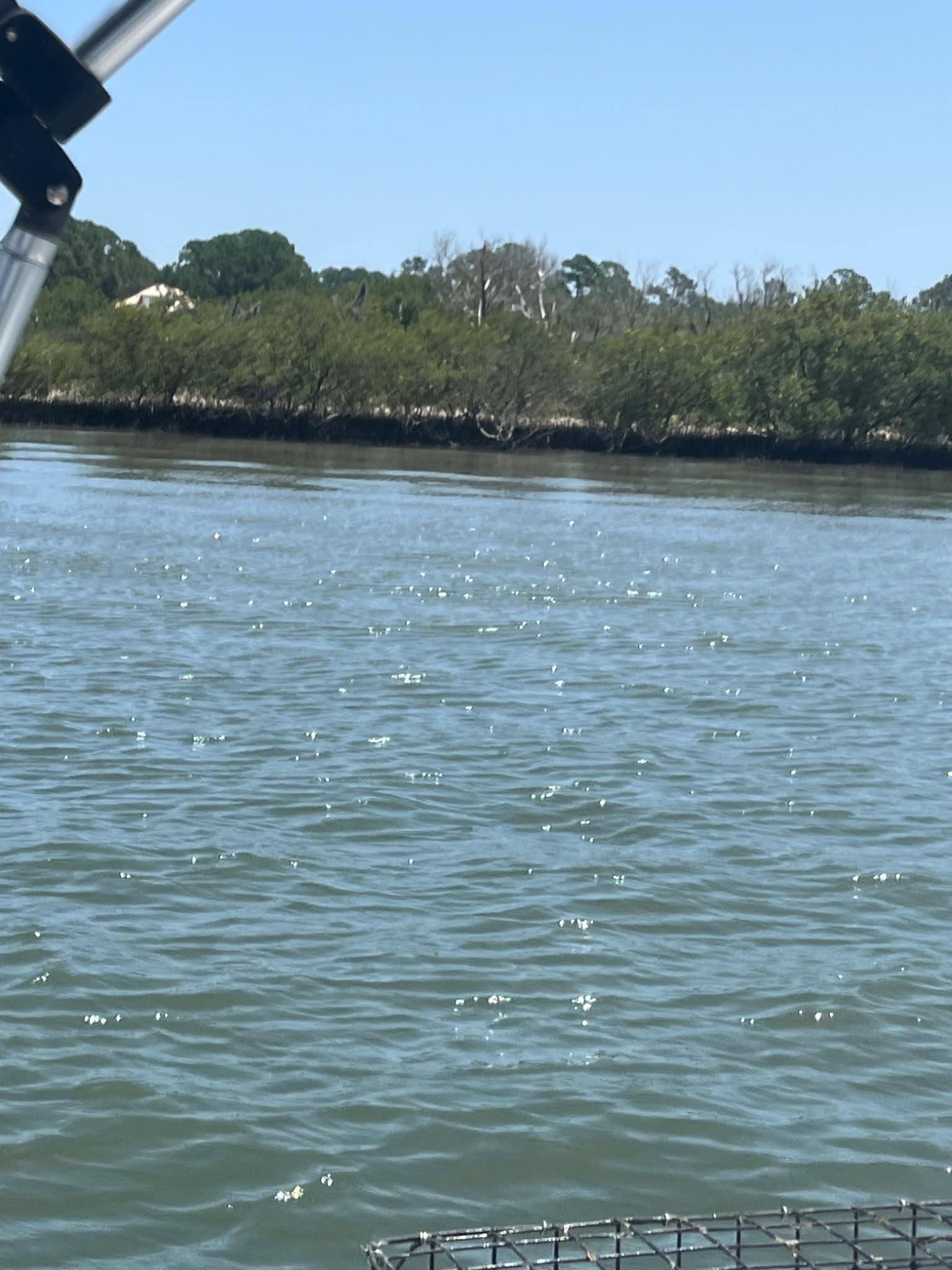
The traps were retrieved from U1 at 11am in 2.44–2.74 m of water high tide outgoing, and the water was at 32 degrees C. The weather was slightly cloudy and 31 degrees C. One catfish was caught in a trap that had a different design. The urban traps were placed near the JEA plant, but this time closer 100 m north of the original location next to a wooden pier. It was placed in 32 C water, 1.52–1.83 m depth at absolute low tide, 34 degrees C outside, baited with chicken drumsticks. The natural traps caught nothing with all the bait being untouched. The traps were retrieved at 11:40 am with the water being 30 degrees C, 1.52–1.83 m of high tide outgoing, with clear and cloudy weather. The traps were deployed at 12:47 pm. The weather was cloudy, 32 degrees C outside, and 30 degrees C in the water. The traps were placed back on the Matanzas River near a mangrove area ~15 m from shore with drumsticks for bait. One trap was in 1.83–2.13 m of water, and the other in 3.35–3.66 m of water.
July 28th, 2025
The urban traps were retrieved at 3 pm, 1.22–1.83 m of water, nothing caught, 32 C water, sunny day, 31 degrees C outside, high tide outgoing. Blue crabs spotted near the dock, and the traps were set there. It was set with chicken at medium low tide, 0.91–1.22 m of water, 32 C in the water, 3:30 pm, sunny, 31 degrees C outside. The natural traps were collected at 5 pm, low tide outgoing, 33 C water, 32 C outside, sunny, 2.13–2.44 m of water. Natural traps were set in the San Sebastian River at 5:40, 33 C water, 1.52–1.83 m depth, Low tide, baited with chicken, 33 C in the water.
July 30th, 2025
Day 5: Urban traps retrieved to find a blue crab with no claws, 12.7 cm male, aggressive, 90.7 g with the bucket. The traps were collected at 7:45 am, 0.3 m of water, 26 C outside, water 32 C, low incoming tide. Traps baited with chicken thighs. The natural traps were retrieved to find 2 catfish and 2 stone crabs. 27 C outside, 32 C water, low tide, 0.91–1.22 m, clear weather, at 8:35 am. The traps were rebaited with chicken and placed at 9 am ~100 m to the right of the original spot due to a boat obstructing the way.
August 2nd, 2025
Day 6: Urban traps checked 7:30 am, 3 blue crabs were caught, low outgoing tide, cloudy day, 32 C water, depth 0.61 m, 26 C outside. Traps were not rebaited since this was the last day of field research. The natural traps were retrieved at 8:05 am, 27 C outside, 32 C water, low outgoing tide, one stone crab and one catfish in traps, 3.05 m water, cloudy.
The blue crabs caught: pregnant female, 7.62 cm, docile, weight, 25.5 g.
15.24 cm female, pregnant, 164.4 g, aggressive
12.7 cm male, aggressive, no claws.
All were found in the urban location
APPENDIX II: Photo Log
References
- K. A. Hovel, M. S. Fonseca. Influence of seagrass landscape structure on the juvenile blue crab habitat-survival function. Marine Ecology Progress Series. Vol. 300, pg. 179–191, 2005. [↩]
- Florida Department of Agriculture and Consumer Services. Florida seafood and aquaculture overview and statistics. https://www.fdacs.gov/Agriculture-Industry/Florida-Seafood-and-Aquaculture-Overview-and-Statistics, 2025. [↩] [↩]
- A. H. Hines. Ecology of juvenile and adult blue crabs. In: V. S. Kennedy, L. E. Cronin (eds.). Biology of the blue crab. Maryland Sea Grant College, 2007. [↩] [↩] [↩] [↩] [↩] [↩] [↩] [↩] [↩] [↩] [↩] [↩] [↩] [↩]
- M. D. Green. Blue crabs: bad water, bad living conditions, and bad regulations are giving them the blues. Intersect: The Stanford Journal of Science, Technology, and Society. Vol. 13, 2020. [↩] [↩] [↩]
- Environmental Protection Board. State of the Lower St. Johns River Basin, Florida: water quality, fisheries, aquatic life, contaminants, 2022. Environmental Protection Board, 2022. [↩] [↩] [↩] [↩] [↩] [↩] [↩]
- G.W. Bell, D.B. Eggleston, and E.J. Noga. Molecular keys unlock the mysteries of variable survival responses of blue crabs to hypoxia. Oe- cologia, 163:57–68,. [↩]
- R. S. King, A. H. Hines, F. D. Craige, S. Grap. Regional, watershed and local correlates of blue crab and bivalve abundances in subestuaries of Chesapeake Bay, USA. Journal of Experimental Marine Biology and Ecology. Vol. 319, pg. 101–116, 2005. [↩] [↩] [↩] [↩] [↩]
- G. W. Bell. The impact of episodic hypoxia on blue crabs (Callinectes sapidus): from molecules to populations. 2008. [↩] [↩]
- R. N. Lipcius, R. D. Seitz, M. S. Seebo, D. Colón-Carrión. Density, abundance and survival of the blue crab in seagrass and unstructured salt marsh nurseries of Chesapeake Bay. Journal of Experimental Marine Biology and Ecology. Vol. 319, pg. 69–80, 2005. [↩] [↩] [↩] [↩] [↩] [↩]
- P. A. Todd, E. C. Heery, L. H. Loke, R. H. Thurstan, D. J. Kotze, C. Swan. Towards an urban marine ecology: characterizing the drivers, patterns and processes of marine ecosystems in coastal cities. Oikos. Vol. 128, pg. 1215–1242, 2019. [↩] [↩] [↩]
- S. S. Romañach, A. M. Benscoter, S. M. Haider. Potential impacts of future urbanization and sea level rise on Florida’s natural resources. Journal of Fish and Wildlife Management. Vol. 11, pg. 174–184, 2020. [↩]
- T. Mizerek, H. M. Regan, K. A. Hovel. Seagrass habitat loss and fragmentation influence management strategies for a blue crab Callinectes sapidus fishery. Marine Ecology Progress Series. Vol. 427, pg. 247–257, 2011. [↩] [↩] [↩]
- M. R. Fisher. Effect of temperature and salinity on size at maturity of female blue crabs. Transactions of the American Fisheries Society. Vol. 128, pg. 499–506, 1999. [↩] [↩] [↩] [↩]
- Delaware General Assembly. Delaware Code: Title 7 – Conservation, Chapter Blue Crabs (Callinectes sapidus). https://law.justia.com/codes/delaware/title-7/chapter-23/, 2025. [↩]
- North Carolina Marine & Estuary Foundation. Blue crab. https://www.ncmefoundation.org/findex/blue-crab/, 2025. [↩]
- Florida Fish and Wildlife Conservation Commission. Blue crab | FWC – Saltwater recreational regulations. https://myfwc.com/fishing/saltwater/recreational/blue-crab/, 2025. [↩]
- D. K. Sturdivant, K. L. Clark. An evaluation of the effects of blue crab (Callinectes sapidus) behavior on the efficacy of crab pots as a tool for estimating population abundance. Fishery Bulletin. Vol. 109, pg. 48, 2011. [↩]
- Q. He, B. R. Silliman. Climate change, human impacts, and coastal ecosystems in the Anthropocene. Current Biology. Vol. 29, pg. R1021–R1035, 2019. [↩]