Abstract
The plastic pollution is one of the major issues in urban development areas with respect to freshwater resources. There is massive waste of plastic waste dumped into Ravi River in Lahore, Pakistan from urban and industrial effluents. In this study, a conceptual modular structure is proposed to reduce the floating plastic pollution through mechanical collection, filtration and biological degradation. Field observations, preliminary filtration and density separation tests were conducted to determine the common types of plastic waste found in the river system. A 3D conceptual model was created in SketchUp Pro and rendered in Lumion to visualize the functionality of the system and to see how the modules can be integrated into the model. Discussions with an environmental engineer suggested that the design should be split into separate collection and biological-treatment modules to minimise the potential for gas-related hazards in the biological chamber, thereby affecting the final design of the modular layout. This project was a secondary school research project, done independently without access to any laboratory and is a conceptual design to show that it is possible to have a system that is locally sustainable for the river, but it is still a theoretical system and requires testing in the laboratory and under the hydrodynamic conditions of Lahore before it can be claimed to be feasible in real life.
Keywords: Environmental Engineering, Sustainability, Plastic Pollution, Modular Design, River Ravi.
Introduction
Plastic pollution has become a serious environmental problem on a global scale, impacting both the planet’s smallest and its largest marine life.1,2 Ingestion of microplastics has been linked to physiological stress, starvation, reproductive disruption, and bioaccumulation of toxic chemicals up food chains, which can lead to human health hazards due to food chain contamination.2 The estimated amount of plastic waste entering the oceans each year is about 8 million metric tons, of which a significant amount is carried by river systems.3 Rivers are thus a significant pathway, carrying terrestrial waste from urban and industrial areas to marine areas.4 While the importance of freshwater ecosystems is growing worldwide, interventions focused on freshwater ecosystems are limited, especially in developing countries like Pakistan.5
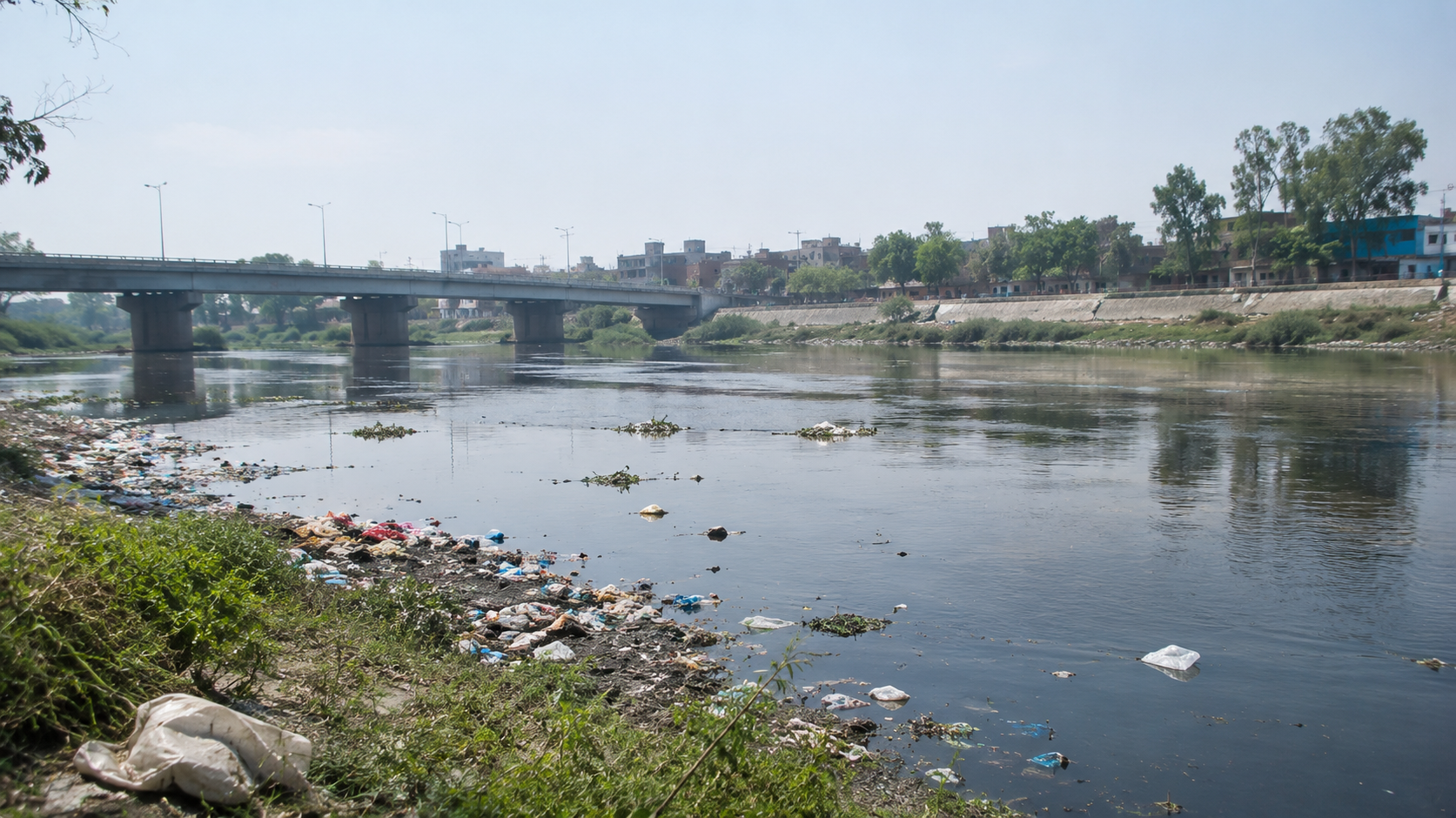
The River Ravi, which passes through Lahore, Pakistan, is facing severe environmental degradation due to high population density, poor waste management and industrial discharge.6,7 The surrounding urban settlements produce domestic solid waste which is often discharged into the river through drainage channels, and nearby factories and industrial units pour untreated effluents directly into the river. Industrial wastes include plastic packaging, chemical containers and disposable materials. These wastes contribute to riverine pollution, which has been linked downstream to heavy-metal contamination of vegetables irrigated with affected water8 (Figure 1) There are several large-scale ocean clean-up projects around the world, but no context-specific, economically viable, and ecologically sustainable solutions that are tailored to Pakistani river systems.9,10
Research Question and Objectives
This study addresses the following research question. What are the primary causes of plastic pollution in the rivers of Lahore, and how can innovative solutions be implemented to reduce plastic waste while minimizing harm to aquatic ecosystems? The specific objectives of this study are to characterize, at a preliminary level, the plastic waste present at accumulation points along the Ravi River; to propose a modular conceptual design that integrates mechanical collection, filtration, and biological degradation to address this waste; and to evaluate the design, through expert consultation and peer feedback, as a basis for future laboratory and hydrodynamic validation.
Literature Review
Plastic Pollution in Lahore’s River Systems
Lahore, the capital of Punjab province in Pakistan, is one of the most densely populated urban centres in the country. The Ravi River, which borders Lahore on the north and west, has become the conduit for the ever increasing flow of plastic waste from the informal settlements, industries and people of Lahore. As in most urban water systems, untreated domestic waste, construction waste and single-use packaging from dense urban catchments are responsible for the presence of plastic litter in the river and along the river banks.11 Plastics entering the Ravi break down into micro plastics – particles smaller than 5 mm in size. This enhances their persistence and bioavailability in the aquatic environment and renders the river as a route for their transport, ingestion and transfer via trophic levels.12
Plastic loading from rivers to the sea is itself substantial, with estimates of between 1.15 and 2.41 million tonnes entering the oceans annually via rivers.4 An urban freshwater system such as the Ravi therefore cannot be treated as a peripheral contributor to the wider plastic problem. Catchment-scale studies suggest that rivers are hotspot sources of plastic pollution and critical links between terrestrial, floodplain, and benthic environments.13 Microplastics in urban rivers can also form distinct microbial habitats.14
Although much has been learned in the last decade about plastic pollution in freshwater ecosystems, most studies have focused on urban rivers in China and Europe, and South Asian systems like the Ravi remain underrepresented in the peer-reviewed literature.15 The available limited data suggest that microplastic concentrations in freshwater systems are similar to those in marine environments, but the role of urban rivers as sinks and vectors for plastic waste has not been well quantified.16 For the Ravi, the evidence base is small but growing. A recent study of Lahore’s surface water system found extremely high levels of plastic particles in the drains that connect to the river.17 It estimated that about 2.4 billion microplastic particles were transported from a single water channel into the river within 24 hours.17 Fragments and fibres were the most common plastic pollution found in the sediments and surface water, with fragments accounting for 56.1% of particles in water and 83.1% in sediment.17 The urban drains and sullage carriers were found to be the most significant contributors.17,18
Lahore is experiencing rapid growth, and the consumption of plastic has increased significantly too. The waste management systems and urban infrastructure have not been able to keep up with the amount of waste generated, with collection coverage estimated at only about 60% of total waste.19 However, single-use plastics (SUP) such as food packages, beverage bottles, shopping bags and other packages constitute a visible portion, the bulk of which is organic and food waste.20,21 The major reasons for blocked drainage during the rainy season include plastic bags and other solid wastes that are thrown into the drains.22 Lahore’s primary drains are also known to contain high amounts of microplastics17 and during heavy monsoon rains23 more plastic is transported via these drains towards the Ravi.
The problem is especially severe in peri-urban and informal settlements along the banks of the river Ravi where a large number of buffaloes and cattle are kept for dairy farming. The river banks are lined with a large number of livestock farms and informal settlements.24 The river banks and house drains are often used for dumping of plastic waste, animal manure and household waste. Lahore’s solid waste is dumped on the riverbank25 and the garbage is dumped into the river from the settlements near Sagian, which leaves the riverbed covered in garbage.26
The concentration of livestock around the Ravi has several negative impacts on the environment. First, the organic waste generated by cattle farming is quite large. Livestock wastes are frequently introduced into the river via the wastewater channels, or when the river rises above these24 and cattle yards in the dry riverbed contribute to the contamination of the river’s water by the livestock wastes.26 Second, in low income settlements, open dumping practices result in localized accumulation of waste in the floodplain, which is likely to contain plastic.25,26
Livestock operations and plastic waste are also environmental and health hazards. Plastic garbage is also found on roadsides and open ground, and when ruminants (cattle and buffaloes) eat it, it becomes lodged in their rumens, leading to ruminal impaction, while chemicals may enter the meat and milk.27 Animal manure contains nutrients and micro-organisms that can contaminate surface water, causing algal growth and introducing faecal bacteria.28 Researchers have also detected coliform bacteria, E. coli, and Salmonella in water samples from Mehmood Booti, a major dumping site next to the Ravi.26 These pressures further affect the ecological health of the Ravi River. Wildlife is affected too, since Red-wattled Lapwings sampled at the river’s main stream and the Shahdara drain had ingested plastic.18 Finally, Irfan et al.17 found that fine microplastics (50–150 μm) were dominant in the downstream section of the river.
Consequently, a focused review of plastic sources, ecological and habitat impacts, and mitigation options for the Ravi system is needed to establish an evidence base for managing this urban freshwater pathway,29 particularly through nature-based solutions and river-plastic interception technologies.
Aquatic Ecosystems and Their Ecological Impacts
The issue of plastic pollution is a significant issue in Lahore and in the downstream river systems, which is causing digestive blockages, affecting feeding, reproductive issues and accumulation of toxic chemicals in the aquatic ecosystem. Fish collected from the Ravi River30 and Red-wattled Lapwings at the main stream and Shahdara drain of the Ravi River have been found to have ingested plastics in their gut, gills, muscles and liver, and exhibited inflammatory and anatomical responses.18 Ingestion effects have been reviewed and include digestive blockage, decreased feed and reproductive damage in aquatic species.31,32 The plastic particles can also attach heavy metals and toxic chemicals, causing bioaccumulation and trophic transfer, and increasing the ecological risk.32,33
Habitat Degradation
Plastic waste changes river habitats by reducing oxygen exchange, blocking sunlight penetration, damaging benthic ecosystems, and clogging waterways. The accumulation of debris can alter habitat structure, decrease light in the underlying waters and deplete oxygen levels.34 Biofouled plastics in river water have been found to significantly reduce dissolved oxygen (DO)35 and plastics placed on the river bed are protected from UV light, resulting in much slower degradation.36 Debris accumulation in channels and drains also contributes to urban flooding. Flood authorities use trash screens to stop debris from reaching places where it could build up and block water flow.37 One of the most common causes of blocked drains in Lahore during the rainy season is plastic bags and other solid waste thrown into the drains.22
Recent literature has emphasized the importance of nature-based solutions like constructed wetlands, riparian vegetation buffers, biofiltration systems, floating treatment wetlands, and green stormwater infrastructure in capturing plastic pollutants, filtering contaminants, and preventing pollutants from reaching aquatic ecosystems. In the first phase of a full-scale system treating combined sewer overflows, removal of microplastics from water was reported at 40–77%.38 Other reviews report higher figures, with constructed wetlands at about 88% in the literature,39 so the evidence is best presented as a range. The main mechanism of microplastic removal in constructed wetlands is substrate retention.40 Wetlands appear very effective in the short term, but their long-term removal capacity and the potential for microplastic fragmentation inside them are not yet established.41 Constructed wetlands are described as low-energy, cost-effective, nature-based systems,42 and a commentary on the Ravi specifically suggests that artificial wetlands can be constructed to treat municipal and industrial waste.43
These solutions are particularly applicable to settlements along the Ravi River, where plastic and organic waste are extremely high due to informal settlements and buffalo farming. A large number of livestock farms and informal settlements line the river banks,24 and cattle dung is mixing in the river’s remaining water.26
It is worth situating RiverGuard within the broader landscape of existing river-plastic interception technologies. Helinski et al.10 synthesized information on forty plastic pollution capture devices, grouped into booms, receptacles, and watercraft vehicles, and proposed a framework for device selection that stresses watershed assessment, site conditions, community buy-in, and a long-term maintenance plan. Within this range, the technologies vary mainly in how much power and mechanization they use. At the higher end, The Ocean Cleanup’s Interceptor is an automated, solar-powered catamaran that can collect up to 50,000 kg of river debris a day, with units on the Cengkareng Drain in Jakarta, the Klang River in Malaysia, and the Rio Ozama in the Dominican Republic.44 Mid-range systems such as Mr. Trash Wheel in Baltimore use water current to move debris from containment booms onto a conveyor and into a dumpster barge, with solar panels as backup power, and have stopped more than one million pounds of garbage from entering the Inner Harbor since 2014.45 Passive devices such as the Bandalong Litter Trap use the natural current to guide floating litter into a cage, without mechanical assistance.46 At the lower end, Plastic Fischer’s TrashBoom is built from locally available materials such as PVC pipes and galvanized steel mesh, and needs no electricity.47 Its developers abandoned an initial wheel-based design because the slow dry-season river speed meant the wheel would not work well,48 which is relevant to the Ravi, where winter flows are extremely low.49 In sum, these cases suggest that designs relying on strong river flow or complex machinery may suit the Ravi poorly, while simpler designs that can be maintained locally and have a clear collection and disposal process are more transferable.
In contrast, RiverGuard is a much simpler and more theoretical approach: it has not been compared to these existing technologies on any of these metrics—capture efficiency, cost, or maintenance burden—and the approach of combining mechanical fragmentation with biological treatment is not represented among existing technologies to the author’s knowledge. The comparison is meant to put the present design in a realistic perspective with respect to more advanced designs, and not to assert novelty or superiority over them, but as a conceptual design at the secondary-school level.
Based on these approaches, the objective of this study is to suggest a sustainable modular structure that can collect plastic waste, mechanically reduce its size and encourage its biological degradation in a controlled chamber. The proposed model combines ecological engineering and smart monitoring technologies and is designed to be scalable, cost-effective, and environmentally friendly as a solution to the plastic waste problem in the Ravi River, with the expectation that it will be tested and validated in the future under experimental and hydraulic conditions. The main point is that such a system is in principle possible and could be used as a model for future pilot projects and community engagement activities.
Methods
Field Collection and Sample Analysis
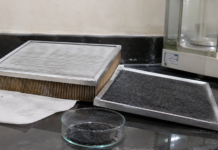
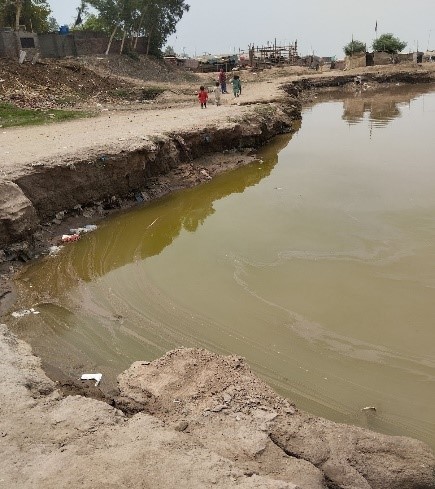
The water and plastic waste samples were collected from the bank of the River Ravi, Shahdara, Lahore, during the site visits in January 2025. Samples were hand collected in plastic sample bottles from three sites along the river bank, one of which was an accumulation point where visible deposits of sediment and impurities had formed (Figure 3), a second where boats were moored, and a third away from close proximity to local human habitation. The collected water was filtered through various types of filter media such as cloth, sponge and coffee filter as shown in Figure 2, to perform a simple filtration test. The visible particulates were trapped and noted, but not detected as microplastics, as it is only a note of the fact that the particles were trapped and not that they are in the microplastic size range.
The collected plastic waste was subjected to a density separation test by placing the plastic waste in a container of distilled water. Plastics that floated were provisionally grouped with low-density polymers (such as polyethylene and polypropylene), and those that sank were provisionally grouped with high-density polymers (such as PVC and PET); density separation of this kind can only give a preliminary indication and does not reliably establish polymer identity, particularly for weathered, contaminated, additive-containing, or composite environmental plastics, so these groupings are not reported as confirmed polymer identifications. Waste types (industrial or domestic) were visually identified and classified by packaging features, labels, and containers (Figures 2 and 3).
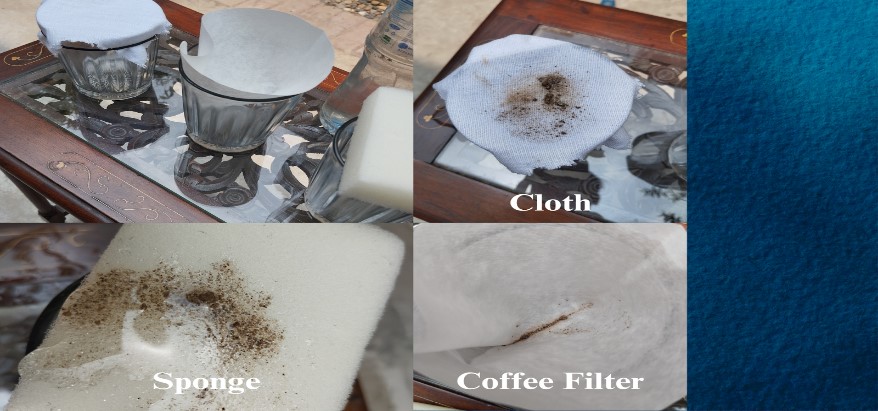
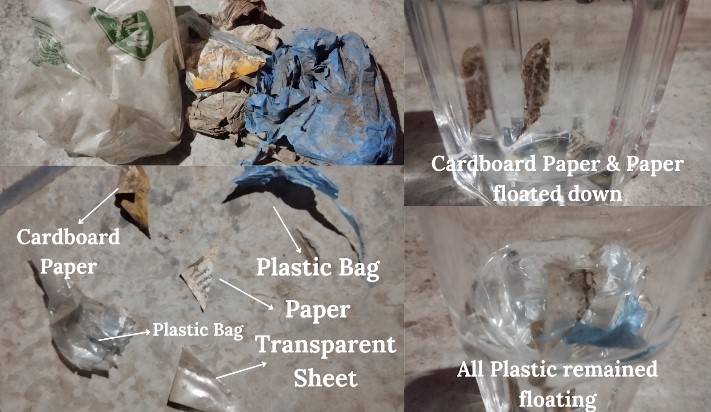
The study used the CRAAP test to confirm that the book was published by a reputable environmental agency, thus establishing its authority. The data was up to date and in line with government reports, which made it accurate. No critical discussion of government inaction was found in the source itself, so this perspective was supplemented from other sources. The name of the book was “A Handbook on Pakistan’s Coastal & Marine Resources.” It provided a comprehensive overview of Pakistan’s aquatic ecosystems. (Table 1). For the conceptual questions, a variety of peer-reviewed research papers and official government or institutional reports were used to locate information pertinent to the questions and to investigate different viewpoints; non-peer-reviewed web sources and video content were not relied upon for factual claims in the final manuscript.
| C | Currency | “A Handbook on Pakistan’s Coastal & Marine Resources” was published in 2016, and has not been updated since. Some information (related to statistics) may be outdated, however, I just wanted to obtain sufficient knowledge on the marine life and sustainable ways to manage resources. |
| R | Relevance | The content of this book is important as in comparison to other book sources, this has been published by authorized figures. The intended audience, is individuals like me who have little knowledge on Pakistan’s Marine life. It provides facts and figures, and is easy to understand for a beginner like me. |
| A | Authority | The handbook itself was published by the Mangroves for the future (MFF). The main authority had been IUCN Pakistan, who were given acknowledgments in the book. It is a collaborative effort involving experts from various fields, including researchers, government officials and NGO’s. Both these organizations are well established and known for their credibility. |
| A | Accuracy | There have been references used when showing statistics, facts and figures. They have mentioned the source, some of these resources/references include: WWF, Live Science, University of Western Australia, UNCED and more. |
| P | Purpose | It provides a comprehensive overview of Pakistan’s coastal and marine resources, and how we can sustainably manage them. It had been effective in helping me achieve the first 2 of my learning goals, and allowed to implement my learning process into the product I was creating. |
Software and 3D Modeling
The 3D model was created using SketchUp Pro (Version 2024). A three-phase process was used to develop foundational skills.
The final model was created with Lumion (Version 2024). The model was imported from SketchUp to Lumion via the LiveSync feature. Realistic materials, lighting and water effects were applied. The model was built up in layers to represent separable modular components, with the ability to switch on/off components for sectional views.
Expert Consultation
Semi-structured interviews were conducted with one environmental engineer. A pre-defined list of technical questions was prepared regarding structural feasibility, material selection, the viability of the biological degradation chamber, and potential environmental risks. The engineer noted that gases generated within the biological chamber could pose a toxicity risk if released in an uncontrolled way, and recommended separating the design into two distinct components — an external collection and chopping structure, and a separately housed, more tightly controlled biological chamber — to reduce this risk. This recommendation directly informed the modular, two-part structure adopted in the final design. Material choices for the dome housing were also discussed with an emphasis on durability and sustainability under normal river conditions, rather than for extreme events.
Design Evaluation and Survey
The final 3D model was evaluated against a pre-established success criteria rubric covering five domains: Software Features, Design Functionality, Proficiency in Drawing, Target Audience Engagement, and Impact. A post-completion survey was administered to a convenience sample of 7 peers. The survey utilized a Likert-scale format to assess the clarity, visual accuracy, and perceived impact of the final 3D model. Open-ended feedback was also collected regarding specific components that were difficult to interpret, leading to design refinements such as the modification of the hydraulic press indicator. Successive iterations of the chamber and modular system design were also discussed an expert over the course of the project. This feedback shaped the overall structure of the design but did not extend to detailed engineering specification; the biological chamber and associated components represent a basic, secondary-school-level conceptual understanding of how such a system might be constructed, rather than an engineering-ready design. The project’s central contribution is intended to be methodological demonstrating a process of identifying an environmental problem and developing a proposed solution rather than a validated or field-ready technical system.
Data Analysis
Survey responses from the seven-peer sample were summarized descriptively using mean and range scores for each Likert-scale item (clarity, visual accuracy, and perceived impact of the 3D model); given the small, convenience sample, no inferential statistical tests were applied, and the results are reported as indicative rather than generalizable. Thematic analysis of the open-ended survey responses and the notes from the engineer interview were used to identify common concerns and suggestions and to directly inform the design revisions (e.g., the two-part chamber separation mentioned above). The qualitative description and recording of field observations and the preliminary filtration and density-separation tests were in keeping with their exploratory and non-quantitative nature rather than as confirmed measurements.
The interview and the peer survey were conducted on a voluntary basis and both the engineer and the survey participants were told the aim of the project before they agreed to participate. Survey data were not gathered with names or other identifying data. There was no formal institutional ethics review as this project was a secondary-school research project, and no experiments involving animals, hazardous materials or human subjects were carried out beyond the voluntary interview and survey described here.
Results and Discussion
This research project was not only a study of the problem of plastic pollution in the rivers of Pakistan, but also emphasized on analytical, research and reflective skills. The process of design and conceptual development itself was subject to many revisions, as the preliminary design was not technically or environmentally feasible, but was treated as a step in the research and development process and not as a failure, and this reinforced the need to be flexible, make evidence-based changes and constantly re-evaluate the design of the environment. A detailed study of environmental factors of river, such as Ravi River was done and knowledge about the extent of plastic pollution in the ecosystem was gained. In the process of research, it has become evident that aquatic habitats are degraded due to anthropogenic activities and that structured and sustainable interventions are needed.
The proposed modular system is intended, as a design hypothesis rather than a demonstrated outcome, to achieve mechanical collection and biological degradation of plastic waste in river systems; no prototype, hydraulic testing, biological degradation experiment, or river deployment has yet been carried out to confirm this.
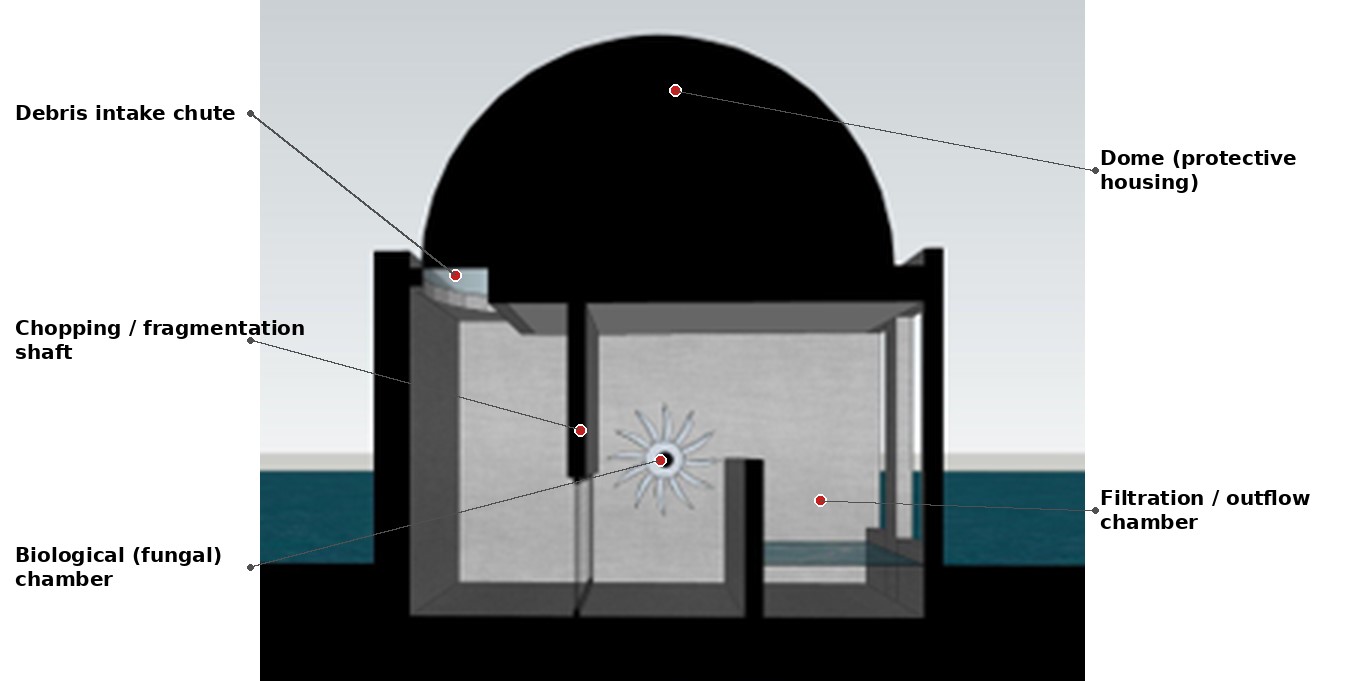
The main design problem was to find a suitable way of collecting and processing solid waste from the river water. Several options were considered for their feasibility and effectiveness in collecting floating debris. After a comparative study of these approaches, it was decided that a chopping mechanism was the most appropriate. This mechanism was intended to break up collected plastic waste into smaller pieces to increase the surface area and possibly improve the effectiveness of subsequent biodegradation processes in the biological treatment chamber.
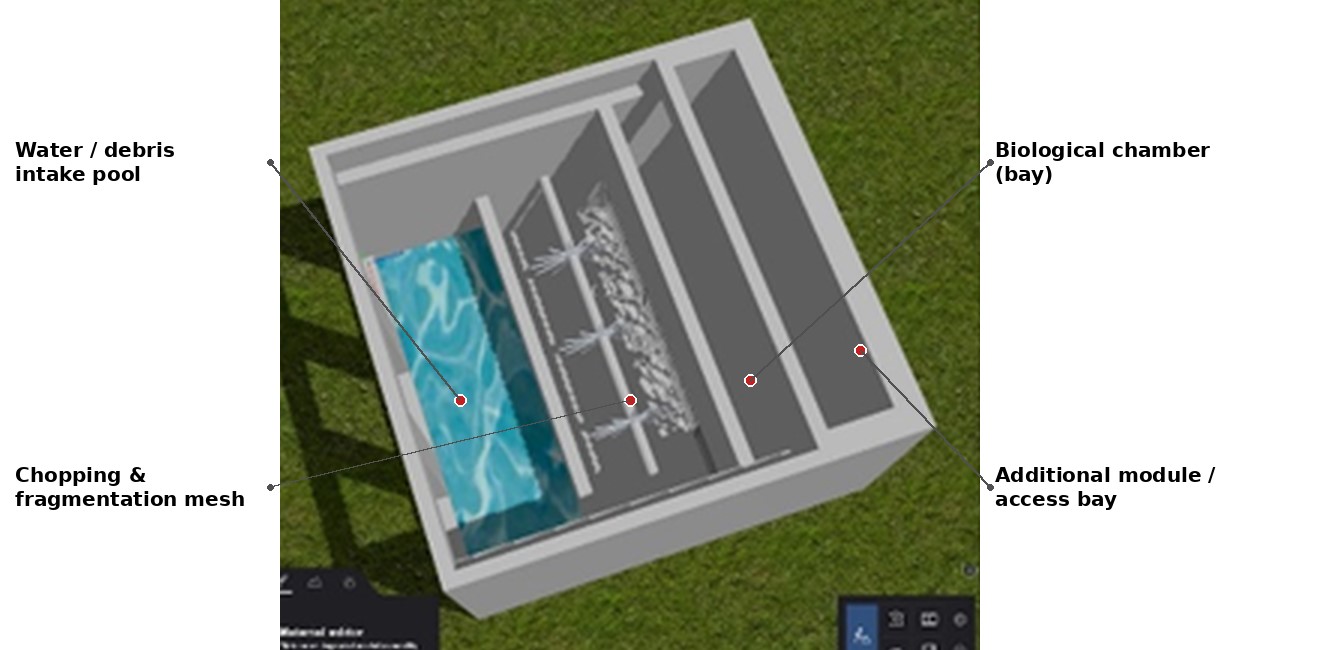
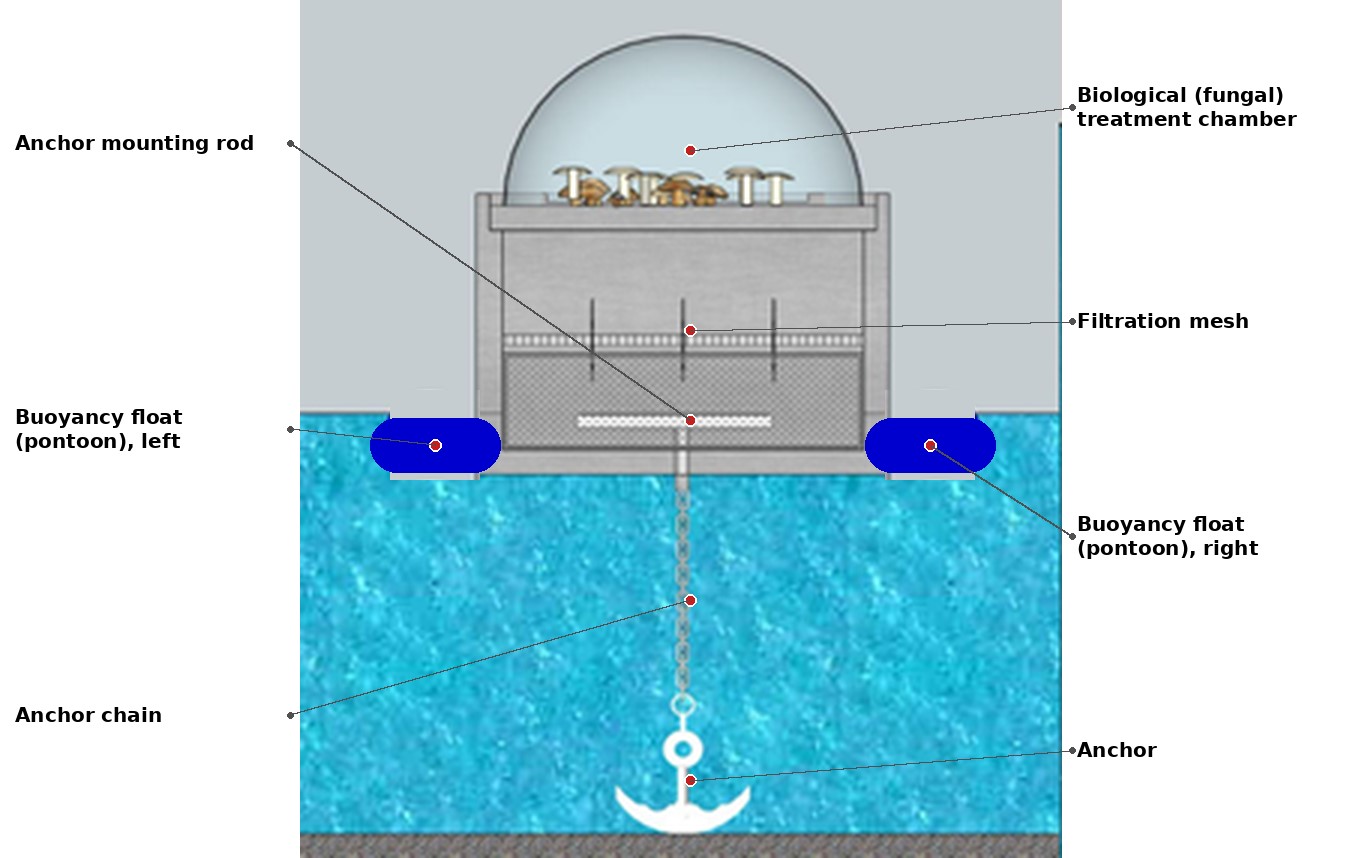
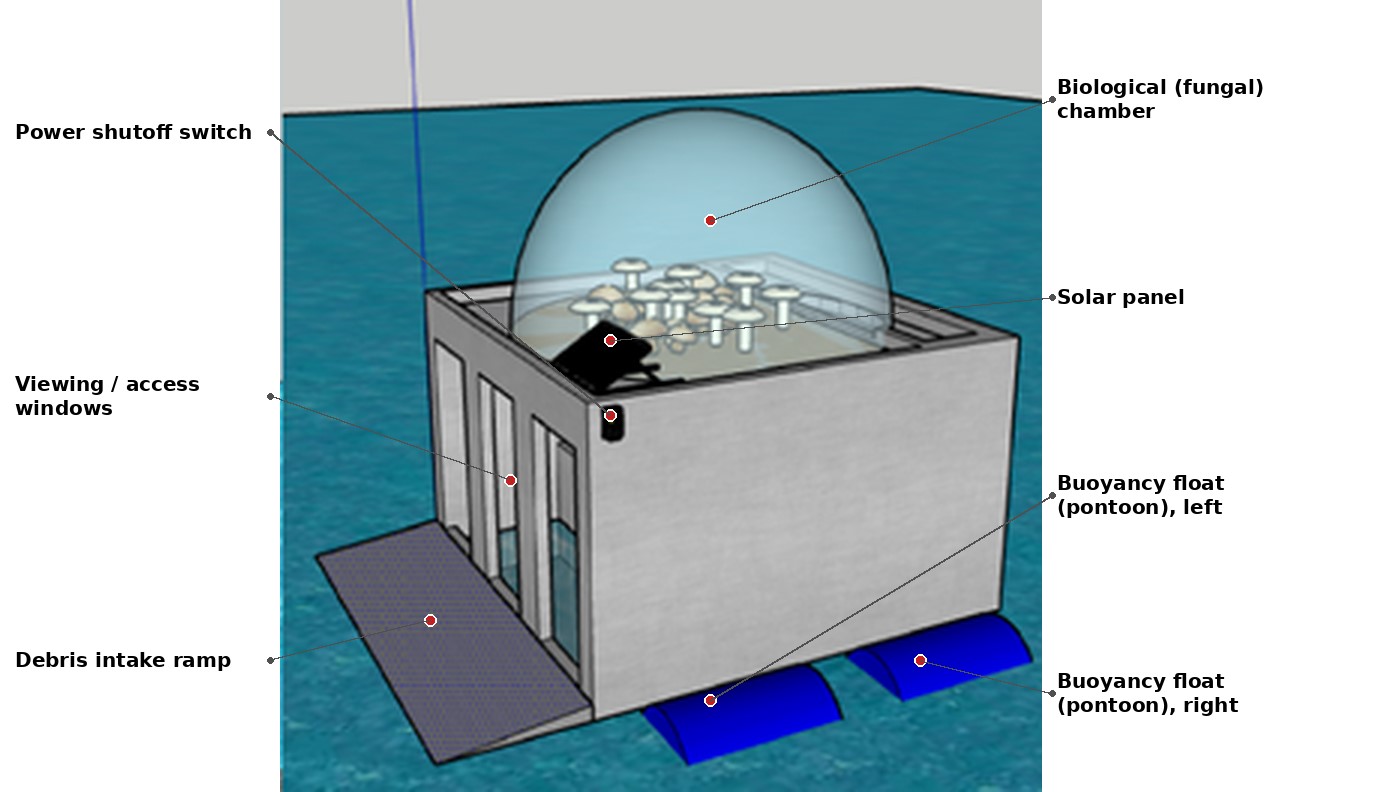
Two organisms, Aspergillus tubingensis and Pestalotiopsis microspora, which have each been reported to degrade certain plastics, were studied50 in developing the biological treatment system. The literature survey showed that these microorganisms have different environmental conditions for optimal growth and degradation activity hence, it is not feasible to use them simultaneously in a single chamber. Therefore, a special and controlled biological chamber for the selected organism to be cultured under the proper operational conditions was designed. The proposed system was finally divided into a number of integrated segments, each having a specific functional role in waste collection, fragmentation, and biodegradation (Figures 6-9)
Collection and Chopping Mechanism
An intake system that collects floating debris and passes it through a chopper to reduce plastic to microplastic-sized particles before filtration. Deliberately generating microplastic-sized fragments carries a risk of secondary microplastic release if any fragments escape the downstream filtration or biological chamber; complete containment of fragmented plastic within the system, rather than reduction in particle size alone, is therefore treated here as an essential and as yet unverified design requirement.
Filtration System
A fine filter to separate solid particles from the water flow.
Biological Chamber
Controlled environment for growing Aspergillus tubingensis to treat the collected microplastics; this treatment step is a design proposal and has not been tested. This project was designed independently at the secondary-school level, without access to an established laboratory, and the precise engineering parameters of the chamber (fungal strain or accession, residence time, temperature, pH, oxygen supply, plastic loading capacity, nutrient requirements, and controls to prevent fungal release to the river) are deliberately not specified. These parameters are suggested here as the ones that need to be addressed in a future laboratory study, but not as part of the conceptual design of the present study.
Biological agents have been found in previous research that can degrade plastics. Under controlled culture conditions, the fungi Aspergillus tubingensis and Pestalotiopsis microspora have been shown to cause surface degradation and fragmentation of polyurethane specifically51. This reported degradation has not been demonstrated for the mixed polymers (predominantly polyethylene, polypropylene, and polystyrene)17 expected in Ravi River waste, and the use of these organisms in an integrated, in-river system remains largely theoretical. The biological chamber described below should therefore be read as an untested design assumption whose treatment performance for mixed environmental plastics has not yet been shown, rather than as a demonstrated capability. We are not aware of any such structure being proposed or prototyped specifically for Lahore’s waterways.
Solar Panels
A renewable energy source to power the mechanical components, replacing an initial battery-powered concept.
Anchor System
Added to secure the structure in the river.
Modular Design
The structure is divided into separable layers and components, allowing for easier transport, maintenance, and future modifications.
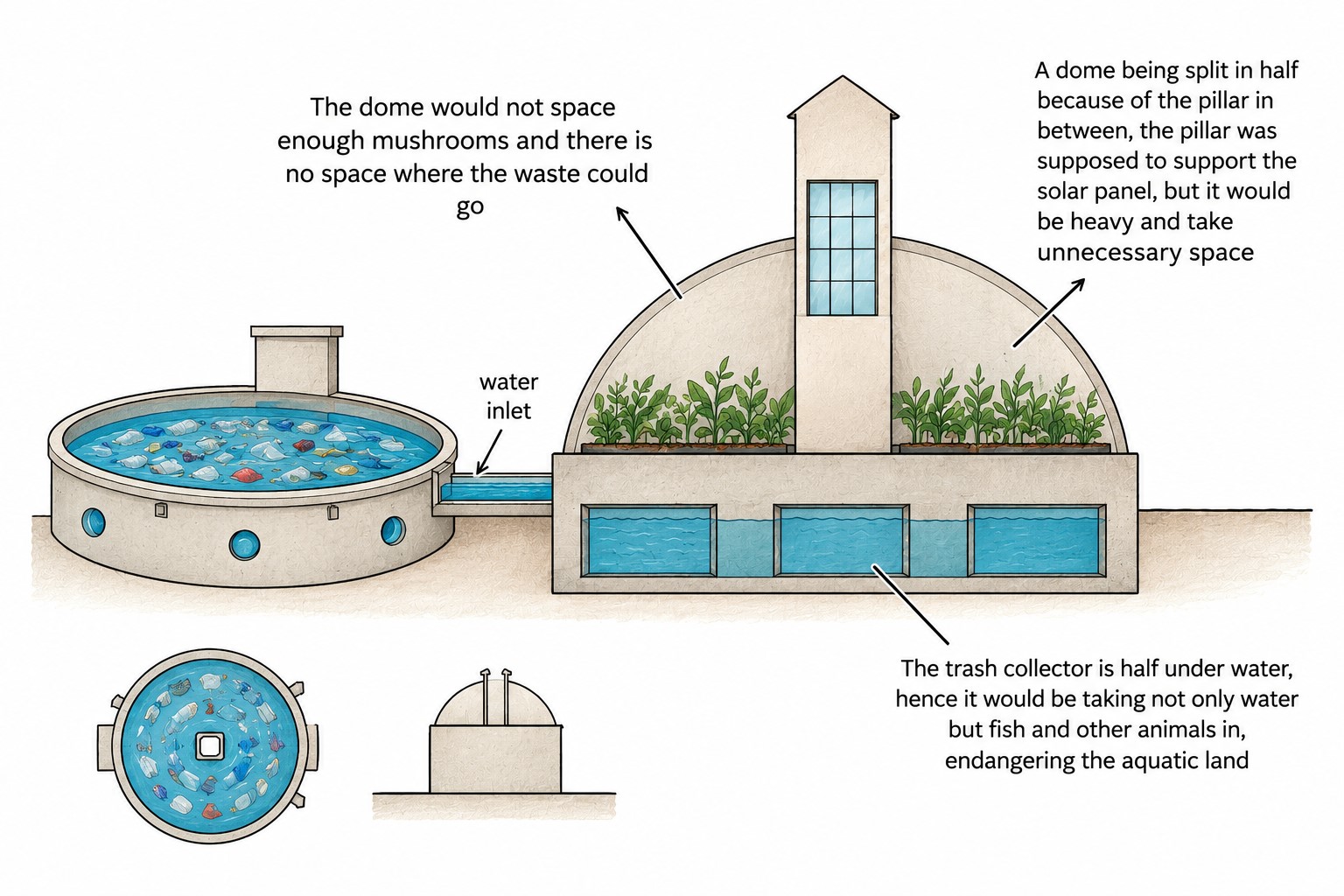
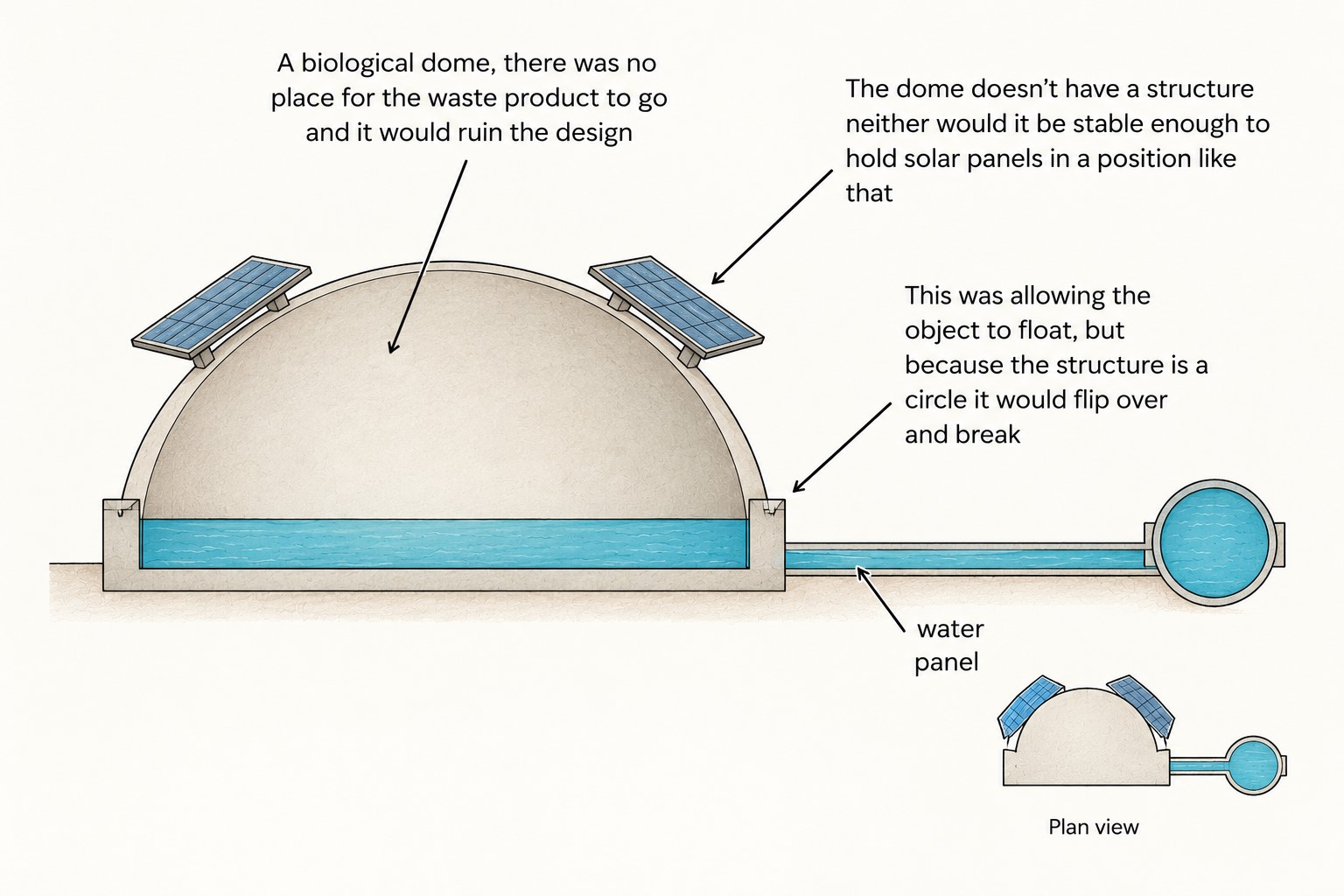
There are several limitations to this study. First, the project is still very theoretical, as only preliminary tests of the filtering and density of plastic were done, and no controlled experiments were made with Aspergillus tubingensis to assess the rate and efficiency of plastic degradation for the mixed polymers and under the local river conditions expected in the Ravi River. The proposed design is designed to optimize the growth conditions for the fungi and these conditions may be difficult to achieve in the natural environment, where temperature, pH, etc., vary and the environment is not sterile. Similarly, the consulting engineer suggested that gases produced in the biological chamber could be toxic if released uncontrolled, which has not yet been quantified or tested here and would require further investigation prior to a physical prototype being constructed. Second, economic viability of the system was not assessed in detail. The key challenges to large-scale deployment include construction material, solar panel costs, pump costs, and maintenance costs over the long-term. Thirdly, the effect of the proposed structure on the different plastic material densities, seasonal climatic changes and river flow rates have not been modeled. This limitation could be overcome in future research by using computational fluid dynamics (CFD) modeling to gain an understanding of the system’s performance under various environmental conditions.
This project was undertaken independently, with no institutional funding, laboratory facilities or formal research team, so the field observations, degradation experiments and literature review that would be included in a fully resourced study were not feasible and this is provided as a conceptual design and a starting point for future, better resourced work, not as a validated engineering solution. Despite these limitations, the project has great practical implications. It proposes a local solution which may be more suitable in the context of infrastructural and economic constraints in developing countries such as Pakistan.
A larger question that arose during this project and in the background reading as well as talking to the engineer consulted was whether or not plastic pollution can be eliminated or just reduced. Some views are that elimination is possible with enough political will and technological development; others are that the amount of plastic waste generated today and in the future is too much to make mitigation the only near-term goal.
Unanswered scientific questions are the optimal retention time needed for degradation of mixed plastic polymers by Aspergillus tubingensis, the possibility of establishing a stable microbial consortium in the chamber, and the fate of degradation byproducts. Future work should be directed towards small- scale prototyping and laboratory testing of the biological degradation component.
Conclusion
This project set out to characterize, at a preliminary level, the plastic waste present at accumulation points along the Ravi River; to propose a modular conceptual design integrating mechanical collection, filtration, and biological degradation; and to evaluate that design through expert consultation and peer feedback as a basis for future validation. Each objective was addressed at a level appropriate to an independent, unfunded secondary-school project. Field observations and preliminary filtration and density-separation tests identified the general nature of plastic waste that was being accumulated along the river bank and confirmed that simple physical methods could be used to capture visible particulates, but not to confirm polymer identification. The conceptual design, RiverGuard, was developed and iterated several times, incorporating a debris-collection and chopping mechanism, a filtration stage, a proposed biological treatment chamber and other supporting elements such as solar, anchoring, and buoyancy. This design was directly influenced by consultation with an environmental engineer and feedback from a peer survey, particularly the separation of the collection structure from the biological chamber to minimise gas-related hazards.
This project has, however, some drawbacks that must be explicitly recognized. It is not yet an engineering solution, but it is a conceptual design – no prototype, hydraulic test, or biological degradation test has been conducted, and there are many engineering parameters of the biological chamber that have been intentionally not specified for future testing. The economic viability of the system, its performance under real river conditions (flow, seasonal changes, debris loading) and the toxicity risk of the gases produced in the biological chamber have not been assessed. These limitations are inherent to the project’s scope and resources, and are an independent secondary-school project without access to an institutional laboratory.
The next steps for future work are small-scale prototype testing of the biological degradation component under conditions similar to the mixed polymers found in the Ravi River; hydrodynamic modeling of the structure under realistic flow conditions; and a basic safety assessment of the gas byproducts of the biological chamber. In addition, a detailed field sampling campaign and plastic waste quantitative characterisation would further support the evidence base for the design.
Despite these limitations, this project demonstrates that a modular, ecologically informed approach to plastic pollution mitigation can be meaningfully developed even without institutional resources, and it offers a starting point for future, better-resourced work. Plastic pollution in rivers like the Ravi is unlikely to be solved by any single design; but the process of identifying the problem carefully, proposing a concrete solution, and being honest about what remains untested is, in itself, a foundation worth building on.
AI Acknowledgement
During the preparation of this work, the author used ChatGPT in order to improve language readability. After using this tool, the author reviewed and edited the content as needed and takes full responsibility for the content of the publication.
References
- R. Geyer, J. R. Jambeck, K. L. Law. Production, use, and fate of all plastics ever made. Science Advances. Vol. 3, pg. e1700782, 2017, https://doi.org/10.1126/sciadv.1700782. [↩]
- S. L. Wright, R. C. Thompson, T. S. Galloway. The physical impacts of microplastics on marine organisms: a review. Environmental Pollution. Vol. 178, pg. 483–492, 2013, https://doi.org/10.1016/j.envpol.2013.02.031. [↩] [↩]
- J. R. Jambeck, R. Geyer, C. Wilcox, T. R. Siegler, M. Perryman, A. Andrady, R. Narayan, K. L. Law. Plastic waste inputs from land into the ocean. Science. Vol. 347, pg. 768–771, 2015, https://doi.org/10.1126/science.1260352. [↩]
- L. C. M. Lebreton, J. van der Zwet, J.-W. Damsteeg, B. Slat, A. Andrady, J. Reisser. River plastic emissions to the world’s oceans. Nature Communications. Vol. 8, pg. 15611, 2017, https://doi.org/10.1038/ncomms15611. [↩] [↩]
- United Nations Environment Programme. From pollution to solution: a global assessment of marine litter and plastic pollution. UNEP, 2021, https://www.unep.org/resources/pollution-solution-global-assessment-marine-litter-and-plastic-pollution. [↩]
- S. M. Ali, A. Pervaiz, B. Afzal, N. Hamid, A. Yasmin. Open dumping of municipal solid waste and its hazardous impacts on soil and vegetation diversity at waste dumping sites of Lahore. Waste Management & Research. Vol. 37, pg. 941–954, 2019, https://doi.org/10.1177/0734242X19857414. [↩]
- Pakistan Environmental Protection Agency. State of the environment report: freshwater bodies in Punjab. Government of Pakistan, 2022, https://environment.punjab.gov.pk/. [↩]
- A. Mahmood, R. N. Malik. Human health risk assessment of heavy metals via consumption of contaminated vegetables collected from different irrigation sources in Lahore, Pakistan. Arabian Journal of Chemistry. Vol. 7, pg. 91–99, 2014, https://doi.org/10.1016/j.arabjc.2013.07.002. [↩]
- World Bank. Market study for Pakistan: plastics circularity opportunities and barriers. World Bank, 2021, https://documents.worldbank.org/. [↩]
- O. K. Helinski, C. J. Poor, J. M. Wolfand. Ridding our rivers of plastic: a framework for plastic pollution capture device selection. Marine Pollution Bulletin. Vol. 165, pg. 112095, 2021, https://doi.org/10.1016/j.marpolbul.2021.112095. [↩] [↩]
- P. Pitriani. Microplastic pollution in urban water systems, environmental and public health implications: a narrative review. Jurnal Riset Kualitatif dan Promosi Kesehatan. Vol. 3, pg. 98–112, 2025, https://doi.org/10.61194/jrkpk.v3i2.664. [↩]
- L. K. Bhardwaj, P. Rath, P. Yadav, U. Gupta. Microplastic contamination, an emerging threat to the freshwater environment: a systematic review. Environmental Systems Research. Vol. 13, pg. 8, 2024, https://doi.org/10.1186/s40068-024-00338-7. [↩]
- F. M. Windsor, I. Durance, A. A. Horton, R. C. Thompson, C. R. Tyler, S. J. Ormerod. A catchment-scale perspective of plastic pollution. Global Change Biology. Vol. 25, pg. 1207–1221, 2019. [↩]
- A. McCormick, T. J. Hoellein, S. A. Mason, J. Schluep, J. J. Kelly. Microplastic is an abundant and distinct microbial habitat in an urban river. Environmental Science & Technology. Vol. 48, pg. 11863–11871, 2014. [↩]
- A. I. Osman, M. Hosny, A. S. Eltaweil, S. Omar, A. M. Elgarahy, M. Farghali, P.-S. Yap, Y.-S. Wu, S. Nagandran, K. Batumalaie, S. C. B. Gopinath, O. D. John, M. Sekar, T. Saikia, P. Karunanithi, M. H. M. Hatta, K. A. Akinyede. Microplastic sources, formation, toxicity and remediation: a review. Environmental Chemistry Letters. Vol. 21, pg. 2129–2169, 2023, https://doi.org/10.1007/s10311-023-01593-3. [↩]
- M. C. M. Blettler, E. Abrial, F. R. Khan, N. Sivri, L. A. Espinola. Freshwater plastic pollution: recognizing research biases and identifying knowledge gaps. Water Research. Vol. 143, pg. 416–424, 2018. [↩]
- M. Irfan, A. Qadir, M. Mumtaz, S. R. Ahmad. An unintended challenge of microplastic pollution in the urban surface water system of Lahore, Pakistan. Environmental Science and Pollution Research. Vol. 27, pg. 16718–16730, 2020, https://doi.org/10.1007/s11356-020-08114-7. [↩] [↩] [↩] [↩] [↩] [↩] [↩]
- S. Mehboob, K. M. Anjum, H. Azmat, M. Imran. The measurement of microplastics in surface water and their impact on histopathological structures in wading birds of district Lahore. Frontiers in Toxicology. Vol. 6, pg. 1484724, 2025, https://doi.org/10.3389/ftox.2024.1484724. [↩] [↩] [↩]
- S. A. Batool, M. N. Chaudhry. Municipal solid waste management in Lahore City District, Pakistan. Waste Management. Vol. 29, pg. 1971–1981, 2009. [↩]
- F. Hussain, M. N. Chaudhry, S. A. Batool. Assessment of key parameters in municipal solid waste management: a prerequisite for sustainability. International Journal of Sustainable Development & World Ecology. Vol. 21, pg. 519–525, 2014, https://doi.org/10.1080/13504509.2014.971452. [↩]
- Y. Sadef, A. S. Nizami, S. A. Batool, M. N. Chaudary, O. K. M. Ouda, Z. Z. Asam, K. Habib, M. Rehan, A. Demirbas. Waste-to-energy and recycling value for developing integrated solid waste management plan in Lahore. Energy Sources, Part B: Economics, Planning, and Policy. Vol. 11, pg. 569–579, 2016, https://doi.org/10.1080/15567249.2015.1052595. [↩]
- Express Tribune. Plastic waste augments urban flooding risks. https://tribune.com.pk/story/2619381/plastic-waste-augments-urban-flooding-risks, 2026. [↩] [↩]
- Dialogue Earth. Why Lahore floods, and how to stop it. https://dialogue.earth/2019/08/01/why-lahore-floods-and-how-to-stop-it/, 2019. [↩]
- Tanqeed. Urban development on the dying Ravi? https://www.tanqeed.org/2014/10/urban-development-on-the-dying-ravi/, 2014. [↩] [↩] [↩]
- Dawn. Stream of toxins. https://www.dawn.com/news/amp/1190875, 2015. [↩] [↩]
- T. Ahmad. River of sewage: how Lahore’s waste turned Ravi into a stinking drain. https://loksujag.com/story/river-ravi-turned-into-dumping-ground-eng, 2020. [↩] [↩] [↩] [↩] [↩]
- M. Priyanka, S. Dey. Ruminal impaction due to plastic materials: an increasing threat to ruminants and its impact on human health in developing countries. Veterinary World. Vol. 11, pg. 1307–1315, 2018, https://doi.org/10.14202/vetworld.2018.1307-1315. [↩]
- Alberta Agriculture and Forestry. Managing cow-calf operations to protect water quality. https://www1.agric.gov.ab.ca/$department/deptdocs.nsf/all/agdex927. [↩]
- A. A. Horton, A. Walton, D. J. Spurgeon, E. Lahive, C. Svendsen. Microplastics in freshwater and terrestrial environments: evaluating the current understanding to identify the knowledge gaps and future research priorities. Science of the Total Environment. Vol. 586, pg. 127–141, 2017. [↩]
- M. H. Raza, F. Jabeen, S. Ikram, S. Zafar. Characterization and implication of microplastics on riverine population of the River Ravi, Lahore, Pakistan. Environmental Science and Pollution Research. Vol. 30, pg. 6828–6848, 2023. [↩]
- P. Kumar, K. Lata, A. Gacem, M. Tariq, S. Singh, A. Sharma, V. K. Yadav, J. K. Bhutto, M. Kumar, M. A. Alreshidi, M. W. Alam, K. K. Yadav, S. Choudhary. A review on the environmental fate, toxicological risks, and cutting-edge degradation methods of microplastics contamination. Environmental Sciences Europe. Vol. 37, pg. 114, 2025, https://doi.org/10.1186/s12302-025-01164-z. [↩]
- N. U. Benson, O. D. Agboola, O. H. Fred-Ahmadu, G. E. De-la-Torre, A. Oluwalana, A. B. Williams. Micro(nano)plastics prevalence, food web interactions, and toxicity assessment in aquatic organisms: a review. Frontiers in Marine Science. Vol. 9, 2022, https://doi.org/10.3389/fmars.2022.851281. [↩] [↩]
- Q. Chen, H. Zhao, Y. Liu, L. Jin, R. Peng. Factors affecting the adsorption of heavy metals by microplastics and their toxic effects on fish. Toxics. Vol. 11, pg. 490, 2023, https://doi.org/10.3390/toxics11060490. [↩]
- U.S. Environmental Protection Agency. Impacts of mismanaged trash. https://19january2017snapshot.epa.gov/trash-free-waters/impacts-mismanaged-trash_.html. [↩]
- V. Nava, B. Leoni, M. M. Arienzo, Z. S. Hogan, I. Gandolfi, V. Tatangelo, E. Carlson, S. Chea, S. Soum, R. Kozloski, S. Chandra. Plastic pollution affects ecosystem processes including community structure and functional traits in large rivers. Water Research. Vol. 259, pg. 121849, 2024, https://doi.org/10.1016/j.watres.2024.121849. [↩]
- P. L. Corcoran. Benthic plastic debris in marine and fresh water environments. Environmental Science: Processes & Impacts. Vol. 17, pg. 1363–1369, 2015, https://doi.org/10.1039/C5EM00188A. [↩]
- Environment Agency. Design and operation of trash screens: phase 3. https://www.gov.uk/flood-and-coastal-erosion-risk-management-research-reports/design-and-operation-of-trash-screens-phase-3. [↩]
- C. Sarti, A. Cincinelli, R. Bresciani, A. Rizzo, D. Chelazzi, F. Masi. Microplastic removal and risk assessment framework in a constructed wetland for the treatment of combined sewer overflows. Science of the Total Environment. 2024, https://doi.org/10.1016/j.scitotenv.2024.175864. [↩]
- M. Bodzek, A. Pohl. Removal of microplastics in unit processes used in water and wastewater treatment: a review. Archives of Environmental Protection. 2022, https://doaj.org/article/28e0a606f60b498db05a885680221cea. [↩]
- S. Zhang, C. Shen, F. Zhang, K. Wei, S. Shan, Y. Zhao, Y. B. Man, M. H. Wong, J. Zhang. Microplastics removal mechanisms in constructed wetlands and their impacts on nutrient (nitrogen, phosphorus and carbon) removal: a critical review. Science of the Total Environment. Vol. 918, pg. 170654, 2024. [↩]
- M. Starin. Vpliv mikroplastike na učinkovitost rastlinske čistilne naprave [The effect of microplastics on the efficiency of constructed wetlands] [Master’s thesis]. University of Ljubljana, 2023, https://repozitorij.uni-lj.si/IzpisGradiva.php?id=129639. [↩]
- M. T. Ahmmed, M. T. T. Lina, A. Tasnim. Comparative review of microplastics removal in wastewater treatment plants and constructed wetlands. Proceedings of the 8th International Conference on Civil Engineering for Sustainable Development (ICCESD 2026). 2026, https://iccesd.kuet.ac.bd/Papers/674.pdf. [↩]
- Dawn. Ravi among the world’s most polluted rivers [commentary]. https://www.dawn.com/news/amp/1677334. [↩]
- A. Watt. Interceptor solar-powered automated boat is cleaning polluted rivers. https://worldsteel.org/media/steel-stories/innovation/interceptor-solar-powered-automated-boat-is-cleaning-polluted-rivers/, 2022. [↩]
- Earth Wise. Baltimore’s trash wheels. https://earthwiseradio.org/2017/04/baltimores-trash-wheels, 2017. [↩]
- Storm Water Systems. Bandalong Litter Trap. https://www.stormwatersystems.com/products/bandalong-litter-trap-tm. [↩]
- Global Fund for Coral Reefs. TrashBoom: floating barrier to stop plastic waste from entering the oceans. https://globalfundcoralreefs.org/reef-plus/finance-solutions/trashboom/. [↩]
- B. D. Zarley. This floating fence can catch plastic waste before it hits the sea. https://www.freethink.com/energy/floating-fence, 2022. [↩]
- N. Fazal. Pollution of River Ravi. https://thewaterchannel.tv/thewaterblog/pollution-of-river-ravi/, 2014. [↩]
- M. Srikanth, T. S. R. S. Sandeep, K. Sucharitha, S. Godi. Biodegradation of plastic polymers by fungi: a brief review. Bioresources and Bioprocessing. Vol. 9, pg. 42, 2022, https://doi.org/10.1186/s40643-022-00532-4. [↩]
- S. Khan, S. Nadir, Z. U. Shah, A. A. Shah, S. C. Karunarathna, J. Xu, A. Khan, S. Munir, F. Hasan. Biodegradation of polyester polyurethane by Aspergillus tubingensis. Environmental Pollution. Vol. 225, pg. 469–475, 2017, https://doi.org/10.1016/j.envpol.2017.03.012. [↩]