Abstract
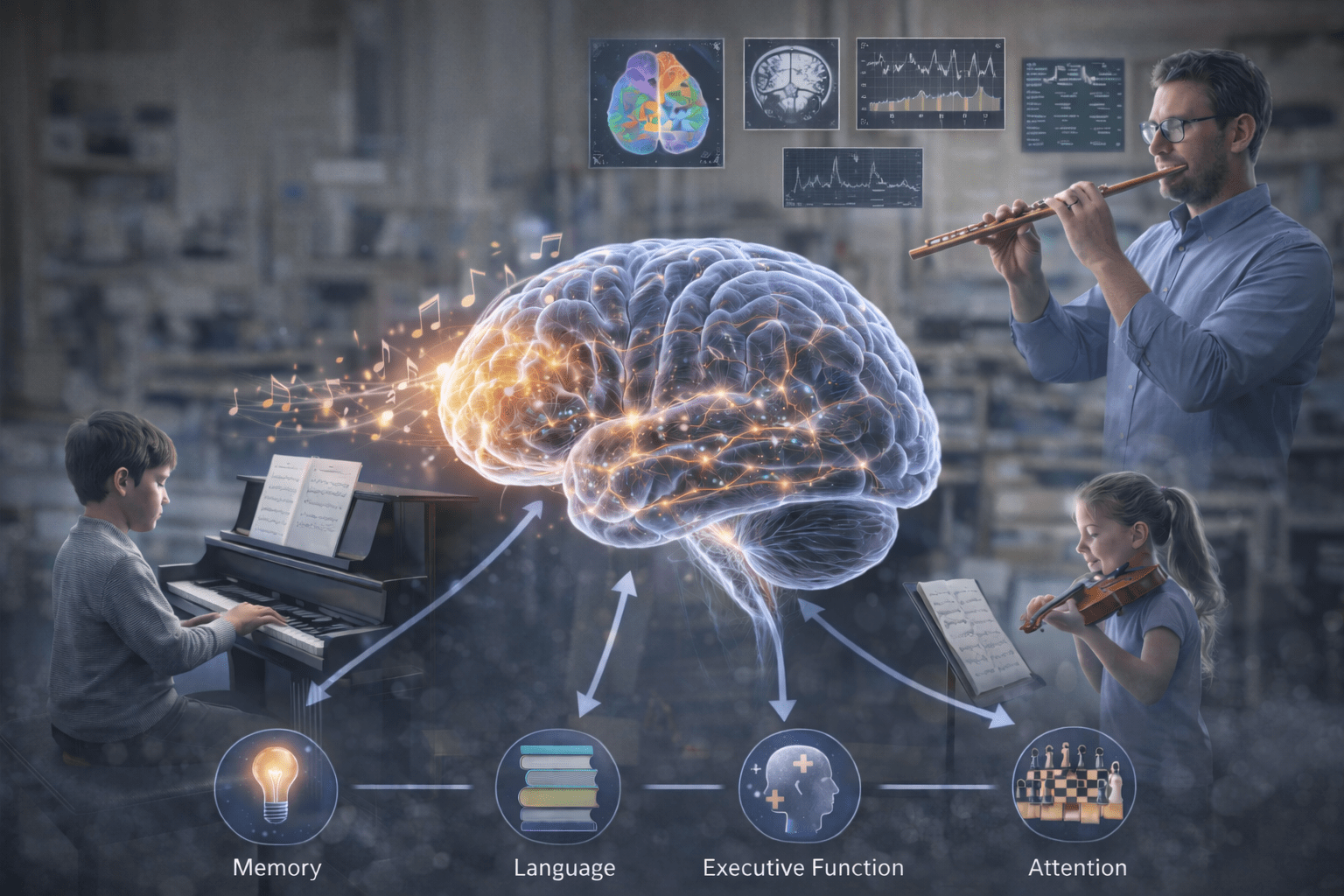
Music has long been viewed as an effective way to relax one’s mind and sooth the soul, and it is common for parents to have their children listen to classical music and start learning an instrument at a relatively young age. Using fMRI and EEG techniques, researchers have comprehensively assessed how musical training influences cognitive skills such as memory, attention, and executive function through neuroplasticity-the ability of the brain to form and reorganize synaptic connections. Key findings include: (1) Musicians show increased motor cortex activation related to fine motor control, and (2) Musicians’ default mode networks (DMNs) often show altered resting-state functional connectivity compared to non-musicians, frequently exhibiting stronger and more efficient neural connections other brain regions, reflecting positive impact of musical training on brain’s cognitive abilities. Both keyboard and string instruments contribute distinctively to cognitive enhancement and neurorehabilitation. Studies have also emphasized the need for longitudinal research and cross-sectional study to further elucidate the specific ways various instruments impact brain function. This paper review will organize and discuss studies that have been done on the impact of instrumental output on musicians’ cognitive functions and structures, especially on the aspects of the motor system and the default mode network, including a detailed interpretation of the methods used in the study to further speculate the internal mechanism and give a holistic view of where further research should be taken place.
Introduction
Cultural significance of music
The cultural significance of music is profound and diverse, serving as an important expression of peoples, traditions, and communities around the world. Each culture contributes its unique musical styles, instruments, and traditions, reflecting the diversity of world cultures. For example, the pentatonic scale in East Asian music, the complex polyrhythms of West African drumming, and the maqam system in Arabic music all demonstrate how closely music is associated with cultural identity (Pizà, 2023). Music plays a vital role in rituals and ceremonies, reinforcing social cohesion, such as Native American pava music or Spanish flamenco. In addition, traditional songs carry historical events, preserving traditional cultural stories across generations. Music can transcend cultural boundaries, just like that of the global influence of jazz, which incorporates elements of national traditions1. The characteristics of music are influenced by historical, social, and geographical factors, embodying a global essence while promoting cultural exchange between different regions.
Current status of neurological research in music perception
Significant progress has been made in the field of music perception and cognition, particularly in understanding how music affects brain structure and function. Research has shown that the default mode network (DMN),2 which is associated with internally focused thinking, plays a crucial role in how individuals process music. Other studies have shown that favorite music alters key areas of the human brain, such as the auditory cortex and hippocampus, highlighting the importance of individual music preferences on brain activity3.
Quantitative research methods for music perception
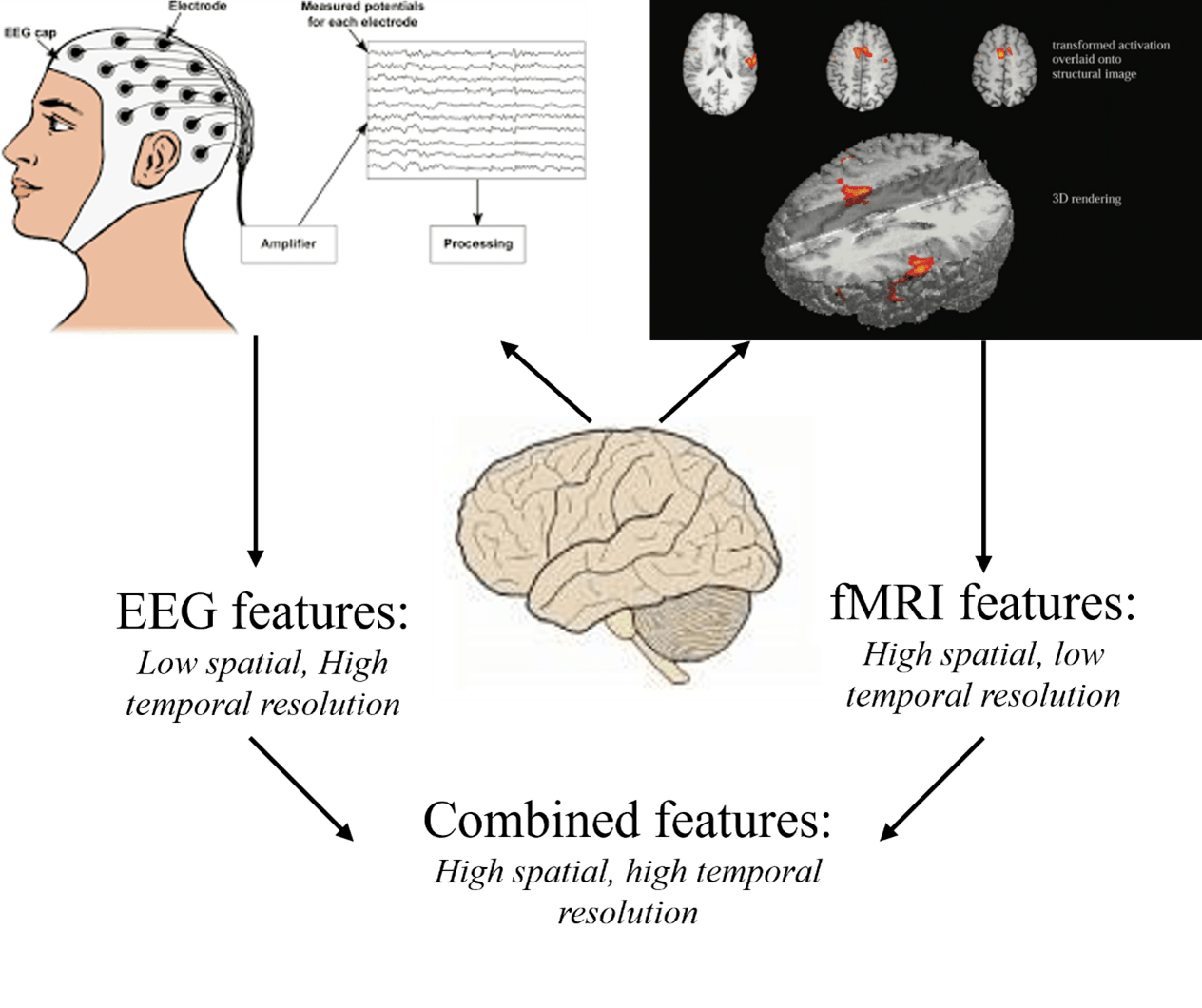
Fundamental to these discoveries are the research methods employed. In humans, functional magnetic resonance imaging (fMRI)4 and electroencephalography (EEG)5 are two key techniques for studying brain activity and function. fMRI measures brain activity by detecting changes in blood flow, providing high spatial resolution images that reveal which brain areas are involved in specific cognitive tasks (Figure 1). Whereas, EEG records the electrical activity generated by neurons, providing excellent temporal resolution that can capture the timing of brain processes (Figure 1). The two techniques complement each other, with fMRI highlighting where brain activity occurs and EEG detailing when it occurs (Figure 1). This combination allows researchers to gain a comprehensive understanding of the dynamic function of the brain and its response to various stimuli.
The Present Study
Though the existing research has investigated how people respond to their preferred music and the difference in the connectivity of cognitive areas and the limbic system between musicians (i.e. people play instruments for a long period) and non-musicians, areas such as direct comparison between training in a string instrument versus piano on cognitive structures and function have not been explored in depth until now.
Western classical music, particularly, with its rich history and distinctive instruments like the violin and piano, has been particularly well-documented in neurological research. The paper will focus on the cognitive effects of training with these two types of instruments, exploring how different training modalities—piano versus violin—affect areas of the brain involved in motor control, auditory processing, and emotional regulation. This investigation aims to interpret how the two instruments contribute uniquely to brain development, providing insights into the neuroplastic effects of musical training.
Methods
In this review, I conducted a thorough literature search using Google Scholar, focusing on keywords such as “music and the brain,” “default mode network,” “brain structure,” “fMRI,” “EEG,” “keyboard instruments,” and “violin.” The search was primarily guided by the relevance of the titles to my research interests and the number of citations each paper had received. I paid particular attention to research by Robert Zatorre, whose extensive work on how music affects the brain has been particularly influential in shaping my understanding of this field. Apart from that, I realized there were various psychological methods in how people determine or measure the effect of playing instruments on the brain, such as longitudinal and cross-sectional studies done by Japanese scientists. I conducted further research on the methods used and compared their strength and limitations to determine the most robust and relevant approaches for my review. This process ensured that this review is based on high-quality research that offers valuable insights into the intricate relationship between music and the brain.
Since studies allocated to this area of neuroscience is scarce, I have relatively considered studies with few sample size and data that does not reach statistical significance, and I have stated the limit of these experiments in the discussion section, proposing where future research should be headed in my point of view.
Effects of Instrumental Training on Cognitive Structure and Function
Musical instrument training significantly affects cognitive structure
Musical instrument training significantly affects cognitive structure and function, enhancing cognitive abilities such as memory, attention, and executive functions. The study using fMRI and EEG has shown that musical training leads to structural changes in the brain that demonstrate neuroplasticity6. For example, experienced musicians have increased connectivity in emotion-processing regions and motor control regions, such as the anterior cingulate cortex and the supplementary motor area, suggesting that music training can adapt and reorganize brain networks7.
Additionally, the integration of sensory and motor elements in music training mobilizes higher-order brain structures, demonstrating brain adaptability and the benefits of an integrated multimodal approach in music training. For example, a study investigated whether the motor system in the brain is engaged during the perception of musical rhythms, even in the absence of actual movement. By conducting two fMRI experiments, the authors explored how listening to musical rhythms with and without expected tapping activates motor areas of the brain.8. Another study also states that the corpus callosum is also larger in musicians, particularly in the anterior region that connects the two motor cortices9. This increased size indicates more symmetrical brain organization, allowing for better coordination between the two hemispheres. Interestingly, this study also highlighted that male musicians have a larger cerebellum, which is associated with motor learning and fine motor skills, potentially indicating sex-dependent plasticity changes as a result of musical training.
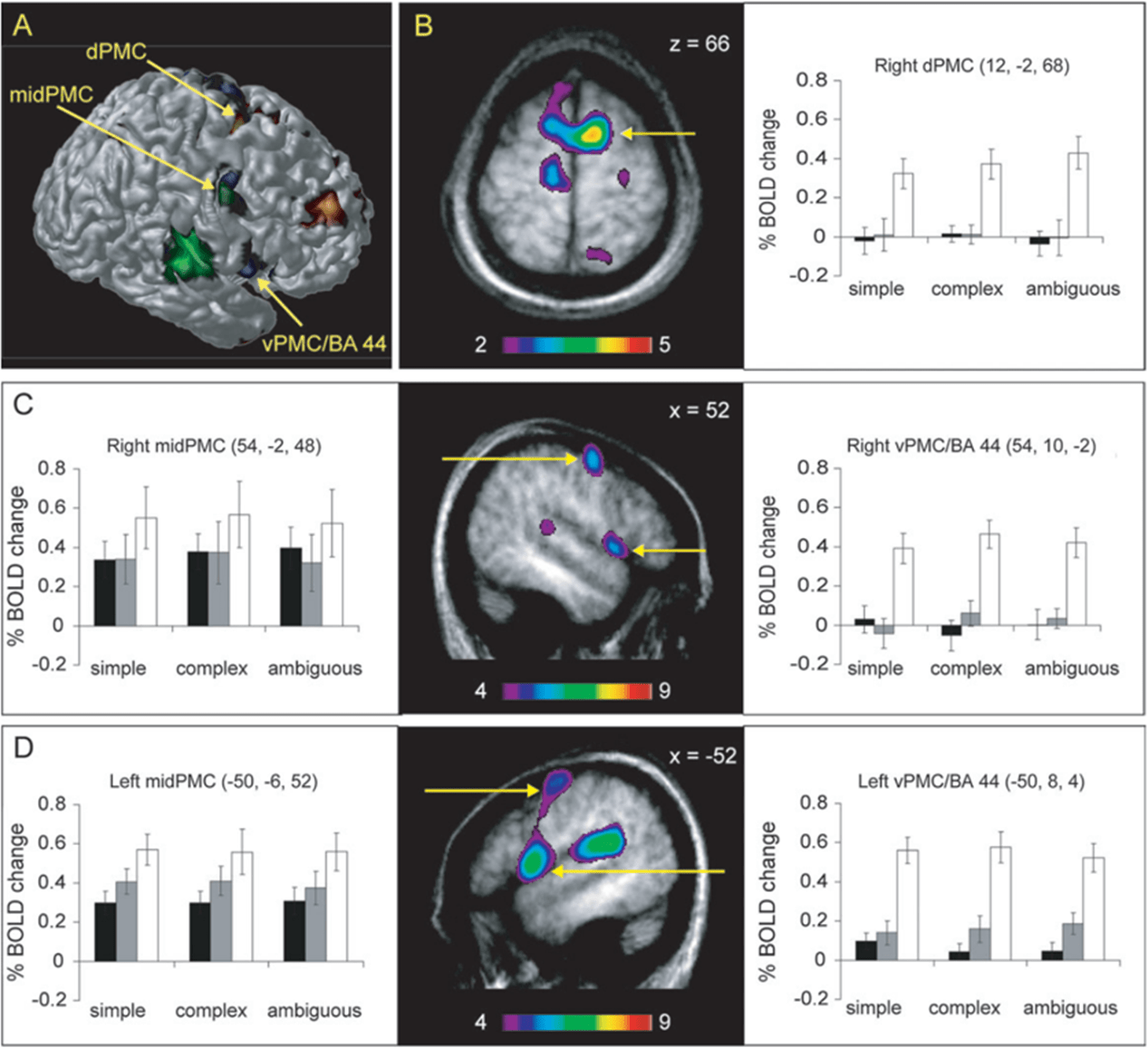
These results support the idea that motor areas of the brain are intrinsically involved in auditory processing, particularly in response to rhythmic stimuli. This is consistent with the concept of auditory mirror neurons, which are activated by sounds associated with specific actions. In particular, the study by Chen et al identified three different premotor areas (ventral PMC, mid-PMC, and dorsal PMC) that play different roles in action-perception coupling (Figure 2): ventral PMC (vPMC): only engaged when there are clear action-related sounds; mid-PMC: engaged in both passive listening and motor tasks, suggesting a role in tracking and predicting sequential events; dorsal PMC (dPMC): sensitive to the temporal complexity of rhythms and involved in higher-order motor planning.
These structural changes underscore the idea that the brain, like a muscle, adapts with intense and prolonged use. Areas most critical to musical performance, such as those involved in motor control and auditory processing, showed the most striking differences, making the brains of musicians very different from those of non-musicians.
Musical instrument training significantly affects cognitive function
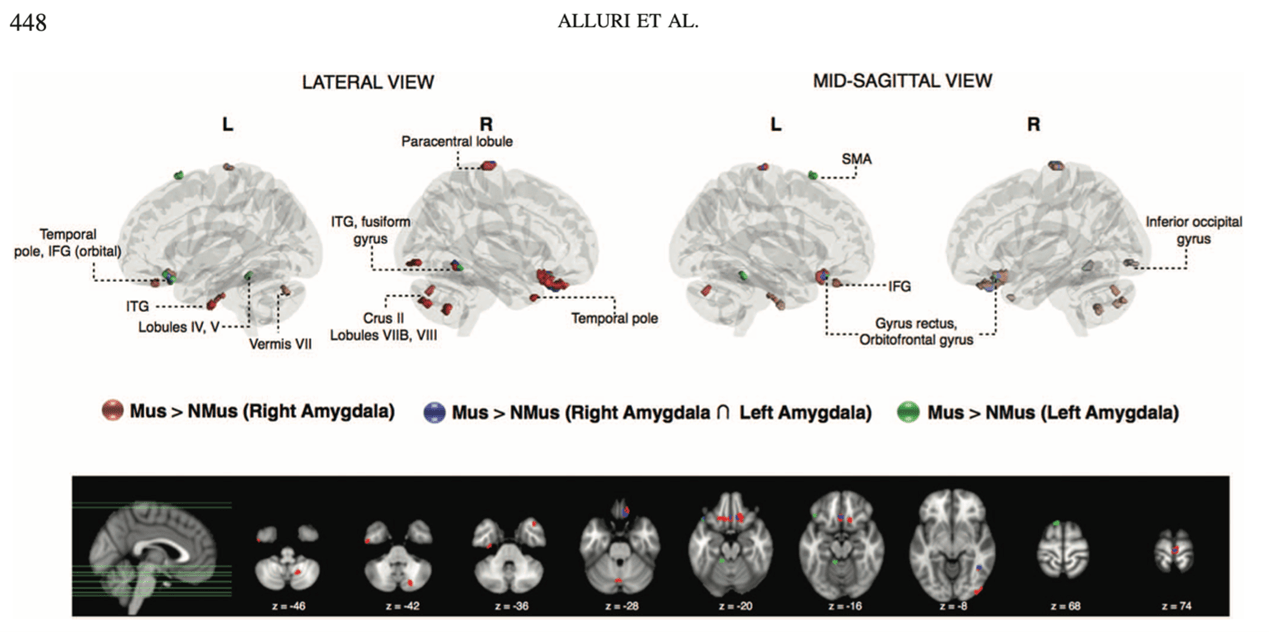
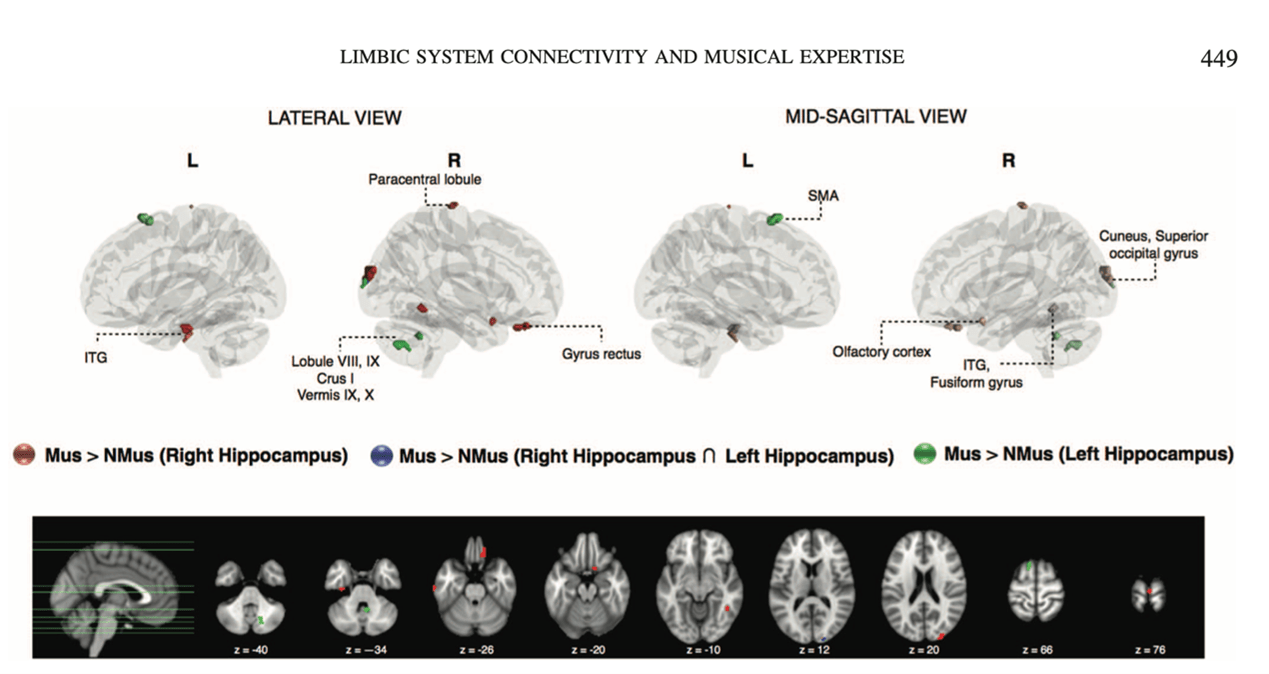
Following the effects on cognitive structure, another study investigated how musical training affects the brain’s functional connectivity, specifically limbic regions involved in emotional processing. The study involved 21 musicians and 18 non-musicians who underwent fMRI scans while listening to three 8-minute pieces of music from different genres (nuo-tango, modern classical, and progressive rock)10. The findings showed that musicians had stronger connectivity between limbic regions and areas associated with movement and emotional processing than non-musicians. Specifically, musicians had stronger connections between their amygdala and regions that sense emotions, their hippocampus and regions that track musical themes, and their left NAc with regions associated with reward processing (Figures 3 and 4). This highlights that musical training significantly enhances the integration of emotional and perceptual systems in the brain.Concurrently, another study confirmed that musicians showed a clear left-hemisphere advantage, while non-musicians primarily used the right hemisphere to process melody9. This suggests that musicians’ training enables them to analyze and manipulate music more analytically, similar to language processing11.
Taken together this evidence indicates that, when listening to music, musicians exhibit stronger generation and processing of negative emotions, storage and retrieval of memories, and activity of the reward pathway than non-musicians.
Interactions between sensory and motor systems during musical performance
The interaction between sensory and motor systems during musical performance is critical for integrating feedforward and feedback information. Research shows that the motor system controls the fine movements required to produce sound, while the auditory circuit processes the sound and adjusts motor output to achieve the desired effect.12This strong connection between sensory and production mechanisms highlights the importance of multimodal training. For example, sensorimotor auditory training enhanced negative emotions to auditory mismatches to unexpected tones and improved responses to audiovisual incongruities, suggesting that combining a motor component with auditory training is more effective than auditory training alone.13
With the presence of the basal ganglia and its role in regulating movements and reward circulation in the forebrain, by promoting the amelioration of motor system, instrumental training can also affect emotional expression through the intricate connections between the motor system and the limbic system
The auditory system provides continuous feedback that influences motor output.14 For example, each movement a musician performs produces a sound that in turn influences subsequent movements, creating a continuous feedback loop. The premotor cortex (PMC) is particularly important in this integration because it helps synchronize auditory input with motor actions, ensuring that the timing and organization of movements are consistent with the structure of the music. (as shown in Figures 5 and 6)
Functional imaging studies have shown that areas such as the dorsal and ventral premotor cortices, supplementary motor area, cerebellum, and basal ganglia are actively involved in this process12. Together, these areas control the fine movements required to produce sound, while auditory areas process the resulting sound, facilitating real-time adjustments and corrections. The dorsal premotor cortex is associated with higher-order temporal organization, enabling musicians to follow and predict the rhythmic and metrical structure of music15.
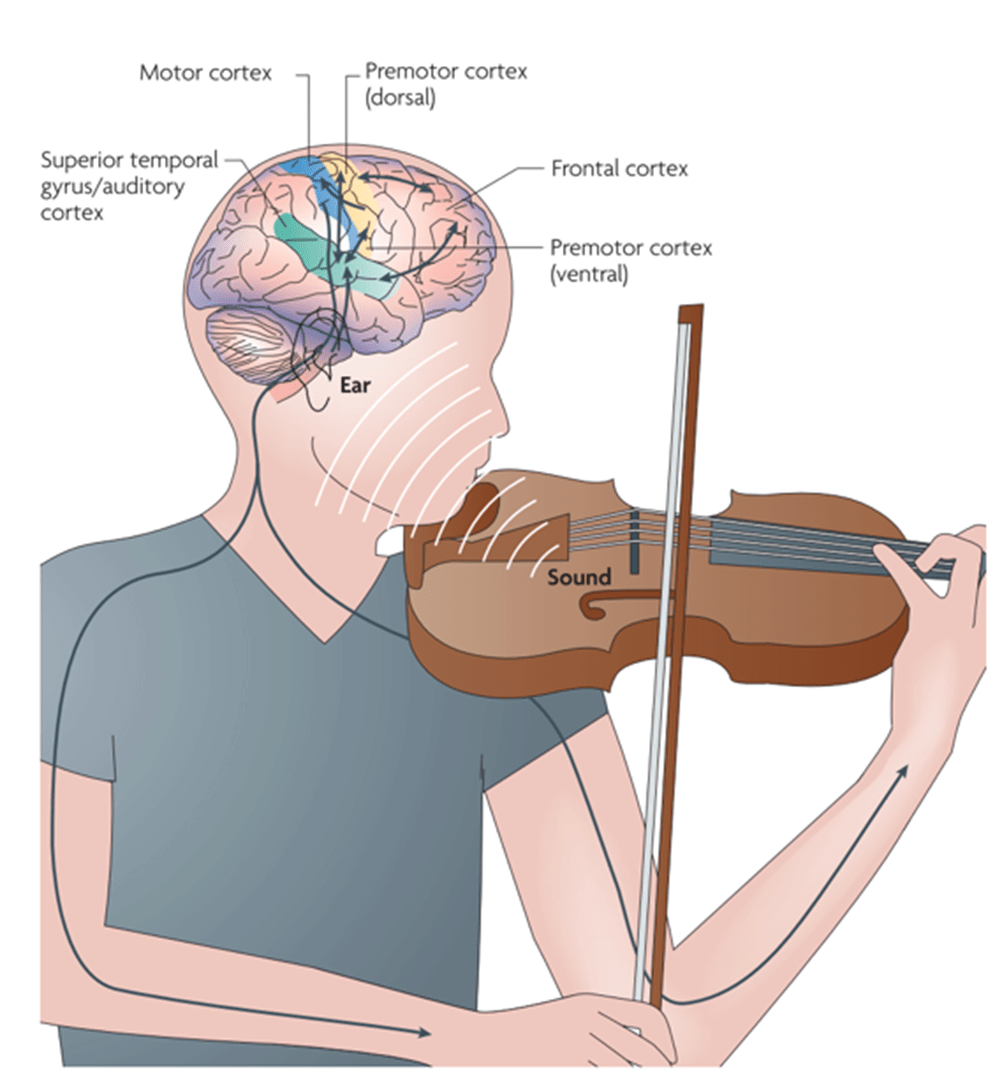
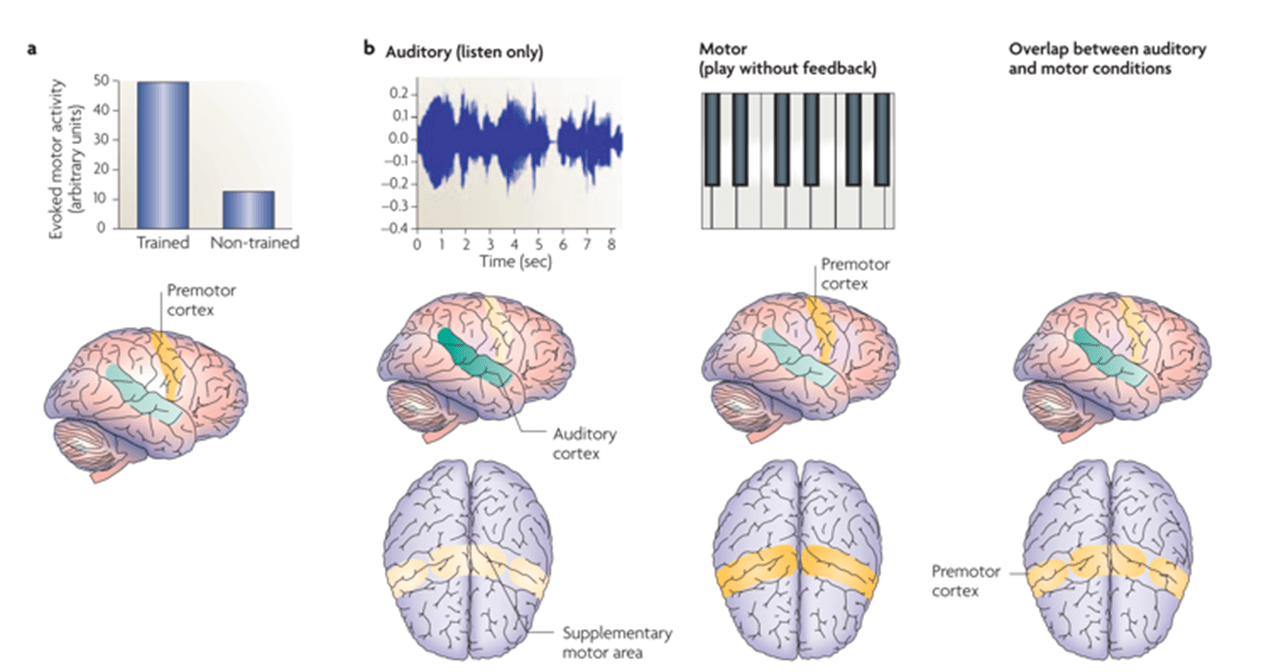
Furthermore, the study highlights the important interaction between auditory (sensory) and motor systems in musical performance.16 This paper investigates the involvement of motor areas of the brain during the perception and production of musical rhythms using two fMRI studies. In experiment 1, subjects first listened with anticipation and then tapped to a musical rhythm, and the results showed that the supplementary motor area (SMA), middle premotor cortex (PMC), and cerebellum were activated before tapping, suggesting involvement in motor planning or rehearsal. In experiment 2, subjects listened to the rhythm naively, unaware that they would later tap, but the same motor areas were activated, suggesting that the motor system can be engaged purely by rhythmic auditory stimulation, without motor preparation. The ventral PMC (vPMC) was engaged only during action and motor coupling, while the dorsal PMC (dPMC) was sensitive to rhythmic complexity, suggesting a role in higher-order temporal processing. The middle PMC showed consistent activation in all conditions, suggesting a general role in tracking sequential auditory events. In addition, the SMA responded strongly during motor sequences. These findings suggest that there is a natural coupling between the auditory and motor systems and that motor areas are affected by rhythmic stimulation even in the absence of an explicit motor task.
Comparison between trained and untrained musicians
The study “Behavioral and neural correlates of executive function in musicians and non-musicians”17 explored the effects of music training on executive function (EF) in adults and children. Executive function, which includes cognitive flexibility, working memory, and verbal fluency, is essential for planning and controlling behavior and is closely related to academic success. The study involved two experiments: one experiment with 30 adults and the other with 27 children, who had and had not received musical training, and were assessed for their EF using standardized tests. In addition, the study used fMRI to examine the neural correlates of EF in musically trained and non-musician children.
The results showed that adult musicians outperformed non-musicians in cognitive flexibility, working memory, and verbal fluency. fMRI scans also show that in musically trained children, the pre-supplementary motor area (pre-SMA), supplementary motor area (SMA), and right ventrolateral forehead are affected when performing tasks requiring rule representation and task switching. The activation level of the lobe cortex (VLPFC) was significantly increased.
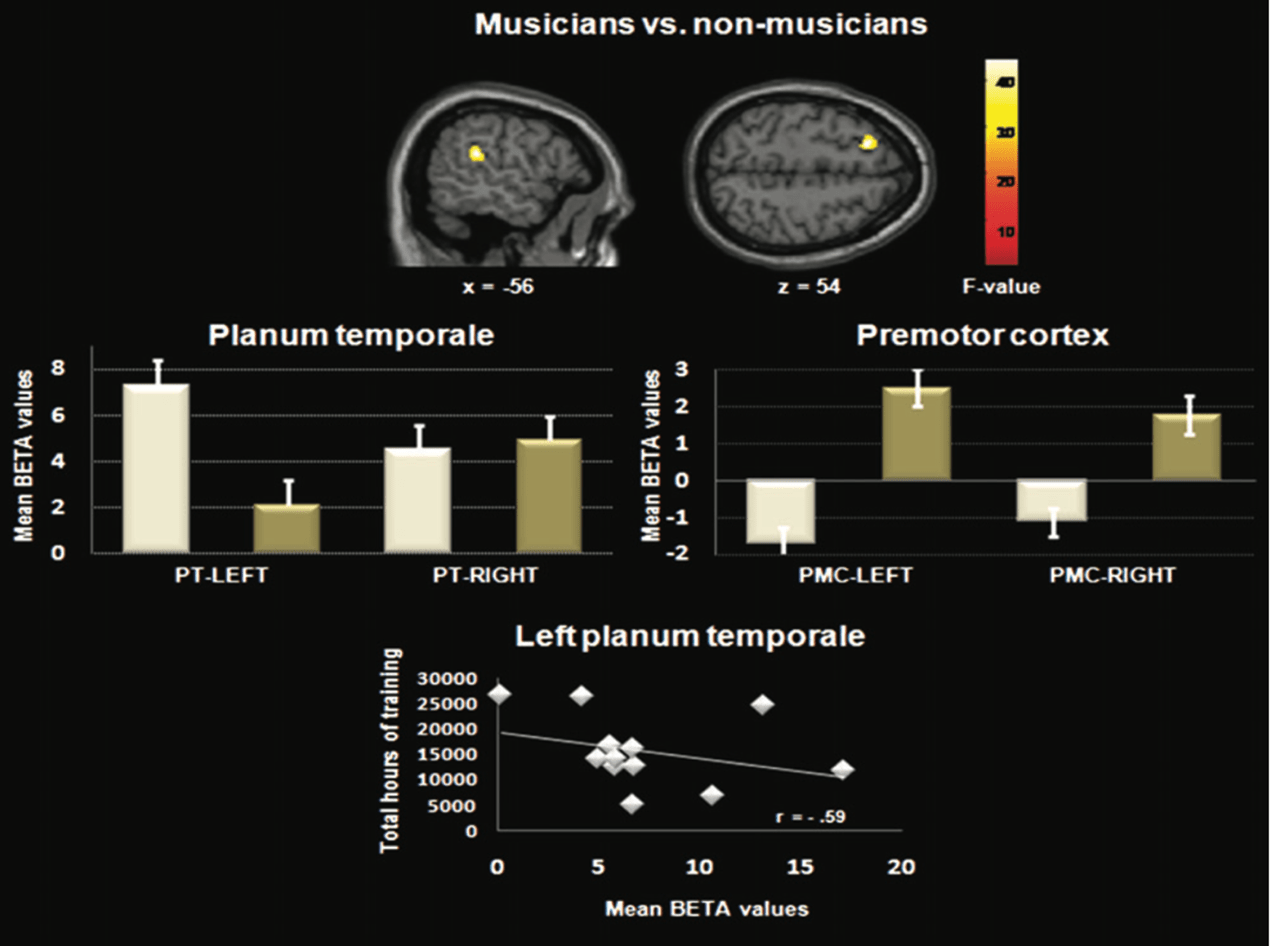
Findings have show that music training significantly enhances cognitive and neural functions that distinguish musicians from non-musicians. Musicians demonstrate superior executive functioning, including better cognitive flexibility, working memory, and verbal fluency. fMRI scans show that trained musicians, especially children, have increased brain activity in areas associated with complex cognitive tasks. Additionally, the musicians showed enhanced processing in the left planum temporal (PT), an area of the brain critical for interpreting rapidly changing.
The effect on brain networks when listening to music
One paper19 used electroencephalography (EEG) and graph theory tools to explore how music affects functional brain networks. The study found that listening to music enhanced synchrony in the alpha2 frequency band (10-13 Hz) significantly above noise and silence conditions, indicating increased functional connectivity. Network analysis showed that both the normalized clustering coefficient (γ) and the characteristic path length (λ) decreased during music perception, indicating a shift in the network structure to a more random direction. Despite this stochasticity, brain networks during music listening showed greater local and global efficiency, despite higher wiring costs, suggesting a more efficient but less economical configuration. The study showed increased regional synchrony in various brain regions, including frontoparietal, frontotemporal, and central occipital regions, with no significant differences between the musical excerpts used.
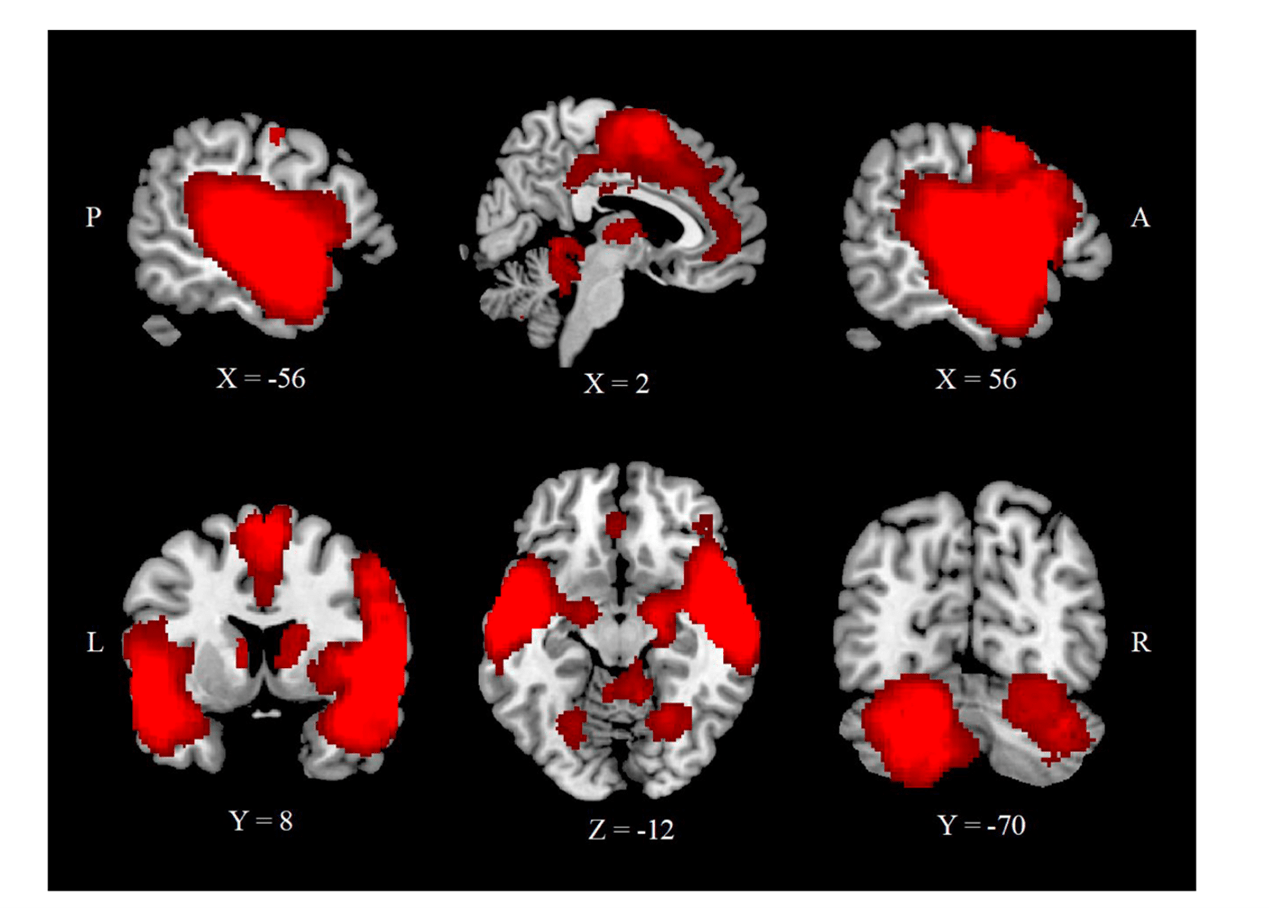
Supporting these findings, another study using fMRI showed that listening to music co-activates several brain networks, including ventral attention, somatomotor, and frontoparietal networks.20 This activity spans multiple cortical regions, such as the inferior frontal and superior temporal gyri, as well as subcortical structures such as the hippocampus and amygdala (Figure 8). In addition, listening to music activates more extensive regions in the right hemisphere, while cerebellum activity is greater in the left hemisphere. The type of music further influences brain activation patterns, with classical music affecting limbic networks and specific cerebellar and hippocampal regions in unique ways, enhancing our understanding of music’s effects on brain function.
This consistent effect of music, compared to noise and silence, highlights the specific impact of music on the reorganization of brain networks. The findings support the idea that music perception involves neural processes coordinated across multiple cortical areas and requires greater information processing and cognitive effort, like other higher-level cognitive functions.
Effects of Different Instruments on Brain Function
Despite progress in understanding how music affects the brain, the complexity and variability of music training present challenges. Music training involves many variables (e.g., instrument type, practice time, individual differences), meaning that specific investigations and comparisons into the impact of these variables will provide useful information about how musical training impacts cognitive function.
For violinists
A recent study by Baader and colleagues quantitatively analyzed the bimanual coordination required for violin playing by measuring the trajectories of fingers and bow using a motion analysis system. The study evaluated the temporal structure of finger pressing, finger lifting (left hand), and bow stroke reversal (right arm) in six violinists of different proficiency levels. The main findings showed that fingering involves serial and parallel (anticipatory) mechanisms and that the synchrony between finger and bow movements varied between 12 and 60 milliseconds but did not affect auditory perception. These results showed that bow-finger synchronization deviated from perfect synchronization by about 50 milliseconds, but this deviation did not affect auditory perception. Furthermore, the temporal structure, which depends on the combined mechanisms of bowing and fingering, remained consistent across all players, including amateurs.
This means that the brain’s motor control system can effectively compensate for the timing deviations between bowing and fingering, ensuring consistent auditory output despite the inherent asynchrony of bimanual coordination.
Distinct effects on violin and piano players after training
A study by21 investigated the effects of long-term music training on brain activity, comparing violin and piano learners. It was found that violin learners showed significantly greater evoked magnetic fields in the right hemisphere in response to violin tones, while piano learners showed greater activation in the left hemisphere to piano tones. The note “A,” which was familiar to violinists, elicited a stronger brain response than the note “C,” whereas piano learners showed no such difference. These findings suggest that early childhood music training leads to distinct differences in the functional organization of the brain, with increased right-hemisphere activity in violinists and more left-hemisphere activity in pianists, possibly due to sight-singing training involving language processing. Educational approaches, such as the Suzuki method for violinists, which emphasizes auditory reproduction rather than reading music, have contributed to these differences. Overall, long-term musical experience with a specific instrument can influence brain plasticity, enhancing timbre-specific responses and pitch recognition abilities, highlighting the complex interaction of auditory, motor, and cognitive processes in shaping brain function.22
Distinguishing violinists and pianists from brain signals
The paper, “Differentiating Violinists and Pianists Based on Brain Signals,” explores the feasibility of distinguishing violinists from pianists based on brain electrical signals alone. The study used electroencephalogram (EEG) signals processed by an artificial neural network (ANN) to record EEG data of violinists and pianists while they played classical music. The EEG signals were processed using a cloud computing platform to build a binary classifier. The results suggest that similarities between musicians should be studied in terms of how their brain signals are related to how sound is produced. For example, the striking similarities between cellists and violinists may be due to their constant interaction with continuous sound, while pianists interact with digital sounds. Exploring this difference can start with evaluating how reading and listening to music changes the performance of the classifier.
The main difference in the brain between string instrument players (such as violinists) and keyboard instrument players (such as pianists) is in the anatomical specialization of the motor cortex.23
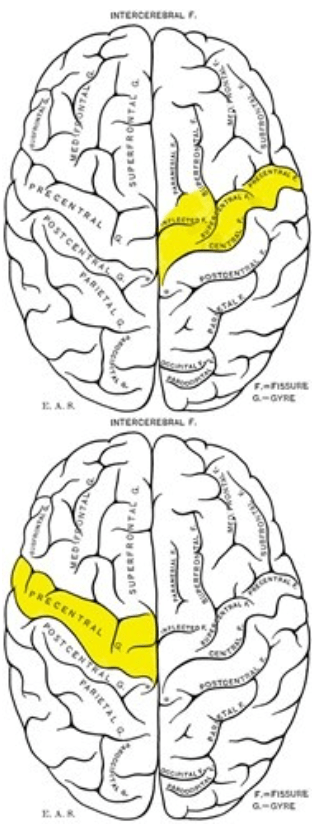
Based on the results of careful examination of structural MRI images of keyboard players, string players, and non-musicians by assessors, it was found that the musicians had a more pronounced omega sign (OS) configuration (The omega sign is a usual way to describe the knob on the precentral gyrus, which represents the motor hand area24 ) than the non-musicians. String instrument players show greater prominence in the motor hand area of the right hemisphere, which corresponds to the fine finger control required for the left hand to pluck the strings (Figure 9). This leads to an asymmetry in the motor cortex. Keyboard instrument players, on the other hand, were expected to show a more balanced motor cortex development between the two hemispheres, as both hands are equally involved in fine finger movements, however, there is still a slight prominence in the right hemisphere due to the right hand generally performing more complex and faster movements. This suggests that the specific motor demands of playing different types of instruments lead to different patterns of cerebral cortical development.
Discussion
Studies above show how distinct instruments and music affect the human brain activity detected by fMRI and EEG. Studies on the effects of musical instrument training on brain structure and function consistently show that music training can enhance cognitive functions such as memory, attention, and executive function, leading to observable neuroplastic changes.25 These findings highlight the potential educational benefits of music education and its therapeutic applications in neurorehabilitation for conditions like developmental disorders. However, the field faces limitations, including the inherent complexity and variability of music training, small sample sizes, and reliance on individual reported data, which may introduce bias.26 In addition, due to the specific sample population studied, the findings may not be widely generalizable to the world, and more diverse instrument types and longitudinal studies are needed to establish causal relationships and draw more objective conclusions.
Both sub-themes highlight the significant impact that music training can have on the brain, underscoring the concept of neuroplasticity. Whether focusing on emotional processing or motor coordination, the current evidence indicates that music training can enhance connectivity in specific brain regions. This suggests that musical experience promotes brain adaptability and cognitive improvement, regardless of the instrument kind.
Emotional Processing: Emotional processing studies, especially those involving piano playing, have shown increased connectivity in areas associated with introspection and memory, such as the default mode network (DMN) and hippocampus.7 Listening to favorite music further enhanced this neural connectivity, suggesting a strong link between musical preference and emotional response.
Motor Coordination: In contrast, studies on violin focus on the precise motor control required for proficient playing. These studies revealed increased activation in areas associated with motor planning and execution, such as the dorsal premotor cortex (dPMC).8 This highlights the complexity of the brain’s motor skills developed through instrumental training.
Cross-sectional vs. Longitudinal Studies
Emotional processing studies often use cross-sectional fMRI to compare experienced musicians and non-musicians to reveal neural differences.17 On the other hand, motor coordination studies, especially those involving the Suzuki method, are longitudinal, tracking skill development over time in children learning an instrument.22
The significance of cross-sectional fMRI studies lies in their ability to reveal how different types of instrumental training shape specific neural networks involved in auditory-motor interactions and the processing of musical grammar, thereby illustrating the brain’s adaptability to specialized training.27 Longitudinal studies provide important insights into the processing effects of music training by tracking the development of cognitive and motor skills over time. This approach highlights the causal effect of early and sustained music exposure in a controlled environment. Together, these research methods provide a comprehensive understanding of the brain’s plasticity in response to music training.
The two research methods can complement each other by revealing how musical training affects the brain at different stages and from various perspectives. However, they also make it challenging to isolate specific factors contributing to the observed changes. Moreover, findings from studies on experienced musicians or children receiving specific training methods may not be generalizable to the broader population, limiting the applicability of the results.
Meta-analysis of Cited Studies
Musician’s brain exhibits complex, subtle lateralized patterns that are consistent with their significant mental burden, suggesting that melody and emotional processing usually exhibits stronger right hemisphere participation, requiring precise timing, tasks for music reading and movement-related actions often encounter the left hemisphere, usually swinging the left. This complex interaction also involves the musicians automatically activate “action-based” neural networks during music listening, reflecting positive expectations for motor movements, as well as powerful auditory movement integration, where listening rhythms recruit motion areas. Furthermore, during music perception, they perform enhanced cognitive functions between multiple brain regions, such as excellent speech and temporal classification and extensive bilateral network participation between multiple brain regions, jointly highlighting the requirements and multifaceted nature of music cognition.
Conclusions and Future Directions
In summary, research on the effects of instrumental training on cognitive structure and function consistently shows that music training can enhance cognitive functions such as memory, attention, and executive function, and lead to structural changes in the brain that demonstrate neuroplasticity.
Musical training benefits cognition, though direct causality is complex due to pre-existing individual differences. Different instruments uniquely shape brain development. For example, violinists show enhanced motor cortex for left-hand control, while pianists, due to bimanual coordination, exhibit more balanced and widespread cortical development and improved interhemispheric communication. This highlights how specific musical practices lead to distinct brain changes.
However, these interpretations have limitations, including difficulty in establishing causal relationships, the need for more various sample groups, differences in training intensity, reliance on self-report data, and small sample sizes.
Future research should focus on longitudinal studies of diverse populations to understand the long-term effects of instrumental training on brain structure and function, as well as comparative studies of different instruments to identify unique neural influences. Integrating multimodal training approaches, exploring therapeutic applications of neurorehabilitation, and utilizing advanced neuroimaging techniques can provide detailed insights into brain plasticity. In addition, studying individual differences in training outcomes and the impact of early music education will help tailor programs to individual needs. Encouraging interdisciplinary collaborations will promote holistic understanding and innovative research methods to further reveal the profound effects of music training on the brain.
I acknowledge that this paper review, while discovering correlational relationships between musical training and brain regions, does not definitively establish direct causal mechanisms for musical training’s cognitive benefits, as pre-existing cognitive differences—such as variations in working memory capacity, auditory processing speed, or executive function skills—or underlying conditions like Attention-Deficit/Hyperactivity Disorder (ADHD) or specific learning disabilities (e.g., dyslexia) could also contribute to these outcomes. Future longitudinal studies or randomized controlled designs are expected to be crucial to clarify this causality.
Beyond the pre-assumingly individual cognitive outcomes, music training offers broader applications. The well-being benefits extend to mental health, offering a non-invasive way to manage stress and anxiety, boosting the development of an individual as a whole. Additionally, early music education has the potential to improve academic performance, particularly in areas such as language skills, memory, and attention in both hemisphere of the brain. Music’s impact is not limited to children; adults and older individuals can also benefit from engaging in instrumental activities to maintain cognitive function and delay age-related declines.
In the grand symphony of human existence, music is our most profound and enduring companion, weaving together our shared experiences, lifting our spirits in moments of despair, celebrating the beauty of life in every note, and reminding us that in the melody of the heart we find our true humanity.
References
- P. Douglas. Lopes, The rise of a jazz art world. Cambridge University Press, 2002 [↩]
- P. Vuust, O. A. Heggli, K. J. Friston, and M. L. Kringelbach, “Music in the brain,” May 01, 2022, Nature Research. doi: 10.1038/s41583-022-00578-5 [↩]
- R. W. Wilkins, D. A. Hodges, P. J. Laurienti, M. Steen, and J. H. Burdette, “Network science and the effects of music preference on functional Brain connectivity: From Beethoven to Eminem,” Sci Rep, vol. 4, Aug. 2014, doi: 10.1038/srep06130 [↩]
- S. M. Smith, “Overview of fMRI analysis,” 2004. doi: 10.1259/bjr/33553595 [↩]
- M. Teplan, “FUNDAMENTALS OF EEG MEASUREMENT,” 2002 [↩]
- A. M. Olszewska, M. Gaca, A. M. Herman, K. Jednoróg, and A. Marchewka, “How Musical Training Shapes the Adult Brain: Predispositions and Neuroplasticity,” Mar. 10, 2021, Frontiers Media S.A. doi: 10.3389/fnins.2021.630829 [↩]
- V. Alluri, P. Toiviainen, I. Burunat, M. Kliuchko, P. Vuust, and E. Brattico, “Connectivity patterns during music listening: Evidence for action-based processing in musicians,” Hum Brain Mapp, vol. 38, no. 6, pp. 2955–2970, Jun. 2017, doi: 10.1002/hbm.23565 [↩] [↩]
- J. L. Chen, V. B. Penhune, and R. J. Zatorre, “Listening to musical rhythms recruits motor regions of the brain,” Cerebral Cortex, vol. 18, no. 12, pp. 2844–2854, Dec. 2008, doi: 10.1093/cercor/bhn042. [↩] [↩]
- M. Gebrian, “The Differences Between Musicians’ and Non-musicians’ Brains,” 2013 [↩] [↩]
- V. Alluri et al., “Musical expertise modulates functional connectivity of limbic regions during continuous music listening.,” Psychomusicology: Music, Mind, and Brain, vol. 25, no. 4, pp. 443–454, Dec. 2015, doi: 10.1037/pmu0000124 [↩] [↩] [↩]
- D. A. Patel, “Language, music, syntax and the brain,” 2003. [Online]. Available: http://www.nature.com/natureneuroscience [↩]
- R. J. Zatorre, J. L. Chen, and V. B. Penhune, “When the brain plays music: Auditory-motor interactions in music perception and production,” Jul. 2007. doi: 10.1038/nrn2152. [↩] [↩] [↩]
- B. Joly-Pottuz, M. Mercier, A. Leynaud, and M. Michel Habib, “Combined auditory and articulatory training improves phonological deficit in children with dyslexia,” 2007 [↩]
- E. Boyer et al., “Investigating three types of con-tinuous auditory feedback in visuo-manual tracking,” Exp Brain Res, vol. 235, no. 3, 2017, doi: 10.1007/s00221-016-4827-xï [↩]
- R. I. Schubotz and D. Yves Von Cramon, “Functional organization of the lateral premotor cortex: fMRI reveals different regions activated by anticipation of object properties, location and speed,” 2001. [Online]. Available: www.elsevier.com/locate/bres [↩]
- J. L. Chen, V. B. Penhune, and R. J. Zatorre, “Moving on Time: Brain Network for Auditory-Motor Synchronization is Modulated by Rhythm Complexity and Musical Training,” 2008 [↩]
- J. Zuk, C. Benjamin, A. Kenyon, and N. Gaab, “Behavioral and neural correlates of executive functioning in musicians and non-musicians,” PLoS One, vol. 9, no. 6, Jun. 2014, doi: 10.1371/journal.pone.0099868 [↩] [↩]
- S. Elmer, M. Meyer, and L. Jäncke, “Neurofunctional and behavioral correlates of phonetic and temporal categorization in musically trained and untrained subjects,” Cerebral Cortex, vol. 22, no. 3, pp. 650–658, Mar. 2012, doi: 10.1093/cercor/bhr142 [↩]
- J. Wu, J. Zhang, X. Ding, R. Li, and C. Zhou, “The effects of music on brain functional networks: A network analysis,” Neuroscience, vol. 250, pp. 49–59, Oct. 2013, doi: 10.1016/j.neuroscience.2013.06.021 [↩]
- M. M. Y. Chan and Y. M. Y. Han, “The Functional Brain Networks Activated by Music Listening:A Neuroimaging Meta-Analysis and Implications for Treatment,” Neuropsychology, vol. 36, no. 1, pp. 4–22, 2022, doi: 10.1037/neu0000777 [↩] [↩]
- A. Uno, K. Itoh, M. Yumoto, and K. Kaga, “Effect of Long-Term Musical Environment on Brain Activity; violin vs. piano,” 2004 [↩]
- T. Akutsu, “Changes after Suzuki: A retrospective analysis and review of contemporary issues regarding the Suzuki Method in Japan,” International Journal of Music Education, vol. 38, no. 1, pp. 18–35, Feb. 2020, doi: 10.1177/0255761419859628 [↩] [↩]
- Stewart L, “do musicians have different brains?,” 2008 [↩]
- T. Rodrigues et al., “Is the omega sign a reliable landmark for the neurosurgical team? An anatomical study about the central sulcus region,” Arq Neuropsiquiatr, vol. 73, no. 11, pp. 934–938, Nov. 2015, doi: 10.1590/0004-282X20150160 [↩]
- S. Moreno and G. M. Bidelman, “Examining neural plasticity and cognitive benefit through the unique lens of musical training,” 2014, Elsevier. doi: 10.1016/j.heares.2013.09.012 [↩]
- M. S. Wisz, R. Hijmans, J. Li, A. T. Peterson, D. R. B. Stockwell, and A. T. Peterson, “Effects of sample size on the performance of species distribution models Effects of sample size on accuracy of species distribution models,” 2002. [Online]. Available: www.elsevier.com/locate/ecolmodel [↩]
- N. S. Ward, M. M. Brown, A. J. Thompson, and R. S. J. Frackowiak, “Neural correlates of outcome after stroke: A cross-sectional fMRI study,” Brain, vol. 126, no. 6, pp. 1430–1448, Jun. 2003, doi: 10.1093/brain/awg145 [↩]