
Abstract
Deviated Nasal Septum (DNS) with accompanying sinusitis and turbinate hypertrophy in pediatric patients can have far-reaching effects on facial growth, sleep, and postoperative outcomes, emphasizing the importance of improving surgical outcomes. DNS disrupts nasal airflow and causes chronic sinus inflammation, leading to issues like compensatory inferior turbinate hypertrophy and persistent obstruction. In children, who are undergoing active craniofacial development, chronic mouth breathing secondary to obstruction can lead to midfacial elongation, high arched palates, dental malocclusion, and “adenoid facies.” Long-term nasal obstruction is also closely linked to pediatric sleep-disordered breathing and obstructive sleep apnea, which may impair neurocognitive performance and behavior. Surgical correction through septoplasty and turbinate reduction remains a controversial medical topic in young patients due to the risk of disturbing nasal growth centers. However, current research suggests that conservative, growth-preserving surgical techniques performed at appropriate developmental stages can efficiently restore nasal patency without impacting midfacial development. Postoperative complications like scar tissue formation, synechiae, and recurrence of deviation or turbinate regrowth are far more frequent in younger patients due to ongoing anatomical changes. The psychosocial challenge of chronic sinonasal disease, manifesting as fatigue, poor academic performance, and decreased quality of sleep demonstrates the importance of timely intervention. This review explores the long-term effects of sinusitis with DNS and turbinate hypertrophy in pediatric populations, signifying the balance between preserving facial growth and achieving functional improvement with surgical technique. It also highlights the need for multidisciplinary long-term follow up to monitor recurrence, sleep outcomes, and potential growth alterations into adolescence.
Introduction
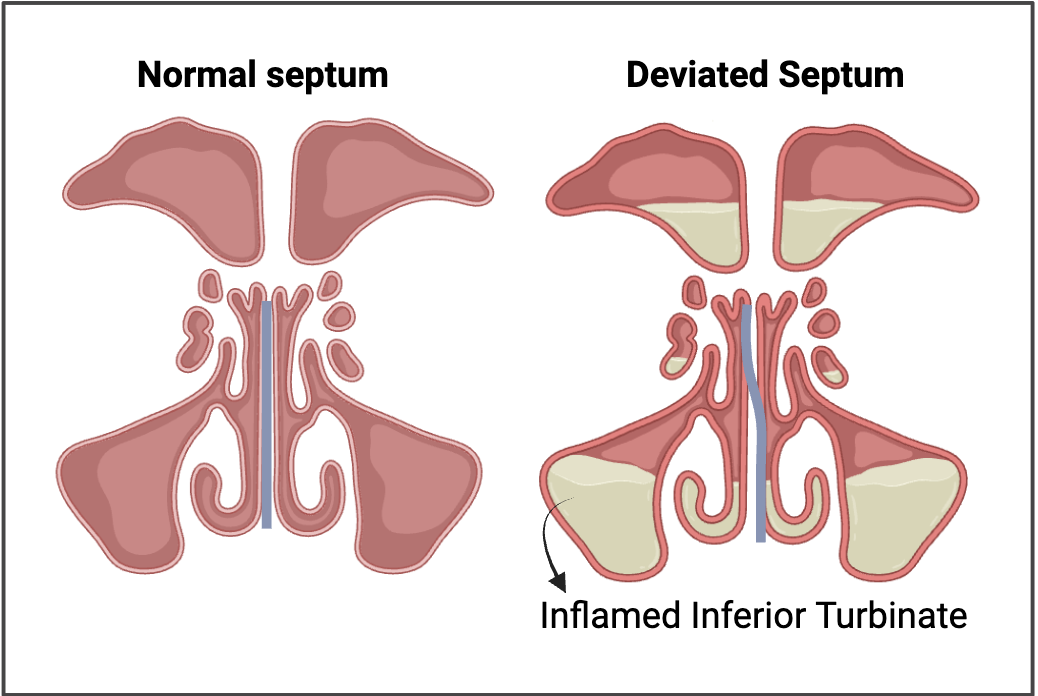
Deviated Nasal Septum (DNS) is a common medical complaint. A deviation in the nasal septum occurs when there is a misalignment of the nasal septum from the midline. DNS is common globally, but reported prevalence varies due to age group, population, and diagnostics.1 Among the causes are genetic factors and developmental issues present at birth (known as congenital deviation) as well as trauma-related factors such as childbirth injuries, accidents, or altercations1 These various forms of trauma can result in developmental nasal deformities in the future. DNS frequently leads to a blocked nasal airway, which can lead to the development of chronic sinusitis and inferior turbinate hypertrophy.2Sinusitis is inflammation or infection of the sinus cavities and may be aggravated by structural nasal obstruction, including deviated nasal septum and inferior turbinate hypertrophy.1 Chronic obstruction can worsen the impact in pediatric patients who are undergoing active midfacial growth.3Turbinate hypertrophy linked with septum deviation can restrict airways, promote mouth breathing, and cause recurring infections. A schematic comparison of a normal nasal septum and a deviated nasal septum with compensatory inferior turbinate enlargement is shown in Figure 1. In children, these functional challenges can interfere with facial development and overall well-being psychologically and physically.4
Age plays a vital role in treatment decisions for patients with DNS. In children and adolescents, congenital factors are prevalent while trauma becomes a more frequent cause in adults.5 Studies show the majority of DNS cases present in late adolescence and young adulthood (e.g., 16-25 years), but it can occur at any age.6 In children, surgery is approached with caution due to concerns about disrupting important nasal and facial growth centers.7 Septoplasty, a surgery to correct the deviated nasal septum, is generally performed in children only in the condition where it is severe or if there is functional impairment.7Younger children, under the age of 14, may have a higher risk of needing revision surgery as they grow.8Septoplasty is more frequently reserved for adolescents and adults, as facial growth is near or at completion.7 The risk of recurrence is lower in older teens than younger children.9 The standard recovery process after septoplasty and turbinate reduction typically involves a quick return to normal activities, with the majority of patients experiencing improvement in nasal obstruction symptoms, such as sleep quality, blocked airflow, and breathing issues within weeks.10 Immediately after surgery, patients may face nasal packing, splints, mild discomfort, congestion, and some bleeding.10 These post-operative symptoms should resolve within a few days.11 However, strenuous activities should be avoided for at least two weeks to minimize the risk of bleeding and swelling.11
Long-term effects after septoplasty with turbinate reduction are generally positive, with most pediatric patients experiencing sustained improvement in nasal obstruction symptoms and quality of life for several years following surgery.12Recurrence of sinusitis after septoplasty and turbinate reduction can occur due to several factors beyond the initial correction of nasal anatomy.13Research shows underlying inflammatory conditions, such as chronic rhinosinusitis with nasal polyps or allergic rhinitis, play a significant role in recurrence, regardless of the surgical procedure.13Even with successful surgery, patients with certain endotypes, particularly those with eosinophilic (allergy-related) inflammation have a higher risk of persistent or recurrent disease, most often affecting the frontal and ethmoidal sinuses.
Other independent risk factors for recurrence include exposure to environmental tobacco smoke (secondhand smoke), the severity and extent of sinus involvement, the presence of nasal polyps, a history of allergic rhinitis, and postoperative infections.13Structural problems, such as recurrent deviated septum, may also play a role, though ongoing inflammation and patient-specific disease characteristics can be more significant.13Long-term control therefore relies on addressing these factors through medical therapy and close monitoring, alongside surgical intervention.
Methods
This literature review synthesizes current evidence on the long-term effects of pediatric nasal obstruction due to DNS and turbinate hypertrophy, specifically focusing on craniofacial development, sleep-disordered breathing, and post-surgical complications. Databases including PubMed, Scopus, Google Scholar, and Science Direct were systematically searched for articles published between January 2010 and October 2025. Search terms included combinations of “pediatric DNS”, “turbinate hypertrophy in pediatric patients”, “sinusitis in children”, “septoplasty outcomes”, “nasal obstruction and facial growth in pediatric patients”, and “sleep disordered breathing.” Boolean operators (AND/OR) were used to refine results.
Studies were included if they: (1) were original research articles, systematic reviews, clinical reviews, or meta-analyses; (2) focused on pediatric patients under the age of 18; (3) were published in peer-reviewed, English-language journals; and (4) reported at least one outcome related to craniofacial development, sleep-disordered breathing, surgical technique, or postoperative complications. Studies were excluded if they: (1) were limited to adult populations or lacked pediatric age stratification; (2) were published in languages other than English; (3) were conference abstracts without full-text data added; or (4) were case reports with fewer than five subjects.
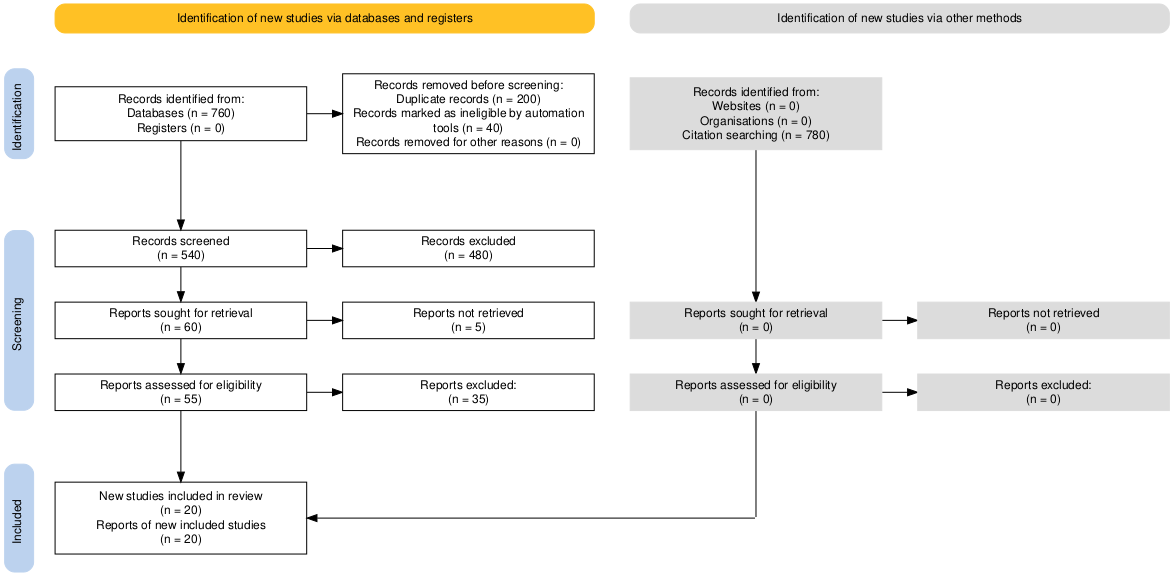
A two-step process was utilized to screen records. Titles and abstracts were reviewed in the first stage for relevance against the inclusion criteria. Full texts of potentially eligible studies were evaluated for final inclusion in the second stage. The study selection process was performed according to PRISMA 2020, a PRISMA flow diagram depicting identification, screening, eligibility assessment and final inclusion is given in Figure 2. To minimize selection bias, title and abstract screening was performed independently by two reviewers. Disagreements were resolved through discussion. When disagreement occurred, a third reviewer was consulted. Inter-rater agreement was assessed using Cohen’s kappa (κ), and a κ ≥ 0.75 was considered acceptable. Full-text eligibility decisions were similarly resolved by consensus. Specific focus was given to long-term follow up data assessing postoperative recurrence, scar formation, turbinate regrowth, and changes in sleep patterns. Meta-analytic data, when available, were referenced to strengthen conclusions regarding efficacy and safety. As a literature review, no new patient data were collected, and ethical approval was not required. Limitations include variability in study design, sample size, and surgical techniques included in studies, as well as the scarcity of long-term pediatric data. Many studies relied on the short-term outcomes or adult extrapolation, which may not accurately represent the pediatric growth phase. This methodological approach allowed for the integration of clinical and developmental perspectives on DNS, turbinate hypertrophy and sinusitis in children.
Results
Clinical complications associated with DNS, sinusitis, and turbinate hypertrophy
Untreated DNS can result in obstruction of airflow, increasing the risk for persistent sinus infections and breathing issues.14Complications include chronic nasal blockage, recurrent sinus infections, headaches, epistaxis, and, in children, potential impacts on facial growth and development.14Severe DNS is more likely to also contribute to chronic rhinosinusitis than mild forms. Chronic rhinosinusitis (CRS) is characterized by persistent inflammation of the nasal and paranasal sinus mucosa, typically lasting more than 12 weeks.14Symptoms include nasal obstruction, facial pain, and impaired sense of smell. Complications include delayed mucociliary clearance, recurrent infections, and, in some rare cases, extension to adjacent structures.14CRS is also associated with decreased quality of life and might require surgical intervention when medical therapy fails.
Turbinate hypertrophy, often experienced after DNS or chronic rhinitis, results in chronic nasal obstruction, and may require surgical reduction. Complications of turbinate reduction surgery are rare but can include crusting, synechiae, bleeding, and less commonly, infection.15Histopathological studies show that bony hypertrophy is more prominent in DNS-related cases, while mucosal hypertrophy is more common in allergic rhinitis.16Surgical interventions for DNS, chronic sinusitis, and turbinate hypertrophy are generally effective but carry risks such as persistent obstruction, crusting, synechiae, and, rarely, septal perforation or empty nose syndrome.17The presence of additional anatomical variations, such as concha bullosa or adenoid hypertrophy, can further complicate surgical outcomes and patient recovery.17Understanding the relation between anatomical factors, chronic inflammation, and surgical interventions is essential for minimizing complications and optimizing long-term outcomes, particularly in younger patients, where ongoing facial growth and sinus development may be affected.
Pediatric Surgical Management of Deviated Nasal Septum
Nasal surgery performed on a patient population that is under the age of 18 can be beneficial in preventing long-term breathing complications. The most significant phases of nasal growth occur shortly after birth and at the onset of puberty.18The nasal septum plays a pivotal role in the growth and development of the midface.18Septal cartilage serves as a main central growth center. One of the main concerns in this surgery is disrupting the delicate nasal growth zones which can result in outcomes such as saddle nose deformity, maxillary hypoplasia, under-projected nasal dorsum, or asymmetrical growth of the midface.12
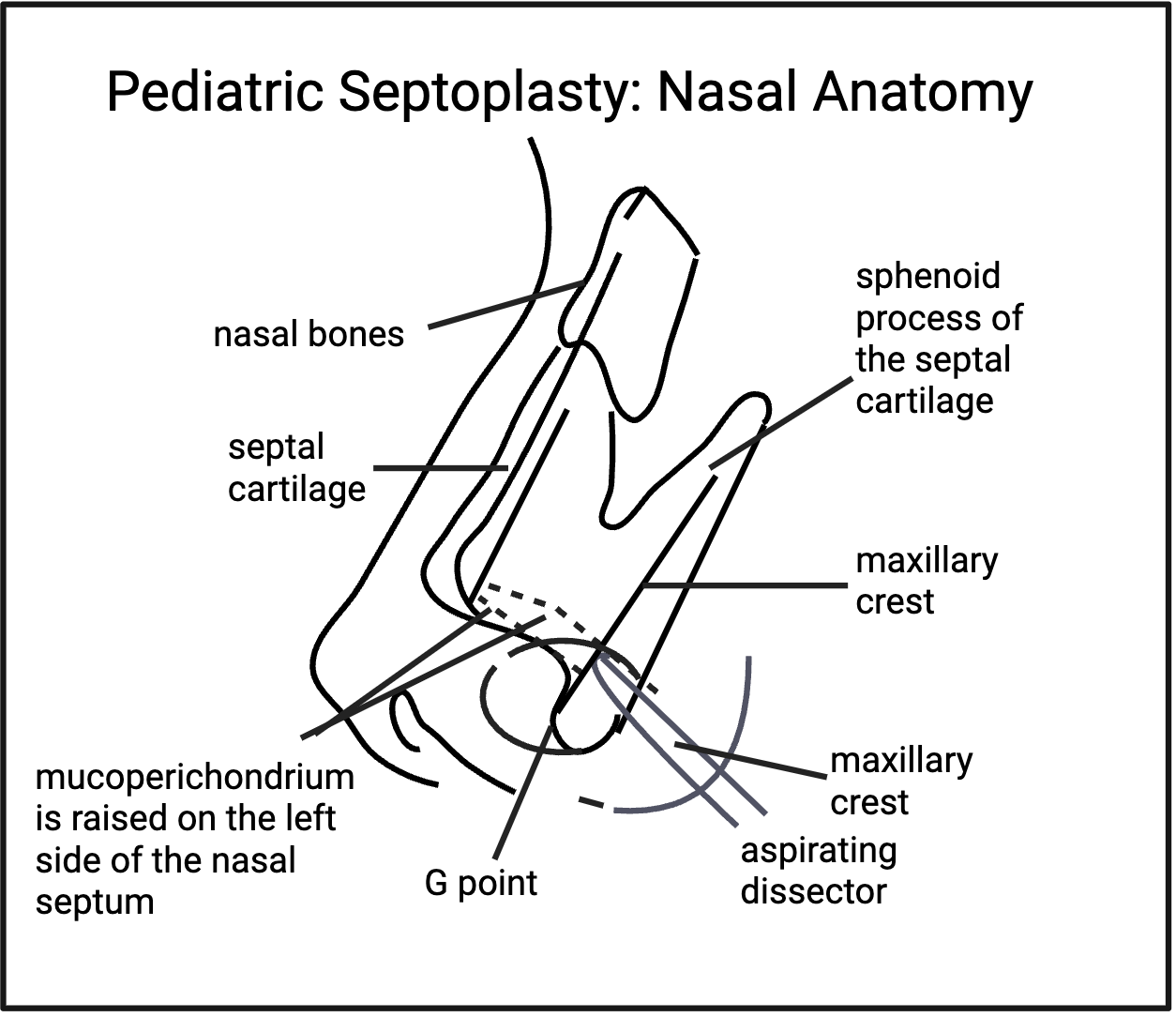
The risk of recurrence is lower in older teens than younger children.9Preoperative imaging, such as computed tomography (CT) scans are valuable for surgical decisions and may lead to other modifications.17Septoplasty, a surgical procedure, is used to treat DNS by realigning the septum and restoring airflow.17Key pediatric nasal anatomical structures relevant to septoplasty, including the nasal septum and inferior turbinates, are shown in Figure 3. Some indications for this procedure include septal deviation, sleep disturbances, and lead point headaches. Submucous resection which involves extensive removal of cartilage and bone from the septum, is an older technique used less due to higher complication rates.17Unlike submucous resection, septoplasty is a more conservative technique that corrects only the deviated portions while preserving structural support. As a result, septoplasty is associated with fewer complications such as bleeding, septal perforation, and nasal deformity, and allows for better healing.19Septoplasty is combined with turbinate reduction if hypertrophy (enlargement of turbinates) is present.10 Key anatomic structures relevant to pediatric septoplasty, including the nasal septum, inferior turbinates, and growth.
Therefore, most surgeons recommend delaying septoplasty until after completion of facial growth. Recent long-term studies have made up for these concerns. Cases were reported where children who underwent radical septal surgery developed noticeable negative changes in midfacial proportions.12 In contrast, recent research differs. Long-term follow-up studies and systematic reviews demonstrated that conservative pediatric septoplasty performed during a safe time period with specific attention to preserving critical growth areas does not result in significantly hindering facial development, sleep, or breathing issues.20 Despite the concerns, there are various reasons to perform nasal surgery in a younger patient population before facial maturity. The most common indication is severe nasal obstruction that compromises breathing. Persistent obstruction can impair quality of life and can disrupt sleep patterns in children and adolescents, often triggering sleep-disordered breathing or pediatric obstructive sleep apnea.20 These sleep disturbances can have greater impacts on patients, including poor school performance, daytime fatigue, behavioral issues, and impaired neurocognitive development.21
In addition, a major goal for early intervention is the prevention of long-term craniofacial effects. In many studies, it is stated that children with severely deviated nasal septum often rely on chronic oral ventilation, which alters the balance of facial muscles and can produce a structure called “adenoid facies”.12,20,22 This phenotype includes a long, narrow face, with a high-arched palate, open bite, and dental malocclusion. If left untreated, this condition can remain until adulthood, requiring orthodontic correction.12 In these forms, septoplasty can prevent or reduce these deformities.21Chronic nasal obstruction is commonly linked to recurrent sinus infections and middle ear disorders.7 In cases where a child experiences recurring infection, congestion, or compromised participation in daily activities, early septal surgery may be substantial relief. From a psychosocial perspective, children struggling with constant nasal obstruction may also experience difficulties with exercise tolerance and participation in sports due to functional nasal deformity and obstruction.23When evaluating the safety of pediatric septoplasty, complication rates provide essential insight. Large scale reviews and cohort studies state that complication rates in children are lower than in adults.18 The reported incidence of complications in pediatric populations can range from 0.6% to 7.8% with issues like post-operative bleeding, infection, hematoma, or septal perforation.18These statistics are comparative to those observed for adult septoplasty, therefore pediatric patient groups are not at greater risk.
However, one difference between pediatric and adult outcomes is the rate of revision surgery. Studies show that children, particularly, under the age of 14 are more likely to receive revision procedures.24 Reported revision rates from a certain study are approximately 5.6 % in children compared to 3.3% in adults, with the risk increasing the younger the child at the time of the initial operation.24 Rates of bleeding, infection and septal perforation are rare and comparable between age groups. This increased rate of revision surgery may correlate to current facial growth, re-deviation or changes in nasal anatomy as the child matures.25 The overall benefits of early intervention, such as restored nasal airflow, improved sleep quality, and prevention of long-term facial and dental deformities can outweigh the foresighted disadvantages. It is worth noting that there remains a paucity of robust, long-term data on complication and revision rates in pediatric patients, with most available studies limited in size and patient demographics.18Despite this, the evidence that exists consistently suggests that complication rates in children are similar to those in adults.18
Postoperative bleeding, infection, and septal perforation remain rare, provided the operation is completed with meticulous technique. Growth disturbances are equally crucial when performing surgery in particular cases. Early correction strategies have also been described. Closed manipulation of the nasal septum in the first one to two days of life has been performed with favorable outcomes, preventing distortion of facial growth.26 Septal growth is placed in a distinct timeline. A summary of pediatric surgical decision-making pathways and associated outcomes in presented in Figure 4. The quadrangular cartilage, which acts as an important growth center, does not complete maturing in early childhood.27 In contrast the bone components, such as the vomer and perpendicular plate of the ethmoid, continue to grow until adolescence. Therefore, aggressive resection of bony septal structures, an old practice, in children between ages five through sixteen is avoided.24Pediatric septoplasty is a unique practice in otolaryngology, as surgeons must balance the preservation of nasal growth with the requirement of relieving important symptoms alongside.
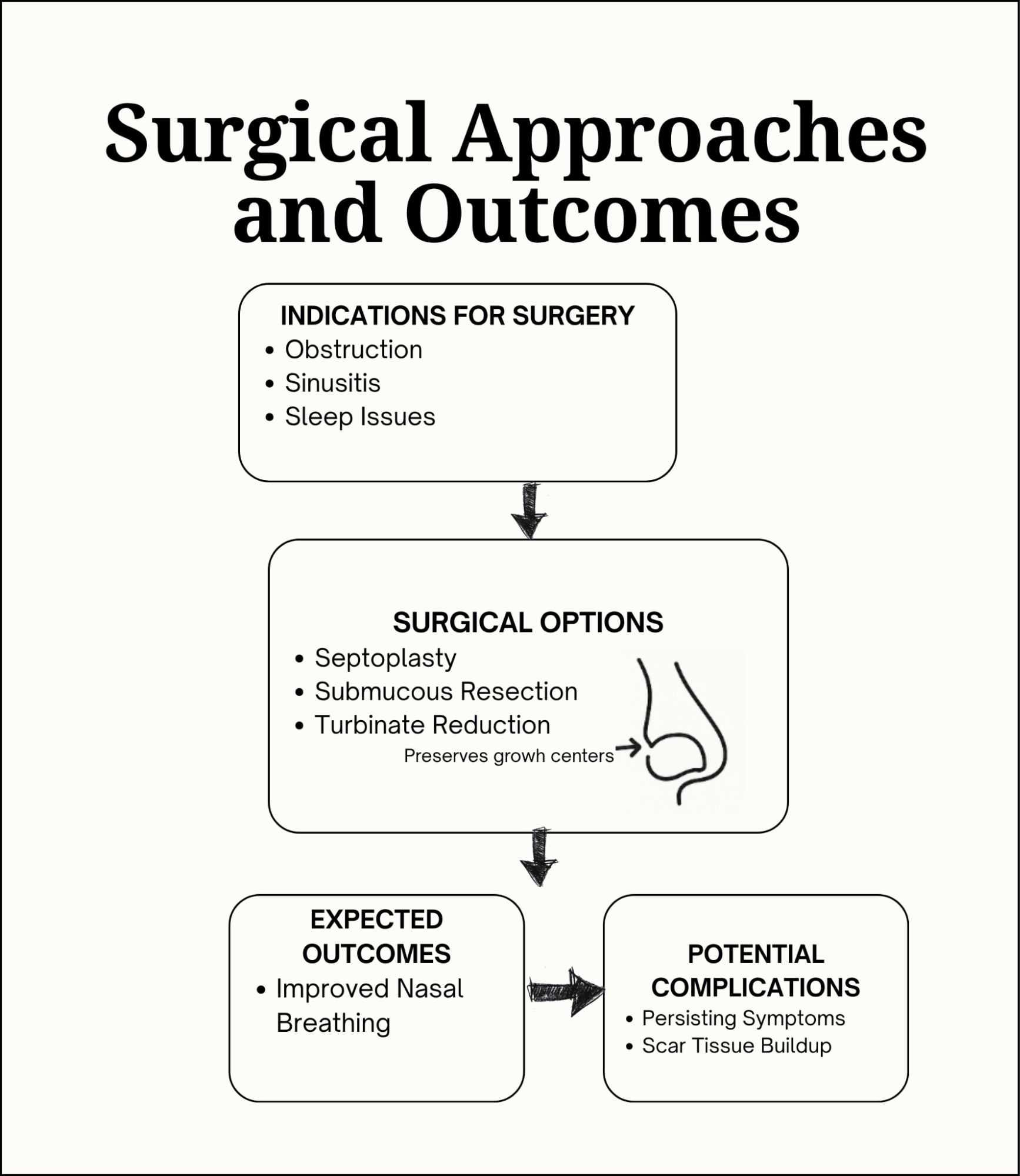
Postoperative Healing and Scar Tissue Formation
Scar tissue formation can be a major concern post pediatric nasal surgery.28Scar tissue forms as part of the healing process, which involves hemostasis, inflammation, proliferation, and remodeling. When this process is dysregulated, due to abnormal fibroblast activity, excessive inflammation, and issues in collagen production, hypertrophic scars, also known as keloids, can develop.28Studies have identified the TGF-β/SMAD signaling pathway as a molecular driver of fibrosis, since its overactivation can lead to excess collagen deposits and tissue remodeling. Susceptibility to unwanted scar tissue can be impacted by a surplus of causes.29These causes include genetics, age, skin type, wound factors, and systemic factors. A family history of keloids or hypertrophic scarring can increase risk in terms of genetic factors.30According to a cross-sectional study, individuals within the age group of 9-20 years are more prone to hypertrophic scarring.30Certain individuals may have an increased risk of hypertrophic scarring or keloid formation due to genetic, skin type, and wound-healing variability. Surgical technique modifications, such as placing incisions along natural skin creases, may help minimize visible scarring.30Surgeons are advised to modify surgery techniques for patients with medium to dark skin such as placing incisions at natural skin junctions and considering full-unit reconstruction to reduce visibility of nasal scar tissue.31
Patients who face inflammation after intranasal surgery are affected by scar tissue. Systemic hypertension, hormone imbalance, and atopic eczema were identified to associate with this recurring issue.29Scar tissue can lead to aesthetic concerns alongside intranasal pain. Some aesthetic concerns such as visible, raised, or discolored scars are a cause for distress.30 In critical areas such as turbinates and sinuses, scars can restrict movement or nasal airflow, impairing function.32 Itching, pain and sensitivity are common symptoms. Lastly, in children scarring can affect self-esteem and quality of life, leaving a negative physiological impact.30Treatments depend on scar type and severity. For mild cases, silicone gel sheets, pressure therapy, and topical agents are conservative therapies that are best preferred.32Medications like intralesional corticosteroids, 5-fluorouracil, and botulinum toxin injections can reduce scar size and symptoms.32,33Laser therapy is another method where pulsed dye laser and fractional CO2 lasers help improve scar appearance and pliability.33The last treatment, surgical revision, which is reserved for severe contractures or functional impairment, and is often combined with alternative therapies, is utilized to prevent recurrence at final stages. Open sinus surgeries, rhinoplasties, and turbinate reductions have an outcome of significantly increased scarring.33However, there is limited research on the long-term effects of intranasal scar tissue build-up specifically in a pediatric patient population. Consequently, long-term intranasal scar tissue in younger age groups can cause persistent nasal obstruction, recurring sinusitis, potential growth disturbances and psychosocial effects. Early intervention is crucial to minimize risks and effects.
Postoperative Complications and Long-Term Outcomes
Pediatric sinus surgery, especially functional endoscopic sinus surgery (FESS) is increasingly used for chronic rhinosinusitis.8,9,34Long-term outcomes and complications, including scar tissue, recurrence, sleep disturbance, craniofacial development, turbinate regrowth, and the importance of follow-up are major concerns for both clinicians and families.8,18,34 In recovery following surgical procedures of sinusitis with associated deviated nasal septum and turbinate hypertrophy in pediatric patients, outcomes are often less predictable than in adults. Scar tissue and adhesions are among the most frequently reported complications after pediatric FESS. Studies suggest that the incidence of synechiae formation ranges from 10 to 50% depending on surgical technique and duration of follow up.35Although the majority of these adhesions are minor and do not produce significant long-term obstruction, severe cases can require revision surgery.35
Interventions such as steroid-impregnated spacers and hyaluronic acid dressings have been shown to improve postoperative healing and decrease adhesion.35 Even minimally invasive options like balloon sinuplasty are not exempt from this complication, however, they do hold less risk compared to a traditional FESS.35 These findings show that scarring is not only a common event in the postoperative period, but also is an important factor for determining whether children experience long lasting benefits from surgery. Recurrence of nasal obstruction is another obstacle in pediatric populations. Children and adolescents consistently demonstrate higher revision rates compared to adults, estimating from 5-8% in long term follow-up.36The difference is closely associated with the growth of the midface. As the nasal septum and surrounding structures continue to mature, mechanical shifts can reintroduce deviation, even when the initial surgery was successful.36
Septoplasty is generally considered stable in adults, but in younger patients, recurrence could mean natural growth patterns rather than surgical error.36Some evidence suggests that areas of active cartilage growth, such as the septovomeral junction, are particularly vulnerable to postoperative changes.36Surgical timing, therefore, is crucial; delaying septoplasty until later adolescence can reduce recurrence, yet there are risks in postponement that may harm craniofacial growth and sleep.36 Most systematic reviews have found no major disturbances in long-term midfacial development after septal surgery.6Sleep outcomes provide another perspective on recovery complications. Pediatric chronic rhinosinusitis and nasal obstruction are strongly associated with sleep disordered breathing ranging from habitual snoring to obstructive sleep apnea. The potential impact of chronic nasal obstruction and surgical intervention on craniofacial development is noteworthy. Prolonged mouth breathing in children has been associated with altered skeletal growth elongation of the lower face nearing of the maxilla and high arch palates.22 Surgical relief of obstruction appears to reduce many of these risks by allowing more physiologic breathing patterns during important growth periods and restoring nasal air flow. A cohort study suggests that children who go through timely correction result in more typical maxillo facial structures rather than those managed conservatively despite persistent nasal obstruction.7 However, there are some case reports that describe minor anomalies in nasal shape after septoplasty, yet these findings are rare and could be linked to natural variation.37
Inferior turbinoplasty occurs when inferior turbinates are inflamed, and similar surgical procedures are commonly performed to reduce hypertrophic tissue and improve nasal flow.38Most studies in pediatric patients report durable symptom relief with low rates of turbinate regrowth or clinically significant recurrence. However, regrowth can occur, especially in younger children with ongoing exposure to environmental allergens or underlying chronic rhinitis.37Methods to preserve the mucus, such as submucosal resection or radio frequency ablation are generally utilized to ease long-term complications.6
The psychosocial factor of post-operative outcomes is also to be considered. Chronic sinonasal disease in children is strongly correlated with impaired quality of life, affecting school attendance, peer interactions and mental health.39Some validated instruments such as the SN-5, NOSE scale, and SNOT-22 show major improvements post-surgery.39 The Sinus and Nasal Quality of Life Survey (SN-5) is a pediatric questionnaire that assesses five domains, including sinus infections, nasal obstruction, allergy symptoms, emotional distress, and activity limitations. The Nasal Obstruction Symptom Evaluation (NOSE) scale is a validated instrument that measures the severity of nasal obstruction. The Sinonasal Outcome Test-22 (SNOT-22) evaluates sinonasal symptoms and disease-specific quality of life across physical, functional, and emotional domains. Many complications, including scar formation, recurrent obstruction and growth-related changes, may not emerge until years after the original surgery. Experts advise longitudinal surveillance for at least 2 to 3 years with follow-up throughout adolescence for patients operated on at younger ages.8In summary, recovery complications following pediatric sinonasal surgeries depend on many factors. Scar tissue and synechiae are among the most common earlier events, but recurrence and sleep disturbance are more persistent concerns over time. Cranial facial growth remains a sensitive consideration; however, evidence suggests that surgical correction is more productive than harmful when obstruction is severe. Turbinate regrowth is rare, and vigilance is necessary in children with persistent inflammation. Quality of life outcomes show that the burden of disease is beyond physical symptoms and requires attention for psychological and social well-being. The importance of long-term follow-up cannot be overstated, as recovery complications can often intersect with the child’s ongoing development.
Discussion
This review mainly examined three areas related to pediatric DNS with sinusitis and turbinate hypertrophy: craniofacial development, sleep and neurocognitive outcomes, and surgical timings with post-operative complications. The evidence shows that DNS with sinusitis and turbinate hypertrophy can have long-term consequences that are severe beyond the nasal airway.
Chronic mouth breathing alters orofacial muscle activity and skeletal development. This can produce feature changes like midfacial elongation, high-arched palate, dental malocclusion, and adenoid facies.12,20,22These structural changes can become permanent as craniofacial growth completes. This makes early intervention crucial. The reviewed evidence suggests that conservative, growth-preserving septoplasty performed at developmentally appropriate stages does not significantly disrupt midfacial development.20Conversely, most supporting studies are retrospective, have small sample sizes, and do not use standardized cephalometric protocols across institutions.12Prospective studies with long-term skeletal follow-up are needed before definitive recommendations can be made.
Pediatric nasal obstruction is well associated with sleep-disordered breathing. Consequences can include impaired neurocognitive development, behavioral difficulties, poor academic performance, and daytime fatigue.21Surgical correction of DNS and turbinate hypertrophy has been shown to improve sleep quality and overall quality of life as measured by validated instruments.39However the long-term durability of these improvements is not well categorized in the current literature especially as facial anatomy continues to change during adolescence.
The timing of surgical intervention is one of the most debated aspects of pediatric DNS management. Delaying surgery too long can cause craniofacial changes to become permanent. Though operating too early increases the likelihood of re-deviation, turbinate regrowth and the need for revision procedures.36Reversion rates and younger patients are estimated at 5 to 8%.36Synechiae formation after FESS is also a common short-term complication reported at rates of 10 to 50% depending on surgical technique and follow-up duration.35Due to the psychosocial burden of chronic sino-nasal disease in children, timely intervention and individualized care is generally preferable to deferral based on age alone.39
Several limitations affect the conclusions that can be drawn from this review. The majority of included studies are retrospective cohort designs with variable follow durations and inconsistent outcome reporting. There is also considerable variation on how conservative septoplasty is defined across institutions, which makes direct comparisons of complication rates difficult. Additionally the absence of standardized long-term follow-up protocols means that complications emerging years after surgery are likely under reported. These gaps demonstrate the need for prospective multi-centered trials with pediatric specific outcomes and follow-up extending throughout adolescence.
Conclusion
Sinusitis associated with DNS and turbinate hypertrophy in children carries significant implications for craniofacial growth, sleep quality, and psychosocial health. When left untreated, chronic nasal obstruction can cause persistent mouth breathing in children which alters orofacial muscle tone and skeletal development. This adaptation can result in “adenoid facies,” characterized by a long, narrow face, dental malocclusion, and high arched palate.1Surgical intervention, including septoplasty and turbinate reduction has traditionally been deferred until facial growth is near completion. However, modern conservative growth-preserving surgical techniques, when appropriately timed, can restore nasal airflow and improve sleep quality while minimizing disruption to midfacial growth. Postoperative complications, such as scarring, adhesions (synechiae), or partial recurrence of obstruction, require ongoing monitoring, particularly in younger children whose facial structures are still evolving.36Future research on pediatric DNS, turbinate hypertrophy, and sinusitis is moving outward from individualized, patient-specific approaches.36Gender, race, and age are crucial factors in nasal surgery decisions and timelines. Advanced imaging techniques and computational airflow modeling may allow surgeons to plan procedures with precision and help them predict how interventions will affect both nasal function and facial growth.40Additionally, molecular and genetic research into inflammatory pathways may help identify children who are more prone to chronic sinusitis or craniofacial outcomes. This enables preventative strategies and targeted therapies for pediatric patients.38 Minimally invasive procedures, like balloon sinuplasty or radiofrequency ablation, could reduce surgical trauma while preserving critical growth centers, potentially lowering the risk of scarring, synechiae, and revision surgeries.38These new approaches with long-term longitudinal monitoring could provide feedback on airway stability, facial development and recurrence risk.38 By focusing on individualized care and utilizing emerging technologies, the field is assured to improve long term prognosis and quality of life for this vulnerable population.
References
- Swain, S., 2022, “Deviated nasal septum in children: a review”, International Journal of Contemporary Pediatrics. https://doi.org/10.18203/2349-3291.ijcp20220462 [↩] [↩] [↩] [↩]
- Awady, M., & Ali, M., 2022, “Inferior Turbinate Hypertrophy Histopathology in Allergic Rhinitis Patients and in Patients with Deviated Nasal Septum”, Egyptian Journal of Ear, Nose, Throat and Allied Sciences. https://doi.org/10.21608/ejentas.2022.141170.1518 [↩]
- Roberts, S. D., Kapadia, H., Greenlee, G., & Chen, M. L., 2016, “Midfacial and Dental Changes Associated with Nasal Positive Airway Pressure in Children with Obstructive Sleep Apnea and Craniofacial Conditions”, Journal of clinical sleep medicine : JCSM : official publication of the American Academy of Sleep Medicine, 12(4), 469–475. https://doi.org/10.5664/jcsm.5668 [↩]
- Akkus, N., K.D.İş, Ç., & Orcid, I., 2023, “Etiology of narrow maxilla creating orthodontic and prosthetic treatment difficulties”, European review for medical and pharmacological sciences, 27 5 Suppl, 75-79. https://doi.org/10.26355/eurrev_202310_34073 [↩]
- Reitzen, S. D., Chung, W., & Shah, A. R., 2011, “Nasal septal deviation in the pediatric and adult populations”, Ear, nose, & throat journal, 90(3), 112–115. https://doi.org/10.1177/014556131109000308 [↩]
- Abdullah, A., 2022, “Prevalence and clinical features of deviated nasal septum in the pediatric age group in Najran Region, Saudi Arabia”, Saudi Journal of Otorhinolaryngology Head and Neck Surgery, 24, 1-5. https://doi.org/10.4103/sjoh.sjoh_37_21 [↩] [↩] [↩]
- Zieliński, J., Costa, S., Cherkes, M., Glibbery, N., Kovács, P., Mitrea-Sirețeanu, L., Ciller, M., & Topçuoğlu, M., 2025, “Pediatric Septoplasty: Benefits, Challenges, and Clinical Recommendations—Comprehensive Review of Young ESPO”, Journal of Clinical Medicine, 14. https://doi.org/10.3390/jcm14155537 [↩] [↩] [↩] [↩] [↩]
- Bishop, R., Sethia, R., Allen, D., & Elmaraghy, C., 2021, “Pediatric nasal septoplasty outcomes”, Translational Pediatrics, 10, 2883-2887. https://doi.org/10.21037/tp-21-359 [↩] [↩] [↩] [↩]
- Lee, E., Lee, S., Kim, H., Shin, J., Choi, J., & Lee, J., 2018, “Incidence of re-deviated nasal septum after septoplasty in adolescent and adult patients”, Acta Oto-Laryngologica, 138, 909-912. https://doi.org/10.1080/00016489.2018.1484564 [↩] [↩] [↩]
- Taha, H., Elgendy, M., Ezz, M., Tolba, K., Safty, M., Azzawi, M., Katamesh, B., & Albazee, E., 2024, “Septoplasty versus non-surgical management for deviated nasal septum: a systematic review and meta-analysis of randomized controlled trials”, European archives of oto-rhino-laryngology. https://doi.org/10.1007/s00405-024-08937-x [↩] [↩] [↩]
- Joshi, R., Riley, C., & Kacker, A., 2019, “Complication Rates Following Septoplasty With Inferior Turbinate Reduction”, The Ochsner Journal, 19, 353-356. https://doi.org/10.31486/toj.19.0002 [↩] [↩]
- Ori, M., Ricci, G., Capalbo, M., Maranzano, M., Sarno, A., Di Stadio, A., & D’Ascanio, L., 2021, “Quick septoplasty in children: Long-term effects on nasal breathing and dentofacial morphology. A prospective cephalometric study”, Auris, nasus, larynx. https://doi.org/10.1016/j.anl.2021.02.017 [↩] [↩] [↩] [↩] [↩] [↩] [↩]
- Fearington, F., Awadallah, A., Hamilton, G., Olson, M., & Dey, J., 2023, “Long-Term Outcomes of Septoplasty With or Without Turbinoplasty: A Systematic Review”, The Laryngoscope, 134. https://doi.org/10.1002/lary.31193 [↩] [↩] [↩] [↩]
- Jain, S., & Deshmukh, P., 2021, “A Review on Deviated Nasal Septum: Classification, Clinical Features and Management”, Journal of Pharmaceutical Research International. https://doi.org/10.9734/jpri/2021/v33i60a34504 [↩] [↩] [↩] [↩]
- Muhammad, I. A., & Nabil-ur Rahman, 2003, “Complications of the surgery for deviated nasal septum”, Journal of the College of Physicians and Surgeons–Pakistan : JCPSP, 13(10), 565–568. https://doi.org/10.2003/JCPSP.565568 [↩]
- Narve, V., Suman, V., & Sharma, J., 2023, “Clinical Study on Deviated Nasal Septum and Its Associated Symptoms and Its Management”, Indian Journal of Applied Research. https://doi.org/10.36106/ijar/1407667 [↩]
- Kudas, Z., Górka, M., Stec, W., Wojtkiewicz, A., Piekarska, M., & Szerej, K., 2025, “The Comprehensive Review of Deviated Septum: Anatomy, Diagnosis, and Treatment Approaches”, Quality in Sport. https://doi.org/10.12775/qs.2025.37.57018 [↩] [↩] [↩] [↩] [↩]
- Howard, T., Williams, I., Navaratnam, A., Haloob, N., Stoenchev, K., & Saleh, H., 2023, “Should Pediatric Septal Surgery and Septorhinoplasty Be Performed for Nasal Obstruction?—A Systematic Review of the Literature”, Facial Plastic Surgery. https://doi.org/10.1055/a-2219-9266 [↩] [↩] [↩] [↩] [↩] [↩] [↩]
- Iqbal, M., Ullah, M., Ullah, S., Khan, H., & Shah, J., 2011, “Septoplasty Versus Submucous Resection in young Adults”, Journal of Postgraduate Medical Institute, 13 [↩]
- Calvo-Henríquez, C., Neves, J. C., Arancibia-Tagle, D., Chiesa-Estomba, C., Lechien, J. R., Mayo-Yáñez, M., Martinez-Capoccioni, G., & Martin-Martin, C., 2020, “Does pediatric septoplasty compromise midfacial growth? A systematic review”, European archives of oto-rhino-laryngology, 277(6), 1565–1574. https://doi.org/10.1007/s00405-020-05919-7 [↩] [↩] [↩] [↩] [↩]
- Manteghi, A., Din, H., Bundogji, N., & Leuin, S., 2018, “Pediatric septoplasty and functional septorhinoplasty: A quality of life outcome study”, International journal of pediatric otorhinolaryngology, 111, 16-20. https://doi.org/10.1016/j.ijporl.2018.05.016 [↩] [↩] [↩]
- Zhao, Z., Zheng, L., Huang, X., Li, C., Liu, J., & Hu, Y., 2021, “Effects of mouth breathing on facial skeletal development in children: a systematic review and meta-analysis”, BMC Oral Health, 21. https://doi.org/10.1186/s12903-021-01458-7 [↩] [↩] [↩]
- Śliwiak, P., Kondratowicz, A., Miłkowski, P., Głąbień, M., Aleksandrowicz, D., Kuśnierz, A., Jakubczak, Z., Kusiak, K., Wieczorek, O., & Zimniak, M., 2024, “Effect of septoplasty on physical performance”, Quality in Sport. https://doi.org/10.12775/qs.2024.24.54756 [↩]
- Shah, J., Youn, G., Wei, E., Kandathil, C., & Most, S., 2022, “Septoplasty Revision Rates in Pediatric vs Adult Populations”, JAMA otolaryngology– head & neck surgery. https://doi.org/10.1001/jamaoto.2022.3041 [↩] [↩] [↩]
- Koirala, K., 2020, “Septoplasty in Pediatric Population: A Ten Years’ Experience”, Birat Journal of Health Sciences, 5, 1040-1044. https://doi.org/10.3126/bjhs.v5i2.31379 [↩]
- Civantos, A., Callander, J., Czechowicz, J., Jacobson, L., & Rosbe, K., 2023, “Management of Newborn Traumatic Nasal Deformity with a Nostril Retainer”, The Laryngoscope, 134. https://doi.org/10.1002/lary.30956 [↩]
- Pranidhi Baddam, Francy Bayona-Rodriguez, Campbell, S., Hamdy El-Hakim, & Graf, D., 2022, “Properties of the Nasal Cartilage, from Development to Adulthood: A Scoping Review”, Cartilage, 13(1). https://doi.org/10.1177/19476 [↩]
- Alekseenko, S., & Karpischenko, S., 2020, “Comparative analysis of the outcome of external and endoscopic frontal sinus surgery in children”, Acta Oto-Laryngologica, 140, 679-684. https://doi.org/10.1080/00016489.2020.1752932 [↩] [↩]
- Xu, F., Liu, C., Zhou, D., & Zhang, L., 2016, “TGF-β/SMAD Pathway and Its Regulation in Hepatic Fibrosis”, Journal of Histochemistry & Cytochemistry, 64, 157-167. https://doi.org/10.1369/0022155415627681 [↩] [↩]
- Hameedi, S., Saulsbery, A., & Olutoye, O., 2024, “The Pathophysiology and Management of Pathologic Scarring – A Contemporary Review”, Advances in wound care. https://doi.org/10.1089/wound.2023.0185 [↩] [↩] [↩] [↩] [↩]
- Irvine, L., & Nassif, P., 2018, “Use of 5-Fluorouracil for Management of the Thick-Skinned Nose”, Facial Plastic Surgery, 34, 009-013. https://doi.org/10.1055/s-0037-1617420 [↩]
- Han, J., & Kern, R., 2019, “Topical therapies for management of chronic rhinosinusitis: steroid implants”, International Forum of Allergy & Rhinology, 9, S22-S26. https://doi.org/10.1002/alr.22344 [↩] [↩] [↩]
- Atiyeh, B., 2020, “Nonsurgical Management of Hypertrophic Scars: Evidence-Based Therapies, Standard Practices, and Emerging Methods”, Aesthetic Plastic Surgery, 31, 468-492. https://doi.org/10.1007/s00266-006-0253-y [↩] [↩] [↩]
- Gupta, A., Svider, P., Rayess, H., Sheyn, A., Folbe, A., Eloy, J., Zuliani, G., & Carron, M., 2017, “Pediatric rhinoplasty: A discussion of perioperative considerations and systematic review”, International journal of pediatric otorhinolaryngology, 92, 11-16. https://doi.org/10.1016/j.ijporl.2016.10.027 [↩] [↩]
- Henriquez, O., Schlosser, R., Mace, J., Smith, T., & Soler, Z., 2013, “Impact of synechiae after endoscopic sinus surgery on long-term outcomes in chronic rhinosinusitis”, The Laryngoscope, 123. https://doi.org/10.1002/lary.24150 [↩] [↩] [↩] [↩] [↩]
- Benyo, S., Moroco, A., Saadi, R., Patel, V., King, T., & Wilson, M., 2022, “Postoperative Outcomes in Pediatric Septoplasty”, Annals of Otology, Rhinology & Laryngology, 132, 1050-1058. https://doi.org/10.1177/00034894221129677 [↩] [↩] [↩] [↩] [↩] [↩] [↩] [↩] [↩]
- Kais, A., Sinan, M., Crawford, A., Rose, A., Gudis, D., Ramadan, H., & Makary, C., 2023, “Improvement in Quality of Life after Septoplasty in Children: a Systematic Review”, International Forum of Allergy & Rhinology, 13, 2076-2081. https://doi.org/10.1002/alr.23169 [↩] [↩]
- Komshian, S., Cohen, M., Brook, C., & Levi, J., 2018, “Inferior Turbinate Hypertrophy: A Review of the Evolution of Management in Children”, American Journal of Rhinology & Allergy, 33, 212-219. https://doi.org/10.1177/1945892418815351 [↩] [↩] [↩] [↩]
- Le, P., Soler, Z., Jones, R., Mattos, J., Nguyen, S., & Schlosser, R., 2018, “Systematic Review and Meta-analysis of SNOT-22 Outcomes after Surgery for Chronic Rhinosinusitis with Nasal Polyposis”, Otolaryngology–Head and Neck Surgery, 159, 414-423. https://doi.org/10.1177/0194599818773065 [↩] [↩] [↩] [↩]
- Aldueb, R., Aljomah, D., Almutawa, H., & Binnasser, A., 2024, “Septoplasty in neonate using balloon dilation: Case report and literature review”, Acta Oto-Laryngologica Case Reports, 9, 12-15. https://doi.org/10.1080/23772484.2024.2331685 [↩]