Abstract:
While humans have explored many ways to measure heartbeats and relate that to health since the dawn of civilization, heart rate variability (HRV) is an emerging research topic in the last decade. HRV is a measure of the change in timing between successive heartbeats. Researchers have been exploring HRV’s connection to various aspects of health, including mental well-being, stress management, and cardiovascular health. While optimal HRV levels differ from person to person depending on genetics and environmental factors, it is generally accepted that increased HRV can improve overall health. This research focuses on analyzing the relationship between HRV and day-to-day activities. The hypothesis that HRV is impacted by the physical and mental state of a person was evaluated using a smart watch paired with a mobile phone. The procedure involved measuring HRV before and after various activities and analyzing collected data. The results indicate that breathing pattern is a critical factor in determining both heart rate (HR) and HRV. HRV during deep breathing was almost twice as much as that of HRV during shallow breathing. Also, HRV was greater after sleep, rest and a peaceful mental state and declined under stressful conditions. Further research can include HRV after more specific activities such as exercising, spending large amounts of time on social media, and involving more subjects. Recommendations are proposed for healthy youth to monitor and improve HRV during daily activities.
Keywords: Heart Rate Variability (HRV), Stress management, Health, Breathing
Introduction
Since the discovery of Heart Rate (HR) measurement, human civilization has been intrigued by how it relates to overall human health. In recent years, Heart Rate Variability (HRV) has caught the attention of scientists, health professionals and athletes1,2,3,4,5.
There has been a noticeable increase in HRV research over the past two decades6,7. Researchers have been exploring HRV’s connection to various aspects of health, including stress management and overall cardiovascular health. Studies have investigated HRV biofeedback as a method to improve HRV and, consequently, overall health8.
In 300 BC, in Ancient Greece, a physician named Herophilos first documented how to measure heart rate9. In the early 1700s, Reverend Stephen Hales made the discovery that the beat-to-beat interval of the heart varied based on breathing. Building upon this foundation, in 1847, Carl Ludwig was the first scientist to measure Respiratory sinus arrhythmia (RSA), which is a type of HRV that relates to a person’s breathing cycle. In that, the heart rate increases when the person inhales and decreases when a person exhales10. As time went on, other scientists discovered new and improved ways to measure HR and HRV.
HR is the number of times the heart beats in a minute. The heart does not beat at a steady rate and usually has a small variation in time between successive heart beats, which can only be measured using special devices11. HRV is a measurement of this variation between heart beats12. The HRV is typically measured in terms of milliseconds. The heart rate variation is controlled by the autonomic nervous system (ANS) that controls critical tasks such as breathing, heart rate, blood pressure and digestion13. ANS is divided into two parts (1) the sympathetic nervous system that dominates the fight or flight response during stress and (2) the parasympathetic nervous system that dominates the body response during relaxed conditions. The brain is constantly processing feedback from the ANS and is instructing the body, including the heart, to respond to the environmental conditions. Stressful conditions tend to reduce the HRV as the heart tries to beat at a steady speed, while relaxed conditions tend to increase HRV. Higher HRV is considered to be better for health. The optimal range for HRV number can vary for each individual14. This research is not focused on finding the optimal HRV; rather, it focuses on relative trends in HRV under various physical and mental conditions in a healthy young individual.
Discussion of Previous Literature
Heart rate variability (HRV) has been widely studied as an indicator of autonomic nervous system function and overall health. Research has consistently shown that HRV reflects the balance between sympathetic and parasympathetic activity, making it a useful marker for stress, recovery, and cardiovascular health. For example, Shaffer and Ginsberg (2017) provide a comprehensive overview of HRV metrics and conclude that higher HRV is generally associated with better physiological resilience and adaptability6. Similarly, Thayer et al. (2012) highlight the strong relationship between HRV and emotional regulation, linking reduced HRV to stress and anxiety15.
Several studies have explored the relationship between HRV and physical activity. Plews et al. (2013) further demonstrated that endurance athletes with higher HRV tend to have better performance outcomes, reinforcing the connection between HRV and physical fitness16.
The impact of breathing on HRV has also been extensively documented. Lehrer and Gevirtz (2014) showed that slow, controlled breathing significantly increases HRV by enhancing parasympathetic activity17. This aligns with the findings of this study, where deep breathing produced higher HRV values. Laborde et al. (2017) also emphasize the importance of standardized breathing conditions when measuring HRV to ensure accurate comparisons7.
Mental stress and emotional stimuli have been shown to reduce HRV. Kim et al. (2018) found that psychological stress leads to decreased HRV due to increased sympathetic activation18. Additionally, studies such as Castaldo et al. (2015) demonstrate that HRV can be used as a reliable indicator of mental workload, particularly in cognitive and stressful environments.
Despite the extensive research, several gaps remain in the literature19. Many studies rely on controlled laboratory environments, which may not reflect real-world conditions. Additionally, while wearable devices like smartwatches are increasingly used for HRV monitoring, concerns remain regarding their accuracy compared to clinical-grade ECG systems (Georgiou et al., 2018)20.
Another limitation in existing research is the lack of long-term, individualized studies that track HRV changes across daily activities in natural settings, particularly in healthy youth populations.
Overall, while the literature strongly supports the relationship between HRV and physical and mental states, there is a need for more accessible, real-world studies using wearable technology. This study contributes to that gap by analyzing HRV trends in everyday conditions using a smartwatch-based approach.
Hypothesis
HRV is directly related to the physical and mental state of a person. HRV monitoring using a personal smartwatch can be used to develop recommendations to improve HRV and hence long-term health.
Experimental/Methods
Test Subject Information
The test subject was the author himself, who is a 6 foot, 135 lb, 14-year-old male with no prior medication, and is vaccinated, there are no known medical conditions. Active in school sports. All other information cannot be disclosed for privacy.
This research focuses on measuring and monitoring the author’s HRV during various day-to-day activities. There are many different methods and devices for measuring HRV. Some examples are the Apple watch (the device used in this experiment), Polar heart rate sensor, Oura ring, and Suunto smart sensor and ECG. Each device has its own pros and cons but many of the Bluetooth devices had a hard time consistently connecting to the Health app. The Polar heart rate sensor was tried during the early phases of this research. It proved to be dysfunctional and wouldn’t connect to the Health app on the apple watch. ECG or electrocardiography is a method used to measure the electrical activity of the heart and is considered the gold standard for diagnosing cardiac rhythm abnormalities and other heart conditions6. However ECG monitoring usually occurs in medical settings and requires specialized equipment and personnel. In contrast the smart watch uses photoplethysmography (PPG), an optical technique that estimates heart rate and heart rate variability (HRV) by detecting changes in blood volume using light sensors on the wrist21. The smart watch seemed like the best device to use since it was easily available, is convenient, and relatively easy to use during various activities planned for this research.
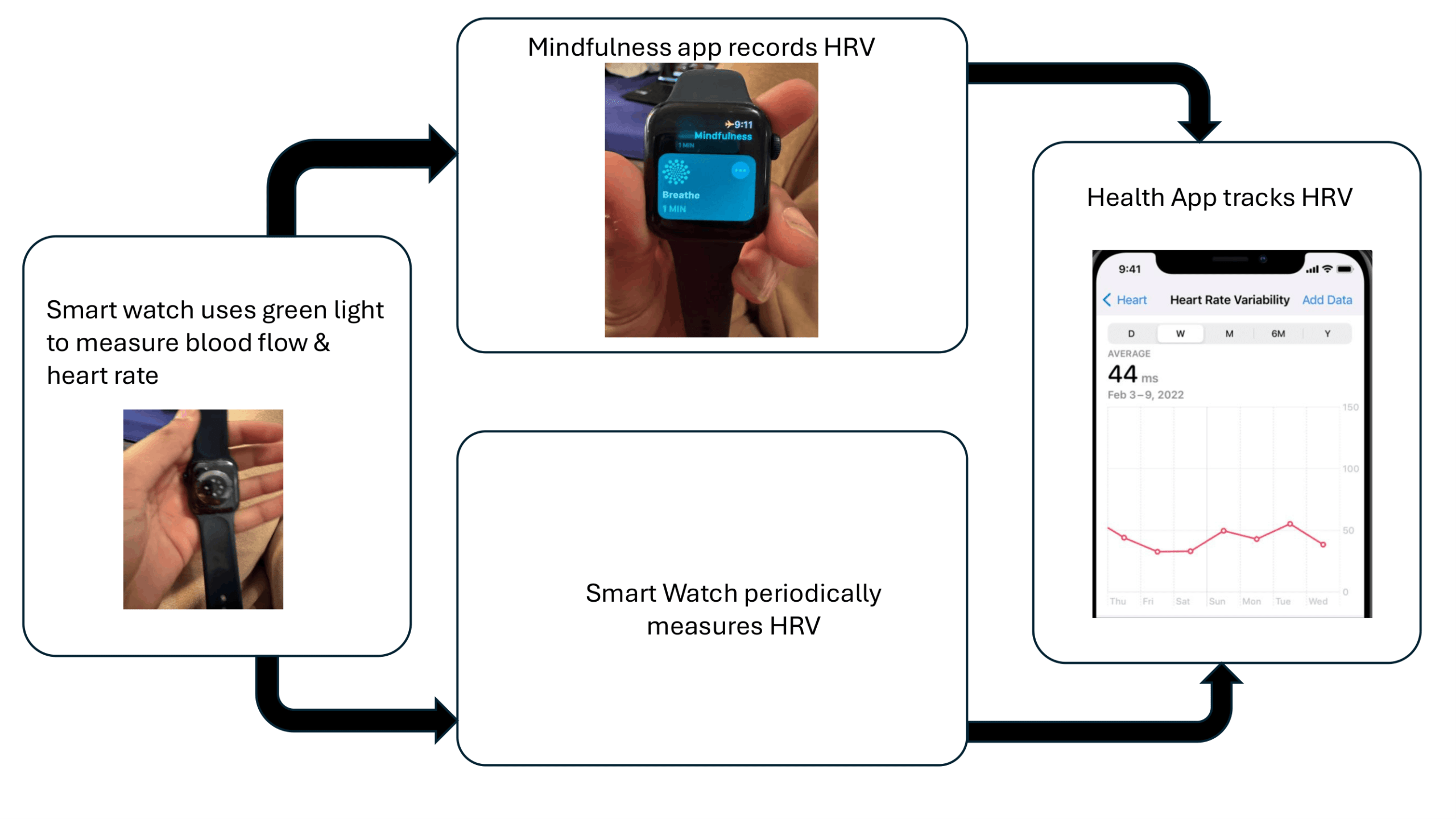
There are no clear published instructions on how the smart watch and mobile phone can be used to monitor and track HRV. Therefore, some period of this research project was focused on developing a methodology to track HRV. Figure 1 shows the process used for this research. The smart watch measures heart rate using green LED lights that detect changes in blood flow through the wrist using a method called photoplethysmography22. The Health app in the mobile phone has two ways of capturing HRV through the smart watch, either the watch will randomly measure HRV, typically once in a few hours or one can use the Mindfulness app in the smart watch to measure their HRV. The Mindfulness app guides the user through a paced breathing exercise by providing instructions to slowly inhale and exhale. During this one-minute session, the app continuously monitors and records heart rate (HR), it then sends this data to the mobile phone, which then calculates the average HRV for the minute. In this way the Health app is like data base that collects data from the smart watch and stores and calculates HRV23. It is generally preferable to measure HRV during a mindfulness session, as the user is more focused and conditions are more controlled; however, the randomly captured measurements remain valuable because they provide a more natural, unbiased view of HRV throughout the day. Both types of readings are used in this research.
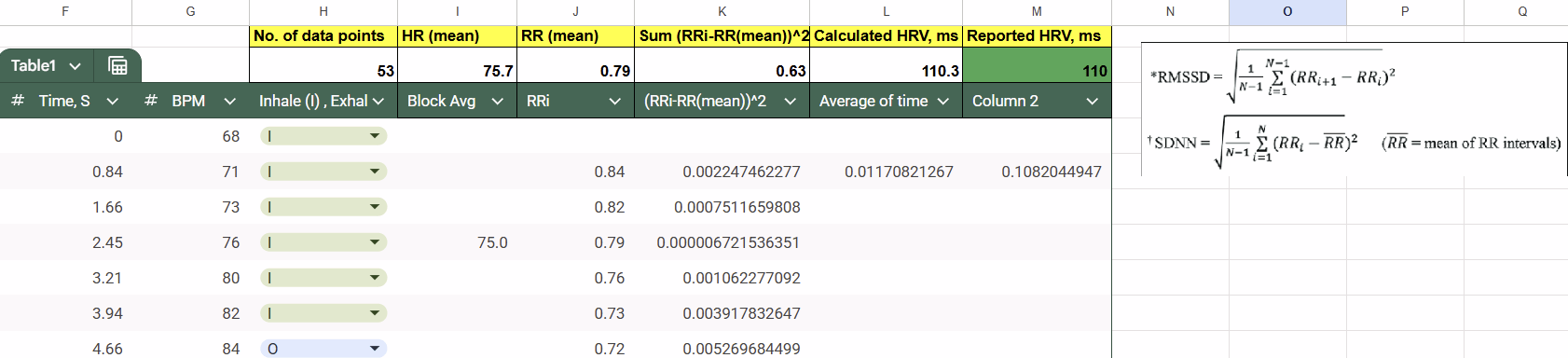
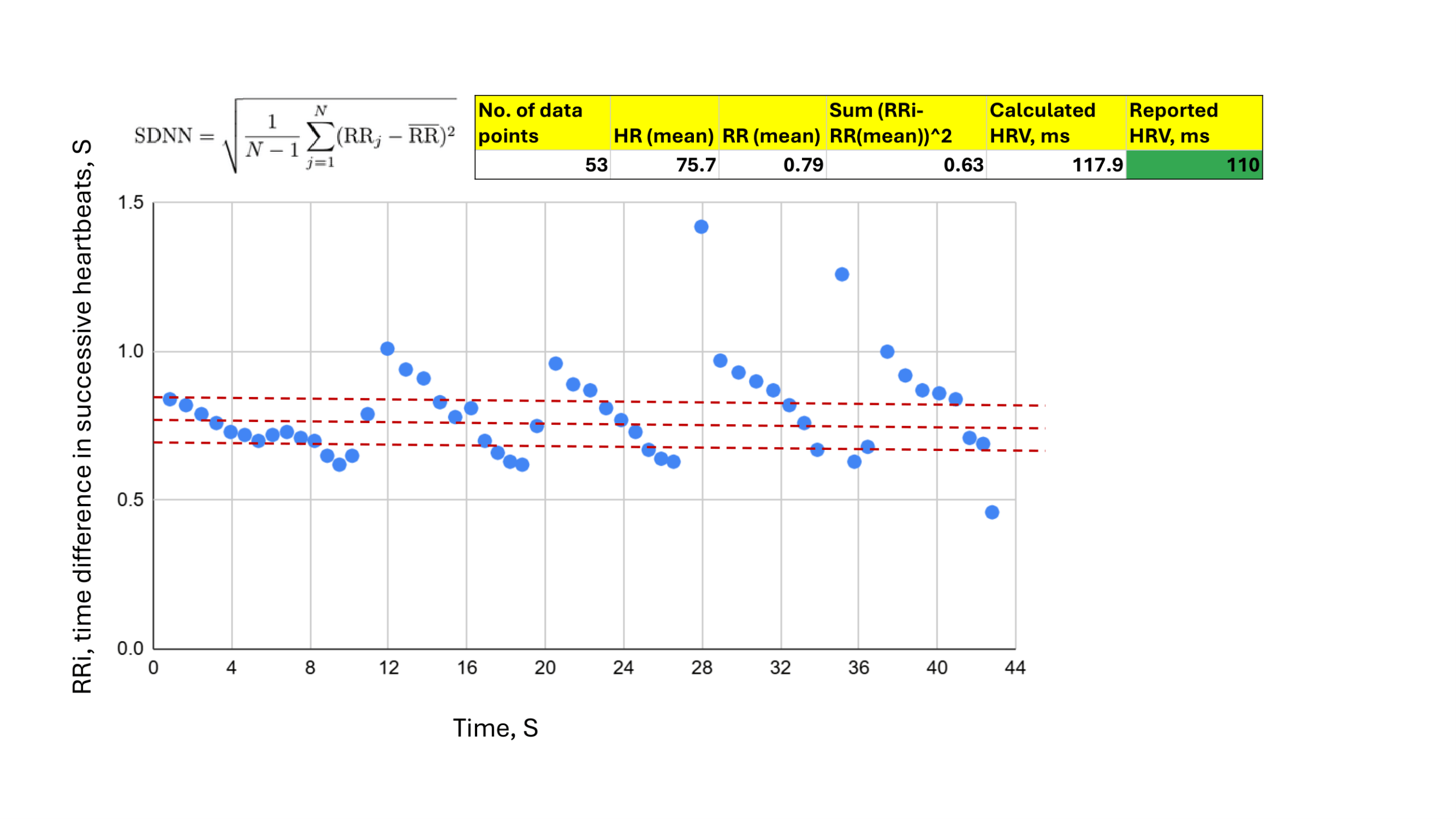
The smart watch uses the SDNN method to measure HRV24. This means standard deviation between the successive heartbeat intervals. Figure 2 shows recreation of one set of HR data collected using the mindfulness app in the smart watch and calculating HRV using the SDNN method. Once the HRV was measured, it was transferred into a google sheet for further data processing. The major trends observed were repeated at least two times to make sure that they were not outliers. Some of the experimental details are omitted to protect privacy. This experimental procedure can be utilized for future research that may involve collecting data from multiple individuals.
The SDNN method (Standard Deviation of Normal-to-Normal intervals) quantifies heart rate variability by calculating the standard deviation of the time intervals between successive normal heartbeats (RR intervals). In this approach, all normal RR intervals are first collected over a recording period, and their mean value (RR‾) is computed. Then, each individual interval is compared to this mean, and the squared differences are summed across all intervals. This sum is divided by N-1(where Nis the total number of intervals) to obtain the variance, and the square root of this value is taken to yield SDNN. This process captures the overall dispersion of heartbeat intervals, with higher SDNN values indicating greater variability and better autonomic flexibility, and lower values reflecting reduced variability often associated with stress or fatigue.
Baseline was taken before each experiment and the months leading up to experimentation. About 150 readings were taken as baseline prior to experimentation. Methods used for each experiment are described below:
Experiment 1: Understanding HRV Measurement and Breathing Cycle
Purpose: To understand how HRV is calculated and how it relates to breathing patterns.
Method: This experiment was done at a resting state and was repeated at the same time of the day, after waking up in the morning. During a Mindfulness session, heart rate (beats per minute) was recorded alongside inhale and exhale timing. During data collection, inhale-exhale timing was manually recorded using a stopwatch to assess the impact of breathing on heart rate. The intervals between successive heartbeats (RR intervals) were calculated, and HRV was independently recomputed using the SDNN method to validate device-reported values.
Experiment 2: Impact of Breathing Patterns on HRV
Purpose: To evaluate how controlled breathing influences HRV.
Method: Two breathing conditions were tested:
- Deep, slow breathing following mindfulness app instructions
- Rapid, shallow breathing 4X times the speed of the Deep breathing
Each condition was performed using the Mindfulness app, and HRV values were recorded. All other factors such as posture and time of day were kept consistent. The experiment was repeated multiple times over approximately three weeks to ensure consistency and reduce random variation.
Experiment 3: Daily HRV Trends
Purpose: To analyze how HRV varies throughout a typical day.
Method: HRV data was collected continuously using passive tracking and supplemented with Mindfulness session readings. Measurements were recorded across multiple days, and trends were analyzed based on time of day, including morning, afternoon, and evening periods. Subject was sitting during HRV readings regardless of at home or in class
Experiment 4: HRV Response to Watching a Horror Movie
Purpose: To determine how a horror movie can influence HRV.
Method:HRV was measured immediately before watching Duel, a suspenseful movie. Changes in HRV were compared to baseline values to assess the physiological impact of each activity. Stress levels were self reported.
Experiment 5: HRV Response to Exercise
Purpose: To determine how exercising can influence HRV
Method: HRV was measured immediately before and after exercising on the treadmill for 40 min. Changes in HRV were compared to assess how HRV was impacted by physical state.
Results and Discussion
Understanding HRV Calculation on Smart device:
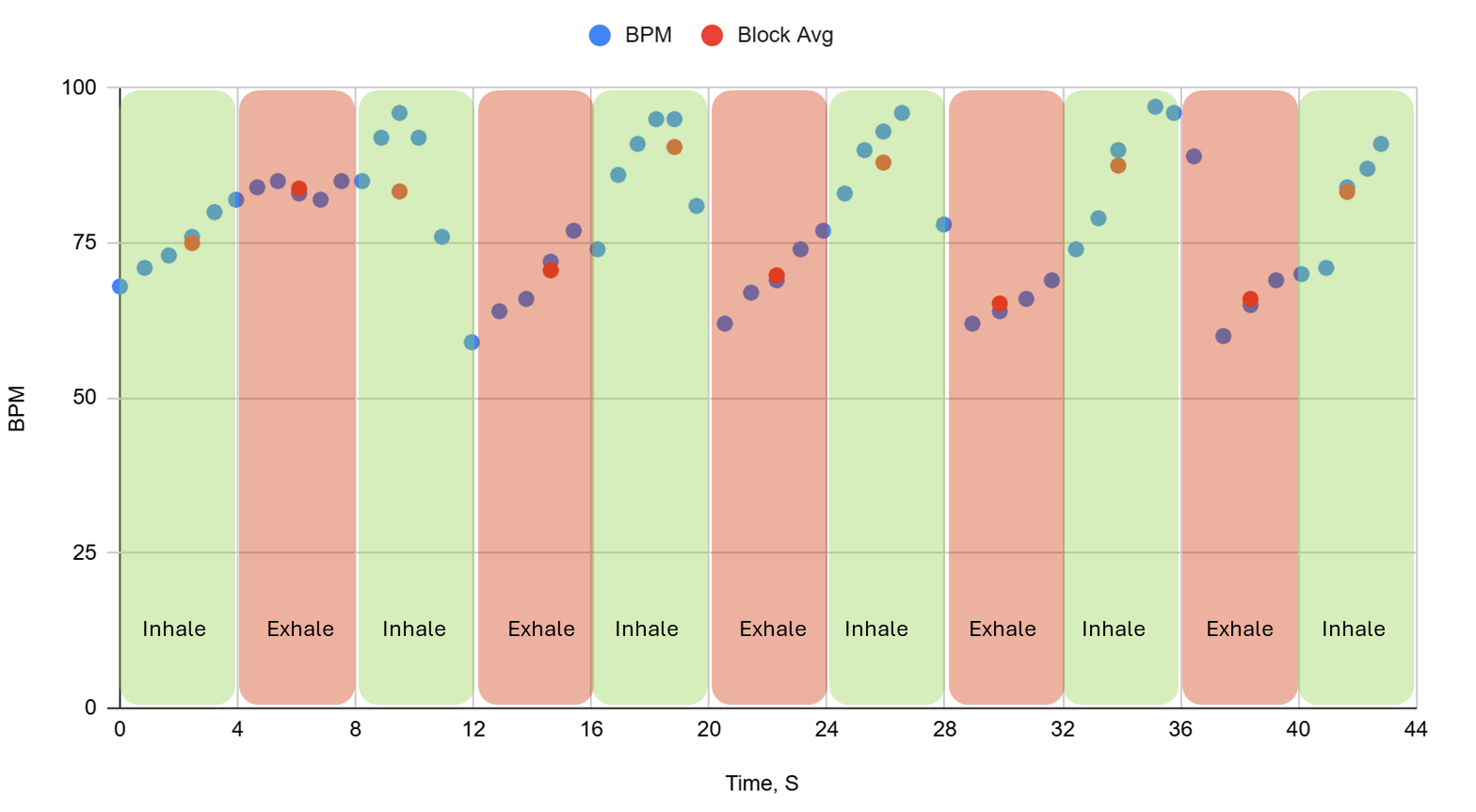
The initial part of the research focused on studying the variations in heartbeats during data collection using the Mindfulness app and analyzing how the HRV is calculated. An example of heart rate measurements (beats per minute, BPM) collected using a mindfulness app on the smart watch is presented in Figure 3. As shown, HR was higher during inhalation and much lower during exhalation, with the cyclic pattern becoming more evident after the first cycle. After peaking during inhalation HR would decrease and begin to increase again. This observation seems to be in line with the observations reported in the literature starting with study done by Carl Ludwig in 1847.
Figure 4 shows the plot of times between each successive heartbeats or RRi vs time. RRi (R–R interval) is the time between successive heartbeats, measured between R-peaks in the heart signal. In this study, it was recorded using a smart watch, which detects each heartbeat and calculates the time between them in milliseconds. RRi has an inverse relationship with heart rate: when heart rate increases, RRi decreases, and when heart rate decreases, RRi increases. Recording RRi is important because it provides the raw data for calculating heart rate variability (HRV), allowing analysis of how the autonomic nervous system responds over time.
The calculated value of HRV was 117 ms which was not the same as the value reported by the smart watch. It is noted that the Apple watch typically removes outliers to calculate HRV, so after removing 3 outliers (out of 54 points) the calculated and reported HRV values were the same at 110 ms. The smart watch is known to provide accurate HRV measurements25.
Impact of breathing patterns on HRV
Breathing patterns can be correlated to the mental and physical stage of a person, and the next phase of this research tried to investigate the relationship between breathing patterns and HRV. Figure 5 shows the HRV data during the deep and shallow breathing sessions.
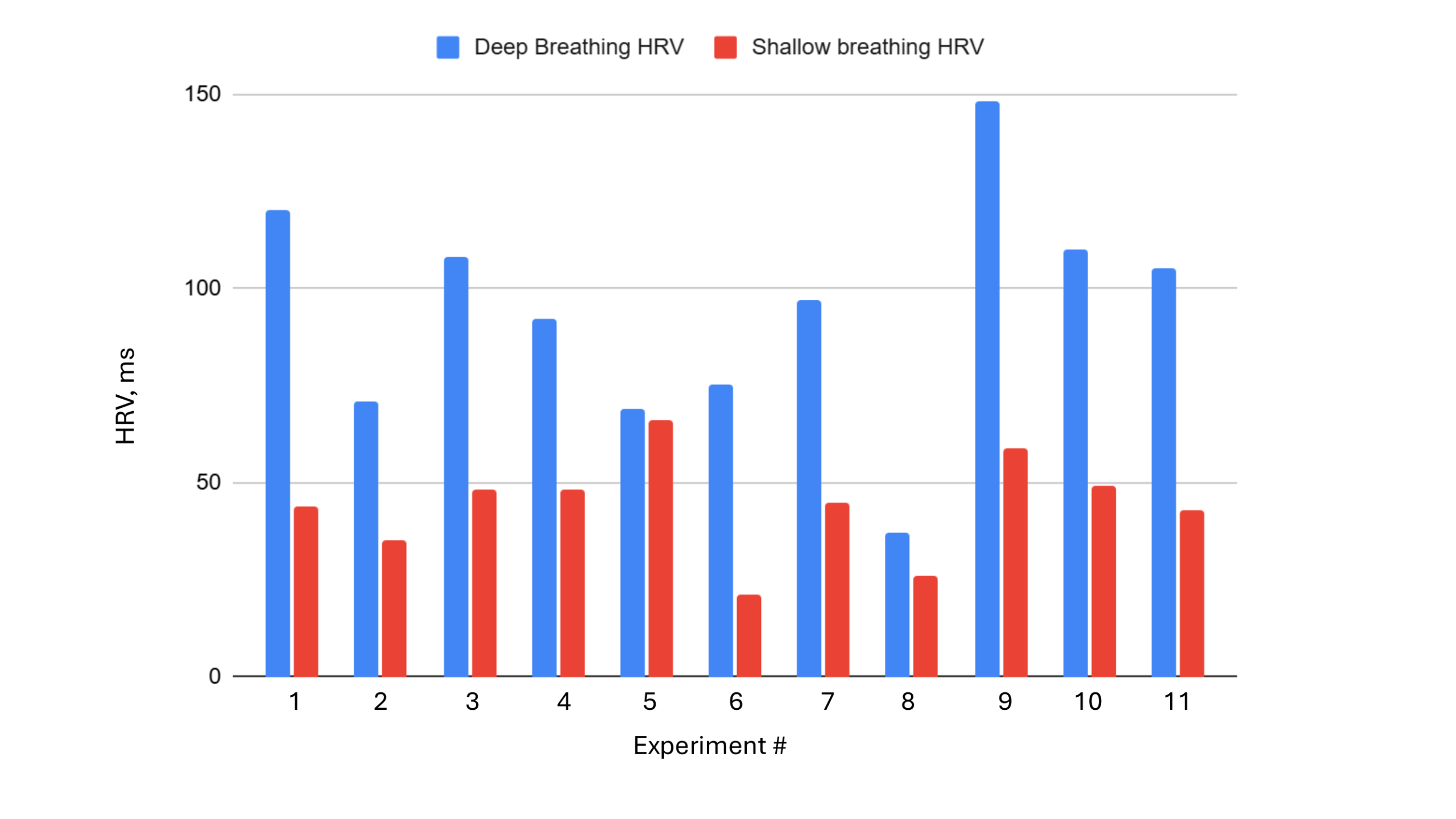
Based on the data, breathing patterns have a big impact on HRV. The X axis represents the number of experiments that took place. Deep breathing usually produces a higher HRV while shallow breathing produces a lower HRV. HRV during deep breathing was almost twice that of HRV during shallow breathing under similar mental and physical conditions. These results strongly indicate that controlling the breathing pattern can help with improving HRV. On the other hand, it can be hypothesized that under stressful conditions the breathing can get shallower resulting in lower HRV. This topic can be part of future research including testing this hypothesis with multiple subjects.
Daily trends of HRV
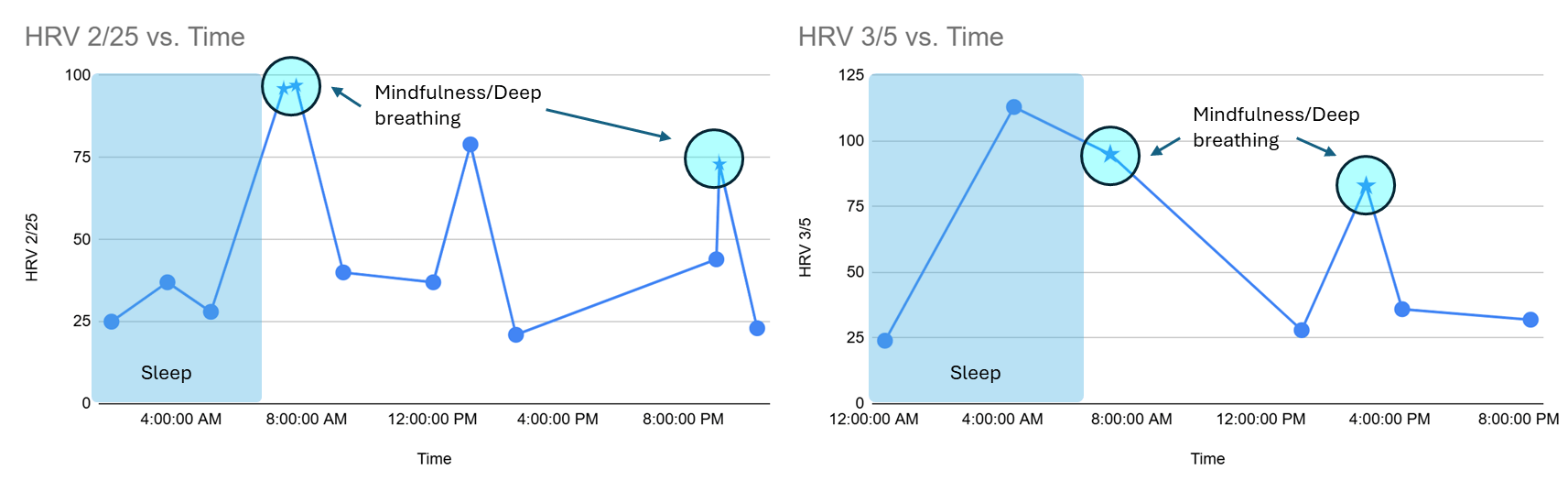
Figure 6 shows the typical HRV trend throughout a given day for two separate days. Each point on the graph represents an HRV reading during the day. The Mindfulness readings with deep breathing are plotted using a star symbol. The following trends were observed:
- HRV usually went up after a Mindfulness reading was taken since the Mindfulness app makes one take deep breaths and as stated before, deep breathing had increased HRV. Which is why the reading after 8 pm in the left figure spiked.
- In the morning after waking up, HRV started higher and had an overall decrease throughout the day. This data shows that rest/sleep can potentially be key factors to improving HRV. Even if HRV spiked during the day, morning HRV tended to be higher than the evening HRV
- Day to Day activities and fatigue can reduce HRV, and in the graphs, typically after 7 pm HRV tends to be low.
HRV trends during specific activities
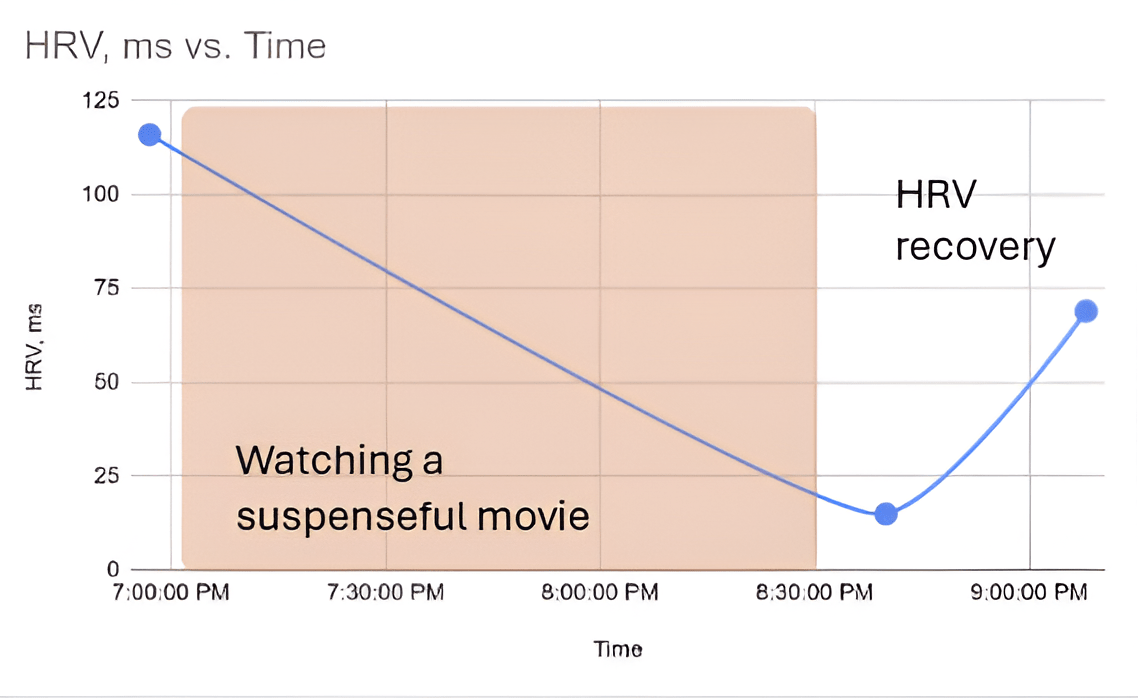
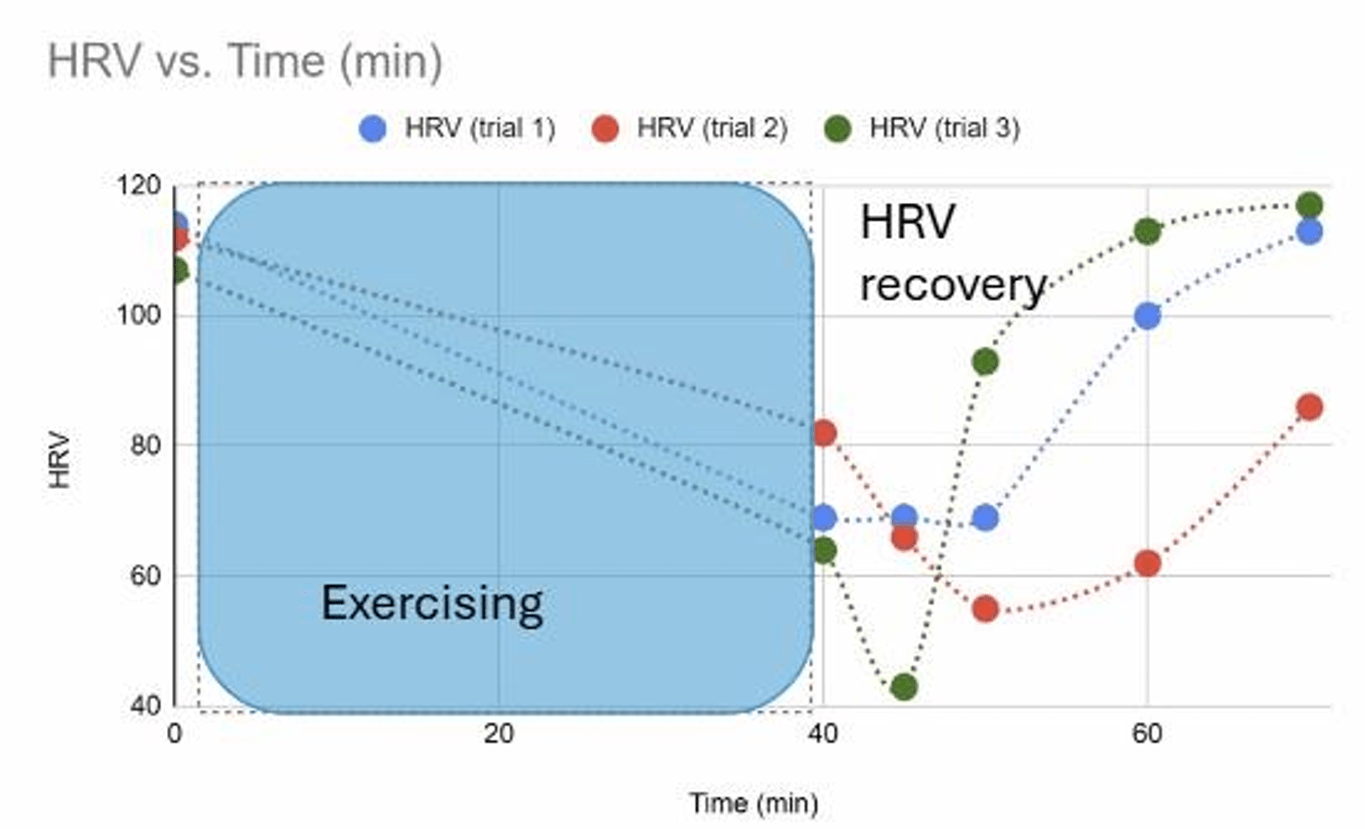
Figure 7 shows HRV trends measured before and after watching a suspenseful movie. The result indicated that HRV went down significantly after watching a 90 min suspenseful movie and it recovered after some time. Figure 8 shows HRV trends measured before and after running on a treadmill. It also shows the recovery of HRV in the half hour period after exercise. The result indicated that directly after exercising HRV decreased significantly and took time to increase to the initial level. These results suggest that stressful activities may impact HRV negatively. A few more specific activities such as violin concert and school classes were monitored, without observing significant or meaningful variation beyond the daily trends discussed before.
Autonomic Nervous System
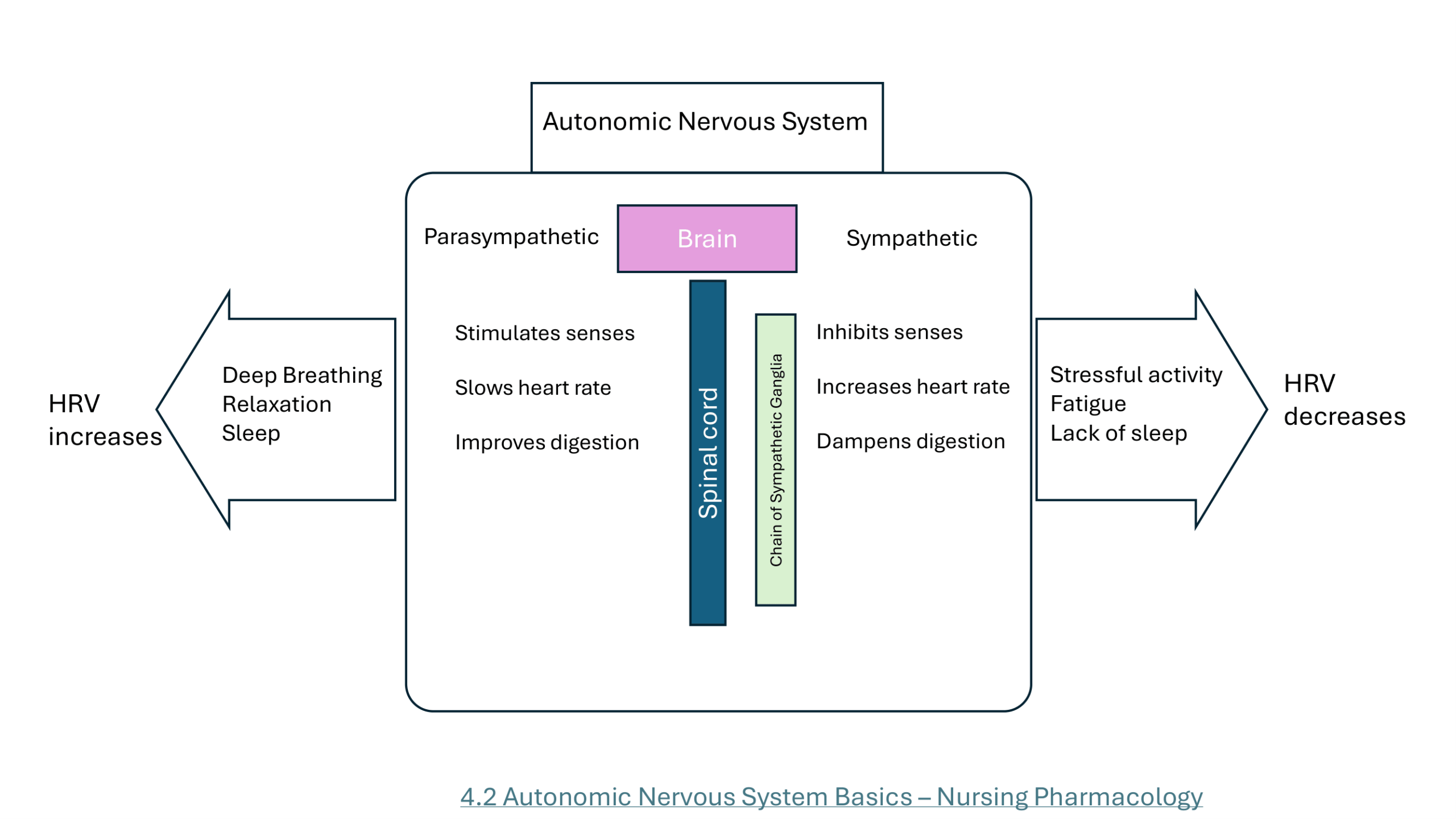
The heart is controlled by the autonomic nervous system through the parasympathetic and sympathetic nervous system as discussed in the introduction26,27,28,29,30. Figure 9 shows some of the activities that may impact HRV by affecting the nervous systems and eventually the heart function.
Conclusions, Limitations, & Future Research
This research focused on analyzing the relationship between HRV and day-to-day activities. The hypothesis that HRV is impacted by the physical and mental state of a person was evaluated using a digital watch paired with a mobile phone. The results indicated that breathing pattern can be a critical factor in determining both heart rate (HR) and HRV. HRV during deep breathing was almost twice as much as that of HRV during shallow breathing. The data collected showed that HRV was generally greater after sleep, rest and a peaceful mental state and declined under stressful conditions.
Limitations of this study include the use of data from only a single individual, which limits the generalizability of the findings. Additionally, the data collection process required manual transfer into an Excel spreadsheet, introducing a potential for error. The study also did not examine the long-term effects of consistently performing specific activities, nor did it analyze variations in HRV during sleep, both of which could provide deeper insight into physiological patterns.
Future research should expand this study by including a larger and more diverse sample size to improve the generalizability of the results. Incorporating automated data collection and integration methods would also reduce the risk of error and increase the efficiency and accuracy of data handling. Additionally, longitudinal studies examining the effects of specific activities over extended periods of time would provide deeper insight into how sustained behaviors influence HRV. Further investigation into HRV patterns during sleep could also be valuable, as sleep is a critical period for physiological recovery and autonomic regulation. Exploring these areas would help develop a more comprehensive understanding of how daily activities impact heart rate variability.
References
- Javier Kiviniemi, et al. “Endurance Training Guided Individually by Daily Heart Rate Variability Measurements.” European Journal of Applied Physiology, vol. 101, no. 6, 2007, pp. 743–751 [↩]
- PICHOT, Vincent, et al. “Relation between Heart Rate Variability and Training Load in Middle-Distance Runners.” Medicine & Science in Sports & Exercise, vol. 32, no. 10, Oct. 2000, pp. 1729–1736, www.8weeksout.com/wordpress/wp-content/uploads/2011/12/HRV-in-Middle-Distance-Runners.pdf, https://doi.org/10.1097/00005768-200010000-00011 [↩]
- Kaikkonen, Piia, et al. “Heart Rate Variability Is Related to Training Load Variables in Interval Running Exercises.” European Journal of Applied Physiology, vol. 112, no. 3, 16 June 2011, pp. 829–838, https://doi.org/10.1007/s00421-011-2031-z [↩]
- So, Tsz Yan, et al. “Between-Subject Correlation of Heart Rate Variability Predicts Movie Preferences.” PLOS ONE, vol. 16, no. 2, 24 Feb. 2021, p. e0247625, https://doi.org/10.1371/journal.pone.0247625 [↩]
- Ozden, Hayri Can, et al. “Bidirectionality of LF When the Movie Makes You Sad: Effects of Negative Emotions on Heart Rate Variability among Patients with Major Depression.” Journal of Psychosomatic Research, vol. 184, 29 June 2024, p. 111855, www.sciencedirect.com/science/article/pii/S0022399924002678, https://doi.org/10.1016/j.jpsychores.2024.111855 [↩]
- Shaffer, Fred, and J. P. Ginsberg. “An Overview of Heart Rate Variability Metrics and Norms.” Frontiers in Public Health, vol. 5, 2017, p. 258. https://doi.org/10.3389/fpubh.2017.00258 [↩] [↩] [↩]
- Laborde, Sylvain, Emma Mosley, and Julian F. Thayer. “Heart Rate Variability and Cardiac Vagal Tone in Psychophysiological Research – Recommendations for Experiment Planning, Data Analysis, and Data Reporting.” Frontiers in Psychology, vol. 8, 2017, p. 213. https://doi.org/10.3389/fpsyg.2017.00213 [↩] [↩]
- Lee, Angela Ryan. “What Is Heart Rate Variability–and Do You Need to Know Yours?” Health.com, 8 June 2025, www.health.com/condition/heart-disease/heart-rate-variability [↩]
- Billman, George E. “Heart Rate Variability ? A Historical Perspective.” Frontiers in Physiology, vol. 2, 2011, www.ncbi.nlm.nih.gov/pmc/articles/PMC3225923/, https://doi.org/10.3389/fphys.2011.00086 [↩]
- Yasuma, Fumihiko, and Jun-Ichiro Hayano. “Respiratory Sinus Arrhythmia: Why Does the Heartbeat Synchronize with Respiratory Rhythm?” Chest, vol. 125, no. 2, 2004, pp. 683–90, www.ncbi.nlm.nih.gov/pubmed/14769752, https://doi.org/10.1378/chest.125.2.683 [↩]
- Michael Buchheit, and Paul B. Laursen, “Monitoring Training Status with HR Measures: Do All Roads Lead to Rome?” Frontiers in Physiology, vol. 4, 2013, article 73 [↩]
- Cleveland Clinic. “Heart Rate Variability (HRV): What It Is and How You Can Track It.” Cleveland Clinic, 1 Sept. 2021, my.clevelandclinic.org/health/symptoms/21773-heart-rate-variability-hrv [↩]
- Campos, Marcelo. “Heart Rate Variability: A New Way to Track Well-Being.” Harvard Health Blog, 22 Nov. 2017, www.health.harvard.edu/blog/heart-rate-variability-new-way-track-well-2017112212789 [↩]
- Harvard Health Publishing. “Heart Rate Variability: A Measure of Stress and Health.” Harvard Health, https://www.health.harvard.edu/blog/heart-rate-variability-a-measure-of-stress-and-health-2021040122198. Accessed 3 Apr. 2026 [↩]
- Julian F. Thayer, et al. “A Meta-Analysis of Heart Rate Variability and Neuroimaging Studies: Implications for Heart Rate Variability as a Marker of Stress and Health.” Neuroscience & Biobehavioral Reviews, vol. 36, no. 2, 2012, pp. 747–756 [↩]
- Daniel Plews, et al .“Heart Rate Variability in Elite Triathletes: Training Adaptation and Relationship with Performance.” European Journal of Applied Physiology, vol. 113, no. 2, 2013, pp. 372–382 [↩]
- Lehrer, Paul M., and Richard Gevirtz. “Heart Rate Variability Biofeedback: How and Why Does It Work?” Frontiers in Psychology, vol. 5, 2014, p. 756. https://doi.org/10.3389/fpsyg.2014.00756 [↩]
- Kim, Hye-Geum, et al. “Stress and Heart Rate Variability: A Meta-Analysis and Review of the Literature.” Psychiatry Investigation, vol. 15, no. 3, 25 Mar. 2018, pp. 235–245, www.ncbi.nlm.nih.gov/pmc/articles/PMC5900369/, https://doi.org/10.30773/pi.2017.08.17 [↩]
- Castaldo, R., et al. “Acute Mental Stress Assessment via Short Term HRV Analysis in Healthy Adults: A Systematic Review with Meta-Analysis.” Biomedical Signal Processing and Control, vol. 18, Apr. 2015, pp. 370–377, https://doi.org/10.1016/j.bspc.2015.02.012 [↩]
- Georgiou, Konstantinos, et al. “Can Wearable Devices Accurately Measure Heart Rate Variability? A Systematic Review.” Folia Medica, vol. 60, no. 1, 1 Jan. 2018, https://doi.org/10.2478/folmed-2018-0012 [↩]
- Gil, Eduardo, et al. “Photoplethysmography Pulse Rate Variability as a Surrogate Measurement of Heart Rate Variability during Non-Stationary Conditions.” Physiological Measurement, vol. 31, no. 9, 2010 [↩]
- Apple. “Monitor Your Heart Rate with Apple Watch.” Apple Support, 16 Sept. 2024, support.apple.com/en-us/120277 [↩]
- Dev Problems. “Apple Watch: Force HRV Measurement.” DevProblems, https://www.devproblems.com/apple-watch-force-hrv-measurement/ Accessed 3 Apr. 2026 [↩]
- Hernando, David, et al. “Validation of the Apple Watch for Heart Rate Variability Measurements during Relax and Mental Stress in Healthy Subjects.” Sensors, vol. 18, no. 8, 10 Aug. 2018, p. 2619, www.mdpi.com/1424-8220/18/8/2619, https://doi.org/10.3390/s18082619. Accessed 8 Feb. 2025 [↩]
- “Heart Rate Variability – Intellihinc.” Intellihinc, www.intellihinc.com/heart-rate-variability/ [↩]
- Roland von Känel, et al. “Heart Rate Variability and Cardiovascular Stress Response: A Systematic Review.”European Journal of Cardiovascular Prevention & Rehabilitation, vol. 15, no. 4, 2008, pp. 402–413 [↩]
- Mika Kivimäki, et al. “Work Stress and Risk of Cardiovascular Mortality: Prospective Cohort Study of Industrial Employees.” BMJ, vol. 325, 2002, pp. 857–860 [↩]
- J. A. Hjortskov, et al. “The Effect of Mental Stress on Heart Rate Variability and Blood Pressure during Computer Work.”
European Journal of Applied Physiology, vol. 92, no. 1–2, 2004, pp. 84–89 [↩]
- Saniya Waghmare, et al. “Blood Pressure and Heart Rate Variability to Assess Autonomic Response to an Acute Bout of High Intensity Interval Exercise in Healthy Young Adults.” Physiological Reports, vol. 12, no. 14, 1 July 2024, pmc.ncbi.nlm.nih.gov/articles/PMC11272446/, https://doi.org/10.14814/phy2.16142 [↩]
- Richard McCraty, and Mike Atkinson “Resilience, Stress, and Emotions: The Role of Heart Rate Variability.” Global Advances in Health and Medicine, vol. 1, no. 1, 2012, pp. 44–66. [↩]