

Abstract
Schizophrenia is a severe, chronic mental illness that affects about 1% of people globally. Due to schizophrenia’s psychotic symptoms, patients have a difficult time adhering to medications such as antipsychotics, which can negatively impact both their mental and physical health due to side effects and disorganized thoughts that arise after medication non-adherence. Furthermore, antipsychotics are known to lead to weight gain and decrease insulin sensitivity, which can make patients resistant to taking antipsychotics. Nonetheless, along with taking antipsychotics, staying active is important, because antipsychotics can cause weight gain and some antipsychotics, especially second-generation antipsychotics, can reduce insulin sensitivity. Recent studies have shown that schizophrenia patients are more likely to have co-morbid conditions, like type 2 diabetes and cardiovascular disease. This paper is a literature review that explores the impact schizophrenia has on both diabetes and cardiovascular disease, specifically on mechanisms, diagnosis, and symptom management. During the study, some patterns that were found are that the psychotic symptoms associated with schizophrenia and limited, effective methods to manage schizophrenia tend to increase the risk of schizophrenia patients developing diabetes and cardiovascular disease. At the end of this study it was concluded that due to the epidemiology, burden of symptoms, and limited methods for effective management of schizophrenia, patients with schizophrenia are more likely to experience more extensive complications from diabetes and cardiovascular disease compared to an otherwise healthy person.
Introduction
Overview
Schizophrenia is a complex psychiatric disorder that affects multiple aspects of functioning, from cognition and emotion to social behavior and physical health. While it is often discussed in terms of its psychological and neurological effects, schizophrenia also carries significant implications for physical health, contributing to markedly higher rates of chronic medical conditions in affected individuals. Among the most prevalent and serious of these are diabetes and CVD, both of which are leading causes of premature mortality in this population.
Schizophrenia
Schizophrenia is a severe, chronic mental illness impacting approximately 1% of the general population1. It is characterized by positive symptoms, which involve the presence of abnormal experiences, hallucinations, delusions, disorganized speech, and abnormal movements, and negative symptoms, which refer to the absence or reduction of normal functions, including the flattened affect, social withdrawal, anhedonia, apathy, and lack of emotions1.
There are two criteria to formally diagnose schizophrenia2. These criteria are DSM-5-TR and ICD-102. For DSM-5-TR a person must present with at least two symptoms of either hallucinations, delusions, disorganized speech, catatonic behavior, and negative symptoms for one month2. For ICD-10, a person must have at least one of either hallucinations, delusions, delusions that are not plausible, or thought echo for at least 1 month2.
A definitive cause for schizophrenia has not been elucidated. However, the neurodevelopmental model is the most widely accepted. According to this theory, neurodevelopmental insults (such as viral infections) during the late first or early second trimester of fetal development in utero can lead to the activation of pathologic neural circuits during adolescence or young adulthood that contribute to the emergence of positive or negative symptoms3. Once diagnosed a combination of cognitive-behavioral therapy and antipsychotic medication is the mainstay of treatment. Hence, schizophrenia is potentially caused by neurodevelopmental insults during fetal development. It requires long-term multidisciplinary management and treatment.
Although there is currently no cure for schizophrenia, there are treatment options to mitigate the symptoms of schizophrenia. Current treatments for schizophrenia focus on treating symptoms and involve using first-generation antipsychotics (FGAs), typical antipsychotics, or second-generation antipsychotics (SGAs), atypical antipsychotics.
FGAs, such as haloperidol, loxapine, and trifluoperazine, were the initial class of medications clinically tested and used for schizophrenia1. These antipsychotics could treat positive symptoms, like hallucinations and delusions but did not impact negative symptoms, like social withdrawal and apathy1. Side effects of FGAs include extrapyramidal symptoms, such as movement disorders like acute dystonia, akathisia, and parkinsonism, because of the antagonist activity on the dopamine receptors4. These extrapyramidal symptoms can affect everyday life as they are debilitating and interfere with social functioning and communication, motor tasks, and activities of daily living, which can lead to an impaired quality of life, treatment nonadherence, increased morbidity, caregiver burden, and increased utilization of healthcare resources5. The high proportion of patients that had medication non-adherence led to a large amount of illness recurrence despite this class of drug’s ability to alleviate symptoms5.
Since FGAs primarily modulate positive symptoms, SGAs were created to regulate both positive and negative symptoms1. Since SGAs antagonize both dopamine (D2) receptors and serotonin (5HT) receptors, they cause less extrapyramidal symptoms due to the ability to balance out the symptoms6. However, they can still cause side effects of hypotension and metabolic syndrome. The side effect of metabolic syndrome, especially, can increase one’s likelihood of developing diabetes.
Although SGAs were created to control both positive and negative symptoms, clinical studies show that the effect SGAs have on negative symptoms is not clear, and that these SGAs are not the most reliable treatments for negative symptoms1,7. However, they are more helpful in mitigating the effects of negative symptoms than FGAs7.
Diabetes
Diabetes is a condition in which the pancreas is unable to produce sufficient insulin or the body is insulin resistant. The two types of diabetes are type 1 diabetes (T1D) and type 2 diabetes (T2D). T1D is an autoimmune condition in which the pancreas is unable to secrete enough insulin. This type of diabetes can be genetic and often diagnosed in childhood. T2D is caused by insulin resistance and the body is unable to process and react to insulin. T2D can be developed during a person’s lifetime due to lifestyle choices. Hence, T2D is more common than T1D with approximately 95% of people with diabetes having T2D8.
In the past 20 years, there has been greater than a two-fold increase in the incidence of diabetes worldwide9. In 2012, one and a half million people passed away primarily due to diabetes10. Obesity, which is becoming more common in countries like the United States, is one of the factors leading to this increase. Obesity is caused by various factors including processed food, high sugared food, and a sedentary lifestyle, and as countries globally become more industrialized, mass-production of food increases, increasing the risk of developing and the incidence of diabetes worldwide, particularly T2D.
Cardiovascular Disease
Cardiovascular disease (CVD) is a term used to characterize a wide range of noncommunicable, cardiovascular diseases. It is becoming more common globally and is the leading cause of death in the United States and worldwide.
A major cause of CVD is atherosclerosis. Atherosclerosis is a disease caused by the accumulation of fat and fibrous elements in the large arteries, causing the formation of fatty-fibrous lesions11. Atherosclerosis is progressive and can get worse if not treated, leading to vessel occlusion. Additional risk factors include family history, poor diet, smoking, and sedentary lifestyle. In a literature search conducted by Adhikary et al. that collected data from several countries across the globe, it was found that although smoking is common in Pakistan and the United States, there was a higher prevalence of hypertension in the United Kingdom and Tanzania, so different countries have different CVD risk factors12. Nonetheless, in almost all the countries in the study, both obesity and dyslipidaemia were common12.
Methods
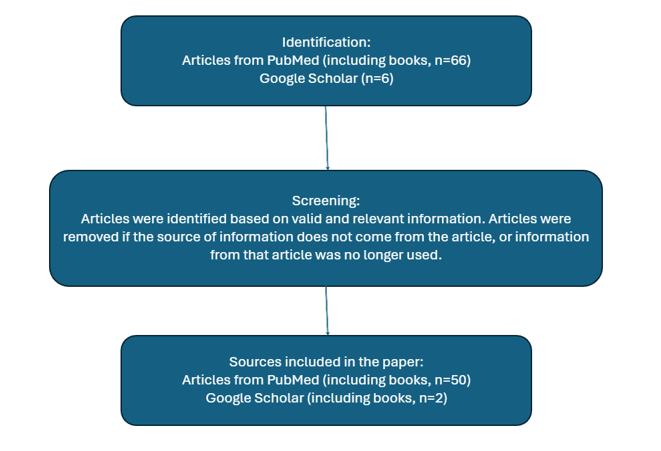
I conducted extensive research through PubMed and Google Scholar by using search terms like “schizophrenia”, “the relationship between schizophrenia and diabetes”, “the relationship between schizophrenia and cardiovascular disease”, “treatments for schizophrenia”, etc. Peer-reviewed articles were selected from the search terms. Additionally, four books were used. The research was conducted from March 2025 to October 2025, and inclusion and exclusion criteria for papers included whether or not the article was peer-reviewed, when the information was written as a similar paper that was written more recently was preferred due to newer information, and accuracy of information.
Duplicate papers were handled by assessing which one provided more in-depth and accurate information. The one that fulfilled this criteria best was selected over the duplicate paper.
Also, I assessed the quality of selected studies by checking only peer-reviewed articles and how recently the article was written to see if there was any newer data and information that conflicted with or invalidated older data and information. I also checked if there was any conflicting information in general to maintain information accuracy.
Results
Schizophrenia and Diabetes
Epidemiological Associations
Risk factors for diabetes include obesity, diets with high sugar and fat content, prior family history of diabetes, and low physical activity. Diabetes is common in schizophrenia patients and 20% of schizophrenia patients have diabetes13. The onset of diabetes can occur at any age after getting schizophrenia, but it was found that prevalence of diabetes in schizophrenia patients increased with age from 1.6% in the 15–25 age group to 19.2% in the 55–65 age group13. Hence, diabetes is more common in older schizophrenia patients than younger schizophrenia patients, and this might be because of antipsychotic use or lifestyle13.
Mechanisms
Patients with schizophrenia are more likely to get T2D than the general public for various reasons including the antipsychotics affecting insulin sensitivity and resulting in weight gain indirectly. Schizophrenia patients also have a higher risk of depression and a sedentary lifestyle with poor lifestyle decisions leading to weight gain and decreased insulin sensitivity14. The risk of a sedentary lifestyle and poor diet choices can be due to depression, a low socioeconomic status-due to schizophrenia symptoms causing inability to work and unemployment-, or low income as many patients with schizophrenia have depression and a low income and socioeconomic status14. T2D is especially common in people with schizophrenia who do not take any antipsychotics.
The Link Between Antipsychotic Non-Adherence and Increased Diabetes Risk
Not taking antipsychotics could potentially increase the risk of developing diabetes in people with schizophrenia. A cross-sectional study conducted by Ryan et al., comparing the incidence of diabetes before and after antipsychotics (such as olanzapine, clozapine, quetiapine, risperidone, aripiprazole, paliperidone, ziprasidone, and lurasidone) were given by measuring fasting glucose levels15. The results showed that more than 15% of the schizophrenia patients in the study who did not take antipsychotics (n = 4) exhibited impaired fasting glucose tolerance compared with 0% of the age-matched healthy control individuals15. The study also showed that the prevalence of T2D is also about 2-4 times higher in patients with schizophrenia than in the general population, potentially due to not adhering to antipsychotic medications, poor diet and lifestyle choices, and side effects from antipsychotics16,17,18,19,20,21.
This link between diabetes and schizophrenia has been found more commonly in older antipsychotic naïve patients than younger antipsychotic naive patients, and an age-associated confounding effect has been observed, meaning that as the patient’s age increases regardless of schizophrenia diagnosis, they have a higher chance of getting diabetes22. A cross-sectional study conducted by Subramaniam et al. with 194 treatment-naïve patients with schizophrenia of different age groups with 155 males and 39 females in Singapore explored how age affects incidence of diabetes in schizophrenia patients in Singapore23. The results of the study showed that when the antipsychotic naive patients were arranged based on age, their rates of diabetes were approximately two-fold higher than the general population of Singapore (17.3% versus 9.6% at 40–49 years and 50.0% versus 21.8% at 50–59 years, respectively in each case), showing that it is more common for older individuals with schizophrenia to have diabetes than younger individuals, and people without schizophrenia22. The mechanisms underlying the increased risk of insulin resistance, prediabetes, or T2D among patients with schizophrenia appear to be multifactorial and complex, with genetic risk factors, lifestyle risk factors, and certain medicines, including some antipsychotics, also playing a role22.
Antipsychotic-induced weight gain and insulin resistance
Many antipsychotics can potentially lead to weight gain called antipsychotic-induced weight gain (AIWG)24. However, weight gain is a side effect that is more common for SGAs than FGAs25. Weight gain is also dependent on which antipsychotic is taken.
In a stepwise regression analysis conducted by Sudar et al., 150 schizophrenia patients who were on an antipsychotic drug were studied and their BMIs were recorded26. The results of the study show that certain antipsychotics lead to more weight gain than others. Clozapine and olanzapine are more likely to lead to weight gain compared to other antipsychotics, while haloperidol, lurasidone, ziprasidone, aripiprazole and amisulpiride are less likely to lead to weight gain24. The risk of gaining weight is highest during the first year of treatment and is higher for children than adults24. Weight gain can lead to obesity, which is a reason for the increased risk of diabetes and higher mortality rates. It was also found that SGAs like olanzapine, especially, can lower insulin sensitivity and lead to an increase in postprandial insulin, insulin levels after eating a meal27. However, the risk of developing diabetes from not taking antipsychotics is greater than the risk of developing diabetes from taking antipsychotics.
Clinical Implications
Underdiagnosis and undertreatment
People with schizophrenia have a higher risk of developing diabetes than people without schizophrenia. However, diabetes is more difficult to diagnose in patients with schizophrenia due to patients with schizophrenia being unable to properly express their symptoms, so doctors usually do not think to test schizophrenia patients for diabetes28. Hence, it can remain undiagnosed for a long time. About 40% of people diagnosed with schizophrenia do not receive a follow-up from a primary care physician within 30 days of diagnosis and 60% do not receive a follow-up from a psychiatrist, but the reasons behind this are unknown29.
Treatment options for diabetes can vary based on type. T1D is treated differently than T2D. For example, some types of diabetes may use insulin treatment, while others do not. People with schizophrenia usually have T2D and are two to five times more likely to get T2D than the general public for several reasons14. These reasons include not taking antipsychotics, antipsychotics affecting insulin sensitivity and indirectly causing weight gain, and depression leading to sedentary lifestyle with unhealthy lifestyle decisions14. This can potentially lead to weight gain and reduced insulin sensitivity. To treat diabetes in schizophrenia patients weight management, encouraging physical activity, monitoring antipsychotic use and encouraging the intake of diabetes medications13.
Worsened glycemic control and complications
It has been found that approximately 44% of people with schizophrenia are not adherent to their diabetes medications30. This can make it harder to control glucose levels and lead to complications. To reduce the risk of complications, it is important to encourage a more active lifestyle, encourage taking diabetes medications, and monitor the amount of medication given.
Schizophrenia and Cardiovascular Disease
Increased risk of Myocardial Infarction, Stroke, and Cardiovascular Mortality in Schizophrenia Patients
The types of cardiovascular disease that have caused the most number of deaths globally are stroke and ischaemic heart disease (IHD)31. Diabetes increases the risk for developing CVD and can lead to more severe and fatal CVD. Since there is a strong link between CVD and diabetes, people with schizophrenia have a high risk for developing CVD31.
A study conducted by Ali et al. using the Comparative Risk Assessment technique of the Global Burden of Disease (GBD), a method used to measure the disability and death caused by diseases, injuries and risk factors, to calculate attributable burden31. Meta-regression was used to pool relative risks (RRs) for stroke, IHD, and diabetes32,33. This was then put together with the estimates of the frequency of GBD schizophrenia to calculate the number of years of life lost (YLLs) and deaths31. Additionally, the ratio of explained fatal burden to unexplained fatal burden was calculated31.
The relative risks for diabetes, stroke, and IHD- calculated in the study- were 4.08, 1.86, and 2.36 respectively. Approximately 1.5 million years of life lost and 50,000 deaths worldwide from these diseases were a result of schizophrenia. About 11% of years of life lost and 13% of deaths attributed to schizophrenia were explained by IHD, diabetes, and stroke collectively31. Additionally, schizophrenia patients are three times more likely to get myocardial infarction than the general public most likely due to unhealthy diet, smoking, neglecting health, and reduced access to healthcare34.
Metabolic syndrome
Metabolic syndrome (MetS) is a group of conditions that increase the risk of CVD, T2D, and strokes. Schizophrenia increases the risk for developing metabolic syndrome. There are many potential causes for MetS in schizophrenia patients. Risk factors for MetS in schizophrenia are attributable to unhealthy lifestyle, including poor diet and sedentary behavior35. MetS could also potentially be a side effect of antipsychotics as some antipsychotics have MetS as one of the side effects6.
Lifestyle: poor diet, low physical activity, substance use
Due to the psychotic symptoms associated with schizophrenia, common comorbidities of schizophrenia are anxiety, depression, substance abuse, post traumatic stress disorder (PTSD), and panic attacks36. The National Institute of Mental Health’s Epidemiologic department conducted two studies using a Catchment Area survey, which is when the geographic region of the area in which the study is conducted is analyzed as well36. One study found that there was a 28% to 63% prevalence of panic attacks/panic disorder in schizophrenia patients, and the other study found a 45% prevalence, both of which are greater than the 1-3% prevalence of panic attacks in people without schizophrenia36,37. Also since trauma can lead to schizophrenia and is common in people with schizophrenia, many schizophrenia patients experience PTSD38.
Hence, due to the comorbidities associated with schizophrenia, people with schizophrenia have higher smoking, hypertension, and sedentary lifestyle rates than people without schizophrenia. Roughly two out of three people with schizophrenia smoke39. 2/3rds of schizophrenia patients are also overweight due to various factors, such as sedentary lifestyles, poor diet, antipsychotic medications. This can lead to an increased risk of developing CVD.
Healthcare Disparities & Medication Nonadherence
Schizophrenia patients have a higher chance of developing CVD than a person without schizophrenia, but those with schizophrenia have a lower chance of having any medical record of CVD40. Also, a cross-sectional study conducted by Smith et al. showed that people with schizophrenia get fewer screenings for CVD and poorer quality treatment compared to those without schizophrenia40. This is possibly because people with schizophrenia experience high rates of unemployment due to their symptoms hindering their ability to work, leading to lower income and socioeconomic status41,42,43,44,45. Being unemployed or having a low income prevents access to high-quality screenings and treatments, such as somatic treatment, treatment focused on improving physical health treatment as high-quality treatment becomes unaffordable46.
Additionally, schizophrenia patients tend to not adhere to taking medications, especially pill-based antipsychotic medication due cognitive impairment and constant need for assistance to make sure the pills are taken47. Non adherence usually increases the risk of CVD. In a case study conducted by Chang et al. conducted on 80,581 schizophrenia patients in Korea aged between 20 and 40 years, the patients were separated into quartiles by adherence determined by their two-year medication possession ratio48. It was found that the individuals in the quartile who adhered to taking their antipsychotics had fewer incidences of CVD than those in the quartile with individuals who did not take antipsychotics48.
Hence, long-acting injectable (LAI) medications are used as they assist with non-adherence to antipsychotics due to their ability to release medication slowly into the bloodstream, allowing for them to be used less frequently than pills49. Some LAI medications include risperidone, olanzapine, aripiprazole, and paliperidone49. An association has been found between LAIs and decreased risk of CVD. In a two-center-based cross-sectional study conducted by Andor et al. with 130 patients with either schizophrenia or schizoaffective disorders, it was found that the risk for developing CVD depends on the length of psychosis, the age at which a person starts LAIs, type of LAI medication given, and how long the patient was on the LAI49. Abdominal obesity, hyperglycemia, and high blood pressure were more common amongst study participants who had a longer time of psychosis before LAI treatment49. Abdominal obesity, hyperglycemia, and high blood pressure increase the risk for cardiovascular disease.
However, along with the positive aspects of LAI use, some negative aspects were found with some LAIs. Hyperglycemia was more common amongst study participants on risperidone and olanzapine49. Also, participants on risperidone had hypokinetic heart disorders more frequently than patients on other LAI antipsychotics49.
CVD is most treatable when detected in its early stages50. People with schizophrenia have a lower ability to express pain due to their psychotic symptoms, making diagnosing CVD more difficult28.
Treatments
A common method for treating CVD is using statins. Statins can be used to control cholesterol levels, which can reduce LDL levels, reducing the risk of developing CVD51. Statins have been used to control CVD in patients with schizophrenia51. A randomized clinical study conducted by Riera-Molist et al. on participants who are 18 years and older, using a primary care team for health check-ups, found that a multidisciplinary intervention strategy that is multifactorial and patient-centered is effective in lessening cardiovascular risk (CVR)51. Within 6 months, by improving LDL levels through improving diet and using statins as needed, the CVR for schizophrenia patients lowered by 20.9%51. This also worked for people who are young and/or have a low CVR52.
| Who was the Study Conducted by | Type of Study | What was the Study Investigating | Pathway | Results | Conclusion |
| Adhikary et. al | Literature search | CVD risk factors in different countries | CVD risk factors, such as smoking, hypertension, and diabetes in different countries were compared12. | Smoking is common in Pakistan and the United States, but there was a higher prevalence of hypertension in the United Kingdom and Tanzania12. | Different CVD risk factors are present in different countries12. |
| Ryan et al. | Cross-sectional study | Incidence of diabetes before and after antipsychotic use | Fasting glucose levels were measured in 15 male and 11 male schizophrenia patients and in volunteers without schizophrenia15. | More than 15% of the schizophrenia patients in the study who did not take antipsychotics (n = 4) exhibited impaired fasting glucose tolerance compared with 0% of the age-matched healthy control individuals15. The study also showed that the prevalence of T2D is also about 2-4 times higher in patients with schizophrenia than in the general population, potentially due to not adhering to antipsychotic medications, poor diet and lifestyle choices, and side effects from antipsychotics16,17,18,19,20,21. | Patients with schizophrenia are at a higher risk for developing diabetes in comparison to people without schizophrenia. |
| Subramaniam et al. | Cross-sectional study | To explore how age affects incidence of diabetes in schizophrenia patients in Singapore23 | 194 treatment-naïve patients with schizophrenia of different age groups with 155 males and 39 females in Singapore were studied23. | When the antipsychotic naive patients were arranged based on age, their rates of diabetes were approximately two-fold higher than the general population of Singapore (17.3% versus 9.6% at 40–49 years and 50.0% versus 21.8% at 50–59 years, respectively in each case)22. | It is more common for older individuals with schizophrenia to have diabetes than younger individuals, and people without schizophrenia22. |
| Sudar et al. | Stepwise regression analysis | To compare antipsychotic-induced weight gain and insulin sensitivity amongst different antipsychotics | 150 schizophrenia patients who were on an antipsychotic drug were studied and their BMIs were recorded26. | Clozapine and olanzapine are more likely to lead to weight gain compared to other antipsychotics, while haloperidol, lurasidone, ziprasidone, aripiprazole and amisulpiride are less likely to lead to weight gain24. The risk of gaining weight is highest during the first year of treatment and is higher for children than adults24. It was also found that SGAs like olanzapine, especially, can lower insulin sensitivity and lead to an increase in postprandial insulin, insulin levels after eating a meal27. | Certain antipsychotics lead to more weight gain than others. SGAs like olanzapine, especially, can lower insulin sensitivity and lead to an increase in postprandial insulin, insulin levels after eating a meal27. |
| Ali et al. | Comparative risk assessment & meta-regression | To calculate risk for and death from diabetes, IHD, stroke, and myocardial infarction in schizophrenia patients31. | Risk for and death from diabetes, IHD, stroke, and myocardial infarction in schizophrenia patients was calculated using comparative risk assessment and meta-regression31 | The relative risks for diabetes, stroke, and IHD- calculated in the study- were 4.08, 1.86, and 2.36 respectively. Approximately 1.5 million years of life lost and 50,000 deaths worldwide from these diseases were caused by schizophrenia. About 11% of years of life lost and 13% of deaths attributed to schizophrenia were explained by IHD, diabetes, and stroke collectively31. Additionally, schizophrenia patients are three times more likely to get myocardial infarction than the general public34. | Schizophrenia patients are three times more likely to get myocardial infarction than the general public most likely due to unhealthy diet, smoking, neglecting health, and reduced access to healthcare34. Schizophrenia patients are also at a higher risk of developing diabetes and CVD. |
| The National Institute of Mental Health’s Epidemiologic department | Two studies were conducted, using a Catchment Area Survey | Comorbidities in patients with schizophrenia | Two studies were conducted on schizophrenia patients to identify and understand comorbidities in schizophrenia36. | One study found that there was a 28% to 63% prevalence of panic attacks/panic disorder in schizophrenia patients, and the other study found a 45% prevalence, both of which are greater than the 1-3% prevalence of panic attacks in people without schizophrenia36,37. | Panic attacks and panic disorders are common comorbidities in schizophrenia patients36. |
| Smith et al. | Cross-sectional study | Diagnosis and quality of treatment for CVD in patients with schizophrenia | Screening and treatment for CVD were identified in 9677 schizophrenia patients40. | People with schizophrenia get fewer screenings for CVD and poorer quality treatment compared to those without schizophrenia40. | People with schizophrenia get fewer screenings for CVD and poorer quality treatment compared to those without schizophrenia possibly because people with schizophrenia experience high rates of unemployment due to their symptoms hindering their ability to work, leading to lower income and socioeconomic status40,41,42,43,44,45. |
| Chang et al. | Case study | The effect of antipsychotic nonadherence on the development of CVD in schizophrenia patients. | 80, 581 schizophrenia patients in Korea aged between 20 and 40 years, the patients were separated into quartiles by adherence determined by their two-year medication possession ratio48. | Study participants in the quartile who adhered to taking their antipsychotics had fewer incidences of CVD than those in the quartile with individuals who did not take antipsychotics48. | Not taking antipsychotics increases the risk of developing CVD. |
| Andor et al. | Two-center-based-cross-sectional study | The effect of different LAIs on the development of CVD in schizophrenia patients. Type of antipsychotic, patient’s age, age at which the LAI was taken, how long, and the LAI was taken were taken into consideration49. | 130 patients with either schizophrenia or a schizoaffective disorder were studied49. Age, LAI given, the age at which the LAI was given, how long the LAI were recorded49. | The risk for developing CVD depends on the length of psychosis, the age at which a person starts LAIs, type of LAI medication given, and how long the patient was on the LAI49. | The risk for developing CVD depends on the length of psychosis, the age at which a person starts LAIs, type of LAI medication given, and how long the patient was on the LAI49. |
| Riera-Molist et al. | Randomized clinical study | To study the effects of a multidisciplinary intervention strategy used for 6 months on CVR in schizophrenia patients51. | A multidisciplinary intervention strategy used for 6 months on CVR in schizophrenia patients ages 18 and above51. | Within 6 months, by improving LDL levels through improving diet and using statins as needed, the CVR for schizophrenia patients lowered by 20.9%51. | A multidisciplinary intervention strategy that is multifactorial and patient-centered is effective in lessening cardiovascular risk (CVR)51. |
Discussion: Integration of Literature Review
Interplay between Diabetes and Cardiovascular Disease in Schizophrenia Patients
Schizophrenia increases the risk for both diabetes and CVD. The symptoms of schizophrenia can lead to depression. Co-morbid conditions of depression include obesity, risk factors for poor diet in CVD and diabetes.
Being antipsychotic naive can also increase diabetes and CVD risk as shown by the study, which found that fasting glucose levels were higher for schizophrenia patients before taking antipsychotics than after15. The link between not taking antipsychotics and a higher risk of developing diabetes, as shown by the cross-sectional study conducted by Subramaniam et al., has been found to increase with age23. For CVD, a study conducted on people with schizophrenia aged 20-40 years and separated by adherence to antipsychotics, found that CVD was less prevalent in those who adhered to taking antipsychotics than in those who did not48.
However, antipsychotics must be taken cautiously as many antipsychotics can lead to weight gain as shown by the stepwise regression analysis conducted by Sudar et al.26. Antipsychotics have also been shown to lower insulin sensitivity14. This can lead to T2D, and/or CVD. Hence, it is important to stay active, and have a healthy diet, and have routine primary healthcare even when on antipsychotics.
Medication Management
Diabetes
To treat diabetes in patients with schizophrenia, screening for diabetes should be done every three months once the patient starts taking antipsychotics and can gradually be reduced to every six to twelve months, HbA1c would be better than a fasting blood sugar test; screening for co-morbid illnesses, like obstructive sleep apnea, tobacco dependence, and hypertension; weight management is important needed13. Taking an antipsychotic with a lower risk of weight gain, developing diabetes, and psychotropic effects, such as sexual dysfunction and gastroparesis that can make symptoms and/or complications of diabetes worse, and getting bariatric surgery if eligible and needed13. Insulin and other medications should be titrated as per the need of the individual patient13. There would also need to be more frequent checks for insulin and wounds needed13.
Cardiovascular Disease
Weight management, being active, eating healthy, reducing smoking, and taking medications are important to treating CVD in patients with schizophrenia. Also as the randomized clinical study conducted by Riera-Molist found, a multidisciplinary intervention that is patient-centered and multifactorial is effective at reducing the risk of developing CVD through reducing LDL levels by rectifying diet and using statins when necessary51.
Importance of taking antipsychotics
It is important to take antipsychotics even though they can lead to weight gain or insulin resistance, because they will control schizophrenia symptoms. By not taking antipsychotics, schizophrenia symptoms can worsen. This can lead to further cognitive impairment, unhealthy lifestyle choices and habits such as smoking and drinking. Hence, increasing the risk of developing diabetes or CVD. In addition, based on the cross-sectional study conducted by Ryan et al., the risk of developing diabetes increases with age, especially if antipsychotics are not taken15.
Barriers to integrated care and prevention
It can be difficult to prevent and care for diabetes and CVD in schizophrenia patients, because patients with schizophrenia are not good with taking their medications because of their schizophrenia causing cognitive impairment, leading to a constant need for assistance to take medications, especially pills. Additionally, they struggle with properly communicating their symptoms, so diagnosis itself can be a challenge. However, it can be effectively managed if someone, such as family or a caretaker is educated about the illness and can take care of weight management, diet, blood pressure, and medications for the schizophrenia patient13. Nevertheless, many patients do not have support from a caretaker given their symptoms. Hence, it is difficult for schizophrenia patients to effectively manage their symptoms.
Role of lifestyle interventions and integrated behavioral-physical healthcare
This has helped patients with schizophrenia with their symptoms, and has caused them to be more active, reducing the chance of weight gain and insulin resistance that can lead to diabetes and CVD.
Public Health and Policy Considerations
It should be considered that antipsychotics, especially SGAs, can induce weight gain and insulin resistance. Hence, physicians should consider giving antipsychotics that have a lower chance of causing weight gain and/or insulin resistance. Additionally, schizophrenia patients tend to have a hard time with adhering to their medications, so it should be part of policy for physicians to educate caretakers to properly monitor the medications. Moreover, increasing access to somatic healthcare should be a priority. This can be done by identifying local health care barriers (which can persist both in the organization of the services as well as in the minds of politicians, directors, professionals, and patients) and reducing them46.
Conclusion
This paper discussed the relationship between schizophrenia, diabetes, and CVD. It has been found that people with schizophrenia are more prone to developing diabetes and CVD and that people with schizophrenia experience more complications from diabetes and CVD. It is important to take antipsychotics to prevent the development of diabetes or CVD from not taking antipsychotics. However, antipsychotics must be taken cautiously because of their ability to lead to weight gain and insulin resistance. Physical activity, having a healthy diet, and not smoking or drinking can reduce the risk of developing diabetes or CVD.
It is important to educate caretakers of schizophrenia and its effects on physical health. This will allow caretakers to know how to take better care of their schizophrenia patient, which can reduce the risk of the schizophrenia patient developing diabetes and/or CVD. It is important to advocate for systemic reform for the care of people with schizophrenia, so that they can get better treatment.
Limitations
This research paper is a literature review that uses various types of studies for evidence, such as dimensional analysis, meta-analysis, case studies, etc. There was no preference for one type of study over another. Hence, the evidence is heterogenous and does not have a defined systematic search strategy.
References
- Luvsannyam, E., Jain, M. S., Pormento, M. K. L., Siddiqui, H., Balagtas, A. R. A., Emuze, B. O., & Poprawski, T. (2022). Neurobiology of Schizophrenia: A Comprehensive Review. Cureus, 14(4), e23959. https://doi.org/10.7759/cureus.23959 [↩] [↩] [↩] [↩] [↩] [↩]
- Hany, M. (2024, February 23). Schizophrenia. StatPearls [Internet]. https://www.ncbi.nlm.nih.gov/books/NBK539864/ [↩] [↩] [↩] [↩]
- Fatemi, S. H., & Folsom, T. D. (2009). The neurodevelopmental hypothesis of schizophrenia, revisited. Schizophrenia bulletin, 35(3), 528–548. https://doi.org/10.1093/schbul/sbn187 [↩]
- Adhikary, D., Barman, S., Ranjan, R., & Stone, H. (2022). A Systematic Review of Major Cardiovascular Risk Factors: A Growing Global Health Concern. Cureus, 14(10), e30119. https://doi.org/10.7759/cureus.30119 [↩]
- D’Souza RS, Aslam SP, Hooten WM. Extrapyramidal Side Effects. [Updated 2025 Jan 19]. In: StatPearls [Internet]. Treasure Island (FL): StatPearls Publishing; 2025 Jan-. Available from: https://www.ncbi.nlm.nih.gov/books/NBK534115/ [↩] [↩]
- Conley, R. R., & Kelly, D. L. (2007). Pharmacologic treatment of schizophrenia. Professional Communications. [↩] [↩]
- Abou-Setta, A. M., Mousavi, S. S., Spooner, C., Schouten, J. R., Pasichnyk, D., Armijo-Olivo, S., Beaith, A., Seida, J. C., Dursun, S., Newton, A. S., & Hartling, L. (2012). First-Generation Versus Second-Generation Antipsychotics in Adults: Comparative Effectiveness. Agency for Healthcare Research and Quality (US). [↩] [↩]
- Campbell R. K. (2009). Type 2 diabetes: where we are today: an overview of disease burden, current treatments, and treatment strategies. Journal of the American Pharmacists Association : JAPhA, 49 Suppl 1, S3–S9. https://doi.org/10.1331/JAPhA.2009.09077 [↩]
- Zimmet, P. Z., Magliano, D. J., Herman, W. H., & Shaw, J. E. (2014). Diabetes: a 21st century challenge. The lancet. Diabetes & endocrinology, 2(1), 56–64. https://doi.org/10.1016/S2213-8587(13)70112-8 [↩]
- Roglic, G. (2016). WHO Global report on diabetes: A summary. International Journal of Noncommunicable Diseases, 1(1), 3–8. https://doi.org/10.4103/2468-8827.184853 [↩]
- Lusis A. J. (2000). Atherosclerosis. Nature, 407(6801), 233–241. https://doi.org/10.1038/35025203 [↩]
- Ganguli, R., Singh, A., Brar, J., Carter, C., & Mintun, M. (2002). Hydrocortisone induced regional cerebral activity changes in schizophrenia: a PET scan study. Schizophrenia research, 56(3), 241–247. https://doi.org/10.1016/s0920-9964(01)00219-5 [↩] [↩] [↩] [↩] [↩]
- Annamalai, A., & Tek, C. (2015). An overview of diabetes management in schizophrenia patients: office based strategies for primary care practitioners and endocrinologists. International journal of endocrinology, 2015, 969182. https://doi.org/10.1155/2015/969182 [↩] [↩] [↩] [↩] [↩] [↩] [↩] [↩] [↩]
- Suvisaari, J., Keinänen, J., Eskelinen, S., & Mantere, O. (2016). Diabetes and Schizophrenia. Current diabetes reports, 16(2), 16. https://doi.org/10.1007/s11892-015-0704-4 [↩] [↩] [↩] [↩] [↩]
- Ryan, M. C., Collins, P., & Thakore, J. H. (2003). Impaired fasting glucose tolerance in first-episode, drug-naive patients with schizophrenia. The American journal of psychiatry, 160(2), 284–289. https://doi.org/10.1176/appi.ajp.160.2.284 [↩] [↩] [↩] [↩] [↩] [↩]
- Holt, R. I., Bushe, C., & Citrome, L. (2005). Diabetes and schizophrenia 2005: are we any closer to understanding the link?. Journal of psychopharmacology (Oxford, England), 19(6 Suppl), 56–65. https://doi.org/10.1177/0269881105058379 [↩] [↩]
- Chien, I. C., Hsu, J. H., Lin, C. H., Bih, S. H., Chou, Y. J., & Chou, P. (2009). Prevalence of diabetes in patients with schizophrenia in Taiwan: a population-based National Health Insurance study. Schizophrenia research, 111(1-3), 17–22. https://doi.org/10.1016/j.schres.2009.04.003 [↩] [↩]
- Bresee, L. C., Majumdar, S. R., Patten, S. B., & Johnson, J. A. (2010). Prevalence of cardiovascular risk factors and disease in people with schizophrenia: a population-based study. Schizophrenia research, 117(1), 75–82. https://doi.org/10.1016/j.schres.2009.12.016 [↩] [↩]
- Ratliff, J. C., Palmese, L. B., Reutenauer, E. L., Liskov, E., Grilo, C. M., & Tek, C. (2012). The effect of dietary and physical activity pattern on metabolic profile in individuals with schizophrenia: a cross-sectional study. Comprehensive psychiatry, 53(7), 1028–1033. https://doi.org/10.1016/j.comppsych.2012.02.003 [↩] [↩]
- Brown, S., Birtwistle, J., Roe, L., & Thompson, C. (1999). The unhealthy lifestyle of people with schizophrenia. Psychological medicine, 29(3), 697–701. https://doi.org/10.1017/s0033291798008186 [↩] [↩]
- Strassnig, M., Brar, J. S., & Ganguli, R. (2003). Nutritional assessment of patients with schizophrenia: a preliminary study. Schizophrenia bulletin, 29(2), 393–397. https://doi.org/10.1093/oxfordjournals.schbul.a007013 [↩] [↩]
- Zhuo, C., Zhang, Q., Wang, L., Ma, X., Li, R., Ping, J., Zhu, J., Tian, H., & Jiang, D. (2024). Insulin Resistance/Diabetes and Schizophrenia: Potential Shared Genetic Factors and Implications for Better Management of Patients with Schizophrenia. CNS drugs, 38(1), 33–44. https://doi.org/10.1007/s40263-023-01057-w [↩] [↩] [↩] [↩] [↩]
- Subramaniam, M., Chong, S. A., & Pek, E. (2003). Diabetes mellitus and impaired glucose tolerance in patients with schizophrenia. Canadian journal of psychiatry. Revue canadienne de psychiatrie, 48(5), 345–347. https://doi.org/10.1177/070674370304800512 [↩] [↩] [↩] [↩]
- Dayabandara, M., Hanwella, R., Ratnatunga, S., Seneviratne, S., Suraweera, C., & de Silva, V. A. (2017). Antipsychotic-associated weight gain: management strategies and impact on treatment adherence. Neuropsychiatric disease and treatment, 13, 2231–2241. https://doi.org/10.2147/NDT.S113099 [↩] [↩] [↩] [↩] [↩]
- Simpson, M. M., Goetz, R. R., Devlin, M. J., Goetz, S. A., & Walsh, B. T. (2001). Weight gain and antipsychotic medication: differences between antipsychotic-free and treatment periods. The Journal of clinical psychiatry, 62(9), 694–700. https://doi.org/10.4088/jcp.v62n0906 [↩]
- Sudar, F. P., Zekerallah, S. S., Paulzen, M., Mathiak, K., & Gaebler, A. J. (2025). Unraveling antipsychotic induced weight gain in schizophrenia – A proof-of-concept study exploring the impact of the cumulative historical occupancy of different receptors by antipsychotics. Psychiatry research, 348, 116452. https://doi.org/10.1016/j.psychres.2025.116452 [↩] [↩] [↩]
- Teff, K. L., Rickels, M. R., Grudziak, J., Fuller, C., Nguyen, H. L., & Rickels, K. (2013). Antipsychotic-induced insulin resistance and postprandial hormonal dysregulation independent of weight gain or psychiatric disease. Diabetes, 62(9), 3232–3240. https://doi.org/10.2337/db13-0430 [↩] [↩] [↩]
- Kallur, A., Yoo, E., Bien-Aime, F., & Ammar, H. (2022). Diagnostic Overshadowing and Pain Insensitivity in a Schizophrenic Patient With Perforated Duodenal Ulcer. Cureus, 14(2), e21800. https://doi.org/10.7759/cureus.21800 [↩] [↩]
- Anderson, K. K., & Kurdyak, P. (2017). Factors Associated with Timely Physician Follow-up after a First Diagnosis of Psychotic Disorder. Canadian journal of psychiatry. Revue canadienne de psychiatrie, 62(4), 268–277. https://doi.org/10.1177/0706743716673322 [↩]
- Gorczynski, P., Firth, J., Stubbs, B., Rosenbaum, S., & Vancampfort, D. (2017). Are people with schizophrenia adherent to diabetes medication? A comparative meta-analysis. Psychiatry research, 250, 17–24. https://doi.org/10.1016/j.psychres.2017.01.049 [↩]
- Ali, S., Santomauro, D., Ferrari, A. J., & Charlson, F. (2023). Schizophrenia as a risk factor for cardiovascular and metabolic health outcomes: a comparative risk assessment. Epidemiology and psychiatric sciences, 32, e8. https://doi.org/10.1017/S2045796023000045 [↩] [↩] [↩] [↩] [↩] [↩] [↩] [↩] [↩]
- Whiteford, H. A., Degenhardt, L., Rehm, J., Baxter, A. J., Ferrari, A. J., Erskine, H. E., Charlson, F. J., Norman, R. E., Flaxman, A. D., Johns, N., Burstein, R., Murray, C. J., & Vos, T. (2013). Global burden of disease attributable to mental and substance use disorders: findings from the Global Burden of Disease Study 2010. Lancet (London, England), 382(9904), 1575–1586. https://doi.org/10.1016/S0140-6736(13)61611-6 [↩]
- Vigo, D., Thornicroft, G., & Atun, R. (2016). Estimating the true global burden of mental illness. The lancet. Psychiatry, 3(2), 171–178. https://doi.org/10.1016/S2215-0366(15)00505-2 [↩]
- Jindal, R., MacKenzie, E. M., Baker, G. B., & Yeragani, V. K. (2005). Cardiac risk and schizophrenia. Journal of psychiatry & neuroscience : JPN, 30(6), 393–395. [↩] [↩] [↩]
- DE Hert, M., Schreurs, V., Vancampfort, D., & VAN Winkel, R. (2009). Metabolic syndrome in people with schizophrenia: a review. World psychiatry : official journal of the World Psychiatric Association (WPA), 8(1), 15–22. https://doi.org/10.1002/j.2051-5545.2009.tb00199.x [↩]
- Buckley, P. F., Miller, B. J., Lehrer, D. S., & Castle, D. J. (2009). Psychiatric comorbidities and schizophrenia. Schizophrenia bulletin, 35(2), 383–402. https://doi.org/10.1093/schbul/sbn135 [↩] [↩] [↩] [↩] [↩] [↩]
- Bystritsky, A., Kerwin, L., Niv, N., Natoli, J. L., Abrahami, N., Klap, R., Wells, K., & Young, A. S. (2010). Clinical and subthreshold panic disorder. Depression and anxiety, 27(4), 381–389. https://doi.org/10.1002/da.20622 [↩] [↩]
- Morgan, C., & Fisher, H. (2007). Environment and schizophrenia: environmental factors in schizophrenia: childhood trauma–a critical review. Schizophrenia bulletin, 33(1), 3–10. https://doi.org/10.1093/schbul/sbl053 [↩]
- Castle, D., & Li, A. (2023). Physical health monitoring for people with schizophrenia. Australian prescriber, 46(4), 75–79. https://doi.org/10.18773/austprescr.2023.024 [↩]
- Smith, D. J., Langan, J., McLean, G., Guthrie, B., & Mercer, S. W. (2013). Schizophrenia is associated with excess multiple physical-health comorbidities but low levels of recorded cardiovascular disease in primary care: cross-sectional study. BMJ open, 3(4), e002808. https://doi.org/10.1136/bmjopen-2013-002808 [↩] [↩] [↩] [↩] [↩]
- Mueser, K. T., & McGurk, S. R. (2004). Schizophrenia. Lancet (London, England), 363(9426), 2063–2072. https://doi.org/10.1016/S0140-6736(04)16458-1 [↩] [↩]
- Jarvis G. E. (2007). The social causes of psychosis in North American psychiatry: a review of a disappearing literature. Canadian journal of psychiatry. Revue canadienne de psychiatrie, 52(5), 287–294. https://doi.org/10.1177/070674370705200503 [↩] [↩]
- Agerbo, E., Byrne, M., Eaton, W. W., & Mortensen, P. B. (2004). Marital and labor market status in the long run in schizophrenia. Archives of general psychiatry, 61(1), 28–33. https://doi.org/10.1001/archpsyc.61.1.28 [↩] [↩]
- First, M. B., & Tasman, A. (2004). DSM-IV-TR mental disorders: Diagnosis, etiology, and treatment. J. Wiley. [↩] [↩]
- Green M. F. (1996). What are the functional consequences of neurocognitive deficits in schizophrenia?. The American journal of psychiatry, 153(3), 321–330. https://doi.org/10.1176/ajp.153.3.321 [↩] [↩]
- Ringen, P. A., Engh, J. A., Birkenaes, A. B., Dieset, I., & Andreassen, O. A. (2014). Increased mortality in schizophrenia due to cardiovascular disease – a non-systematic review of epidemiology, possible causes, and interventions. Frontiers in psychiatry, 5, 137. https://doi.org/10.3389/fpsyt.2014.00137 [↩] [↩]
- Rahman, T., & Lauriello, J. (2016). Schizophrenia: An Overview. Focus (American Psychiatric Publishing), 14(3), 300–307. https://doi.org/10.1176/appi.focus.20160006 [↩]
- Chang, J., Kim, J. A., Kim, K., Choi, S., Kim, S. M., Nam, Y. Y., Park, S., Goo, A. J., & Park, S. M. (2020). Association of antipsychotics adherence and cardiovascular disease among newly diagnosed schizophrenia patients: A national cohort among Koreans. Asian journal of psychiatry, 52, 102161. https://doi.org/10.1016/j.ajp.2020.102161 [↩] [↩] [↩] [↩] [↩]
- Andor, M., Dehelean, L., Arnăutu, D. A., Neagu, M. N., Nistor, D., Manea, M. M., Romosan, A. M., & Kundnani, N. R. (2024). Schizophrenia and Heart Health: Are Antipsychotics a Friend or Foe?. Journal of personalized medicine, 14(8), 814. https://doi.org/10.3390/jpm14080814 [↩] [↩] [↩] [↩] [↩] [↩] [↩] [↩] [↩] [↩] [↩]
- Samanidis, G. (2024). Current Challenges in Diagnosis and Treatment of Cardiovascular Disease. Journal of Personalized Medicine, 14(8), 786. https://doi.org/10.3390/jpm14080786 [↩]
- Riera-Molist, N., Assens-Tauste, M., Roura-Poch, P., Guimerà-Gallent, M., Santos-López, J. M., Serra-Millas, M., Frau-Rosselló, N., Gallego-Peña, E., & Foguet-Boreu, Q. (2023). A Cardiovascular Risk Optimization Program in People With Schizophrenia: A Pilot Randomized Controlled Clinical Trial. Journal of psychiatric practice, 29(6), 456–468. https://doi.org/10.1097/PRA.0000000000000743 [↩] [↩] [↩] [↩] [↩] [↩] [↩] [↩] [↩]
- Wang, N., Fulcher, J., Abeysuriya, N., Park, L., Kumar, S., Di Tanna, G. L., Wilcox, I., Keech, A., Rodgers, A., & Lal, S. (2020). Intensive LDL cholesterol-lowering treatment beyond current recommendations for the prevention of major vascular events: a systematic review and meta-analysis of randomised trials including 327 037 participants. The lancet. Diabetes & endocrinology, 8(1), 36–49. https://doi.org/10.1016/S2213-8587(19)30388-2 [↩]