
Abstract
Agriculture faces several challenges, such as climate change, soil degradation, and food insecurity. Because traditional plant breeding methods have produced numerous improved crop varieties and continue to generate additional genetic variation for new traits via recombination, this method will remain central to crop improvement. Traditional breeding does, however, face a significant barrier to rapid response to emerging threats such as diseases, pests, and abiotic stresses due to both the time required to develop new crop varieties and linkage drag. As such, CRISPR/Cas9 has been recognized as a key complementary technology to support these efforts. In this review, the authors examine how CRISPR/Cas9 is being utilized in agricultural research, compare its potential with that of previously developed technologies, and evaluate the economic, social, and regulatory challenges that may limit or enhance the ability to use gene-edited crops responsibly and equitably.
Introduction
The contemporary global agricultural systems are under threat from climate change, soil erosion, and food insecurity1,2. Climate change is steadily increasing temperatures, which threatens food production and food stability, coupled with extreme weather events and pest pressure on crops3,4,5. Therefore, agricultural technologies that promote food production are necessary, especially resilient agricultural technologies6. Resilient agricultural technologies, like selective breeding, can increase production and improve critical crop characteristics; however, their slow, imprecise method hinders the agricultural system from keeping pace with rising climate change pressures and population growth7,8.
The development of technological advancements, such as genome editing, specifically CRISPR/Cas9, has made plant breeding more impactful through increased specificity, efficiency, and profit9,10. CRISPR/Cas9 also allows for faster construction or modification of crops with improved protection against biotic stresses from pests and diseases, resistance to nonliving stresses (drought, salinity), and enhanced nutritional value of food11,12. These features make CRISPR/Cas9 a useful agricultural technology for improving food security and supporting more sustainable farming systems6.
However, the introduction of CRISPR/Cas9 into society can present complications; intricate economic, ethical, and regulatory issues all serve as barriers to better technological implementation despite exciting technical possibilities13,14. There are varied regulations governing whether CRISPR/Cas9 crops are the same as traditional crops and GMOs, and globally, people experience this differently15,16,17. These uneven regulations create barriers for farmers, especially in developing regions, to adopt technologies such as CRISPR/Cas9 or GMOs18,19. Beyond regulations, there are multiple obstacles to accepting and adopting the crop technology due to the nature of consumer and market acceptance20,21. Added complexities regarding ethical issues around property rights, market resistance, and public acceptance factor into access surrounding the distribution of CRISPR-based agricultural innovations13.
This paper examines the role of CRISPR/Cas9 in developing crops to address climate change pressures and food insecurity issues. It includes specific case studies related to pest resistance, drought tolerance, and nutritional improvements so that CRISPR-based genome editing can be compared in general terms to older and traditional GMO strategies. It also discusses the legal, economic, and ethical issues associated with CRISPR in agriculture. Understanding how these aspects come together is often ignored, but very important for influencing better policy and possibly assisting the next generation of farmers in agriculture in their use of CRISPR in a responsible manner within their systems to make food production systems more resilient and improve global food security.
Literature Review
Scholarship on crop improvement can be grouped into four broad categories: traditional breeding, transgenic genetic modification, pre-CRISPR genome-editing systems, and CRISPR/Cas9 editing7,22. Research on traditional breeding has emphasized its continued importance in developing improved crop varieties and preserving genetic diversity in breeding programs23. At the same time, many researchers have identified practical limitations associated with traditional breeding methods, including long breeding cycles and linkage drag8. Research on transgenic crops has documented significant advances related to reduced inputs and enhanced pest resistance; however, it has also noted substantial regulatory controversy and varying levels of public acceptance24,25.
Prior to the widespread adoption of CRISPR/Cas9, other targeted-editing technologies, including zinc-finger nucleases and TAL effector nucleases, were developed26,27. These technologies demonstrated that site-specific DNA modification in plants was possible28. However, they often required significantly greater design complexity and cost than CRISPR/Cas929. Understanding how CRISPR/Cas9 emerged from earlier efforts to improve targeting precision in plant breeding provides important context, since it shows that CRISPR/Cas9 did not appear in isolation or simply replace all previous approaches to crop improvement30.
Recent literature on CRISPR/Cas9 focuses primarily on four areas: disease resistance, increased production efficiency, nutritional enhancement, and climate-stress tolerance12. Across these areas, there appears to be general agreement that CRISPR/Cas9 represents a flexible platform for making targeted edits31. However, reported effects vary depending on crop type, target gene, testing environment, and trial scale32. There is also a growing body of literature addressing regulation, intellectual property, public acceptance, and equitable access in the use of CRISPR/Cas933. Collectively, this scholarship suggests that the future value of CRISPR/Cas9 will be shaped by factors beyond scientific performance alone, including governance, cost structure, and distribution34.
Methods
The present paper was designed as a systematic review of CRISPR/Cas9 applications in agriculture. Literature searches were conducted through major academic databases, including Google Scholar, PubMed, Web of Science, and Scopus. Each search used multiple terms, including “CRISPR/Cas9 agriculture,” “CRISPR crop disease resistance,” “CRISPR drought-tolerant plants,” “CRISPR nutritionally enhanced crops,” “regulation of genome-edited crops,” and “ethics of CRISPR in agriculture.” Additional searches used combinations of crop-specific and trait-specific terms, such as “rice CRISPR for bacterial blight,” “tomato CRISPR MLO,” “cassava CRISPR for virus,” and “CRISPR CKX for increased yield.”
Studies were selected based on the criteria that they were peer-reviewed, directly related to CRISPR/Cas9 or other genome-editing applications in plant production systems, and provided empirical evidence relevant to the agricultural use of CRISPR/Cas9. Primary research papers were given priority for trait-specific statements, especially those providing quantifiable results. Selected review articles were retained for technical background information and broader regulatory context. Non-academic websites, blogs, and news articles were excluded from the evidence base.
During data extraction, the crop species, target gene or pathway, trait studied, study type, reported results, and author-noted limitations were recorded. In addition, for studies examining governance issues, data extraction included jurisdiction, regulatory issues, stakeholder groups, and principal conclusions. Because the studies included in this review varied widely in crop type, methodology, and outcome measures, a narrative synthesis was used instead of a meta-analysis.
A qualitative quality assessment was applied to give greater weight to peer-reviewed studies with identifiable gene targets, measurable results, and sufficient contextual detail. A PRISMA-style screening strategy was used to assist in selecting appropriate sources35. Titles and abstracts were initially evaluated to screen records. Duplicate records were removed before full-text evaluation to identify the final included papers.
Crop Improvement
For hundreds of years, crop improvement has been at the heart of agricultural development23. Traditional breeding techniques using selection across generations have produced most of the cultivated varieties in use today to support modern food systems7. Although traditional breeding continues to be crucial because it provides necessary genetic diversity through recombination, there are limits to this technique. The problems with traditional breeding do not arise from recombination itself, but rather from the fact that plant breeders cannot control which combinations of linked traits are passed down to offspring. As a result, desirable genes may also be inherited alongside unwanted ones, a problem known as linkage drag8. Additionally, breeding timelines can be long if several characteristics need to be combined in a single variety, or if repeated backcrossing, testing, and evaluation are required. This can make it particularly difficult for plant breeders to respond rapidly to new diseases or changing climate conditions30. Thus, while CRISPR/Cas9 technology should not replace traditional breeding techniques, it can allow for faster, more targeted modification of traits considered most beneficial31.
From Traditional Breeding to CRISPR
The domestication of wild species into staple crops is one of modern agriculture’s earliest technological achievements, dating back roughly around 10,000 years ago in the Fertile Crescent and in independent regions such as Mesoamerica and East Asia23. For instance, the transformation of teosinte into modern maize is a classic example, a process that took place thousands of years ago, and repeated selection for new traits such as larger kernels, improved flavor, maturation, and developed natural resistance against local pests and diseases36. Later milestones showed how technology could support food security. During the mid-20th century, the Green Revolution occurred, representing a turning point that introduced the semi-dwarf wheat and rice varieties37,38. Yield increases from these crop varieties, together with pest-resistant innovations such as Bt maize and Bt cotton introduced in the 1990s, helped reduce famine risk in several areas of Asia and Latin America39,25. Over time, the breeding process was noticeably shortened with new methods of crop improvement, and this difference is crucial when conventional approaches are compared with modern genome editing tools (Figure 1).
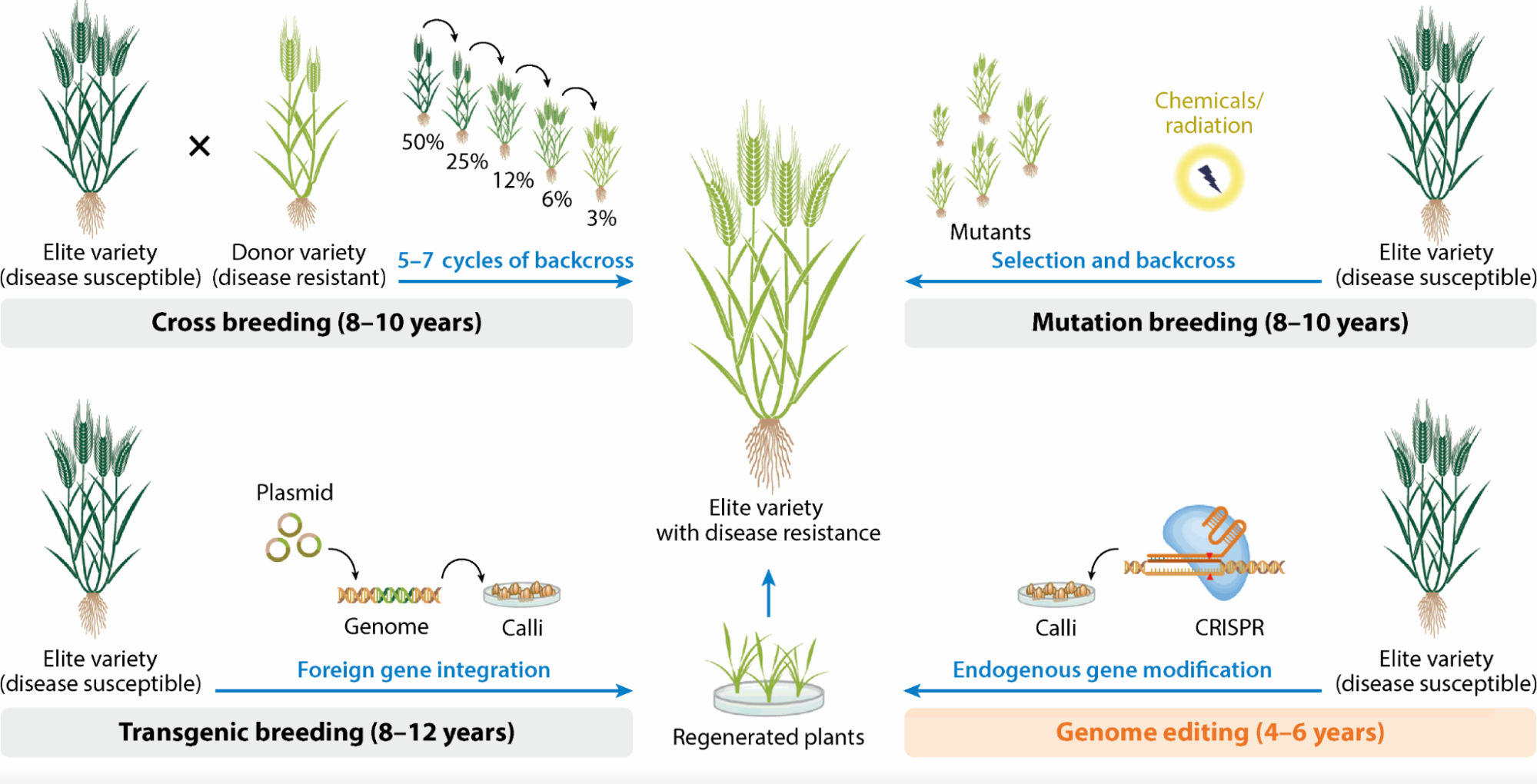
This differentiation is important since the primary benefit of using CRISPR/Cas9 does not lie in eliminating each subsequent step of development; rather, it lies in the ability to advance the initial modification of a specific set of characteristics through the front-end of a breeding program30. Progress has been slow and occasionally contentious, even with Bt and other transgenic traits, underscoring the potential and limitations of pre-CRISPR biotechnology24. The urgency of adjusting crops to swift climate change, new pests and diseases, and more frequent extreme weather events is becoming more and more at odds with this slow pace40,41. Crop varieties that can be adapted in a few seasons and that provide multi-stress tolerance at both the physiological and molecular levels are essential for farmers in today’s unstable agricultural environment3.
Early Genome Editing: ZFNs and TALENs
Before the discovery of CRISPR/Cas9 technology, scientists studying plants had experimented with several earlier genome-editing techniques29. Meganucleases, zinc-finger nucleases (ZFNs), and transcription activator-like effector nucleases (TALENs) were among the first major attempts to move beyond the slower and less targeted process of conventional breeding in the early 2000s26,27. They were able to work due to the design of proteins to recognize and separate particular DNA segments, which results in double-strand breaks (DSBs)28. After the break, the homology-directed repair (HDR) or non-homologous end joining (NHEJ), the cell’s independent repair process, will take over, allowing breeders to introduce, remove, or potentially alter genes42.
This innovation allowed plant breeders to modify the best-performing crops directly, while still preserving their valuable genetic background27. It also enables precise “trait stacking,” an action where multiple desired traits could be integrated without the randomness of traditional recombination42. Previous studies demonstrated the feasibility of this approach26. For example, TALEN-mediated editing of the OsBADH2 gene in rice generates new fragrance traits, while not negatively affecting crop yield22. But one of the technologies utilized is the maize editing employing ZFN-based technology with the target of herbicide tolerance and pest-resistant genes43.
However, both TALENs and ZFNs also had important limitations. Picking desired protein domains was expensive and took a long time while also necessitating a high degree of specialization29. Editability was generally low, particularly among polypoid crops such as wheat, and off-target risks also showed technical limitations44. These limitations meant that although ZFNs and TALENs showed research potential, they were not widely adopted in commercial breeding programs43.
The combination of both potential and limitations gave rise to a new system which is faster, cheaper and more easily accessible9. The emergence of CRISPR/Cas9 technology provided a practical method of genome editing10.
CRISPR-Cas9: A Major Development in Genome Editing
CRISPR/Cas9 increased the practicality and accessibility of targeted genome editing for use in plant science10,45. Of bacterial origin as an immune system defense against infection, CRISPR/Cas9 entails the utilization of a guide RNA to locate Cas9 nuclease at a desired DNA sequence that the nuclease cleaves through a specific cut46. Since older tools were time-consuming and required elaborate protein engineering, the relative simplicity of CRISPR makes it significantly less expensive, quicker, and simpler47. Multiplex editing, which allows the simultaneous editing of multiple genes, provides a special benefit for more complicated agronomical traits like the development of drought tolerance, which involves the coordinated change of genes48.
In plant breeding, this precision has changed the crop improvement process45. CRISPR/Cas9 enables precise alteration of genes controlling yield, stress tolerance, pest and disease defense, and nutritional content49. Editing OsSWEET genes in rice conferred resistance against bacterial blight; changing ARGOS8 in maize raised water-limiting growth stage tolerance at the farm level; and knocking out the MLO genes in tomato conferred lasting protection from powdery mildew50,51,52. Beyond resilience, scientists at the level of the banana and potato seek a cure for catastrophic tropical diseases, while other projects aim for nutritional and environmental goals, such as β-carotene-enriched rice for the elimination of vitamin A deficiency and nitrogen-use-efficient wheat for reducing dependence on fertilizers53,54,55.
These developments show that the technology has become an important tool in agricultural biotechnology9. Success with the technology, however, hinges on more than technological success. Regulatory regimes differ immensely: the United States, Argentina, and Japan exempt a few of the CRISPR-edited crops from the GMO regulatory framework, whereas the European Union uses stricter regulations15,16,17. Intellectual property conflicts introduce additional complexity, and customer acceptance hinges upon how the product appears with respect to the product’s safety, naturalness, and trust15,20. These broader considerations of the law, ethics, and society come later.
Technique and Agricultural Applications of CRISPR/Cas9
Figure 2 provides a general overview of how CRISPR/Cas9 functions in plants, from sgRNA-guided target recognition to double-strand break repair.
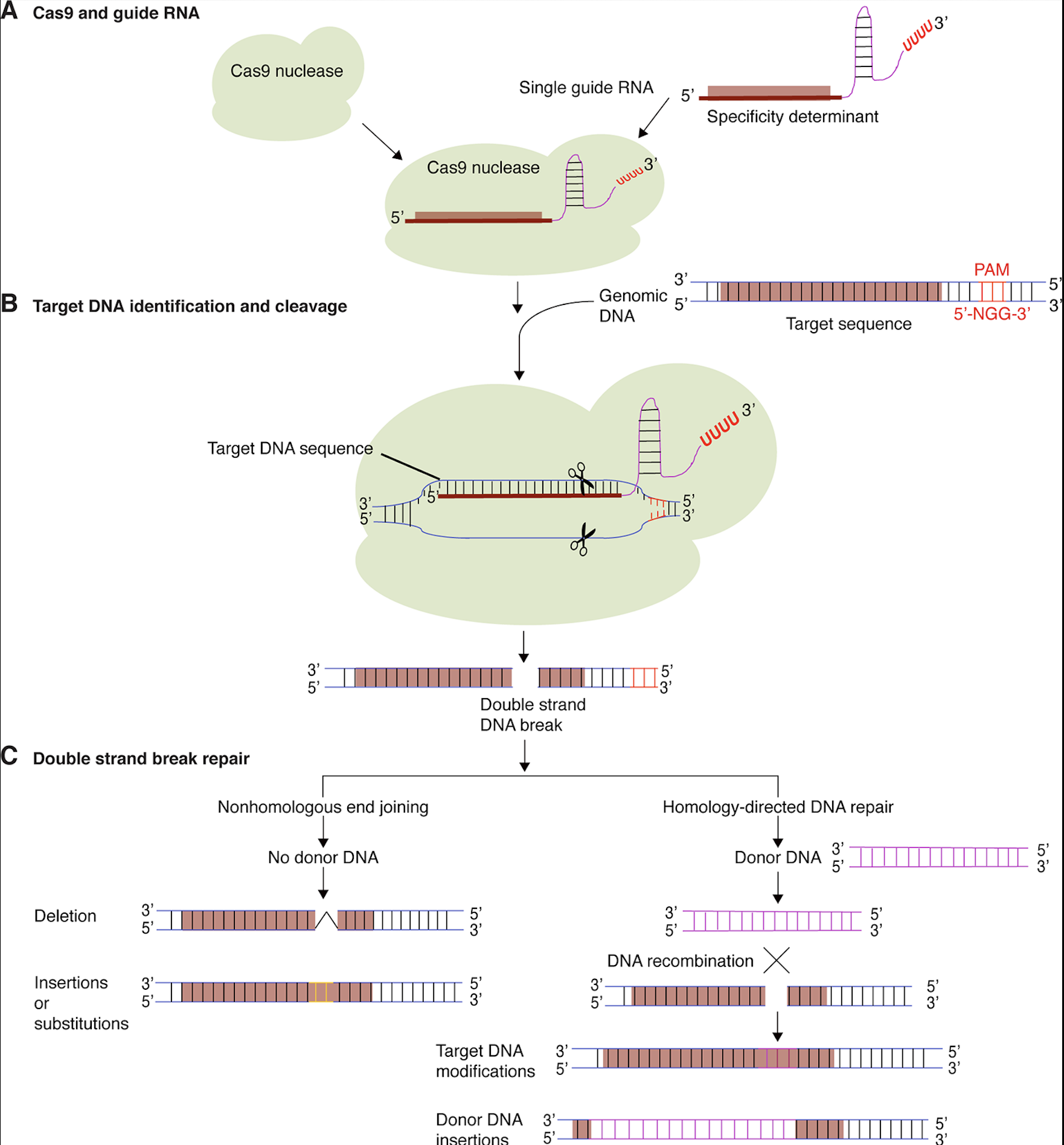
The CRISPR/Cas9 system incorporates two fundamental parts: a short RNA molecule called the single-guide RNA (sgRNA), which has a specific DNA target sequence, and the Cas9 protein, a nuclease that cleaves DNA at a specific location46. When Cas9 induces a double-stranded cleavage at the DNA level, the plant cell repairs the cleavage through an internal process either by joining severed parts or through a template with a specific repair42. With the use of this, scientists can knock out undesirable genes, introduce new sequences, or introduce specific changes that enhance desirable traits43.
Relative to established systems such as zinc-finger nucleases (ZFNs) and transcription activator-like effector nucleases (TALENs), CRISPR/Cas9 is simpler to engineer, less expensive, and able to edit hundreds of genes simultaneously (multiplex editing)48. Multiplex capacity becomes of specific use with complex traits such as drought tolerance or flowering time, with the action of hundreds of genes56.
The use of CRISPR/Cas9 for cytokinin oxidase/dehydrogenase (CKX) gene editing has provided valuable information about CKX involvement in cytokinin metabolism, which is linked to tiller formation and, subsequently, grain number57,58. Some trials have shown an association with improved yields; however, the size of this improvement will depend on the genetic material of the crop being studied and the environmental factors associated with each trial, and therefore must be evaluated based on the specifics of their individual study settings rather than as a general or universal percent increase59.
In addition to yield, CRISPR enhances the survival of plants under severe conditions. Researchers edited genes regulating how the plant responds to drought and salty soil, such as transcription factors DREB and ABA hormone receptors, and created more resilient crops while not compromising other valuable traits60. By combining CRISPR with extensive data from plant gene expression (transcriptomics) and metabolite profiles (metabolomics), scientists are able to engineer wiser and more specific changes, and with much less undesirable outcomes and greater yields of improved edited crops61.
Crop quality is also improved using CRISPR. For instance, high-scent rice has been produced through the disruption of the OsBADH2 gene for better flavor22. For soybeans, oil composition is altered through editing of fatty acid desaturase genes (FAD2), yielding oils with good shelf life and improved health benefits62,63. In peanuts, cyanogenic glycosides are lowered through editing of CYP79D1/D2 genes for improved safety of foods through the reduction of toxic metabolically generated compounds indigenous to the plant64.
Examples of CRISPR-Based Resistance in Various Crops
CRISPR technology has additionally been found to be an effective tool for creating pest- and disease-resistant crops through the editing of susceptibility genes used by pathogens to infect plants11. Because this approach can reduce dependence on chemical pesticides, it is often viewed as less harmful to the environment; however, both chemical and genetic methods still raise concerns related to human health and beneficial insects5.
A recent study showed that bacterial infection was reduced in rice because the pathogen could no longer hijack the plant’s sugar transport system when the promoter of the SWEET genes was edited. Rice is a staple crop throughout much of Asia, and losses caused by bacterial blight amount to billions of dollars annually50,65.
This study illustrates the value of using CRISPR to provide disease resistance by altering the route that pathogens use to infect the host plant rather than by inserting new DNA into the plant66.
Viruses affecting crops have also been targeted using CRISPR technology. Cassava and banana are two crops that have received attention55. Cassava has been studied because of its susceptibility to cassava brown streak virus (CBSV), which threatens food security for millions of people in Africa each year67. Researchers have attempted to edit the eIF4E gene family in cassava using CRISPR to make it resistant to CBSV, resulting in no adverse effects on plant growth or yield67. Similar studies have also been conducted in banana, where edited varieties have demonstrated resistance to banana streak virus53. Because virus transmission often occurs through insect vectors, which can be difficult to control, CRISPR-based resistance may provide an important option for producers who cannot afford other means of managing these diseases53.
Fungi that cause plant diseases have also been targeted using CRISPR technology. Researchers have successfully used CRISPR to target the MLO gene in tomato varieties and confer resistance to powdery mildew52. By reducing the number of fungicide applications needed by farmers, this approach can also reduce fungicide-related costs68. Similarly, researchers have used CRISPR to modify susceptibility genes in wheat and grapevine, including TaMLO and VvWRKY5244,69. These modifications resulted in decreased susceptibility to powdery mildew and gray mold, respectively69. The end result of this research is reduced post-harvest damage and better preservation of food quality during storage and transportation. These examples demonstrate that CRISPR technology can be used to provide disease resistance by interfering with a fungus’s ability to obtain the components it needs from the plant in order to complete its life cycle11.
Unlike conventional transgenic crops like Bt corn, which contain insecticidal proteins produced by bacteria, most CRISPR-based technologies operate by deleting or editing the plant’s own genes. Because of this, many view CRISPR technology as involving less regulatory complexity and potentially higher levels of public acceptance13,21.
There are some limitations to consider. Just as pests develop resistance to certain pesticides and Bt proteins, they may also develop resistance to CRISPR-based protection. Additionally, large-scale monoculture production of improved varieties may create evolutionary pressures on local ecosystems and may contribute to the development of alternative forms of pathogens. To reduce these risks, CRISPR-based resistance should be used in conjunction with integrated pest management strategies such as crop rotation, natural predators or parasites, and habitat diversity. This would allow the genetic component of crop improvement to strengthen sustainable agricultural systems rather than replace them5.
Examples of CRISPR-based resistance in various crops are listed in Table 1.
| Crop | Target gene/region | Disease | Mechanism | Reported outcome | Citation |
| Rice | OsSWEET14 | Bacterial blight | Reduced pathogen-induced activation of host sugar transport | Increased resistance relative to control lines in reported trials | 65 |
| Tomato | SlMLO1 | Powdery mildew | Reduced host susceptibility to fungal colonization | Lower disease susceptibility reported in edited lines | 52 |
| Wheat | TaMLO | Powdery mildew | Altered susceptibility pathway | Heritable resistance reported in edited lines | 44 |
| Cassava | eIF4E | Viral disease | Disrupted host factor associated with viral infection | Virus-resistance effects reported; field validation still needed | 67 |
Productivity Characteristics
Sink Capacity and Grain Number
CRISPR/Cas9 was utilized to study genes which contribute to sink potential and grain yield57. Cytokinin dehydrogenases are a group of enzymes that regulate the degradation of cytokinins; therefore less active CKX is associated with higher levels of available cytokinin for processes like tillering and grain numbers58. The yield enhancements found in edited lines were generally dependent on the crop type, site of testing, trial design, and other factors such as alterations in grain size or plant morphology59.
Plant Structure and Biomass Distribution
Other modifications targeted the genes responsible for controlling the physical attributes of the inflorescence, and how biomass is allocated throughout the plant70. The pathways involved in this include genes such as DEP1 and TB136,70. This is relevant due to the fact that modifications in the quantity of branches, plant height or the shape/structure of the inflorescence can positively impact the efficiency at which crops are harvested and overall yield70. However, it is worth noting that the modification of architecture does not always result in a positive outcome. An example of this would be if an edit resulted in an increase in biomass or branching; this could potentially alter where resources are being directed resulting in either an increased risk of lodging, unbalanced reproduction, or poor grain filling59.
Stomatal Functionality, Water Utilization and Carbon Assimilation
CRISPR/Cas9 has also been used to modify genes that regulate stomatal functionality and stress response71. These edits are of value to research scientists due to the importance of stomatal function in regulating CO2 uptake and water utilization71. There have been instances of improvements in water usage under drought conditions; however, these improvements may occur at the expense of carbon assimilation and subsequently reduce yields when no stresses exist72.
Root Growth and Nutrient Acquisition
Genes related to root growth have also been studied by researchers due to the belief that plants grown from genetically modified seeds will develop roots that allow them to obtain more water and nutrients from low fertility and/or arid soils73. It is important to note that while beneficial under ideal experimental conditions, any advantages realized through root edits may not equate to similar benefits across various soil types, irrigation practices and field conditions74.
More broadly, these types of edits may shorten breeding time and support faster adaptation of crops to widespread stresses such as drought, salt, and heat75,74. When combined with genomic resources and high-throughput screening, CRISPR/Cas9 may help breeders generate more durable and higher-performing varieties61.
Improved Nutritional Properties
In addition to improvements in yield and stress tolerance, CRISPR has been evaluated as a means of enhancing the nutritional quality of agricultural products76. While traditional breeding programs for nutritional traits have often been time-consuming and costly due to the complexity of these traits and their linkage to undesirable characteristics, CRISPR provides an opportunity to more rapidly and precisely increase desired nutrients, decrease harmful compounds, and improve staple crops49. Biofortification strategies, including provitamin A-enriched rice, represent ways that genome editing and associated technologies may help address micronutrient deficiencies77,54. In these cases, biofortification targets specific carotenoid and mineral biosynthetic pathways and generally increases nutritional value under the conditions tested76.
Gene editing of fatty acid desaturases (FAD2), such as those found in oilseed crops like soybean and canola, produces oils rich in oleic acid that may lead to better oil quality, longer shelf life, and potential nutritional benefits62,63.
CRISPR also enables the reduction of antinutrients and toxins64. For example, reductions in cyanogenic glycosides may reduce cyanide risk from consumption78. Gene edits that reduce allergenic proteins and other toxic compounds may also broaden safe use across varieties79.
Nutritional Enhancement: Golden Rice & Beyond
Although significant progress is being made in addressing crop stresses, hunger persists because of both insufficient caloric intake and inadequate levels of essential nutrients2. Supplemental nutrition is viewed by much of the scientific community as one useful method for addressing nutrient insufficiency76. The biofortification of staple crops, such as Golden Rice, is viewed by some as another option77.
Most discussions surrounding Golden Rice focus on it as a model for crop biofortification, specifically concerning the enhancement of provitamin A in a staple food54. CRISPR technology can similarly address nutritional objectives through more refined genetic modification80. Because the nutritional contribution provided by a single serving can vary based on factors such as portion size, preparation, carotenoid loss during processing, and the nutritional standards used for comparison, claims regarding dietary contribution should be presented with caution81.
Furthermore, genetic modifications that reduce toxic compounds or enhance nutrient profiles in staple crops demonstrate how gene editing may contribute to improved health outcomes, as illustrated in Table 2.
This approach may improve nutritional traits without requiring significant dietary change81. Nonetheless, it cannot replace balanced diets or broader efforts to alleviate poverty and improve global access to food14. Other researchers have cautioned that reliance on a small number of engineered staples could create dependence rather than address the systemic causes of malnutrition82. Therefore, CRISPR-based nutritional enhancements should be regarded as supplements to existing food-system and public-health initiatives rather than substitutes78.
| Crop | Target Gene(s) | Nutritional Trait Improved | Health Benefit |
| Rice | PSY, CRTL | ↑ β-carotene (provitamin A) | Reduces vitamin A deficiency (blindness, immune dysfunction)77 |
| Soybean | FAD2 | ↑ Oleic acid, ↓ PUFA | Healthier oil, improved heart health, longer shelf life62 |
| Maize | NAS, IRO2 | ↑ Iron & zinc | Reduces anemia and stunting in vulnerable populations12 |
| Cassava | CYP79D1/D2 | ↓ Cyanogenic glycosides | Safer consumption lowers the risk of cyanide poisoning.64 |
Climate Stress and CRISPR/Cas9
Climate change poses a major challenge to world agrosystems, subjecting crops to further stress through drought, heat stress, flooding, and raised soil salinity83,41. These stresses are already leading to decreases in yields of major staple crops such as rice, wheat, and maize, especially in developing regions that rely almost entirely on rain-fed agriculture3,4. Traditional breeding methods often are too slow to respond to such rapid changes; CRISPR/Cas9 technology offers a system of directly editing stress-related genes with a much shorter timeframe84,75.
The potential for these “benefits” will come at a cost. For example, a plant that is able to conserve water more effectively during a drought event, due to an improved ability to close stomata, will likely reduce gas exchange and potentially limit growth when receiving adequate water. As such, while these plants will perform better during stress years, they will likely produce lower yields in typical growing environments. The degree to which this is a significant issue will depend upon the irrigation regime, the frequency of stress events, and the overall production goals of the farming system71,72.
Water Management and Irrigation Context
Because of this, CRISPR-based traits that are intended to enhance water-use efficiency during drought should always be viewed within the framework of water management40. Therefore, the potential benefits of a drought-related trait will vary depending upon whether a system relies on rain-fed agriculture or irrigation83. While reducing maximum yield per acre under optimal conditions may still represent an improvement in rain-fed systems where water limitations occur repeatedly, it is unlikely to result in similar improvements in irrigated systems41.
Similarly, changes to growth regulators of the roots encourage greater depth of roots and thus offer improved access to groundwater in dry soils73. Salinity tolerance has been improved through the targeting of the ion transporter genes that control the intracellular equilibrium of sodium and potassium and permit rice and tomato to survive in soils that otherwise would be too saline for agriculture60. Thirdly, CRISPR has also been used to alleviate flooding stress through genetic changes to ethylene-response factors and the Sub1A gene in rice that permit survival for longer under submersion, a desirable characteristic of monsoon-driven flood-prone regions85.
Figure 3 summarizes the major effects of drought stress and the plant responses that are relevant to CRISPR-based improvement of tolerance and yield.
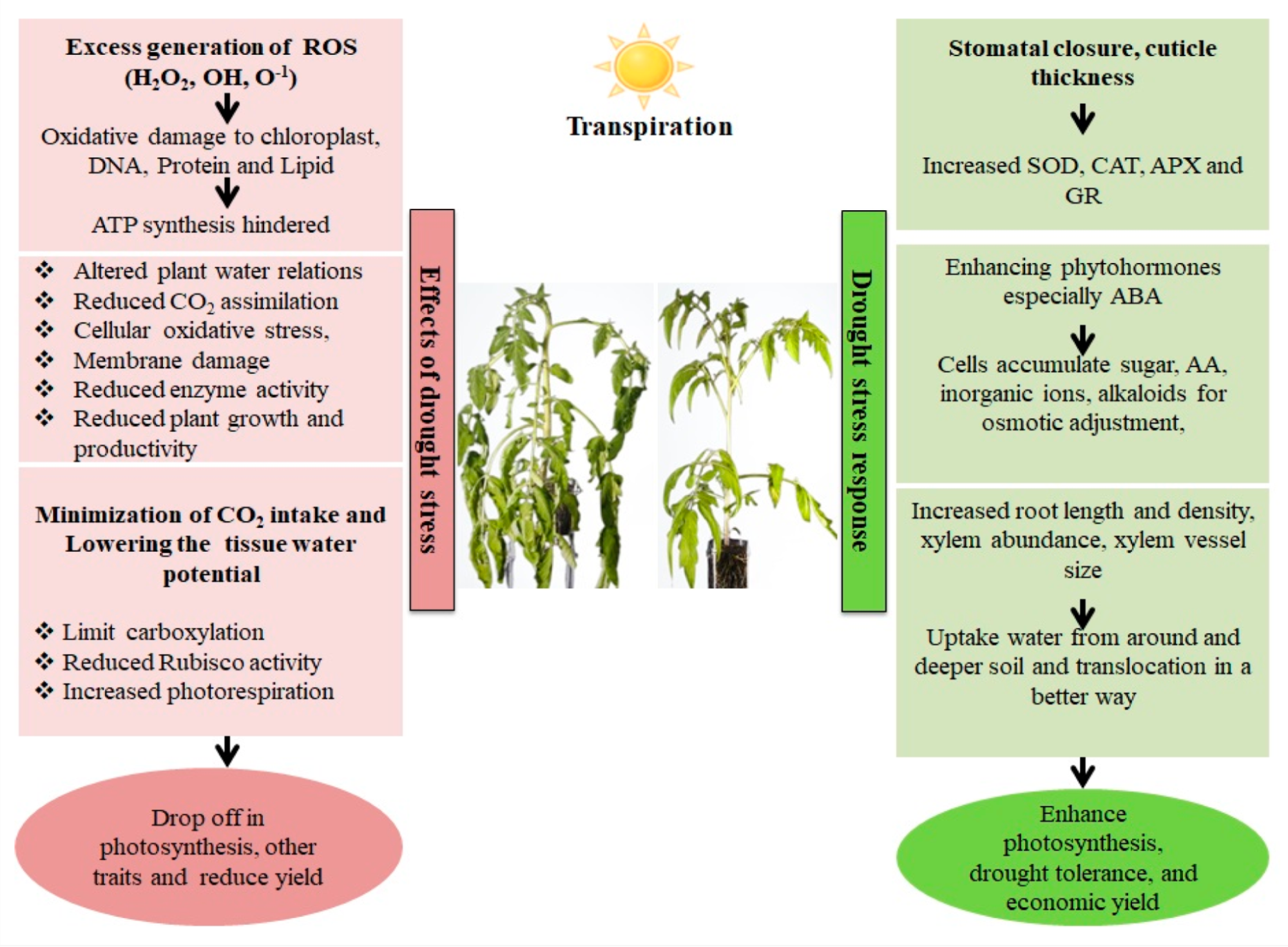
Heat stress, increasingly imperiling pollination and grain fill, has been addressed through heat-shock factor gene edits that allow crops to preserve fertility and yields during heat waves83. These innovations illustrate how CRISPR may help stabilize yields under adverse weather conditions75. Stabilizing yields under climatic stress also minimizes farmer risk and fortifies food chains, both particularly at risk of shock from smallholder systems40.
However, key criticisms should be understood. Some scholars are of the view that genetic technologies such as CRISPR could target only the “symptoms” of climate change and overlook its underlying drivers, i.e., greenhouse emissions and unsustainable land use practices2. Others further warn that promising lab results may not always translate into reliable field performance under a wide variety of environments and therefore promote fears of a lack of scalability32. In this context, CRISPR should best be understood as part of a complete approach. CRISPR may increase short-term resilience through the development of stress-tolerant crop varieties; however, it cannot replace broader systems-level approaches such as emissions mitigation and sustainable farming practices86.
CRISPR Reduces Breeding Time and Can Lower Long-Term Costs, but Initial Research and Approvals Remain Expensive
CRISPR/Cas9 represents a major technological development in agriculture because it allows highly specific genome editing for the production of crop varieties with improved environmental stress tolerance, lower chemical-input requirements, and improved nutritional quality84. While technologies offer high potential for long-term economic as well as social benefits, the application of CRISPR is also accompanied by high initial costs, regulatory hurdles, as well as complex ethical concerns87,82. Balancing potential fast breeding for sustainable agriculture against financial, legal, and ethical concerns is an essential concern for researchers, implementers of policies, as well as farmers88.
CRISPR/Cas9 has changed plant breeding with the potential of high-efficiency and high-precision gene editing47. With the targeting of very minimal target genes, breeders can avoid the uncertainties of conventional techniques and realize desired characteristics at higher levels of consistency45. Aside from labor and resource cost savings, such advancements also enable quicker response measures to problems confronted by crops, such as climate change and pest resistance47.
CRISPR may provide substantial long-term economic benefits. Through time savings in the creation of new crop varieties, farmers can realize faster returns on investment88. CRISPR-edited crops also require less chemical input, such as fertilizers and pesticides, which cost less and reduce environmental effects68.
This notwithstanding, initial costs are high. Specialized equipment, skilled laborers, coupled with comprehensive regulatory approvals, make research and development an economically prohibitive undertaking, especially for localized farmers and enterprises within developing nations87,19. Further, the discrepancy of regulatory frameworks across different nations usually translates into commercialization failures as well as increased costs89,90. CRISPR crop development costs should be viewed with caution as laboratory editing alone does not represent all development costs87. As such, development costs may include target identification, transformation and regeneration, molecular validation, greenhouse testing, multi-site field trials, regulatory preparation, and eventually seed multiplication or deployment91. Therefore, broad estimates such as multiple million dollar development costs are more useful when they can be separated into distinct categories rather than presented as one undifferentiated figure88.
In addition to shortening the early stages of trait development by directly modifying target genes instead of repeated crossing and backcrossing (selected breeding bottlenecks), later stages such as field validation approval and scaling remain major contributors to total time and costs49,89. In conclusion, while crispr-cas9 may reduce selected breeding bottleneck times, its overall economic value will depend on crop type, traits being edited, regulatory environment, and deployment model90.
Patents and Licensing May Limit Access for Small-Scale Farmers or Developing Countries
Although CRISPR technology provides important benefits for crop improvement, large-scale use is hindered by issues of intellectual property (IP)92. Several entities control the original CRISPR/Cas9 patents that result in compliant license requirements34. The IP barriers may deter use of the technology by small-scale farmers and smaller organizations who seek to use the technology in nations that do not have sufficient finances to overcome license barriers18,55.
In addition, commercial use of crops bred with CRISPR biotechnology often involves high licensing costs that become prohibitively expensive for resource-poor areas92. In Latin America, for instance, the patent landscape of CRISPR in crop agriculture is continuously evolving with an explosion of applications and multiple licensing platforms that could hinder access by local farmers and researchers19,34. This fragmented system also creates a threat of innovation concentration by an elite few of large multinational companies, hence leaving public-sector entities and small seed enterprises at the mercy of costly contracts93. In practical terms, this means that the most urgently needed traits for food security, like resistance of cassava against sorghum virus, may not be developed for crops that are almost exclusively grown by poor countries because their markets are not profitable enough in the eyes of patent owners93.
Beginning with the problems identified above, some researchers have suggested the application of humanitarian-use licenses, public funding, and/or more open licensing agreements as ways to improve access to CRISPR technology for people in developing countries94. The practical value of these approaches will depend on whether governments, public-sector breeders, and private patent holders adopt them in ways that reduce licensing barriers for nonprofit researchers, small seed enterprises, and resource-poor producers92.
Reduced Need for Pesticides or Fertilizers Can Save Costs and Benefit the Environment
The economic advantages of CRISPR/Cas9 are especially notable when considering its ability to reduce costly chemical inputs68. Genes involved in pest or disease susceptibility can be altered so that crop varieties may exhibit resistance to threats that typically require high applications of pesticides50. For example, rice varieties in which the SWEET gene promoter was edited displayed good levels of resistance towards bacterial blight, which reduced the need for chemical applications65. Other editing that resulted in resistance similar to that of rice editing was vital for preventing crop loss (ensuring the crop existed) in wheat, maize, and potato while helping farmers with reduced inputs and competition with similar crops39.
Opportunities to improve nutrient-use efficiencies also arise from CRISPR73. Editing root development genes of plants, which may enhance nitrogen metabolism, could provide an opportunity for means to supplant or reduce fertilizer headaches without reducing yield or compromising yield95. This represents direct savings for farmers who typically spend significant portions of their annual income on fertilizer25. In doing this, less fertilizer will reduce nitrogen runoff into rivers and oceans, which is one of the leading causes of eutrophication96. In this manner, CRISPR-developed crops may increase efficiencies while easing some environmental pressures and aligning agricultural practices curated to the goals of climate and biomes96.
How CRISPR/Cas9 Can Benefit Economically
Beyond the opportunities for potential cost savings for farmers in the form of reduced inputs, CRISPR has broader economic possibilities24. For example, “breeding” speed of improvements will mean farmers will have access to matched crop cultivars much faster than if that breeding was conducted using traditional breeding, which could take years to a decade or more, as the accessibility to the “breeding” will always be electronic or physical amounts of satellite feeds, drone feeds, or crop sensing61,33. Again, the speed to breed will allow for more opportunities for farmers to develop responses to other problems with any emerging threats related to either pest, disease, or climate-related exploits to stabilize food and farm incomes33.
Additionally, CRISPR-enabled crops may afford value-added products that may be even more competitive in any given vegetable/tuber oil-based or other markets with improved efficiency and/or reduced costs due to CRISPR-applicable nutrients79. Value-added products include additional nutrients available in consumer products, such as biofortified rice, commonly known as “superfoods” or products that are related while reducing trans-fat, such as high oleic soybean oil products80,79. In this manner, each company will hold promise for higher profits, along with addressing each idea of public health, “one nutrition” concern81.
At a macro level, CRISPR can make the economics of agriculture less volatile by boosting crop resistance84. Crops that are resistant to drought, flood, or heat stabilize national food systems, insulating vulnerable populations from inflation in food prices due to climate-induced crop losses86,4. Realizing such benefits, though, hinges on overcoming obstacles like expensive R&D, contested intellectual property rights, and asymmetrical access to the technology6,93. If these obstacles are surmounted, CRISPR can yield extensive, long-term economic gains to both developed and developing agricultural economies39.
Ethical Considerations
Although CRISPR/Cas9 shows substantial potential for the improvement of crops, its utilization creates ethical challenges that extend beyond the lab. The three key areas of concern are safety, equity, and public acceptability, and the extent to which CRISPR is responsibly used will depend on these issues94.
While safety is a major issue regarding CRISPR/Cas9 technology in agricultural biotechnology, the method was developed to edit a genome at specific locations; however, “off-target” edits may occur if the guide RNA binds to DNA sequences that are very similar to the target site97. Unlike the risk associated with random mutations occurring during mutagenesis, off-target edits depend upon the degree of sequence similarity and therefore must be assessed on a target-by-target basis98. Typically, researchers investigate the likelihood of off-target editing using next-generation sequencing, molecular validation, and comparisons of edited lines against identified potential off-target sites98. Methods used to reduce the risk of off-target editing include improved guide RNA design, higher-fidelity versions of Cas enzymes, and downstream screening of edited lines99. Consequently, assertions that CRISPR/Cas9 is “no riskier” than traditional plant breeding should be qualified: while some uses of CRISPR/Cas9 do not pose significantly increased risk over traditional breeding techniques, the mechanisms of these two technologies differ, and each edited line must still be tested100.
Equity and access are central issues, as well. Due to the expense of research, licensing agreements for the offspring of crops, and regulatory approval, CRISPR development currently predominantly impacts multi-national corporations14. Smallholder farmers—the groups that carry the majority of risk of being food insecure—are the groups that will likely be left behind18. Depending on specific arrangements, the use of CRISPR may have the ability to expand opportunities for some farmers. Some possible mechanisms to facilitate that could include humanitarian-use licenses, public-private partnerships, or government-funded marginally subsistence crop breeding programs that skip the overhead of commercial hybrids or marketable seeds16. Absent mechanisms like this, however, CRISPR’s promise to contribute to food security could reinforce, rather than ameliorate, food security of existing inequities on the global agricultural landscape94.
A major ethical concern with the genetic modification of food is the potential for inconsistent consumer response. Several empirical studies have demonstrated that consumer perceptions and responses regarding genetically modified food differ across regions, food types, desired traits, and the manner in which the technology is introduced20. For example, a recent 2024 survey of 1,202 individuals in the United States and Switzerland showed greater willingness among consumers in the United States toward genetically modified foods than among consumers in Switzerland. This finding suggests that differences in regulatory approaches to genetically modified foods can influence consumer perceptions of risk. Additionally, this study demonstrated that acceptability is also influenced by affective considerations, beliefs about values, and social trust101.
Research has also shown that acceptability may depend on the specific trait or traits being marketed. A 2023 national choice experiment using data from table grape consumers indicated that consumers were willing to pay slightly less per pound for CRISPR-developed grapes than for conventionally bred grapes. However, the results also indicated that consumers viewed sweetness, crispness, and flavor as significantly more important in purchase decisions than the method used to develop those characteristics102. Moreover, a 2023 U.S.-based study examining different forms of informational treatment found that while most consumers responded positively to gene editing after exposure to information, some retained concerns regarding the safety of genetically modified foods. Furthermore, the study suggested that consumer opinions differed based on their perception of the reliability of the sources providing that information101.
Therefore, public acceptance should not be viewed solely through the lens of scientific literacy. Transparency, institutional trust, perceived naturalness, and the belief that genetically modified foods are subject to fair regulation of risk-benefit trade-offs also play critical roles in shaping public opinion21. It is therefore likely that traits perceived as reducing pesticide use, improving nutritional content, or directly benefiting consumers will be viewed more favorably than traits seen as primarily benefiting producers or corporate interests102.
Taken together, these three areas raise a question about acceptability that needs to be raised again: CRISPR can offer great technical solutions to growing crops and increasing food production; however, together, the questions about the fairness, safety, and trust of systems supporting and governing the use of this technology, and the long-term effects of CRISPR82.
Conclusion and Future Perspectives
The use of CRISPR/Cas9 for crop development is an important opportunity; however, its future in agriculture depends upon how responsibly it is developed and implemented100. Based on the information in this article, the next step in developing this technology should be to address the need for better field testing under diverse conditions, improve clarity and consistency in regulation, increase availability for smallholder producers and researchers in resource-poor countries, enhance evaluation of off-target damage and environmental risks, and develop greater public trust through increased transparency and clearer communication about both the advantages and limitations of using CRISPR/Cas932,90,97,101. Therefore, rather than being viewed solely as a method for addressing food security challenges and climate-related stresses, CRISPR/Cas9 should be seen as one part of a comprehensive approach to meeting these challenges by supporting all aspects of sustainable agriculture, including sustainable production methods, equitable delivery mechanisms, and continued funding for plant breeding research86.
Acknowledgment
I am deeply grateful to Dr. Mazzaglia for their continuous mentorship and direction throughout every stage of this paper. Special thanks also go to Dr. Dobrin for their expert advice and support with the revisions.
References
- Borrelli, P. et al. An assessment of the global impact of 21st century land use change on soil erosion. Nat. Commun. 8, 2013 (2017). doi:10.1038/s41467-017-02142-7. [↩]
- Wheeler, T. & von Braun, J. Climate change impacts on global food security. Science 341, 508-513 (2013). doi:10.1126/science.1239402. [↩] [↩] [↩]
- Lobell, D. B., Schlenker, W. & Costa-Roberts, J. Climate trends and global crop production since 1980. Science 333, 616-620 (2011). doi:10.1126/science.1204531. [↩] [↩] [↩]
- Zhao, C. et al. Temperature increase reduces global yields of major crops in four independent estimates. Proc. Natl. Acad. Sci. U.S.A. 114, 9326-9331 (2017). doi:10.1073/pnas.1701762114. [↩] [↩] [↩]
- Savary, S. et al. The global burden of pathogens and pests on major food crops. Nat. Ecol. Evol. 3, 430-439 (2019). doi:10.1038/s41559-018-0793-y. [↩] [↩] [↩]
- Qaim, M. Role of new plant breeding technologies for food security and sustainable agricultural development. Appl. Econ. Perspect. Policy 42, 129-150 (2020). doi:10.1002/aepp.13044. [↩] [↩] [↩]
- Hamdan, M. F. & Tan, B. C. Genetic modification techniques in plant breeding: A comparative review of CRISPR/Cas and GM technologies. Hortic. Plant J. 11, 1807-1829 (2025). [↩] [↩] [↩]
- Mao, Y., Botella, J. R., Liu, Y. & Zhu, J.-K. Gene editing in plants: progress and challenges. Natl. Sci. Rev. 6, 421-437 (2019). doi:10.1093/nsr/nwz005. [↩] [↩] [↩]
- Gan, W. C. & Ling, A. P. K. CRISPR/Cas9 in plant biotechnology: applications and challenges. BioTechnologia 103, 81-93 (2022). doi:10.5114/bta.2022.116207. [↩] [↩] [↩]
- Feng, Z. et al. Efficient genome editing in plants using a CRISPR/Cas system. Cell Res. 23, 1229-1232 (2013). doi:10.1038/cr.2013.114. [↩] [↩] [↩]
- Zaidi, S. S.-A., Mahas, A., Vanderschuren, H. & Mahfouz, M. M. Engineering crops of the future: CRISPR approaches to develop climate-resilient and disease-resistant plants. Genome Biol. 21, 289 (2020). doi:10.1186/s13059-020-02204-y. [↩] [↩] [↩]
- Chen, F. et al. Recent advances of CRISPR-based genome editing for enhancing staple crops. Front. Plant Sci. 15, 1478398 (2024). doi:10.3389/fpls.2024.1478398. [↩] [↩] [↩]
- Globus, R. & Qimron, U. A technological and regulatory outlook on CRISPR crop editing. J. Cell. Biochem. 119, 1291-1298 (2018). doi:10.1002/jcb.26403. [↩] [↩] [↩]
- Brokowski, C. & Adli, M. CRISPR ethics: moral considerations for applications of a powerful tool. J. Mol. Biol. 431, 88-101 (2019). doi:10.1016/j.jmb.2018.05.044. [↩] [↩] [↩]
- Wolt, J. D., Wang, K. & Yang, B. The regulatory status of genome-edited crops. Plant Biotechnol. J. 14, 510-518 (2016). doi:10.1111/pbi.12444. [↩] [↩] [↩]
- Whelan, A. I. & Lema, M. A. Regulatory framework for gene editing and other new breeding techniques (NBTs) in Argentina. GM Crops Food 6, 253-265 (2015). doi:10.1080/21645698.2015.1114698. [↩] [↩] [↩]
- Tsuda, M., Watanabe, K. N. & Ohsawa, R. Regulatory status of genome-edited organisms under the Japanese Cartagena Act. Front. Bioeng. Biotechnol. 7, 387 (2019). doi:10.3389/fbioe.2019.00387. [↩] [↩]
- Ndudzo, A., Sibanda Makuvise, A., Moyo, S. & Bobo, E. D. CRISPR-Cas9 genome editing in crop breeding for climate change resilience: Implications for smallholder farmers in Africa. J. Agric. Food Res. 16, 101132 (2024). doi:10.1016/j.jafr.2024.101132. [↩] [↩] [↩]
- Gatica-Arias, A. The regulatory current status of plant breeding technologies in some Latin American and the Caribbean countries. Plant Cell Tissue Organ Cult. 141, 229-242 (2020). doi:10.1007/s11240-020-01799-1. [↩] [↩] [↩]
- Bearth, A., Otten, C. D. & Cohen, A. S. Consumers’ perceptions and acceptance of genome editing in agriculture: Insights from the United States of America and Switzerland. Food Res. Int. 178, 113982 (2024). doi:10.1016/j.foodres.2024.113982. [↩] [↩] [↩]
- Shew, A. M. et al. CRISPR versus GM: Public acceptance and valuation. Glob. Food Sec. 19, 71-80 (2018). doi:10.1016/j.gfs.2018.10.005. [↩] [↩] [↩]
- Zhang, Y., Massel, K., Godwin, I. D. & Gao, C. Applications and potential of genome editing in crop improvement. Genome Biol. 19, 210 (2018). doi:10.1186/s13059-018-1586-y. [↩] [↩] [↩]
- Hufford, M. B. et al. Comparative population genomics of maize domestication and improvement. Nat. Genet. 44, 808-811 (2012). doi:10.1038/ng.2309. [↩] [↩] [↩]
- Qaim, M. & Zilberman, D. Yield effects of genetically modified crops in developing countries. Science 299, 900-902 (2003). doi:10.1126/science.1080609. [↩] [↩] [↩]
- Klümper, W. & Qaim, M. A meta-analysis of the impacts of genetically modified crops. PLoS ONE 9, e111629 (2014). doi:10.1371/journal.pone.0111629. [↩] [↩] [↩]
- Townsend, J. A. et al. High-frequency modification of plant genes using engineered zinc-finger nucleases. Nature 459, 442-445 (2009). doi:10.1038/nature07845. [↩] [↩] [↩]
- Shukla, V. K. et al. Precise genome modification in the crop species Zea mays using zinc-finger nucleases. Nature 459, 437-441 (2009). doi:10.1038/nature07992. [↩] [↩] [↩]
- Li, T., Liu, B., Spalding, M. H., Weeks, D. P. & Yang, B. High-efficiency TALEN-based gene editing produces disease-resistant rice. Nat. Biotechnol. 30, 390-392 (2012). doi:10.1038/nbt.2199. [↩] [↩]
- Bortesi, L. & Fischer, R. The CRISPR/Cas9 system for plant genome editing and beyond. Biotechnol. Adv. 33, 41-52 (2015). doi:10.1016/j.biotechadv.2014.12.006. [↩] [↩] [↩]
- Wolter, F., Schindele, P. & Puchta, H. Plant breeding at the speed of light: the power of CRISPR/Cas to generate directed genetic diversity at multiple sites. BMC Plant Biol. 19, 176 (2019). doi:10.1186/s12870-019-1775-1. [↩] [↩] [↩]
- Chen, K., Wang, Y., Zhang, R., Zhang, H. & Gao, C. CRISPR/Cas genome editing and precision plant breeding in agriculture. Annu. Rev. Plant Biol. 70, 667-697 (2019). doi:10.1146/annurev-arplant-050718-100049. [↩] [↩] [↩]
- Cardi, T. et al. CRISPR/Cas-mediated plant genome editing: outstanding challenges a decade after implementation. Trends Plant Sci. 28, 1144-1165 (2023). doi:10.1016/j.tplants.2023.05.012. [↩] [↩] [↩]
- de Lange, J., Nalley, L. L., Yang, W., Shew, A. & de Steur, H. The future of CRISPR gene editing according to plant scientists. iScience 25, 105012 (2022). doi:10.1016/j.isci.2022.105012. [↩] [↩] [↩]
- Martin-Laffon, J., Kuntz, M. & Ricroch, A. E. Worldwide CRISPR patent landscape shows strong geographical biases. Nat. Biotechnol. 37, 613-620 (2019). doi:10.1038/s41587-019-0138-7. [↩] [↩] [↩]
- Page, M. J. et al. The PRISMA 2020 statement: an updated guideline for reporting systematic reviews. BMJ 372, n71 (2021). doi:10.1136/bmj.n71. [↩]
- Doebley, J., Stec, A. & Hubbard, L. The evolution of apical dominance in maize. Nature 386, 485-488 (1997). doi:10.1038/386485a0. [↩] [↩]
- Peng, J. et al. ‘Green revolution’ genes encode mutant gibberellin response modulators. Nature 400, 256-261 (1999). doi:10.1038/22307. [↩]
- Monna, L. et al. Positional cloning of rice semidwarfing gene, sd-1: rice ‘green revolution gene’ encodes a mutant enzyme involved in gibberellin synthesis. DNA Res. 9, 11-17 (2002). doi:10.1093/dnares/9.1.11. [↩]
- Hutchison, W. D. et al. Areawide suppression of European corn borer with Bt maize reaps savings to non-Bt maize growers. Science 330, 222-225 (2010). doi:10.1126/science.1190242. [↩] [↩] [↩]
- Deutsch, C. A. et al. Increase in crop losses to insect pests in a warming climate. Science 361, 916-919 (2018). doi:10.1126/science.aat3466. [↩] [↩] [↩]
- Ray, D. K. et al. Climate change has likely already affected global food production. PLoS ONE 14, e0217148 (2019). doi:10.1371/journal.pone.0217148. [↩] [↩] [↩]
- Svitashev, S. et al. Targeted mutagenesis, precise gene editing, and site-specific gene insertion in maize using Cas9 and guide RNA. Plant Physiol. 169, 931-945 (2015). doi:10.1104/pp.15.00793. [↩] [↩] [↩]
- Belhaj, K., Chaparro-Garcia, A., Kamoun, S. & Nekrasov, V. Plant genome editing made easy: targeted mutagenesis in model and crop plants using the CRISPR/Cas system. Plant Methods 9, 39 (2013). doi:10.1186/1746-4811-9-39. [↩] [↩] [↩]
- Wang, Y. et al. Simultaneous editing of three homoeoalleles in hexaploid bread wheat confers heritable resistance to powdery mildew. Nat. Biotechnol. 32, 947-951 (2014). doi:10.1038/nbt.2969. [↩] [↩] [↩]
- Shan, Q. et al. Targeted genome modification of crop plants using a CRISPR-Cas system. Nat. Biotechnol. 31, 686-688 (2013). doi:10.1038/nbt.2650. [↩] [↩] [↩]
- Jinek, M. et al. A programmable dual-RNA-guided DNA endonuclease in adaptive bacterial immunity. Science 337, 816-821 (2012). doi:10.1126/science.1225829. [↩] [↩] [↩]
- Doudna, J. A. & Charpentier, E. The new frontier of genome engineering with CRISPR-Cas9. Science 346, 1258096 (2014). doi:10.1126/science.1258096. [↩] [↩] [↩]
- Cong, L. et al. Multiplex genome engineering using CRISPR/Cas systems. Science 339, 819-823 (2013). doi:10.1126/science.1231143. [↩] [↩]
- Bao, A. et al. The CRISPR/Cas9 system and its applications in crop genome editing. Crit. Rev. Biotechnol. 39, 321-336 (2019). doi:10.1080/07388551.2018.1554621. [↩] [↩] [↩]
- Oliva, R. et al. Broad-spectrum resistance to bacterial blight in rice using genome editing. Nat. Biotechnol. 37, 1344-1350 (2019). doi:10.1038/s41587-019-0267-z. [↩] [↩] [↩]
- Shi, J. et al. ARGOS8 variants generated by CRISPR-Cas9 improve maize grain yield under field drought stress conditions. Plant Biotechnol. J. 15, 207-216 (2017). doi:10.1111/pbi.12603. [↩]
- Nekrasov, V. et al. Rapid generation of a transgene-free powdery mildew resistant tomato by genome deletion. Sci. Rep. 7, 482 (2017). doi:10.1038/s41598-017-00578-x. [↩] [↩] [↩]
- Tripathi, J. N. et al. CRISPR/Cas9 editing of endogenous banana streak virus in the B genome of Musa spp. overcomes a major challenge in banana breeding. Commun. Biol. 2, 46 (2019). doi:10.1038/s42003-019-0288-7. [↩] [↩] [↩]
- Paine, J. A. et al. Improving the nutritional value of Golden Rice through increased pro-vitamin A content. Nat. Biotechnol. 23, 482-487 (2005). doi:10.1038/nbt1082. [↩] [↩] [↩]
- Swain, S. et al. Harnessing genome editing for the advancement of underutilized crops: a critical review highlighting current progress, challenges and future prospects. Plant Gene 44, 100534 (2025). [↩] [↩] [↩]
- Lowder, L., Malzahn, A. & Qi, Y. Rapid construction of multiplexed CRISPR-Cas9 systems for plant genome editing. Methods Mol. Biol. 1578, 291-307 (2017). doi:10.1007/978-1-4939-6859-6_25. [↩]
- Mandal, S. et al. Cytokinins: A genetic target for increasing yield potential in the CRISPR era. Front. Genet. 13, 883930 (2022). doi:10.3389/fgene.2022.883930. [↩] [↩]
- Ashikari, M. et al. Cytokinin oxidase regulates rice grain production. Science 309, 741-745 (2005). doi:10.1126/science.1113373. [↩] [↩]
- Bailey-Serres, J., Parker, J. E., Ainsworth, E. A., Oldroyd, G. E. D. & Schroeder, J. I. Genetic strategies for improving crop yields. Nature 575, 109-118 (2019). doi:10.1038/s41586-019-1679-0. [↩] [↩] [↩]
- Zhang, A. et al. Enhanced rice salinity tolerance via CRISPR/Cas9-targeted mutagenesis of the OsRR22 gene. Mol. Breed. 39, 47 (2019). doi:10.1007/s11032-019-0954-y. [↩] [↩]
- El-Mounadi, K., Morales-Floriano, M. L. & Garcia-Ruiz, H. Principles, applications, and biosafety of plant genome editing using CRISPR-Cas9. Front. Plant Sci. 11, 56 (2020). doi:10.3389/fpls.2020.00056. [↩] [↩] [↩]
- Haun, W. et al. Improved soybean oil quality by targeted mutagenesis of the fatty acid desaturase 2 gene family. Plant Biotechnol. J. 12, 934-940 (2014). doi:10.1111/pbi.12201. [↩] [↩] [↩]
- Demorest, Z. L. et al. Direct stacking of sequence-specific nuclease-induced mutations to produce high oleic and low linolenic soybean oil. BMC Plant Biol. 16, 225 (2016). doi:10.1186/s12870-016-0906-1. [↩] [↩]
- Jørgensen, K. et al. Cassava plants with a depleted cyanogenic glucoside content in leaves and tubers. Plant Physiol. 139, 363-374 (2005). doi:10.1104/pp.105.065904. [↩] [↩] [↩]
- Zeng, X. et al. CRISPR/Cas9-mediated mutation of OsSWEET14 in rice cv. Zhonghua11 confers resistance to Xanthomonas oryzae pv. oryzae without yield penalty. BMC Plant Biol. 20, 313 (2020). doi:10.1186/s12870-020-02524-y. [↩] [↩] [↩]
- Li, C. et al. A new rice breeding method: CRISPR/Cas9 system editing of the Xa13 promoter to cultivate transgene-free bacterial blight-resistant rice. Plant Biotechnol. J. 18, 313-315 (2020). doi:10.1111/pbi.13201. [↩]
- Gomez, M. A. et al. Simultaneous CRISPR/Cas9-mediated editing of cassava eIF4E isoforms nCBP-1 and nCBP-2 reduces cassava brown streak disease symptom severity and incidence. Plant Biotechnol. J. 17, 421-434 (2019). doi:10.1111/pbi.12987. [↩] [↩] [↩]
- Brookes, G. & Barfoot, P. GM crop technology use 1996-2018: farm income and production impacts. GM Crops Food 11, 242-261 (2020). doi:10.1080/21645698.2020.1779574. [↩] [↩] [↩]
- Wang, X. et al. CRISPR/Cas9-mediated efficient targeted mutagenesis in grape in the first generation. Plant Biotechnol. J. 16, 844-855 (2018). doi:10.1111/pbi.12832. [↩] [↩]
- Huang, X. et al. Natural variation at the DEP1 locus enhances grain yield in rice. Nat. Genet. 41, 494-497 (2009). doi:10.1038/ng.352. [↩] [↩] [↩]
- Caine, R. S. et al. Rice with reduced stomatal density conserves water and has improved drought tolerance under future climate conditions. New Phytol. 221, 371-384 (2019). doi:10.1111/nph.15344. [↩] [↩] [↩]
- Fang, Y. & Xiong, L. General mechanisms of drought response and their application in drought resistance improvement in plants. Cell. Mol. Life Sci. 72, 673-689 (2015). doi:10.1007/s00018-014-1767-0. [↩] [↩] [↩]
- Singh, S., Mishra, V., Riyazuddin, R., Chugh, V. & Upadhyay, S. K. CRISPR/Cas9-mediated genome editing for trait improvement and stress tolerance in Leguminosae. Plant Breed. doi:10.1111/pbr.13234. [↩] [↩] [↩]
- Sharma, M. et al. Technological advancements in the CRISPR toolbox for improving plant salt tolerance. Discov. Agric. 2, 102 (2024). [↩] [↩]
- Shaheen, N. et al. CRISPR-Cas system, a possible ‘savior’ of rice threatened by climate change: an updated review. Rice 16, 39 (2023). doi:10.1186/s12284-023-00644-7. [↩] [↩] [↩]
- Beyer, P. et al. Golden Rice: introducing the beta-carotene biosynthesis pathway into rice endosperm by genetic engineering to defeat vitamin A deficiency. J. Nutr. 132, 506S-510S (2002). doi:10.1093/jn/132.3.506S. [↩] [↩] [↩]
- Ye, X. et al. Engineering the provitamin A (beta-carotene) biosynthetic pathway into (carotenoid-free) rice endosperm. Science 287, 303-305 (2000). doi:10.1126/science.287.5451.303. [↩] [↩] [↩]
- Kumar, D., Yadav, A., Ahmad, R., Dwivedi, U. N. & Yadav, K. CRISPR-based genome editing for nutrient enrichment in crops: a promising approach toward global food security. Front. Genet. 13, 932859 (2022). doi:10.3389/fgene.2022.932859. [↩] [↩]
- Jianing, G. et al. CRISPR/Cas9 applications for improvement of soybeans, current scenarios, and future perspectives. Not. Bot. Horti Agrobot. Cluj-Napoca 50, 12678 (2022). doi:10.15835/nbha50412678. [↩] [↩] [↩]
- Al-Babili, S. & Beyer, P. Golden Rice-five years on the road-five years to go? Trends Plant Sci. 10, 565-573 (2005). doi:10.1016/j.tplants.2005.10.006. [↩] [↩]
- Tang, G. et al. Golden Rice is an effective source of vitamin A. Am. J. Clin. Nutr. 89, 1776-1783 (2009). doi:10.3945/ajcn.2008.27119. [↩] [↩] [↩]
- Ayanoğlu, F. B., Elçin, A. E. & Elçin, Y. M. Bioethical issues in genome editing by CRISPR-Cas9 technology. Turk. J. Biol. 44, 110-120 (2020). doi:10.3906/biy-1912-52. [↩] [↩] [↩]
- Rosenzweig, C. et al. Assessing agricultural risks of climate change in the 21st century in a global gridded crop model intercomparison. Proc. Natl. Acad. Sci. U.S.A. 111, 3268-3273 (2014). doi:10.1073/pnas.1222463110. [↩] [↩] [↩]
- Ahmad, M. Plant breeding advancements with CRISPR-Cas genome editing technologies will assist future food security. Front. Plant Sci. 14, 1133036 (2023). doi:10.3389/fpls.2023.1133036. [↩] [↩] [↩]
- Xu, K. et al. Sub1A is an ethylene-response-factor-like gene that confers submergence tolerance to rice. Nature 442, 705-708 (2006). doi:10.1038/nature04920. [↩]
- Godfray, H. C. J. et al. Food security: the challenge of feeding 9 billion people. Science 327, 812-818 (2010). doi:10.1126/science.1185383. [↩] [↩] [↩]
- Lassoued, R., Phillips, P. W. B., Smyth, S. J. & Hesseln, H. Estimating the cost of regulating genome edited crops: expert judgment and overconfidence. GM Crops Food 10, 44-62 (2019). doi:10.1080/21645698.2019.1612689. [↩] [↩] [↩]
- Kalaitzandonakes, N., Willig, C. & Zahringer, K. The economics and policy of genome editing in crop improvement. Plant Genome 16, e20248 (2023). doi:10.1002/tpg2.20248. [↩] [↩] [↩]
- Hundleby, P. & Harwood, W. Regulatory constraints and differences of genome-edited crops around the globe. In Genome Editing: Current Technology Advances and Applications for Crop Improvement (eds Wani, S. H. & Hensel, G.) 319-341 (Springer, 2022). doi:10.1007/978-3-031-08072-2_17. [↩] [↩]
- Turnbull, C., Lillemo, M. & Hvoslef-Eide, T. A. K. Global regulation of genetically modified crops amid the gene edited crop boom – a review. Front. Plant Sci. 12, 630396 (2021). doi:10.3389/fpls.2021.630396. [↩] [↩] [↩]
- Sprink, T., Eriksson, D., Schiemann, J. & Hartung, F. Regulatory hurdles for genome editing: process- vs. product-based approaches in different regulatory contexts. Plant Cell Rep. 35, 1493-1506 (2016). doi:10.1007/s00299-016-1990-2. [↩]
- Egelie, K. J., Graff, G. D., Strand, S. P. & Johansen, B. The emerging patent landscape of CRISPR-Cas gene editing technology. Nat. Biotechnol. 34, 1025-1031 (2016). doi:10.1038/nbt.3692. [↩] [↩] [↩]
- Sherkow, J. S. Patent protection for CRISPR: an ELSI review. J. Law Biosci. 4, 565-576 (2017). doi:10.1093/jlb/lsx036. [↩] [↩] [↩]
- Biswas, I. Ethical dimensions and societal implications: ensuring the social responsibility of CRISPR technology. Front. Genome Ed. 7, 1593172 (2025). doi:10.3389/fgeed.2025.1593172. [↩] [↩] [↩]
- Sathee, L. et al. Genome editing targets for improving nutrient use efficiency and nutrient stress adaptation. Front. Genet. 13, 900897 (2022). doi:10.3389/fgene.2022.900897. [↩]
- Diaz, R. J. & Rosenberg, R. Spreading dead zones and consequences for marine ecosystems. Science 321, 926-929 (2008). doi:10.1126/science.1156401. [↩] [↩]
- Guo, C., Ma, X., Gao, F. & Guo, Y. Off-target effects in CRISPR/Cas9 gene editing. Front. Bioeng. Biotechnol. 11, 1143157 (2023). doi:10.3389/fbioe.2023.1143157. [↩] [↩]
- Tang, X. et al. A large-scale whole-genome sequencing analysis reveals highly specific genome editing by both Cas9 and Cpf1 nucleases in rice. Genome Biol. 19, 84 (2018). doi:10.1186/s13059-018-1458-5. [↩] [↩]
- Jin, S. et al. Cytosine, but not adenine, base editors induce genome-wide off-target mutations in rice. Science 364, 292-295 (2019). doi:10.1126/science.aaw7166. [↩]
- Lassoued, R., Macall, D. M., Smyth, S. J., Phillips, P. W. B. & Hesseln, H. Risk and safety considerations of genome edited crops: expert opinion. Curr. Res. Biotechnol. 1, 11-21 (2019). doi:10.1016/j.crbiot.2019.08.001. [↩] [↩]
- Stofer, K. et al. U.S. adult viewers of information treatments express overall positive views but some concerns about gene editing technology. J. Sci. Commun. 22, A02 (2023). doi:10.22323/2.22010202. [↩] [↩] [↩]
- Uddin, A., Gallardo, R. K., Rickard, B., Alston, J. & Sambucci, O. Consumers’ willingness to accept gene-edited fruit – an application to quality traits for fresh table grapes. Q Open 3, qoad008 (2023). doi:10.1093/qopen/qoad008. [↩] [↩]