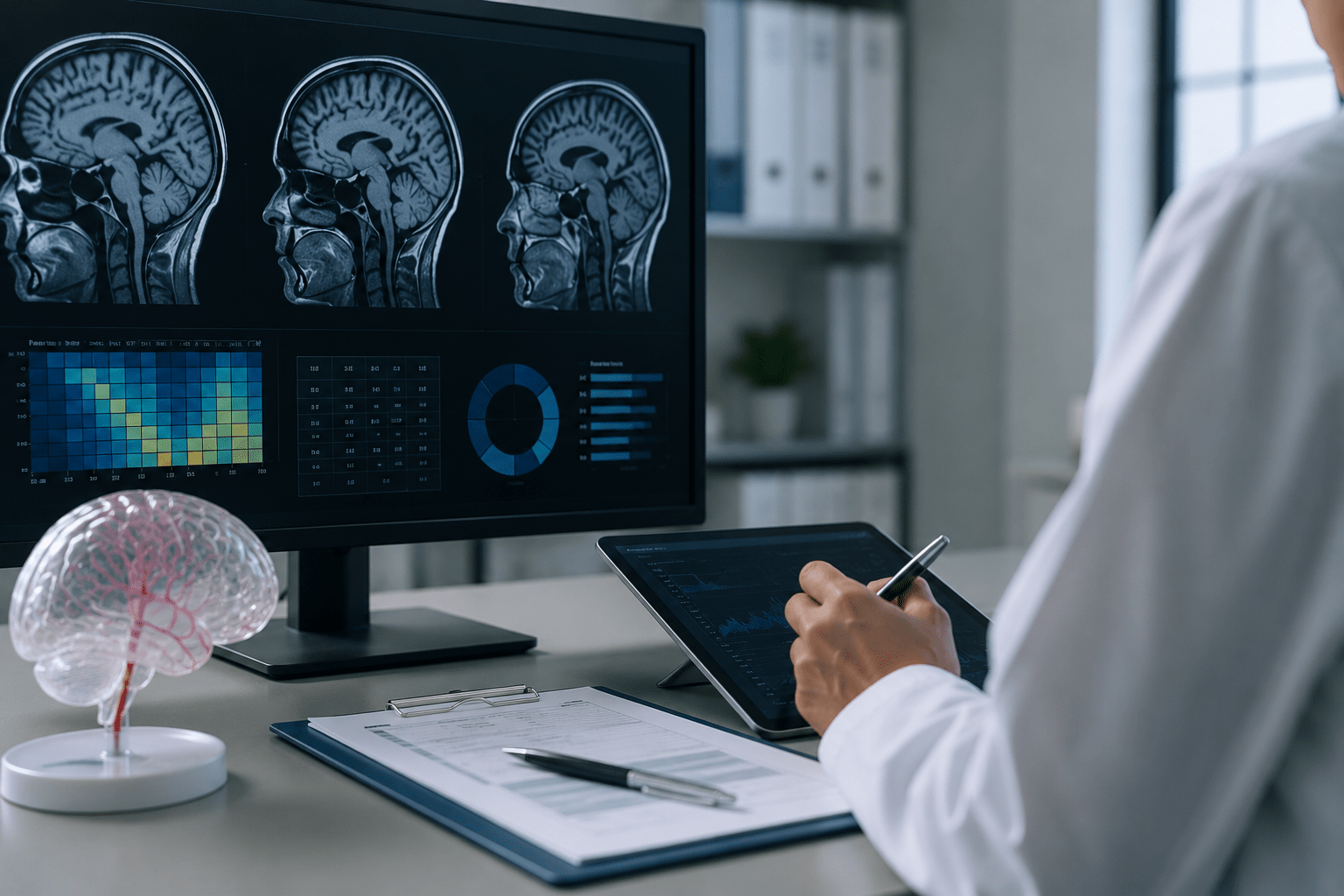
Abstract
Alzheimer’s disease (AD) is a progressive neurodegenerative disorder whose early-stage diagnosis is notoriously challenging. This review examines how machine learning (ML) and artificial intelligence (AI) techniques can improve the early detection of AD, potentially overcoming limitations of traditional diagnostic methods. We synthesize current research on AI-driven tools – including deep learning models like convolutional neural networks (CNNs) and recurrent neural networks (RNNs), as well as classical approaches like support vector machines (SVMs) and natural language processing (NLP) – applied to data from neuroimaging, biomarkers, and cognitive assessments. Key findings indicate that AI systems are capable of identifying subtle pathological patterns (such as brain changes or speech alterations) before significant clinical symptoms of AD emerge, especially when integrating multiple data types. In studies to date, these techniques have achieved high accuracy in distinguishing early AD or mild cognitive impairment from healthy aging. However, issues of data diversity, model interpretability, and ethical use of patient data remain substantial barriers to routine clinical adoption. The promise of AI for AD is its potential to enable non-invasive, scalable, and affordable early screening – a crucial step toward timely interventions. Future research directions emphasize the need for explainable AI, rigorous validation in diverse populations, and seamless integration of AI tools into clinical workflows, to ultimately transform AD diagnosis and improve patient outcomes.
Introduction
Overview of Alzheimer’s Disease
Alzheimer’s disease (AD) is the most prevalent form of dementia, accounting for an estimated 60–80% of all dementia cases worldwide1. It is a fatal, progressively worsening neurodegenerative disorder primarily affecting older adults, although early-onset forms can occur in individuals as young as their 40s. Clinically, AD is characterized by memory loss, cognitive impairment (e.g. difficulties in language, problem-solving, and executive function), and behavioral changes that intensify over time. The disease typically advances through stages: a preclinical phase with no obvious symptoms, a mild cognitive impairment (MCI) stage where cognitive deficits are noticeable but daily functioning is largely intact, and finally the dementia phase of AD where severe cognitive and functional decline necessitates full-time care2,3. At the neuropathological level, AD is marked by the accumulation of β-amyloid plaques outside neurons and neurofibrillary tangles of phosphorylated tau protein within neurons2. These pathological changes lead to synaptic dysfunction and neuronal death, especially in brain regions subserving memory and cognition (such as the hippocampus and cerebral cortex). As AD progresses, affected brain regions atrophy significantly, resulting in the profound memory loss and loss of independence observed in advanced disease4. Globally, the burden of AD and other dementias has grown dramatically—between 1990 and 2019 the prevalence of dementia more than doubled (a ~160% increase)4—highlighting the urgent need for better strategies to manage and ultimately prevent this disease.
Importance of Early Detection
There is growing recognition that interventions for AD are most effective if initiated at the earliest possible stage, ideally even before irreversible neuronal damage has accumulated. Early detection of AD – during the preclinical or MCI phase – offers several crucial benefits:
- Opportunity for Early Intervention: While no cure for AD exists, several treatment options can ameliorate symptoms or modestly slow disease progression. Standard medications such as cholinesterase inhibitors (e.g. donepezil) and NMDA receptor antagonists (memantine) provide symptomatic relief for cognitive and behavioral symptoms. More recently, disease-modifying therapies targeting amyloid plaques (e.g. aducanumab and lecanemab) have been approved5,6. These therapies are believed to be most beneficial in early-stage AD, when there is less accumulated damage and more healthy brain tissue to preserve. An early diagnosis allows patients to begin such treatments sooner, potentially delaying the onset of severe symptoms and slowing cognitive decline5,6.
- Planning and Quality of Life: An early diagnosis gives patients and their families time to plan for the future while the patient can still participate in decision-making. This planning can include legal and financial arrangements (such as establishing power of attorney), discussions about long-term care preferences, and making adjustments to living situations. Additionally, lifestyle modifications can be adopted to support brain health – for example, engaging in regular physical exercise, following a heart-healthy diet, staying socially and mentally active, and managing cardiovascular risk factors (blood pressure, cholesterol, diabetes) – which may help slow cognitive decline. Detecting AD early thus empowers individuals to take proactive steps that could prolong their independence and improve quality of life.
- Access to Clinical Trials: Early-stage patients are ideal candidates for clinical trials of experimental therapies. Many investigational drugs (including anti-amyloid and anti-tau compounds) target the underlying pathology of AD and are hypothesized to be most effective before extensive neurodegeneration has occurred7. An early diagnosis can make patients eligible for such trials, granting them access to cutting-edge treatments years before those treatments reach the market. Participation in trials not only offers potential personal benefit but also contributes to scientific progress in understanding and treating AD.
- Reducing Emotional and Social Impact: When cognitive symptoms are present but unexplained, patients and families often experience anxiety, uncertainty, and distress. Receiving an early and clear diagnosis can end the uncertainty and enable access to education and support resources sooner8. With a confirmed diagnosis, families can seek counseling and join support groups to better cope with the challenges of caregiving. It also allows them to understand the patient’s behavior changes as part of a medical condition, which can reduce stigma. Overall, early detection can mitigate the emotional burden by providing clarity and connecting families with support networks and services at an earlier stage of the disease8.
- Implementing Preventive Strategies: There is increasing evidence that certain lifestyle factors and general health interventions can reduce the risk of developing dementia or slow its progression9. These include maintaining a healthy diet (e.g. a Mediterranean or MIND diet), regular physical exercise, cognitive training or mental stimulation, quality sleep, and controlling vascular risk factors (like hypertension, obesity, and smoking cessation)9,10. Early identification of individuals at risk for AD enables healthcare providers to recommend personalized prevention plans. For example, a patient with early cognitive impairment could be advised to intensify cardiovascular risk management and engage in specific brain training exercises. There is also emerging evidence that treating co-existing conditions such as depression or sleep disorders (e.g. obstructive sleep apnea) may have a positive effect on cognitive health11. Detecting AD pathology early, even before obvious symptoms, thus opens a window to deploy these risk-reduction strategies that might delay or prevent progression to dementia.
In summary, early detection of Alzheimer’s disease is critical as it creates opportunities for interventions that can improve or extend quality of life, allows for better planning and participation in therapy trials, and might enable preventive measures that alter the disease trajectory. These potential benefits motivate intense research into improved early diagnostic methods.
Scope of this Review
Traditional diagnostic approaches for Alzheimer’s rely on clinical assessments (neuropsychological tests and functional evaluations) and, in suspected cases, neurological exams including brain imaging (such as MRI or PET scans) and laboratory tests (cerebrospinal fluid analysis for amyloid β and tau proteins). However, by the time AD can be clinically diagnosed using these methods, significant neurodegeneration has often already occurred. In recent years, there has been a surge of research into whether artificial intelligence (AI) and machine learning (ML) techniques can detect subtle signs of AD earlier than conventional methods. AI algorithms have the ability to discover complex patterns in high-dimensional data that may elude human analysis, raising the possibility of identifying early biomarkers of AD in imaging, biological, or even behavioral data. This review focuses on the application of state-of-the-art AI and ML methods for early diagnosis of Alzheimer’s disease, comparing them to traditional diagnostic approaches. We specifically examine how various AI techniques – including deep learning models like CNNs and RNNs, classical ML models like SVMs, and NLP approaches – have been used to analyze neuroimaging, biochemical biomarkers, and cognitive/language data to improve early AD detection. We highlight the strengths and current achievements of these AI-driven approaches (such as improved accuracy in identifying early AD or predicting progression), as well as their limitations and challenges (such as data requirements and interpretability issues). It is important to note that this review is confined to diagnostic applications; we do not cover pharmaceutical treatments or broader clinical management of AD. Instead, our aim is to elucidate how AI can augment or transform early diagnostic practices, and what steps are needed to translate these technological advances into clinical reality. In the following sections, we first provide background on current AD diagnostic methods and biomarkers (Section 2), then survey the spectrum of AI techniques applied to AD detection (Section 3). We discuss practical and ethical challenges surrounding the use of AI in this context (Section 4), and finally consider future directions for research and implementation of AI-driven early detection in Alzheimer’s disease (Section 5).
Current State of Alzheimer’s Diagnosis and Biomarkers
Conventional Diagnostic Methods
Diagnosing Alzheimer’s disease traditionally involves a combination of clinical evaluation, cognitive testing, and supporting evidence from neuroimaging or laboratory tests. Clinicians typically perform memory and cognitive assessments (such as the Mini-Mental State Examination or Montreal Cognitive Assessment) to evaluate the extent of cognitive impairment. These tests can indicate possible dementia, but on their own they cannot conclusively distinguish AD from other causes of cognitive decline. In practice, a diagnosis of probable Alzheimer’s is often made by ruling out other causes and observing the characteristic pattern of symptoms and progression. However, such clinical diagnoses are most reliable in the dementia stage of AD – in the earlier MCI stage, cognitive test results can be subtle and sometimes overlap with normal aging or other conditions, leading to missed or uncertain diagnoses.
Neuroimaging
Advanced imaging techniques play a key role in supporting AD diagnosis and increasingly in research on early detection. Structural magnetic resonance imaging (MRI) can reveal cerebral atrophy patterns typical of AD, such as hippocampal volume loss and cortical thinning, even in prodromal stages. Functional imaging like 18F-fluorodeoxyglucose positron emission tomography (FDG-PET) shows hypometabolism in temporoparietal regions in AD patients. More specific are amyloid PET scans (using tracers like Pittsburgh compound B or florbetapir) which can visualize amyloid-β plaque deposition in the brain, and tau PET scans that trace neurofibrillary tangles. These PET imaging modalities can detect AD’s hallmark protein aggregates many years before cognitive symptoms become severe. Research studies have demonstrated that even in clinically normal older individuals, elevated amyloid on PET or low Aβ42 in cerebrospinal fluid often predicts higher risk of developing AD dementia in the future3. In fact, the National Institute on Aging–Alzheimer’s Association (NIA-AA) research framework now defines AD biologically by the presence of amyloid (A) and pathologic tau (T) markers, regardless of symptoms3. While MRI and PET provide invaluable insights, they are not widely used for routine screening due to cost, limited availability, and in the case of PET, radiation exposure and invasiveness (for amyloid PET, an injected radiotracer is required).
Biomarkers in CSF and Blood
Cerebrospinal fluid (CSF) analysis is another important diagnostic tool. A lumbar puncture can sample CSF to measure concentrations of AD-related proteins. The classic CSF biomarkers for AD are: amyloid β42 (Aβ42), which is typically reduced in AD patients (because Aβ42 is sequestered in brain plaques, lowering CSF levels); total tau, and phosphorylated tau (p-tau), both of which are elevated in AD due to ongoing neurofibrillary tangle formation and neuronal damage. The ratio of Aβ42 to Aβ40 in CSF is particularly informative – a decreased Aβ42/Aβ40 ratio strongly suggests amyloid plaque pathology and has shown high accuracy in distinguishing AD from other dementias12,13. Likewise, very high levels of p-tau in CSF correlate with AD and even track with disease progression and cognitive decline7,14. These biomarkers can indicate AD pathology even at the MCI or pre-symptomatic stage. However, obtaining CSF requires an invasive lumbar puncture procedure that can be uncomfortable and is not without risk15. This limits its acceptance, especially for routine early screening. In recent years, blood-based biomarkers have emerged as a revolutionary development in AD diagnostics. Ultrasensitive assays can detect abnormal amyloid and tau fragments in blood, which mirror CSF changes. For instance, plasma p-tau (at specific phosphorylated sites like threonine-181 or -217) has demonstrated surprisingly high accuracy in identifying AD and even predicting conversion from MCI to AD dementia16. Similarly, plasma levels of Aβ42/Aβ40, neurofilament light, and other novel protein markers are being studied. Blood tests are far less invasive and more scalable than CSF or PET, raising hope for a simple early detection test for AD that could be given in primary care settings16. As of 2023, several blood biomarker tests for amyloid and tau are in late-stage development or have become available for clinical use in specialized centers16. Nonetheless, real-world validation and standardization of these assays is ongoing, and they are not yet fully integrated into routine practice.
Limitations of Current Approaches
A major challenge with the aforementioned methods is that by the time they yield clear positive results, significant neuropathology may already be present. Cognitive tests largely detect damage that has already impacted brain function; MRI identifies atrophy after neurons are lost; and even biomarkers like amyloid or tau become abnormal years into the disease process. Thus, traditional diagnostics often lag the earliest disease changes. Moreover, frequent screening with PET or lumbar puncture is impractical on a population level. There is also substantial heterogeneity in AD presentation – some patients do not show classic patterns, and comorbidities can confound results (e.g. vascular lesions on MRI). These issues underscore the need for improved early detection methods. Machine learning and AI enter this picture by offering tools to sift through complex, multi-dimensional data (imaging voxels, protein panels, genetic profiles, etc.) to detect subtle signatures of AD risk that a human clinician might overlook. Importantly, AI methods might integrate information from multiple modalities – for example, combining imaging and blood biomarkers – to improve predictive accuracy. The next section of this review will delve into the various AI and ML techniques that are being explored to enhance early detection and diagnosis of Alzheimer’s disease, and how they have performed in research settings.
AI and Machine Learning Methods for Early AD Detection
ML and AI have become transformative tools in many areas of healthcare, and Alzheimer’s disease is no exception. These methods excel at analyzing large and complex datasets to uncover patterns associated with disease that would be difficult to discern manually17. In the context of AD, researchers have applied AI to a range of data sources – from brain scans to genetic profiles to speech recordings – with the goal of identifying early markers of Alzheimer’s or predicting which individuals will develop dementia. This section provides an overview of the main AI techniques used and examples of their application in AD detection and diagnosis.
Overview of Key AI Techniques
Convolutional Neural Networks (CNNs): CNNs are deep learning models specialized for grid-like data, particularly images. They use multiple layers of convolution filters to automatically learn hierarchical features from input images. In AD research, CNNs have been extensively used to analyze neuroimaging data such as MRI and PET scans. For example, a CNN can take a brain MRI as input and learn to detect features (voxel intensity patterns) that differentiate an AD-affected brain from a normal aging brain. CNNs are well-suited for this task because they excel at pattern recognition in images and can capture subtle structural changes in the brain. Studies have shown CNNs can accurately classify brain scans into AD, MCI, or healthy control categories18. One study by Suk et al. (2014) used deep CNN models on MRI data from the Alzheimer’s Disease Neuroimaging Initiative (ADNI) and achieved about in distinguishing 92.4% accuracy AD patients from healthy elderly controls19. Another study by Lin et al. (2018) applied CNNs to PET images targeting amyloid deposition and reached roughly 94% accuracy in detecting AD-related changes20 More recent deep learning models have even combined different imaging modalities: for instance, Yang et al. (2022) developed a multimodal CNN that analyzed both MRI and PET scans together, which improved classification performance to an accuracy of about 97% for AD vs. non-AD discrimination21. CNNs have also been trained to predict progression – AlSaeed and Omar (2022) created a CNN-based model using MRI that could predict which patients with mild cognitive impairment would convert to AD dementia within a few years, with an accuracy of about 85%22. These examples illustrate the power of CNNs for image-based early AD detection. The main limitation of CNNs is their need for large amounts of labeled training data. Training a high-performing CNN from scratch typically requires hundreds or thousands of images; in medical imaging, such large annotated datasets can be hard to obtain. Additionally, CNN models are often considered “black boxes” – they provide a classification but not an easy explanation, which can be problematic in a clinical setting. Efforts are underway to make CNNs more interpretable (as discussed in Section 4). Despite these challenges, CNNs remain a cornerstone of AI applications in AD due to their high accuracy with imaging data.
Recurrent Neural Networks (RNNs): RNNs are a class of neural networks designed to handle sequential or time-series data, where each data point depends on previous ones. In contrast to CNNs, which ignore order and treat each image independently, RNNs have feedback connections that allow them to maintain a “memory” of previous inputs. This makes RNNs useful for modeling temporal patterns, such as changes in a patient’s data over time. In AD research, RNNs (especially the Long Short-Term Memory, LSTM, variant) have been explored for tasks like analyzing time-series signals (e.g. electroencephalogram, EEG, readings) or longitudinal cognitive assessments. For example, an RNN could potentially take as input a sequence of cognitive test scores from yearly evaluations and predict whether the trend indicates early AD. Another emerging area is using RNN-based language models to analyze sequences of words or speech pauses in a patient’s spoken language (since AD can affect the structure of spoken language in subtle ways prior to obvious dementia). RNNs can capture such sequential dependencies. However, RNNs have some drawbacks: they can be difficult and time-consuming to train, and vanilla RNNs suffer from the “vanishing gradient” problem which makes it hard for them to learn long-range dependencies in very long sequences23. LSTMs and related architectures mitigate this to some extent, but training them still requires careful tuning. In practice, RNNs have not been as widely applied in AD detection as CNNs and other methods, partly due to the dominance of imaging data (which is spatial, not sequential) in the field. Nevertheless, they hold promise for analyzing any temporally ordered data available in AD studies (for instance, successive brain scans over years, or streams of sensor data from wearable devices, as discussed later).
Support Vector Machines (SVMs): SVMs are a well-established classical machine learning method (not a deep learning approach) that have been popular in medical diagnosis tasks. An SVM is a supervised learning model that finds the optimal hyperplane to separate data points of different classes in a high-dimensional feature space. SVMs are particularly effective for binary classification and can work well even with limited datasets, which is advantageous in scenarios where patient data are scarce. In AD detection, SVMs have been used frequently in the 2000s and 2010s to classify subjects based on various biomarkers. For example, one could extract a set of features from MRI (such as regional brain volumes) and from CSF measurements (amyloid and tau levels), and train an SVM to classify an individual as AD vs. healthy control based on those features24. SVMs have also been applied to genomics and proteomics data related to AD. Gupta et al. (2019) demonstrated that combining multiple biomarker modalities as features for an SVM significantly improves accuracy: they used a mix of MRI measures, FDG-PET uptake, CSF biomarker levels, and APOE genotype in an SVM classifier, achieving a high area-under-ROC of 0.98 for distinguishing AD patients from cognitively normal individuals – much higher than using any single modality alone24. SVMs tend to generalize well and are less prone to overfitting than very deep neural networks when data is limited. They also allow the use of different kernel functions to handle non-linear patterns. The downsides are that SVMs require careful feature selection or dimensionality reduction (e.g. using PCA) because they can struggle with extremely high-dimensional raw data like full images. They also don’t inherently provide probabilities (though this can be added) and can be sensitive to the choice of hyperparameters (like the regularization constant and kernel parameters). Despite the explosion of deep learning, SVMs and other “traditional” ML methods (like Random Forests, logistic regression, etc.) remain relevant for AD research, especially in analyzing tabular biomarker data or smaller datasets. Random Forests, for instance, have been used to handle complex interactions between risk factors and to rank the importance of different features in predicting AD17. Such models can complement deep learning by providing more interpretability and working better with limited data.
Natural Language Processing (NLP): NLP encompasses a set of AI techniques focused on analyzing and interpreting human language. In Alzheimer’s, early cognitive changes often manifest in a person’s speech and writing. Researchers have found that people in the early stages of AD might use simpler words, shorter sentences, make more grammatical errors, or have longer pauses and hesitations in speech. These linguistic signs can be subtle and not obvious to a human listener, but NLP algorithms can detect patterns across many variables (vocabulary richness, syntactic complexity, speech rhythm, etc.). For example, machine learning models have been trained on transcripts of people describing pictures or engaging in conversation, and have successfully differentiated those with early AD from healthy older adults by their language use25. Modern NLP approaches use advanced language models (often based on deep learning architectures such as Transformers). One approach is to use feature-based models: extract a set of language features (like average sentence length, frequency of pronoun use, semantic coherence measures) and then use an algorithm (SVM, logistic regression, etc.) to classify AD versus non-AD speech samples26. Another approach is to fine-tune large pre-trained language models (like BERT or GPT) on a dataset of patient speech transcripts labeled by diagnosis. NLP applied to spoken language (audio recordings) may also involve speech processing algorithms to capture acoustic features like pitch, speed, and pause duration. The appeal of NLP for AD screening is that language samples can be collected non-invasively and at low cost – for instance, through phone-based cognitive assessments or analysis of writing. Some prototype AI systems can analyze a one-minute sample of spontaneous speech and determine with fairly high accuracy whether the speaker shows signs of cognitive impairment25,26. The challenges for NLP in this domain include dealing with wide variability in speech across individuals, the need for large normative datasets for comparison, and potential differences across languages and cultures. Additionally, NLP models might pick up on spurious patterns if the data is not carefully controlled (for example, detecting education level or dialect instead of cognitive status, which raises fairness concerns). Despite these challenges, NLP remains a promising tool for early AD detection as a complement to biological tests, offering a convenient and scalable screening method.
Summary of AI Tools: Each of the AI techniques above has distinct strengths and weaknesses when applied to Alzheimer’s detection (Table 1). Deep learning methods like CNNs are powerful for image analysis but typically require big data and can be hard to interpret. RNNs are suited for sequential data but may struggle with very long-term trends and are relatively complex to train. Traditional ML models like SVMs perform well on smaller structured datasets and can integrate multimodal features, but they may miss the full complexity captured by deep networks unless features are expertly crafted. NLP techniques enable analysis of language and speech for cognitive clues, offering non-invasive screening possibilities, yet they face challenges in generalization across different populations and languages. In practice, the choice of method often depends on the type of data available: CNNs for MRI/PET images, SVM or deep neural networks for biomarker panels, NLP for speech/text, etc. Increasingly, researchers are also combining these methods – for instance, using CNNs to process images and an SVM to combine the CNN output with other features, or using NLP outputs alongside imaging in a composite model. The next subsection will discuss concrete applications of these tools in various domains of AD detection.
| Tool/Method | Typical Application in AD | Key Strengths | Key Limitations |
| Convolutional Neural Network (CNN) | Analyzing medical images (MRI, PET) for structural/functional brain changes. | High performance in image recognition; automatically learns relevant visual features. | Requires large labeled datasets; results are not easily interpretable (“black box”). |
| Recurrent Neural Network (RNN) | Modeling temporal sequences (longitudinal cognitive tests, EEG signals, etc.). | Captures temporal dependencies and progression trends in sequential data. | Computationally expensive; can have difficulty with long-term sequences (mitigated by LSTM/GRU variants). |
| Support Vector Machine (SVM) | Classifying subjects based on sets of biomarkers (CSF proteins, genomics, imaging-derived measures). | Effective even with smaller datasets; robust to overfitting; can handle high-dimensional feature spaces with kernel trick. | Requires careful feature engineering/dimensionality reduction; primarily binary classification (multi-class requires extension); less scalable to very large feature sets. |
| Natural Language Processing (NLP) | Analyzing speech transcripts or writing for signs of cognitive decline. | Non-invasive and low-cost; can detect subtle linguistic and acoustic markers of impairment. | Performance can be affected by language and cultural differences; needs large normative datasets; interpreting model’s decisions can be challenging. |
Applications of AI in AD Detection and Diagnosis
AI and ML techniques have been applied successfully in several key areas of Alzheimer’s detection, often exceeding traditional methods in accuracy or early predictive power. Here we highlight three major domains of application: neuroimaging analysis, biomarker analysis, and cognitive assessment, as well as the integration of multiple data sources.
Neuroimaging Analysis
Medical imaging has been a primary focus for AI in AD, given the rich information contained in brain scans and the well-defined patterns of AD-related neurodegeneration. Numerous studies have demonstrated that ML algorithms can detect Alzheimer’s by recognizing imaging biomarkers such as hippocampal atrophy, cortical thinning, or patterns of hypometabolism and protein deposition. Early work by Suk et al. (2014) used a deep learning approach to analyze MRI scans from the ADNI dataset, focusing on regions like the hippocampus known to be affected early in AD19. Their CNN-based model achieved 92.38% accuracy in distinguishing patients with AD from healthy controls, significantly higher than earlier approaches. Similarly, Lin et al. (2018) trained a CNN on PET scans to identify regions of high amyloid uptake (e.g., precuneus and posterior cingulate cortex) and reported about 94% accuracy in differentiating AD from non-AD cases20. These studies show that AI can match or surpass human experts in reading brain images for AD, and do so rapidly and consistently.
More recent research has leveraged multimodal imaging, where different types of scans are combined. For example, Yang et al. (2022) combined structural MRI and amyloid PET data to improve classification performance21. By feeding both MRI and PET images into a unified model, they could capture both anatomical changes and molecular pathology, achieving over 97% accuracy in distinguishing AD patients, MCI patients, and healthy individuals. Beyond diagnosing current disease, imaging-based AI models can also predict future decline. AlSaeed and Omar (2022) developed a deep learning model analyzing MRI scans of people with mild cognitive impairment22. Their model could predict which MCI patients would convert to Alzheimer’s dementia within a few years with about 85% accuracy, providing a valuable prognostic tool to identify high-risk individuals for early interventions. Overall, these examples underscore that ML-driven imaging analysis can significantly enhance both the early detection of AD (identifying subtle brain changes before clinical diagnosis) and the prediction of disease trajectory (forecasting which at-risk patients will deteriorate).
Biomarker and Multivariate Data Analysis
Aside from imaging, another rich source of data is biochemical and genetic biomarkers. AI methods have been used to interpret patterns in such biomarkers that signal AD pathology. For instance, researchers have applied SVMs and other classifiers to profiles of CSF biomarkers (levels of Aβ42, total tau, p-tau) to distinguish AD from other dementias or normal aging. These models perform well because the presence of amyloid and tau abnormalities is highly indicative of AD13. Where AI proves especially useful is in dealing with multiple biomarkers simultaneously. Gupta et al. (2019) showed that by combining features across modalities – APOE genotype, CSF Aβ/tau levels, MRI volumetric measures, and PET glucose metabolism – and feeding them into an SVM, the classification of patients (AD vs MCI vs control) became much more accurate than using any single measure24. In their work, the multimodal SVM achieved AUCs in the mid-90% range for various pairwise classifications (e.g., AD vs healthy), underlining the power of integrated data analysis.
Beyond the well-known amyloid and tau, AI is also accelerating the discovery of novel biomarkers. Advanced algorithms can sift through large proteomic or metabolomic datasets from blood samples to identify combinations of molecules that best signal early AD. For example, there is ongoing research using deep learning on panels of blood proteins to see if an “AD signature” can be found that might not be apparent through standard statistical analysis16. Early results are promising, suggesting that AI might help find new blood-based markers that could be used for widespread, non-invasive screening. Random forest models have been useful in these contexts for handling noisy biological data and highlighting which biomarkers (or combinations) are most informative for predicting cognitive decline17. In addition, AI has been used with genetic data beyond APOE – genome-wide association study (GWAS) results produce many risk genes, and machine learning can potentially combine those polygenic risk scores with other factors to improve prediction of who will develop AD.
A notable trend is toward multimodal data integration: combining imaging, biomarker, clinical, and even lifestyle data in a single predictive model. This is a task well-suited for AI, which can handle high-dimensional inputs. Recent work by Calhoun and colleagues (2023) exemplifies this, where generative data fusion techniques were used to integrate MRI and genetic information, revealing complex interactions that would be missed if each modality were considered separately27. Such approaches underscore that to capture the full picture of AD risk, we may need to analyze many data types together – something traditional methods struggle with, but AI can excel at.
Cognitive and Behavioral Assessment
AI is also making inroads in analyzing cognitive test data and daily functioning for early AD signs. One burgeoning area is the use of natural language processing (NLP) on speech and language. Even before formal cognitive tests pick up deficits, people developing Alzheimer’s may exhibit changes in their speaking patterns. For instance, they might have trouble finding words, use more generic terms (like “thing” instead of specific nouns), make more grammatical mistakes, or speak with altered rhythm and prosody. ML models can be trained to detect these subtle linguistic cues. A scoping review by Filiou et al. (2020) found that connected speech analysis – having patients describe a picture or narrate a story – can differentiate AD and MCI from healthy aging with reasonably high accuracy when processed by NLP algorithms25. In one study, an SVM trained on dozens of speech features (lexical diversity, syntactic complexity, acoustic features, etc.) was able to classify AD vs healthy speech with over 80% accuracy, even for individuals in very early stages. Another framework by Luz et al. (2023) used deep learning on speech transcripts and achieved similarly strong performance in flagging cognitive impairment from short snippets of dialogue26. These tools are still in research stages but suggest a future where a simple voice recording analyzed by AI could serve as a quick screening test for cognitive health.
Beyond speech, researchers are exploring other digital biomarkers of early AD that AI can help analyze – such as patterns in daily smartphone use, keystroke dynamics, gait measured by motion sensors, and sleep patterns from wearables. For example, subtle changes in driving behavior or in how someone interacts with their phone (typing speed, mistakes) might correlate with cognitive decline. Wearable devices like smartwatches can continuously monitor activity and physiological signals; preliminary studies indicate that certain changes in day–night activity cycles or mobility might predict cognitive impairment before it is clinically diagnosed28,29. Machine learning models are adept at finding signal in these noisy time-series data. While these approaches are still experimental, they point toward a future in which continuous, passive monitoring by AI could detect the earliest signs of AD in everyday life, prompting formal medical evaluation.
Summary of Achievements
Across imaging, biomarkers, and behavior, AI systems have demonstrated impressive capabilities. They can diagnose established AD with high accuracy, often exceeding 90% in research settings19,20,21. More importantly, they have shown an ability to detect preclinical or prodromal AD changes – for example, identifying which MCI patients will progress to AD, or detecting cognitive decline from subtle speech or activity changes – which is exactly the advance in early detection that the field needs. However, it should be noted that many of these results come from controlled studies, often using well-characterized research cohorts (like ADNI) and retrospective data. Real-world clinical performance may be lower, and there is a risk that models could overfit to specific study populations or devices. Nevertheless, the body of evidence strongly suggests that AI can markedly improve our ability to catch Alzheimer’s disease at an earlier stage than current standard methods.
Challenges and Ethical Considerations
Despite the substantial promise of AI in transforming AD diagnosis, several challenges must be addressed before these tools can be widely adopted in clinical practice. These challenges include technical issues (like model interpretability and data limitations), ethical and privacy concerns, and practical considerations for integration into healthcare settings.
Model Interpretability and Explainability
One of the foremost concerns with using AI, especially deep learning models, is the “black box” nature of many algorithms. Clinicians are understandably wary of basing important diagnostic or treatment decisions on a model’s output if they do not understand the rationale behind it15. For example, if an AI tool flags a cognitively normal person as high-risk for AD, doctors and patients will want to know why – which biomarker or image finding led to that prediction? Traditional diagnostic tests (like an MRI read by a radiologist) come with explanations (“there is atrophy in the hippocampus, suggestive of AD”), whereas a CNN might simply output a probability of AD without explanation. Explainable AI (XAI) is therefore a critical area of development. Several methods exist to make AI model decisions more transparent. Feature importance analysis can be applied to models like Random Forests or even deep networks to quantify which input features (e.g. specific biomarkers or image regions) most influenced the prediction17. In the context of AD, feature importance might reveal that, say, hippocampal volume and CSF tau were the top contributors to a subject’s risk score, aligning with known biology – this alignment can increase trust in the model. For image-based CNNs, techniques like saliency maps or heatmaps are often used: these highlight areas of the image that were most relevant to the AI’s decision. For instance, a CNN analyzing a PET scan could produce a heatmap on the brain image showing high-intensity in the temporal lobes, indicating that those regions drove the AD prediction30. This not only helps validate that the model is focusing on medically meaningful patterns, but can sometimes point out new regions of interest that human readers hadn’t emphasized. Model-agnostic tools like LIME (Local Interpretable Model-Agnostic Explanations) and SHAP (SHapley Additive exPlanations) are also increasingly applied in medical AI31. LIME works by perturbing inputs and seeing how the prediction changes, building a simple local model that approximates the complex model’s behavior for a given instance. Using LIME, one could explain an individual prediction – for example, why a particular patient’s combination of tests led to an “AD” classification, in terms of simplified decision rules. SHAP values, on the other hand, assign each feature a contribution value for a specific prediction, based on game-theoretic principles. In an AD risk model, SHAP analysis might show that for a given patient, the presence of the APOE ε4 allele added, say, 20% risk, low Aβ42 added another 30%, while high education subtracted some risk, etc., giving an additive explanatory view32. While these XAI methods do not completely open the black box, they provide much-needed insight that can help clinicians and patients trust and understand AI recommendations. In fact, regulatory bodies may require such explainability for AI diagnostic tools to gain approval. Continued efforts in developing inherently interpretable models or enhancing XAI will be key to integrating AI into Alzheimer’s care.
Data Privacy and Security
AI models for AD often require large amounts of personal health data – including brain scans, genetic information, and speech recordings – to train and validate. This raises significant privacy concerns. Medical data is highly sensitive, and strict regulations like the Health Insurance Portability and Accountability Act (HIPAA) in the U.S. govern its use. When patient data are used to develop or run AI algorithms, there is a risk of breaches or misuse. For example, if AI tools are deployed via cloud-based services, robust safeguards must ensure that the data cannot be intercepted or accessed by unauthorized parties. Recent high-profile healthcare data breaches have underscored the need for ironclad security in any digital health technology. Furthermore, AI models themselves could inadvertently leak information – advanced attacks have shown that it’s sometimes possible to reconstruct or infer original data from a trained model. Therefore, techniques like data anonymization, encryption, and federated learning (where models are trained across decentralized data sources without raw data leaving secure servers) are being explored to enhance privacy. Another aspect is patient consent: individuals should be informed if their data will be used to train AI systems, and how it will be stored and protected. If AI predictions are delivered to patients (e.g., an app that tells users their cognitive risk), it also introduces questions about how to present that information responsibly and what support to offer, given the psychological impact of an AD risk notification15. In summary, maintaining patient confidentiality and data security is paramount – without it, public trust in AI for healthcare will be low, and ethically, patients could be harmed by unauthorized exposure of their medical or genetic information.
Bias and Fairness
AI models are only as good as the data they are trained on. If the training data is not representative of the broad population, the model may perform unevenly across different groups – which can perpetuate or even worsen health disparities. For instance, if an AD detection algorithm is trained mostly on data from one ethnicity, it might be less accurate in patients from another ethnicity due to differences in biomarkers or health profiles15. Similarly, models might inadvertently incorporate biases related to education level, gender, or socioeconomic status, especially for tools like NLP that analyze speech (since language usage can vary with these factors). This is an ethical concern because misdiagnosis or missed diagnosis in underrepresented groups would exacerbate inequality in care. Researchers and clinicians are increasingly aware of this and emphasize the need for diverse and inclusive datasets in developing AI for AD. Ensuring that datasets include participants from various racial backgrounds, age groups, and both sexes is crucial for the model’s generalizability. In cases where certain groups are underrepresented, techniques such as data augmentation or transfer learning can help, but there is no substitute for real-world validation. Before deployment, an AI model should be tested across different subpopulations to evaluate performance differences. If biases are found, developers may use techniques to mitigate them (for example, adjusting decision thresholds or re-weighting the training data). The ultimate goal is to create AI tools that provide equitable accuracy for all patients, so that one group isn’t unfairly advantaged or disadvantaged by the technology. This aligns with broader ethical principles of justice and fairness in healthcare.
Integration into Clinical Practice
Even if an AI model works well and is understood and unbiased, there remains the practical challenge of integrating it into the routine workflow of clinicians. Doctors and nurses already have limited time with patients, and any new tool needs to fit in seamlessly to be adopted. For instance, an AI that analyzes an MRI for AD needs to be incorporated into the radiologist’s software or PACS system so it appears as part of their normal reading process. If an AI tool requires extra steps, separate logins, or complicated data entry, busy clinicians may resist using it. Therefore, human-centered design of AI tools is critical – the interface should be user-friendly and provide output in a clear format (e.g., a simple risk score with explanation and recommendation). Training healthcare providers to interpret and use AI results is another aspect. If a tool flags someone as high risk for AD, clinicians should know how to communicate that to the patient and what follow-up actions to take (additional testing, preventive measures, etc.). Regulatory and legal aspects are also part of integration. AI diagnostics may need approval from bodies like the FDA, which requires evidence of safety and effectiveness comparable to traditional devices or tests. Liability is a question too: who is responsible if the AI is wrong – the provider, the hospital, or the software manufacturer? Clear guidelines and regulations can help navigate this, but they are still evolving for AI in medicine. Lastly, cost and reimbursement will affect adoption. If using an AI diagnostic adds cost, clinics will want to know if there’s reimbursement or clear benefit (like saving time or preventing expensive care down the line). Some AI tools might reduce the need for more invasive tests (for example, a blood-test-based AI might reduce reliance on PET scans), which could save money if implemented broadly. In summary, bridging the gap between experimental AI models and real clinical practice requires careful attention to usability, workflow integration, regulation, and demonstrating tangible value to healthcare systems.
In light of these challenges, researchers are actively working on solutions. For interpretability, as noted, XAI methods are being refined, and some are specifically tailoring interpretation tools to AD models (like visualizing which brain regions an algorithm focuses on). For data issues, initiatives to share data across institutions (while preserving privacy) aim to pool larger, more diverse datasets to train robust models33. Ethical guidelines for AI in healthcare are being drafted by various organizations, emphasizing transparency, patient consent, and monitoring for bias. Some pilot programs involve “human-in-the-loop” systems where AI provides a preliminary assessment that must be confirmed by a clinician – leveraging AI’s efficiency while keeping human judgement at the center. This kind of human–AI collaboration could be particularly effective in dementia care: for example, AI might handle large-scale screening of thousands of people (identifying who among a general population might need further evaluation), and clinicians then focus on those flagged, using their expertise to confirm diagnoses and plan interventions.
Addressing these challenges is crucial not just to make AI perform well in a lab, but to truly benefit patients in the real world. An AI model that is highly accurate in a research paper is of little use if it cannot be trusted, understood, or implemented in practice. Conversely, if we manage to create AI systems that clinicians trust, that respect patient rights, and that demonstrably improve early detection of AD, the impact could be transformative – potentially shifting the diagnostic process to a much earlier point in the disease and enabling interventions that change patients’ trajectories.
Discussion and future Directions
The convergence of AI and Alzheimer’s disease research is paving the way for a paradigm shift in how we approach AD diagnosis – from a largely reactive process to a proactive and personalized one. In this section, we discuss promising future directions for early AD detection using AI, considering both technological advances and the broader context of patient care. Key areas of focus include multimodal data integration, personalized predictive modeling, continuous monitoring via consumer devices, non-invasive screening methods, and the synergy between AI diagnostics and emerging AD therapies. We also revisit the importance of addressing ethical and practical challenges as these technologies develop.
Multimodal Data Integration and Holistic Diagnosis
One clear trajectory is toward AI systems that integrate multiple types of data to provide a more comprehensive assessment of Alzheimer’s risk. AD pathology is complex and multifactorial – hence relying on any single biomarker or cognitive test may not capture the full picture. A future AI diagnostic might combine data from brain imaging, blood tests, genetic profiles, cognitive assessments, and even lifestyle factors into one unified risk model. Recent studies have shown the power of such an approach; for instance, a model that fuses MRI with genetic information was able to identify subtle patterns linked to AD that were not evident from either modality alone27. By learning from the interactions between modalities (e.g., how a certain genetic risk might correspond with a specific imaging finding), AI could improve both sensitivity (catching more true cases early) and specificity (reducing false alarms due to one abnormal test that might be an outlier). In practical terms, this could mean that in 5–10 years, a patient might undergo a single combined “AD early detection workup” where they provide a blood sample, take a cognitive digital test, maybe have a quick brain scan or retinal scan, and all those data feed into an AI that outputs an overall likelihood of Alzheimer’s pathology and prognosis. Multimodal AI frameworks will require large training datasets that have all these data types for the same individuals – something that calls for big collaborative efforts and data sharing between research cohorts and healthcare systems. If achieved, however, such holistic AI diagnostics would mirror the way a skilled clinician synthesizes information, but with the added ability to quantitatively weigh dozens of inputs. This could significantly enhance early diagnosis, especially in atypical cases where one data source alone might be misleading.
Personalized Medicine and Predictive Modeling
AI offers the possibility of truly personalized medicine for Alzheimer’s disease. Beyond diagnosing whether someone has AD or not, future models aim to predict an individual’s trajectory – how quickly will their cognition decline, what symptoms might emerge first, what treatments would be most effective for them. By training on longitudinal data from many patients, ML models can learn patterns that anticipate disease progression. For example, Sharma and Mandal (2022) discuss deep learning models that use multi-time-point imaging data to forecast future atrophy patterns, essentially showing where a person’s brain is headed30. Extending this idea, predictive models could integrate risk factors (genetics, lifestyle) to estimate the likelihood of a currently healthy person developing AD over the next 5, 10, or 20 years. Clinicians could use such tools to identify high-risk individuals long before symptoms and implement monitoring or preventative strategies. Importantly, as disease-modifying therapies (like anti-amyloid or anti-tau drugs) continue to be developed, these predictive models could guide who should receive them and when. If an AI algorithm determines someone is on course to develop AD in the near future, that person might be an ideal candidate for early intervention with a drug or lifestyle program. This kind of personalized risk prediction moves the field from a one-size-fits-all approach to one tailored by AI-driven insights. However, delivering on this promise requires careful validation – over-predicting risk could needlessly alarm patients, while under-predicting could give false reassurance. Thus, future research will need not only to refine predictive accuracy but also to figure out how best to communicate risk predictions in a clinical setting (perhaps similar to cardiovascular risk scores used today, but for cognitive decline).
Continuous Monitoring and Digital Biomarkers
Another exciting frontier is the use of wearable devices and mobile technology for continuous monitoring of cognitive health. The ubiquity of smartphones, smartwatches, and other sensors means we now have an opportunity to gather real-world, real-time data on patients’ activities and behaviors. AI algorithms can analyze these data streams to detect patterns indicative of cognitive decline. For example, changes in gait and balance (detected by phone motion sensors) or changes in sleep quality and circadian rhythm (detected by smartwatches) have been linked to neurodegenerative changes11. An AI system could continuously analyze these subtle changes and trigger an alert if a concerning trend emerges – akin to how some smartwatches can now warn of irregular heart rhythms. Early studies support this direction: Zhao et al. (2023) conducted a systematic review and found that various features extracted from wearable sensor data can help in diagnosing neurodegenerative diseases, including early-stage Alzheimer’s28. Similarly, Chudzik et al. (2024) demonstrated that machine learning models using digital biomarkers (like typing speed, reaction times in smartphone games, and so on) could detect early cognitive impairment with promising accuracy29. We may envision a future “digital cognitive coach” – an AI that lives in one’s phone or wearable, passively monitoring cognitive indicators and advising when a clinical check-up is warranted. This could massively scale early detection to the population level, catching signs in individuals who might never have otherwise undergone screening. Of course, this approach will generate huge amounts of data and potential noise, so specificity is a concern – we don’t want to overwhelm doctors with false positives from worried well individuals. Research will continue to refine which digital signals are most meaningful and how to combine them to maximize accuracy. Privacy is also a consideration, since continuous monitoring can feel intrusive; ensuring users have control and that data is securely handled will be paramount. Still, the potential of continuous, AI-driven monitoring is a game-changer: rather than a once-a-year test at the doctor’s office, detection becomes an ongoing, dynamic process.
Non-Invasive Screening Tools (Retinal Imaging and Beyond)
A parallel avenue of innovation is the development of non-invasive screening tests for AD that can be easily administered, potentially by general practitioners or even at home. One area gaining traction is retinal imaging. The retina, being an extension of the central nervous system, can exhibit changes that mirror brain pathology. Researchers have found that certain retinal scans (including optical coherence tomography, OCT) can reveal thinning of retinal nerve fiber layers or deposits that correlate with AD pathology. AI models have been applied to retinal photographs and OCT images to see if they can detect AD – with moderate success so far (one meta-analysis found an AUC ~0.73 for AI-based retinal diagnosis of AD)5. As imaging techniques improve and more data become available, it’s conceivable that a quick eye scan analyzed by AI could become part of routine check-ups for older adults, as a screening for brain health. In fact, some tech startups and research consortia (e.g., the Alzheimer’s Eye Project) are actively working on AI algorithms that use retinal scans to flag early Alzheimer’s, with preliminary reports of around 90% accuracy in distinguishing AD patients from controls using deep learning on retinal images4. If validated, this approach is very appealing due to its low cost, speed, and non-invasive nature.
Another non-invasive approach is voice analysis, as mentioned earlier, which could be delivered through a simple phone app. Additionally, electrophysiological tests like EEG (which is non-invasive and relatively cheap) might be revisited with AI – subtle changes in EEG signals or event-related potentials might serve as early biomarkers if analyzed by powerful ML algorithms, potentially providing a quick office-based test.
The common theme is pushing detection methods to be easily accessible and acceptable, so that individuals can be screened early without needing specialized or invasive procedures. AI is the key enabler for many of these methods, as it can find the faint signal in modalities like retina or EEG that humans might not discern. Over the next decade, we might see multi-pronged screening strategies: for instance, a combination of a blood test for key proteins and an AI-analyzed retinal scan could become the new gold standard for initial AD screening, with only those positive requiring more intensive evaluation like PET scans or lumbar puncture. This tiered approach would greatly widen the net of early detection at a reasonable cost and effort.
AI in Drug Development and Clinical Trials
Looking beyond diagnosis, AI is also poised to play a significant role in therapeutic development for Alzheimer’s. Drug discovery is notoriously slow and expensive, particularly in AD where clinical trials often last years and have high failure rates. AI can accelerate this in a few ways. First, machine learning models can be used on large biological datasets to identify new drug targets or to predict which molecules might have desirable effects on AD pathways (for example, AI-driven analyses of protein structures to find compounds that prevent amyloid aggregation)5. Second, AI can optimize clinical trial design – for example, algorithms can help identify which subpopulations of AD patients (based on biomarkers or genetics) are most likely to respond to a given experimental drug, enabling more targeted and efficient trials. We’ve seen instances where retrospective AI analysis of trial data found that a drug was effective in a subset of patients (like those with certain biomarker profiles) even if the trial failed on average; going forward, such insights can be used prospectively to design precision trials. Third, as mentioned earlier, continuous monitoring tools can be deployed in trial participants to gather rich data on how drugs are affecting daily function, providing more sensitive outcome measures than infrequent clinic visits. The end result could be faster approval of effective treatments, and perhaps the ability to match patients to therapies that work best for their specific disease subtype. For example, if one day we have both anti-amyloid and anti-tau drugs, an AI might analyze a patient’s profile and suggest that their disease is more tau-driven and thus they should get the tau-targeted therapy first. This kind of personalized therapeutic guidance would be akin to how oncology now uses biomarkers to choose treatments, and AI will be the logical engine to drive those decisions in AD.
Continuing Emphasis on Ethics and Patient-Centric Design
As we embrace these advanced technologies, the conversation around ethics, consent, and patient preferences will remain front and center. Future systems will likely involve even more pervasive data collection (e.g., in-home sensors for an elderly person living alone) and predictive analytics that could tell someone their risk decades in advance. It will be essential to develop guidelines on how and when such information is communicated. There is an ethical debate, for instance, about predicting Alzheimer’s in an asymptomatic 40-year-old – do we have an obligation to tell them, and how do we support them psychologically afterwards15 ? The role of genetic information (like polygenic risk scores) combined with AI predictions raises similar issues of counseling and potential discrimination (e.g., long-term care insurance implications). We will need to ensure that AI tools are used to empower and support patients, not to burden or label them prematurely. Part of this will involve making AI outputs understandable to patients, not just clinicians – possibly providing results with confidence intervals, explanations, and suggested actions in lay language. Additionally, as AI becomes more integrated into care, continued vigilance is required to monitor its impact: Are certain groups not benefiting? Is the AI introduction actually improving outcomes (e.g., are those detected early via AI receiving interventions that help)? These are empirical questions that future clinical studies will need to answer.
In conclusion, the future of early AD detection and diagnosis is likely to be fundamentally shaped by AI and machine learning innovations. We foresee a scenario in which Alzheimer’s disease can be detected and managed in a way that was not possible before – identifying high-risk individuals even before symptoms, intervening early to slow or prevent dementia, and tailoring treatments to individuals. Achieving this will require close collaboration between technologists, clinicians, researchers, and patients. Each advancement (be it a better algorithm or a novel sensor) will need to be evaluated in real-world healthcare environments. If done thoughtfully, the payoff is enormous: a world where Alzheimer’s is caught at its inception and effectively mitigated, rather than recognized only in its late, devastating stage. AI is not a magic bullet, but it is a powerful tool that, combined with human expertise and compassion, could usher in a new era for Alzheimer’s care.
Conclusion
Artificial intelligence and machine learning are driving significant advancements in the early detection of Alzheimer’s disease, offering hope that we can change the diagnostic timeline of this devastating illness. By leveraging complex patterns in neuroimaging, biological markers, and even everyday behaviors, AI-based systems have demonstrated the ability to identify Alzheimer’s-related changes well before traditional clinical symptoms allow a diagnosis. This earlier detection opens the door to timely interventions, which is especially crucial as new disease-modifying therapies emerge that are most effective in early stages. Moreover, AI algorithms can personalize risk assessments and potentially guide targeted prevention strategies, aligning with a future of precision medicine in neurology.
However, realizing the full potential of AI in AD care requires surmounting several hurdles. Ensuring that AI tools are transparent, fair, and validated across diverse populations is imperative to build trust among clinicians and patients. Robust safeguards must be in place to protect patient data and privacy as we integrate these digital tools into healthcare. It is equally important to maintain a patient-centered approach – using AI to support clinical decision-making, not replace it, and communicating AI-derived insights to patients with clarity and empathy.
In summary, the integration of AI and ML into early Alzheimer’s detection holds the promise of transforming our approach from reactive diagnosis to proactive health management. The research reviewed in this paper illustrates both the impressive progress made and the challenges that remain. With ongoing interdisciplinary collaboration and careful attention to ethical implementation, AI-driven strategies could usher in a new era in which Alzheimer’s disease is detected and treated at a stage when meaningful preservation of cognitive function is still possible. The coming years will be crucial in translating these technological innovations into routine clinical practice, potentially changing the trajectory of Alzheimer’s for millions at risk – a leap forward that would have been difficult to imagine just a couple of decades ago.
References
- Scheltens, P. et al. Alzheimer’s disease. The Lancet. Vol. 397, no. 10284, pg. 1577–1590, 2021. [↩]
- Perl, D. P. Neuropathology of Alzheimer’s disease. Mt. Sinai Journal of Medicine. Vol. 77, no. 1, pg. 32–42, 2010. [↩] [↩]
- Jack, C. R. et al. NIA-AA research framework: Toward a biological definition of Alzheimer’s disease. Alzheimer’s & Dementia. Vol. 14, no. 4, pg. 535–562, 2018. [↩] [↩] [↩]
- GBD 2019 Dementia Forecasting Collaborators. Global, regional, and national burden of Alzheimer’s disease and other dementias, 1990–2019. Frontiers in Aging Neuroscience. Vol. 14, Article 937486, 2022. [↩] [↩] [↩]
- Passeri, E. et al. Alzheimer’s disease: Treatment strategies and their limitations. International Journal of Molecular Sciences. Vol. 23, no. 22, Article 13954, 2022. [↩] [↩] [↩] [↩]
- Panza, F. et al. Current anti-amyloid-β therapy for Alzheimer’s disease: From clinical research to real-world practice. Current Opinion in Pharmacology. Vol. 67, Article 102336, 2023. [↩] [↩]
- Khanna, A. et al. Tau protein-targeted therapies in Alzheimer’s disease: current state and future perspectives. In Alzheimer’s Disease: Drug Discovery. Exon Publications, pg. 109–126, 2020. [↩] [↩]
- Robinson, L., Tang, E., Taylor, J.-P. Dementia: timely diagnosis and early intervention. BMJ. Vol. 350, Article h3029, 2015. [↩] [↩]
- Barnes, D. E., Yaffe, K. The projected effect of risk factor reduction on Alzheimer’s disease prevalence. Lancet Neurology. Vol. 10, no. 9, pg. 819–828, 2011. [↩] [↩]
- Chen, H. et al. Association of the MIND diet with the risk of dementia. JAMA Psychiatry. Vol. 80, no. 7, pg. 630–638, 2023. [↩]
- Osman, A. M. et al. The link between obstructive sleep apnea and neurocognitive impairment: An official American Thoracic Society workshop report. Annals of the American Thoracic Society. Vol. 19, no. 8, pg. 1245–1256, 2022. [↩] [↩]
- Mangialasche, F. et al. Alzheimer’s disease: clinical trials and drug development. Lancet Neurology. Vol. 9, no. 7, pg. 702–716, 2010. [↩]
- Dubois, B. et al. Biomarkers in Alzheimer’s disease: role in early and differential diagnosis and recognition of atypical variants. Alzheimer’s Research & Therapy. Vol. 15, Article 175, 2023. [↩] [↩]
- Hansen, N. et al. Cerebrospinal fluid total tau protein correlates with longitudinal cognitive decline in Alzheimer’s disease and in dementia with Lewy bodies. Frontiers in Immunology. Vol. 13, Article 840516, 2022. [↩]
- Ursin, F., Timmermann, C., Steger, F. Ethical implications of Alzheimer’s disease prediction in asymptomatic individuals through artificial intelligence. Diagnostics. Vol. 11, no. 3, Article 440, 2021. [↩] [↩] [↩] [↩] [↩]
- Hansson, O. et al. Blood biomarkers for Alzheimer’s disease in clinical practice and trials. Nature Aging. Vol. 3, no. 5, pg. 506–519, 2023. [↩] [↩] [↩] [↩]
- Kumar, Y. et al. Artificial intelligence in disease diagnosis: a systematic literature review, synthesizing framework and future research agenda. Journal of Ambient Intelligence and Humanized Computing. Vol. 14, pg. 8459–8486, 2023. [↩] [↩] [↩] [↩]
- Vrahatis, A. G. et al. Revolutionizing the early detection of Alzheimer’s disease through non-invasive biomarkers: The role of artificial intelligence and deep learning. Sensors. Vol. 23, no. 9, Article 4184, 2023. [↩]
- Suk, H.-I. et al. Hierarchical feature representation and multimodal fusion with deep learning for AD/MCI diagnosis. NeuroImage. Vol. 101, pg. 569–582, 2014. [↩] [↩] [↩]
- Lin, W. et al. Convolutional neural networks-based MRI image analysis for the Alzheimer’s disease prediction from MCI. Frontiers in Neuroscience. Vol. 12, Article 777, 2018. [↩] [↩] [↩]
- Yang, F. et al. Combining PET with MRI to improve predictions of progression from mild cognitive impairment to Alzheimer’s disease: an exploratory radiomic analysis. Annals of Translational Medicine. Vol. 10, no. 9, Article 513, 2022. [↩] [↩] [↩]
- AlSaeed, D., Omar, S. F. Brain MRI analysis for Alzheimer’s disease diagnosis using CNN-based feature extraction and machine learning. Sensors. Vol. 22, no. 8, Article 2911, 2022. [↩] [↩]
- Lipton, Z. C., Berkowitz, J., Elkan, C. A critical review of recurrent neural networks for sequence learning. arXiv preprint arXiv:1506.00019, 2015. [↩]
- Gupta, Y., Lama, R. K., Kwon, G.-R. Prediction and classification of Alzheimer’s disease based on combined features from apolipoprotein-E genotype, cerebrospinal fluid, MR, and FDG-PET imaging biomarkers. Frontiers in Computational Neuroscience. Vol. 13, Article 72, 2019. [↩] [↩] [↩]
- Filiou, R.-P. et al. Connected speech assessment in the early detection of Alzheimer’s disease and mild cognitive impairment: a scoping review. Aphasiology. Vol. 34, no. 5, pg. 585–615, 2020. [↩] [↩] [↩]
- Luz, S. et al. Natural language processing-driven framework for the early detection of language and cognitive decline. Language and Health. Vol. 1, no. 1, pg. 20–35, 2023. [↩] [↩] [↩]
- Geenjaar, E. P. et al. Chromatic fusion: generative multimodal neuroimaging data fusion provides multi-informed insights into schizophrenia. medRxiv. 2023.05.18.23290184, 2023. [↩] [↩]
- Zhao, H. et al. Wearable sensors and features for diagnosis of neurodegenerative diseases: a systematic review. Digital Health. Vol. 9, Article 20552076231173569, 2023. [↩] [↩]
- Chudzik, A., Śledzianowski, A., Przybyszewski, A. W. Machine learning and digital biomarkers can detect early stages of neurodegenerative diseases. Sensors. Vol. 24, no. 3, Article 1572, 2024. [↩] [↩]
- Sharma, S., Mandal, P. K. A comprehensive report on machine learning-based early detection of Alzheimer’s disease using multi-modal neuroimaging data. ACM Computing Surveys. Vol. 55, no. 4, Article 43, 2022. [↩] [↩]
- McDermott, J. et al. Health Insurance Portability and Accountability Act (HIPAA) compliance for artificial intelligence research: a brief review. StatPearls [Internet]. Updated 2023. [↩]
- Calhoun, V. D., Sui, J. Multimodal fusion of brain imaging data: A key to finding the missing link(s) in complex mental illness. Biological Psychiatry: Cognitive Neuroscience and Neuroimaging. Vol. 1, no. 3, pg. 230–244, 2016. [↩]
- Frisoni, G. B. et al. Strategic roadmap for an early diagnosis of Alzheimer’s disease based on biomarkers. Lancet Neurology. Vol. 16, no. 8, pg. 661–676, 2017. [↩]