Abstract
The gut–brain axis is an expanding area of mental health research, representing the connection between the gastrointestinal microbiota and neural, immune, and endocrine pathways that influence mood and behavior. There is emerging evidence pointing to disruptions in the gut microbiome that may contribute to depression and anxiety. Additionally, research indicates that interventions targeting the microbiota, such as probiotics, prebiotics, dietary changes, and fecal microbiota transplantation, may help alleviate symptoms. This review synthesizes and critically assesses 37 animal and human studies on microbiome-targeted treatments for depression and anxiety. Animal research reveals promising effects on neurochemical, immune, and stress-response pathways. However, human trials offer mixed findings. These trials are often limited by short durations, small sample sizes, and preliminary status. Few studies include biological markers of microbial or immune changes alongside mood outcomes, making generalization difficult. Probiotics and dietary approaches show some symptom improvement, whereas prebiotics and fecal transplants are still in early development. This area of research faces challenges such as individual variability, inconsistent intervention protocols, and safety concerns. Despite these challenges, microbiome-focused treatments could become valuable adjuncts or personalized options for psychiatric treatment.
Keywords: ‘gut microbiota,’ ‘microbiome,’ ‘depression,’ ‘anxiety,’ ‘diet,’ ‘probiotics,’ and ‘prebiotics.’
Introduction
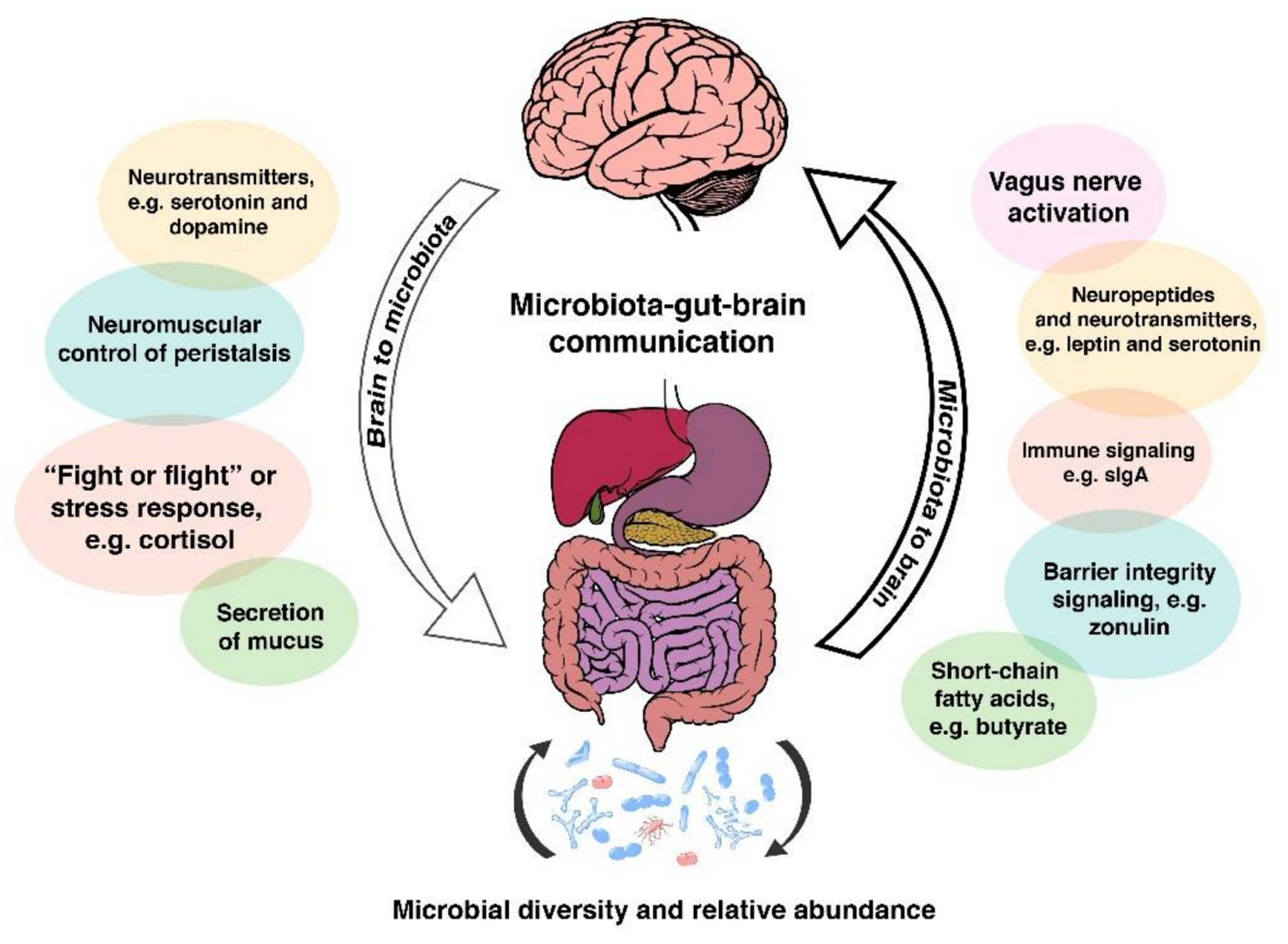
The gut-brain axis has become a central focus of research over the last couple of years. The gut microbiota consists of a diverse community of microorganisms, including bacteria, fungi, viruses, and archaea, that reside in the digestive tract. The gut–brain axis refers to the bidirectional communication network linking the gastrointestinal tract and the central nervous system. It is connected through neural, endocrine, immune, and metabolic pathways1.Experimental studies demonstrate that microbial metabolites, vagal signaling, and immune mediators can influence stress responsivity and behavior1,2. The principal pathways involved in gut–brain communication, include vagal signaling, cytokine modulation, and the production of short-chain fatty acids (Fig. 1).
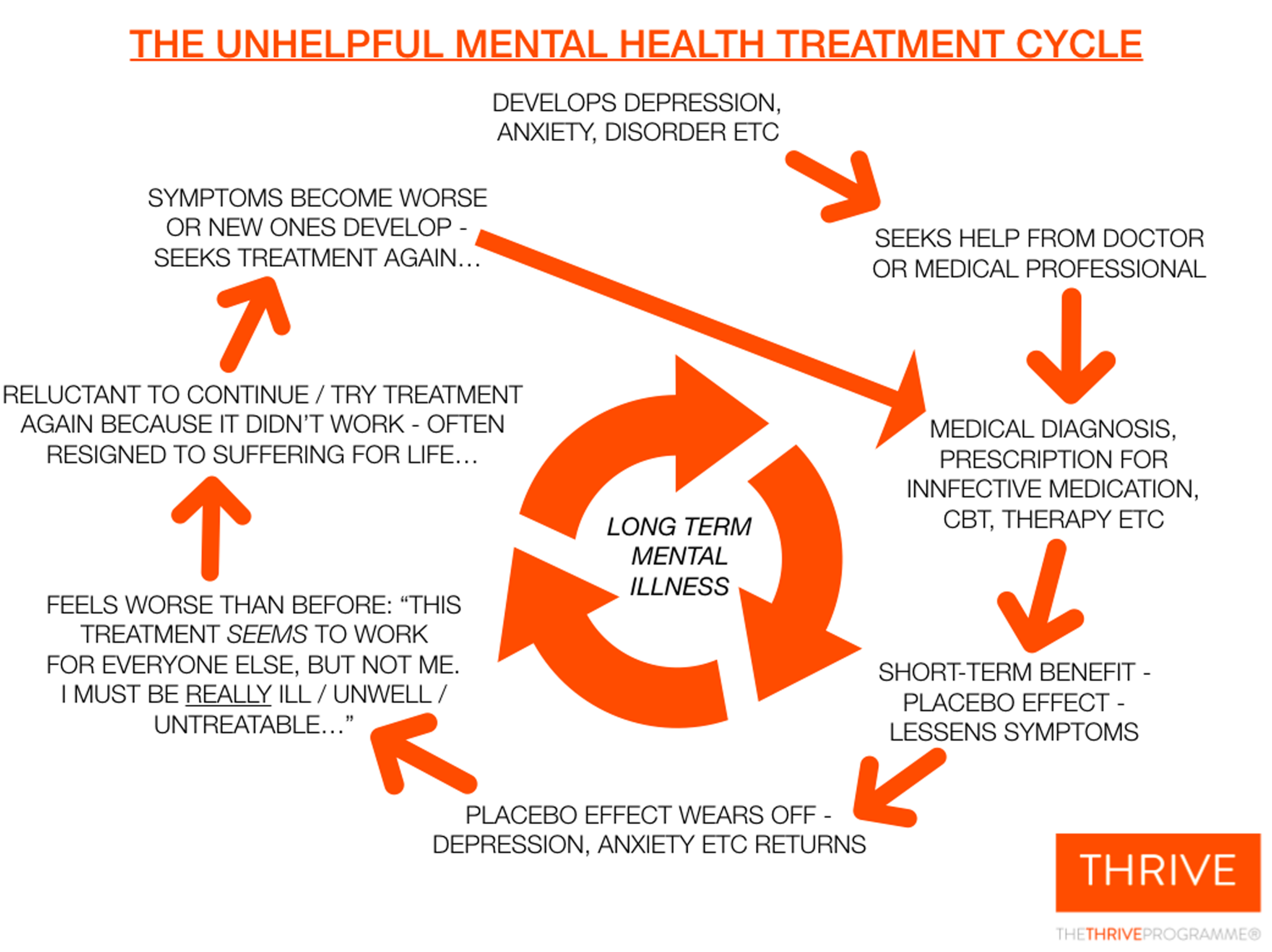
There has been increasing primary evidence that has prompted investigation into whether alterations in gut microbiota contribute to psychiatric disorders. Depression and anxiety disorders are among the most prevalent mental health conditions worldwide. Both depression and anxiety are associated with impaired quality of life and functional disability. Depression is characterized by persistent sadness, loss of interest or pleasure, fatigue, changes in sleep and appetite, and difficulty concentrating4. Anxiety disorders involve excessive fear, worry, restlessness, and physical symptoms such as rapid heartbeat or muscle tension5.Both conditions are associated with disturbances in brain chemistry, stress hormones, and neural connectivity, particularly in regions regulating mood and emotion4. Cognitive Behavioral Therapy (CBT) is one of the most effective psychological treatments, helping individuals identify and modify negative thought patterns and behaviors associated with distress6. Pharmacological treatments primarily include antidepressants, especially selective serotonin reuptake inhibitors (SSRIs) and serotonin-norepinephrine reuptake inhibitors (SNRIs), which help restore balance to brain neurotransmitters involved in mood regulation6. Despite established pharmacological and psychotherapeutic interventions, treatment outcomes remain inconsistent. In the Sequenced Treatment Alternatives to Relieve Depression (STAR*D) trial, fewer than one-third of patients achieved remission following first-line antidepressant therapy, and cumulative remission rates declined with successive treatment steps7. Patterns of partial response and relapse observed in clinical practice are conceptually represented, highlighting variability in treatment trajectories. (Fig. 2) These findings highlight limitations in current therapeutic strategies and the need to investigate biologically distinct or adjunctive treatment approaches.
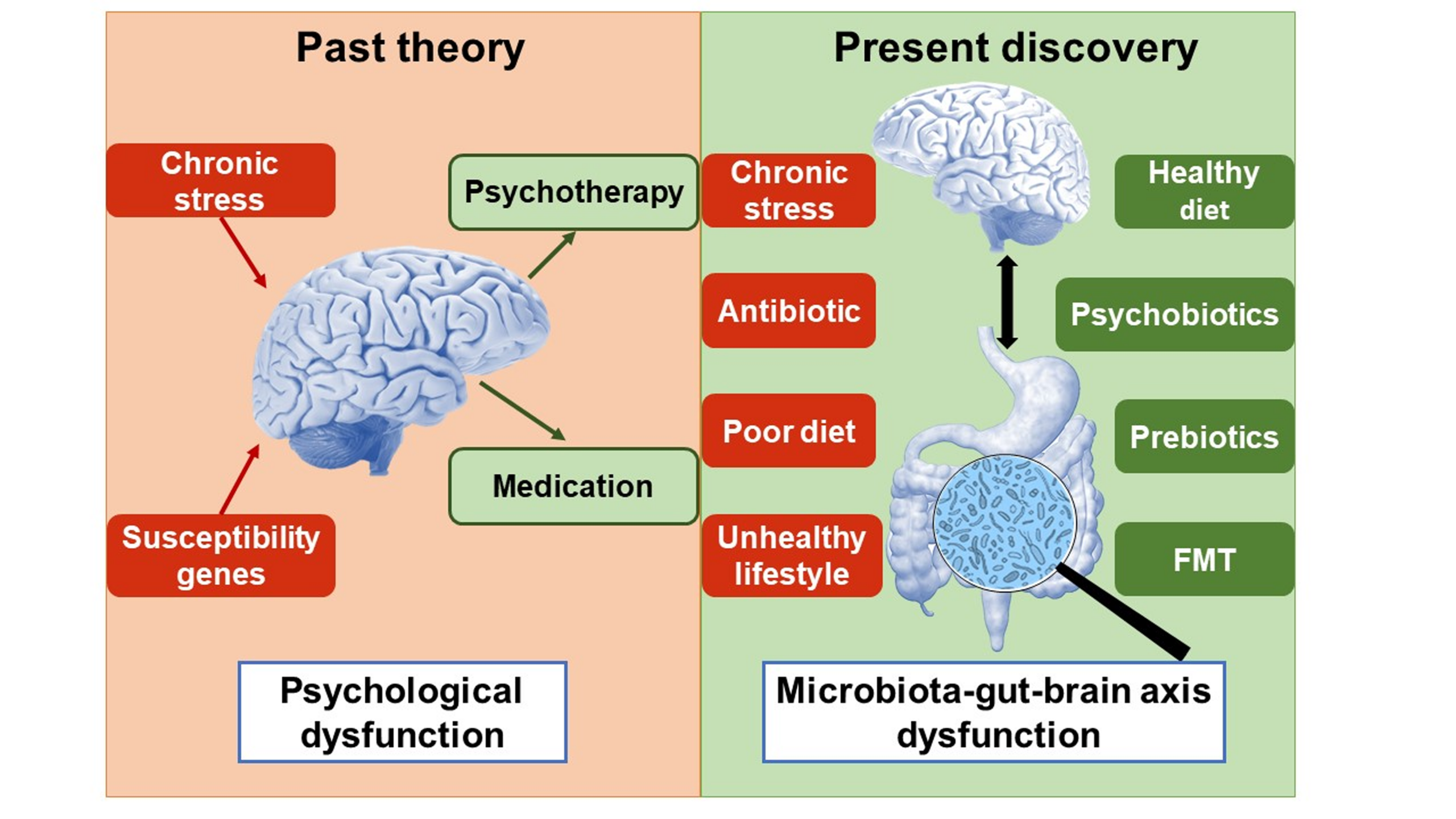
Emerging primary clinical evidence suggests that inflammatory and metabolic dysregulation may contribute to depressive symptoms. Elevated inflammatory markers have been associated with depressive severity in human trials9. Moreover, a randomized controlled trial demonstrated that the tumor necrosis factor antagonist infliximab reduced depressive symptoms in patients with elevated baseline inflammation10. Because gut microbiota composition influences systemic immune signaling, alterations in microbial communities represent a plausible biological mechanism linking peripheral physiology to mood regulation, and conceptual models of microbiome-targeted therapeutic strategies have therefore been proposed. (Fig. 3)
Human microbiome studies further support this association. Case-control investigations report differences in gut microbial composition in individuals with major depressive disorder compared to healthy controls11. Experimental transplantation studies strengthen causal inference: transfer of microbiota from depressed patients into microbiota-depleted rodents induces depression-like behaviors and metabolic alterations12,13, and microbiota transfer from chronically stressed animals produces anxiety- and depression-like phenotypes in recipients14. However, while preclinical findings provide mechanistic insight, the magnitude and consistency of clinical effects in human populations remain uncertain.
Therapeutic strategies targeting the gut microbiota include probiotic supplementation, dietary modification, prebiotic administration, and fecal microbiota transplantation (FMT). However, baseline microbiome composition differs substantially across individuals and populations15, potentially influencing treatment responsiveness. Moreover, depression itself may alter diet, sleep, and inflammatory physiology, complicating causal interpretation of microbiome changes. These factors underscore the need for a systematic synthesis of available primary evidence.
Therefore, this study conducts a systematic review of primary experimental and clinical investigations examining microbiome-targeted interventions for depression and anxiety. By distinguishing mechanistic findings from clinical outcomes and identifying methodological sources of heterogeneity, this review aims to clarify the strength of current evidence and define priorities for future research. This review evaluates evidence from animal models and human trials investigating probiotics (1), prebiotics (2), dietary interventions (3), and fecal microbiota transplantation (4).
Methods
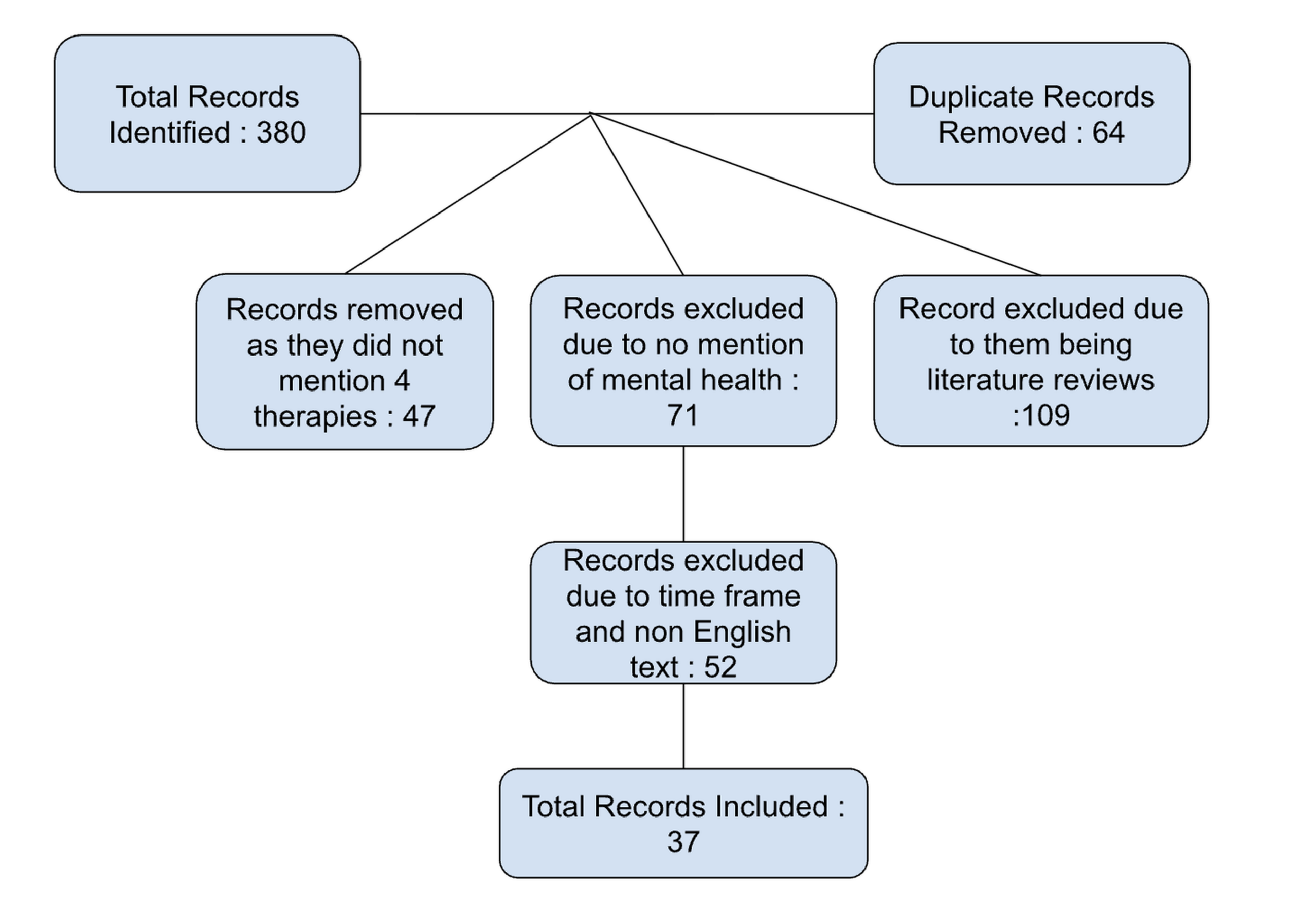
In this review, information about the treatment targeting gut microbiota for depression and anxiety was synthesized. This study was conducted as a systematic review, and the study selection process is summarized in the review process flow diagram (Figure 4). To identify relevant studies, electronic searches were completed using Google Scholar and PubMed. Only peer-reviewed papers from 2005 to the present were included as that is when research on the gut–brain axis began expanding significantly with advances in microbiome science and improved molecular sequencing technology. Keywords/Search Strings included combinations of ‘gut microbiota,’ ‘microbiome,’ ‘depression,’ ‘anxiety,’ ‘diet,’ ‘probiotics,’ and ‘prebiotics.’ Boolean operators (AND/OR) were applied where possible, depending on the search platform.Reference lists of review articles were also utilized to get additional studies. Both animal and human participant-based studies were included. Studies were only included if they specifically targeted gut microbiota.
Articles that did not include a gut-targeted intervention, focused solely on gastrointestinal outcomes, or were not available in English were excluded. Articles were first screened by the author for relevance based on the title and abstract before the full text was assessed for inclusion, considering the presence of fecal microbiota transplantation (FMT), prebiotic or probiotic supplementation, or dietary modulation. Due to substantial heterogeneity in study design, intervention type, outcome measures, and reporting methods, a quantitative meta-analysis was not performed. Additionally, no formal risk-of-bias scoring tool was applied; however, methodological limitations of included studies are discussed qualitatively. Studies were compared under four main categories: prebiotics, probiotics, FMT, and diet, with animal and human subcategories within each.
Results
Probiotics
Probiotics are live microorganisms administered in clinical trials to evaluate their effects on health outcomes, including mood and anxiety disorders16,17,18,19,20,21. Researchers have recently studied probiotics for their potential to treat mental health disorders by adjusting the gut microbiota and, in turn, gut-brain communication. This review included 15 primary studies evaluating probiotic interventions: six animal experimental studies and nine human clinical trials.
Evidence from Animal Models
Because it is not possible or ethical to experimentally induce psychiatric disorders in humans, animal trials can provide a controlled and reliable way to examine the links between the gut microbiota and mental health behaviors. Scientists can manipulate variables such as genetics, diet, and temperature and then observe the effects. Not only can they observe emotional and physical effects, but scientists also have the opportunity to dissect the animal and observe changes in body structure.
Animal models are employed to investigate how psychobiotics might influence behavior and gut–brain communication. In rodent experiments, scientists frequently trigger depression- or anxiety-like behaviors through stress methods such as maternal separation or by disturbing the gut microbiota using broad-spectrum antibiotics2,22. These interventions consistently induce behavioral despair, increased anxiety, immune activation, and disruptions in stress-related neuroendocrine systems. In a pioneering study, Bifidobacterium infantis 35624 was given chronically to rats separated from their mothers2. Probiotic treatment reversed depressive-like symptoms, with effects similar to those produced by the antidepressant citalopram. Additionally, probiotic treatment returned pro-inflammatory cytokines (IL-6) to baseline levels, restored basal norepinephrine levels in the brain stem, and reduced corticotropin-releasing factor mRNA expression in the amygdala2. These findings demonstrate associations between probiotic administration and changes in immune, neurochemical, and hypothalamic-pituitary-adrenal (HPA) pathways.
Additional rodent studies have investigated how probiotics affect behavior. Researchers discovered that Lactobacillus rhamnosus JB-1 reduced anxiety- and depression-like behaviors in mice and altered GABA receptor expression in brain regions associated with emotion regulation20.Notably, these effects were abolished following vagotomy, suggesting involvement of vagus nerve signaling in gut–brain communication. In a chronic stress model, probiotic administration attenuated stress-induced behavioral despair and normalized stress-related physiological responses21.Similarly, another study found that probiotic treatment reduced stress-induced increases in corticosterone levels and attenuated HPA axis activation in rodents exposed to chronic psychological stress23.Furthermore, it was demonstrated that administration of Lactobacillus helveticus NS8 improved depressive-like behaviors and cognitive impairments induced by chronic restraint stress24.The probiotic treatment was associated with changes in neurochemical markers and stress-related signaling pathways, further supporting the role of gut microbiota in regulating mood-related behaviors.
Similarly, mice given a two-week antibiotic cocktail exhibited signs of anxiety and depression-like behaviors behaviors22. These findings support a link between increased peripheral inflammation and disruptions in neurotransmitter pathways. Administering Lactobacillus casei DG after antibiotics corrected behavioral problems, decreased inflammatory cytokines, and restored imbalances in monoamine levels, including serotonergic precursors. This indicates that probiotic strains can modulate cytokine signaling, neurotransmitter synthesis, and behaviors associated with anxiety and depression in mice22.
Although not explicitly focused on psychiatric outcomes, a study showed that certain probiotic strains exhibit anti-inflammatory effects25.Lactobacillus rhamnosus administration significantly reduced carrageenan-induced paw edema (i.e., an animal model for studying anti-inflammatory properties)25and acetic acid-induced writhing (i.e., a model for evaluating analgesic effects), with effects surpassing those of the NSAID diclofenac treatment (i.e., nonsteroidal anti-inflammatory drug)25. These effects were accompanied by downregulation of pro-inflammatory cytokines and increased expression of anti-inflammatory cytokines. Such findings suggest that probiotics may influence inflammatory pathways, which have been associated with anxiety and depression23. These findings suggest that regulating inflammation also indirectly regulates anxiety and depression.
Evidence from Clinical Models
Transitioning from animal studies to clinical practice is a complex process. However, several human psychobiotic trials have evaluated multi-strain formulations. Many recent trials validate the use of psychobiotics in humans. Researchers conducted a randomized, double-blind, placebo-controlled trial in adults with treatment-resistant major depressive disorder (MDD)16. This study found that an eight-week adjunct treatment with Lactobacillus acidophilus, L. casei, and Bifidobacterium bifidum resulted in significantly larger reductions in Hamilton Depression Rating Scale (HAM-D) and Hamilton Anxiety Rating Scale (HAM-A) scores compared with placebo16. Similarly, a supplementation of Lactobacillus helveticus Rosell-52 and Bifidobacterium longum Rosell-175 for 60 days reduced Beck Depression Inventory scores and improved well-being in depressed adults26. However, this data is subjective since it was based on self-reported results rather than objective biological markers26.Additionally, a 31-day clinical trial with multi-strain psychobiotic treatment for MDD patients showed a reduction of HAM-D scores along with an increased gut Lactobacillus abundance17. This study also showed Magnetic Resonance Imaging (MRI) evidence of altered activity in brain regions said to be associated with emotional processing27.
Additional randomized controlled trials have further evaluated probiotic supplementation in individuals with depressive symptoms. A study reported significant reductions in Beck Depression Inventory (BDI) scores following eight weeks of multi-strain probiotic treatment in patients with major depressive disorder16. Similarly, another study found that probiotic supplementation resulted in greater improvements in depressive symptoms compared with both prebiotic and placebo groups28. In healthy adults, reductions in cognitive reactivity to sad mood were observed following multispecies probiotic administration18. Researchers also reported modest improvements in depressive symptoms in a triple-blind, placebo-controlled trial19.Across these trials, probiotic supplementation was associated with reductions in depressive symptom measures in several populations; however, effect sizes and clinical significance varied across studies.
Studies involving healthy or subclinical individuals—those without obvious symptoms—have also reported findings, though mood improvements tend to be more subtle. In a placebo-controlled trial with 70 healthy adults, six weeks of taking a Lactobacillus helveticus–Bifidobacterium longum blend resulted in notable reductions in depression (measured by the Beck Depression Inventory II), anxiety (assessed by the State Trait Anxiety Inventory), and cognitive reactivity scores (from the Leiden Index of Depression Sensitivity). Additionally, circulating serotonin levels increased and remained elevated for three weeks after stopping the intervention26.However, different results were observed in adults who experience depressive symptoms that don’t meet the full criteria for a diagnosis of MDD (i.e., subthreshold depression). A 12-week probiotic intervention did not significantly change mood scores compared with placebo.Participants showed reduced inflammation and stress responses. These results could mean that there are underlying biological changes but no symptom relief28.
Diet
Dietary interventions have been evaluated in both animal and human studies for their effects on the gut microbiome and mood-related outcomes. In animal models, Western-style diets have been associated with alterations in microbial composition and increased intestinal permeability, whereas Mediterranean-style diets have been associated with enrichment of beneficial bacterial taxa29,30.Eight primary diet intervention studies were included in this review, consisting of two animal studies and six human clinical trials. Fewer eligible interventional studies were identified for diet than for probiotics, as many published investigations were observational rather than experimental.
Evidence from Animal Models
While diets are frequently studied through clinical trials because of their low risk, animal studies are still important as they enable researchers to explore biological processes more deeply and perform invasive tests that wouldn’t be ethical in humans. These animal experiments help clarify relationships and offer preliminary evidence for human applications. For example, a study compared the impacts of a Western diet (rich in fats and sugars) with a Mediterranean diet in adult female monkeys29. This study showed that there were elevated levels of beneficial bacteria like Lactobacillus, Faecalibacterium, and Oscillospira in monkeys with a Mediterranean diet. Additionally, a study on rodents revealed that a Western diet increased intestinal permeability and promoted changes in the gut microbiome that could influence immune signaling31. In rodent models, consumption of a Western-style diet was associated with increased intestinal permeability and alterations in gut microbial composition31.In human dietary intervention trials, Mediterranean-style or fermented food diets were associated with reductions in systemic inflammatory markers, including C-reactive protein and interleukin-1732,30. These findings indicate that dietary patterns can coincide with measurable changes in gut integrity and inflammatory signaling, processes that have been evaluated in relation to mood-related outcomes in clinical studies33.
Evidence from Clinical Studies
While the effects of food vary depending on individual factors such as gender, weight, and genetics, dietary interventions have been evaluated as both preventive and therapeutic strategies.
Several studies have shown that certain plant fibers can reduce gut microbiome inflammation. In multiple intervention studies reviewed, depressive and anxiety-like behaviors coincided with increased inflammatory markers. Treatments targeting the microbiome were linked to lowered levels of cytokines like IL-6 and C-reactive protein2,22,32,30. In some trials, improvements in mood-related measures occurred concurrently with reductions in inflammatory markers28. This may suggest there is a relationship between inflammation and mental health. Researchers conducted a 17-week randomized controlled trial comparing high-fiber food (e.g., beans, lentils, chickpeas, oats, barley, and whole grains) and high-fermented food (e.g., yogurt, kefir, kimchi, and kombucha) diets in healthy adults32. Individuals in the fermented food group showed increases in gut microbial diversity and reductions in inflammatory markers. These changes highlight a mechanism by which diet may support brain health through immune pathways. Another study ran a 12-week Mediterranean diet intervention in young males with moderate-to-severe depression33. Participants on the diet exhibited notable enhancements in depressive symptoms and quality of life. While the study didn’t directly assess gut microbiome changes, the researchers proposed that the Mediterranean diet might have alleviated depression via established gut-brain pathways. Furthermore, they noted that nutrients such as fiber and polyphenols promote healthy gut bacteria, which can increase serotonin levels and lower inflammation33.
In the SMILES study, it was reported that participants with major depressive disorder who received dietary support to adopt a Mediterranean-style diet demonstrated significantly greater reductions in depressive symptoms compared with a social support control group34. Similarly, the HELFIMED study found that participants assigned to a Mediterranean-style diet supplemented with fish oil showed improvements in depressive symptom scores over 3 months35. Scientists performed a crossover study where a 4-day Mediterranean diet, compared to fast food, rapidly shifted gut microbiota composition and increased neuroprotective tryptophan metabolites36. This indicates that diet may affect the gut microbiome in a short period of time.
Long-term studies have also been conducted. Additionally, another study executed a year-long European multicenter trial of a Mediterranean diet in older adults30. This led to enriched SCFA-producing bacteria, reductions in systemic inflammation (e.g., C-reactive protein, interleukin-17), and improved markers of cognition. When the gut makes SCFAs from fiber, these molecules send signals to the brain and also help lower inflammation. Together, these two mechanisms for reducing inflammation may be a potential explanation for how diet can benefit brain health.
Prebiotics
Prebiotics are non-digestible food components, typically fibers, that stimulate the growth and activity of certain beneficial gut bacteria37,38. Prebiotics serve as substrates for fermentation by microbes. They produce metabolites such as short-chain fatty acids (SCFAs), which can impact the host’s brain function and physiology38.
Six primary prebiotic intervention studies met the inclusion criteria, including four animal studies and two human trials. The smaller number of eligible human studies reflects the relatively recent development of prebiotic research in mental health, as many published studies focus on biological mechanisms rather than direct measurement of depression or anxiety outcomes.
Evidence from Animal Models
Animal studies have been used to investigate how prebiotics may support brain health. Researchers administered mice prebiotics known as galactooligosaccharides (GOS) and fructooligosaccharides (FOS) for 3 weeks37. The treatment altered the bacterial composition in the mice’s guts, notably increasing short-chain fatty acids. The mice also exhibited reduced anxiety- and depression-like behaviors in tests like the forced swim test and elevated plus maze. Additionally, the prebiotic treatment enhanced the expression of the BDNF gene in the hippocampus, which is vital for brain growth and resilience39. Similarly, another study showed that prebiotic supplementation calmed the stress response in mice by curbing the hormone corticosterone38. More recently, a study demonstrated that providing rats with prebiotics enhanced their synaptic plasticity, as exhibited by stronger connections between brain cells40. In addition, the rats showed improved spatial memory performance following prebiotic supplementation40. Enhanced synaptic plasticity and better memory were seen alongside behavioral changes in this experiment model40. Hence, animal studies suggest that prebiotics can promote beneficial changes in the gut microbiome that lessen stress responses via changes in neuroplasticity and inflammation.
Evidence from Clinical Studies
While evidence from human studies on the benefits of prebiotics is limited, some findings indicate they may enhance mental health. For example, a study showed that healthy volunteers consuming GOS for three weeks had smaller cortisol spikes upon waking and showed less focus on negative emotions than those who did not take the prebiotic41. This suggests that GOS may help reduce stress and stabilize mood, thereby serving as a treatment for depression and anxiety. However, not all studies find strong effects. A study found that while prebiotic supplementation in healthy adults modified microbiome composition and SCFA levels, the changes did not consistently translate into significant improvements in mood or stress measures42. This could possibly be due to variability in baseline psychological status, lifestyle factors, and the relatively short study duration. This may reflect variability in baseline microbiota composition, dose, or study length, highlighting factors we need to be careful about when considering prebiotics as an official treatment.
Fecal Microbiota Transplantation
Fecal microbiota transplantation (FMT) transfers gut microbes from a healthy donor into a recipient. It helps restore beneficial bacteria depleted by illness or antibiotics. FMT has emerged as a powerful tool to reshape the gut microbiome. Researchers are increasingly studying it as a potential therapy for conditions linked to microbial imbalance. Eight primary FMT intervention studies met the inclusion criteria, including three animal experiments and five human clinical investigations. The relatively small number of eligible studies reflects the emerging nature of FMT research in psychiatry, as most clinical applications remain focused on gastrointestinal conditions, and only a limited number of trials directly assess mood-related outcomes.
Evidence from Animal Models
Researchers have used FMT in animal models to better understand how gut bacteria affect emotional and behavioral outcomes. A study demonstrated that when gut bacteria from people with MDD were transferred into microbiota-depleted rats, the rats developed clear mood-related changes43. The rats lost interest in receiving rewards and showed more anxiety-like behavior than rats who received microbiota from healthy donors. Additionally, the rats had a shift in brain-relevant metabolism, particularly in tryptophan metabolic pathways, which are directly tied to neurotransmitter synthesis and neural signaling. In contrast, rats that received healthy microbiota behaved normally and showed no difference in depression-like behavior compared with rats that didn’t receive microbiota transfers. This provides strong evidence for targeted mechanism-guided trials in humans, where the microbiome is the target. Similarly, researchers moved gut bacteria from people with MDD into mice44. These mice were raised in sterile conditions and have no microorganisms on their bodies (i.e., germ-free mice). Germ-free mice provide a clean slate for understanding how microorganisms interact with the body, which is not possible in other animals/humans because of their normal flora. After FMT from people with MDD, the mice showed more depression-like behaviors and clear shifts in metabolism when compared to mice with the microbiota from healthy donors. The changes were especially prevalent in amino acid pathways tied to neurotransmitters derived from tryptophan. This study suggests that an imbalanced gut community can transfervulnerability to mood symptoms via FMT. On the other hand, a study demonstrated that transferring microbiota from mice exposed to chronic unpredictable stress induced anxiety- and depression-like behaviors in germ-free recipients45. These animals also showed neuroinflammatory changes and altered tryptophan metabolism. These findings underscore that the impact of microbiota transfers may depend heavily on donor state, microbial composition, and host environment.
Evidence from Clinical Studies
FMT research in humans is quite new. Most clinical focus is on gastrointestinal conditions and their treatments. However, some emerging studies indicate potential benefits for mental health disorders. For instance, a study found that children with autism spectrum disorder who underwent microbiota transfer therapy experienced improvements in gastrointestinal symptoms and also showed reduced irritability and social withdrawal46. While this isn’t a trial focused on depression or anxiety, it highlights a strong gut-brain connection and shows that changes in the microbiome can influence behaviors. This suggests that FMT might be used alongside standard treatments for mental health conditions. A small open-label study investigated FMT in patients with irritable bowel syndrome who also experience depression and anxiety47. After treatment, patients reported better gastrointestinal symptoms as well as improved scores for anxiety and depression, along with a healthier gut microbiome. Additional clinical investigations have examined the psychiatric effects of fecal microbiota transplantation in patients with gastrointestinal disorders and comorbid mood symptoms. It was reported that individuals with irritable bowel syndrome who underwent FMT demonstrated improvements in both gastrointestinal symptoms and anxiety and depression scores48. Similarly, researchers observed reductions in anxiety and depressive symptoms following FMT in patients with IBS-D, accompanied by shifts in microbial composition49. In a small case series, a study described improvements in depressive symptoms in patients with major depressive disorder receiving adjunctive FMT, although the study lacked a randomized control group50.
Discussion
Summary of Key Findings
The gut–brain axis is a highly promising but complex research area in psychiatry. Increasing evidence indicates that modifying the gut microbiome could open new treatment options for mental health conditions. Studies have shown that interventions such as probiotics, dietary changes, prebiotics, and fecal microbiota transplants can affect important biological pathways related to mood regulation. These results suggest that microbiome-centered therapies may serve as safe, supportive, and biologically based approaches to enhance mental well-being.
Several interventions show that changes in microbial composition are linked to detectable shifts in inflammatory markers, neurotransmitter-related metabolites, or stress hormones, indicating that microbiome modulation could impact systems involved in psychiatric disorders2,22. Importantly, these interventions are generally low-risk and may complement existing pharmacologic and psychotherapeutic approaches rather than replace them. Given the global burden of depression and anxiety and the limitations of current treatments for many patients22,37, continued investigation into microbiome-targeted strategies is important not only for expanding therapeutic options but also for improving understanding of the biological pathways that contribute to mental health disorders. While several clinical trials reported improvements in depressive or anxiety-related symptoms, findings were not uniform across all populations or study designs.
Translational Gaps
Heterogeneity among human participants remains one of the biggest challenges. While animal studies often succeed due to controlled genetics, environments, and diets, humans vary widely in microbiome composition, diet, medication use, psychosocial stress, physical activity, and geography. For instance, baseline microbiota differ between individuals from Westernized countries and those in rural or farming communities. This variability likely influences whether a probiotic or prebiotic strain can successfully colonize and have a therapeutic effect. Of the reviewed interventions, dietary changes and probiotic supplements are generally easier to implement and scale in clinical settings, whereas fecal microbiota transplantation involves more logistical, regulatory, and safety hurdles. Mechanistic understanding also varies: probiotics and prebiotics are studied regarding inflammatory pathways, neurotransmitter precursors, and stress hormones, providing some biological basis for their effects. Conversely, FMT involves complex, diverse microbial communities, making it harder to pinpoint specific mechanisms. Another limitation is reliance on subjective scales like the Hamilton Depression Rating Scale or Beck Depression Inventory, which are valid but prone to placebo effects and inaccuracies. Without objective biomarkers, it’s challenging to distinguish true biological changes from expectation-driven improvements, especially since participants might expect health benefits from “natural” treatments.
Methodological Limitations
Another limitation is that most clinical studies last between 4 to 12 weeks, which may not be long enough to produce lasting microbial shifts or significant changes in psychiatric symptoms. Chronic conditions such as MDD and generalized anxiety often persist for years and may require ongoing microbiome modulation to observe meaningful clinical benefits. Therefore, there is an urgent need for longitudinal studies with extended follow-up periods and large controlled trials. Additionally, standardization across interventions remains an issue. Probiotic trials vary in strain composition, colony-forming units, delivery methods, and duration. Diet studies also differ in adherence monitoring and can be influenced by overall lifestyle changes. Even in fecal microbiota transplantation (FMT), the absence of standardized donor screening and preparation protocols complicates interpretation and safety assessments. These variations hinder meta-analyses and limit the ability to make definitive clinical recommendations. To move forward, standardized protocols and objective biomarkers are essential before these therapies can be widely adopted in clinical practice.
Publication Bias and Strength of Evidence
An important consideration is the potential for publication bias in microbiome-based psychiatric research. Studies showing positive results—better outcomes with these therapies—are more likely to be published than those with null or negative findings. Therefore, the literature may overemphasize beneficial effects and underreport inconclusive or unfavorable ones. This is especially relevant in emerging fields, where early excitement can shape research directions and reporting. Additionally, the strength of evidence varies across interventions. Probiotic and dietary approaches are backed by multiple randomized controlled trials, but effect sizes are inconsistent and not always replicated. Conversely, research on prebiotics and FMT is limited, with few human trials directly examining depressive or anxiety disorders. While initial findings are promising, the current evidence for some microbiome therapies is not yet strong enough for definitive clinical use.
Ethical Questions
FMT in particular also raises ethical questions for donors and recipients. Transferring live microbes introduces risks of infection, horizontal gene transfer, or unintended metabolic consequences (e.g., weight gain, insulin resistance). Informed consent, donor anonymity, and access also raise certain ethical concerns. Multiple other factors influence the gut-brain axis. The host’s genetics, immunity, and environmental exposures all interact with microbial signaling. In primary FMT studies included in this review, individuals with major depressive disorder were reported to have distinct gut microbial compositions compared with healthy controls before transplantation, and transfer of this microbiota induced depression-like behaviors in recipient animals. Additionally, microbiota from stress-exposed animals produced similar behavioral alterations when transferred to germ-free recipients. This raises questions about what is influencing the other: are changes in the gut microbiome causing depression, or is depression causing these changes? It is plausible to theorize that the answer is both.
Accessibility and Equity
Another concern is that most of these microbiome-targeted therapies are not accessible to everyone. Most probiotic supplements are largely unregulated in many countries, which could lead to differences in cost and quality. In some areas, especially where fresh produce and seafood are harder to find, maintaining a Mediterranean diet may be more difficult or less affordable. Advanced treatments, such as FMT, are extremely resource-intensive and require clinical infrastructure and trained personnel. These disparities must be addressed if microbiome-based psychiatry is to have a global impact.
Future Directions
The current literature highlights both the potential and challenges of using microbiome-based approaches for mental health. Several interventions show links to biological and mood improvements, but differences in study populations, methods, and outcome measures hinder clear conclusions. The complex, bidirectional gut-brain relationship further complicates establishing causality, especially in human research. As the field advances, careful study design, extended follow-up, and better standardization will be crucial to assessing the clinical value of microbiome-targeted treatments in psychiatric care.
Conclusion
The gut-brain axis is one of the strongest areas of research in understanding and treating psychiatric disorders. Although there are certain limitations, there is a lot of evidence, as shown in this review, that suggests that microbiome-targeted strategies can complement the existing treatments for mental health disorders. Advances in microbiome sequencing and metabolomics suggest it’s a potential tool for tailoring interventions or treatments to each individual’s microbial inflammatory profile. Combining microbiome therapies with antidepressants or psychotherapies may result in the best outcomes. The microbiome-targeted strategies may also become part of personalized mental health care. Ultimately, the gut-brain axis not only deepens our understanding of the biology of depression and anxiety but also provides novel pathways for safe, innovative, and holistic interventions.
Acknowledgements
I am deeply grateful to my mentor, Dr. Alexa Mousley, for her invaluable insights and guidance. Her support has been instrumental in shaping the outcomes of this paper.
References
- Gray R. Comment on Wang et al. “Effects of family participatory dignity therapy on psychological distress and quality of life among patients with lung cancer: A randomized controlled trial.” Psychooncology. Vol. 30, pg. 1135–1136, 2021. https://doi.org/10.1002/pon.5685 [↩] [↩]
- L. Desbonnet, L. Garrett, G. Clarke, J. Bienenstock, T. G. Dinan. The probiotic Bifidobacterium infantis 35624 displays antidepressant properties in the rat. Journal of Psychiatric Research. Vol. 44, pg. 651–657, 2010, https://doi.org/10.1016/j.jpsychires.2009.11.009 [↩] [↩] [↩] [↩] [↩] [↩]
- Liang S, Wu X, Hu X, Wang T, Jin F. Recognizing Depression from the Microbiota–Gut–Brain Axis. International Journal of Molecular Sciences. Vol. 19, Article 1592, 2018. https://doi.org/10.3390/ijms19061592 [↩]
- Chand SP , Arif H. Depression. [Updated 2023 Jul 17]. In: StatPearls [Internet]. Treasure Island (FL): StatPearls Publishing; 2025 Jan-. Available from: https://www.ncbi.nlm.nih.gov/books/NBK430847/ [↩] [↩]
- Munir S, Takov V. Generalized Anxiety Disorder. [Updated 2022 Oct 17]. In: StatPearls [Internet]. Treasure Island (FL): StatPearls Publishing; 2025 Jan-. Available from: https://www.ncbi.nlm.nih.gov/books/NBK441870/ [↩]
- P. Cuijpers, C. Miguel, M. Harrer, C. Y. Plessen, M. Ciharova, D. Papola, D. Ebert, E. Karyotaki, Psychological treatment of depression: A systematic overview of a meta-analytic research domain. J. Affect. Disord. 335, 141–151 (2023). [↩] [↩]
- Rush AJ, Trivedi MH, Wisniewski SR, et al. Acute and longer-term outcomes in depressed outpatients requiring one or several treatment steps: A STAR*D report. American Journal of Psychiatry. Vol. 163, pg. 1905–1917, 2006. https://doi.org/10.1176/ajp.2006.163.11.1905 [↩]
- Thrive Programme. “The future (and shocking past) of mental health treatment.” The Thrive Programme. 2019. https://www.thriveprogramme.org/mental-health-treatment-future-course/ [↩]
- Duivis HE, Vogelzangs N, Kupper N, de Jonge P, Penninx BWJH. Differential association of somatic and cognitive symptoms of depression and anxiety with inflammation: Findings from the Netherlands Study of Depression and Anxiety (NESDA). Psychoneuroendocrinology. Vol. 38, pg. 1573–1585, 2013. https://doi.org/10.1016/j.psyneuen.2013.01.002 [↩]
- Raison CL, Rutherford RE, Woolwine BJ, et al. A randomized controlled trial of the tumor necrosis factor antagonist infliximab for treatment-resistant depression: The role of baseline inflammatory biomarkers. JAMA Psychiatry. Vol. 70, pg. 31–41, 2013. https://doi.org/10.1001/2013.jamapsychiatry.4 [↩]
- Jiang H, Ling Z, Zhang Y, et al. Altered fecal microbiota composition in patients with major depressive disorder. Brain, Behavior, and Immunity. Vol. 48, pg. 186–194, 2015. https://doi.org/10.1016/j.bbi.2015.03.016 [↩]
- Kelly JR, Borre Y, O’Brien C, et al. Transferring the blues: Depression-associated gut microbiota induces neurobehavioral changes in the rat. Journal of Psychiatric Research. Vol. 82, pg. 109–118, 2016. https://doi.org/10.1016/j.jpsychires.2016.07.019 [↩]
- Zheng P, Zeng B, Zhou C, et al. Gut microbiome remodeling induces depressive-like behaviors through a pathway mediated by the host’s metabolism. Molecular Psychiatry. Vol. 21, pg. 786–796, 2016. https://doi.org/10.1038/mp.2016 [↩]
- Li N, Wang Q, Wang Y, et al. Fecal microbiota transplantation from chronic unpredictable mild stress mice induces depression-like behaviors in recipient mice. Journal of Affective Disorders. Vol. 243, pg. 1–9, 2019. https://doi.org/10.1016/j.jad.2018.09.023 [↩]
- Yatsunenko T, Rey FE, Manary MJ, et al. Human gut microbiome viewed across age and geography. Nature. Vol. 486, pg. 222–227, 2012. https://doi.org/10.1038/nature11053 [↩]
- M. Akkasheh, Z. Kashani-Poor, M. Tajabadi-Ebrahimi, et al. Clinical and metabolic response to probiotic administration in patients with major depressive disorder: A randomized, double-blind, placebo-controlled trial. Nutrition. Vol. 32, pg. 315–320, 2016, https://doi.org/10.1016/j.nut.2015.09.003 [↩] [↩] [↩] [↩]
- H. Wang, et al. Multi-strain probiotics modulate brain function and depressive symptoms in major depressive disorder: A randomized clinical trial. Translational Psychiatry. Vol. 12, pg. 28, 2022, https://doi.org/10.1038/s41398-021-01738-7 [↩] [↩]
- L. Steenbergen, R. Sellaro, S. van Hemert, et al. A randomized controlled trial to test the effect of multispecies probiotics on cognitive reactivity to sad mood. Brain, Behavior, and Immunity. Vol. 48, pg. 258–264, 2015, https://doi.org/10.1016/j.bbi.2015.04.003 [↩] [↩]
- B. Chahwan, D. Kwan, P. Isik, et al. Gut feelings: A randomised, triple-blind, placebo-controlled trial of probiotics for depressive symptoms. Journal of Affective Disorders. Vol. 253, pg. 317–326, 2019, https://doi.org/10.1016/j.jad.2019.04.097 [↩] [↩]
- J. A. Bravo, P. Forsythe, M. V. Chew, et al. Ingestion of Lactobacillus rhamnosus regulates emotional behavior and central GABA receptor expression in a mouse via the vagus nerve. Proceedings of the National Academy of Sciences. Vol. 108, pg. 16050–16055, 2011, https://doi.org/10.1073/pnas.1102999108 [↩] [↩]
- A. Burokas, S. Arboleya, R. D. Moloney, et al. Targeting the microbiota–gut–brain axis: Prebiotics and probiotics modulate stress-induced behavioural and physiological responses. Biological Psychiatry. Vol. 82, pg. 472–487, 2017, https://doi.org/10.1016/j.biopsych.2016.12.031 [↩] [↩]
- Guida F, Turco F, Iannotta M, et al. Antibiotic-induced microbiota perturbation causes gut endocannabinoidome changes, hippocampal neuroglial reorganization and depression in mice. Brain, Behavior, and Immunity. 2018;67:230–245. doi:10.1016/j.bbi.2017.09.001 [↩] [↩] [↩] [↩] [↩] [↩]
- A. Ait-Belgnaoui, S. Durand, C. Cartier, et al. Prevention of gut leakiness by a probiotic treatment leads to attenuation of chronic psychological stress-induced HPA axis activation. Psychoneuroendocrinology. Vol. 50, pg. 134–140, 2014, https://doi.org/10.1016/j.psyneuen.2014.08.006 [↩] [↩]
- S. Liang, T. Wang, J. Hu, et al. Administration of Lactobacillus helveticus NS8 improves behavioral, cognitive, and biochemical aberrations caused by chronic restraint stress. Neuroscience. Vol. 310, pg. 561–577, 2015, https://doi.org/10.1016/j.neuroscience.2015.09.033 [↩]
- S. Amdekar, V. Singh, Probiotic therapy: Immunomodulating approach toward inflammatory bowel disease. J. Clin. Gastroenterol. 50, S140–S144 (2016). [↩] [↩] [↩]
- M. Messaoudi, R. Lalonde, N. Violle, et al. Assessment of psychotropic-like properties of a probiotic formulation in rats and human subjects. British Journal of Nutrition. Vol. 105, pg. 755–764, 2011, https://doi.org/10.1017/S0007114510004319 [↩] [↩] [↩]
- J. Tillisch, J. Labus, A. Kilpatrick, et al. Consumption of fermented milk product with probiotic modulates brain activity. Gastroenterology. Vol. 144, pg. 1394–1401, 2013, https://doi.org/10.1053/j.gastro.2013.02.043 [↩]
- A. Kazemi, A. A. Noorbala, K. Azam, et al. Effect of probiotic and prebiotic versus placebo on psychological outcomes in patients with major depressive disorder: A randomized clinical trial. Clinical Nutrition. Vol. 38, pg. 522–528, 2019, https://doi.org/10.1016/j.clnu.2018.04.010 [↩] [↩] [↩]
- A. Nagpal, S. Shively, J. Appt, et al. Gut microbiome composition in nonhuman primates consuming a Western or Mediterranean diet. Frontiers in Microbiology. Vol. 9, pg. 2018, 2018, https://doi.org/10.3389/fmicb.2018.02018 [↩] [↩]
- T. S. Ghosh, S. Rampelli, I. B. Jeffery, et al. Mediterranean diet intervention alters the gut microbiome in older people, reducing frailty and improving health status: The NU-AGE 1-year dietary intervention. Gut. Vol. 69, pg. 1218–1228, 2020, https://doi.org/10.1136/gutjnl-2019-319654 [↩] [↩] [↩] [↩]
- M. H. Hsu, C. J. Chiu, Y. L. Lin, et al. Western diet increases intestinal permeability and alters gut microbiota composition in mice. Journal of Nutritional Biochemistry. Vol. 28, pg. 130–139, 2016, https://doi.org/10.1016/j.jnutbio.2015.10.009 [↩] [↩]
- E. Wastyk, K. Fragiadakis, J. Perelman, et al. Gut-microbiota-targeted diets modulate human immune status. Cell. Vol. 184, pg. 4137–4153, 2021, https://doi.org/10.1016/j.cell.2021.06.019 [↩] [↩] [↩]
- J. Bayes, J. Schloss, D. Sibbritt, J. Firth. The effect of a Mediterranean diet on the symptoms of depression in young males: A randomized controlled trial. American Journal of Clinical Nutrition. Vol. 116, pg. 572–580, 2022, https://doi.org/10.1093/ajcn/nqac106 [↩] [↩] [↩]
- F. N. Jacka, A. O’Neil, R. Opie, et al. A randomised controlled trial of dietary improvement for adults with major depression (SMILES trial). BMC Medicine. Vol. 15, pg. 23, 2017, https://doi.org/10.1186/s12916-017-0791-y [↩]
- N. Parletta, M. Zarnowiecki, T. Cho, et al. A Mediterranean-style dietary intervention supplemented with fish oil improves diet quality and mental health in people with depression (HELFIMED). Nutritional Neuroscience. Vol. 22, pg. 474–487, 2019, https://doi.org/10.1080/1028415X.2017.1411320 [↩]
- F. Zhu, R. Guo, W. Wang, et al. Transient Mediterranean diet intervention impacts gut microbiome and cognition. Translational Psychiatry. Vol. 10, pg. 369, 2020, https://doi.org/10.1038/s41398-020-01026-9 [↩]
- A. J. Tarr, J. D. Galley, S. E. Fisher, et al. The prebiotics GOS and FOS attenuate stressor-induced anxiety and colonic microbial alterations. Biological Psychology. Vol. 108, pg. 1–12, 2015, https://doi.org/10.1016/j.biopsycho.2015.03.001 [↩] [↩] [↩]
- A. Burokas, S. Arboleya, R. D. Moloney, et al. Targeting the microbiota–gut–brain axis: Prebiotics and probiotics modulate stress-induced behavioural responses. Biological Psychiatry. Vol. 82, pg. 472–487, 2017, https://doi.org/10.1016/j.biopsych.2016.12.031 [↩] [↩] [↩]
- H. M. Savignac, T. G. Dinan, J. F. Cryan. Prebiotic administration normalizes stress-induced anxiety and BDNF expression. Psychopharmacology. Vol. 230, pg. 425–436, 2013, https://doi.org/10.1007/s00213-013-3168-6 [↩]
- H. M. Savignac, M. Kiely, T. G. Dinan, J. F. Cryan. Bifidobacteria exert strain-specific effects on stress-related behavior and physiology. Brain, Behavior, and Immunity. Vol. 36, pg. 130–139, 2016, https://doi.org/10.1016/j.bbi.2013.11.010 [↩] [↩] [↩]
- K. Schmidt, P. J. Cowen, C. J. Harmer, et al. Prebiotic intake reduces the waking cortisol response and alters emotional bias in healthy volunteers. Psychopharmacology. Vol. 232, pg. 1793–1801, 2015, https://doi.org/10.1007/s00213-014-3810-0 [↩]
- A. Kazemi, A. A. Noorbala, K. Azam, et al. Effect of probiotic and prebiotic versus placebo on psychological outcomes in patients with major depressive disorder. Clinical Nutrition. Vol. 38, pg. 522–528, 2019, https://doi.org/10.1016/j.clnu.2018.04.010 [↩]
- P. Zheng, B. Zeng, C. Zhou, et al. Gut microbiome remodeling induces depressive-like behaviors through a pathway mediated by the host’s metabolism. Molecular Psychiatry. 21, 786–796 (2016). [↩]
- J. R. Kelly, Y. Borre, C. O’Brien, et al. Transferring the blues: Depression-associated gut microbiota induces neurobehavioral changes in the rat. Journal of Psychiatric Research. 82, 109–118 (2016). [↩]
- G. Chevalier, et al. Gut microbiota transfer from stressed mice induces anxiety-like behavior and neuroinflammation in recipient mice. Brain, Behavior, and Immunity. 2020 [↩]
- D. W. Kang, J. B. Adams, A. C. Gregory, et al. Microbiota transfer therapy alters gut ecosystem and improves gastrointestinal and autism symptoms. Microbiome. 5, 10 (2017). [↩]
- H. Huang, H. Xu, Q. Luo, et al. Fecal microbiota transplantation for the treatment of irritable bowel syndrome: A randomized clinical trial. Gut. 68, 1214–1223 (2019). [↩]
- H. Lin, Y. Xie, Y. Chen, et al. Fecal microbiota transplantation improves gastrointestinal and psychological symptoms in patients with IBS. Frontiers in Cellular and Infection Microbiology. 11, 759795 (2021). [↩]
- J. Guo, Y. Zhou, L. Qin, et al. Fecal microbiota transplantation improves anxiety and depressive symptoms in IBS-D. Frontiers in Psychiatry. 12, 751145 (2021). [↩]
- J. P. Doll, J. D. Oliphant, M. J. Pinto, et al. Fecal microbiota transplantation for major depressive disorder: A case series. Journal of Affective Disorders. 304, 31–37 (2022). [↩]