

Abstract
The objective of this paper is to investigate whether childhood vaccination influences the progression of inflammatory bowel disease. This systematic review analyzed trends in studies about vaccination outcomes in immunosuppressed children. The studies used included population cohorts, clinical trials, and hospital record analyses, and were reviewed to examine post-vaccination flare rates, serologic response, and adverse events in children with IBD. The studies were included if they examined the effects of vaccination in children with IBD and reported the associated outcomes. The information used for this review was sourced from previously published scientific journal studies, including those indexed in the PubMed database, and only the relevant studies were included. The risk of bias was identified from each study, and the data were only collected from studies that had a clear methodology. Those that had missing parts in the paper or data collected were not considered to be used in this systematic review. The results showed that vaccination did not correlate with worsening IBD activity in children or any major side effects. For the studies that reported the number of flares after vaccination, there were found to be either no flares or only one to two flares. Children with IBD produced enough antibodies to fight off infections after vaccination. The vaccinations included COVID-19, influenza, varicella, pneumococcal, hepatitis B, HPV, diphtheria, cholera, and pertussis vaccines and any side effects that were reported were mild. This systematic review suggests that vaccination appears to be safe for children with inflammatory bowel disease, since vaccination was not associated with significant worsening of disease activity or major side effects.
Introduction
Childhood vaccines are important for children’s immune systems to develop. The vaccinations trigger the immune system to respond to a harmless version of a disease in order to become familiar with it and be able to protect the body when it encounters the actual disease. This process is known as adaptive immunity and it activates memory B and T cells which can help with a faster immune response during future encounters of the same disease. Autoimmune diseases, inflammatory bowel disease (IBD), for example, are a result of the immune system attacking the body’s own cells. The vaccinations activate the immune system and increase pro-inflammatory cytokine levels, signaling the body to respond to threats. In people with IBD, this increase in immune activity can irritate the lining of their intestine and can trigger flares or worsen inflammation. During the immune response triggered by a vaccination, the body releases cytokines such as tumor necrosis factor-alpha and interleukin-6. In individuals with IBD, the areas where the gut’s immune system is already abnormal can cause these cytokines to interact with that imbalance. As a result of this, there is a clinical concern that vaccination could potentially increase intestinal inflammation or lead to disease flares. Understanding this connection can help determine whether childhood vaccinations impact the progression of inflammatory bowel disease.
Although there are already studies that determined the cause of IBD, there is a limited amount of research on how childhood vaccinations affect its progression. Since these studies use different methods and vaccination types, it is difficult to draw one solid conclusion based on this evidence. While some vaccines, MMR and varicella, for example, are already known to be safe and effective in healthy children, there is not much known about the safety of several vaccines that are commonly used in children with IBD1.
This review aims to clarify these uncertainties by examining the relationship between childhood vaccines and the progression of inflammatory bowel disease, and to determine where more research is needed. This is relevant since IBD patients have reported concerns about getting vaccinations, including a fear of worsened adverse events, IBD flares, and reduced vaccine efficacy due to immunosuppression2. The implications of this study can help reduce hesitancy among immunosuppressed patients when receiving vaccines and promote a healthier population.
Methodology
This systematic review focused on two main questions: whether vaccines are linked to a worsening of IBD activity or increased flare rates in children who have established IBD, and whether children with IBD who are on immunosuppressive treatment are still able to develop strong immune responses after vaccination. Studies examining IBD incidence after vaccination in previously healthy children were also considered in this review as secondary contextual evidence.
Studies were included if they used pediatric populations, which are defined as children and adolescents aged 0 to 18 years. One study involving adult participants, with a mean age of 40 years, was included as an exception because it looked at immune response to influenza vaccination in IBD patients receiving anti-TNF therapy3. This study showed how immunosuppressive treatment can affect vaccine response, which was not recorded in the pediatric studies. Its findings were interpreted carefully and not generalized to children. Studies were excluded if they only focused on adult populations, didn’t report outcomes that resulted from vaccination, or included duplicate data. A study was included if it addressed at least one relevant topic, such as childhood vaccination, inflammatory bowel disease (IBD), Crohn’s disease, flare or relapse frequency, or the use of immunosuppressive treatments. Flare frequency is how often a patient experiences a worsening of IBD symptoms which requires medical care or a change in treatment over a certain period of time. Immunosuppressive therapy refers to medications that reduce immune system activity in order to control inflammation. Disease progression refers to IBD gradually worsening over time, and that can include more frequent flare-ups, the need for stronger treatments, or a decline in how patients report their overall health. Seroprotection describes the state where antibody levels are high enough to meet a clinically defined threshold that protects against a particular infection. This includes drugs such as infliximab and adalimumab, which block a substance called tumor necrosis factor. These medications are often used to treat moderate-to-severe inflammatory bowel disease. There were no restrictions placed on the studies for the country of origin. All of the studies used in this systematic review were sourced from Pubmed, a widely known database that catalogs studies that are peer-reviewed from multiple fields, including gastroenterology and immunology. Using this database helps ensure that all the evidence used was both reliable and relevant for evaluating vaccine safety and immune responses in pediatric IBD. The search was conducted in November, 2025. No date restrictions were applied to the search. The following PubMed search strategy was used:
((“Vaccination”[MeSH Terms] OR “Immunization”[MeSH Terms] OR “vaccination“[Title/Abstract] OR “immuniz“[Title/Abstract] OR “immunis“[Title/Abstract] OR “vaccine“[Title/Abstract] OR “HPV”[Title/Abstract] OR “influenza vaccines”[MeSH Terms] OR “influenza vaccin“[Title/Abstract] OR “hepatitis B vaccines”[MeSH Terms] OR “pneumococcal vaccines”[MeSH Terms] OR “tetanus”[Title/Abstract] OR “measles-mumps-rubella vaccine”[MeSH Terms] OR “MMR”[Title/Abstract]) AND (“Inflammatory Bowel Diseases”[MeSH Terms] OR “inflammatory bowel disease“[Title/Abstract] OR “IBD”[Title/Abstract])) AND (“infant”[MeSH Terms] OR “child”[MeSH Terms] OR “adolescent”[MeSH Terms]) AND (“humans”[Filter]) AND (“english”[Filter]) AND (“full text”[Filter])
Studies were initially identified through a structured search using the PubMed database. After this first step, the titles and abstracts for each study were screened, and then full-text articles were reviewed more closely using the inclusion criteria that was predefined. From this round of screening and review, 10 studies were considered eligible. The eligibility criteria were then applied again more carefully, and some studies were excluded at that stage because they were not relevant or the study quality was poor. To make sure that the review was thorough and did not miss any important research or details, additional studies were also used and they were identified by looking through the reference lists of articles. This process of manually searching for studies led to 15 more studies being included in the review as they met the inclusion criteria. This led to a total of 25 studies being used in the final systematic review, coming both from database-identified sources and also manually found ones. Figure 1 shows the full process of identifying the studies, including the number of records, identified, and screened until the final 25 were reached. Since a single review identified the sources, there were steps taken to ensure there was no bias. This includes using the same exclusion criteria throughout the selection process and keeping studies even if it was unsure whether they should be kept or removed. The PRISMA 2020 flow diagram shows the number of studies that were excluded, along with the reasons why.
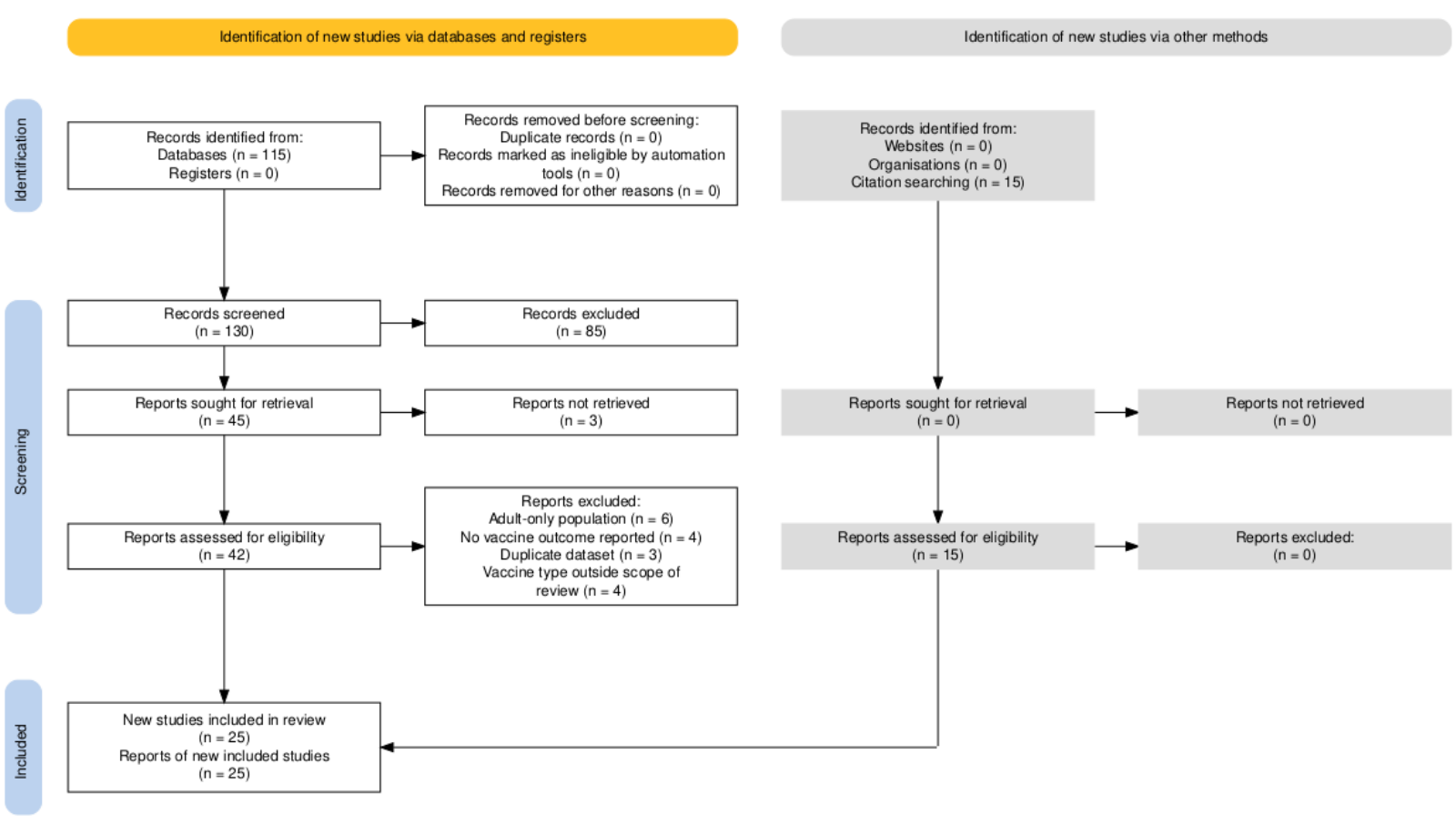
This review used primary studies and also higher-level evidence. Review information, such as systematic reviews and meta-analyses, were used to provide summarized information and context about immune response in patients with IBD and information about vaccine safety. To prevent any overlap between these sources and the original studies they may have included, findings from review-level evidence were used solely to provide general context and were not counted again with the primary data.
Data was extracted from all included studies using a standardized spreadsheet. For each of the included studies, the following information was recorded: author and year, study design, population size and age, vaccine type, comparator, outcomes measured, and key findings. This information is summarized in Supplementary Table 1. The following outcomes were extracted from each included study if they were reported: number of participants, age group, type of vaccine, age at initial IBD diagnosis, flare frequency, type of IBD, hospitalization rate, risk association, study methodology, conclusion, and risk of bias as assessed using the JBI critical appraisal tool. The risk of bias for all included studies was assessed using the appropriate JBI critical appraisal tool based on study design. All 25 studies received the overall appraisal of Include. The full risk of bias summary is on Supplementary Table 2.
Results
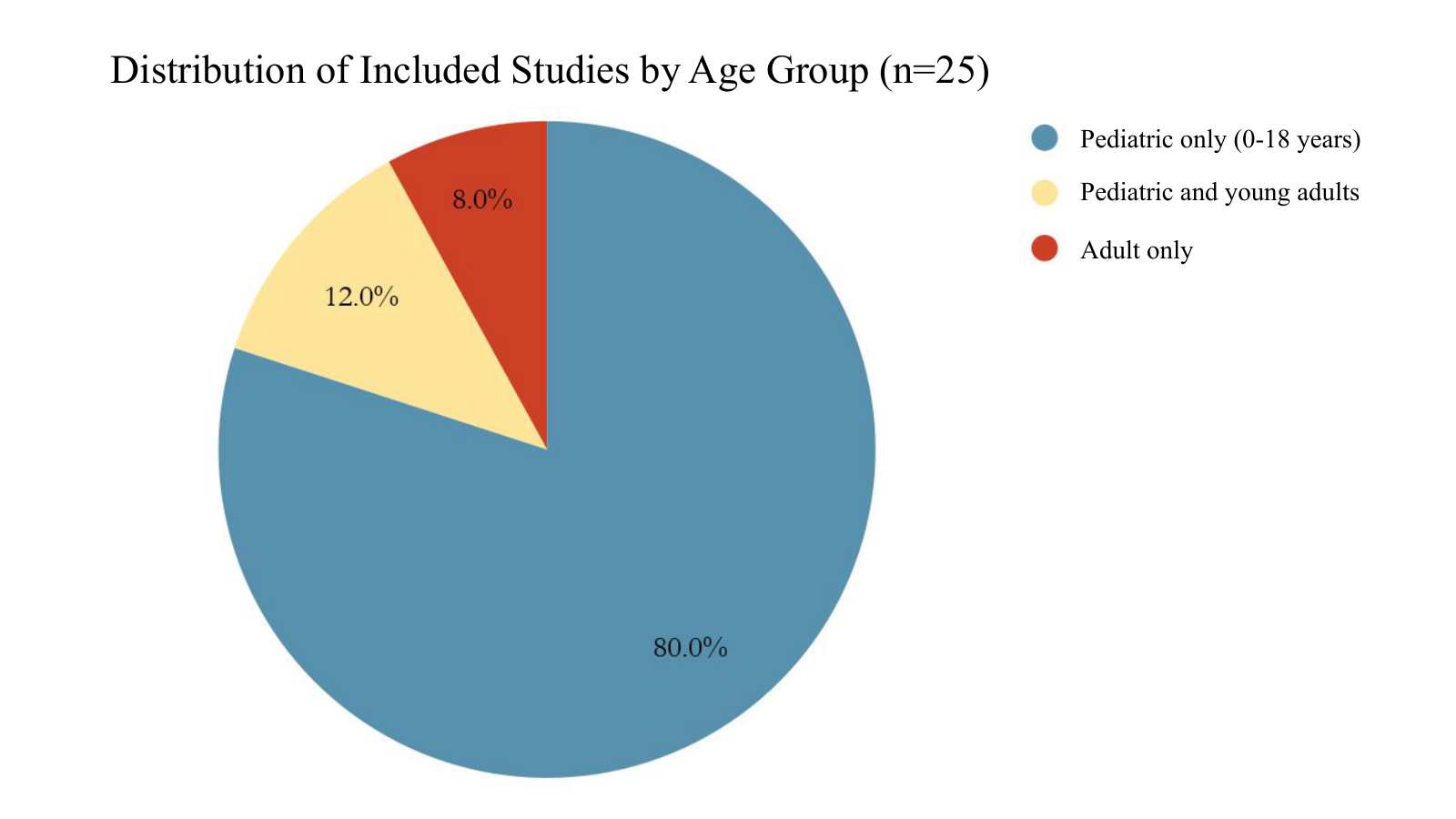
The studies that were used include randomized controlled trials, prospective cohort studies, case series, observational studies, and systematic reviews. These studies examined a range of vaccines including COVID-19, influenza, MMR, varicella, rotavirus, pneumococcal, hepatitis B, HPV, diphtheria, cholera, and pertussis among children with IBD. Most of the included studies focused on pediatric populations, as shown in Figure 2.
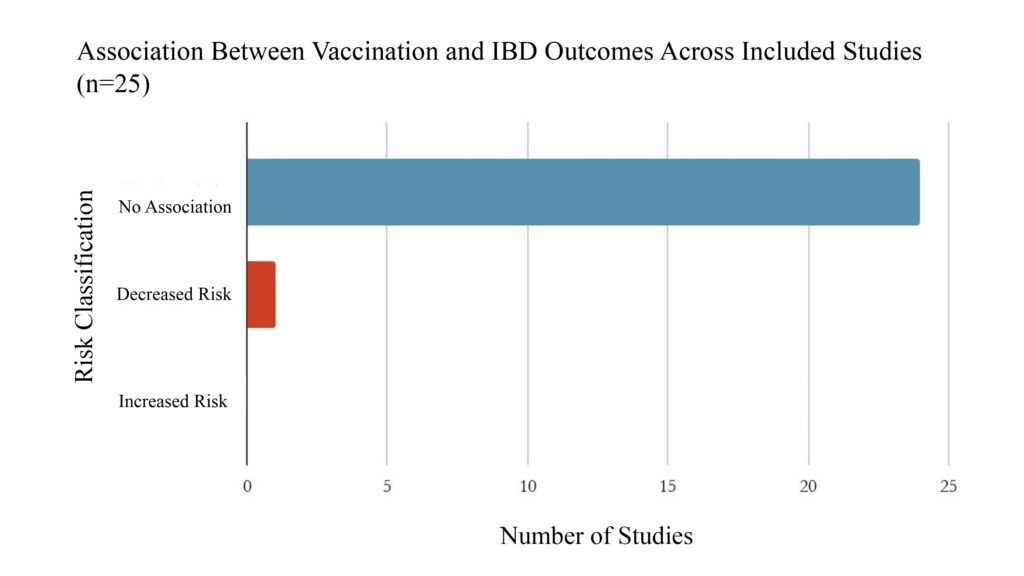
A few of the studies examined whether vaccination was associated with the development of IBD in previously healthy children. These studies serve to provide broader context and are considered secondary to the main focus of this review, which is about vaccination in children who already have IBD. One large national cohort study followed over 1.3 million children and found that MMR-vaccinated children had a 29% lower risk of developing IBD compared to unvaccinated children, with an adjusted hazard ratio of 0.715. Another cohort study followed over 900,000 children from infancy to age 7 and found that there is no statistically significant association between rotavirus vaccination and IBD development6. Across both of these studies, vaccination was not associated with increased IBD incidence, and one study suggested a possible protective effect. In this figure, a study was classified as reporting no association if it found no statistically significant relationship between vaccination and IBD outcomes, decreased risk if it reported a protective effect or reduction in IBD activity or incidence, increased risk if it reported a statistically significant worsening of IBD activity or if there is a higher incidence after vaccination. As shown in Figure 3, none of the included studies reported an increased risk association between vaccination and IBD outcomes, the majority of studies reported no association, and one study reported a decreased risk.
The majority of studies that reported on flare frequency found that there were either no flares or only one to two mild cases after vaccination. From the COVID-19 vaccine studies, a study following 41 children with very-early-onset IBD reported only one mild flare across the entire group7. A study of 38 children ranging from ages 12 to 18 reported only two mild flares after the second dose of the vaccine8. One study recorded three flares out of 27 patients but found that no causal relationship between flares and vaccination could be established9. A population-based study of 1,050 IBD patients under 16 found that there is no significant increase in hospitalizations or emergency visits after vaccination10. Out of the influenza vaccine studies, multiple research groups all found no major flares following vaccination, and one study found evidence that vaccines may reduce IBD-related healthcare use, providing a protective effect11,12,13,14,3. A systematic review of children with autoimmune diseases found that flare incidence across multiple vaccine types was approximately 2%15. A study examining six children who received the varicella vaccine while undergoing immunosuppressive therapy reported that there were no IBD flares in any of the participants16. For pneumococcal vaccines, a 24-month prospective study found that flare rates were not significantly different between vaccinated patients and controls as they were 34.52% and 39.16% respectively17. For hepatitis B, diphtheria, cholera, pertussis, and HPV vaccines, studies reported no significant IBD flares following vaccination. For a study on the cholera vaccine, it reported only one case of IBD exacerbation during follow-up, and the study on the diphtheria booster reported no flares at all18,19. Across all of the vaccine types, post-vaccination flare rates in children with established IBD were consistently low and not significantly different from their baseline disease activity.
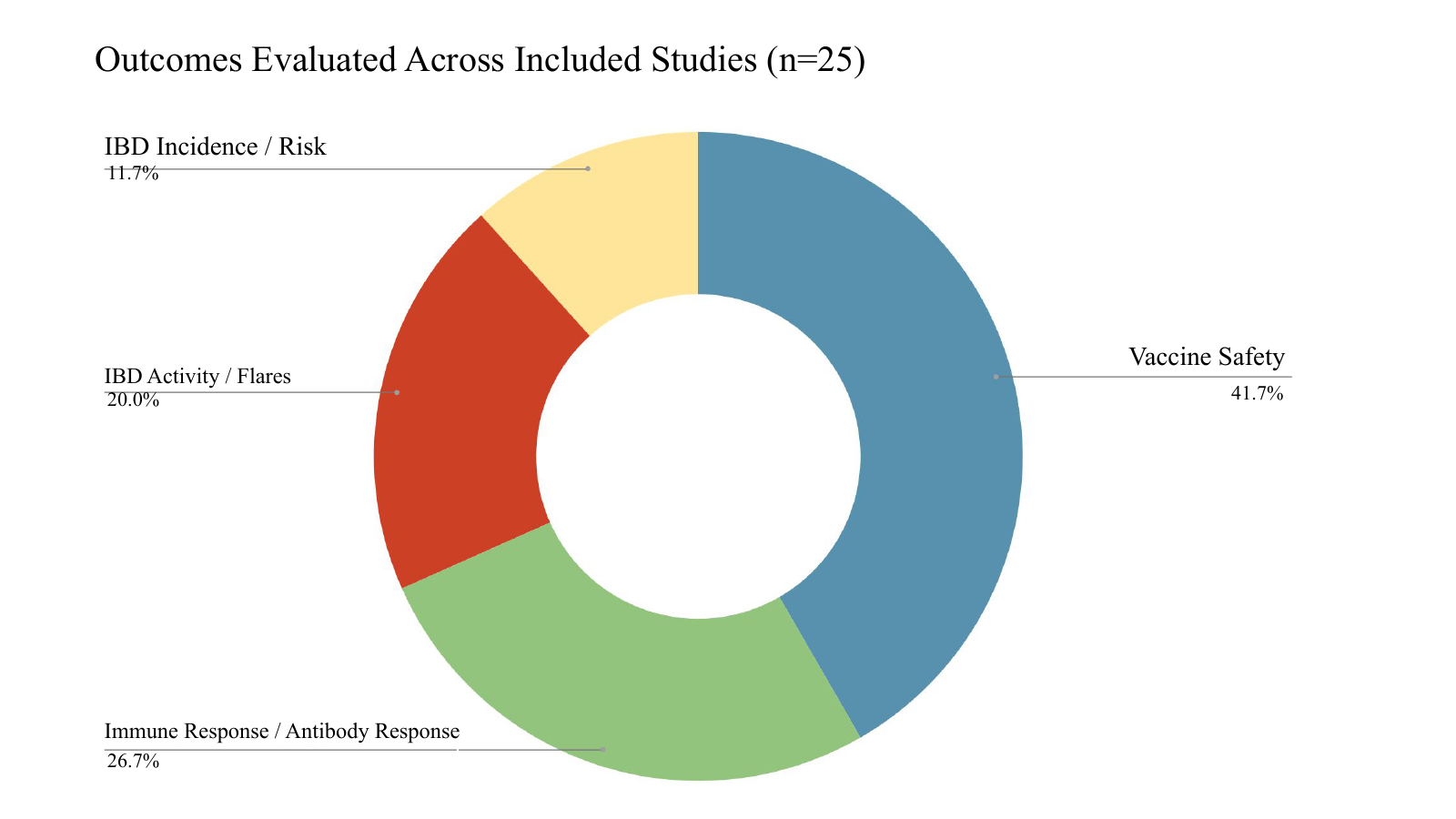
Most children with IBD developed adequate antibody levels post-vaccination despite being on immunosuppressive therapy. Among COVID-19 vaccine studies, one study found that nearly all of the participants developed detectable antibody levels that were maintained up to 12 months, and another found that pediatric IBD patients showed a good humoral response compared to healthy controls7,9. A study of healthy adolescents as a comparison group confirmed that the BNT162b2 vaccine was able to produce a strong immune response that was even greater than those seen in young adults, providing more context on the IBD findings20.For influenza vaccines, research found that many people out of the 146 pediatric IBD patients developed seroprotection, especially against influenza A strains, while a separate study found that IBD patients had immunogenic responses of 70%, 72%, and 53% to H3N2, H1N1, and influenza B respectively11,13. For pneumococcal vaccines, one study found that there is no significant difference in adequate vaccine response between IBD patients and healthy controls at 90.4% versus 96.5%, and another found that adequate vaccine response rates did not differ significantly across treatment groups21,22. For hepatitis B vaccines, research found that all children with IBD reached an effective immune response after three doses of the booster vaccine23. A study of HPV-vaccinated IBD patients found that 100% of them reached the protective antibody threshold despite lower titers in the biologic-treated patients24. In studies of diphtheria and cholera vaccination, researchers reported seroprotection of 93.5% following diphtheria booster vaccination and IgG seroconversion of 70% following oral cholera vaccination19,18. Research on adult IBD patients on immunosuppressive therapy found an overall seroconversion rate of 75% following hepatitis B vaccination25. One finding that remained consistent across all vaccine types was that patients on anti-TNF therapy had the most reduced antibody levels compared to those on other immunosuppressive treatments, but the majority of patients were still able to reach protective thresholds. Figure 4 summarizes how immune and antibody response were the second most commonly reported outcomes across the included studies, showing how most of the studies focused on antibody response across different vaccination types.
Adverse events following vaccination were consistently mild and went away on their own across all included studies. No serious complications caused by vaccination were reported in any of the included studies. Two COVID-19 vaccine studies reported no hospitalizations as a result of vaccination7,8. A population-based study found no significant increase in hospitalization rates, emergency department visits, or specialized care visits after a COVID-19 vaccine10. A systematic review reported an overall flare incidence of around 2% across pediatric autoimmune populations, which is consistent with findings from primary pediatric IBD studies and serves as contextual evidence15. A varicella vaccine study reported no serious adverse events in any of the six children who received the vaccine while on immunosuppressive therapy16. A study of HPV vaccination reported two hospitalizations during the study period, both of which were attributed to disease activity that was ongoing rather than vaccination24. Multiple other studies across pneumococcal, hepatitis B, diphtheria, and cholera vaccines reported no serious adverse events related to vaccination22,21,17,19,25. The mild adverse events reported across the studies included reactions at the local injection site and low-grade fever, which was resolved without any intervention. These findings were consistent across all vaccine types and study designs included in this review.
Discussion
Inflammatory bowel disease in children raises concerns about the safety of vaccination, especially immunosuppressed patients. The studies reviewed varied in vaccination type, age groups, and methodologies, but they all displayed a similar pattern. Most studies did not report any IBD flares after vaccination, and those that did only found one or two mild cases. For the mild cases, children were still able to produce a sufficient amount of antibodies and had a strong immune response to the vaccines, which included COVID-19, MMR, MMRV, rotavirus, influenza, varicella, pneumococcal, hepatitis B, HPV, diphtheria, cholera, and pertussis vaccines. Overall, the included studies did not report harmful effects of vaccination on inflammatory bowel disease progression.
One interesting finding is that some of the studies found a protective effect from the use of vaccines in patients with IBD. For these studies, those who received the vaccine had a small decrease in IBD-related health service use and flare activity, which is an unexpected outcome since many people assumed that vaccination would increase the number of flares. This was most notably demonstrated in a large population-based study of children with established IBD, which found evidence of a possible protective effect of influenza vaccination against IBD-related health service use14. Some secondary contextual evidence similarly suggested a broader protective pattern: one national cohort study found that MMR-vaccinated children had a 29% lower risk of developing IBD altogether, though this finding concerns IBD incidence rather than progression and is considered outside the primary scope of this review5. Another finding that stood out is that children on biologics made fewer antibodies than healthy children, but were still able to make enough for the vaccine to work and provide protection. This is important to note because immunosuppression usually weakens vaccine response, yet patients were still able to reach adequate protection in this case. This pattern was consistent across multiple vaccine types, including COVID-19, influenza, pneumococcal, and hepatitis B vaccines, where patients on anti-TNF therapy specifically showed the most reduced antibody levels compared to those on other immunosuppressive regimens, yet the majority still reached protective thresholds3,8,15,21,9.
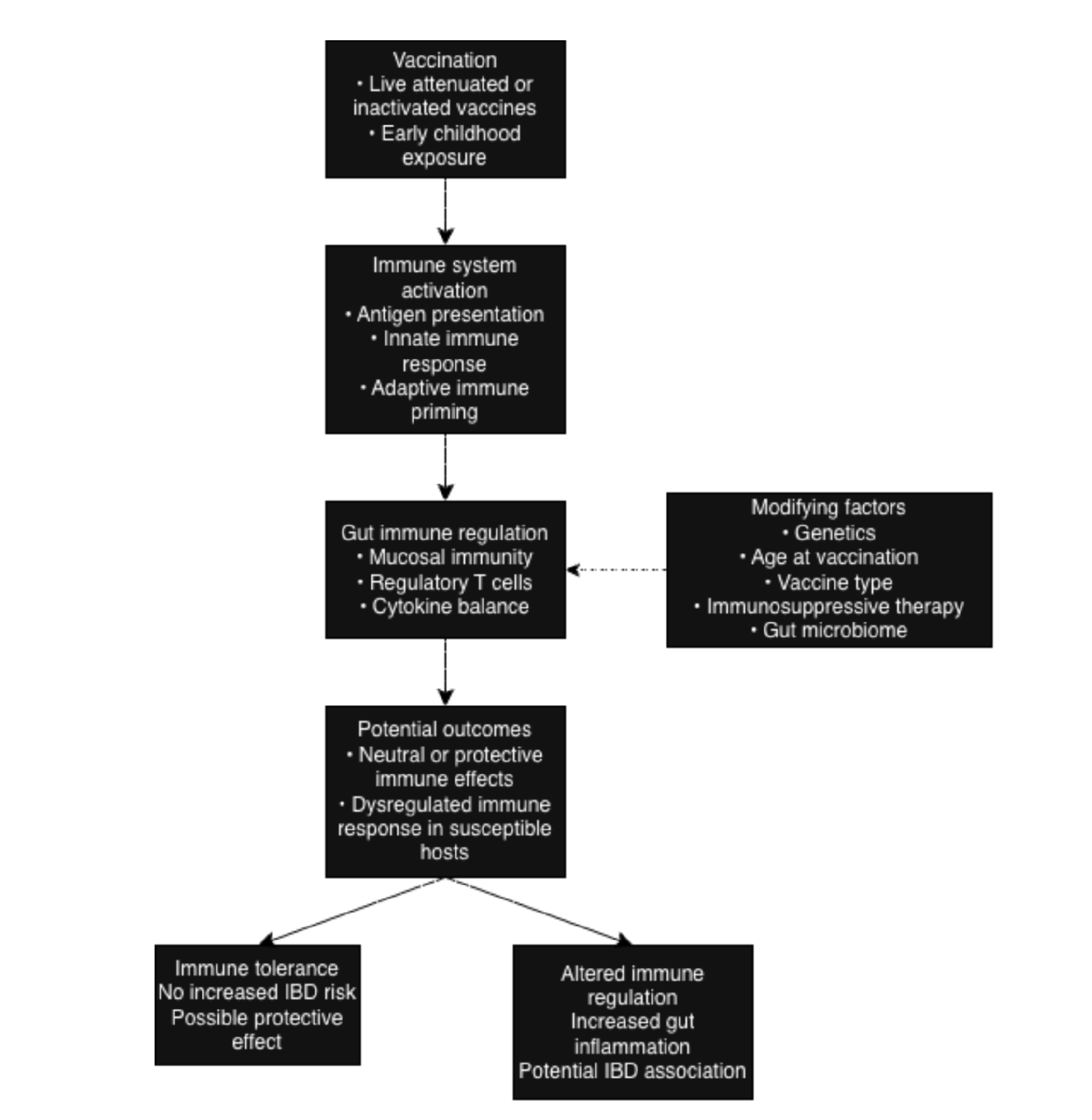
These results are consistent with previous research that did not find any link between childhood vaccination and the worsening of IBD activity. As illustrated in Figure 5, a possible explanation for these outcomes is that the vaccines activate a different part of the immune system, rather than the part involved in IBD. It should be noted that Figure 5 represents a proposed conceptual model based on the author’s interpretation of the existing literature and does not reflect a direct finding of any of the included studies. Another possible explanation for this is that even though there were lowered antibody levels in children with IBD, there were still enough for sufficient protection and to prevent any adverse effects.
The main strengths of this paper are that it uses data from multiple types of studies including systematic reviews, large population cohorts, clinical trials, and hospital record analyses. As a result, the findings came from multiple sources which provided a substantial amount of evidence while preventing any bias. There was also a lot of data collection from the studies that followed patients over a long period of time, which is another strength of this paper. This allowed for an accurate representation of what happened to the patients over time and it recorded any delayed effects that could have missed.
However, this paper also has limitations. The data used was not collected firsthand, which may result in inaccurate conclusions or inaccurate information. The process of screening and selection was conducted by a single reviewer, which may also lead to bias. Having a second reviewer may help with determining which papers to include and can help resolve any disagreements. Some of the studies did report the information clearly and were missing some parts, making it hard to compare multiple studies with each other. Additionally, some of the included studies have small population sizes including the case series looking at varicella vaccines16, which only had six patients, making it hard to generalize these findings. All of these issues may affect the accuracy of the conclusion.
Research in the future should focus on recording disease flare activity before and after the vaccine was administered, antibody levels, and any side effects. It may also be helpful if the studies tracked patients into adulthood and saw how the disease progressed over a longer period of time. This can help with determining if there were any missed or delayed side effects. Since the patients on anti-TNF therapy had reduced antibody levels, future research can focus on the impacts of vaccine boosters administered on children on biologics and see if they reach better protection levels. Another thing future studies can do is directly compare the effects of vaccination of children with and without IBD, helping to determine exactly what the differences are. The findings from this study can help doctors feel more confident when giving advice about vaccinations to children with IBD and can reduce the misinformation associated with it. When there are high vaccination rates, children with weak immune systems are protected from the disease.
Conclusion
Out of the studies that looked at children who already had IBD, the flare rates after vaccination were generally very low. In the studies that specifically reported a flare frequency, there were either no flares at all or they reported one to two mild cases7,8,9. Even in studies that followed patients over longer periods of time, for example a 24-month prospective pneumococcal vaccination study, there was no significant difference in the flare rates between vaccinated children and the control groups17. This pattern was identified throughout different vaccines and follow-up periods, demonstrating a consistent finding. Overall, the evidence provided by the included studies suggests that vaccination does not cause a significant increase in IBD activity.
Additionally, most children with IBD were still able to develop adequate antibody responses after vaccination, even while receiving immunosuppressive therapy. Studies that covered a wide range of vaccines, including influenza, varicella, hepatitis B, pneumococcal, HPV, and diphtheria found that children and adolescents with IBD were able to reach sufficient immune responses after one or two doses8,16,23,24,19. Some studies include that children receiving biologic therapies had slightly lower antibody levels compared to the healthy controls, but they were still able to reach levels considered that are considered protective3,8,15,21,9. This trend remained consistent across all the different vaccine types, suggesting that even though anti-TNF therapy may reduce antibody levels somewhat, it does not prevent children from gaining protective immunity.
The side effects reported in these studies were also mild and were similar to those seen in children without IBD. No serious complications related to vaccination were reported. The most common side effects were mild, such as feeling sore at the site of the injection or a low-grade fever, and these went away on their own without additional treatment. These findings show that no matter the vaccine or study design used, children did not experience a significant worsening of IBD activity and the vaccine did not lead to any major adverse effects.
References
- C. Di Pietrantonj, A. Rivetti, P. Marchione, M.G. Debalini, V. Demicheli. Vaccines for measles, mumps, rubella, and varicella in children. The Cochrane Database of Systematic Reviews. Vol. 11, CD004407, 2021, https://doi.org/10.1002/14651858.CD004407.pub5 [↩]
- P. Ellul, J. Revés, B. Abreu, M. Chaparro, J.P. Gisbert, M. Allocca, G. Fiorino, B. Barberio, F. Zingone, A. Pisani, D. Cassar, G. Michalopoulos, G. Mantzaris, I. Koutroubakis, K. Karmiris, K. Katsanos, D. Ďuricova, J. Burisch, G.R. Madsen, C. Maaser, A. Naila, E. Orfanoudaki, V. Milivojevic, A. Buisson, L. Avedano, S. Leone, J. Torres. Implementation and short-term adverse events of anti-SARS-CoV-2 vaccines in inflammatory bowel disease patients: an international web-based survey. Journal of Crohn’s and Colitis. Vol. 16, pg. 1070–1078, 2022, https://doi.org/10.1093/ecco-jcc/jjac010 [↩]
- G. Andrisani, D. Frasca, M. Romero, A. Armuzzi, C. Felice, M. Marzo, D. Pugliese, A. Papa, G. Mocci, I. De Vitis, G.L. Rapaccini, B.B. Blomberg, L. Guidido. Immune response to influenza A/H1N1 vaccine in inflammatory bowel disease patients treated with anti TNF-α agents: effects of combined therapy with immunosuppressants. Journal of Crohn’s and Colitis. Vol. 7, pg. 301–307, 2013, https://doi.org/10.1016/j.crohns.2012.05.011 [↩] [↩] [↩] [↩]
- N. R. Haddaway, M. J. Page, C. C. Pritchard, L. A. McGuinness. PRISMA2020: an R package and Shiny app for producing PRISMA 2020-compliant flow diagrams, with interactivity for optimised digital transparency and open synthesis. Campbell Systematic Reviews. Vol. 18, e1230, 2022, https://doi.org/10.1002/cl2.1230 [↩]
- C. Kim, Z. Yin, N. Kamdar, R. Stidham. Vaccination against measles, mumps, rubella and incident inflammatory bowel disease in a national cohort of privately insured children. Inflammatory Bowel Diseases. Vol. 29, pg. 430–436, 2023, https://doi.org/10.1093/ibd/izac176 [↩] [↩]
- A. Flatt, T. Inns, K. M. Fleming, M. Iturriza-Gómara, D. Hungerford. Investigating association between inflammatory bowel disease and rotavirus vaccination in a paediatric cohort in the UK. Epidemiology and Infection. Vol. 151, e103, 2023, https://doi.org/10.1017/S0950268823000936 [↩]
- A. J. Kastl, K. N. Weaver, X. Zhang, J. A. Strople, J. Adler, J. R. Kelsen, M. C. Dubinsky, A. Bousvaros, R. Watkins, C. Dai, R. K. Cross, P. D. R. Higgins, R. Ungaro, M. Bewtra, E. A. Bellaguarda, F. A. Farraye, K. Chun, M. Zikry, M. Bastidas, M. E. Boccieri, A. Firestine, M. D. Long, M. D. Kappelman. Humoral immune response and safety of SARS-CoV-2 vaccination in very early onset inflammatory bowel disease. Journal of Pediatric Gastroenterology and Nutrition. Vol. 78, pg. 871–877, 2024, https://doi.org/10.1002/jpn3.12142 [↩] [↩] [↩] [↩]
- V. Stercel, L. Lóczi, O. Kadenczki, É. Nemes, B. Nagy, R. Hodossy-Takács, A. Á. Szabó, M. Fagyas, J. Kappelmayer, T. Szabó, Z. Bagoly. Effect of anti-SARS-CoV-2 BNT162b2 mRNA vaccination on thrombin generation in children with inflammatory bowel disease. Frontiers in Immunology. Vol. 14, 1257072, 2023, https://doi.org/10.3389/fimmu.2023.1257072 [↩] [↩] [↩] [↩] [↩] [↩]
- N. Cotugno, A. Amendola, A. L. Bonanni. Evaluation of safety and immunogenicity of BNT162B2 mRNA COVID-19 vaccine in IBD pediatric population with distinct immune suppressive regimens. Vaccines. Vol. 10, pg. 1109, 2022, https://doi.org/10.3390/vaccines10071109 [↩] [↩] [↩] [↩] [↩]
- J. J. Y. Lee, S. Bernatsky, E. I. Benchimol, J. C. Kwong, Q. Li, R. S. M. Yeung, J. Widdifield. Safety and health care utilization following COVID-19 vaccination (BNT162b2) among children and youth with juvenile idiopathic arthritis and inflammatory bowel disease: a population-based study. Paediatrics & Child Health. Vol. 30, pg. 305–311, 2025, https://doi.org/10.1093/pch/pxae101 [↩] [↩]
- Y. Lu, D. L. Jacobson, L. A. Ashworth, R. J. Grand, A. L. Meyer, M. M. McNeal, M. C. Gregas, S. K. Burchett, A. Bousvaros. Immune response to influenza vaccine in children with inflammatory bowel disease. American Journal of Gastroenterology. Vol. 104, pg. 444–453, 2009, https://doi.org/10.1038/ajg.2008.120 [↩] [↩]
- P. Mamula, J. E. Markowitz, D. A. Piccoli, A. Klimov, L. Cohen, R. N. Baldassano. Immune response to influenza vaccine in pediatric patients with inflammatory bowel disease. Clinical Gastroenterology and Hepatology. Vol. 5, pg. 851–856, 2007, https://doi.org/10.1016/j.cgh.2007.02.035 [↩]
- J.C.C. deBruyn, R. Hilsden, K. Fonseca, M.L. Russell, G.G. Kaplan, O. Vanderkooi, I. Wrobel. Immunogenicity and safety of influenza vaccination in children with inflammatory bowel disease. Inflammatory Bowel Diseases. Vol. 18, pg. 25–33, 2012, https://doi.org/10.1002/ibd.21706 [↩] [↩]
- E. I. Benchimol, J. A. Mack, A. Guttmann. Safety and utilization of influenza immunization in children with inflammatory bowel disease. Pediatrics. Vol. 131, pg. e1811–e1820, 2013, https://doi.org/10.1542/peds.2012-3567 [↩] [↩]
- H. N. Tse, R. Borrow, P. D. Arkwright. Immune response and safety of viral vaccines in children with autoimmune diseases on immune modulatory drug therapy. Expert Review of Vaccines. Vol. 19, pg. 1115–1127, 2020, https://doi.org/10.1080/14760584.2021.1875825 [↩] [↩] [↩] [↩]
- Y. Lu, A. Bousvaros. Varicella vaccination in children with inflammatory bowel disease receiving immunosuppressive therapy. Journal of Pediatric Gastroenterology and Nutrition. Vol. 50, pg. 562–565, 2010, https://doi.org/10.1097/MPG.0b013e3181bab351 [↩] [↩] [↩] [↩]
- M. Neścioruk, K. Kowalska-Duplaga, U. Grzybowska-Chlebowczyk, A. Sieczkowska, A. Banaszkiewicz. The impact of a pneumococcal vaccination on disease activity in children and adolescents with inflammatory bowel disease: a 2-year prospective study. Expert Review of Vaccines. Vol. 25, 2652921, 2026, https://doi.org/10.1080/14760584.2026.2652921 [↩] [↩] [↩]
- Ł. Dembiński, A. Stelmaszczyk-Emmel, K. Sznurkowska, A. Szlagatys-Sidorkiewicz, A. Radzikowski, A. Banaszkiewicz. Immunogenicity of cholera vaccination in children with inflammatory bowel disease. Human Vaccines & Immunotherapeutics. Vol. 17, pg. 2586–2592, 2021, https://doi.org/10.1080/21645515.2021.1884475 [↩] [↩]
- Ł. Dembiński, E. Krzesiek, B. Klincewicz, U. Grzybowska-Chlebowczyk, U. Demkow, A. Banaszkiewicz, A. Radzikowski. Immunogenicity of diphtheria booster vaccination in adolescents with inflammatory bowel disease. The Pediatric Infectious Disease Journal. Vol. 39, pg. 244–246, 2020, https://doi.org/10.1097/INF.0000000000002547 [↩] [↩] [↩] [↩]
- R. W. Frenck, N. P. Klein, N. Kitchin, A. Gurtman, J. Absalon, S. Lockhart, J. L. Perez, E. B. Walter, S. Senders, R. Bailey, K. A. Swanson, H. Ma, X. Xu, K. Koury, W. V. Kalina, D. Cooper, T. Jennings, D. M. Brandon, S. J. Thomas, Ö. Türeci, D. B. Tresnan, S. Mather, P. R. Dormitzer, U. Şahin, K. U. Jansen, W. C. Gruber. Safety, immunogenicity, and efficacy of the BNT162b2 COVID-19 vaccine in adolescents. New England Journal of Medicine. Vol. 385, pg. 239–250, 2021, https://doi.org/10.1056/NEJMoa2107456 [↩]
- A. Banaszkiewicz, B. Targońska, K. Kowalska-Duplaga, K. Karolewska-Bochenek, A. Sieczkowska, A. Gawrońska, U. Grzybowska-Chlebowczyk, E. Krzesiek, I. Łazowska-Przeorek, M. Kotowska, E. Sienkiewicz, J. Walkowiak, H. Gregorek, A. Radzikowski, P. Albrecht. Immunogenicity of 13-valent pneumococcal conjugate vaccine in pediatric patients with inflammatory bowel disease. Inflammatory Bowel Diseases. Vol. 21, pg. 1607–1614, 2015, https://doi.org/10.1097/MIB.0000000000000406 [↩] [↩] [↩] [↩]
- G. Y. Melmed, N. Agarwal, R. W. Frenck, A. F. Ippoliti, P. Ibanez, K. A. Papadakis, P. Simpson, C. Barolet-Garcia, J. Ward, S. R. Targan, E. A. Vasiliauskas. Immunosuppression impairs response to pneumococcal polysaccharide vaccination in patients with inflammatory bowel disease. American Journal of Gastroenterology. Vol. 105, pg. 148–154, 2010, https://doi.org/10.1038/ajg.2009.523 [↩] [↩]
- M. Baranowska-Nowak, B. Iwańczak, M. Szczepanik, M. Banasiuk, Ł. Dembiński, K. Karolewska-Bochenek, M. Dziekiewicz, A. Radzikowski, A. Banaszkiewicz. Immune response to hepatitis B vaccination in pediatric patients with inflammatory bowel disease. Central-European Journal of Immunology. Vol. 45, pg. 144–150, 2020, https://doi.org/10.5114/ceji.2020.97902 [↩] [↩]
- D. L. Jacobson, A. Bousvaros, L. Ashworth, R. Carey, L. A. Shrier, S. K. Burchett, H. Renna, Y. Lu. Immunogenicity and tolerability to human papillomavirus-like particle vaccine in girls and young women with inflammatory bowel disease. Inflammatory Bowel Diseases. Vol. 19, pg. 1441–1449, 2013, https://doi.org/10.1097/MIB.0b013e318281341b [↩] [↩] [↩]
- O. Etzion, V. Novack, Y. Perl, O. Abel, D. Schwartz, D. Munteanu, N. Abufreha, G. Ben-Yaakov, E. D. Maoz, A. Moshaklo, V. Dizingf, A. Fich. Sci-B-VacTM vs Engerix-B vaccines for hepatitis B virus in patients with inflammatory bowel diseases: a randomized controlled trial. Journal of Crohn’s and Colitis. Vol. 10, pg. 905–912, 2016, https://doi.org/10.1093/ecco-jcc/jjw046 [↩] [↩]