

Abstract
Acne vulgaris, or acne, is a common skin disease that affects regions of the body with a high concentration of pilosebaceous units (face, neck, shoulders, back, chest). Even though the cause of acne is often oversimplified to “clogged pores”, the disease is caused by a mix of excessive sebum production, overpopulation of Cutibacterium acnes (C. acnes) in pilosebaceous units, and immune-mediated inflammation. Its symptoms are notably characterized by red, itchy, pus-filled lesions that appear to be poking out of the skin. Common therapies for treating acne are retinoids, antibiotics, and isotretinoin; however, these strategies are increasingly viewed as only treating symptoms due to rising antibiotic resistance in C. acnes and their inability to target the underlying factors that cause acne in the first place. New therapeutic innovations targeting the immunological or endocrine (hormonal) pathways underlying acne formation may prove more beneficial for patients with acne. For example, hormone-targeting therapies, such as 5α-reductase inhibitors, topical androgen antagonists (e.g., clascoterone), and metformin, reduce sebum production and androgenic signaling to diminish acne. Oppositely, immunomodulatory therapies, such as cytokine inhibitors, adipogenesis inhibitors, and C. acnes bacteriophages, work to block inflammatory signaling or curb C. acnes to stop acne. This review will compare these emerging treatments by illuminating the differences in how the therapeutics function and the levels of clinical evidence supporting them. Additionally, by showcasing the strengths, limitations, and complementary potential of hormonal and immunological interventions together, this review highlights the need for combination therapies and individualized dermatological advice for managing acne.
Introduction
Acne vulgaris (acne) predominantly affects seborrheic areas such as the face, neck, shoulders, back, and chest. Acne affects more than 85% of teenagers and often persists into adulthood, frequently causing psychosocial burdens, like depression or low self-esteem, and reduced quality of life1.
Acne arises from an interplay between androgen-mediated sebaceous hyperplasia, follicular hyperkeratinization, dysbiosis of Cutibacterium acnes (C. acnes) (formerly Propionibacterium acnes), and inflammatory immunological responses occurring inside the skin’s pilosebaceous units (PSU), which cause the development of lesions (visible acne) on the skin. Hormonal influences, particularly androgens, insulin-like growth factor 1 (IGF-1), and corticotropin-releasing hormone (CRH), first trigger the start of acne; an excess of hormones upregulates sebum production and leads to keratinocyte proliferation, resulting in a favorable anaerobic environment in the PSU for C. acnes colonization. As C. acnes colonizes the skin, the bacteria release enzymes that trigger adipogenesis, the process of fibroblasts in the skin transforming into fat cells to promote the immune system and activate Toll-like receptor (TLR)-mediated pathways and inflammasome complexes (e.g., NLRP3), resulting in the secretion of proinflammatory cytokines, notably IL-1β, IL-17, and TNF-α, which drive lesion formation and chronicity1,2.
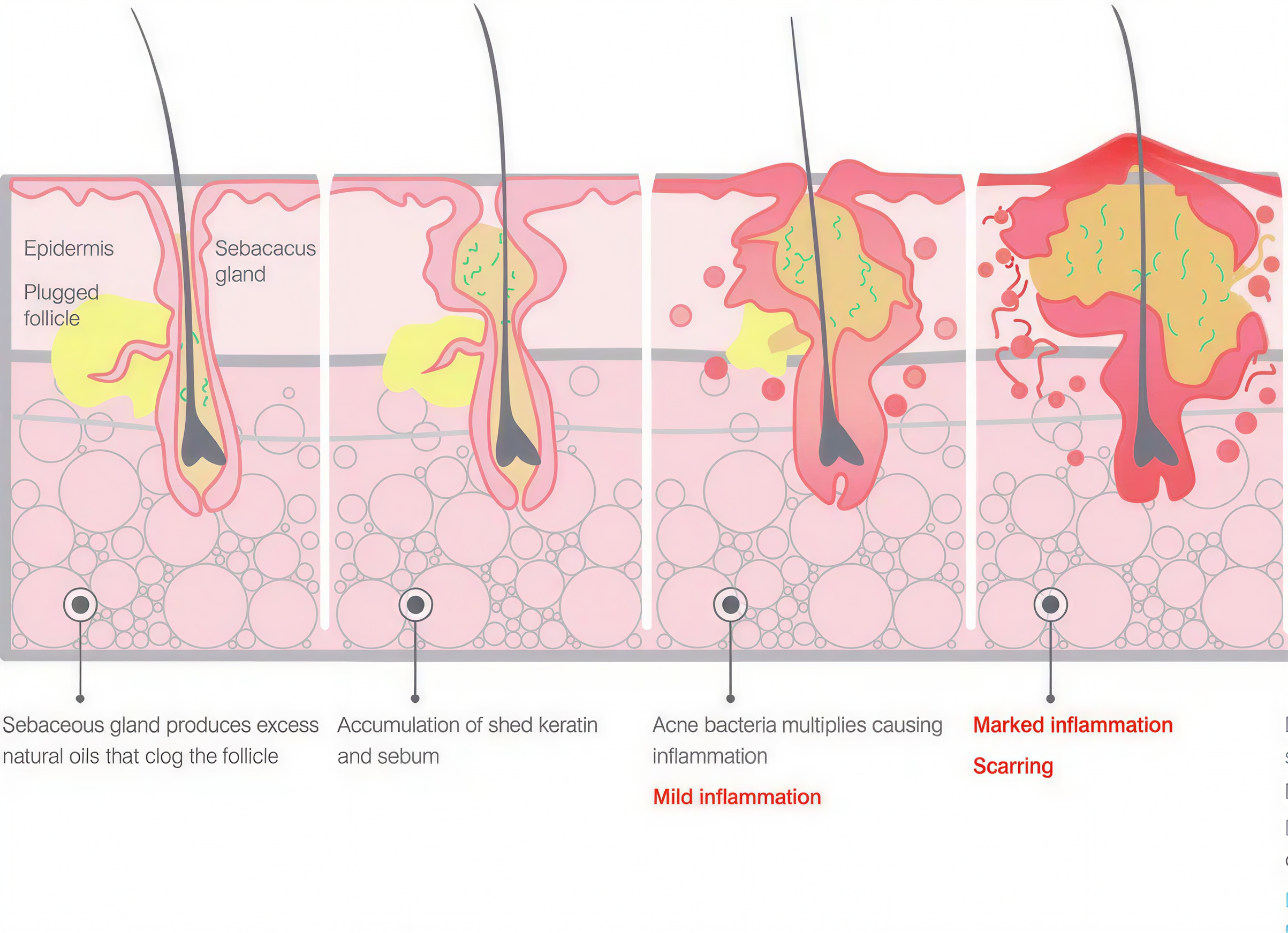
While conventional acne therapies, including retinoids, antibiotics, and hormonal regulators, remain standards of care, growing concerns about antibiotic resistance, limited long-term efficacy, and personalization have catalyzed interest in targeted biologic and immunomodulatory agents as well as targeted endocrine agents. These include monoclonal antibodies targeting IL-1β, IL-17, IL-23, and TNF-α, C. acnes-bacteriophages, fibroblast (adipogenesis) inhibitors, androgen receptor antagonists such as 5α-reductase inhibitors, clascoterone, and metformin4,5.
This review provides a comparative analysis of emerging targeted therapies for acne, focusing on comparing immunologic therapies (monoclonal antibodies targeting IL-1β, IL-17, IL-23, and TNF-α, C. acnes-bacteriophages, fibroblast inhibitors) versus endocrine therapies (5α-reductase inhibitors, clascoterone, metformin). For organizational purposes, C. acnes-bacteriophages will be considered an immunological therapy because it targets pathogens that cause acne, like neutrophils targeting C. acnes. This article will analyze each specific therapy’s individual mechanisms of action, biomarker responsiveness, and translational potential for personalized treatment. It will also discuss potential drawbacks of the approaches and forecast future directions in acne therapeutics.
Methods
A comparative review was conducted to evaluate emerging immunomodulatory and endocrine-targeted therapies for acne vulgaris. Sources were found through Google Scholar and PaperPal [An AI-assisted research agent used for locating peer-reviewed research]. To locate related articles, search terms such as “emerging new immunological/hormonal therapies”, “immunological targeted therapies for acne”, and “hormonal targeted therapies for acne” were included. Next, a year range criterion of publication between the years of 2018 and 2025 was applied to the initial total of articles relating to the review’s topic to ensure that the discussed therapies are emerging and recent developments.
The studies that were acceptable examined immunomodulatory or endocrine-based therapeutic approaches relevant to acne vulgaris or closely related dermatological conditions, such as hidradenitis suppurativa and psoriasis. Acceptable studies also could have been randomized controlled trials, observational studies, preclinical studies, or case reports. Sources that were not peer-reviewed (i.e., non-peer-reviewed general websites or reports), related to the specified types of emerging therapies for acne, did not focus on the therapeutic mechanisms, or not available in English were dismissed. Due to these treatments being unestablished for acne solutions, a broad range of patient populations was included; these populations included acne vulgaris patients, acneiform patients, and animal subjects. This approach was taken to understand how these treatments work and to highlight rudimentary evidence showcasing potential to treat acne.
Lastly, articles that met the acceptable criteria were screened for eligibility based on their title, abstract, and conclusion. Due to little acne-specific clinical trials for most of the therapies, findings from related conditions and early-stage studies were incorporated but interpreted with caution. Finally, a qualitative risk-of-bias evaluation was conducted with the sources using the Cochrane Risk of Bias 2 tool for randomized studies and the ROBINS-1 framework for non-randomized studies. Because the studies often differed from each other, the bias assessments were primarily used to determine the quality of the content.

Results
A. Biological antibodies targeting IL-1β, IL-17, IL-23, or TNF-α
IL-1β, IL-17, IL-23, and TNF-α play central roles in the immunopathogenesis of acne vulgaris, orchestrating both the initiation and maintenance of skin inflammation. During the early formations of acne, IL-1β is produced by the PSU in response to C. acnes colonization and initiates local inflammatory cascades to promote the formation of visible acne. Next, IL-17 sustains inflammation through promoting the production of chemokines and antimicrobial peptides, which both contribute to neutrophil recruitment, hyperkeratosis in the PSU, and pustule formation. IL-23 then supports the survival of Th17 cells which produce IL-17, therefore, supporting IL-17 signaling. Lastly, TNF-α furthers the creation of visible acne through synergizing with IL-1β and IL-17 to cause seborrhea and promote comedeogenesis. Together, these cytokines represent key immunological drivers of acne pathology and are rational therapeutic targets for biologic intervention5,6.
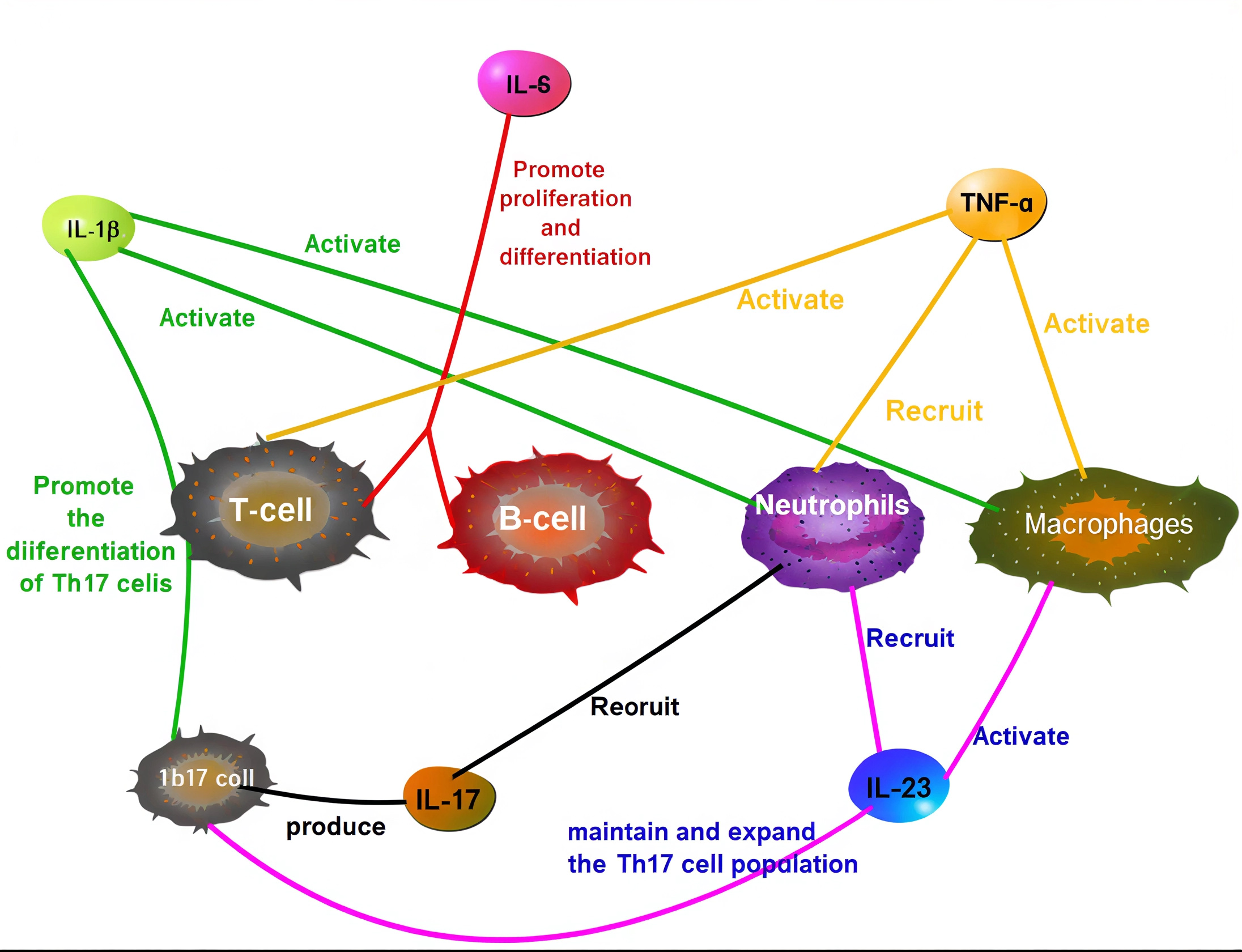
Thus, biologic therapies targeting IL-1β, IL-17, IL-23, or TNF-α have emerged as promising strategies to modulate acne at the molecular level. The following section critically examines monoclonal antibodies developed against these targets, detailing their mechanisms of action and biomarker responsiveness using their preclinical and clinical evidence as well as discussing the current limitations of the antibodies.
Antibodies Targeting IL-1β
This section will focus on the following IL-1β antibodies: Anakinra and Canakinumab
Anakinra
Anakinra is a recombinant, modified protein, IL-1 receptor antagonist. It binds to the IL-1 receptor on the cell surface, which competitively inhibits IL-1β activity.7,8
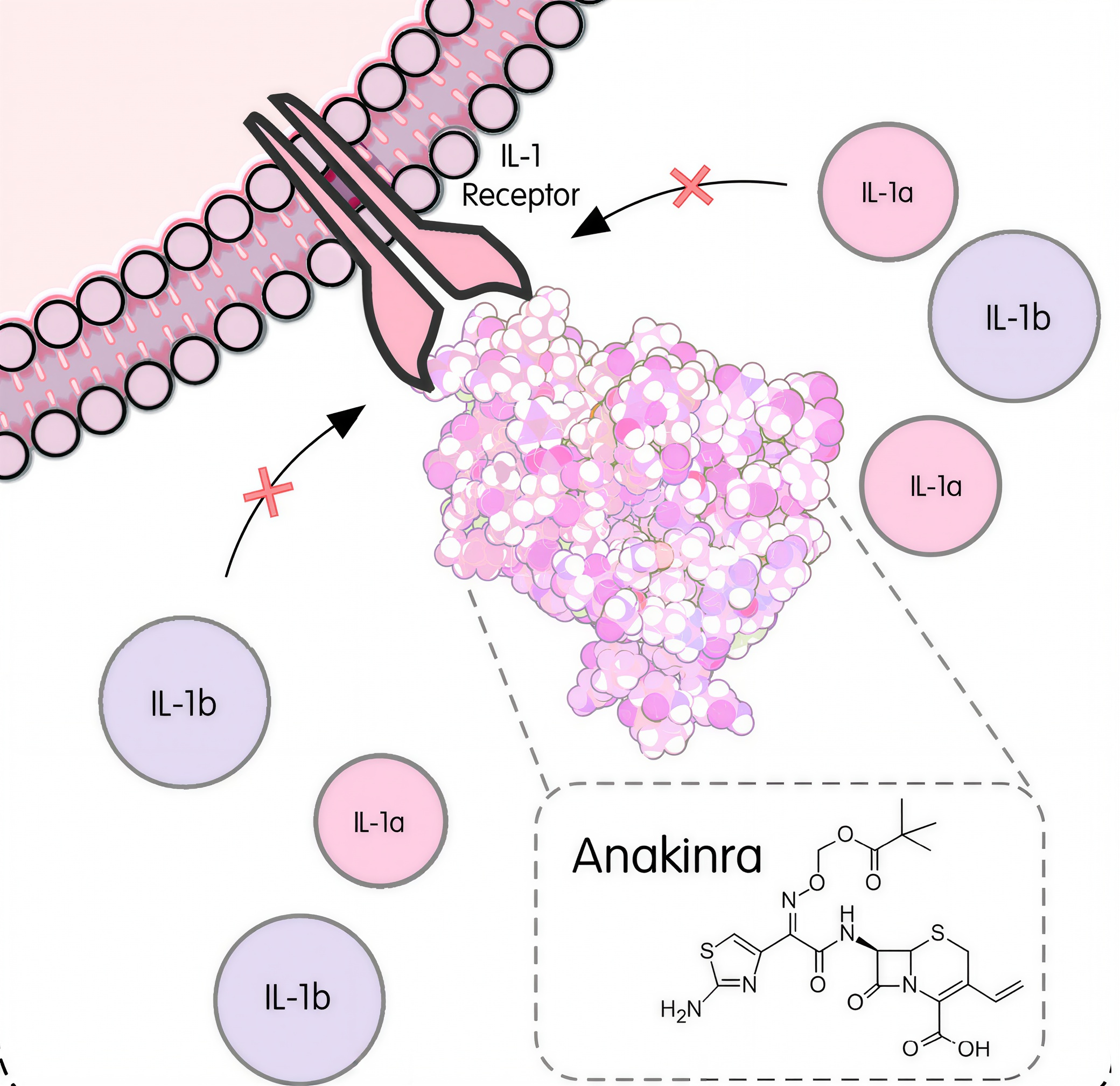
In an observational study conducted by Marzano et al., twelve patients with various neutrophilic and acneiform conditions, such as PAPA syndrome, hidradenitis suppurativa, and severe acne conglobata, were treated daily with anakinra. The treatments were associated with reductions in circulating their IL-1β levels and observable improvements in lesion severity9. While these findings suggest that IL-1β inhibition dampen the inflammatory pathways behind acne lesion formation, the study population did not exclusively consist of patients with acne vulgaris. As a result, whether anakinra will show positive effects in treating acne patients is unknown. Further investigation is needed to determine if anakinra can be effective in addressing acne vulgaris. Moreover, these trials should consider variability in patient response, thus meaning the test population should be a large and diverse pool of acne vulgaris patients. Future experiments should investigate optimal dosing strategies that achieve targeted anti-inflammatory effects with little systemic immunosuppression. Additionally, if anakinra proves successful and moves towards being sold on the market, its manufacturers should experiment with altering how the therapy is delivered to patients. Daily subcutaneous injection varies from existing topical or oral treatments and may cause patients to not want to take the medication.
Canakinumab
Canakinumab is a monoclonal antibody that selectively binds to IL-1β. In doing so, the antibody prevents the cytokine from interacting with its receptor, resulting in reduced downstream inflammatory signaling pathways. Furthermore, IL-1β inhibition may decrease downstream cytokine activity, such as TNF-α–mediated signaling.7
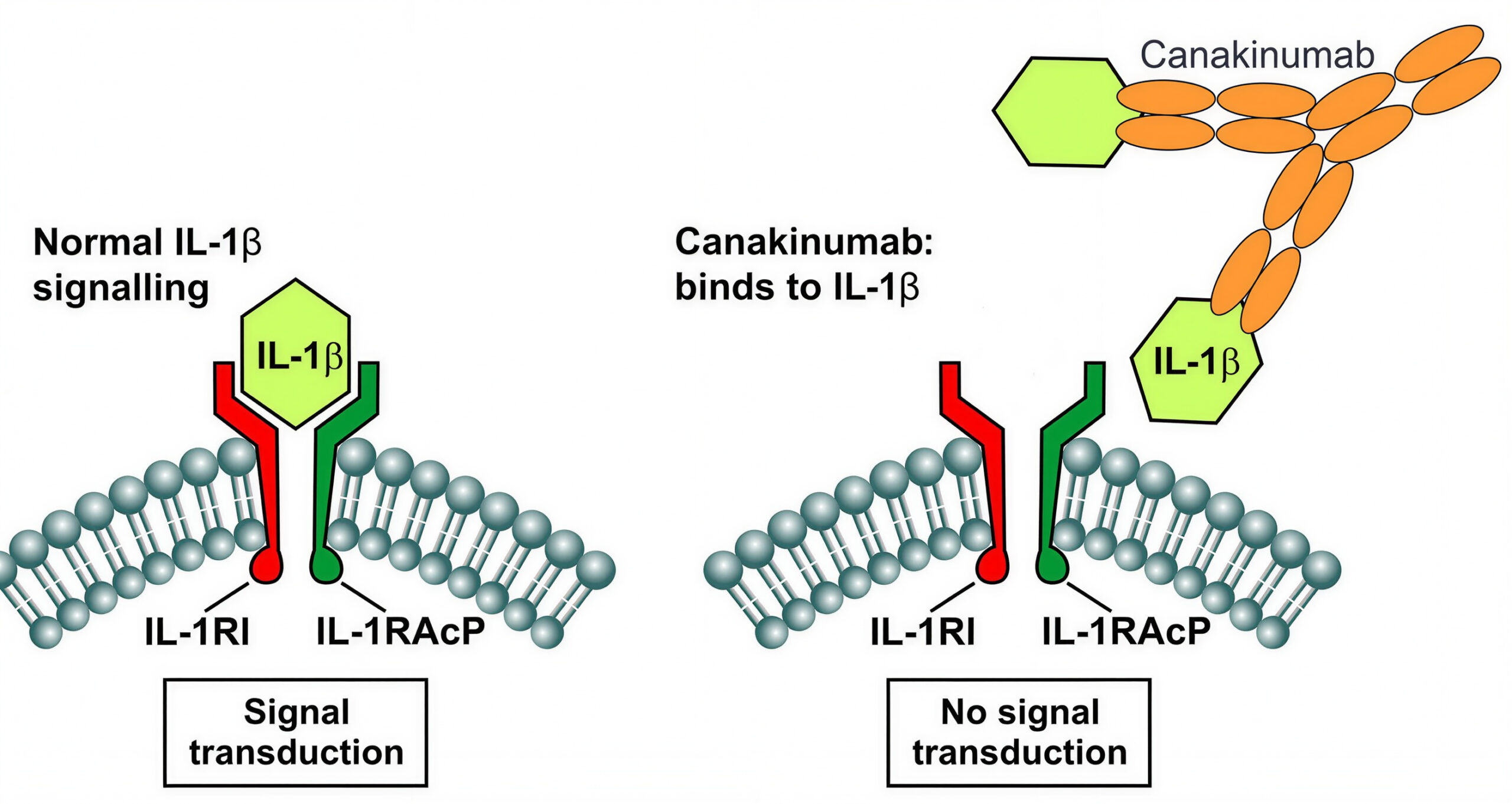
Canakinumab, in observational studies, has been shown to reduce lesions induced by acne vulgaris in patients with PAPA syndrome, hidradenitis suppurativa (HS), and acneiform eruptions. However, these findings are derived mainly from uncontrolled studies, and clinical responses have been variable across different patient populations. Several studies involving individuals with HS or acneiform conditions have also reported limited or inconsistent improvements in lesion severity and quality of life, highlighting the heterogeneity of treatment outcomes. As a result, the current evidence supporting canakinumab’s effectiveness in acne-related conditions remains limited and inconsistent.10,11.
Further investigation is necessary to evaluate the therapeutic potential of canakinumab in acne vulgaris. Future studies should prioritize large and controlled clinical trials with diverse patient populations to assess any variability, safety, and effectiveness. Likewise, it is also important to figure out if IL-1β inhibition can be obtained without excessive immunosuppression.
Comparison
In contrast to endocrine therapies such as 5α-reductase inhibitors, clascoterone, or metformin (which will be discussed in the endocrine section below), which regulate excessive sebum production, IL-1β antibodies (anakinra, canakinumab) act upstream by targeting cytokines that trigger inflammatory signaling. However, IL-1β antibodies are still undergoing reviews and trials for efficacy in targeting IL-1β, safety for patient use, and their potential for treating acne vulgaris. Hence, there is limited clinical trial data on IL-1β inhibitors being established as a potential treatment for acne-specific populations. Still, in the future, if clinical data progresses for these inhibitors, they could be beneficial therapies for treatment-resistant or severe acne-vulgaris where over-the-counter treatment and hormonal therapies are insufficient.
Antibodies Targeting IL-17
This section will focus on the following IL-17 antibodies: Secukinumab and Bimekizumab
Secukinumab
During the formation of acne, the cytokine IL-17A stimulates keratinocytes to release chemokines, antimicrobial peptides (AMPs), and pro-inflammatory cytokines such as TNF-α to recruit neutrophils and start lesion formation. Secukinumab is a monoclonal antibody that selectively binds and neutralizes IL-17A to inhibit the cytokine’s downstream inflammatory effects12,13.
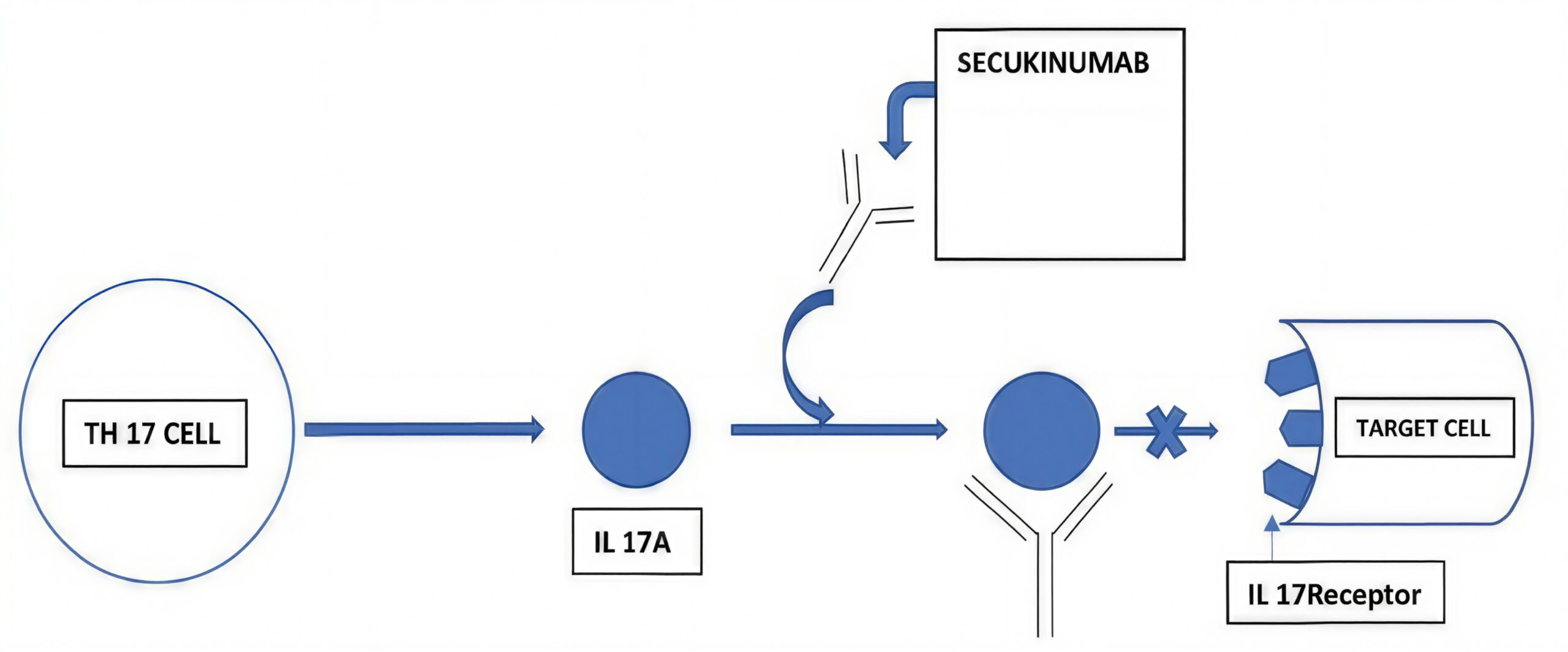
Clinically, secukinumab is FDA-approved for the treatment of psoriasis, which is an immune-mediated skin disorder driven in part by increased IL-17A signaling. This established use supports its effectiveness in targeting IL-17A–mediated inflammation; however, it doesn’t translate to what the antibody’s effect on acne might be. Most data regarding the effects of secukinumab on acne are case reports or small observational studies, rather than large-scale and controlled experiments. In the case reports and observational studies, patients with psoriasis and coexisting acneiform conditions experienced improvements in inflammatory nodules and cysts. While these observations suggest that the inhibition of IL-17A may positively influence acne-related inflammation, the lack of acne-specific clinical trials limits the credibility of these findings13.
Further research is necessary to assess the therapeutic potential of secukinumab in acne vulgaris. Future studies should evaluate its efficacy and safety in large, diverse, and controlled populations, with particular attention to balancing targeted anti-inflammatory effects with the risk of extreme immunosuppression. Additionally, secukinumab is currently administered by subcutaneous injection at regular intervals (usually every four weeks for patients with psoriasis). This might present challenges for patient adherence and marketing in the context of acne treatment because topical and oral therapies are more commonly used.
Bimekizumab
Bimekizumab, like secukinumab, is a monoclonal antibody approved for the treatment of psoriasis. It works by targeting the IL-17 signaling pathway. However, unlike the former therapy, bimekizumab binds and neutralizes both IL-17A and IL-17F, therefore inhibiting a broader range of IL-17–mediated inflammatory signaling. This wider range differentiates bimekizumab from IL-17A–specific therapies and may result in different clinical outcomes15,16.
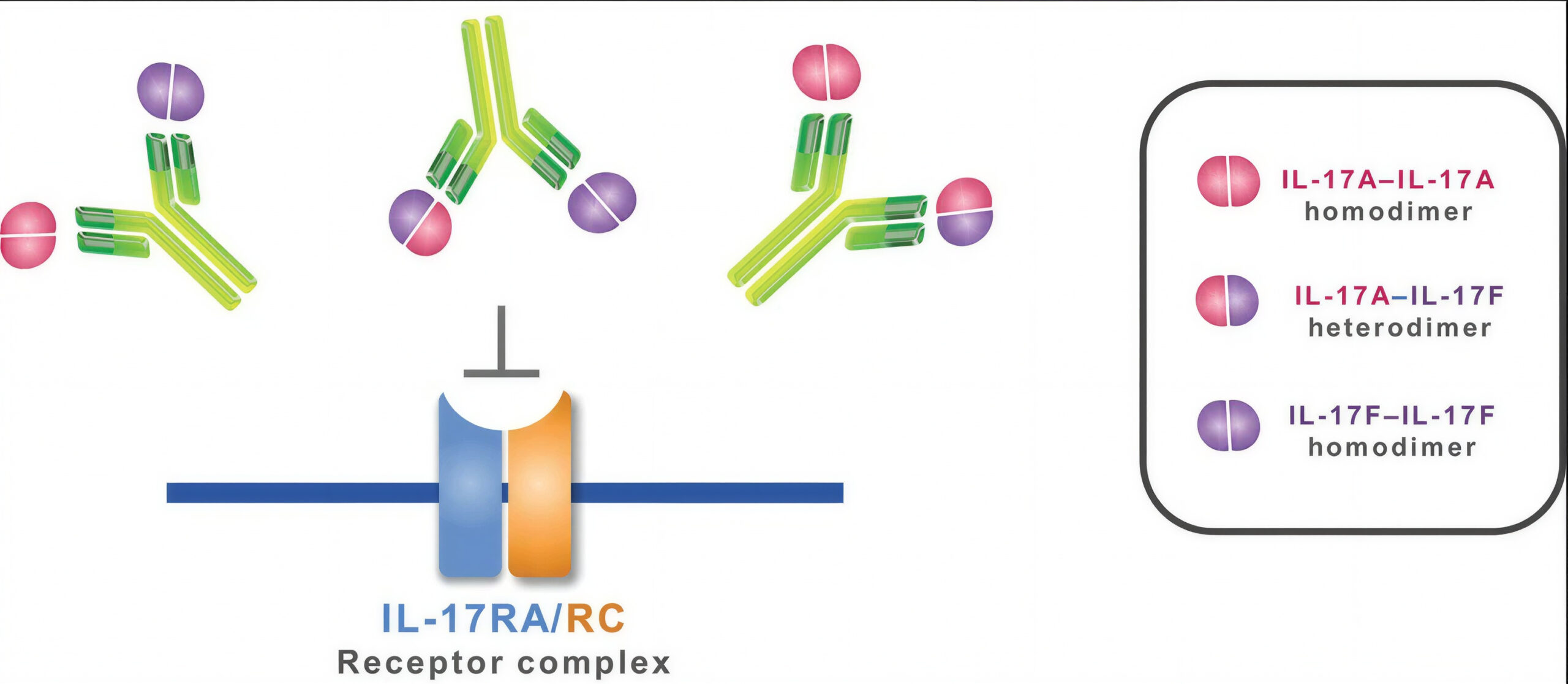
IL-17F is generally less biologically potent than IL-17A, but it can act synergistically with IL-17A to sustain and amplify pro-inflammatory signaling, including pathways present in acne pathogenesis. Dual inhibition may suggest that bimekizumab can provide a more comprehensive suppression of IL-17–driven inflammation than IL-17A–specific therapies. However, direct evidence evaluating bimekizumab in acne vulgaris is currently lacking, and its potential efficacy is supported only by mechanistic rationale and established biomarker responsiveness in the treatment of psoriasis7.
Further investigation is required to determine the therapeutic relevance of both IL-17A/IL-17F inhibition in acne. Future studies need to assess clinical efficacy in controlled and diverse patient populations and evaluate the therapy’s impact on patients’ immune systems. Additionally, bimekizumab is currently administered by subcutaneous injection at regular intervals (usually every four weeks for patients with psoriasis). This might present challenges for patient adherence and marketing in the context of acne treatment because topical and oral therapies are more traditional.
Comparison
IL-17 antibodies target the intercellular signaling between Th17 cells and neutrophils by lowering IL-17 cytokine activity. Cascades caused by IL-17 attaching to their receptors play significant roles in sustaining downstream inflammatory responses, resulting in the formation of acne lesions. Unlike IL-1β inhibitors, which act to prevent in the entire inflammatory cascade from being initiated, IL-17 inhibitors work to hamper neutrophil recruitment and stop prolonged local inflammation that result in pimples. This therapy also differs from endocrine therapies, which regulate androgen levels to cut excessive sebum production instead of modifying immunological inflammatory pathways. IL-17 antibodies may help reduce the intensity or reoccurrence of severe acne formation, when endocrine or over-the-counter-based treatments do not work. Still, this therapy should be evaluated for its effects on humans with acne, and its potential to be used in tandem with other immunological or endocrine treatments.
Antibodies Targeting IL-23
This section will focus on the following IL-23 antibodies: Guselkumab and Tildrakizumab
Guselkumab
Guselkumab is a monoclonal antibody that binds to IL-23 to competitively inhibit the cytokine from attaching to its receptor. Inhibition of IL-23 is associated with a decrease in IL-23–mediated activation and the maintenance of Th17 cells. As of today, guselkumab is FDA-approved and sold for the treatment of plaque psoriasis and psoriatic arthritis under the brand name Tremfya. Its accreditation is bolstered by extensive positive clinical trial data that support its use in suppressing IL-23-driven inflammatory pathways, especially those that lead to plaque psoriasis and psoriatic arthritis.
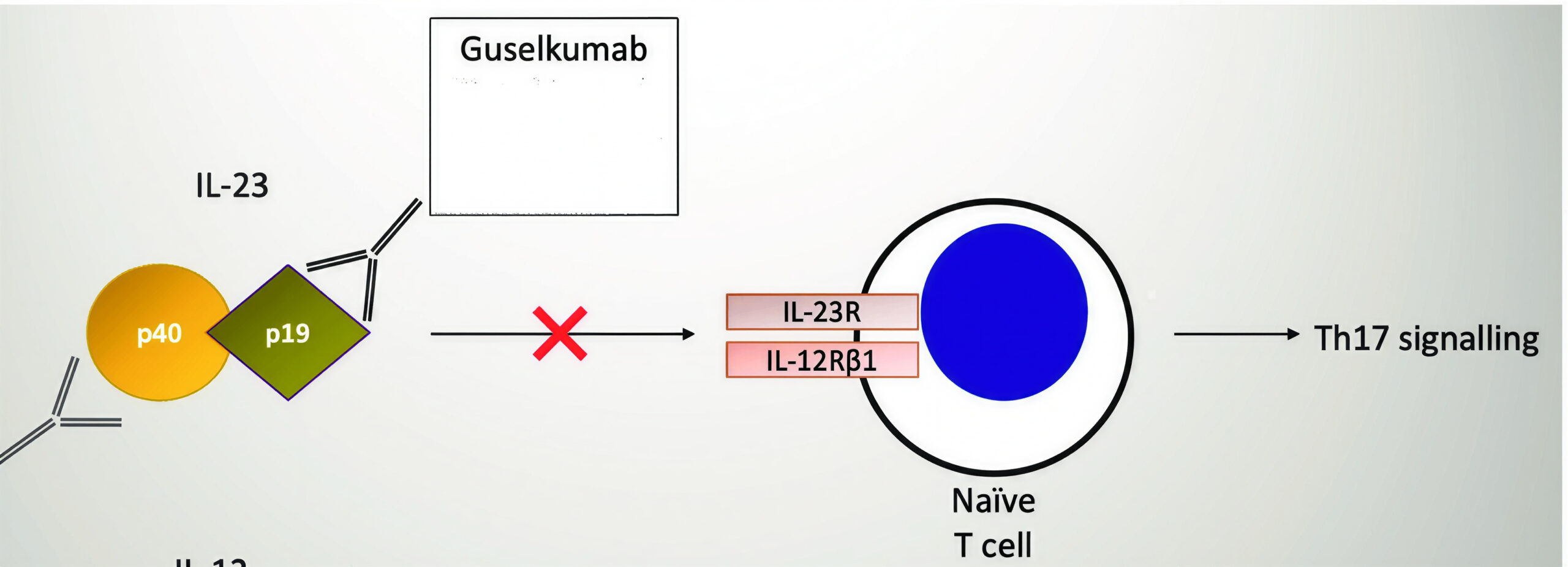
Nonetheless, indirect evidence exists that suggests that IL-23 inhibition may influence the inflammation behind acne. In case reports of psoriasis patients with ongoing acne vulgaris, patients noted that their guselkumab treatment also improved their acne. Still, these findings remain limited by the lack of acne-specific clinical trials and controlled study designs18,19,17.
Because IL-23 functions after IL-17 in the inflammatory cascade, and IL-17 exhibits similar roles in the inflammatory cascade, inhibition of IL-23 may have weaker or more indirect effects on blocking the formation of acne vulgaris18,17. Future studies should study how active IL-23 is in acne formation and whether or not its inhibition is useful in treating the skin condition.
Tildrakizumab
Tildrakizumab is a monoclonal antibody that, like guselkumab, selectively targets the p19 subunit of IL-23, thereby preventing its interaction with the IL-23 receptor and inhibiting downstream Th17-mediated signaling. This similarity in mechanism suggests that tildrakizumab and guselkumab may have comparable upstream effects, though differences in clinical evidence limit direct comparison. Clinically, tildrakizumab is FDA-approved for plaque psoriasis, with clinical and transcriptomic studies demonstrating reductions in Th17-associated cytokines, including IL-17A, which are implicated in inflammatory signaling pathways relevant to acne pathogenesis20,21
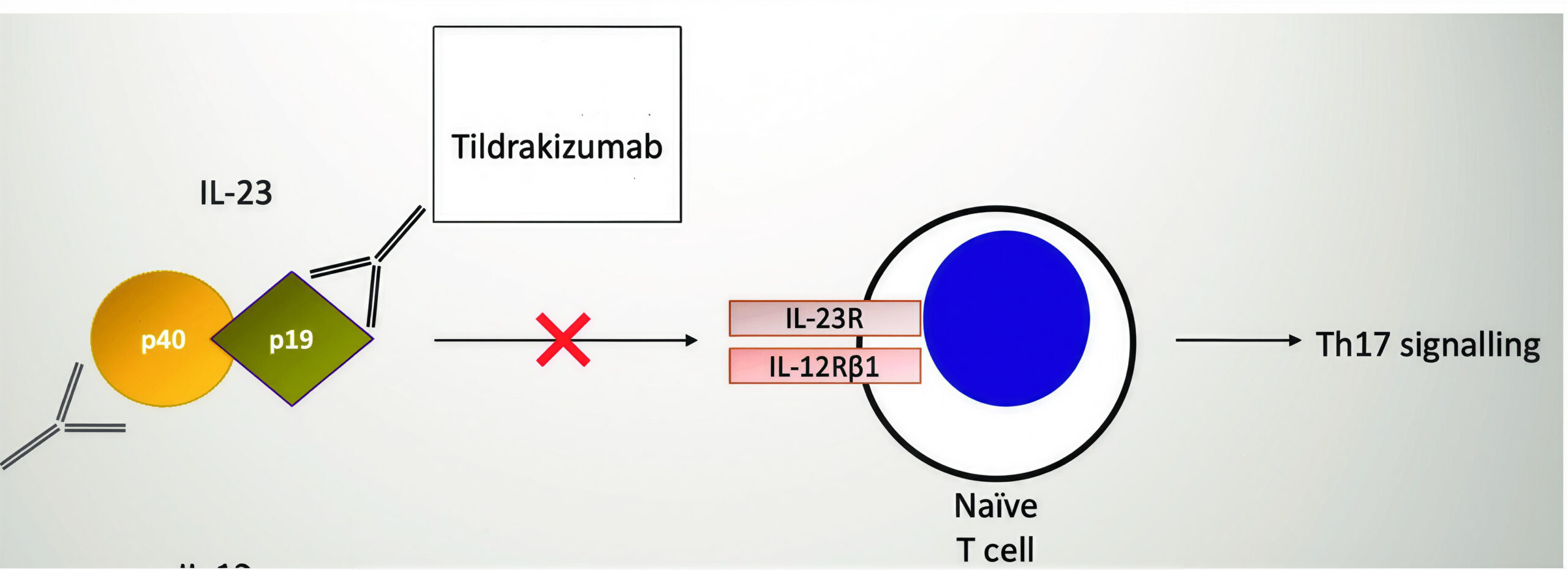
Still, direct evidence evaluating the effects of tildrakizumab on acne vulgaris is virtually nonexistent. There are no observational data or case reports about potential benefits for acne regarding this antibody. Additionally, suppressing IL-23 alone may be insufficient in stopping acne breakouts due to other cytokines activating similar inflammatory pathways as the former20,21.
Further investigation is required to assess the therapeutic relevance of tildrakizumab in acne vulgaris. Future studies should evaluate the effect of the antibody on lesion count, circulating IL-23 levels, and skin transcriptomic analyses focused on downstream inflammatory expressions. Also, researchers should determine whether IL-23–targeted therapies are most effective when used in combination with more proximal inflammatory inhibitors.
Comparison
Within the Th17 signaling pathway, IL-23 antibodies act upstream by regulating the maintenance and expansion of Th17 cells, which indirectly limits IL-17–mediated inflammatory responses associated with acne lesion formation. In contrast to IL-17 antibodies, which act downstream to prevent neutrophil recruitment, IL-23 inhibitors function earlier to reduce the prominence of Th17 cells and limit the production of IL-17. However, unlike IL-1β inhibitors, IL-23 antibodies do not prevent the broader inflammatory signaling cascade underlying acne vulgaris from being initiated. Likewise, IL-23 antibodies do not address excess sebum production or hormonal imbalances that contribute to C. acnes colonization and acne development. Overall, IL-23 inhibitors may serve as potential treatments to suppress severe acne breakouts and the persistent inflammatory signaling that contributes to the skin disease’s severity.
Antibodies Targeting TNF-α
This section will focus on the following antibodies: Adalimumab and Infliximab
Adalimumab
Adalimumab is an antibody that binds to TNF-α’s active site to prevent the cytokine from attaching to its receptor. In doing so, adalimumab neutralizes TNF-α and prevents the cytokine from starting the inflammatory cascade associated with acne formation. The antibody is known for its high-affinity binding and effectiveness in several neutrophil-dominant dermatoses22.
Adalimumab is FDA-approved for hidradenitis suppurativa (HS), a chronic inflammatory skin disorder that shares symptoms with severe forms of acne, such as follicular occlusion, neutrophilic infiltration, and abscess formation. In many randomized controlled clinical trials, adalimumab treatment resulted in significant reductions in lesion severity and measurable decreases in TNF-α levels in serum and lesional tissue. Although adalimumab is not approved for acne vulgaris, its demonstrated ability to modulate TNF-α driven inflammation provides a mechanistic rationale for further investigation in acne-related inflammatory pathways23.
However, the inhibition of TNF-α alone may be insufficient to prevent the acne vulgaris inflammatory cascade because IL-1β works in tandem with this cytokine. Even with the suppression of TNF-α, IL-1β can activate the same pathways. Additionally, continued blocking of TNF-α can cause extreme immune suppression, which needs to be carefully evaluated in the context of acne treatment. Adalimumab is administered via subcutaneous injection which may be unattractive to patients. Further studies are needed to assess its potential for treating acne.
Infliximab
Infliximab is a monoclonal antibody that binds with high affinity to both soluble and membrane-bound TNF-α, thereby inhibiting TNF-α–mediated inflammatory signaling. Through this mechanism, infliximab suppresses downstream cytokine activity and reduces inflammatory responses associated with neutrophil-dominant skin disorders7.
Clinically, infliximab is FDA-approved for several immune-mediated diseases, including Crohn’s disease, ulcerative colitis, rheumatoid arthritis, and plaque psoriasis. Though the antibody is not approved for treating hidradenitis suppurativa (HS), many open-label studies and case reports have found that patients with HS noticed reductions in inflammatory nodules, abscesses, and draining sinuses after being treated with infliximab. HS shares pathophysiologic features with severe acne, which could mean TNF-α inhibition may address the skin disease. However, Infliximab has no acne-specific clinical trials; thus, its efficacy or potential in the treatment of the skin disease is unknown.
Hence, further investigation is needed to evaluate the therapeutic potential of infliximab in acne vulgaris. Future studies need first to determine whether TNF-α inhibition meaningfully prevents activation of the inflammatory cascade underlying acne. Especially when considering that IL-1β can trigger the same pathways TNF-α does. Next, researchers should examine the effects of the antibody on the immune system when used to treat acne. Lastly, unlike adalimumab, infliximab is administered through intravenous infusion rather than subcutaneous injection, which may present challenges in administering to patients, adherence to consistently taking the medication, and high costs.
Comparison
TNF-α antibodies act early in inhibiting the inflammatory cascade behind acne lesion formation through blocking signaling from one of the initial cascade catalysts. TNF-α promotes the activation of Th17 cells and macrophages, which result in the amplification of inflammatory responses and “breakouts”. In contrast to IL-23 antibodies, TNF-α antibodies may exert broader and earlier regulation of inflammatory signaling by de-influencing both T-cell activation and macrophage activity. Additionally, because TNF-α inhibitors reduce Th17 cell activity, IL-17 production is consequently diminished, indicating that these antibodies act earlier in the inflammatory cascade than IL-17–targeting therapies. However, TNF-α inhibitors face a key limitation, as IL-1β can activate overlapping inflammatory pathways, potentially allowing inflammation to persist despite TNF-α inhibition15,16.
B. Fibroblast (Adipogenesis) Inhibitors
When overpopulation of C. acnes occurs within the PSU, dermal fibroblasts undergo reactive adipogenesis. During adipogenesis, fibroblasts transform into fat tissue and secrete cathelicidin, an antimicrobial and chemoattractant for neutrophils. The process also contributes to the release of IL-1β and TNF-α24.
Since fibroblasts appear to participate in the early stages of acne formation, suppression of fibroblast adipogenesis may represent a potential therapy. An emerging protein molecule that does just this is Transmembrane BAX Inhibitor Motif-Containing 1 (TMBIM1). TMBIM1 has been identified as a negative regulator of adipogenic differentiation25.
Mechanistically, TMBIM1 works to reduce the expression of transcription factors required for fibroblast adipogenesis to happen. This “small but mighty” protein might have major positive implications for the prevention of acne breakouts. Fibroblast-to-adipocyte conversion is implicated in causing cytokine release and inflammation that leads to lesions. Unlike the previous cytokine antibodies, which all work to suppress the inflammatory cytokines or pathways after they’ve been released, TMBIM1 may act at an earlier stage by limiting the total initiation of these pathways25.
Sadly, there is currently no direct evidence evaluating TMBIM1 in acne vulgaris formation, and its relevance to acne treatment remains largely theoretical. Existing evidence is primarily mechanistic and preclinical studies instead of experiments with acne patients. Furthermore, unlike endocrine therapies, TMBIM1 does not regulate androgen levels or sebum production. Future studies will need to assess whether adipogenesis inhibition can reduce acne severity or occurrence, while also discovering the most effective delivery methods for targeting fibroblasts within seborrheic tissues. A large and diverse patient population would also be necessary to evaluate the consistency and safety of this approach.
Comparison
Adipogenesis inhibitors may serve as an earlier-stage preventer of the immunological pathways behind acne vulgaris. TMBIM1 may be able to prevent IL-1β from initiating the inflammatory cascade, as it inhibits fibroblast adipogenesis, a process linked to IL-1β production. Compared to the interleukin antibodies listed above, adipogenesis inhibitors may have the potential to prevent acne lesion formation at an earlier stage by limiting the presence of IL-1β, a key cytokine involved in activating inflammatory signaling pathways. However, rather than completely shutting down the inflammatory cascade, this approach more precisely reduces the initiation of cytokine-driven responses. TMBIM1 also differs from endocrine-targeting therapies, as it does not address C. acnes dysbiosis driven by excess sebum, but may still suppress inflammatory acne development despite underlying hormonal imbalances.
C. C. Acnes-Phages
C. acnes is a constantly evolving microbe that lives in the pilosebaceous units of your skin. Its adaptive nature means this bacterium gains resistance to antibiotic medicines, especially topical antibiotics like clindamycin. Thus, there has been growing interest in bacteriophage therapy to potentially replace conventional antibiotics. Namely, C. acnes–infecting bacteriophages, which are double-stranded DNA viruses, exhibit the ability to selectively target and eviscerate C. acnes. These bacteriophages could potentially reduce C. acnes populations while leaving other skin microbes alone. The bacteriophages work to eliminate their host by attaching to the surface of C. acnes, injecting their genetic material, and initiating a lytic cycle that results in the bacteria’s cell destruction26,27,28.
One emerging phage candidate is FD3, a C. acnes–specific bacteriophage identified in 2021. In a preclinical mouse model, daily topical application of an FD3-enriched Carbopol gel over five consecutive days resulted in reductions in lesion size, bacterial population count, and neutrophil levels in the bloodstream. Also, the study showcased a decline in inflammatory activity, like lessening IL-1β expression in skin tissue and neutrophil recruitment. This finding suggests that FD3 might influence the immune system’s response during acne formation. What’s more, these findings provide early in vivo evidence that topical bacteriophage therapy might help suppress C. acnes overgrowth and downstream inflammatory responses associated with acne-like lesions28.
However, the current evidence supporting FD3 remains derived from animal studies, so its effects in human acne vulgaris are not established. In contrast to cytokine antibodies, which directly suppress inflammatory cytokines, bacteriophage therapy acts at the microbial level by reducing one of the initiating triggers of acne. Additionally, unlike endocrine therapies, bacteriophages do not regulate excess sebum production or hormonal factors that contribute to recurrent C. acnes overgrowth. As a result, bacteriophage therapy alone may be insufficient in some patients, especially if high sebaceous activity continues in these individuals. Studies should therefore evaluate FD3 in larger and more diverse patient populations, including individuals with both antibiotic-resistant and non-resistant acne, while also assessing rates, long-term microbiome effects, and combinations of therapies.
Comparison
C. acnes bacteriophages act at the immuno-microbial level by reducing C. acnes populations and lessening strain on the immune system. Compared to adipogenesis inhibitors, such as TMBIM1, bacteriophages may stop the initiation of immuno-inflammatory responses by controlling excess C. acnes colonization: the primary trigger of the immune response. While TMBIM1 can stop prevent adipogenesis from occurring and leading to the secretion of IL-1β, TNF-α, and cathelicidin, the bacteriophages could potentially stop C. acnes from triggering it in the first place. However, unlike endocrine therapies, bacteriophages do not regulate excess sebum production or underlying hormonal imbalances, which are primary drivers of C. acnes overgrowth and recurrence. As a result, phage therapy may not fully prevent recolonization in sebum-rich environments. Additionally, the overall efficacy of bacteriophage therapy in acne vulgaris remains uncertain, as it has not been tested on humans.
D. 5α-reductase inhibitors
5α-reductase is an enzyme that catalyzes testosterone into dihydrotestosterone (DHT). DHT is an androgen that stimulates the growth of sebaceous gland and increases sebum production. High DHT activity within the PSU means excessive oil production and hyperkeratinzation, resulting in C. acnes overgrowth. In the body, there exists three kinds of 5α-reductase enzymes or, isoenzymes to be fancy: Type I, which is mainly present in sebaceous glands and skin, Type II, which is more associated with hair follicles and prostate tissue, and, lastly, Type III, which is linked to protein and tissue formation. Despite their differences, it is primarily Type I and Type II 5α-reductase that contribute to hormonal acne in certain patients, hence therapies capable of inhibiting both Type I and Type II 5α-reductase may prove extremely beneficial for acne patients29,30.
One potential therapeutic candidate that fits the above criteria is dutasteride. This steroid works as a competitive inhibitor of Type I, Type II, and Type III 5α-reductase. Dutasteride has been shown to reduce serum DHT levels by more than 90%, which could potentially mean that this therapy could decrease sebaceous gland activity and high sebum production. Dutasteride has not been formally evaluated in acne-specific clinical trials, but indirect evidence from studies of finasteride, a 5α-reductase inhibitor that primarily targets Type II and Type III isoenzymes, suggests that DHT suppression may improve acne severity in some patients. Because dutasteride inhibits Type I 5α-reductase in addition to Type II, it might theoretically provide more effective suppression of sebum production than finasteride.
Still, the therapeutic possibility of dutasteride in acne vulgaris remains uncertain. The current existing evidence for this therapy’s use on acne is derived from indirect evidence or theories, so it’s unclear how the steroid would behave in a clinical trial on acne patients. As of today, Dutasteride is primarily used for benign prostatic hyperplasia and androgenic alopecia; also, its use is for women is considered unsafe because it poses risks for pregnancy and birth defects. Furthermore, inhibition of all three 5α-reductase isoenzymes is unlikely necessary for acne treatment, given that Type III hardly appears to play a role in acne development. Future studies need to first assess if inhibition of Type I or inhibition of both Type I and Type II 5α-reductase is required to reduce acne severity. Then, the studies should evaluate the safety and long-term effects of such treatments on a diverse (different sexes, ethnicities, and ages) patient population.
Comparison
5α-reductase inhibitors may be able to regulate excess sebum production at its source by reducing circulating DHT levels. Reducing excess sebum means preventing an overshoot in the population of C. acnes. Unlike immunomodulatory therapies, which target inflammatory pathways or cascades behind lesion formation, 5α-reductase inhibitors act at the hormonal level to modify what causes bacterial overgrowth and subsequent inflammation. However, while these therapies may reduce the frequency of acne formation, they cannot stop immune responses once inflammation has been initiated.
E. Clascoterone
Clascoterone is a topical androgen receptor antagonist that works within the PSU that which it’s applied onto. On a molecular level, clascoterone competitively inhibits DHT from attaching to its receptors, which prevents the hormone from being catalyzed and producing excess sebum. Unlike 5α-reductase inhibitors, such as dutasteride, which reduce internal DHT creation, clascoterone acts externally, on the skin, without affecting circulating hormone levels present in the bloodstream or tissues. In vitro studies have shown that clascoterone binds androgen receptors with a greater affinity than spironolactone, and unlike spironolactone, it can generally be used safely in both male and female patients4 ,31.
Likewise, clinical trial evidence positively highlights the effectiveness and benefits of clascoterone in treating acne vulgaris. In phase 3 studies, twice-daily application of clascoterone cream 1% resulted in significant reductions in inflammatory and non-inflammatory lesion counts, with many patients achieving “clear” or “almost clear” Investigator’s Global Assessment (IGA) scores. These studies also have found that clascoterone showed effectiveness across a wide range (sex, age, ethnicity) of patient populations. Moreover, because it’s applied topically, clascoterone may also offer improved patient tolerability and adherence compared to oral endocrine therapies31.
However, clascoterone does not appear to provide permanent suppression of acne recurrence, and visible improvement may take several weeks to become apparent. As a result, clascoterone may be most effective in mild to moderate acne or as part of combination therapy with treatments that target inflammatory pathways more directly. Future studies should determine whether clascoterone when combined with other endocrine and immunological approaches provide greater patient benefits than clascoterone alone.
Comparison
Clascoterone functions as a topical DHT antagonist by stopping the hormone from attaching to its receptor. In contrast to immunomodulatory therapies, which target inflammatory cytokine signaling, clascoterone targets the production of excess sebum, which can lead to an acne-inducing environment. However, clascoterone cannot stop inflammation once it’s been initiated. Therefore, clascoterone is effective in mild to moderate acne or as part of combination therapy.
F. Metformin
Metformin, an anti-diabetic medication, may have potential to treat acne. The drug activates AMP-activated protein kinase (AMPK). AMPK then suppresses mechanistic target of rapamycin complex 1 (mTORC1), which is associated to causing excess sebum production. Additionally, metformin reduces circulating insulin and IGF-1 levels, both of which are common triggers to start mTORC1 signaling, resulting in acne breakouts32,33,34
This medication differs greatly from other endocrine therapies. 5α-reductase inhibitors and clascoterone both inhibit acne more directly: 5α-reductase inhibitors stop DHT creation, resulting in one of the primary hormones behind sebum synthesis being blocked from doing its job; meanwhile, clascoterone topically prevents DHT from binding to its receptors, resulting in sebum production also being hindered. Differently, metformin stops the signaling cascade that even calls for testosterone to be converted into DHT. mTORC1, which is linked to being the primary axis of triggering the entire hormonal cascade for acne breakouts, is often set off by insulin and IGF-1. By lowering insulin and IGF-1 levels, metformin prevents mTORC1 from being activated. This means metformin acts earlier than 5α-reductase inhibitors and clascoterone in preventing hormonal acne, but also indirectly compared to the other therapies. Metformin has also been shown to inhibit NLRP3 inflammasome’s activation and reduce IL-1β levels, meaning the drug may wield anti-inflammatory capabilities.
Unfortunately, clinical tests to study metformin’s effects on acne patient populations have not been conducted. During these tests, it will be important that researchers observe this medication’s effects on reducing how often the mTORC1 axis is triggered and how much metformin reduces circulating NLRP3 inflammasome and IL-1β levels during a potential acne breakout.
Though large-scale studies have yet to be conducted, in a study where women with polycystic ovary syndrome (PCOS) were treated with metformin, the patients noticed measurable reductions in their acne’s severity35,36,34. These results highlight the drug’s potential, but it is unclear if these findings patients without PCOS. Going forward, research should test metformin’s effects on individuals without PCOS.
Comparison
Metformin works by activating AMPK, which serves as an inhibitor of mTORC1. The inhibition of mTORC1 stops signaling that would cause high oil production in the skin. Metformin acts earlier than to 5α-reductase inhibitors and clascoterone to stop acne. Additionally, metformin has demonstrated an ability to reduce NLRP3 inflammasome and IL-1β levels. However, unlike the cytokine antibodies, this effect may be caused due to the immune system not being activated as much, rather than metformin competitively inhibiting the cytokines. Lastly, metformin’s efficacy in general acne populations remains unestablished.
Comparative Chart
| Therapies | Category | Mechanism of Action | Evidence Level for Acne Vulgaris | Safety Concerns and Limitations | Regulatory Status & Route of Administration |
| IL-1β antibodies: Anakinra and Canakinumab | Immunomodulatory Treatment | Selectively antagonizes the binding of IL-1β to its receptors, which modulates the inflammatory cascade associated with acne vulgaris to be stunted. | Extremely limited clinical evidence on the efficacy of IL-1β antibodies for acne vulgaris. | Risk of systemic immunosuppression and increased infection susceptibility | Anakinra and Canakinumab are authorized treatments for non-acneiform diseases. Anakinra is administered through daily subcutaneous injections, while canakinumab is administered through four-weekly subcutaneous injections. Both therapies are not authorized for the treatment of acne vulgaris. Acne vulgaris patients may be unwilling to adhere to injections. |
| IL-17 antibodies: Secukinumab and Bimekizumab | Immunomodulatory Treatment | Prevents the binding of IL-17 to its receptors, which reduces the recruitment of neutrophils to the PSU and may cause less severe responses to C. acnes colonization. | Limited clinical evidence on the efficacy of IL-17 antibodies for acne vulgaris (a study did note that the use of Secukinumab might have reduced the severity of other acneiform conditions). | Risk of systemic immunosuppression and increased infection susceptibility | Secukinumab and Bimekizumab are authorized treatments for hidradenitis suppurativa and psoriasis. They are administered through four-weekly subcutaneous injections. Both treatments are not authorized for the treatment of acne vulgaris. Acne vulgaris patients may be unwilling to adhere to injections. |
| IL-23 antibodies: Guselkumab and Tildrakizumab | Immunomodulatory Treatment | Targets the binding of IL-23 to its receptors, which may lead to the reduced maintenance of Th17 cells and macrophage activation. | Limited clinical evidence on the efficacy of IL-23 antibodies for acne vulgaris (Guselkumab has shown a positive effect on acne vulgaris in studies focused on treating psoriasis). | Risk of systemic immunosuppression and increased infection susceptibility | Guselkumab and Tildrakizumab are authorized treatments for psoriasis, and they are administered through four-weekly subcutaneous injections. Both therapies are not currently authorized for the treatment of acne vulgaris. Acne vulgaris patients may be unwilling to adhere to injections. |
| TNF-α antibodies: Adalimumab and Infliximab | Immunomodulatory Treatment | Blocks the binding of TNF-α, possibly resulting in less activation of the inflammatory cascade behind acne. | Extremely limited clinical evidence on the efficacy of TNF-α antibodies for acne vulgaris. | Risk of systemic immunosuppression and increased infection susceptibility | Adalimumab and Infliximab are authorized treatments for psoriasis and Hidradenitis Suppurativa. Adalimumab is administered through biweekly subcutaneous injections, while Infliximab is administered through IV fusion. Not authorized for the treatment of acne vulgaris. Acne vulgaris patients may be unwilling to adhere to injections. |
| Adipogenesis Inhibitors (TMBIM1) | Immunomodulatory Treatment | Prevents fibroblasts in the PSU from undergoing adipogenesis, thereby attenuatting IL-1β secretion. | Only preclinical/mechanistic evidence available on the efficacy of TMBIM1 in reducing acne vulgaris. | May be carcinogenic. | Emerging and unauthorized treatment for acne vulgaris. Never administered to human subjects. |
| C. Acnes Bacteriophages | Immunomodulatory Treatment | Reduces the C. acnes population in the PSU, which may regulating the dysbiosis of C. acnes. | Preclinical evidence and animal-model evidence; Mouse model studies and human studies have highlighted C. Acnes Bacteriophages effectiveness in targeting C. acnes and addressing acne lesions. | Potential risk that C. acnes will develop resistance to the bacteriophages. | Emerging and unauthorized treatment for acne vulgaris: applied topically during experiments. Topical applications may cause easier adaptation by acne vulgaris patients. |
| 5α-reductase inhibitors: Dutasteride & Finasteride | Endocrine Treatment | Targets 5α-reductase, which catalyzes testosterone into dihydrotestosterone, to regulate excess sebum production. | Finasteride has been shown to reduce acne vulgaris in clinical studies; no clinical studies have been conducted on dutasteride’s effects on acne vulgaris. | Potential risk of negative cognitive and mental effects. | Unauthorized treatment for acne vulgaris, but it is administered through FDA-approved oral pills to treat androgen-associated hair loss. Oral administration may lead to easier adaptation by acne vulgaris patients. |
| Clascoterone | Endocrine Treatment | Locally antagonizes the binding of DHT to its receptors, thus regulating sebum production. | FDA-approved for acne (ex. Winlevi). | May trigger eczema and skin irritation. | FDA-approved treatment for acne vulgaris is administered through twice-daily topical application. |
| Metformin | Endocrine Treatment | Decreases insulin and IGF-1 circulation, reducing androgen signaling and excess sebum production. Also, may reduce IL-1β release. | Clinical evidence is mostly derived from PCOS-associated acne and may not generalize. | Might cause gastrointestinal complications. | Unauthorized treatment for acne vulgaris, but it is administered through FDA-approved oral pills for diabetes treatment. Oral administration may lead to easier adaptation by acne vulgaris patients. |
Discussion
Immunomodulatory and endocrine agents are both viable therapies for developing new impactful dermatological agents for the treatment of acne. This review highlights significant differences in the efficacy, mechanisms of action, and maturity of evidence between immunological and hormonal treatments for acne vulgaris. Immunological treatments, such as biological antibodies, adipogenesis inhibitors, and C. acne phages, may show promise in reducing inflammation and lesion counts in moderate-to-severe cases. These new antibodies could target the inflammatory cell signaling behind acne, making them potential novel dermatological therapeutics. However, none of these therapies have undergone acne-specific clinical testing, so their effects on acne vulgaris remain unknown.
Differing in their functions and targets, the endocrine therapies discussed in this review (5α-reductase inhibitors, clascoterone, and metformin) act primarily by reducing androgen signaling and sebaceous gland activity that contribute to C. acnes overgrowth, resulting in breakouts and oily skin. In acne pathogenesis, endocrine therapies may act earlier than immunological treatments, since they target the hormonal signaling and the subsequent skin environment that support acne development. Compared with this review’s immunology-based therapies, endocrine therapies currently have greater direct relevance to acne care. Still, except for clascoterone, there is virtually no direct evidence for the other hormonal therapies for their ability to treat acne. All reports of these therapies’ effects on acne come from off-label use, indirect study populations, or case reports involving patients with other dermatological conditions alongside acne vulgaris.
Despite their differences, further research into combining therapies, including the immunological and endocrine therapies discussed, may open a new frontier in the dermatological treatment of acne. Acne arises from both hormonal and inflammatory factors; hence, allowing endocrine and immunomodulatory therapies to work together could have significant preventive and targeted effects. The distinction between what each therapy targets could present an opportunity for dermatologists to either personalize treatments for patients based on the dominant factors causing their acne or craft a treatment plan that includes a different type of therapy, resulting in broader suppression of the various factors behind acne breakouts.
The applicability of evidence from related inflammatory skin conditions (hidradenitis suppurativa and psoriasis) should also be interpreted carefully. Clinical studies and case reports regarding these skin conditions were included in this study because HS and psoriasis share similar symptoms with acne, like follicular occlusion, neutrophilic inflammation, and cytokine dysregulation. Still, they are not the same disease. HS and psoriasis arise from immune dysfunction, whereas acne stems from excessive hormonal signaling, elevated sebum production, and bacterial colonization. In other words, what works for HS or psoriasis might not work for treating acne. Thus, evidence from these conditions is used only to provide mechanistic support, not as a substitute for acne-specific clinical trials.
Which brings us to another important issue: cytokine inhibitors are not yet designed to specifically target seborrheic tissues. Current literature provides strong evidence that these agents can bind their unique cytokine with high affinity; however, there is no evidence that shows these antibodies being tissue specific. This is paramount in the discussion of acne because inflammation and papules form within the PSU, not throughout the body. Future scientists will need to find a way to make these antibodies target acne-relevant tissues.
Furthermore, the delivery methods of the therapies may have to be changed. Current treatments for acne, such as benzoyl peroxide, retinoids, antibiotics, spironolactone, and isotretinoin, are easy to apply or take. In comparison, the emerging immunomodulatory therapies either require injections or are in early-stage evidence. Likewise, many endocrine therapies require further development. Clascoterone has proven to be clinically suitable and available for acne treatment. It is also being prescribed to patients under the medication name Winlevi. Dutasteride and metformin still require clinical evidence and testing for acne use; although, metformin, because it’s an oral medication, should be easy for patients for take.
Age and sex are important for researchers to consider in their clinical tests. Endocrine therapies tend to help patients with high hormonal activity, such as women with polycystic ovary syndrome or adolescents. At the same time, 5α-reductase inhibitors pose dangerous side effect to women, specifically they can hurt women’s reproductive health. Oppositely, immunomodulatory therapies tend to be applicable to all sexes; however, the side effects can of these treatments can vary depending on a patient’s age. When testing endocrine and immunological therapies, researchers should be extremely focused on the effects that the treatments cause to patients of different age, sex, ethnicity, and hormonal status. In the future, if these therapies gain more research and testing, it’s possible that the field of dermatology may move to a frontier of combination strategies for treating acne. Having both endocrine therapies address the environment that promotes C. acnes overgrowth and immunomodulatory therapies limiting inflammation prescribed to patients could tremendously help acne patients.
Ultimately, the future of acne treatment may lie in personalized, targeted therapy rather than a “one-size-fits-all” model. Although this review cannot state whether these therapies will replace current standards of acne care, further investigation may show that they are more effective and preventive.
Limitations
Due to the nature of the paper, evidence utilized in this article was extracted from clinical trials performed by numerous different organizations and publications, resulting in varying endpoints, sample sizes, and patient populations. The lack of head-to-head trials between immunologic and hormonal agents constrains direct comparisons. Potential publication bias and reliance on data from early-phase trials for biologics should also be acknowledged. Additionally, no original research was conducted when creating this article. Thus, this paper does not detail the results of the identified therapeutics’ impacts on acne or their side effects in working in tandem with each other. Many therapeutics mentioned, as well, are not ready or may not even be possible to be used in treating acne vulgaris and need to be studied further. Future studies should prioritize randomized, controlled trials directly using the treatments on acne, comparing these treatment classes and exploring long-term outcomes, including relapse rates and safety in diverse populations.
Conclusion
This review delineates the contrasting yet possibly complementary roles of immunological and hormonal therapies in the management of acne vulgaris. Hormonal treatments focus on reducing sebum production by altering hormonal signaling within a patient. Immunological therapies act to block the inflammatory cascades behind lesion formation. Together, a combination of these therapies could work to alleviate acne in the short term and prevent acne formation long term by attacking the disorder at its root.
The synthesis of current evidence suggests that understanding the dominant pathophysiologic driver of acne vulgaris is essential to optimizing patient outcomes. For dermatologists and healthcare providers, this review highlights the importance of patient-specific treatment selection. Integrating clinical evaluation with laboratory and imaging data where appropriate allows for precision prescribing, reducing treatment failures, and enhancing patient satisfaction. Adoption of a stratified, mechanism-driven approach will likely improve both clinical outcomes and quality of life in acne patients.
The future of acne therapy lies in targeted, personalized medicine. To fully realize this potential:
- Clinical trials utilizing a combination of immunological and hormonal agents in acne-specific populations are urgently needed to define optimal treatment algorithms.
- Biomarker discovery, including hormonal panels, inflammatory cytokine profiling, and microbiome signatures, could enable early identification what is driving a patient’s acne and what medications will best benefit a patient.
- Combination strategies, leveraging the synergy of hormonal (sebum) suppression and immuno-inflammatory control, may represent the next frontier, potentially lower required drug doses and minimizing adverse events.
In conclusion, bridging the gap between hormonal regulation and immunologic modulation will be key to advancing acne care. By embracing precision dermatology approaches, future management strategies can move beyond a one-size-fits-all paradigm toward mechanism-based, patient-centered therapy that maximizes efficacy, safety, and long-term satisfaction.
References
- M. Vasam, S. Korutla, R. Bohara. Acne vulgaris: a review of pathophysiology, treatment, and recent nanotechnology-based advances. Biochemical and Biophysical Reports. Vol. 36, pg. 101578, 2023, https://doi.org/10.1016/j.bbrep.2023.101578. [↩] [↩]
- Z. Jin, Y. Song, L. He. A review of skin immune processes in acne. Frontiers in Immunology. Vol. 14, pg. 1324930, 2023, https://doi.org/10.3389/fimmu.2023.1324930.13. [↩]
- C. Ash, A. Harrison, S. Drew, R. Whittall. A Randomized Controlled Study for the Treatment of Acne Vulgaris using High Intensity 414nm Solid State Diode Arrays. Journal of Cosmetic and Laser Therapy. Vol. 17, pg. 170-176, 2015, https://doi.org/10.3109/14764172.2015.1007064 [↩]
- M. L. Elsaie. Hormonal treatment of acne vulgaris: an update. Clinical, Cosmetic and Investigational Dermatology. Vol. 9, pg. 241-248, 2016, https://doi.org/10.2147/CCID.S114830. [↩] [↩]
- I. Kurokawa, A. M. Layton, R. Ogawa. Updated treatment for acne: targeted therapy based on pathogenesis. Dermatology and Therapy. Vol. 11, pg. 1129-1139, 2021, https://doi.org/10.1007/s13555-021-00552-6. [↩] [↩]
- Z. Yang, Y. Zhao, C. Yang, H. Jin, J. Jin, Y. Guo, X. Li, L. Ma, and Q. Jin.In SAPHO syndrome, IL-1β, IL-6, TNF-α, IL-17 and IL-23 have significant effects on T cell differentiation and activation. Frontiers in Immunology. Vol. 9, pg. 1524–1537, 2018, https://doi.org/10.3389/fimmu.2024.1427784. [↩] [↩]
- A. Anioła, S. Ważniewicz, A. Jonkisz, M. Płotast, and M. Jałowska.Assessment of the efficacy of biological treatment in acne inversa.Forum Dermatologicum. Vol. 10, pg. 79–88, 2024, https://doi.org/10.5603/fd.101083. [↩] [↩] [↩] [↩]
- S. Seyedia, M. Geramib, S. Navidc, S. Ezid, Z. Nariman-Saleh-Fame, l.Nariman-Saleh-Famf, Z. Saadatiang. A review on COVID-19 effective pharmaceutics considering their molecular targets and single nucleotide polymorphisms effects. 2023, https://doi.org/10.22541/au.168786998.83754952/v1 [↩] [↩]
- A. Magis, A. C. Lauwerys, L. De Meulemeester, F. Bonnet, C. Fabre, S. Queyrel, F. de Nanteuil, P. Soubrier, S. Hachulla, and A. Belot.Efficacy and safety of IL-1 inhibitors in SAPHO syndrome: a case series and literature review. Journal of Cutaneous Immunology and Viral Infections. Vol. 4, pg. 17–24, 2023,https://doi.org/10.1002/jvc2.52 [↩]
- J. Kuemmerle-Deschner, I. Haug.Interleukin (IL)-1β signal transduction and mechanism of IL-1β inhibition by the specific IL-1β-antibody canakinumab. Therapeutic Advances in Musculoskeletal Disease. Vol. 5, pg. 183–190, 2013, https://doi.org/10.1177/1759720X13502629 [↩] [↩]
- C. Houriet, M. Seyed Jafari, R. Thomi, C. Schlapbach, S. Yawalkar, N. Hunger, and D. Simon.Canakinumab for severe hidradenitis suppurativa: Preliminary experience in 2 cases. JAMA Dermatology. Vol. 153, pg. 1195–1197, 2017, https://doi.org/10.1001/jamadermatol.2017.2392 [↩]
- J. Kim and J. G. Krueger. The immunopathogenesis of acne. Journal of Investigative Dermatology. Vol. 134, pg. 372–378,2014, https://doi.org/10.1038/jid.2013.367 [↩]
- A.B Kimball, G.B.E Jemec, A.Alavi. Z. Reguiai, A.B. Gottlieb, F.G. Bechara, C.Paul, E.J. Giamarellos-Bourboulis, A.P. Villani, A. Schwinn, F. Ruëff, L.P. Ramaya, A. Reich. I. Lobo, R. Sinclair, T. Passeron, A. Martorell. P. Mendes-Bastos. G. Kokolakis, P.A. Becherel, M.B. Wozniak, A.L. Martinez, X. Wei, L. Uhlmann, A. Passera, D. Keefe, R. Martin, C. Field, L. Chen, M. Vandemeulebroecke, S. Ravichandran, E. Muscianisi. Secukinumab in moderate-to-severe hidradenitis suppurativa (SUNSHINE and SUNRISE): week 16 and week 52 results of two identical, multicentre, randomised, placebo-controlled, double-blind phase 3 trials. The Lancet. Vol. 401, pg. 747-761, 2023, https://doi.org/10.1016/S0140-6736(23)00022-3. [↩] [↩]
- D. Manoharan, R. Vignesh, S. Shreya, S. Suzsmi. Secukinumab: A Silver Lining in Dermatology. Journal of Pharmacology and Pharmacotherapeutics. Vol. 13, pg. 119-124, 2022, https://doi.org/10.1177/0976500X221105921 [↩]
- A. Anioła, S. Ważniewicz, A. Jonkisz, M. Płotast, and M. Jałowska.Assessment of the efficacy of biological treatment in acne inversa.Forum Dermatologicum. Vol. 10, pg. 79–88, 2024, https://doi.org/10.5603/fd.101083. [↩] [↩]
- R. Adams, A. Maroof, T. Baker, A.D.G. Lawson, R. Oliver, R. Paveley, S. Packepi, S. Shaw, P. Vajjah, S. West, M. Griffiths. Bimekizumab, a Novel Humanized IgG1 Antibody That Neutralizes Both IL-17A and IL-17F. Frontiers in Immunology. Vol. 11, pg. 1894, 2020, https://doi.org/10.3389/fimmu.2020.01894. [↩] [↩] [↩]
- J. G. Krueger, L. K. Ferris, A. Menter, B. L. Wagner, M. Li, L. Chen, A. Li, S. H. Hsu, and A. Blauvelt.Anti–IL-23A mAb guselkumab improves psoriasis by downregulating IL-17 pathway genes. Journal of Allergy and Clinical Immunology. Vol. 143, pg. 173–182,2019, https://doi.org/10.1016/j.jaci.2018.07.021 [↩] [↩] [↩] [↩]
- A. Blauvelt, K. A. Papp, C. E. M. Griffiths, R. Randazzo, A. Wasfi, M. Li, L. Chen, A. Li, S. H. Hsu, and B. Kimball.Efficacy and safety of guselkumab, an anti–interleukin-23 monoclonal antibody, compared with adalimumab for the treatment of moderate to severe psoriasis: A randomized, double-blind, placebo-controlled, phase 3 trial (VOYAGE 1). The Lancet. Vol. 389, pg. 2287–2298, 2017, https://doi.org/10.1016/S0140-6736(17)31031-1 [↩] [↩]
- J. C. Ruiz‑Carrascosa, Á. Ayén‑Rodriguez, J. M. Llamas‑Molina, and R. Ruiz‑Villaverde.New therapeutic targets for the management of moderate‑severe psoriasis. Journal of IMiNDs. Vol. 1, pg. 20–28, 2017, https://doi.org/10.24875/JIMIDS.M21000016 [↩]
- K. Reich, K. A. Papp, A. Blauvelt, A. Tyring, A. Sinclair, J. Zivkovic, M. Li, L. Chen, S. H. Hsu, and R. Randazzo.Tildrakizumab versus placebo or etanercept for chronic plaque psoriasis (reSURFACE 1 and 2): Results from two randomized controlled, phase 3 trials. The Lancet. Vol. 390, pg. 276–288, 2017, https://doi.org/10.1016/S0140-6736(17)31279-5 [↩] [↩]
- A. Blauvelt and K. A. Papp.Targeting IL-23 in psoriasis: Current perspectives. Journal of the European Academy of Dermatology and Venereology. Vol. 32, pg. 1111–1122, 2018, https://doi.org/10.1111/jdv.14830. [↩] [↩]
- A. B. Kimball, M. M. Okun, D. A. Williams, M. Gottlieb, M. Teixeira, M. Li, L. Chen, S. H. Hsu, and B. L. Thoma.Two phase 3 trials of adalimumab for hidradenitis suppurativa. The New England Journal of Medicine, Vol. 375, pg. 422–434, 2016, https://doi.org/10.1056/NEJMoa1512764. [↩]
- I. N. Shevtsova, J.J Abbott, P. N, Shevtsova, G.C. Bedoya, D.C. Norton. Secukinumab Leading to Rapid Improvement in Pyogenic Arthritis, Acne, Pyoderma Gangrenosum, and Hidradenitis Suppurativa (PAPASH) Syndrome: A Case Report and Review of Treatment Modalities for PAPASH Patients. Case Reports in Rheumatology. Vol. 2025, 2025, https://doi.org/10.1155/crrh/7720064 [↩]
- A.M. O’Neill, M.C. Liggins, J.S. Seidman, T.H. Do, F. Li, K.J. Cavagnero, T. Dokoshi, J. Y. Cheng, F. Shafiq, R.L. Gallo, T.R. Hata, J.E. Gudjonsson, R.L. Modlin. Antimicrobial production by perifollicular dermal preadipocytes is essential to the pathophysiology of acne. Science Translational Medicine.Vol. 14, 2022, https://doi.org/10.1126/scitranslmed.abh147826. [↩]
- G.N. Zhao, Z.W. Tian, T. Tian, Z.P. Zhu, W.J. Zhao, H. Tian. X. Cheng, F.J. Hu, M.L. Hu, S. Tian, T. Ding, S.P. Chen, Y.X. Ji, P. Zhang, X.J. Zhang, Z.G. She, Y.F. Yuan, W.P. Chen, L. Bai, H.L. Li. TMBIM1 is an inhibitor of adipogenesis and its depletion promotes adipocyte hyperplasia and improves obesity-related metabolic disease. Cell Metabolism. Vol. 33, pg. 1640-1654, 2021, https://doi.org/10.1016/j.cmet.2021.05.014 [↩] [↩]
- L.J. Marinelli, S.Fitz-Gibbon, C. Hayes, C. Bowman, M. Inkeles, A. Loncaric, D.A. Russel, D. Jacobs-Sera, M. Pellegrini, J. Kim, J.F. Miller, G.F. Hatfull, R.L. Modlin. Propionibacterium acnes Bacteriophages Display Limited Genetic Diversity and Broad Killing Activity against Bacterial Skin Isolates. mBio. Vol. 3, 2012, https://doi.org/10.1128/mbio.00279-12 [↩]
- A. Rimon, C. Rakov, V. Lerer, O. Koren, M. Braverman, Y. Zoref, A. Ben-Ami, S. Malka, E. Melamed-Book, N. Segal, G. Harari, A. Shapiro, S. Rahav. Topical phage therapy in a mouse model of Cutibacterium acnes-induced acne-like lesions. Nature Communications. Vol. 14 ,2023,https://doi.org/10.1038/s41467-023-36694-829. [↩]
- Farfán J, González JM, Vives M. The immunomodulatory potential of phage therapy to treat acne: a review on bacterial lysis and immunomodulation. PeerJ. Vol. 10, 2022, https://doi.org/10.7717/peerj.13553 [↩] [↩]
- M. Escamilla‑Cruz, M. Magaña, S. Escandón‑Perez, and O. Y. Bel lo‑Chavolla.Use of 5‑alpha reductase inhibitors in dermatology: A narrative review. Dermatology and Therapy (Heidelberg). Vol. 13, pg. 1721–1731, 2023, https://doi.org/10.1007/s13555-023-00974-4 [↩]
- E. H. Kim, J.A. Brockman, G.L Andriole. The use of 5-alpha reductase inhibitors in the treatment of benign prostatic hyperplasia. Asian Journal of Urology. Vol. 5, pg. 28-32, 2018, https://doi.org/10.1016/j.ajur.2017.11.005 [↩]
- H. Peterson, L. Kircik, A. W. Armstrong. Clascoterone cream 1%: mechanism of action, efficacy, and safety of a novel, first-in-class topical antiandrogen therapy for acne. J Drugs Dermatol. 2023 https://jddonline.com/articles/individual-article-clascoterone-cream-1-mechanism-of-action-efficacy-and-safety-of-a-novel-first-in-class-topical-antiandrogen-therapy-for-acne-S1545961623SSF350992s7X/ [↩] [↩]
- M. Cho, Y. R. Woo, S. H. Cho, and J. W. Lee.Metformin: A potential treatment for acne vulgaris, hidradenitis suppurativa and rosacea. Acta Dermato‑Venereologica. Vol. 103, pg. 18392, 2023, https://doi.org/10.2340/actadv.v103.18392 [↩]
- B. C. Melnik.Linking diet, acne, and increased cancer risk. Experimental Dermatology. Vol. 21, pg. 392–397, 2012, https://doi.org/10.1111/j.1600-0625.2012.01466.x [↩]
- G. Zhou, R. Myers, Y. Li, M. Chen, A. Michelson, J. Liu, T. Shulman, and L. Shulman.Role of AMP‑activated protein kinase in mechanism of metformin action. Journal of Clinical Investigation. Vol. 108, pg. 1167–1174, 2001, https://doi.org/10.1172/JCI13505 [↩] [↩]
- M. Cho, Y. R. Woo, S. H. Cho, and J. W. Lee.Metformin: A potential treatment for acne vulgaris, hidradenitis suppurativa and rosacea. Acta Dermato‑Venereologica. Vol. 103, pg. 18392, 2023, https://doi.org/10.2340/actadv.v103.18392 [↩]
- B. C. Melnik.Linking diet, acne, and increased cancer risk. Experimental Dermatology. Vol. 21, pg. 392–397, 2012, https://doi.org/10.1111/j.1600-0625.2012.01466.x [↩]