
Abstract
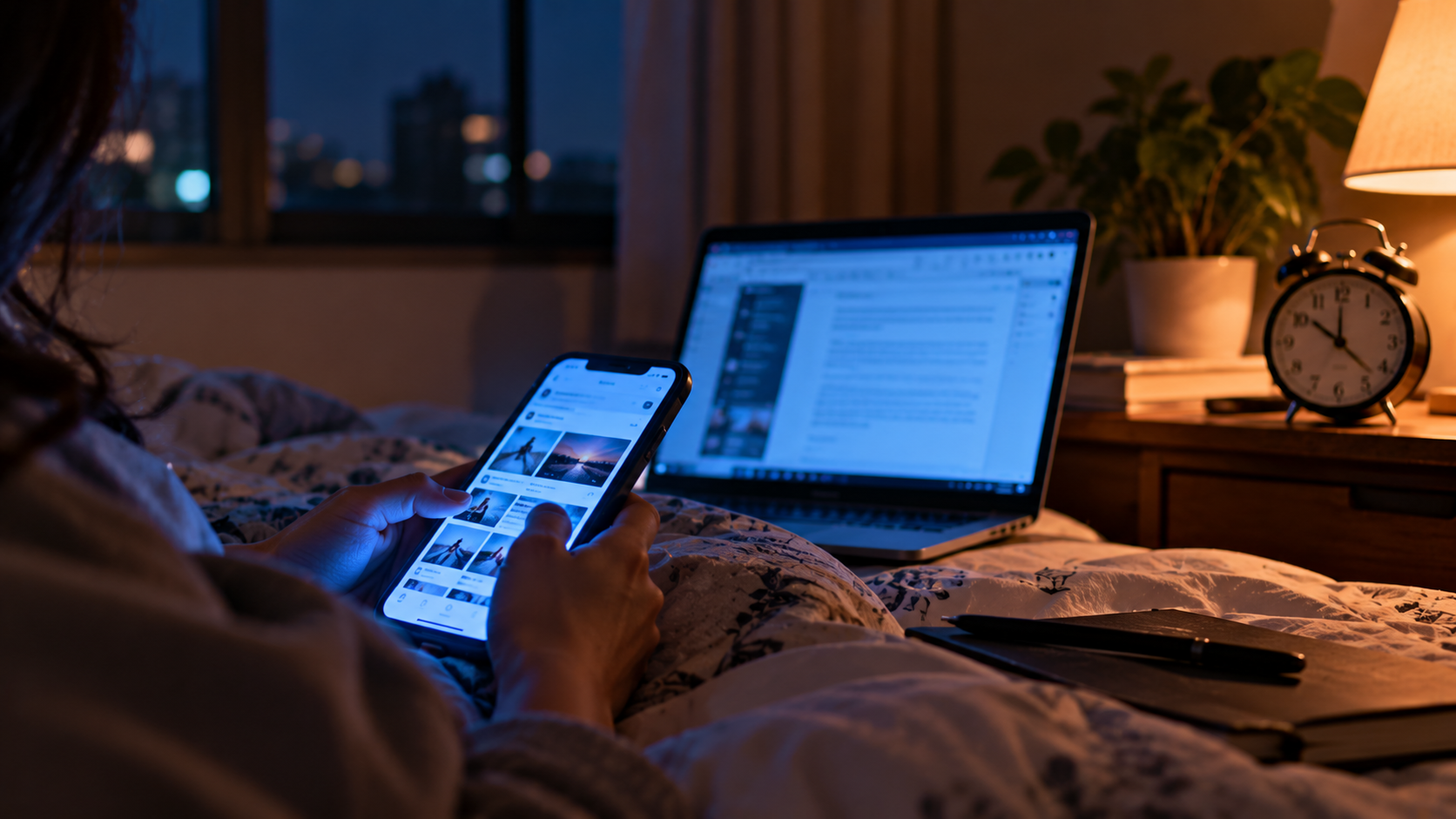
In recent years, the widespread use of digital devices has been associated with increased exposure to bluelight among adolescents, particularly during evening and nighttime hours. During the digital age, adolescents have been experiencing frequent exposure to artificial blue light as a result of increased use of electronic devices such as smartphones, tablets, and computers. Accordingly, this literature review examines current scientific evidence investigating associations between prolonged nighttime blue light exposure and disruptions to circadian rhythm regulation, the endogenous biological systems governing sleep-wake cycles. Moreover, this review synthesizes findings from various peer-reviewed studies, examining the physiological effects of blue light exposure on melatonin suppression and subsequent alterations in sleep timing and quality, including conditions such as insomnia and delayed sleep-wake phase disorder. The objectives of this review are to identify biological mechanisms underlying circadian disruption due to blue light exposure, to assess populations particularly vulnerable to these effects including adolescents and young adults, and to evaluate behavioral and technological interventions that may mitigate potential harm. Based on the comprehensive analysis of current literature, the review concludes that nighttime exposure to blue light can result in measurable and detrimental impacts on circadian regulation. These findings highlight the importance of continued research and evidence-based approaches to understanding how nighttime light exposure may influence circadian health and sleep patterns.
Keywords: Circadian rhythm, Blue light exposure, Melatonin suppression and production, REM, Circadian misalignment, sleep deprivation
Introduction
In today’s world, adolescents have experienced a substantial increase in daily exposure to digital screens through activities such as completing school assignments, using social media, playing video games, and consuming online entertainment. According to a 2024 report by the Centers for Disease Control and Prevention, teens average more than eight hours of screen time per day, with a significant portion of this occurring during the evening and nighttime hours1. This increase in late-night screen use has raised growing concerns regarding exposure to blue light and its potential adverse effects on sleep health, especially among teenagers who are already experiencing natural shifts in their circadian rhythm during puberty2. Blue light is a high-energy visible light commonly emitted by LED-based digital devices, including smartphones, tablets, and laptops. Research has demonstrated that exposure to blue light under controlled experimental conditions—typically with illuminance levels ranging from 30–100 lux, peak wavelengths around 460 nm, melanopic EDI of 20–50, viewing distances of ~50 cm, and durations of 30–120 minutes before bedtime—can be associated with suppressed melatonin secretion3. However, these studies often differ in light dose, timing, and spectrum, and results may not generalize to all real-world screen use. Reduced melatonin production has been correlated with delayed sleep onset and disrupted circadian rhythms, which may result in shorter sleep duration and poorer sleep quality. These effects are particularly concerning for adolescents because this developmental stage requires consistent and sufficient sleep to support cognitive, emotional, and physical health. Studies have linked circadian disruption and irregular sleep patterns in teenagers to outcomes such as decreased academic performance, impaired emotional regulation, and an increased risk of conditions including anxiety, depression, and metabolic disorders.
Given the increasing reliance on digital technology and the biological sensitivity of the adolescent circadian system, it is important to better understand how nighttime blue light exposure affects sleep health in this population. While numerous studies have documented the effects of blue light on melatonin suppression and sleep disruption, there is still limited research specifically addressing the combined influence of behavioral, environmental, and individual differences among adolescents. Additionally, interventions to mitigate blue light exposure have not been consistently evaluated in adolescent populations. This literature review examines the physiological mechanisms through which blue light influences circadian functioning and evaluates current strategies aimed at reducing the negative effects of nighttime device use. Understanding these relationships is essential for promoting healthy sleep patterns among adolescents in an increasingly digital environment.
Methodology
This review was conducted using a systematic search of peer-reviewed literature across several academic databases, including PubMed, Google Scholar, The World Health Organization, and National Institutes of Health. Furthermore, searches were performed between a large period of time to cover long-term effects ranging from the early 2000s to 2023. Keywords included combinations such as “blue light exposure and circadian rhythm,” “screen time and melatonin suppression,” and “digital devices and sleep disruption.” Reference lists of selected articles were also reviewed to identify additional relevant studies. Moreover, studies were included if they were peer-reviewed empirical research examining the effects of device-related blue light exposure on circadian rhythm regulation, melatonin production, or sleep outcomes. Observational studies were considered, particularly those involving adolescents or young adults. Articles were excluded if they were editorials, opinion pieces, or non-peer-reviewed sources. Finally, titles and abstracts were initially screened to remove irrelevant studies, followed by full-text evaluation based on the inclusion criteria. Duplicate records were removed prior to screening. Relevant data, including study design, participant demographics, exposure conditions, and reported sleep or circadian outcomes, were extracted and synthesized qualitatively due to variations in methodology across studies.
Understanding the Circadian Rhythm
The circadian rhythm is a biological process that regulates the sleep-wake cycle and repeats roughly every 24 hours. This internal clock is regulated by the suprachiasmatic nucleus (SCN) in the anterior hypothalamus. This structure is responsible for interpreting light cues from the environment and synchronizes physiological and behavioral processes such as sleep-wake patterns, body temperature, and hormone secretions.
At the systems level, the SCN of the hypothalamus serves as the master circadian peacemaker, synchronizing physiological and behavioral rhythms to the external light-dark cycle4. In addition to this, there are many peripheral clocks–present in tissues such as the liver, heart, and kidneys–that maintain their own oscillations and can be entrained by Zeitgeber cues such as food intake, physical activity, hormonal signals, and temperature. Together, the SCN and peripheral clocks coordinate to ensure temporal harmony across the organism.
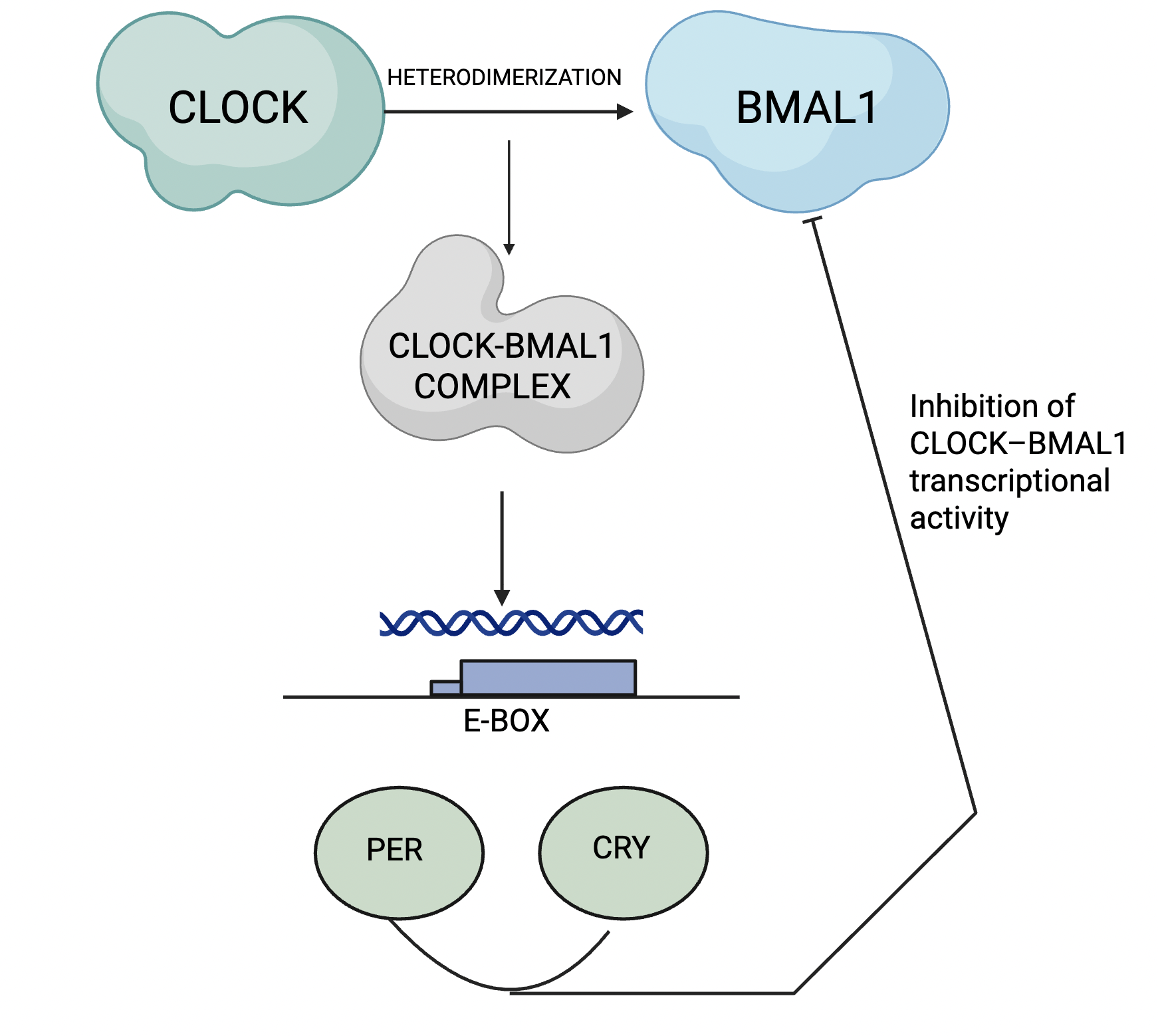
At the molecular level, the circadian system is driven by a complex network of transcriptional-translational feedback loops involving the core clock genes and proteins. This system includes Circadian Locomotor Output Cycles Kaput (CLOCK) and Brain and Muscle ARNT-Like 1 (BMAL1). These proteins function as transcriptional activators, which heterodimerize forming the CLOCK-BMAL1 complex, binding to E-box (enhancer box) elements within the promoter regions of various target genes, including Periods (PER1, PER2, and PER3), and Cryptochromes (CRY1, CRY2), which control rhythmic gene expression throughout the body. Upon activation, the PER and CRY genes are transcribed and translated in the cytoplasm. The resulting PER and CRY proteins gradually accumulate and form complexes that translocate into the nucleus, where they inhibit the transcriptional activity of the CLOCK-BMAL1 complex, causing them to repress their own expression. This creates a negative feedback loop that serves as the foundation of the 24 hour circadian rhythm. In addition to this primary loop, there are secondary regulatory loops involving REV-ERBs (REV-ERBα and REV-ERBβ) and RORs (Retinoic acid-related Orphan Receptors). These nuclear receptors compete for binding to ROR response elements (ROREs) in promoter region of the BMAL1 gene–where REV-ERBs act as repressors and RORs are activators–providing an additional layer of transcriptional control that stabilizes and fine-tunes the circadian oscillation5.
This intricate system ensures that internal biological processes remain in sync with the external world, driving the rhythmic expression of thousands of downstream genes, influencing functions like metabolism, body temperature, and hormone secretion4.
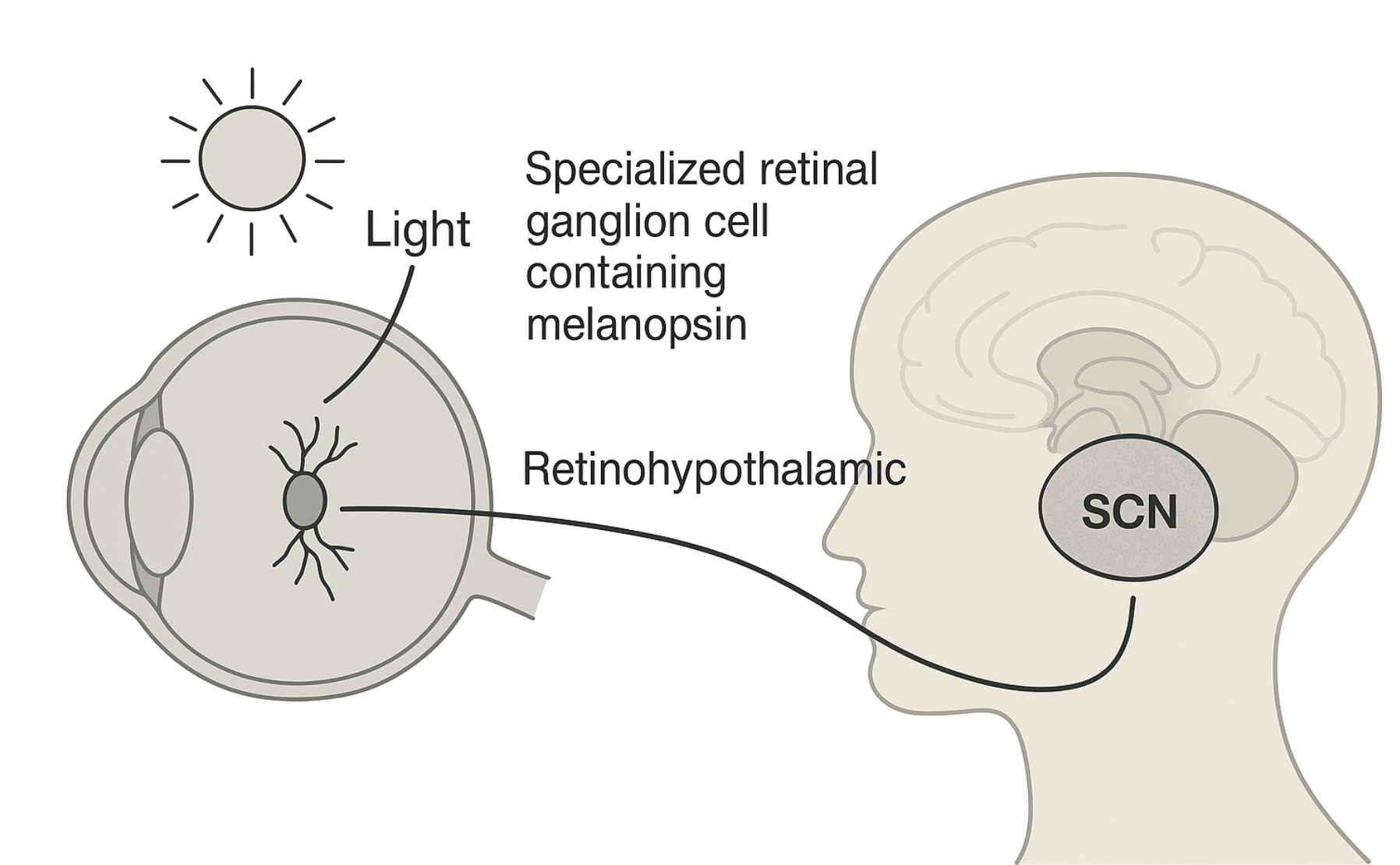
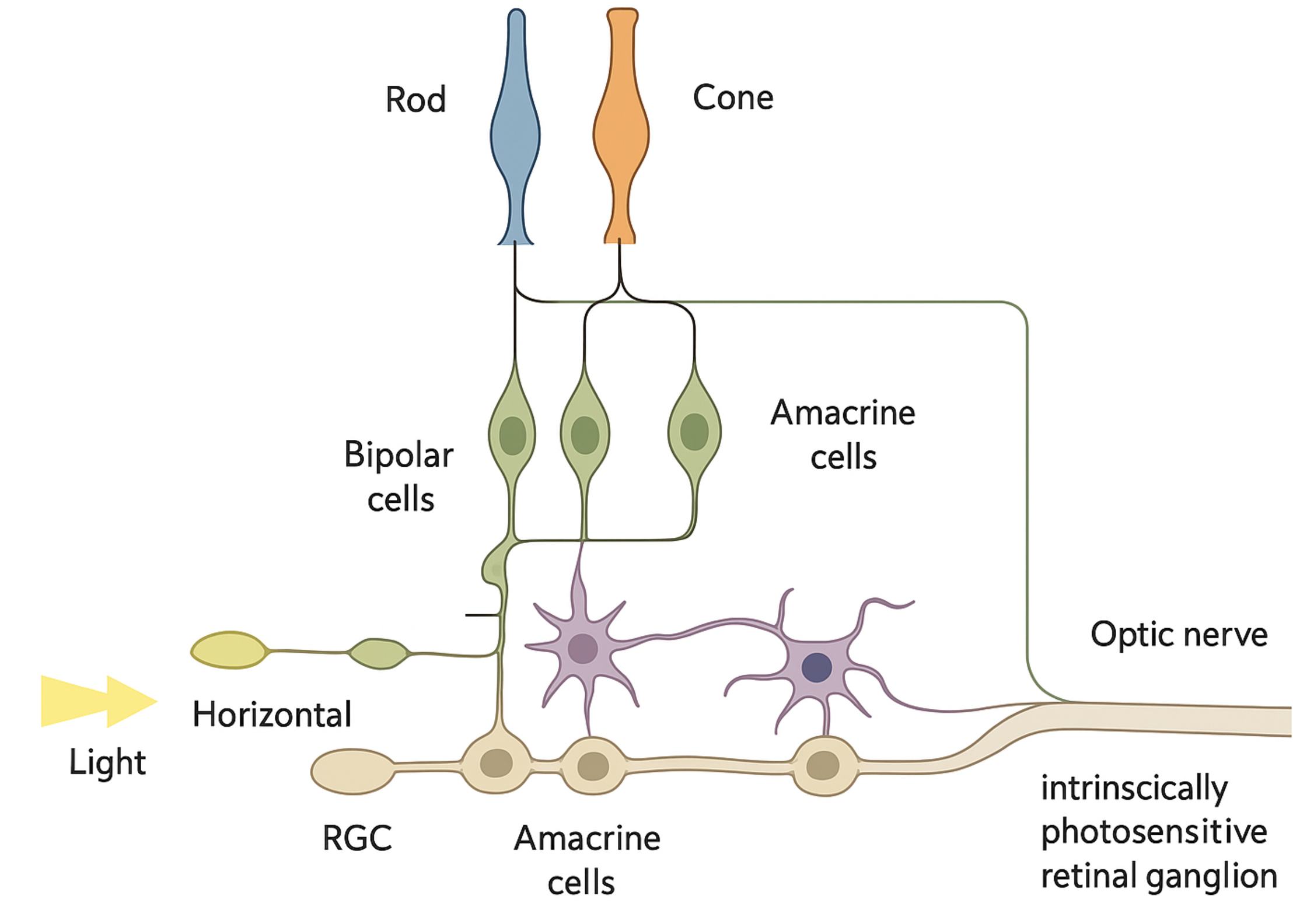
While this system is endogenously generated, it is also entrainable, meaning it can be adjusted or synchronized by environmental signals known as zeitgebers. The most influential of these is light. Specialized retinal cells called intrinsically photosensitive retinal ganglion cells (ipRGCs) contain the photopigment melanopsin and send signals to the SCN via the retinohypothalamic tract (RHT). This pathway is critical for regulating sleep timing and melatonin secretion in response to light. Unlike classical photoreceptors, ipRGC’s contain the photopigment melanopsin, which makes them uniquely sensitive to ambient light, especially within the blue wavelength spectrum (~450-495 nm).
Moreover, morning light exposure typically advances the circadian phase (shifting the rhythm earlier), while evening light delays it. For example, light exposure during the night leads to increased expression of PER1 and PER2 genes in the SCN neurons, effectively resetting the clock5.
Additionally, the RHT is highly specialized and crucial for non-image forming visual functions such as regulating pupil constriction and suppressing melatonin production in response to the night.
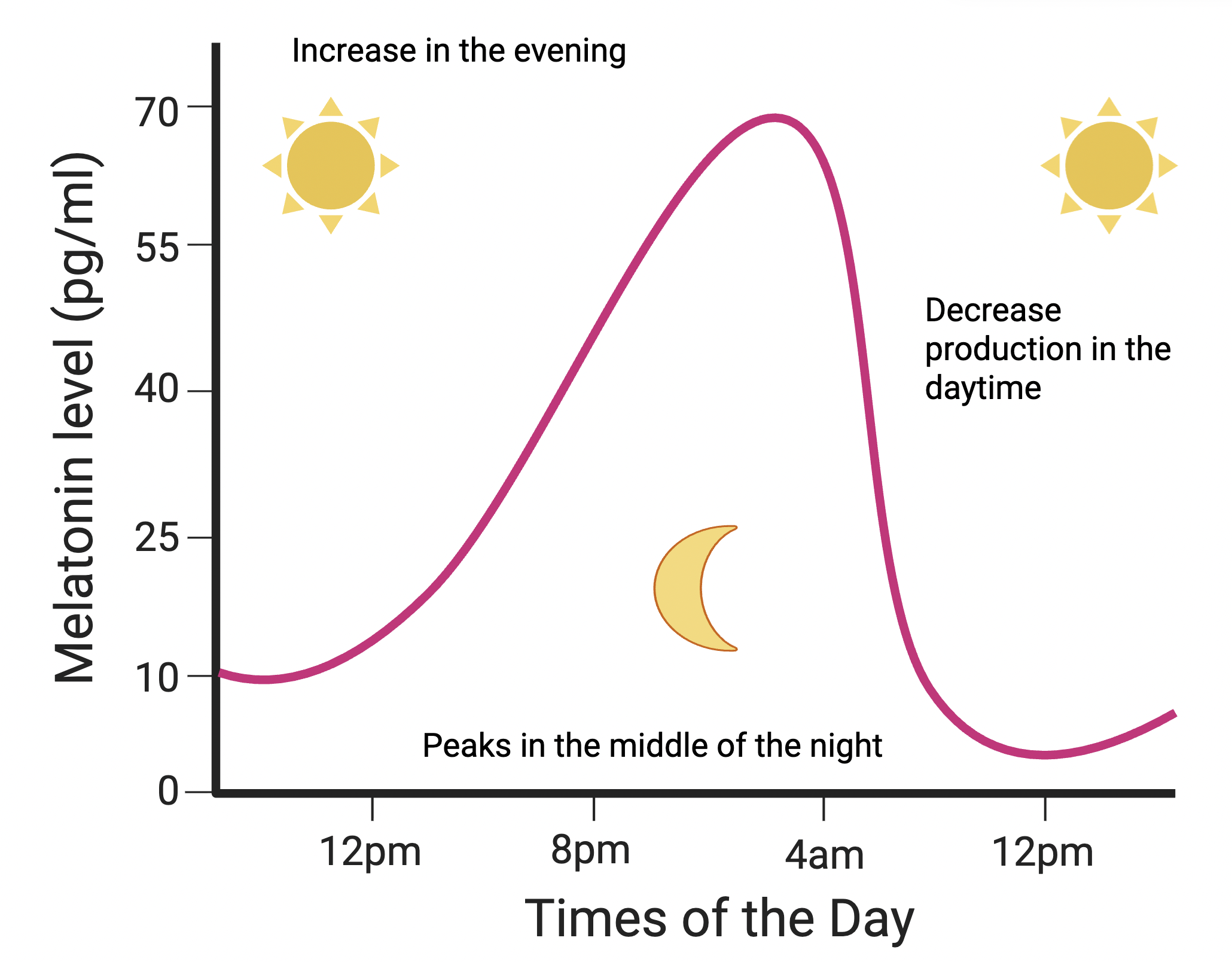
Melatonin is a hormone which serves as an important output signal from the circadian rhythm, providing information regarding the time of day to the rest of the body. Moreover, melatonin binds to melatonin receptors (MT1 and MT2) in the brain and peripheral tissues, promoting sleep initiation and regulating other rhythmic processes like immune activity and glucose metabolism4.
Furthermore, the timing of melatonin secretion, especially under dim light conditions (called dim light melatonin onset), is a key marker to determining an individual’s internal clock phase. In adolescents, evening exposure to blue-light-emitting screens can suppress melatonin, delaying sleep onset and reducing sleep quality. In order to maintain robust circadian rhythms, melatonin must be secreted consistently each night.
Biological Impacts of Blue Light: Mechanisms of Disruption
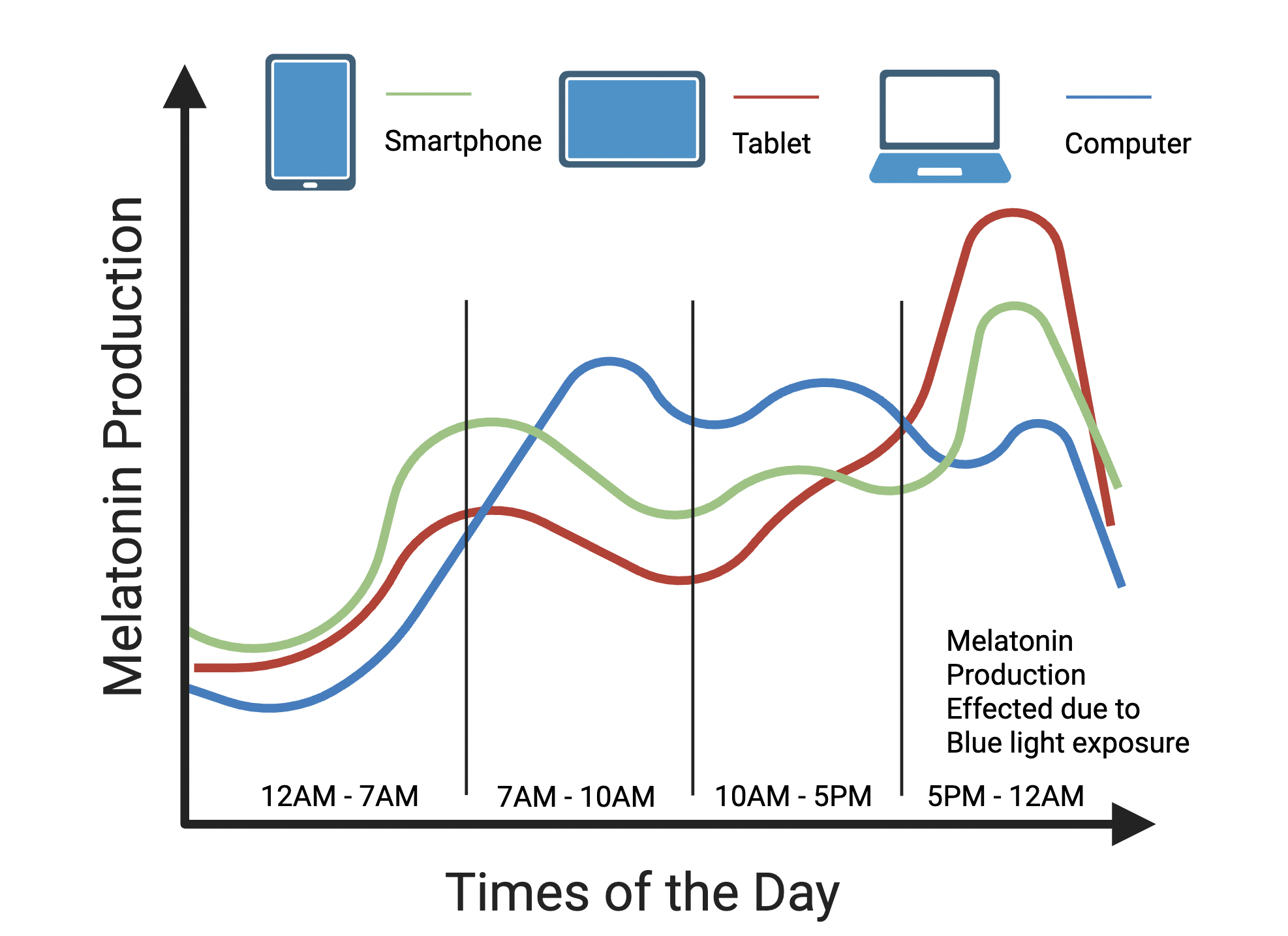
The widespread use of artificial lighting and digital screens has led to increased exposure to blue light—short-wavelength light between 450-495nm. However, excessive and poorly timed exposure, especially during the evening and nighttime hours can negatively affect sleep and circadian rhythms, particularly in adolescents1. This disruption is largely driven by artificial light at night (ALAN), particularly blue light emitted from LED lighting and electronic devices, which suppresses melatonin secretion, delays the circadian clock, and impairs sleep quality6. Blue light exerts its biological effects primarily through the RHT. This pathway is activated primarily by ipRGCs, which contain the photopigment melanopsin and are highly sensitive to blue light7. Even low-intensity blue light in the evening causes these cells to send stimulating signals to the SCN, which can delay the circadian clock and suppress melatonin production. This false photic input overrides natural darkness cues, causing the circadian system to delay sleep onset, contributing to circadian misalignment8,9.
One of the most direct negative effects of blue light exposure is disrupted sleep timing, primarily through the suppression of melatonin. Normally, melatonin levels rise in the evening to signal the body to prepare for rest. However, exposure to blue light before bedtime significantly reduces or delays this production, interfering with the body’s natural sleep signals11. A study by Gooley et al. showed that even ambient room light in the evening could suppress melatonin by more than 50% and delay its onset by over 1.5 hours. This disruption is linked to shorter sleep duration, delayed sleep onset, and more fragmented sleep in adolescents and young adults.
Blue light also affects sleep architecture. Recent studies indicate that exposure in the evening can reduce the proportion of REM sleep and slow-waves sleep (deep sleep), which are important for emotional regulation, memory consolidation, and cellular repair12. Even when individuals fall asleep after evening exposure, their sleep quality may be poorer, leading to daytime fatigue and cognitive impairments.
On a molecular level, blue light affects the expression of clock genes that regulate daily rhythms in the body. Exposure to blue light at night can alter the oscillation of genes such as PER1, PER2, and CRY1, which are vital for maintaining internal timekeeping13. A change in clock gene expression contributes to circadian misalignment, where internal biological processes such as temperature regulation, hormone secretion, and metabolism no longer operate in their optimal times.
Finally, chronic nighttime exposure to blue light has been associated with a variety of health disturbances. For example, altered circadian timing can affect serotonin regulation and has been linked to a number of mood disorders including depression, anxiety, and seasonal affective disorder13. Additionally, circadian misalignment caused by blue light can lead to metabolic dysfunction, impairing glucose metabolism and increasing the risk for obesity and type 2 diabetes14. Disrupted sleep and clock gene expression can also weaken immune responses, increasing vulnerability to infection15. These impacts continue to grow in concern given the widespread and continuous use of smartphones, tablets, and LED lighting in evening environments. In summary, blue light exposure, especially at night, has been repeatedly shown to be associated with measurable changes in circadian timing and sleep outcomes in observational studies. Therefore, reducing blue light exposure during nighttime hours should be a public health priority, particularly for adolescents and individuals with sleep or mood vulnerabilities. However, much of the current evidence remains short-term or correlational, and therefore cannot definitively establish long-term causal pathways between screen-related blue light exposure and complex health outcomes. Future longitudinal and experimental studies are necessary to determine whether these associations translate into sustained physiological or clinical consequences.
Why Teens Are at Risk: Adolescent Vulnerability
As teenagers continue to grow they undergo a transitional development period marked by significant biological and cognitive changes that make them susceptible to various internal and external risks.
Moreover, adolescent vulnerability is rooted in neurobiological development followed by emotional sensitivity and emerging mental health disorders, all of which contribute to increased likelihood of risky behaviors16. Research shows that the prefrontal cortex, which is responsible for functions such as decision-making, impulse control, and long-term planning, continues to mature into the mid-20s, indicating that many teenagers have yet to reach full development of their pre-frontal cortex.
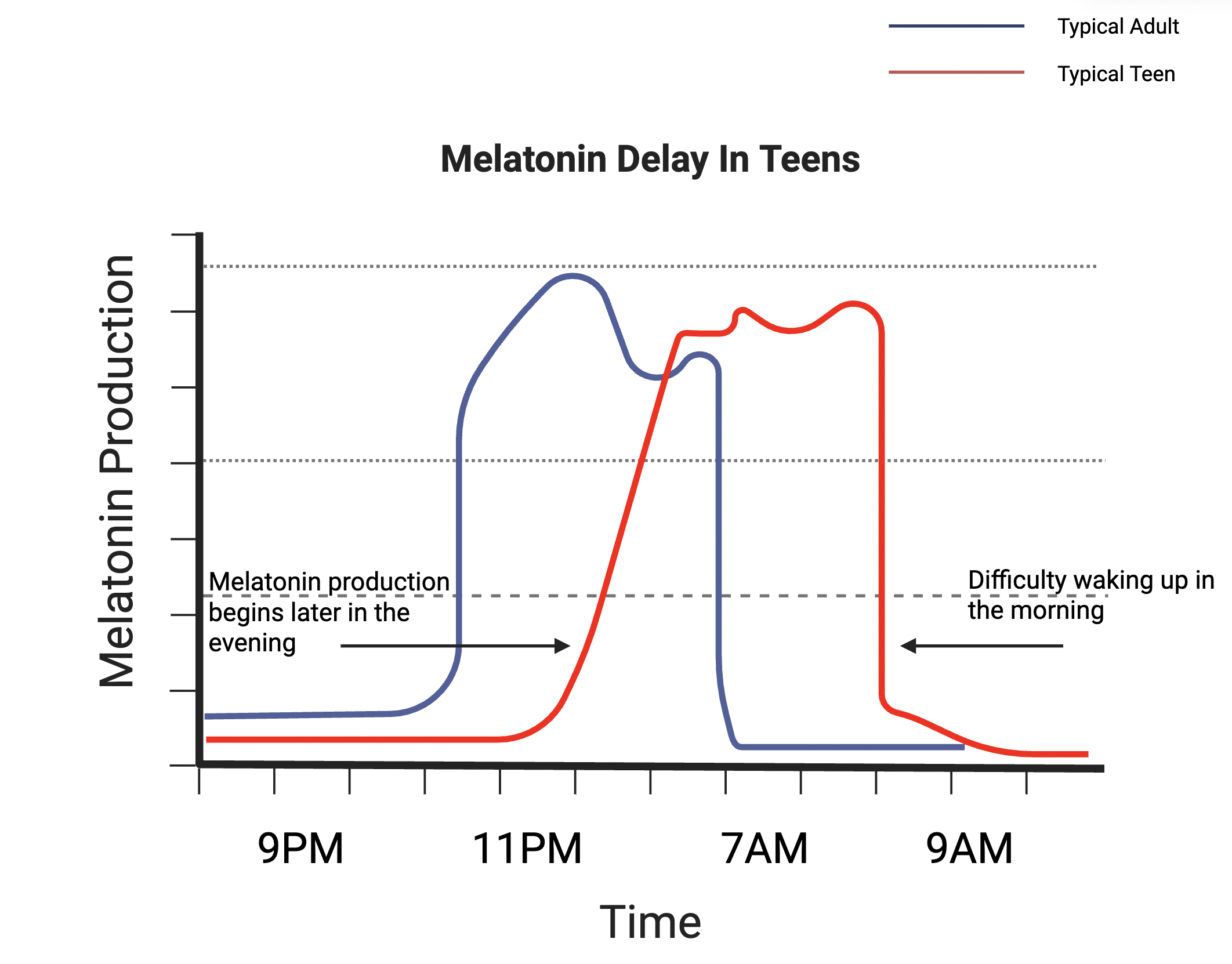
Another reason why adolescents are more at risk is that during puberty teenagers typically experience a natural delay in the timing of melatonin release, pushing teenagers to feel sleepy later in the evening17,18. This delay is biologically normal, however it can become problematic when compounded by external light exposure. As mentioned before, blue light, especially from screens like phones or laptops, has a potent effect on melatonin suppression, thereby delaying sleep even further and reducing total sleep time. Furthermore, since adolescents are already biologically predisposed to stay up later, blue light exposure at night may drastically shift their internal clocks, leading to chronic sleep deprivation. Additionally, the adolescent endocrine system undergoes dramatic shifts not only influencing mood and behavior but also the timing and sensitivity of the sleep-wake cycle. Hagenauer et al. found that these hormonal changes affect the way teens respond to light, making their circadian systems more sensitive to light-induced melatonin suppression than adults or children. Even relatively low levels of blue light at night can have disproportionate effects on sleep timing and quality in teens, contributing to difficulties in falling asleep and maintaining restful sleep1.
In addition to hormonal changes, behavioral and social factors further exacerbate the risk. Teenagers are heavy users of digital media, often spending hours on screens in the late evening. Studies show that over 90% of adolescents use electronic devices before bed, greatly increasing blue light exposure during a critical time for melatonin production8.
Additionally, the social nature of adolescence means that teens are more likely to engage with peers online late at night, prioritizing social interactions over healthy sleep habits. Their lack of awareness or concern about sleep hygiene, combined with peer-driven screen habits, may further increase the likelihood of circadian disruption.
The consequences of this disruption extend beyond sleep loss.
Adolescents who experience circadian misalignment and sleep deprivation have been found in population studies to show statistical associations with mood instability, anxiety, depression, and cognitive difficulties19. Importantly, sleep disruption itself should not be interpreted as equivalent to a psychiatric diagnosis. Rather, disrupted sleep patterns may function as risk markers or contributing factors within broader biopsychosocial models of mental health. Most adolescents experiencing circadian disruption will not develop clinical psychiatric disorders, and multiple environmental, genetic, and psychological variables influence mental health outcomes. Twenge et al. reported that high levels of screen use and disrupted sleep are strongly associated with increased rates of depressive symptoms and suicidal ideation among teens20. Furthermore, The World Health Organization notes that depression is a leading cause of illness and disability among adolescents, with suicide being the fourth leading cause of death among 15-19 year olds worldwide21. Taken together, these findings suggest that adolescents’ biological and behavioral vulnerabilities may increase the probability that evening blue light exposure contributes to disrupted sleep and associated mental health risks. Ultimately, adolescents are especially susceptible to the circadian-disrupting effects of blue light due to their delayed melatonin secretion, increased screen exposure, heightened biological sensitivity to light, and behavioral tendencies that neglect healthy sleep routines. These factors, individually and collectively, increase the likelihood that blue light exposure can negatively affect sleep health and overall well-being, though individual outcomes vary.
Sleepless Nights: Disorders Triggered by Screen-Time Glow
The disruptive effects of blue light on the circadian rhythm are well-established. However, understanding how this disruption may contribute to the development of clinical sleep disturbances remains an area of ongoing research. As digital screens increasingly dominate evening routines, we are witnessing a parallel rise in sleep disorders like Delayed Sleep Phase Disorder (DSPD), insomnia, and sleep-onset latency. These conditions are associated with chronic circadian misalignment, to which evening blue light exposure may contribute.
The most directly associated disorder is DSPD, a circadian rhythm sleep disorder characterized by a consistent delay in sleep onset and wake times. In adolescents especially, evening blue light exposure reinforces a delayed phase already predisposed by pubertal changes in circadian timing. Moreover, screen use at night not only shifts melatonin secretion later but also may reinforce delayed sleep timing12. Studies have shown that adolescents who frequently use devices before bed are at higher risk of developing persistent DSPD patterns. The reason for this is due to a combination of biological and environmental factors. First, during puberty, there is a natural shift in the timing of melatonin secretion, resulting in a delayed circadian phase that makes teens biologically inclined to fall asleep and wake up later22. This innate delay is compounded by evening exposure to blue light from screens, which further suppresses melatonin and pushes the circadian clock even later by activating intrinsically photosensitive retinal ganglion cells that signal the brain’s clock, the SCN23. As this exposure continues night after night, it can reinforce a later sleep timing. The problem is intensified by the continuous demands of early school start times, which are misaligned with teens’ shifted internal clocks. This results in chronic sleep restriction, excessive daytime sleepiness, and potential cognitive and emotional difficulties including reduced academic performance, mood swings, and an increased likelihood of engaging in risk-taking behaviors. These factors together explain why adolescents who frequently use screens at night are more likely to experience delayed sleep patterns consistent with DSPD.
Another sleep disorder closely associated with circadian misalignment is insomnia. Although this disorder is typically considered multifactorial, insomnia is now increasingly understood as linked to disruptions in circadian timing, including evening light exposure. The suppression of melatonin caused by evening blue light exposure may contribute to delayed sleep onset, shorter total sleep time, and increased difficulty falling or staying asleep17,11. Chang et al. successfully demonstrated that just five nights of using light-emitting eReaders before bed delayed circadian timing, suppressed REM sleep, and impaired next-day alertness, ultimately highlighting the rapid impact of screen-induced misalignment. Similarly, Czeisler and Gooley emphasized that nighttime light exposure interferes with the brain’s internal clock in the SCN, contributing to a mismatch between biological and social sleep-wake demands. Over time, this physiological misalignment is reinforced by behavioral conditioning. Moreover, many individuals begin to associate screens and evening media use with stimulation rather than rest, also known as a phenomenon called conditional arousal24. The repetitive nature of late-night screen use activates cognitive and emotional centers in the brain, elevating arousal levels and making it increasingly difficult to transition into sleep, especially in adolescents and young adults2,25. This learned hyperarousal may contribute to difficulties with sleep initiation and maintenance, consistent with insomnia symptoms. Furthermore, studies using actigraphy and polysomnography have confirmed that individuals with high screen time before bed exhibit fragmented sleep and reduced sleep efficiency26.
More Than Just Tired: Mental and Social Toll of Blue Light – Psychological, Physiological, and Social Consequences
Although blue light exposure during evening hours is highly emphasized in research for its negative impact on sleep, its influence extends far beyond simple fatigue. Research has increasingly demonstrated that prolonged evening exposure to blue light can disrupt psychological well-being, social interactions, as well as the human body’s physiology.
The suppression of melatonin caused by late-night blue light exposure directly contributes to sleep disturbances, which in turn are associated with heightened risks of anxiety and depression. Moreover, poor sleep quality exacerbates emotional instability and reduces resilience to stress, creating a feedback loop in which disrupted circadian rhythms intensify negative mood states. Consequently, blue light exposure does not just delay rest–it may contribute to poorer emotional regulation over time. Individuals not only feel less rested but also experience diminished emotional stability, which can impair their ability to manage daily stressors effectively.
In addition to individual psychological effects, blue light has social correlates. The continuous use of digital devices often prolongs wakefulness and encourages late-night social media engagement, which are linked to social jetlag and disconnection from in-person relationships27. These negative effects further lead to consequences when it comes to social interaction as sleep-deprived individuals tend to withdraw socially, misinterpret emotional cues, and demonstrate lower empathy. These patterns may contribute to feelings of social disconnection, though evidence for long-term replacement of face-to-face relationships is limited28. Overall, evening blue light exposure may indirectly affect social functioning by exacerbating fatigue and emotional dysregulation. Moreover, these misalignment can impact academic and cognitive performance29. When sleep is shortened or fragmented due to late-night device use, memory consolidation and executive function are compromised30. Students exposed to high levels of nighttime screen use often show decreased attention spans, slower problem-solving abilities, and reduced academic achievement29. Thus, the cognitive toll of blue light is not limited to individual well-being but extends to declines in educational areas as well.
Adding onto its mental and social effects, blue light exposure has significant physiological consequences. Suppression of melatonin caused by nighttime blue light delays the onset of sleep and shortens overall sleep duration, contributing to chronic sleep deprivation11. Additionally, over time insufficient and irregular sleep has been associated with impaired immune function, as circadian rhythms normally regulate the timing of immune responses. Furthermore, circadian misalignment disrupts the body’s metabolic processes, increasing risks for obesity, type 2 diabetes, and cardiovascular disease31. Another major physiological consequence involves the endocrine system. Disrupted circadian cycles alter the secretion of key hormones such as cortisol, which normally peaks in the morning to promote alertness and declines at night to prepare for rest32. When blue light exposure delays circadian timing, cortisol rhythms are shifted, which can lead to elevated stress responses and daytime fatigue. Additionally, disruption of the hypothalamic-pituitary-adrenal (HPA) axis may also contribute to long-term metabolic and cardiovascular risks.
While blue light exposure is frequently discussed as a primary mechanism influencing sleep disruption, several potential confounding factors must also be considered when interpreting the literature. Evening screen use often occurs alongside stimulating digital content, emotional engagement through social media, academic stress, or gaming activity, all of which may independently delay sleep onset. Additionally, sedentary behavior, reduced physical activity, irregular sleep schedules, caffeine consumption, and baseline mental health conditions may contribute to both increased screen use and sleep disturbances. As a result, it can be difficult to isolate the specific contribution of blue light exposure itself from broader behavioral and environmental influences associated with digital device use. Many observational studies therefore capture complex behavioral patterns rather than purely physiological light exposure effects.
Overall, blue light exposure is associated with a range of psychological, social, cognitive, and physiological outcomes. Through its disruption of circadian rhythms, it contributes to mood instability, diminished academic performance, and weakened social connections along with a number of metabolic issues. These findings highlight the importance of considering evidence-based emotional, cognitive, and physiological consequences of circadian disruption in today’s technology-driven society.
Preventive Measures and Interventions
Because blue light exposure disrupts circadian rhythms and contributes to adverse physiological, psychological, and social outcomes, the development of effective preventive measures and interventions has been a focus of recent research, though results are sometimes mixed. One widely studied approach involves the use of blue-light filtering interventions18. For instance, blue-light blocking glasses and screen filters can reduce evening melatonin suppression and may improve sleep quality when compared to unfiltered device use33. Similarly, software-based solutions, such as “night mode” applications, gradually shift screen color temperature toward warmer tones, which has been associated with reduced circadian disruption without sacrificing usability, though user adherence and device settings influence outcome.
On top of interventions in technology, behavioral modifications play an equally important role as part of a multifaceted approach. Establishing “screen curfews,” or reducing device exposure in the hours leading up to bedtime, has been linked with improved sleep duration and reduced sleep latency. Moreover, the adoption of consistent sleep-wake routines reinforces the body’s natural circadian signals, which can help counteract irregular patterns caused by late-night screen use34.
Another method of intervention involves natural light exposure may enhance circadian entrainment and improve mood and alertness throughout the day. Complementarily, dim evening lighting helps signal the onset of melatonin secretion, creating an optimal contrast between day and night light conditions35.
Lastly, public health education is a crucial preventative measure. Awareness campaigns in schools, workplaces, and healthcare environments can encourage healthy digital behaviors, such as limiting nighttime device use and prioritizing daylight exposure. By integrating technological tools and adopting healthier habits regarding technology use, individuals may reduce the physiological, psychological, and social consequences of circadian disruption caused by evening blue light exposure, though effectiveness is not guaranteed and depends on adherence and contextual factors.
Limitations and Future Directions
Several limitations should be acknowledged when interpreting the literature reviewed in this article. First, a substantial portion of the evidence base relies on observational studies. While these studies demonstrate associations between evening light exposure and changes in melatonin secretion or sleep timing, they do not establish long-term causal relationships with chronic health outcomes.
Second, many studies measure screen use rather than direct light exposure, making it difficult to quantify the precise dose, wavelength composition, and duration of blue light experienced in real-world environments. Variability in device brightness, viewing distance, ambient lighting, and screen content further complicates measurement accuracy.
Third, confounding behavioral variables such as social media engagement, emotional stimulation, stress, sedentary activity, and pre-existing sleep habits may independently influence sleep patterns and mental health outcomes. These factors can make it difficult to isolate blue light exposure as the primary explanatory variable in observational studies.
Conclusion
The circadian rhythm functions as a fundamental biological regulator, orchestrating sleep-wake cycles, hormonal release, and overall physiological balance. At the core of this system lies the suprachiasmatic nucleus, which synchronizes internal processes to external light-dark cues transmitted through the retinohypothalamic tract. Melatonin secretion, in particular, provides a key hormonal signal for the onset of rest, making it sensitive to disruption by artificial light. As modern societies grow increasingly dependent on digital technologies, excessive exposure to blue light has been identified in many studies as a potential contributor to circadian disruption, particularly among adolescents who frequently use digital devices in the evening.
The consequences of this disruption extend beyond sleep timing alone in some contexts. On a psychological level, circadian misalignment has been associated with mood instability, reduced academic and cognitive performance, and diminished quality of social interactions. Physiologically, it has been discussed in the literature as a potential contributor to metabolic disorders, cardiovascular disease, and impaired immune function, though evidence varies in strength across studies and populations. Together, these findings suggest that circadian health is not merely a biological issue but one with profound mental, social, and public health implications.
Fortunately, evidence-based preventive measures have been explored as possible strategies to reduce circadian disruption. Technological interventions such as blue-light filters, alongside behavioral strategies like digital curfews, consistent sleep-wake routines, and morning light exposure, have shown potential benefits in some studies, although effectiveness can depend on study design, adherence, and individual differences. Public education may also support healthier digital habits by increasing awareness of nighttime light exposure and sleep hygiene. Although numerous studies document links between evening light exposure and sleep timing, the evidence base is heterogeneous. Many studies rely on observational data or self-reported measures of screen use, whereas real-world observational studies frequently measure self-reported screen use, which introduces variability in exposure intensity, duration, and content. Consequently, the literature should be interpreted as a collection of converging but methodologically diverse findings rather than a single uniform body of evidence pointing in one direction. Evaluating study design, exposure conditions, and population differences is therefore essential when assessing the strength of conclusions regarding blue light and circadian health. Taken together, this literature highlights growing evidence that evening blue light exposure may influence circadian timing, sleep patterns, and related behavioral outcomes. However, findings vary across observational study designs. In addition, adolescents are not uniformly affected, as individual differences in behavior, environment, and biological sensitivity may influence outcomes. Further research is needed to clarify long-term effects, improve measurement of real-world exposure conditions, and better understand how technological and behavioral interventions function across diverse populations. Viewed collectively, these findings frame circadian disruption from nighttime light exposure as an evidence-informed public health concern rather than a definitive causal pathway.
References
- M. Haghani, S. Abbasi, L. Abdoli, A. Jahromizadeh, S. A. Mortazavi, S. M. J. Mortazavi. Blue light and digital screens revisited: A new look at blue light from the vision quality, circadian rhythm and cognitive functions perspective. Journal of Biomedical Physics and Engineering. Vol. 14, pg. 213–228, 2024. [↩] [↩] [↩] [↩]
- N. Cain and M. Gradisar, “Electronic media use and sleep in school-aged children and adolescents: A review,” Sleep Medicine, 11, 735–742 (2010). [↩] [↩]
- A.-M. Chang, D. Aeschbach, J. F. Duffy, and C. A. Czeisler, “Evening use of light-emitting eReaders negatively affects sleep, circadian timing, and next-morning alertness,” Proceedings of the National Academy of Sciences, 111, 12337–12342 (2014). [↩]
- “Melatonin – Mayo Clinic.” Mayo Clinic, 13 Aug. 2025. [↩] [↩] [↩]
- S. Miyake, S. Sumi, Y. Yan, and H. Ishida, “Phase-dependent responses of Per1 and Per2 genes to a light stimulus in the suprachiasmatic nucleus of the rat,” Neuroscience Letters, 294, 41–44 (2000). [↩] [↩]
- Y. Touitou, A. Reinberg, and D. Touitou, “Association between light at night, melatonin secretion, sleep deprivation, and the internal clock: health impacts and mechanisms of circadian disruption,” Life Sciences, 173, pp. 94–106 (2017). [↩]
- S. Hattar, H.-W. Liao, M. Takao, D. M. Berson, and K.-W. Yau, “Melanopsin-containing retinal ganglion cells: Architecture, projections, and intrinsic photosensitivity,” Science, 295, 1065–1070 (2002). [↩]
- D. M. Berson, F. A. Dunn, and M. Takao, “Phototransduction by retinal ganglion cells that set the circadian clock,” Science, 295, 1070–1073 (2002). [↩] [↩]
- J. J. Gooley, K. Chamberlain, K. H. Smith, S. M. Khalsa, J. F. Duffy, E. Van Reen, C. A. Czeisler, and S. W. Lockley, “Exposure to room light before bedtime suppresses melatonin onset and shortens melatonin duration in humans,” Journal of Clinical Endocrinology & Metabolism, 96, E463–E472 (2010). [↩]
- S. Wahl, S. Engel, J. Roevekamp, and C. R. Vollmer, “The inner clock—blue light sets the human rhythm,” Journal of Biophotonics, 12, e201900102 (2019). [↩] [↩]
- C. Cajochen, M. Munch, S. Kobialka, K. Krauchi, R. Steiner, P. Oelhafen, and A. Wirz-Justice, “High sensitivity of human melatonin, alertness, thermoregulation, and heart rate to short wavelength light,” Journal of Clinical Endocrinology & Metabolism, 90, 1311–1316 (2005). [↩] [↩] [↩]
- Y. Touitou, A. Reinberg, and D. Touitou, “Disruption of adolescents’ circadian clock: The vicious circle of media use, exposure to light at night, sleep loss and risk behaviors,” Journal of Physiology Paris, 110, 467–475 (2017). [↩] [↩]
- Y. Shigeyoshi, K. Taguchi, S. Yamamoto, S. Takekida, H. Yan, H. Tei, and S. Okamura, “Light-induced resetting of a mammalian circadian clock is associated with rapid induction of the mPer1 transcript,” Cell, 91, 1043–1053 (1997). [↩] [↩]
- G. Fleury, A. Masís-Vargas, A. Kalsbeek. Metabolic implications of exposure to light at night: Lessons from animal and human studies. Obesity. Vol. 28, pg. S18–S28, 2020. [↩]
- J. A. Haspel, R. Anafi, M. K. Brown, N. Cermakian, P. Desplats, J. Gelman, D. J. Hermida, S. M. Jennings, B. S. Kim, A. R. Kornblum, Y. C. Lee, B. J. Prendergast, L. A. Solt, W. E. Walker, et al. Perfect timing: Circadian rhythms, sleep, and immunity — an NIH workshop summary. JCI Insight. Vol. 5, pg. e131487, 2020. [↩]
- B. J. Casey, R. M. Jones, and T. A. Hare, “The adolescent brain,” Annals of the New York Academy of Sciences, 1124, 111–126 (2008). [↩]
- S. J. Crowley, M. Acebo, and M. A. Carskadon, “Sleep, circadian rhythms, and delayed phase in adolescence,” Sleep Medicine, 8, 602–612 (2007). [↩] [↩]
- A. Shechter, L. Kimberly, C. R. St-Onge, and M. W. Owen, “Blocking nocturnal blue light for insomnia: a randomized controlled trial,” Journal of Psychiatric Research, 96, pp. 196–202 (2018). [↩] [↩]
- R. C. Kessler, P. Berglund, O. Demler, R. Jin, K. R. Merikangas, and E. E. Walters, “Lifetime prevalence and age-of-onset distributions of DSM-IV disorders in the National Comorbidity Survey Replication,” Archives of General Psychiatry, 62, 593–602 (2005). [↩]
- J. M. Twenge, G. N. Martin, and W. K. Campbell, “Increases in depressive symptoms, suicide-related outcomes, and suicide rates among U.S. adolescents after 2010 and links to increased new media screen time,” Clinical Psychological Science, 6, 3–17 (2017). [↩]
- World Health Organization. Adolescent mental health. (2021). [↩]
- M. A. Carskadon, A. R. Wolfson, C. Acebo, O. Tzischinsky, and R. Seifer, “Regulation of adolescent sleep: Implications for behavior,” Annals of the New York Academy of Sciences, 1021, 276–291 (2004). [↩]
- G. C. Brainard, J. P. Hanifin, J. M. Greeson, B. Byrne, G. Glickman, E. Gerner, and M. D. Rollag, “Action spectrum for melatonin regulation in humans: Evidence for a novel circadian photoreceptor,” Journal of Neuroscience, 21, 6405–6412 (2001). [↩]
- R. J. Dressle, F. N. D’Atri, and L. De Gennaro, “On the relationship between EEG spectral analysis and pre-sleep cognitive arousal in insomnia disorder: Towards an integrated model of cognitive and cortical arousal,” Sleep Medicine, 101, 276–287 (2023). [↩]
- L. Exelmans and J. Van den Bulck, “Bedtime mobile phone use and sleep in adults,” Social Science & Medicine, 148, 93–101 (2015). [↩]
- J. C. Levenson, D. L. Shensa, J. E. Sidani, A. B. Colditz, and B. A. Primack, “Social media use before bed and sleep disturbance among young adults in the United States: A nationally representative study,” Sleep Health, 3, 490–497 (2017). [↩]
- M. Wittmann, J. Dinich, M. Merrow, and T. Roenneberg, “Social jetlag: Misalignment of biological and social time,” Chronobiology International, 23, 497–509 (2006). [↩]
- G. Curcio, M. Ferrara, and L. De Gennaro, “Sleep loss, learning capacity and academic performance,” Sleep Medicine Reviews, 10, 323–337 (2006). [↩]
- E. Harbard, D. Allen, M. Trinder, and L. Bei, “What’s keeping teenagers up? Prebedtime behaviors and actigraphy-assessed sleep over school and vacation,” Sleep Medicine, 23, 80–87 (2016). [↩] [↩]
- J. C. Lo, W. K. Ong, J. Leong, E. Gooley, and M. H. Chee, “Cognitive performance, sleepiness, and mood in partially sleep deprived adolescents: the need for sleep study,” Sleep, 39, pp. 687–698 (2016). [↩]
- A. N. Goldstein and M. P. Walker, “The role of sleep in emotional brain function,” Annual Review of Clinical Psychology, 10, 679–708 (2014). [↩]
- J. M. Twenge and W. K. Campbell, “Associations between screen time and lower psychological well-being among children and adolescents: Evidence from a population-based study,” Preventive Medicine Reports, 12, 271–283 (2018). [↩]
- O. Castanon-Cervantes, M. Wu, J. E. Ehlen, J. Sun, R. J. Mistry, D. A. Paulose, M. A. Pritchett-Corning, and A. J. Davidson, “Dysregulation of inflammatory responses by chronic circadian disruption,” The Journal of Immunology, 185, pp. 5796–5805 (2010). [↩]
- F. A. J. L. Scheer, M. F. Hilton, C. S. Mantzoros, and S. A. Shea, “Adverse metabolic and cardiovascular consequences of circadian misalignment,” Proceedings of the National Academy of Sciences, 106, pp. 4453–4458 (2009). [↩]
- K. P. Wright Jr., A. W. McHill, B. R. Birks, B. R. Grundy, K. B. James, A. L. Crowley, and C. A. Czeisler, “Entrainment of the human circadian clock to the natural light-dark cycle,” Current Biology, 23, pp. 1554–1558 (2013). [↩]