
Abstract
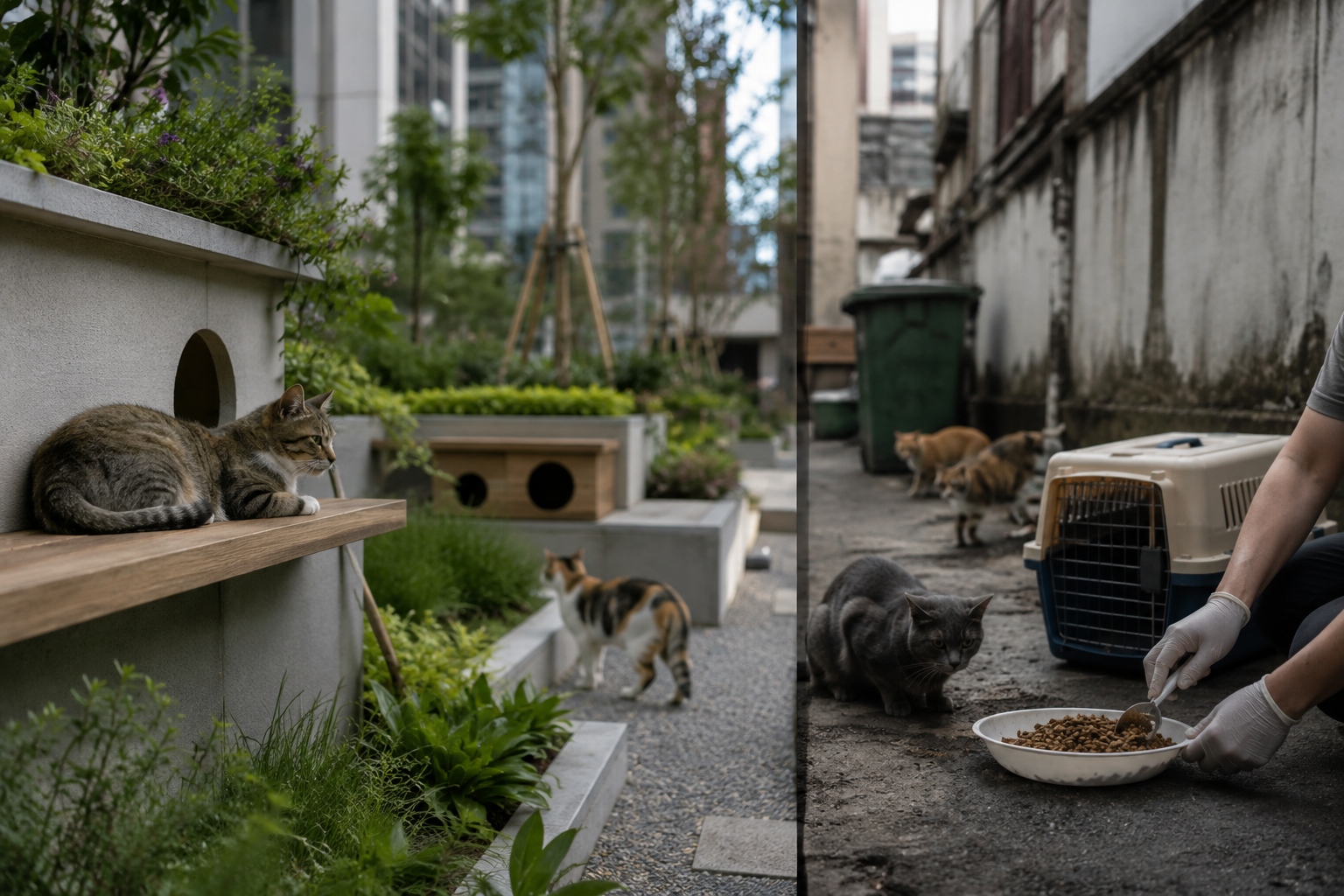
Although the current urban renewal system focuses on human infrastructure, a planned design for the coexistence of people and stray cats is still lacking. Stray cats are a long-standing commensal problem in urbanisation, and many face difficulties living in the city. First, the interdependent welfare problems of urban stray cat populations, such as resource scarcity, disease transmission and high mortality, will be examined in this paper. Based on the Animal Welfare ‘Five Freedoms’ model and the One Health concept, an adapted Maslow’s hierarchy of needs is used to build an organized survival-needs model for stray cats in this study. At the same time, it also investigates the psychological and social needs of urban residents for stray cats, such as emotional support, ecological connection and community co-construction, and demonstrates that the human-cat relationship is also one of mutual emotional and cultural value. Based on the two-way needs analysis above, this paper proposes the theoretical system of ‘Human-Cat Cohabitation’ to address urban human-animal conflict. Away from the traditional management model, this paper puts forward a new type of “multi-dimensional strategy” to incorporate the well-being of stray cats into urban renewal and public space design via a trap-neuter-return (TNR) system, feline-inclusive design elements, and intelligent monitoring devices. Based on the above data, it can be hoped that the construction of community governance will promote an all-inclusive, resilient and lively urban environment. Theoretically, this paper is not exhaustive; quantitative analyses of the effect on public health and resident satisfaction will be carried out in follow-up studies.
Keywords: Urban Stray Cats; Hierarchy of Needs Theory; Human-Cat Co-neighborhood; Feline-inclusive Design; TNR (Trap-Neuter-Return); Community Governance; Urban Renewal; Animal Welfare.
Introduction
Based on the Animal Welfare ‘Five Freedoms’ model and the One Health system, this paper will explore the causes of health deterioration and habitat decline in urban-area stray animal populations.
Background and Context
The problems of urban stray cats are generally due to multiple biological and environmental reasons. First of all, these animals lack essential supplies; therefore, due to an absence of regular food and water, they must live off spoiled garbage, and without protective housing against the elements, they are extremely vulnerable to cold in winter and heat in summer. In addition, due to the high density of living, there is an increased risk of infectious diseases such as feline panleukopenia and FIV, as well as a higher incidence of injuries from traffic accidents and territorial disputes. Rapidly increasing numbers of people lead to an overpopulation problem and a decrease in the health of female cats. Therefore, the above reasons lead to a prolonged state of anxiety and stress, and people need to live in fear.
Problem Statement and Rationale
There are many problems in the cities because of the stray cats. As predators in nature, they may be causing a decline in the number of local species, such as urban birds and reptiles. At the same time, they may spread infectious diseases to the public through zoonotic transmission and cause community conflict due to noise and environmental pollution. Traditional management methods, such as culling, have shown a “vacuum effect” and thus are ineffective; large-scale sheltering is also not feasible due to high costs and low participation rates. Therefore, a transition to more scientific and humane management of urban harmony is required1
Reflections on Human Society: A Moral Mirror
Compassion Fatigue and the Rescue Dilemma
Individual rescuers are often under great financial and emotional pressure, feel helpless because they cannot save enough, and are unable to support their families. Feeding cats one’s own pets is also divisive. If the bad eating habits are not corrected in time, a dirty place for eating and failure to clean up will spread diseases among the cats and create discord in the neighbourhood.
Management Ethical Dilemmas
The two old ways of handling the excess are no longer appropriate for the times now, and they violate the dignity of the people. Culling has been regarded as ineffective recently because of the “vacuum effect”, which is the phenomenon of a gap in a specific area that is quickly filled by immigrants; thus, it fails to achieve sustained population control and arouses public resentment. Sheltering is also often not a long-term solution because of the large amounts of money, space and people required. Given that most of the stray cats are difficult to adopt, long-term sheltering is unfeasible, and euthanasia is frequently the result. Trap-Neuter-Return (TNR) is now an all-around good choice in the eyes of the international community. TNR will be aimed at killing germs rather than moving people to reduce the problem of overpopulation and foster a healthy environment.
The Basic Solution to the problem can be considered responsible pet ownership and source control. The first three are to keep pets, to sterilise pets, and not to let them run around freely. All these acts of abandonment have added to the stray dog problem. Alternatively, instead of purchasing, one can foster care for homeless animals in the community. Scientifically and reasonably arrange food. If feeding is to be chosen, it should follow the rules of “fixed location, fixed time, fixed quantity”, and utensils and the surrounding area must be washed immediately to reduce damage to the community. Finally, we will extend help and care. The public can support local TNR groups and animal-welfare organisations in developing people-friendly, scientific and sustainable management plans through joint research.
In short, the problems facing stray cats in the city are, in fact, humanitarian issues caused by people. They are both “victims” of the city and, to some extent, “problems”. To address this problem, we should not rely on simple emotions of like or dislike but rather, with a scientific, humane and responsible approach, take a multi-pronged approach of TNR, responsible pet care and education to explore together whether harmony between people and animals in cities is possible.
Methods
Search Strategy
Systematically search for relevant studies in the CNKI, Google Scholar and Web of Science databases. The search focused on peer-reviewed articles, conference papers and degree theses published from 2015 to 2024 to ensure the inclusion of recent developments in urban renewal and smart animal management. Keywords in the search included “Urban Stray Cats”, “Feline-Inclusive Design”, “TNR (Trap-Neuter-Return)”, “Human-Animal Interaction”, and “Urban Renewal Spatial Strategy”.
Inclusion Criteria
Select studies that are relevant to the spatial organisation of cities and stray cat welfare management. First, we will study the relevant research results of scholars and explore new construction methods. Articles that only focus on the behaviour of domestic animals or non-urban wildlife were excluded to maintain the original scope of this paper.
Data Extraction
Two main areas were selected for data collection from 21 academic works. First, biological and spatial needs of cats categorized according to an adapted Maslow’s Hierarchy of Needs (Physiological, Safety, Social, and Self-actualisation). Second, resident attitudes and needs can be identified through the existing sociological studies on human-cat interaction and community conflicts.
Synthetic Approach
Synthesize results from research and study through thematic analysis. Identify problems in the management of stray cats in urban areas and propose related architectural and landscape Design solutions. Based on the above themes, the proposed “Human-Cat Co-Neighborhood” model is in accordance with the principles of the Animal Welfare ‘Five Freedoms’ and the One Health concept.
Results
A total of 21 academic sources met the inclusion criteria and were included in the final thematic synthesis. The extracted data were divided into the two main analysis categories of the study, focusing on the needs of cats and people. First, based on the findings of the biological and spatial requirements for stray cats, they were mapped onto an adapted Maslow’s Hierarchy of Needs to form four thematic tiers: Physiological Needs (food, water, shelter), Safety Needs (disease prevention, traffic avoidance), Belongingness and Social Interaction, and Self-Actualisation (reproductive management, environmental enrichment). Second, the results of the resident attitude study were grouped into five types of positive needs that appeared repeatedly: emotional support, closeness to nature, sense of ecological services (e.g., rat control), community socialising, and spiritual satisfaction. The above synthesised categories provide the evidence base for the design framework of the ‘Human-Cat Cohabitation’ in the following sections.
Needs Analysis of Urban Stray Cats
Urban stray cats have very serious problems. The needs of people are the same as those of animals, so Maslow’s hierarchy of needs can also be used for them. The following are the most urgent and the least urgent issues, respectively.
Basic and Most Urgent Physiological Needs
These are the basic living conditions of the stray cats, and they are in danger of dying.
Food
Most of the living needs of stray cats are satisfied by providing high-quality food and water. Cats are obligate carnivores, so to keep them healthy, a relatively high-protein and taurine-rich diet needs to be provided. According to2. Given the physical structure of cats, their food should not be rich in carbohydrates; special cat food and meat products are generally used. Given the urbanisation process, the sources of food for street cats have become very irregular. They are often forced to live in a poor situation, having to search through garbage bins for food or scavenge for small animals and irregular handouts from residents, etc., making them very susceptible to illness. Peiocess, the sources of food for street cats have Haoqiang (2023) has also found that uncertain food sources, such as kitchen waste or poor-quality food containing ingredients toxic to cats, such as onions and chocolate, can cause serious health problems for stray cats3. Therefore, to enhance the living conditions for urban stray cats and reduce the transmission of disease caused by dirty food, a rational feeding system and a clean food supply system need to be established.
Clean Water
A regular supply of clean drinking water must be provided for the living of stray cats to meet their daily life needs. There are also some seasonal problems in water supply for the urban area: in the hot summer, evaporation from the water source is relatively high, and in winter, when the outdoor water source freezes, a serious water shortage may occur. A reliable and clean water source must be provided for the animals, as a problem with water hygiene is often related to poor skin conditions or lesions4. Unsanitary Food and water sources are the main pathways for spreading zoonotic diseases from a public health perspective. Therefore, in the framework of ‘One Health’ for urban regeneration design, priority should be given to the construction of water supply facilities with anti-contamination functions. A closed-off area can be established to prevent the spread of stray cats and a regular supply of clean drinking water will be available at any time.
Safe Shelter
Needs a place to avoid wind and rain, cool down in the heat, and be safe from harm. There are still some problems. They are under cars, under hoods (very dangerous in winter), in basements, hallways, abandoned buildings or bushes. The severe weather will harm the children and be fatal. Han Baoxin and Li Suorong (2020) proposed small shelters based on TNR theory and indicated that the space should meet the requirements of sun and rain protection as well as thermal insulation5. Dai Wei and Hu Jing (2023) have studied the feasibility of transforming abandoned urban areas into shelters and addressed the issue of site resource scarcity with a low-investment approach6. Smart cat houses and modular catteries have also enhanced the functions of shelters through technical means (temperature regulation, feeders)7,8.
After meeting basic physiological needs, the cat’s need for a sense of security in the city is still quite high. The main causes of the urban traffic accidents listed are traffic accidents, vehicle-related injuries and malicious human acts, territorial disputes with other animals. To address the above problems, digital methods such as augmented reality (AR) technology have been introduced to set boundaries for cat behaviour and reduce harmful interactions between people and cats9. Stray cats are also prone to carrying infectious diseases, such as feline panleukopenia, FIV and FeLV, and parasites. Timely medical care will not be available after death. At present, scholars have proposed integrating medical support for people in shelters and using cat facial recognition technology to monitor the health conditions of individuals for targeted veterinary treatment10,7.
Belongingness and social interaction cats are emotionally rich animals that need social interaction in addition to other resources. Although they are often alone, they still have social needs to form relationships with their own species and interact with trusted human caregivers. However, the need for caution in life abroad often prevents the formation of close relationships with the local community. Public awareness and emotional outreach are necessary for the psychological well-being of cats; knowledge visualisation of post-traumatic behaviour can improve the efficiency of rescue work and arouse public interest11. Organise community service design, such as a structured feeding and shelter activity, to reduce people’s distrust of cats and meet their emotional needs12.
Unmanaged reproduction, play and self-actualisation are the main causes of population increase and community conflict, and estrus-related behaviour such as howling and fighting is increasing territorial competition. In addition to the basic requirements for life, cats also have the drive to hunt, climb and explore; thus, both physical and mental health should be ensured. The two types of needs in domestic or managed settings are for play and a good environment. Nowadays, most management systems are mobile apps that collect psychological data to perform more scientific rescue classifications and reduce secondary harm from irregular human contact13. To meet the multiple demands at the same time, all three will be integrated: environmental design will create a healthy “environment-people-cat” ecosystem, and community education and technology monitoring will work together.
Research on the “Positive” Needs of People for Urban Stray Cats
The people’s demands for urban stray cats are not just about providing food; there are also many other positive feelings at the emotional and psychological levels, as well as some ecological reasons.
The following are the main positive needs that urban residents have for stray cats. Firstly, most people want someone to be with them and provide emotional support. Many people living alone, older adults and young people in large cities, are often given company by stray cats and are thus provided with some social support. Feed and observe the behaviour of loneliness and stress. The sense of value of being needed: By caring for a vulnerable life and providing food and water, one can feel that one is needed, experience a sense of achievement and worth, and strengthen one’s self-concept and happiness. There is a contact with cats. They do not consider whether someone is well-off or how good-looking they are. Many people have had very positive emotions from unconditional acceptance, such as a simple meal. Offer emotional and mental support to reduce stress and help people recover. By observing whether the cat is sleepy or curious about moving, and if it permits it, gently stroking it can help to reduce blood pressure and stress in one’s own life; it may also be relaxing. It is known as a “catastrophe” (the “dog disaster”).
Connections to nature and the observation of ecosystems are also positive demands for homeless cats. Stray cats are the “wildlife” that people are most likely to meet in the “concrete jungle” of the city. These cats have a close relationship with nature, and cats can also make us feel close to nature and long for other kinds of life. They add a sense of the wild and vitality to the overly organised city. Cats are also sources of life-like nature education. For city children, seeing stray cats and observing their interactions with birds and insects provides an immediate and vivid experience of nature education; they can learn about life, reproduction, survival and death.
Useful Functions and Ecological Services should also be taken into account. Although there are many objections, it is also true that cats’ hunting instinct is a good requirement in some circumstances. Cats are predators. In the old residential area, warehouses and markets also have stray cats that help control the population of rats and cockroaches. This old and good method of biological control is widely used by the people and enterprises. Stray cats also serve as a community gathering place and social support network. Stray cats are often a place of attention and a social medium for the community. On the one hand, by establishing community relationships among people through shared concern and discussion of a specific cat in the neighbourhood, cats can reduce the apathy often present in modern neighbourhoods, provide residents with a safe and friendly space, and promote community exchange and harmony. A group of cat lovers may spontaneously organise to carry out cat-friendly rescue (TNR). They also have collective goodwill. The communities that have successfully taken care of stray cats have increased the residents’ sense of community pride and belonging.
Finally, stray cats can also be seen as models for good behavior and moral education. They help to express compassion, and since a vulnerable life is an obvious manifestation of compassion and kindness in human nature, this helps. Many people feel that it is a good idea and, by doing so, are also in a good mood. They provide life education by demonstrating compassion, responsibility and respect for life through their actions, and this is the best form of life education for the younger generation. There is also a certain demand for good things and science. It should be noted that the desire for stray cats among people needs to be met by rational and humane management. Otherwise, the good intentions will backfire, and there will be an overpopulation of stray cats, a nuisance to the residents, and ecological problems. Therefore, the ideal state is for people’s compassion to be transformed into responsible and scientific actions: support TNR (trap-neuter-release), civilized feeding, regular and designated feeding times and locations, use of special cat food, prompt cleaning of dishes, cleanliness of the environment, and adoption rather than purchase14.
In short, the positive needs of urban residents for stray cats are multifaceted and far-reaching, including emotional needs and a sense of community. Based on the above needs, we can better understand how people and animals live together in the city, and guide the public to show care for them in a more informed way.
Idealistic Design of a “Human-Cat Neighborhood” Community
To create a good-for-the-town, good-for-the-people city, we need to consider the well-being of stray cats in the urban renovation plan. According to Maslow’s hierarchy of needs and the basic requirements of people’s lives, we can construct a healthy living environment for “cats living side by side” in the following ways:
Planning and Design: Adding Feline-Inclusive Design
Urban renewal should not only consider the needs of the people living in the city.
Build “cat networks” and Microhabitats
Establish place-specific decision-making institutions to reconcile the interests of cats with the causes of conservation efforts. Installation for cats is to be limited to high-density residential areas without natural diversity. In areas that are ecologically sensitive for urban green space or migratory bird stopovers, moving freely for stray cats is not allowed, and they must not be fed or housed. Collect data on the territories of local cats to digitise them and prevent conflicts between people and cats, or among the cats themselves. Thus, the likelihood of traffic accidents and other disturbances to cats will be reduced.
Provide Standardised, Good-Looking Supporting Facilities
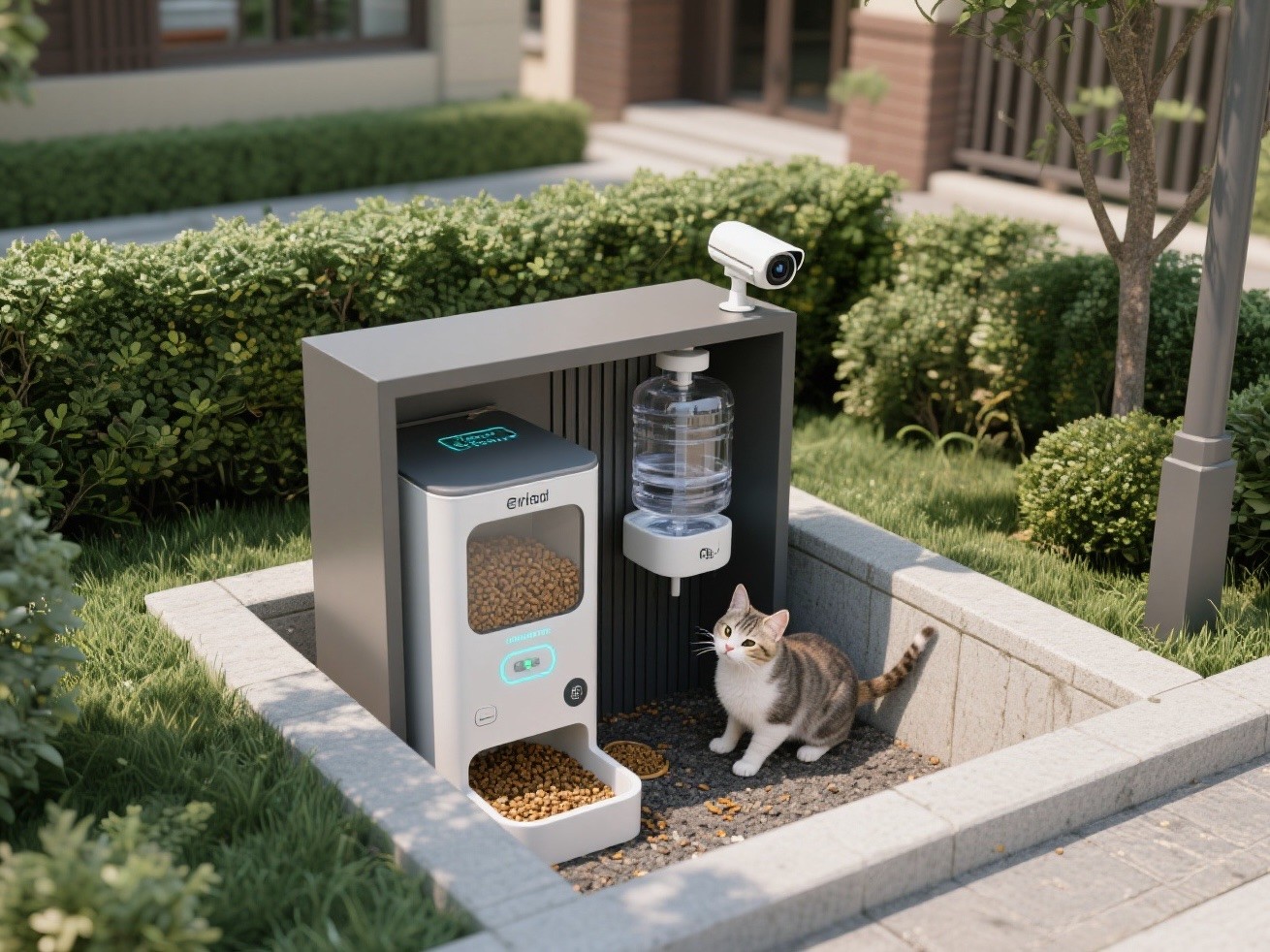
Design fixed and easy-to-clean feeding and watering points that are rainproof canopies with waterproof food bowls. They can be included in landscape design as sunken or seating-integrated types to avoid the appearance of randomly placed bowls. Drinking stations can be linked to the community water supply network and equipped with automatic water dispensers for good hygiene of the water source. In the north during the winter, consider installing a solar-heated water-source-freezer-prevention device. Chen Chen (2024) proposed that the enclosure should have both a food and water tank, and these two need to be independent and easily accessible for the animals, without cross-contamination15. Li Chao (2023) proposed that fixed or intelligent feeding points could be used to provide regular, targeted nutrition and reduce the consumption of junk food16. Food-supply equipment should be more convenient for community members, and at the same time, the environmental risks of random feeding from a pet owner’s perspective should also be emphasized15. Cat feeders need to provide food, and the design of such a device should consider cat behaviour (e.g., hiding and accessing it) to be convenient for users17. Wooden materials or modular design can blend in better with the surroundings and achieve both functions and form15,18.
The “ideal cat watering hole” should be a comprehensive Design that integrates the hygienic safety of pollution prevention and an easy-to-clean design, meets the cat’s demand for a pure meat diet and separates water and water-need areas, provides stable and continuous water supply, uses low-impact materials, and is in harmony with the community’s public landscape. Together, these characteristics can meet the basic needs of stray cats and reduce the risk of disease for the public; thus, it is possible to maintain a good relationship between the community and stray cats.
Uniformly distribute aesthetically pleasing cat shelters (e.g., those shaped like tree holes or rocks) in green areas and community corners as pre-installed facilities. The shelters should be wind and rain-resistant, well-insulated and well-drained, placed in an area away from the road and other buildings, and quiet. Consider a solar heating system for the North in winter.
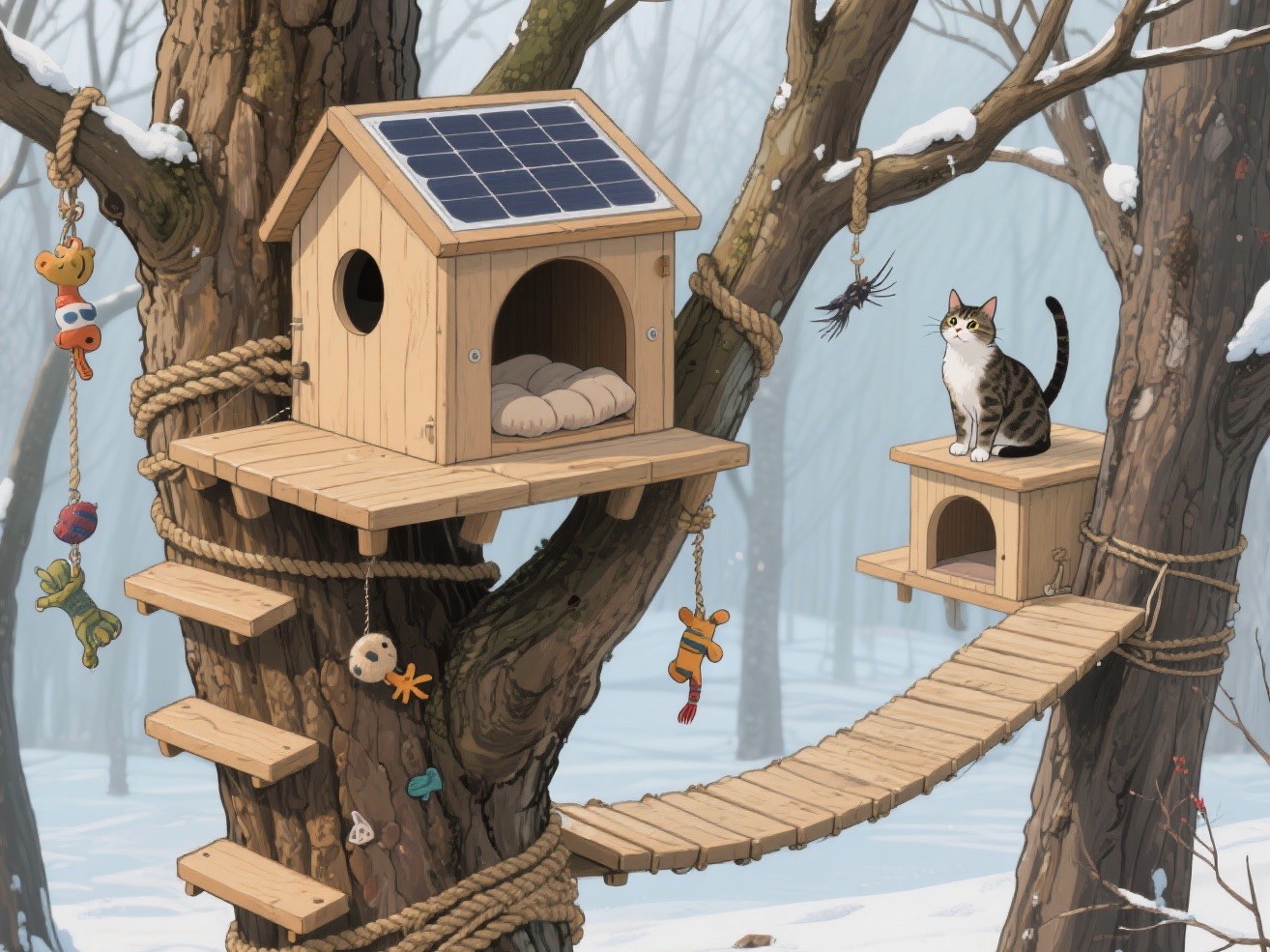
The Design of stray cat shelters should be based on the natural behaviour and living conditions of cats. Design the Shelter Furniture for stray cats as a multi-story building. In addition to offering basic shelter, it can also be used as a climbing frame (trees wrapped with hemp rope) or a lookout tower. A Cluster of Shelters can address the lack of urban space. Given that the living conditions of the stray cats are poor, they should also consider warmth and use thermal materials. Add lighting and a rain cover in some places to address the changes in weather.
Select durable, easy-to-clean and environmentally friendly materials to ensure the prolonged use and good conditions of a cat’s home. In areas with bad weather in cities, these shelters can provide safe and warm places for cats to live and help them adapt to city life better so that they can live harmoniously with people.
“Urban Cat Playgrounds”: To address the entertainment and activity requirements of stray cats’ lives. Existing studies have put forward new ideas for interaction, space organization and behaviour guidance.
Add entertainment devices for stray cats to improve their health and happiness. Modular pet toys have been developed to boost the sense of play for stray cats in solitude, offer exercises, and prevent diseases caused by inactivity19. Activity areas should be reasonable and pleasant to use; ventilation and sunlight facilities should be provided, and functionally segregated areas need to be easily cleaned20. The above ways meet the necessary requirements for stray cats and can also be used in urban landscape management.
Cats and people have many similar activities at home, and the most common ones are often seen by researchers21. Home leisure products can be combined with cat toys to create a place for free interaction among people and cats22,23. The Design of home furnishings should consider cats’ climbing habits and preference for high places24. These design theories offer some ideas for the construction of recreational Areas in cities that are conducive to the living of stray cats25,26.
Architectural and Landscape Levels: Hidden Functional Design
Cleverly Conceal the Function and Meet the Demands of Both People and Cats
Inconspicuous Passageways and Functional Integration To enhance the physical safety of stray cats, urban regeneration projects should be added with inconspicuous cat passageways at the base of community perimeter walls and ancillary structures (such as refuse collection points and tool sheds). These passageways need to be designed to a certain size so that only cats can pass through, thus preventing larger animals from entering; at the same time, people should be able to live comfortably. The Design aims to achieve ‘aesthetic invisibility’ and integrate the functional area into the existing structure of the community seamlessly.
Dual-Functioning Landscape Elements: By means of composite design for landscape elements, both the demands of the residents and those of stray cats are met at the same time. A community rest platform can be set up with a top floor for people to rest, and a bottom floor that is well-ventilated, dry, and remote for feeding and watering stray cats. Stack landscape walls can also be constructed with internal cavities to function as shelters, and among the plants selected for planting, those with dense lower branches, such as holly (Ilex) and nandina (Nandina domestica), are preferred in order to maintain the aesthetic effect of the community environment27.
Vertical Spatial Utilisation refers to the biological urge in cats to observe from high places; thus, urban spatial design should make full use of the vertical space in communities. Hemp rope is used to wrap around the tree trunks in the community and set up stepping stones for stray cats to use daily as a place for scratching, climbing and jumping. Install semi-enclosed observation towers or shelters on the upper part of trees for stray cats to rest in peace and to make good use of the previously unused vertical space in our neighbourhood; thus, potential conflicts between people and cats at ground level can be reduced 28.
Community Governance and Management: Institutional Guarantees and Humanistic Guidance
The hardware design will not have supporting soft management and thus cannot be sustained.
Community Management Integration and Population Control
A combination of Trap-Neuter-Return (TNR) protocols for managing the population of stray cats in the community is used. Collaboratively establish a community-based feline archive and organise regular sterilization events in cooperation with property management companies, homeowners’ committees and local animal welfare organizations. Funding for the above projects usually comes from the community’s reserve fund, public crowdfunding, or property management subsidies. The above system helps to keep the feline population stable and healthy, reducing territorial aggression and nocturnal vocalisation by sterilising cats, thus lowering one of the causes of residential disputes.
Standardized Coexistence Agreements and Public Education
To establish community coexistence agreements and nature education signs, it will help to institutionalise the behavioural norms of the residents. Educational bulletin boards in public areas promote scientific feeding behaviour and standardised interaction norms. By setting up norms of behaviour, such as keeping the feeding station clean, not bothering the cats and notifying the designated person about a sick cat, the community helps build an idea of living together well. The above measures will avoid environmental damage from uncontrolled feeding and guarantee the safety of the public.
Coordination of Stakeholders and Volunteer Support
Effective management of outdoor cats in the city is achieved through the coordinated work of volunteers and the government. Recognise and support the work of local volunteers by providing logistical support for resources such as food and medical equipment to improve the efficiency of rescue and maintenance operations. At the same time, online communication tools can be used to share information on the health and spaying/neutering of cats instantly. Increase openness to reduce the problem of poor coordination among volunteers and promote the harmonious development of the community.
Technological Innovations for Cat Management
New Urban Development Utilizes Technology to Address Old-fashioned Stray Cat Problems. A smart feeder that is timer-enabled and automated will not expose the food to the elements and reduce the risk of being damaged by pests such as rats and mosquitoes. Electronic identification systems, microchips and non-invasive electronic collars, are used to improve the transparency of management and track the health and sterilization records of cats more conveniently. The following digital tools will help the community build trust by providing easy-to-access data on the number of cats.
Materials and Sensory Considerations for Feline-Inclusive Design
Materials for cat-inclusive installations need to meet the requirements of functionality, safety and design. Natural wood is relatively soft and easy to shape, but it can be quite hard-wearing and is unsuitable for making things that need to be scratched. Lightweight plastic materials are relatively cost-effective and easy to clean, so they have been used to make water dispensers and feeders29. In addition to being physically stable, the design should also consider that cats have a very sensitive sense of smell, as well as the use of their Jacobson’s organ for sensing the environment and marking their territory through scent. Although enclosed facilities can keep smells confined and be more convenient for people, they may cause stress in cats; thus, semi-enclosed structures with well-placed ventilation holes are recommended to improve both the happiness of the cats and the quality of life in a communal setting30.
Idealized Design Plan for a “Human-Cat Co-Neighborhood” Community
Based on the idea of a “human-cat co-neighborhood”, the following are a series of specific “cat-friendly devices” that combine industrial design, community planning and animal behaviour. These devices aim to meet the basic living needs of stray cats while being relatively inconspicuous in urban areas and improving the living conditions of the community.
Smart Feeding and Drinking Water System
Community Shared Smart Feeding Station
A Hidden Smart Feeding Point Integrated into the Community Landscape. The first two are a smart cat food dispenser and an automatic drinking water dispenser. The device can be placed in a relatively secluded area of the community and uses a suspended design to reduce the risk of contamination by ants and snails. According to the community’s regulations, the caretakers of the community will regularly clean it. Remote-monitoring cameras will be installed at the feed stations to observe the number of cats more conveniently. This Design should offer cats a stable and clean supply of food and water. A mobile phone app can be used for remote operation of the device and reduce pollution caused by poorly hygienic rats and mosquitoes. A simple and beautiful design is adopted to maintain the good atmosphere of the community and reduce the economic and time costs for individuals to feed31.
Wall-Mounted Water-Saving “Spring” Drinking Fountains
It is generally placed on the outside wall or near the bottom of a community fence in a restrained manner, and a small water tray connects to a thin water pipe that is set into the wall. When the water in the tray is almost gone, a sensor triggers a valve to release a small amount of water and adds a little water to the bottom of the tray regularly; it is a typical application of a pet drinking fountain at home but designed to be more robust and energy-efficient. The drinking fountain will be heated by the sun in winter and can be placed outside where it will be very cold; otherwise, the water will freeze. Cats need to have access to clean drinking water at all times, and they are natural drinkers.

Safe Shelter and Resting Devices
Multifunctional “Tree House”
Rationally utilise existing community trees and, through design, create playgrounds and safe havens for stray cats. Choose relatively short trees in the secluded areas near the fixed feeding points for renovation. Wrap hemp rope around the tree trunks, place jumping boards at a certain height, and construct platforms high up in the branches. These platforms are semi-enclosed boxes with observation windows. Soft Mats are placed inside the box, and solar panels can be used to warm it in winter. Open lookout Areas are also available on the platform for the cats to rest. Simulated toys can be hung on the tree trunks for stray cats to play with and thus alleviate boredom and predatorial behaviour. The two similar platforms can be built on the same tree. If there are trees close together, a pathway can be set up between them to reduce the competition for food by many cats. Cats need to have a safe, dry, warm and private house all the time. People: Functionally the same as a regular bench, but it is also more interesting and conversational. By putting the cats’ homes in the public buildings, we can prevent them from going to places such as the car engine.
Health Management and Community Co-governance Devices
TNR Intelligent Tracking System
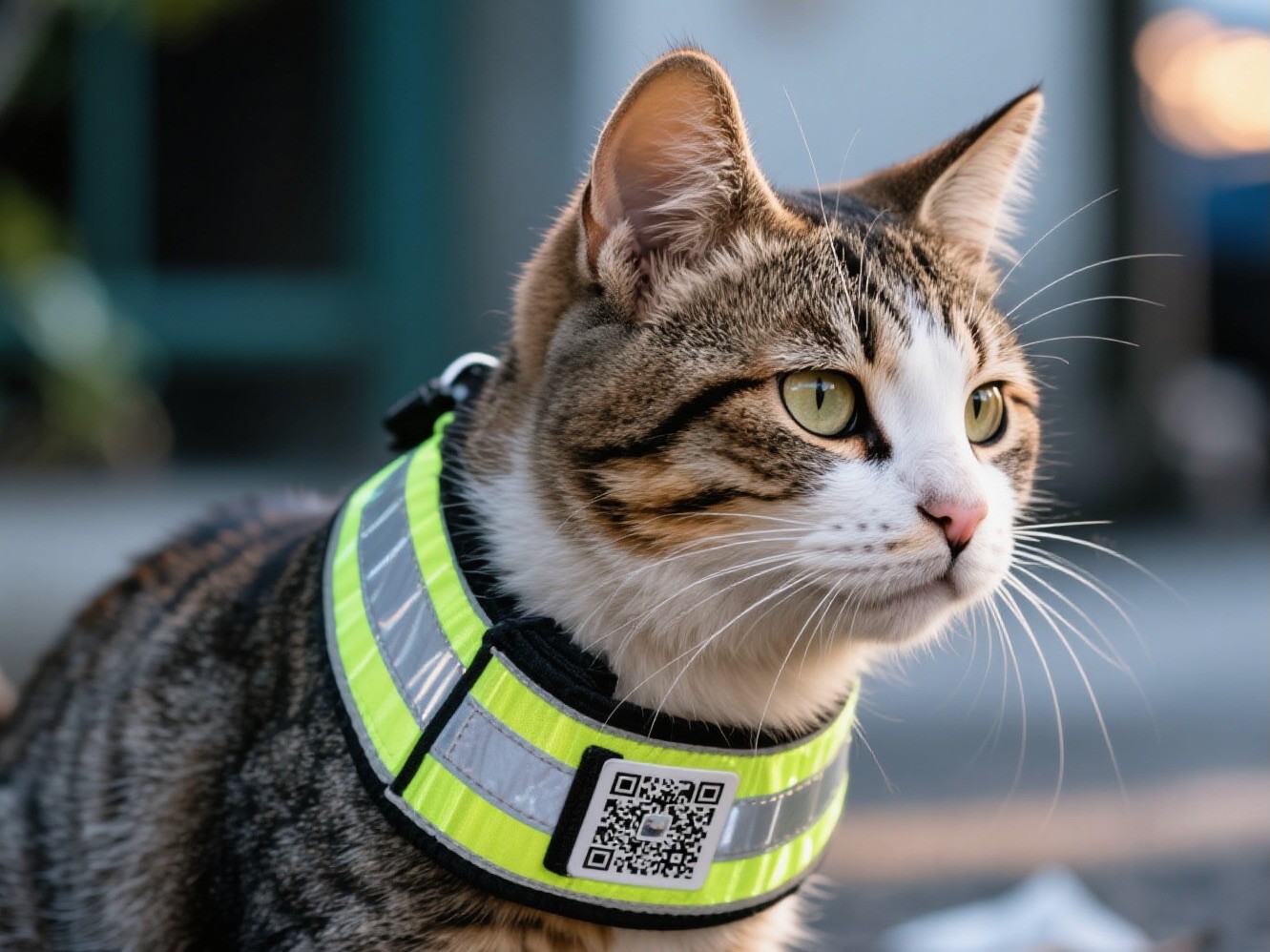
Enhance the Record System for Community Cat Owners. Every community cat that participates in TNR will receive a safety and reflection collar (which is safe and non-strangulation) and a unique QR code. A Tracking Microchip can also be attached to the Steriliser. Scan the QR code to go to a page that shows information about the cat, such as its name, gender, sterilisation time, vaccination records, personality (whether it’s suitable for families), precautions, etc. Help to manage TNR well and avoid multiple collections; it is also designed to be visible in the dark. Alleviate the residents’ fear and misunderstanding of the “continuous appearance of stray cats”, strengthen their sense of technology and modernity in the community, and promote community participation and oversight.
Community Medicine Box and Shared Supplies Cabinet
A small cabinet, similar to a community shared toolbox, stores necessary supplies such as emergency cat food, traps (for borrowing), pet repellents, disposable gloves, disinfectants, contact information for animal protection organisations, etc. Managed and maintained by community volunteers, it is available on demand for residents to pick up lost cats. Provide Prompt Medical and Health Care for Cats. Organise individual acts of kindness into organised and scientific ways to provide emergency response equipment that helps avoid a loss of control.
Community Nature Education Display Boards
To foster a healthy coexistence of humans and cats, raise public awareness of the stray cat population. Use interactive display boards to present the ideas of nature education and design nature education trails in public areas of community parks.
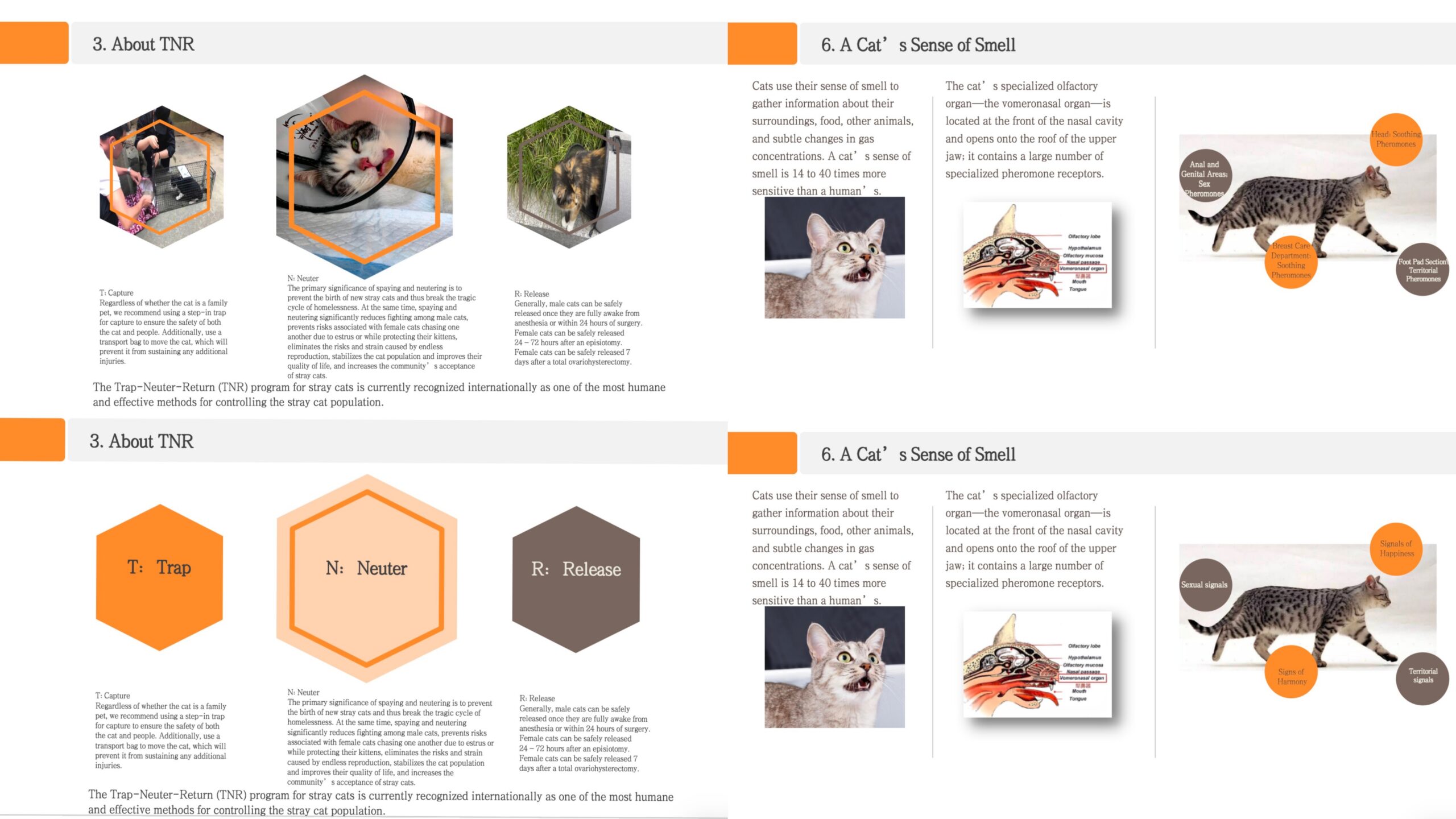
The first three requirements for the success of these “cat-friendly installations” are as follows. First, dual functionality will ensure that all devices meet both the people’s and cats’ needs. Second, the facility should have low visibility and not be too noticeable in the urban area. Finally, scientific management will be implemented through technology, such as intelligent feeding and public information dissemination, to cultivate a sense of responsibility in the residents and manage the human-cat relationship through organized data rather than simple handouts.
Survival to Shared Neighbourhood: Building an Urban Future Where People and Cats Coexist
Problems with stray cats in cities are not only about the welfare of the animals, but also reflect deep-rooted imbalances among people and animals and other problems in the environment created by modern urbanization. This paper shows that there is a multi-dimensional, systemic crisis: stray cats themselves are in dire straits due to hunger, disease and overpopulation; the urban ecosystem is also under pressure from their predatory behaviour; and neighbourhood conflicts have arisen over food-scarcity issues, noise and sanitation problems. Now there are two options: the city’s needs or the people’s wishes.
However, there are also some deficiencies and deficiencies in this situation. The solution should not be a simple “feeding” and “expelling” system, but rather a complete way to meet all living and environmental needs. Stray cats have the basic needs for life and reproduction; urban ecosystems need to maintain a balanced and diverse state; urban residents wish to feel the emotional support of pet animals, want to cultivate a spirit of responsibility by caring for them, and hope to live in a peaceful, well-organized community. These are not the same thing, but a whole, and they must be carefully balanced and balanced by wisdom and compassion.
Above all, we need to realize that the care for stray cats by people is, in fact, a deep-seated positive need. This need is based on empathy and a sense of responsibility for all life. It is the urbanite desire for nature and a wish to find warmth and comfort in the cold concrete jungle. It is not a needless burden, but a good asset in building an all-encompassing and resilient urban civilization. Considering this positive need as a source of trouble would be to overlook the possible ecological benefits; otherwise, it should be used as the core driving force for the construction of a solution.
Therefore, the final proposal of this paper is that the problem of stray cats should be upgraded from a traditional “management issue” to a strategic one of “designing urban renewal projects that promote coexistence between people and cats”. This implies that our urban planning and community renewal should no longer focus solely on the convenience of a single species, humans, but strive to incorporate the perspective of “cats” and even more urban wildlife, and adopt more inclusive designs.
In short, the problem of stray cats in cities is also an opportunity. It makes us think again about what a city should be; it is no longer just a place where people live, but also a home for all the lives that share this place. Innovative design, inclusive governance and caring community activities can all be implemented to create safe places of meeting for conflict and turn burdens into strengths. In the end, a city that treats its most vulnerable residents kindly will surely be a better city for all, more sustainable, and have more humanistic charm. This is a good and warm step we have taken on the road to harmony between man and nature.
Discussion
Restatement of Main Findings
Against the background of urban renewal, this paper has systematically built a model of the survival needs for urban stray cats by integrating the “Five Freedoms” model of animal welfare and the “One Health” concept. According to the above studies, the welfare problems of stray cats, such as lack of resources, disease spread and high death rates, are closely associated with shortcomings in urban public health and spatial planning. At the same time, this study has explored the psychological and social needs of urban residents for stray cats in terms of emotional companionship, ecological connection and community building, and provided strong evidence to support the idea that people and cats are deeply intertwined. Based on the above foundation, this paper puts forward the theoretical system of “human-cat cohabitation” and proves that combining the welfare of stray cats with new urban development and public area construction is a feasible and advantageous alternative to the traditional methods of trapping or silent-shelter management.
Implications and Meaning
Traditional urban renewal has long been in a “human-centric” path dependence, and stray animals have frequently been regarded as obstacles to urban development. The academic value of this study is to break down the disciplinary division by integrating animal welfare science and urban planning organically, thus enriching the theoretical foundation for multispecies design and human-environment studies. In short, the above investigation indicates that the quality of life for stray cats is closely related to the well-being of urban residents, as well as social stability and environmental security. Therefore, urban planners, community managers and policymakers have begun to adopt a humanistic mindset in addressing disputes involving stray animals; with the help of appropriate spatial intervention measures and institutional arrangements, these conflicts are now being turned into chances to foster harmony in the community and build an ecological civilization.
Alignment with Goals
The goals of the study have all been reached. After in-depth model derivation and qualitative comparative analysis, this paper has provided an answer to the question of how to coordinate the upgrade of human infrastructure with the survival space for non-human species in the process of urban renewal. Based on the above results, a combined approach of “feline-inclusive urban design” and a grid-based TNR (trap-neuter-return) protocol has shown better long-term population control than traditional passive sheltering or expulsion measures; thus, it can improve the living conditions of stray cats and reduce neighbourhood conflicts, fully supporting the research hypothesis.
Recommendations
Based on the above findings, this study puts forward the following recommendations: First, in the future, infrastructure for stray animals should be integrated into the early planning standards for landscape architecture and public spaces of urban renewal and community micro-renewal initiatives, such as modular cat shelters, humane feeding stations, and ecological buffer zones. Second, a “multi-stakeholder co-governance” community grid management mechanism will be built up, with community residents, professional planners, animal welfare volunteers and public health experts. Future research will conduct a prolonged quantitative tracking study at the academic level. Collect data on the density of stray cats, their health conditions, and residents’ living environments in certain pilot areas before and after implementing the design, and thereby provide strong empirical evidence to support this theoretical system.
Limitations
This paper has no original research; instead, it systematically organizes and analyzes previous studies. Some of the design ideas presented here were derived from unpublished master’s theses and industrial design proposals, and have not undergone formal peer review. Therefore, the actual implementation feasibility and ecological consequences of the above-mentioned countermeasures need to be verified in the future through pilot projects and quantitative field investigations. The following studies will be carried out to examine the health of the feline population in Xian, resident satisfaction indices, and other possible effects on local biodiversity.
Closing Thoughts
The core of the new urban renewal should no longer be solely about building more steel and concrete; rather, we need to rethink what gives life and dignity to all living things in our cities. By promoting inclusive urban design based on the “coexistence of humans and cats”, we can provide a place for stray animals to live and create a heartwarming chapter of harmony between people and nature in the cold, modern forest of buildings. Construction of an animal-friendly city serves as a benchmark for assessing the progress of modern urban civilisation and the level of humanitarianism in our society.
Acknowledgements
Several people have given me their time to write and edit this paper. First of all, I want to thank my advisors and other scholars for their good ideas in the design of the research and the development of the theoretical system. We would like to thank all the residents of the community, the local government department, and animal protection volunteer organisations who have taken part in the field research and provided us with real-life information; their experiences have also served as the foundation for this study. Finally, we would like to thank the editorial board of NHSJS (The National High School Journal of Science) and the anonymous reviewers. The other students have also read and taken notes carefully to help improve the scientific accuracy and logical system of this paper.
References
- Yang, X., Dong, F.). X. and Pu Y. H. (2024). Current Situation and Countermeasures for Rabies Prevention and Control in Yongchang Street, Longyang District, Baoshan, Yunnan. Breeding and Feed, 23(06):102-106. [↩]
- T. X. Du. Research on the design of pet cat interactive products based on design philosophy. Hangzhou Dianzi University, 2024. [↩]
- H. Q. Pei. Research on the design of urban stray cat service system based on symbiosis theory. Qingdao University of Technology, 2023. [↩]
- X. N. Que, F. Wang, Y. M. Yu, Z. M. Que, L. P. Zhou. A case report on the diagnosis and treatment of cat skin infection and ulceration. Shandong Animal Husbandry and Veterinary Medicine. Vol. 46(03), pg. 50–51+55, 2025. [↩]
- B. X. Han, S. R. Li. Preliminary study on the design of small shelters for stray cats based on TNR rescue principle. Industrial Design. No. 01, pg. 159–160, 2020. [↩]
- W. Dai, J. Hu. Research on the design of stray cat shelters in abandoned spaces. Design. Vol. 36(04), pg. 146–148, 2023. [↩]
- J. Liu, Q. Sun, Y. L. Bai, H. Zheng, L. L. Ren, Z. Y. Zhao, Z. C. Sun, X. J. Wu, G. Z. Ju, Y. P. Gui. A preliminary study on urban stray cat management based on smart cat houses. China Animal Quarantine. Vol. 41(05), pg. 39–42+58, 2024. [↩] [↩]
- S. Z. Yan, Y. H. Sun. Research on the design of intelligent system for stray catteries based on analytic hierarchy process. Design. Vol. 35(17), pg. 145–148, 2022. [↩]
- T. L. Li. Interactive design of campus TNR public welfare applet based on AR technology. Zhejiang Arts and Crafts. No. 21, pg. 148–150, 2024. [↩]
- T. Wang. Design and implementation of campus stray cat rescue management system based on cat face intelligent recognition. Zhejiang Normal University, 2023. [↩]
- L. Ke. Knowledge visualization research on stray cat rescue. Hubei Academy of Fine Arts, 2023. [↩]
- S. Shao, X. C. Yin. Research on the design of stray cat rescue service in urban communities. Design. Vol. 34(01), pg. 60–63, 2021. [↩]
- B. Deng, Y. N. Lu, J. C. Zhu, J. Ge, S. S. Chen, Q. Chen, J. Wang. Interactive design and research of urban stray cat APP based on TNR rescue principle. Proceedings of the 9th National Symposium for Young Scientists and Technologists in Animal Husbandry and Veterinary Medicine. pg. 222–225, 2020. [↩]
- Y. Pan, K. Z. Cai. Research on service design for “harmonious coexistence” between stray cats and people in cities. Shoe Crafts and Design. Vol. 2(10), pg. 141–143, 2022. [↩]
- C. Chen. Design of pet cat products based on wooden industrial packaging materials. Central South University of Forestry and Technology, 2024. [↩] [↩] [↩]
- C. Li. Analysis of the current situation and countermeasures of social work intervention in community stray animals from the perspective of a harmonious society. Shandong University, 2023. [↩]
- Z. J. Yuan. Research on behavioral practice and emotional satisfaction of mimicking pet attachment. Wuhan University, 2023. [↩]
- M. Wang, C. L. Pu. Research on emotional design of community stray cat rescue facilities. Art Appreciation. No. 15, pg. 193–194, 2020. [↩]
- Liu, H.). Y. (2024). Design of Pet Cat Functional Combination Products Based on Modular Design Concept. Nanchang University [↩]
- Zhou, S.). C. (2023). Design of Residential Space for Human-Cat Coexistence. Central South University of Forestry and Technology [↩]
- S. W. Wang, Y. S. Jia, Q. Guo. Modular design of interactive cat cafe pet furniture. Furniture. Vol. 44(03), pg. 41–45, 2023. [↩]
- C. Y. Sun. Research on design of furniture for human and cat cohabitation. North China University of Technology, 2022. [↩]
- X. Y. Ning. Research on the design of human-pet integrated furniture products based on emotional interaction. Master’s thesis, Guilin University of Electronic Technology, 2023. [↩]
- Q. M. Han, X. J. Teng, H. Y. Yao, Y. Cai. Design of pet smart home products. Electronic Technology and Software Engineering. No. 08, pg. 140–141, 2021. [↩]
- L. Y. Lu. Design of furniture for human and pet sharing under the concept of symbiosis. Shandong University of the Arts, 2023. [↩]
- J. Q. Hu. Research on the design of interactive furniture for human-cat sharing based on the concept of symbiosis. Wuhan University of Technology, 2023. [↩]
- W. T. Zhou. Research on design and application of interior space for human and pet cohabitation from the perspective of health promotion. Nanchang University, 2024. [↩]
- N. Xian, Z. X. Wang. Research on the design of human-cat coexistence space in small-sized residential buildings based on the concept of health. Architecture and Culture. No. 11, pg. 10–13, 2023. [↩]
- S. Z. Fan. Research and development of pet cat products series by Shenzhen Maode Design Co., Ltd. Hunan University, 2020. [↩]
- Y. Z. Shi. Research on design of anti-stress bathing products for domestic pet cats. East China Normal University, 2024. [↩]
- Z. L. Wu. Pet home that integrates human and pet. Financial Expo. No. 12, pg. 76–79, 2016. [↩]