Abstract
Antimicrobial resistance (AMR), specifically carbapenem resistance in Gram-negative bacilli, represents a critical global health threat. In Indonesia, despite clinical evidence of high rates of resistance, genomic data remain sparse. In this study, we selected three high-priority carbapenem resistance genes found in two commonly carbapenem-resistant bacteria: blaOXA-66 in Acinetobacter baumannii, and blaNDM-1 and blaOXA-232 in Klebsiella pneumoniae. Utilizing NCBI GenBank, we analyzed flanking genetic regions and geographical genomic occurrence. We also conducted BLASTn searches to assess cross-species gene sequence similarity. Geographical heat maps revealed major reservoirs in China and India. Notably, a significant disparity was found in Indonesia, where genomic reports were nearly absent despite high local genomic occurrence. BLAST results indicated that the plasmid-mediated blaNDM-1 and blaOXA-232 genes exhibit high gene sequence similarity across diverse genera such as Escherichia, Pseudomonas, Enterobacter, Citrobacter, and Providencia. Conversely, blaOXA-66, which is primarily chromosomal and lineage-specific within Acinetobacter, exhibits high gene sequence similarity across a much narrower genera including Klebsiella, Escherichia, and Pseudomonas. These findings highlight a blind spot in Southeast Asia and specifically Indonesia where better genomic surveillance is needed to accurately understand the genomic occurrence of carbapenem resistance. Also, the wider genomic occurrence of the plasmid-mediated blaNDM-1 and blaOXA-232 genes compared to the narrow genomic occurrence of the chromosomal blaOXA-66 gene can lead us to speculate that mobile carbapenem resistance genes are probably more suited to cross-species dissemination and might be associated with higher prevalence.
Keywords: Antimicrobial Resistance, Carbapenem Resistance, Genomic Occurrence, blaOXA-66, blaNDM-1, blaOXA-232, Indonesia.
Introduction
The discovery of the first antibiotic, penicillin, by Alexander Fleming in 1928 was a pivotal moment in the fight against bacteria1. The introduction of these medications allowed for the treatment of infectious diseases, extending the average human lifespan by 23 years2. However, misuse and overuse of these lifesaving substances has led to the development of drug-resistant pathogens, in a phenomenon called antimicrobial resistance (AMR)3. Estimated to be directly responsible for 1.27 million global deaths in 2019 and contributing to 4.95 million deaths, AMR disproportionately affects low and middle-income countries, with factors such as poverty and inequality exacerbating the issue4. Recent World Health Organization surveillance and systematic reviews underscore that carbapenem-resistant Gram-negative bacilli are among the highest-priority threats, as carbapenems, a broad-spectrum antibiotic, are often the last effective class for severe infections caused by a wide range of bacteria5.
Klebsiella pneumoniae is a major cause of healthcare-associated infections in Indonesia, where a 2025 study revealed that the pooled prevalence of extended-spectrum beta-lactamase-producing K. pneumoniae in Indonesia was 51.03%6. This member of the Enterobacterales order is commonly implicated in bloodstream infections, hospital-acquired and ventilator-associated pneumonia, urinary tract infections, and neonatal sepsis7. Clinically, these infections present symptoms such as fever, respiratory distress, septic shock, dysuria, or severe neonatal distress depending on the site of infection7. K. pneumoniae is primarily transmitted through person-to-person contact within healthcare settings, especially via the hands of healthcare workers or contaminated medical equipment8.
On the other hand, Acinetobacter baumannii is a leading cause of severe nosocomial (hospital-acquired) infections in Indonesian healthcare facilities, particularly in intensive-care units. A 2023 study that reviewed ICU specimens (2020–2021), found that 29.7% of the isolates were A. baumannii9. Carbapenem-resistant A. baumannii is commonly isolated from patients with ventilator-associated pneumonia, bacteremia, surgical-site infections, and wound or burn infections10. These conditions often manifest symptoms such as persistent fever, respiratory failure, septicemia, or delayed wound healing10. Transmission typically occurs through contact with contaminated surfaces, medical devices (such as ventilators or catheters), and the hands of healthcare personnel11.
Carbapenems are broad spectrum antibiotics and are part of the β-lactam antibiotics, which include penicillins and cephalosporins, that act by binding to bacterial penicillin-binding proteins (PBPs), enzymes essential for synthesizing the peptidoglycan cell wall12. By inhibiting PBPs, carbapenems disrupt cell wall formation, resulting in rapid bacterial lysis and death12. Carbapenems have been deemed as a “last-resort option” due to their exceptionally broad spectrum and structural resilience, which allow them to be effective against a plethora of bacterial pathogens when most other antibiotics have failed. This quality can be attributed to their unique chemical structure: unlike penicillins and cephalosporins, carbapenems have a carbon atom at the position where sulfur would normally reside (hence “carba-”) and possess a double bond in the five-membered ring, making the β-lactam ring more stable and less susceptible to hydrolysis by most β-lactamases, which are produced by many antibiotic resistant bacteria13. Because of this stability, carbapenems retain activity against a wide variety of bacteria, including Gram-positive and Gram-negative organisms, anaerobes, and many multidrug-resistant (MDR) pathogens, even those producing extended-spectrum β-lactamases (ESBLs) or AmpC-type enzymes that inactivate other β-lactams13,12.
Unfortunately, antibiotic resistance to carbapenems has increased steadily over time, which gradually decreases the effectiveness of this last line of defense. Carbapenem resistance in Gram-negative bacteria arises through several genetic mechanisms, the most clinically significant being the acquisition of genes which code for carbapenemase enzymes. These enzymes hydrolyze carbapenems and negate their bactericidal effect12. Carbapenem resistance genes can be located on mobile genetic elements, such as plasmids, transposons, and integrons, which enable horizontal gene transfer between strains and species, or they can be found on chromosomal, non-mobile regions, where resistance spreads primarily through clonal expansion14. The mobility of these genes plays a crucial role in determining how rapidly resistance disseminates within and between bacterial populations15.
Indonesia is a densely populated nation stricken by poverty and poor health infrastructure and scientific literacy, causing it to be especially susceptible to antimicrobial resistance16. Indonesian hospital-based surveillance and molecular studies identify K. pneumoniae and A. baumannii as two of the most important drivers of severe, difficult-to-treat infections. A systematic review researching the prevalence of carbapenem resistance noted that 21.6% of K. pneumoniae isolates and 70.7% of A. baumannii isolates were carbapenem resistant17. Clinical series and national surveillance data report that K. pneumoniae frequently features among carbapenem-resistant Enterobacterales (CRE) isolates and is a leading cause of bloodstream, respiratory, and neonatal infections in tertiary hospitals18; carbapenem-resistance K. pneumoniae (CRKP) isolates has been repeatedly documented in Indonesian facilities and is associated with poor clinical outcomes17. Likewise, carbapenem-resistant A. baumannii (CRAB) is repeatedly reported from Indonesian intensive-care units, where it accounts for a large share of ventilator-associated and healthcare-associated pneumonias19.
At the molecular level, the dominant mechanisms differ between these species. In A. baumannii across Indonesia, chromosomal class D oxacillinase genes, notably blaOXA-66 from the OXA-51 family, are consistently reported as the principal carbapenemase determinants20, explaining much of the high carbapenem resistance observed in CRAB isolates21. They are typically found in conjunction with major, broad-spectrum efflux pumps, with the ade operon being the gene responsible22. In CRKP isolates from Indonesian hospitals, carbapenem resistance is commonly mediated by transferable carbapenemase genes, with transferable genes located on plasmids like blaNDM-1 and blaOXA-232 among the most frequently detected carbapenemase genes in recent molecular surveys20; thus facilitate rapid horizontal spread and complicate infection control.
Given the high prevalence of plasmid-borne carbapenemase genes in CRKP and the predominance of chromosomal, non-mobile OXA-type determinants in CRAB, we speculate that transferable (mobile) carbapenem resistance genes are overall more dominant than non-transferable chromosomal genes among carbapenem-resistant isolates circulating in Indonesia. This is because the mobile genetic elements responsible for carbapenem resistance in CRKP are typically located on plasmids, enabling rapid horizontal gene transfer, accelerating dissemination and increasing the likelihood that mobile mechanisms dominate at the population level23. In contrast, CRAB commonly relies on chromosomally encoded, non-mobile OXA-51-like enzymes, which spread primarily through clonal expansion rather than plasmid transfer24. Because mobile genes have a far greater capacity to cross genetic and ecological boundaries, we expect that their genomic occurrences will be broader than non-transferable chromosomal mechanisms, particularly within regions experiencing high antibiotic pressure and frequent hospital transmission such as Indonesia.
A. baumannii OXA-51 Family (blaOXA-66 gene)
In A. baumannii, the OXA-51-like family represents a group of enzymes that are naturally occurring and chromosomally encoded. Among these, the blaOXA-66 variant has emerged as the most dominant determinant within the Asian region, particularly across Southeast Asia. The blaOXA-66 gene is frequently associated with the International Clone II (IC2) lineage of A. baumannii19.
The blaOXA-66 gene is situated on the bacterial chromosome, making it a stable, non-transferable component of the A. baumannii core genome. Structurally, the gene is not part of an operon; it is transcribed independently from its own promoter (Figure 1a). Under normal physiological conditions, the gene is expressed at low levels, which typically do not confer high-level resistance to carbapenems. Resistance is significantly elevated when an ISAba1 insertion sequence is located upstream of the gene25. This element provides a strong, exogenous promoter that drives the overexpression of the enzyme25. Unlike the plasmid-borne resistance mechanisms found in other species, the chromosomal nature of blaOXA-66 ensures its vertical transmission, contributing to the persistence of specific resistant clones in hospital environments12.
K. pneumoniae blaNDM family (blaNDM-1 gene)
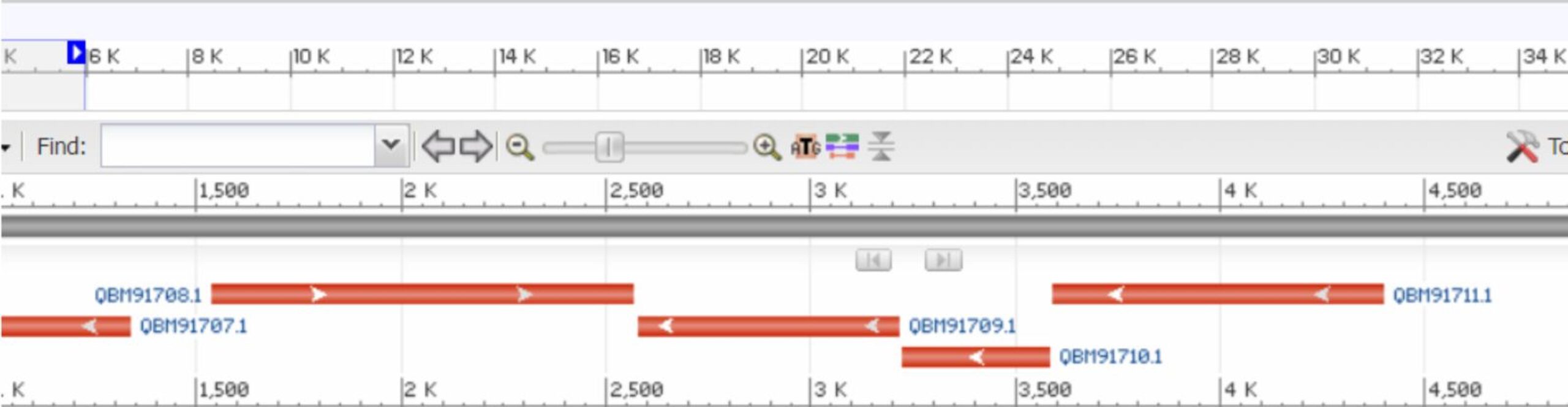
In Indonesian hospitals, K. pneumoniae has emerged as a primary reservoir for the blaNDM-1(New Delhi Metallo-β-lactamase) gene26. Unlike the intrinsic chromosomal resistance seen in A. baumannii, blaNDM-1 in K. pneumoniae is characteristically located on large, highly mobile plasmids27. This localization allows for rapid horizontal gene transfer (HGT), contributing to the “plasmid-mediated outbreaks” frequently documented in Indonesian tertiary care centers28. The blaNDM-1 gene does not typically exist in isolation; it is part of a conserved gene cluster that facilitates its stability and expression (Figure 1b). In K. pneumoniae, the blaNDM-1 gene is almost always found immediately upstream of the bleMBL gene (which confers resistance to bleomycin) and the trpF gene (involved in tryptophan biosynthesis)24. This arrangement is significant because the genes are often co-transcribed from a single promoter. An intact or truncated ISAba125 insertion sequence is typically situated upstream of blaNDM-1. This element provides the essential -35 and -10 promoter regions that drive high-level expression of the carbapenemase enzyme24.
K. pneumoniae OXA-48 family (blaOXA-232)
In K. pneumoniae, the OXA-48-like family represents a group of acquired Class D carbapenemases that are plasmid-encoded29. Among these, the blaOXA-232 variant has emerged as a critical determinant within the Asian region, particularly in India and Southeast Asia30,31.
(A)

(B)
(C)

This visualization, derived from the NCBI Genome Workbench (Accessions: CP017656.1, CP145338.1, CP016920.1), illustrates the genetic localization of the three genes. While A. baumannii blaOXA-66 (A) & K. pneumoniae blaOXA-232 (B) genes are transcribed individually, K. pneumoniae blaNDM-1 (C) is transcribed as part of an operon along with bleMBL (QBM91710.1 – encoding a bleomycin-resistance protein), trpF (QBM91709.1 – encoding N-5′-phosphoribosyl), and dsbc (QBM91708.1 – encoding a thiol:disulfide interchange protein) genes. These three genes (bleMBL, trpF & dsbc) are known to be associated with mobile genetic elements that frequently carry the blaNDM-1 gene32.
The blaOXA-232 gene is uniquely situated on small, multicopy, ColE-type plasmids (typically ~6 kb), making it distinct from the large, low-copy conjugative plasmids that often carry blaNDM-133. This small plasmid backbone is non-conjugative, meaning it cannot transfer itself autonomously. Structurally, the gene is part of the Tn2013 transposon (Figure 1c). In K. pneumoniae, the blaOXA-232 gene is characteristically flanked upstream by a truncated ISEcp1 insertion sequence (ΔISEcp1) and downstream by the lysR and ereA genes (which are involved in erythromycin resistance)34. This arrangement is significant because the ΔISEcp1 element provides the essential promoter regions that drive the expression of the carbapenemase enzyme. Unlike the broad horizontal transfer seen with blaNDM-1, the dissemination of blaOXA-232 is largely driven by the clonal expansion of specific host lineages or mobilization by helper plasmids in hospital environments35.
This paper will examine the genomic architecture and global genomic occurrence of key carbapenemase genes blaOXA-66 in Acinetobacter baumannii, and blaNDM-1 and blaOXA-232 in Klebsiella pneumoniae. By utilizing genomic data from the NCBI GenBank database, this study will map the international genomic occurrence of these genes, identifying major occurrences in regions such as China, India, and North America, with a special focus on Indonesia. Furthermore, the study will compare the occurrence of chromosomal genes like blaOXA-66 with the occurrence of the plasmid genes blaNDM-1 and blaOXA-232. The study will also utilize BLASTn to assess cross-species gene sequence similarity. Ultimately, this research will provide a detailed visualization of how these high-priority carbapenem resistance genes occur globally and within the specific context of Indonesia.
Methods
The genomic analysis of blaOXA-66, blaNDM-1, and blaOXA-232 was conducted using a dry-lab approach centered on the National Center for Biotechnology Information (NCBI) database. To investigate the genomic architecture, specific accession numbers were selected: CP017656.1 for A. baumannii, and CP145338.1 and CP016920.1 for K. pneumoniae. These sequences were visualized using the NCBI Genome Workbench, allowing for the identification of flanking regions and mobile genetic elements such as insertion sequences (e.g., ISAba1) and operon structures.
For the geographical genomic occurrence study, the NCBI Nucleotide GenBank database was queried for each respective gene. The “Isolate” and “Country” metadata from each matching entry were extracted to quantify the global occurrence. To ensure a standardized comparison, the data was categorized by region, with specific attention paid to the number of submissions originating from Indonesia compared to global hotspots like China and India. The resulting data was then compiled into figures to visualize the density of gene reports across different continents.
To evaluate the cross-species gene sequence similarity of these resistance determinants, the nucleotide sequences of each gene were subjected to a BLASTn search against the entire NCBI database. Results were filtered to identify unique species carrying the genes, and findings were organized into tables based on a hierarchy of E-value (cutoff < 1e-6), Max Score, Query Coverage (cutoff >95%), and Percentage Identity (cutoff >95%). The query strings included limiting (i) the taxonomic groups to A. baumannii and K. pneumoniae only, (ii) the genes to blaOXA-66, blaNDM-1, and blaOXA-232, (iii) and the date range to last 20 years. Finally, a geographical genomic occurrence study was performed using the NCBI Nucleotide GenBank database to extract “Country” metadata, which was then used to generate heat maps comparing global reports with the specific context of Indonesia.
Results
To analyze the global geographical genomic occurrence of the blaOXA-66, blaNDM-1, and blaOXA-232 carbapenem resistance genes, a targeted search of the National Center for Biotechnology Information (NCBI) Nucleotide Genbank database for Acinetobacter baumannii (for blaOXA-66) and Klebsiella pneumoniae (for blaNDM-1, and blaOXA-232) sequences containing these specific genes was performed. The GenBank accession numbers for identified isolates were extracted, which enabled for the identification of corresponding geographical metadata provided in the submission details. This dataset was compiled to map the occurrences of the genes, revealing their genomic occurrences across diverse regions. Table 1 summarizes the number of submissions and accession numbers, respectively, of these blaOXA-66-positive A. baumannii, blaNDM-1-positive K. pneumoniae, and blaOXA-232-positive K. pneumoniae isolates.
| Geographical location | Country | Accession Numbers | ||
| A. baumannii blaOXA-66 | K. pneumoniae blaNDM-1 | K. pneumoniae blaOXA-232 | ||
| Asia | Bangladesh | – | CP095612 CP095597 CP095649 CP095577 CP095653 CP095636 CP095631 CP095609 | – |
| China | EF016356 CP096686 CP054416 CP159624 CP077837 CP159518 CP096731 CP053034 CP059354 CP184613 CP107728 CP134553 CP079945 CP096702 CP096724 CP059353 CP144249 CP194386 CP159625 CP096762 CP159517 CP184611 CP059357 CP194388 CP144247 CP097875 CP095091 CP134560 CP096734 CP096722 CP134594 CP184607 CP134574 CP163039 CP152383 CP159523 CP104786 CP096729 CP184589 CP096735 CP104751 CP194385 CP096707 CP077828 CP096682 CP159626 CP030083 CP159520 CP184609 CP094283 CP079942 CP158366 CP184585 CP032743 CP059356 CP096755 CP134570 CP184625 CP096768 CP077843 CP096749 CP023140 CP184621 CP159528 CP194389 CP184595 CP096704 CP021496 CP099858 CP134547 CP014538 CP184617 CP096764 CP059354 CP144240 CP104908 CP184615 CP104907 CP184619 CP159579 CP096747 CP059352 CP077840 CP184627 CP102831 CP096688 CP096892 CP018143 CP077826 CP050916 CP096742 CP059358 CP096710 CP159521 CP096757 CP184629 CP134565 CP184597 CP134589 CP134544 CP134550 CP059350 CP096700 | KC310727 CP180659 CP186347 CP180654 KF951466 CP140282 CP186354 CP081866 CP169937 CP146088 CP026590 CP090222 CP182846 CP043598 CP101561 MH909347 CP063149 CP180664 OQ230787 CP159232 CP138523 CP101558 CP118908 CP138536 CP104795 CP099669 CP169910 CP086762 ON111447 CP101780 KJ588779 CP118903 CP025965 CP034323 MH909345 CP175680 OL964514 MH909333 CP196489 CP097653 OR666723 OL389795 CP172344 CP099690 CP138542 CP070900 CP169922 CP183351 CP031884 MH909349 CP163100 CP191327 CP107356 CP092653 CP183788 MN175387 MZ836809 CP061701 CP141662 CP087671 PQ279303 CP151755 ON111448 CP090129 CP091052 CP078125 CP039806 CP151758 CP043582 CP163005 MH011352 MZ532980 MF344558 CP099674 CP091980 CP099671 CP043589 MH917282 CP039829 OQ230788 | KY454616 CP146164 CP162974 MK105834 MH807441 CP034762 MH932630 CP113198 CP154607 CP142408 CP084242 CP113214 CP113205 CP080367 CP102080 CP104800 CP092280 MW509827 CP045195 MN227183 CP090472 MH764402 NZ_JAKNQX010000111 NZ_JAUYYD010000138 NZ_JAKNQX010000032 NZ_JAKNQX010000092 NZ_JAKNQX010000109 NZ_JAKNQX010000110 NZ_JAUYYD010000046 NZ_JAUYYD010000048 NZ_JAUYYD010000049 NZ_JAUYYB010000107 NZ_JAUYYB010000106 | |
| Hong Kong | CP084733 CP084727 CP084724 | CP050164 CP050166 | – | |
| India | CP175825 CP175843 CP040047 CP040087 CP175876 CP006963 CP050390 CP045528 | MF360086 JN609453 NG_064729 CP186657 JX102648 CP186631 OM164096 MK425035 CP030858 JN609447 JX506734 MF360091 KF220658 MH744357 KJ150691 MH744360 OM164093 CP075892 MF360087 MH211128 OM164083 OL544135 | CP079128 MN371150 CP036331 CP053778 CP079136 CP036323 CP036197 CP079627 MN080489 CP067046 CP186669 CP079632 CP067045 CP069207 CP186625 CP079118 CP060425 CP175813 CP058945 CP053774 CP053776 MN371147 CP036333 CP186644 CP053779 CP053777 MN652132 MN652131 MN652130 MN652129 MN652128 MN652127 MN652106. MN652104 | |
| Indonesia | – | CP183007 CP183005 CP183004 CP183008 | CP183003 | |
| Iran | KY923052 KT582016 | MT809687 LC154955 LC154953 LC154954 MT809686 LC154952 LC154957 | – | |
| Iraq | – | CP093856 CP093857 NG_088409 KY497947 | – | |
| Japan | AP025531 AP013357 AP031578 AP031580 AP027038 | AB759690 PX147795 | LC613148 LC507653 AP021880 AB972272 LC521833 | |
| Malaysia | CP007535 | – | – | |
| Myanmar | – | LC536683 | – | |
| Nepal | CP048102 | CP008933 MF379694 | – | |
| Oman | – | MF774795 | – | |
| Pakistan | KY446367 CP124154 CP124172 CP124177 PV153721 KP770033 | – | ||
| Philippines | OQ096404 OQ096403 OM617774 OM617767 | |||
| Saudi Arabia | CP121598 CP121625 CP121560 CP121583 CP121577 CP121632 CP121579 CP121586 CP121588 CP121567 CP121563 CP121557 | CP071280 | – | |
| Singapore | CP161992 | – | – | |
| South Korea | FJ360530.2 CP137140 CP142645 CP112859 CP146828 CP099786 CP137069 CP142100 CP143269 CP146831 CP099784 CP020590 CP146769 CP137061 CP017652 CP017650 CP142636 CP142102 CP020574 CP142801 CP091465 CP017642 CP142892 CP099790 CP100305 CP142660 CP020581 CP137073 CP020592 CP013924 | CP031736 OQ785271 | CP041931 CP031737 | |
| Taiwan | DQ987478 CP076739 CP131889 CP064203 CP131901 CP131903 CP074698 CP131885 | KJ187752 KJ187751 MG878868 CP144130f | CP144130 CP144135 | |
| Thailand | GQ265552 CP196874 CP196883 CP1016532 | CP171579 MN370929 CP110518 LC613144 LC521851 LC521852 CP024879 CP171587 CP034406 CP171561 LC521835 CP171541 CP192294 MN370927 AP018748 CP171573 CP171576 CP102994 CP024039 LC521837 | CP187765 CP187771 CP187770 | |
| Turkey | CP195705 CP195695 CP051262 CP047930 CP171394 CP195700 CP195671 | – | CP093853 CP093855 CP094228 CP093852 CP093854 CP094227 | |
| United Arab Emirates | – | MK372384 CP122383 KC149525 KC149526 | MF774791 KY426739 MF774789 MK412915 CP015500 MK412920 | |
| Vietnam | – | KM111583 AP018577 AP018578 CP098372 AP018583 KM111582 JF798500 KM111581 KM111586 | – | |
| Europe | Armenia | – | CP168936 CP168937 | – |
| Belgium | CP091357 CP091370 CP091363 CP091355 CP199979 CP091377 CP091352 CP091364 CP091348 CP091346 CP091351 CP091359 CP199981 CP091368 CP091374 CP091347 | – | – | |
| Bulgaria | – | KT852335 | OY856406 OY899164 OY978238 CP186372 OY978496 OY978238 | |
| Croatia | MH010866 | OZ111339 OZ111522 OZ111357 OZ111468 OZ111281 OZ111320 OZ111347 OZ111298 | – | |
| Czech Republic | – | CP050380 | KX523904 CP050375 KX523903 CP050368 | |
| France | AY949204 CP199211 CP136169 | – | OV049808 OQ803525 JN205800 | |
| Germany | OL961439 JQ326203 CP087370 CP087321 CP087344 CP087365 CP087374 CP087357 | OZ111542 OZ111313 CP018366 CP161848 CP028178 CP091602 | CP091603 CP061054 | |
| Ireland | – | CP196145 CP136386 CP196130 CP196133 CP196141 | – | |
| Italy | CP193653 | MH722218 CP074090 CP098430 | MH523449 CP095783 CP095779 | |
| Netherlands | – | – | CP068846 CP068853 CP068856 CP068839 CP068868 CP068909 CP068958 CP068922 CP068835 CP068959 CP068957 CP068919 CP068911 | |
| Norway | – | – | CP139787 CP140476 | |
| Poland | CP121345 | MW363918 MW363913 MW363916 MT415056 MW363914 | – | |
| Russia | CP122365 CP122360 CP071919 CP120894 | KY751958 PQ126464 MW736057 CP121094 CP122352 CP072810 PQ126451 MW911671 CP086666 PQ126459 PQ126454 PQ126447 PQ126477 MW736060 CP196649 PQ126467 PQ126452 PQ126476 PQ126453 KC178689 CP121091 PQ126473 MW911669 NG_049333 PQ126482 PQ126478 | – | |
| Spain | CP179705 CP179699 CP179702 CP179707 CP179709 | OW970445 OW970387 | – | |
| Serbia | – | HE866523 | – | |
| Sweden | CP029569 | CP030720 NG_049326 | CP024429 | |
| Switzerland | CP041148 | CP082992 CP082986 | CP099747 CP099750 | |
| Ukraine | – | OQ723099 PQ284024 | – | |
| United Kingdom | AY750909 CP032055 | CP137381 CP137400 CP040598 CP141854 CP138227 CP040728 | CP096173 CP141573 CP140296 CP137419 CP141544 CP141549 CP137409 CP141552 | |
| America | Brazil | – | CP158717 | – |
| Canada | CP035184 CP035185 CP043418 CP043417 CP034243 | PV022876 CP023914 PV022872 PV023018 PV023026 PV023008 PV022922 PV022983 PV022926 PV022999 PV023029 PV023083 PV023087 PV022979 PV023069 CP023948 PV023130 PV022976 PV023148 PV023032 CP023910 | PV022959 PP320257 PP320272 PP320270 PP320280 PP320305 PP320274 PV022898 PP320247 PP320310 PV023052 PV023120 PV023098 PV022882 PP320278 PV022972 CP142062 PV022883 PP320246 PV023105 PV022985 PV023001 PP320277 PP320312 PV023107 PV023135 PV023117 PV022969 PV023057 | |
| Mexico | CP191644 CP023034 CP191589 CP023031 | – | – | |
| Peru | MN816229 | |||
| USA | EU977569 NG_049806 CP169608 CP115626 CP180119 CP043455 CP180042 CP180101 CP169785 CP124678 CP174430 CP157249 CP174047 CP096894 CP169770 CP169791 CP180096 CP026943 CP169605 CP015483 CP180108 CP016295 CP016300 CP060013 CP016298 CP143346 CP194118 CP117759 CP061517 CP180029 CP060011 CP061525 CP043465 CP043452 CP174050 CP157255 CP039518 CP180115 CP056784 CP061523 CP117764 CP157252 CP043462 CP024576 CP143344 CP155724 CP026707 CP003849 | CP059311 CP067954 CP169618 CP097233 CP067501 CP014757 CP180053 CP054405 CP117223 CP097396 CP190145 CP074530 CP006799 CP117214 CP097229 CP054402 CP137447 | CP016920 CP132644 CP006802 PP320270 CP127510 CP024042 CP097241 CP127513 CP012562 CP130917 CP028953 CP016811 NG_049482 CP034284 CP029722 CP028990 CP103587 | |
| Africa | Egypt | CP196985 | CP048802 MT648512 OP389273 | – |
| Nigeria | CP178386 | – | – | |
| Kenya | – | KJ013531 | – | |
| South Africa | – | CP023554 CP023488 | – | |
| Oceania | Australia | CP059548 CP191379 CP031383 CP054302 CP079743 CP175804 CP194980 CP096575 CP024124 | KF016990 | LN824133 |
| New Zealand | – | CP195814 | – | |
Figure 2 | (A to C) shows the geographical genomic occurrence of these blaOXA-66-positiveA. baumannii, blaNDM-1-positive K. pneumoniae, and blaOXA-232-positive K. pneumoniae isolates. Respectively.
The data for blaOXA-66affirms its status as a globally distributed resistance marker, with a marked concentration in the Asian region. In the analyzed dataset, China emerged as the predominant reservoir, accounting for the highest frequency of isolates (n=103). This aligns with the regional dominance of the genes in East and Southeast Asia. Significant clusters were also identified in South Korea (n=30) and the Philippines (n=4). Outside of Asia, Belgium (n=16) and the USA (n=48) represented major reservoirs.
Similarly, the analysis of blaNDM-1isolates reveals a wide distribution, spanning multiple continents including Asia, Europe, and the Americas. China again comprised the largest proportion of the dataset, reinforcing its role as a major zone for NDM-producing Enterobacterales. However, unlike the more regionally concentrated blaOXA-66, blaNDM-1 showed a broader occurrence in Western nations, with substantial contributions from Russia (n=26), the USA (n=17), and the United Kingdom (n=6). The dataset also captured sporadic occurrences in South America (Brazil, Uruguay) and Southeast Asia (Thailand), highlighting the high mobility of the plasmids facilitating the transfer of this metallo-β-lactamase gene.
Also, the data for blaOXA-232 suggests a transmission pattern that bridges its traditional reservoirs with Western healthcare systems. While India (n=34), which has historically been considered a primary reservoir for this variant, was well-represented, the dataset contained a strikingly high number of isolates from North America, specifically the USA (n=17) and Canada (n=29). This indicates successful intercontinental dissemination, likely driven by travel and patient transfer. Other notable hotspots included Turkey (n=6) and China (n=33), further evidencing the gene’s expansion beyond its initial endemic regions in South Asia.
However, the lack of Southeast Asian isolates for all three genes cannot simply be attributed to a low geographical prevalence. On the contrary, this phenomenon could be tied to the developing economies and relatively low number of research publications stemming from these countries.
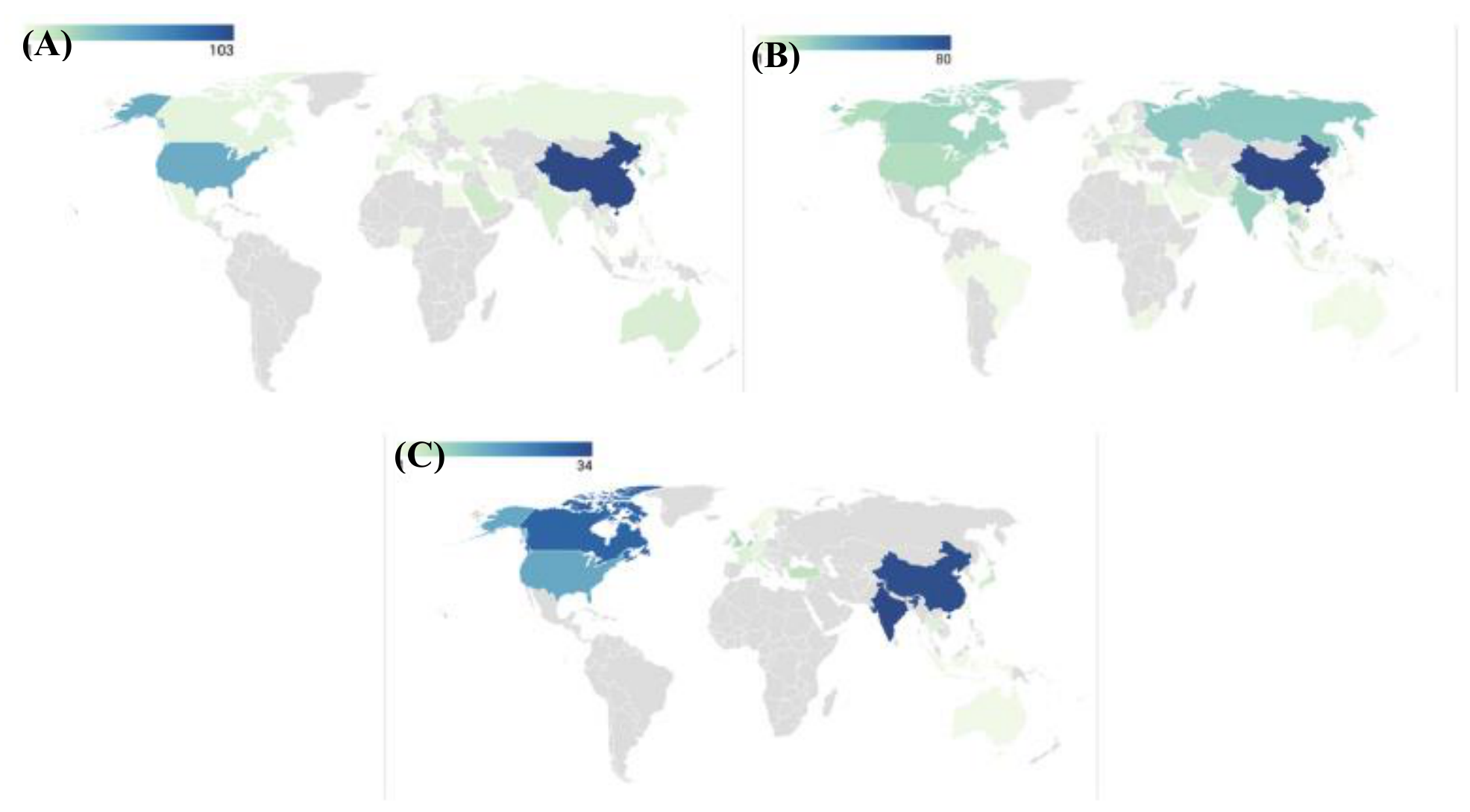
Number and distribution of retrieved GenBank records of (A) A. baumannii blaOXA-66 (n=300), (B) K. pneumoniae blaOXA-NDM. (n=306), and (C) K. pneumoniae blaOXA-232 (n=183). All three maps reveal a significant data gap in Indonesia, with only four reports for blaNDM-1, one for blaOXA-232, and zero for blaOXA-66. Note that submission frequencies may reflect a nation’s genomic sequencing capacity and funding resources rather than true global epidemiological prevalence. Thus, true country-level prevalence cannot be estimated from deposited sequences.
The BLASTn analysis demonstrated significant diversity in the host range of the studied carbapenem resistance genes. blaNDM-1 exhibited the highest level of cross-species gene sequence similarity, maintaining 100.00% identity across 11 different species, such as Escherichia, Vibrio, and Providencia (Table 2). Similarly, blaOXA-232 showed near-perfect conservation (99.90–100%) in 8 different species as diverse as Shewanella and Pseudomonas (Table 2). In contrast, while blaOXA-66 was identified with >97% identity in other genera, the range was much narrower and included only Klebsiella, Pseudomonas, and Escherichia (Table 2).
| Bacterial Species | Carbapenem Resistance Genes | |||||||||||
| blaOXA-66 | blaNDM-1 | blaOXA-232 | ||||||||||
| S | C | E | I | S | C | E | I | S | C | E | I | |
| Acinetobacter sp. | 1524 | 100 | 0.0 | 100 | 1070 | 100 | 0.0 | 100 | ||||
| Klebsiella sp. | 1525 | 100 | 0.0 | 100 | 1070 | 100 | 0.0 | 100 | 1841 | 100 | 0.0 | 100 |
| Pseudomonas sp. | 1519 | 100 | 0.0 | 99.88 | 1070 | 100 | 0.0 | 100 | 1838 | 100 | 0.0 | 99.90 |
| Escherichia sp. | 1424 | 100 | 0.0 | 97.82 | 1070 | 100 | 0.0 | 100 | 1844 | 100 | 0.0 | 100 |
| Enterobacter sp. | – | – | – | – | 1070 | 100 | 0.0 | 100 | 1838 | 100 | 0.0 | 99.90 |
| Citrobacter sp. | – | – | – | – | 1070 | 100 | 0.0 | 100 | 1838 | 100 | 0.0 | 99.90 |
| Providencia sp. | – | – | – | – | 1070 | 100 | 0.0 | 100 | 1838 | 100 | 0.0 | 99.90 |
| Vibrio sp. | – | – | – | – | 1070 | 100 | 0.0 | 100 | – | – | – | – |
| Proteus sp. | – | – | – | – | 1070 | 100 | 0.0 | 100 | – | – | – | – |
| Pantoea sp. | – | – | – | – | 1070 | 100 | 0.0 | 100 | – | – | – | – |
| Shewanella sp. | – | – | – | – | – | – | – | – | 1838 | 100 | 0.0 | 99.90 |
| Pseudocitrobacter sp. | – | – | – | – | – | – | – | – | 1838 | 100 | 0.0 | 99.90 |
S: maximum score, C: coverage %, E: E-value, I: percentage identity %, and -: no data.
Discussion
The genomic analysis confirms the global occurrence of the three analyzed carbapenem resistance genes. blaOXA-66in A. baumannii is known to be largely chromosomal and non-transferable, relying on clonal expansion for its persistence in hospital environments12. Our results indicating its high genomic occurrence in Southeast Asia and substantial presence in China (n=103) aligns with being a stable, core component of dominant regional lineages like International Clone II19. In contrast, the K. pneumoniae determinants (blaNDM-1and blaOXA-232) exhibit characteristics of wider genomic occurrence. The blaNDM-1 gene is frequently associated with an operon including bleMBLand trpF, facilitating its stability on large plasmids capable of rapid horizontal gene transfer24,27. This aligns with its genomic occurrence, showing significant clusters not just in Asia, but also in Russia (n=26) and North America. Interestingly, while blaOXA-232is historically linked to India36, which aligns with its genomic occurrence observed in this study (n=34), our data also show an emerging concentration in the USA (n=17) and Canada (n=29), which could be driven by international travel.
The occurrences and dynamics of these resistance determinants are further elucidated by the BLASTn results compiled in Table 2, where the high percentage sequence identity observed across distinct taxonomic groups highlights the sequence similarity. For the plasmid-borne blaNDM-1and blaOXA-232 genes, near-absolute sequence conservation (99.90%–100.00%) is maintained across highly diverse bacterial species, such as Escherichia, Pseudomonas, and Shewanella. In contrast, the alignment profile for the typically chromosomal blaOXA-66 gene tells a more complex story; while it displays 100.00% identity when detected sporadically in K. pneumoniae, Pseudomonas sp, and Escherichia sp, it is largely absent in other species, reflecting potentially lower transmission, although this cannot be confirmed or refuted without formal phylogenetic analysis.
This work is a descriptive comparison of three exemplar genes, but the outcome aligns with our speculation that mobile genes are probably more dominant than chromosomal ones among carbapenem-resistant isolates, although testing such speculation is out of scope for this work. Also, the lower number of reported isolates from Southeast Asia might reflect a lack of research publications and genomic surveillance in developing economies rather than a lower true genomic occurrence.
The high percentage identity of these genes across diverse bacterial species provides indications of their wide genomic occurrence. The fact that blaNDM-1and blaOXA-232 maintain 100% identity in entirely different bacterial species aligns with the fact that they are carried on plasmids and also aligns with their wide geographical genomic occurrence. Furthermore, the appearance of the typically chromosomal Acinetobacter gene, blaOXA-66, in Klebsiella Pseudomonas, and Escherichia can lead us to speculate that even ‘stable’ chromosomal resistance determinants can sometimes be captured by mobile genetic elements, further complicating the landscape of antibiotic resistance.
Conclusion
The results of this study clearly demonstrate that the occurrence of the three studied carbapenem resistance genes in A. baumannii and K. pneumoniae is widespread. The chromosomally localized blaOXA-66 is primarily concentrated in Asia (n=103 in China). In contrast, the plasmid-mediated blaNDM-1and blaOXA-232are more widely occurring from Southeast Asia to North America. However, a significant discrepancy exists between clinical reality and genomic reporting in Indonesia. Despite local clinical studies suggesting high rates of carbapenem resistance, this study found a near-total absence of Indonesian sequences in global databases (n=0 for blaOXA-66and, n=1 for blaOXA-232, and n=4 for blaNDM-1). This is likely not a result of a lack of resistance, but rather a byproduct of limited funding for Whole Genome Sequencing (WGS), a lack of centralized reporting mandates, and barriers to scientific publication in developing economies. Ultimately, the lack of data from high-burden regions like Indonesia creates a blind spot in global surveillance. To mitigate the threat of these high-priority pathogens, it is imperative to bridge the gap between clinical detection and genomic reporting, ensuring that resource-limited regions are represented in the global effort to track and contain antimicrobial resistance. Furthermore, these findings underscore the necessity of moving beyond species-specific surveillance and adopting a gene-centric approach to tracking resistance, particularly in high-burden regions where these genes may be circulating undetected across a wide array of clinical pathogens.
References
- S. Tan, Y. Tatsumura. Alexander fleming (1881–1955): discoverer of penicillin. Singapore Medical Journal. Vol. 56, pg. 366–367, 2015 https://doi.org/10.11622/smedj.2015105 [↩]
- M. I. Hutchings, A. W. Truman, B. Wilkinson. Antibiotics: past, present and future. Current Opinion in Microbiology. Vol. 51, pg. 72–80, 2019 https://doi.org/10.1016/j.mib.2019.10.008 [↩]
- C. Llor, L. Bjerrum. Antimicrobial resistance: risk associated with antibiotic overuse and initiatives to reduce the problem. Therapeutic Advances in Drug Safety. Vol. 5, pg. 229–241, 2014 https://doi.org/10.1177/2042098614554919 [↩]
- M. Naghavi, S. E. Vollset, K. S. Ikuta, L. R. Swetschinski, A. P. Gray, E. E. Wool, G. Robles Aguilar, T. Mestrovic, G. Smith, C. Han, R. L. Hsu, J. Chalek, D. T. Araki, E. Chung, C. Raggi, A. Gershberg Hayoon, N. Davis Weaver, P. A. Lindstedt, A. E. Smith, U. Altay, N. V. Bhattacharjee, K. Giannakis, F. Fell, B. McManigal, N. Ekapirat, J. A. Mendes, T. Runghien, O. Srimokla, A. Abdelkader, S. Abd-Elsalam, R. G. Aboagye, H. Abolhassani, H. Abualruz, U. Abubakar, H. J. Abukhadijah, S. Aburuz, A. Abu-Zaid, S. Achalapong, I. Y. Addo, V. Adekanmbi, T. E. Adeyeoluwa, Q. E. S. Adnani, L. A. Adzigbli, M. S. Afzal, S. Afzal, A. Agodi, A. J. Ahlstrom, A. Ahmad, S. Ahmad, T. Ahmad, A. Ahmadi, A. Ahmed, H. Ahmed, I. Ahmed, M. Ahmed, S. Ahmed, S. A. Ahmed, M. A. Akkaif, S. Al Awaidy, Y. Al Thaher, S. O. Alalalmeh, M. T. AlBataineh, W. A. Aldhaleei, A. A. S. Al-Gheethi, N. B. Alhaji, A. Ali, L. Ali, S. S. Ali, W. Ali, K. Allel, S. Al-Marwani, A. Alrawashdeh, A. Altaf, A. B. Al-Tammemi, J. A. Al-Tawfiq, K. H. Alzoubi, W. A. Al-Zyoud, B. Amos, J. H. Amuasi, R. Ancuceanu, J. R. Andrews, A. Anil, I. A. Anuoluwa, S. Anvari, A. E. Anyasodor, G. L. C. Apostol, J. Arabloo, M. Arafat, A. Y. Aravkin, D. Areda, A. Aremu, A. A. Artamonov, E. A. Ashley, M. O. Asika, S. S. Athari, M. M. W. Atout, T. Awoke, S. Azadnajafabad, J. M. Azam, S. Aziz, A. Y. Azzam, M. Babaei, F.-X. Babin, M. Badar, A. A. Baig, M. Bajcetic, S. Baker, M. Bardhan, H. J. Barqawi, Z. Basharat, A. Basiru, M. Bastard, S. Basu, N. S. Bayleyegn, M. A. Belete, O. O. Bello, A. Beloukas, J. A. Berkley, A. S. Bhagavathula, S. Bhaskar, S. S. Bhuyan, J. A. Bielicki, N. I. Briko, C. S. Brown, A. J. Browne, D. Buonsenso, Y. Bustanji, C. G. Carvalheiro, C. A. Castañeda-Orjuela, M. Cenderadewi, J. Chadwick, S. Chakraborty, R. M. Chandika, S. Chandy, V. Chansamouth, V. K. Chattu, A. A. Chaudhary, P. R. Ching, H. Chopra, F. R. Chowdhury, D.-T. Chu, M. Chutiyami, N. Cruz-Martins, A. G. da Silva, O. Dadras, X. Dai, S. D. Darcho, S. Das, F. P. De la Hoz, D. M. Dekker, K. Dhama, D. Diaz, B. F. R. Dickson, S. G. Djorie, M. Dodangeh, S. Dohare, K. G. Dokova, O. P. Doshi, R. K. Dowou, H. L. Dsouza, S. J. Dunachie, A. M. Dziedzic, T. Eckmanns, A. Ed-Dra, A. Eftekharimehrabad, T. C. Ekundayo, I. El Sayed, M. Elhadi, W. El-Huneidi, C. Elias, S. J. Ellis, R. Elsheikh, I. Elsohaby, C. Eltaha, B. Eshrati, M. Eslami, D. W. Eyre, A. O. Fadaka, A. F. Fagbamigbe, A. Fahim, A. Fakhri-Demeshghieh, F. O. Fasina, M. M. Fasina, A. Fatehizadeh, N. A. Feasey, A. Feizkhah, G. Fekadu, F. Fischer, I. Fitriana, K. M. Forrest, C. Fortuna Rodrigues, J. E. Fuller, M. A. Gadanya, M. Gajdács, A. P. Gandhi, E. E. Garcia-Gallo, D. O. Garrett, R. K. Gautam, M. W. Gebregergis, M. Gebrehiwot, T. G. Gebremeskel, C. Geffers, L. Georgalis, R. M. Ghazy, M. Golechha, D. Golinelli, M. Gordon, S. Gulati, R. D. Gupta, S. Gupta, V. K. Gupta, A. D. Habteyohannes, S. Haller, H. Harapan, M. L. Harrison, A. I. Hasaballah, I. Hasan, R. S. Hasan, H. Hasani, A. H. Haselbeck, M. S. Hasnain, I. I. Hassan, S. Hassan, M. S. Hassan Zadeh Tabatabaei, K. Hayat, J. He, O. E. Hegazi, M. Heidari, K. Hezam, R. Holla, M. Holm, H. Hopkins, M. M. Hossain, M. Hosseinzadeh, S. Hostiuc, N. R. Hussein, L. D. Huy, E. D. Ibáñez-Prada, A. Ikiroma, I. M. Ilic, S. M. S. Islam, F. Ismail, N. E. Ismail, C. D. Iwu, C. J. Iwu-Jaja, A. Jafarzadeh, F. Jaiteh, R. Jalilzadeh Yengejeh, R. D. G. Jamora, J. Javidnia, T. Jawaid, A. W. J. Jenney, H. J. Jeon, M. Jokar, N. Jomehzadeh, T. Joo, N. Joseph, Z. Kamal, K. K. Kanmodi, R. S. Kantar, J. A. Kapisi, I. M. Karaye, Y. S. Khader, H. Khajuria, N. Khalid, F. Khamesipour, A. Khan, M. J. Khan, M. T. Khan, V. Khanal, F. F. Khidri, J. Khubchandani, S. Khusuwan, M. S. Kim, A. Kisa, V. A. Korshunov, F. Krapp, R. Krumkamp, M. Kuddus, M. Kulimbet, D. Kumar, E. A. P. Kumaran, A. Kuttikkattu, H. H. Kyu, I. Landires, B. K. Lawal, T. T. T. Le, I. M. Lederer, M. Lee, S. W. Lee, A. Lepape, T. L. Lerango, V. S. Ligade, C. Lim, S. S. Lim, L. W. Limenh, C. Liu, X. Liu, X. Liu, M. J. Loftus, H. I. M Amin, K. L. Maass, S. B. Maharaj, M. A. Mahmoud, P. Maikanti-Charalampous, O. M. Makram, K. Malhotra, A. A. Malik, G. D. Mandilara, F. Marks, B. A. Martinez-Guerra, M. Martorell, H. Masoumi-Asl, A. G. Mathioudakis, J. May, T. A. McHugh, J. Meiring, H. N. Meles, A. Melese, E. B. Melese, G. Minervini, N. S. Mohamed, S. Mohammed, S. Mohan, A. H. Mokdad, L. Monasta, A. Moodi Ghalibaf, C. E. Moore, Y. Moradi, E. Mossialos, V. Mougin, G. D. Mukoro, F. Mulita, B. Muller-Pebody, E. Murillo-Zamora, S. Musa, P. Musicha, L. A. Musila, S. Muthupandian, A. J. Nagarajan, P. Naghavi, F. Nainu, T. S. Nair, H. H. R. Najmuldeen, Z. S. Natto, J. Nauman, B. P. Nayak, G. T. Nchanji, P. Ndishimye, I. Negoi, R. I. Negoi, S. A. Nejadghaderi, Q. P. Nguyen, E. A. Noman, D. C. Nwakanma, S. O’Brien, T. J. Ochoa, I. A. Odetokun, O. A. Ogundijo, T. R. Ojo-Akosile, S. R. Okeke, O. C. Okonji, A. T. Olagunju, A. Olivas-Martinez, A. A. Olorukooba, P. Olwoch, K. I. Onyedibe, E. Ortiz-Brizuela, O. Osuolale, P. Ounchanum, O. T. Oyeyemi, M. P. P a, J. L. Paredes, R. R. Parikh, J. Patel, S. Patil, S. Pawar, A. Y. Peleg, P. Peprah, J. Perdigão, C. Perrone, I.-R. Petcu, K. Phommasone, Z. Z. Piracha, D. Poddighe, A. J. Pollard, R. Poluru, A. Ponce-De-Leon, J. Puvvula, F. N. Qamar, N. H. Qasim, C. D. Rafai, P. Raghav, L. Rahbarnia, F. Rahim, V. Rahimi-Movaghar, M. Rahman, M. A. Rahman, H. Ramadan, S. K. Ramasamy, P. S. Ramesh, P. W. Ramteke, R. K. Rana, U. Rani, M.-M. Rashidi, D. Rathish, S. Rattanavong, S. Rawaf, E. M. M. Redwan, L. F. Reyes, T. Roberts, J. V. Robotham, V. D. Rosenthal, A. G. Ross, N. Roy, K. E. Rudd, C. J. Sabet, B. A. Saddik, M. R. Saeb, U. Saeed, S. Saeedi Moghaddam, W. Saengchan, M. Safaei, A. Saghazadeh, N. Saheb Sharif-Askari, A. Sahebkar, S. S. Sahoo, M. Sahu, M. Saki, N. Salam, Z. Saleem, M. A. Saleh, Y. L. Samodra, A. M. Samy, A. Saravanan, M. Satpathy, A. E. Schumacher, M. Sedighi, S. Seekaew, M. Shafie, P. A. Shah, S. Shahid, M. J. Shahwan, S. Shakoor, N. Shalev, M. A. Shamim, M. A. Shamshirgaran, A. Shamsi, A. Sharifan, R. P. Shastry, M. Shetty, A. Shittu, S. Shrestha, E. E. Siddig, T. Sideroglou, J. Sifuentes-Osornio, L. M. L. R. Silva, E. A. F. Simões, A. J. H. Simpson, A. Singh, S. Singh, R. Sinto, S. S. M. Soliman, S. Soraneh, N. Stoesser, T. Z. Stoeva, C. K. Swain, L. Szarpak, S. S. T y, S. Tabatabai, C. Tabche, Z. M.-A. Taha, K.-K. Tan, N. Tasak, N. Y. Tat, A. Thaiprakong, P. Thangaraju, C. C. Tigoi, K. Tiwari, M. R. Tovani-Palone, T. H. Tran, M. Tumurkhuu, P. Turner, A. J. Udoakang, A. Udoh, N. Ullah, S. Ullah, A. G. Vaithinathan, M. Valenti, T. Vos, H. T. L. Vu, Y. Waheed, A. S. Walker, J. L. Walson, T. Wangrangsimakul, K. G. Weerakoon, H. F. L. Wertheim, P. C. M. Williams, A. A. Wolde, T. M. Wozniak, F. Wu, Z. Wu, M. K. K. Yadav, S. Yaghoubi, Z. S. Yahaya, A. Yarahmadi, S. Yezli, Y. E. Yismaw, D. K. Yon, C.-W. Yuan, H. Yusuf, F. Zakham, G. Zamagni, H. Zhang, Z.-J. Zhang, M. Zielińska, A. Zumla, S. H. H. Zyoud, S. H. Zyoud, S. I. Hay, A. Stergachis, B. Sartorius, B. S. Cooper, C. Dolecek, C. J. L. Murray. Global burden of bacterial antimicrobial resistance 1990–2021: a systematic analysis with forecasts to 2050. The Lancet. Vol. 404, pg. 1199–1226, 2024 https://doi.org/10.1016/S0140-6736(24)01867-1 [↩]
- Global antimicrobial resistance and use surveillance system (glass). https://www.who.int/initiatives/glass [↩]
- I. N. Kadariswantiningsih, D. D. Rampengan, R. N. Ramadhan, A. Idrisova, B. Idrisov, M. A. Empitu. Antibiotic resistance in indonesia: a systematic review and meta-analysis of extended-spectrum beta-lactamase-producing bacteria (2008–2024). Tropical Medicine & International Health. Vol. 30, pg. 246–259, 2025 https://doi.org/10.1111/tmi.14090 [↩]
- R. Abbas, M. Chakkour, H. Zein El Dine, E. F. Obaseki, S. T. Obeid, A. Jezzini, G. Ghssein, Z. Ezzeddine. General overview of klebsiella pneumonia: epidemiology and the role of siderophores in its pathogenicity. Biology. Vol. 13, pg. 78, 2024 https://doi.org/10.3390/biology13020078 [↩] [↩]
- J. V. Ashurst, A. Dawson. Klebsiella pneumonia. in StatPearls StatPearls Publishing, Treasure Island (FL), 2023 [↩]
- A. Dharmawan, A. Devita, W. D. Gunardi, N. Layanto. Prevalence and sensitivity pattern of acinetobacter baumannii in the intensive care unit of private hospital in jakarta. Jurnal Biomedika Dan Kesehatan. Vol. 6, pg. 178–185, 2023 https://doi.org/10.18051/JBiomedKes.2023.v6.178-185 [↩]
- F. M. Adeyemi, E. A. Akinlade, N. A. Yusuf-Omoloye, O. H. Ajigbewu, A. P. Dare, A. A. Wahab, O. O. Oyedara, H. S. Isiaka, A. O. Usamat. Carbapenem-resistance in acinetobacter baumannii: prevalence, antibiotic resistance profile and carbapenemase genes in clinical and hospital environmental strains. BMC Infectious Diseases. Vol. 25, pg. 786, 2025 https://doi.org/10.1186/s12879-025-11169-x [↩] [↩]
- D. Bento, E. H. Tobin. Acinetobacter. in StatPearls StatPearls Publishing, Treasure Island (FL), 2026 [↩]
- C. Aurilio, P. Sansone, M. Barbarisi, V. Pota, L. G. Giaccari, F. Coppolino, A. Barbarisi, M. B. Passavanti, M. C. Pace. Mechanisms of action of carbapenem resistance. Antibiotics. Vol. 11, pg. 421, 2022 https://doi.org/10.3390/antibiotics11030421 [↩] [↩] [↩] [↩] [↩] [↩]
- Carbapenems: past, present, and future | antimicrobial agents and chemotherapy. https://journals.asm.org/doi/10.1128/aac.00296-11 [↩] [↩]
- C. Stevenson, J. P. Hall, E. Harrison, Aj. Wood, M. A. Brockhurst. Gene mobility promotes the spread of resistance in bacterial populations. The ISME Journal. Vol. 11, pg. 1930–1932, 2017 https://doi.org/10.1038/ismej.2017.42 [↩]
- L. Hassan, M. A. Syed, B. Lu, J. Zhao, B. Cao. Role of mobilome in carbapenem resistance. Antibiotics. Vol. 15, pg. 542, 2026 https://doi.org/10.3390/antibiotics15060542 [↩]
- S. Siahaan, M. J. Herman, N. Fitri. Antimicrobial resistance situation in indonesia: a challenge of multisector and global coordination. Journal of Tropical Medicine. Vol. 2022, pg. 2783300, 2022 https://doi.org/10.1155/2022/2783300 [↩]
- M. W. Gach, G. Lazarus, D. M. Simadibrata, R. Sinto, Y. R. Saharman, R. Limato, E. J. Nelwan, H. R. van Doorn, A. Karuniawati, R. L. Hamers. Antimicrobial resistance among common bacterial pathogens in indonesia: a systematic review. The Lancet Regional Health – Southeast Asia. Vol. 26, pg. 100414, 2024 https://doi.org/10.1016/j.lansea.2024.100414 [↩] [↩]
- I. N. Kadariswantiningsih, M. A. Empitu, B. Idrisov, D. D. C. H. Rampengan, R. N. Ramadhan. Carbapenem-resistant enterobacterales (cre) in indonesia: protocol for systematic review and meta-analysis. F1000Research. Vol. 13, pg. 1244, 2025 https://doi.org/10.12688/f1000research.157380.2 [↩]
- Y. R. Saharman, N. Sania, D. Aditianingsih. Analysis xpert® -carba-r on carbapenem resistant enterobacterales screening in intensive care unit in national referral hospital in jakarta. Journal Of The Indonesian Medical Association. Vol. 74, pg. 256–264, 2024 https://doi.org/10.47830/jinma-vol.74.5-2024-1696 [↩] [↩] [↩]
- D. Anggraini, D. Santosaningsih, Y. R. Saharman, P. D. Endraswari, C. Cahyarini, L. Saptawati, Z. Hayati, H. Farida, C. Siregar, M. Pasaribu, H. Homenta, E. Tjoa, N. Jasmin, R. Sarassari, W. Setyarini, U. Hadi, K. Kuntaman. Distribution of carbapenemase genes among carbapenem-non-susceptible acinetobacter baumanii blood isolates in indonesia: a multicenter study. Antibiotics. Vol. 11, pg. 366, 2022 https://doi.org/10.3390/antibiotics11030366 [↩] [↩]
- Identification of acinetobacter baumannii by detection of the blaoxa-51-like carbapenemase gene intrinsic to this species | journal of clinical microbiology. https://journals.asm.org/doi/10.1128/jcm.01021-06 [↩]
- I. Kyriakidis, E. Vasileiou, Z. D. Pana, A. Tragiannidis. Acinetobacter baumannii antibiotic resistance mechanisms. Pathogens. Vol. 10, pg. 373, 2021 https://doi.org/10.3390/pathogens10030373 [↩]
- Horizontal transfer of carbapenemase-encoding plasmids and comparison with hospital epidemiology data | antimicrobial agents and chemotherapy. https://journals.asm.org/doi/10.1128/aac.00014-16 [↩]
- J. de Souza, H. R. S. D’Espindula, I. de F. Ribeiro, G. A. Gonçalves, M. Pillonetto, H. Faoro. Carbapenem resistance in acinetobacter baumannii: mechanisms, therapeutics, and innovations. Microorganisms. Vol. 13, pg. 1501, 2025 https://doi.org/10.3390/microorganisms13071501 [↩] [↩] [↩] [↩]
- M. H. Oh, C. H. Choi, J. C. Lee. The effect of isaba1-mediated aden gene disruption on acinetobacter baumannii pathogenesis. Virulence. Vol. 8, pg. 1088–1090, 2017 https://doi.org/10.1080/21505594.2017.1339859 [↩] [↩]
- Y. R. Saharman, A. Karuniawati, R. Sedono, D. Aditianingsih, W. H. F. Goessens, C. H. W. Klaassen, H. A. Verbrugh, J. A. Severin. Clinical impact of endemic ndm-producing klebsiella pneumoniae in intensive care units of the national referral hospital in jakarta, indonesia. Antimicrobial Resistance and Infection Control. Vol. 9, pg. 61, 2020 https://doi.org/10.1186/s13756-020-00716-7 [↩]
- Z. Zeng, L. Lei, L. Li, S. Hua, W. Li, L. Zhang, Q. Lin, Z. Zheng, J. Yang, X. Dou, L. Li, X. Li. In silico characterization of blandm-harboring plasmids in klebsiella pneumoniae. Frontiers in Microbiology. Vol. 13, 2022 https://doi.org/10.3389/fmicb.2022.1008905 [↩] [↩]
- S. Ramakrishnan, G. Bashir, N. K. Bali, S. Rashid, D. Mathew, Q. Nisar, M. I. Mir. Detection and prevalence of the blandm-1 gene in carbapenem-resistant klebsiella pneumoniae bloodstream isolates from a tertiary care institute. Iranian Journal of Microbiology. Vol. 18, pg. 14–22, 2026 https://doi.org/10.18502/ijm.v18i1.20902 [↩]
- O. Moquet, C. Bouchiat, A. Kinana, A. Seck, O. Arouna, R. Bercion, S. Breurec, B. Garin. Class d oxa-48 carbapenemase in multidrug-resistant enterobacteria, senegal. Emerging Infectious Diseases. Vol. 17, pg. 143–144, 2011 https://doi.org/10.3201/eid1701.100224 [↩]
- L. Meng, Z. Liu, C. Liu, C. Li, H. Shen, X. Cao. The distribution characteristics of global blaoxa-carrying Klebsiella pneumoniae. BMC Infectious Diseases. Vol. 23, pg. 182, 2023 https://doi.org/10.1186/s12879-023-08156-5 [↩]
- B. J. Das, T. Banerjee, J. Wangkheimayum, K. Mishra, A. Kumar, A. Bhattacharjee. Characterization of blaOXA-232 carrying carbapenem-resistant Klebsiella pneumoniae (crkp) & their expression profiles under selective carbapenem pressure: an in-depth study from india. The Indian Journal of Medical Research. Vol. 159, pg. 644–652, 2024 https://doi.org/10.25259/IJMR_1915_22 [↩]
- L. Poirel, L. Dortet, S. Bernabeu, P. Nordmann. Genetic features of blandm-1-positive Enterobacteriaceae▿. Antimicrobial Agents and Chemotherapy. Vol. 55, pg. 5403–5407, 2011 https://doi.org/10.1128/AAC.00585-11 [↩]
- M. S. Ramirez, A. Iriarte, R. Reyes-Lamothe, D. J. Sherratt, M. E. Tolmasky. Small klebsiella pneumoniae plasmids: neglected contributors to antibiotic resistance. Frontiers in Microbiology. Vol. 10, pg. 2182, 2019 https://doi.org/10.3389/fmicb.2019.02182 [↩]
- Z. Li, C. Wu, X. Cai, Y. Song, X. Zheng, Y. He, G. Song. Characterization of oxa232-producing carbapenem-resistant klebsiella pneumoniae: genomic analysis and virulence assessment. Polish Journal of Microbiology. Vol. 74, pg. 82–94, https://doi.org/10.33073/pjm-2025-007 [↩]
- B. Han, C. Feng, Y. Jiang, C. Ye, Y. Wei, J. Liu, Z. Zeng. Mobile genetic elements encoding antibiotic resistance genes and virulence genes in Klebsiella pneumoniae: important pathways for the acquisition of virulence and resistance. Frontiers in Microbiology. Vol. 16, 2025 https://doi.org/10.3389/fmicb.2025.1529157 [↩]
- B. J. Das, T. Banerjee, J. Wangkheimayum, K. Mishra, A. Kumar, A. Bhattacharjee. Characterization of blaOXA-232 carrying carbapenem-resistant klebsiella pneumoniae (crkp) & their expression profiles under selective carbapenem pressure: an in-depth study from india. The Indian Journal of Medical Research. Vol. 159, pg. 644–652, 2024 https://doi.org/10.25259/IJMR_1915_22 [↩]